
Vocabulary development Math Worksheets for Ages 3-8
16 filtered results
Difficulty Level
Grade
Age
-
From - To
Subject
Activity
Standards
Enhance your child's vocabulary with our engaging Math Worksheets designed for ages 3-8! Our resources are specifically crafted to help young learners build essential language skills while exploring foundational math concepts. Colorful visuals and interactive activities make learning fun and effective, promoting comprehension and retention. Each worksheet encourages the use of math-related vocabulary, fostering critical thinking and problem-solving skills. Perfect for home or classroom use, our worksheets support diverse learning styles and accommodate various skill levels. Introduce your child to a world of words and numbers, paving the way for a successful academic journey! Explore our collection today!
Favorites
With answer key
Interactive
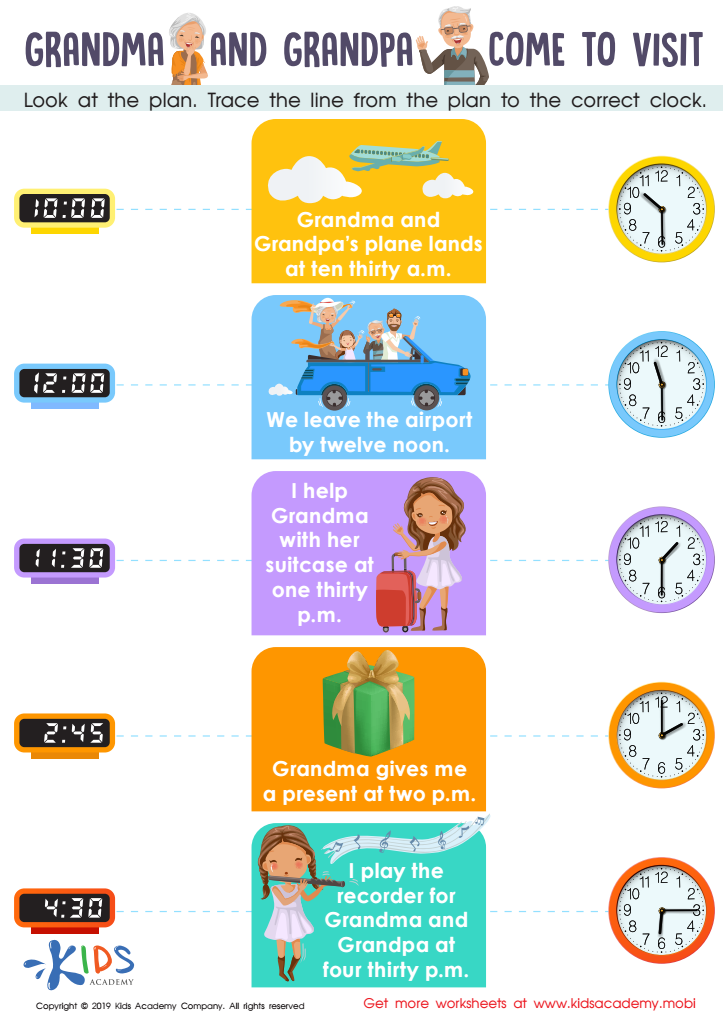
Grandpa and Grandma Come to Visit Worksheet
Have your kids learn about time using this worksheet. It contains pictures, accompanying texts and a clock, which you can use to help them trace the plan. Grandparents' visits and trips to their house are the perfect opportunity to practice this skill. Talk to your kids about the plan and watch them trace it to the correct clock.
 Assign to My Students
Grandpa and Grandma Come to Visit Worksheet
Worksheet
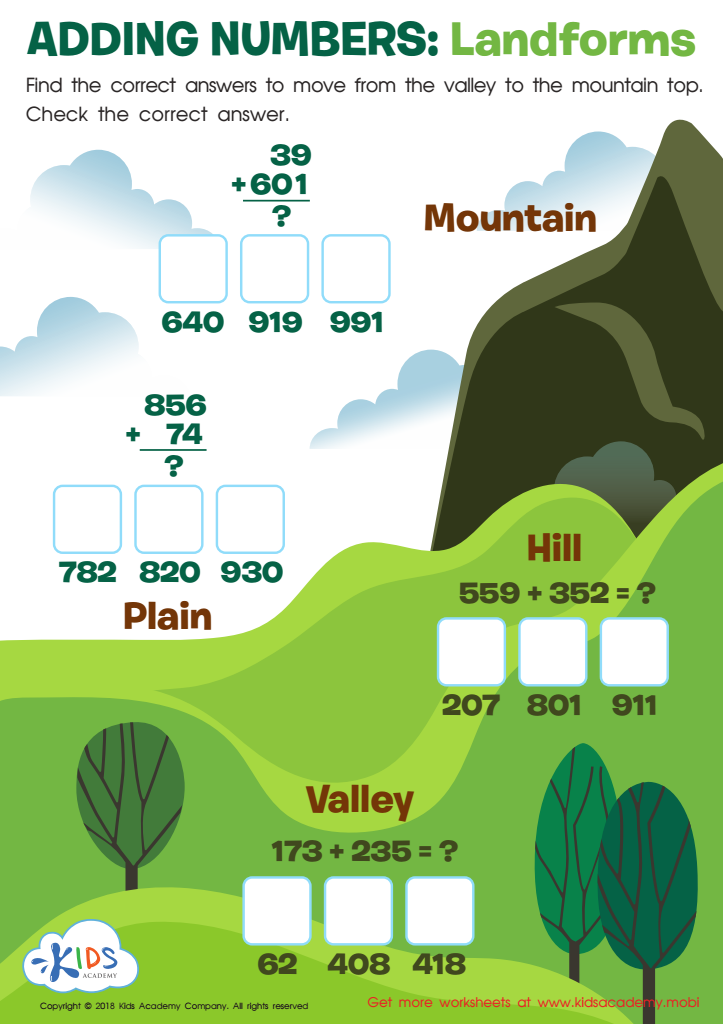
Adding Numbers: Landforms Worksheet
Help your kids solve simple equations and find the right answers to climb from valley to mountain top, then check the correct answer. Land on Earth is home to plants, animals and humans. It's not flat; there are mountains, valleys and hills.
Adding Numbers: Landforms Worksheet
Worksheet
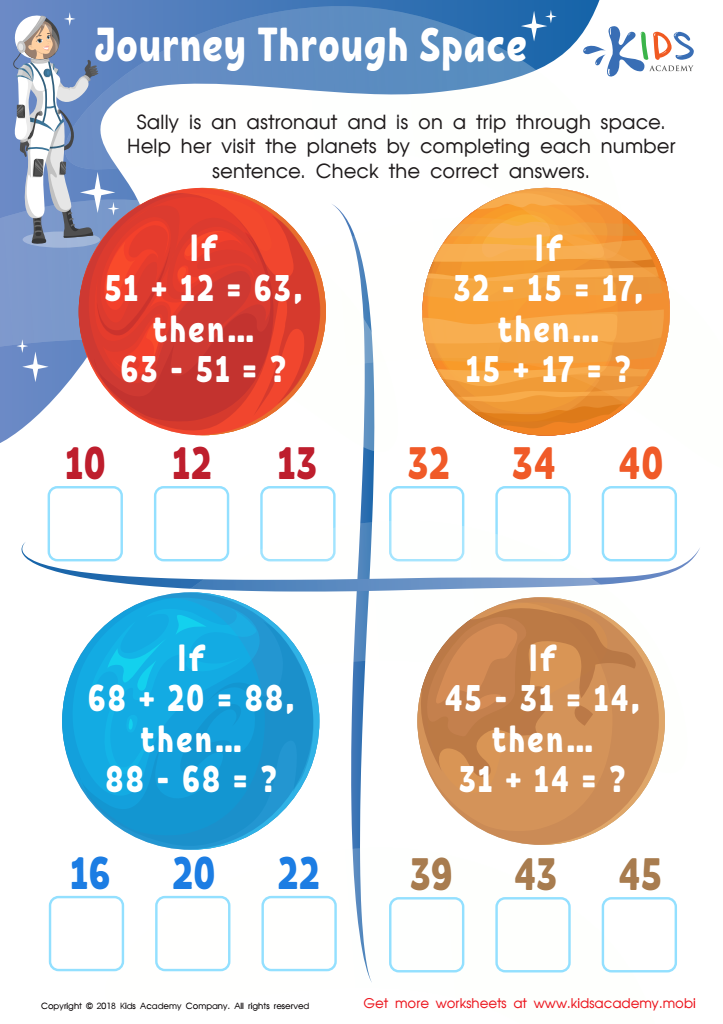
Journey Through Space Worksheet
Astronauts are essential explorers. They travel between Earth and other planets to gain knowledge of life in space. Being an astronaut requires strong math skills, so help your child develop them through this worksheet. Ask them to assist Sally on her journey to the planets by solving the number sentences in the picture. Verify the answers are correct.
Journey Through Space Worksheet
Worksheet
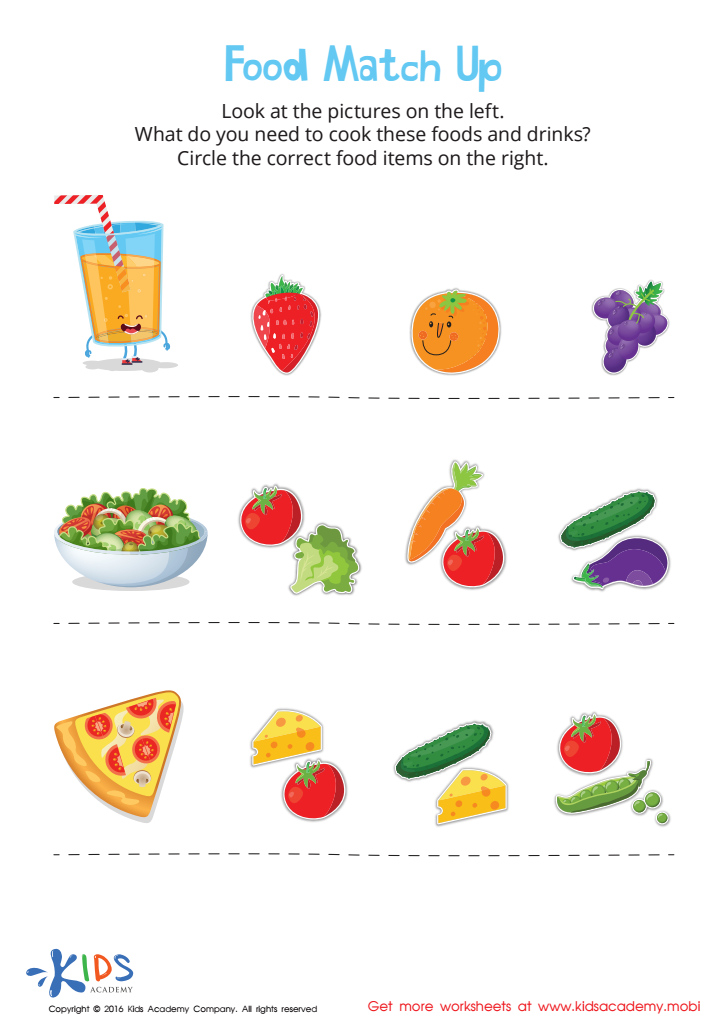
Food Match Up Worksheet
This worksheet will help your preschooler develop early math and cognitive skills. It challenges them to pay attention to details, understand how smaller parts make a whole, and increase important matching skills. Use it to give them a hands-on learning experience in the kitchen, and watch them understand how ingredients come together to make something delicious!
Food Match Up Worksheet
Worksheet
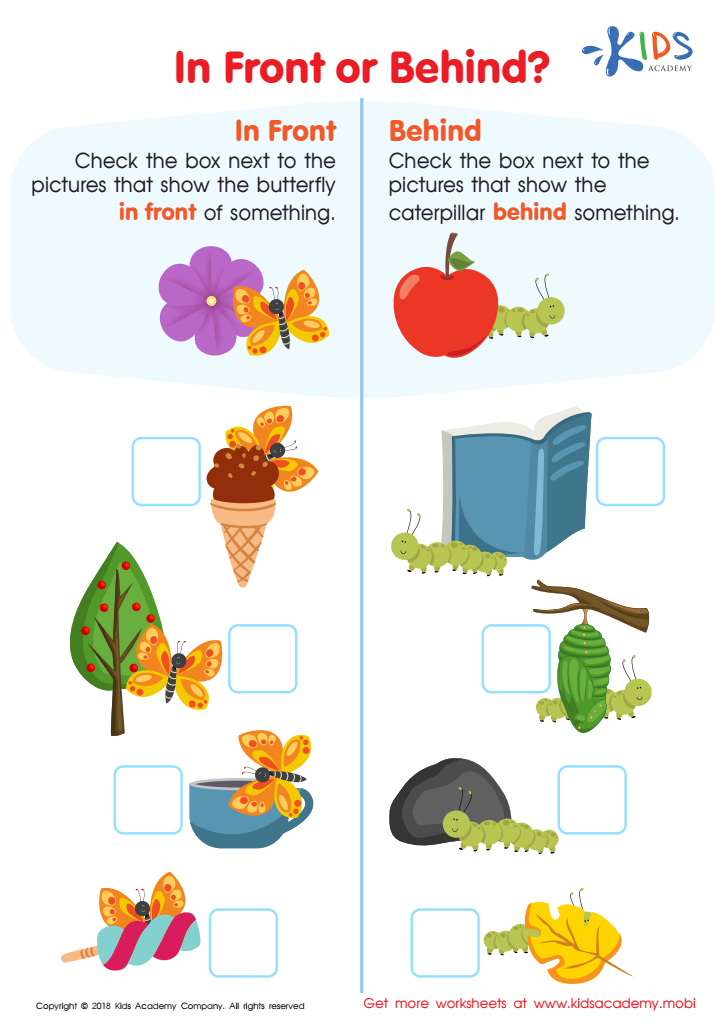
In Front or Behind Worksheet
Hone your child's spatial skills with 'in front' and 'behind'! This knowledge is essential for communication and study. Get them started with this free PDF worksheet - check off the pictures that show the butterfly in front and caterpillar behind!
In Front or Behind Worksheet
Worksheet
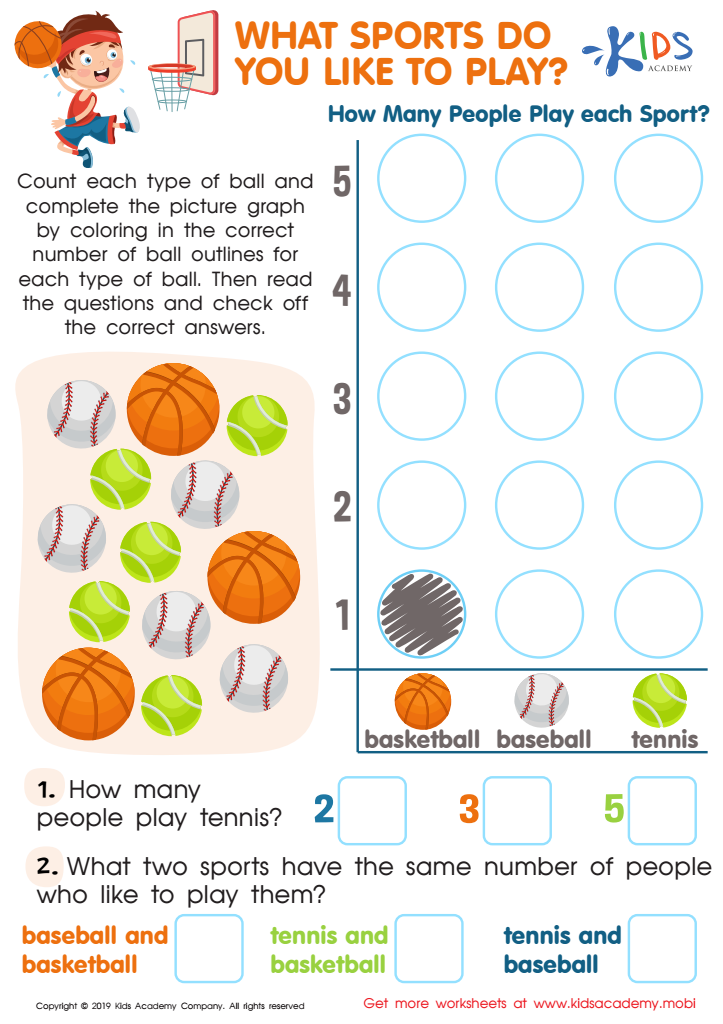
What Sports Do You Like to Play Worksheet
Encourage your kids to complete this fun sports-themed math worksheet! Count each type of ball then help them complete the picture graph. It's a great way to make math a fun, tear-free activity. Download our printable PDF to get started!
What Sports Do You Like to Play Worksheet
Worksheet
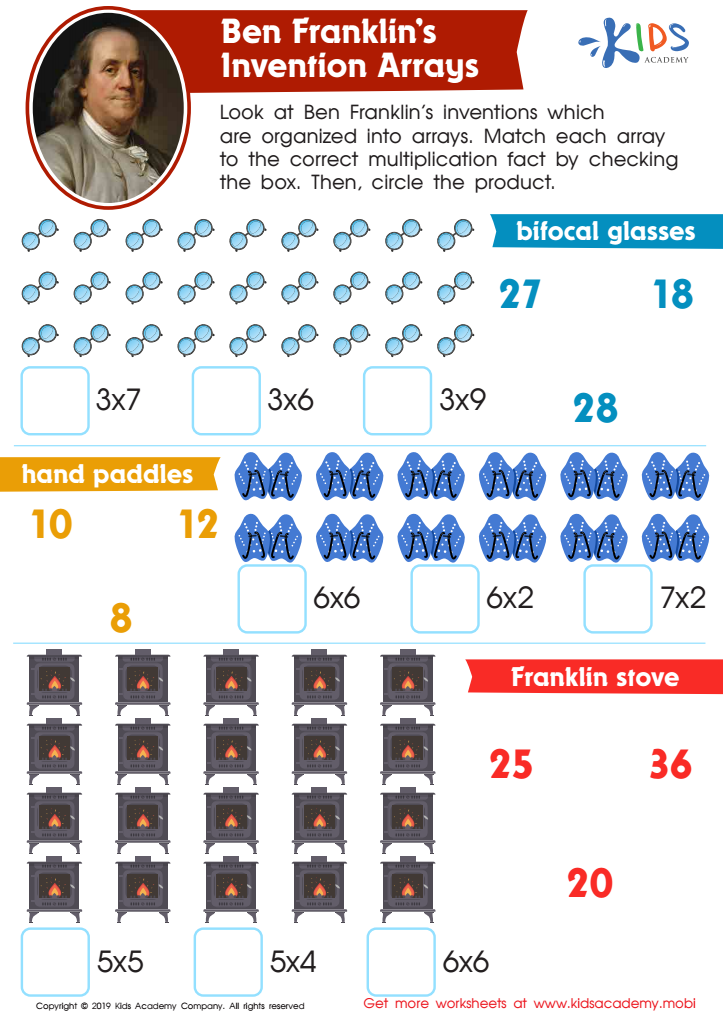
Ben Franklin’s Invention Arrays Worksheet
Have your child guess some of the inventors of the popular items we use today. For instance, the light bulb was invented by Thomas Edison. Look at Ben Franklin's inventions and help your kids match the arrays to the correct multiplication fact. Check the box and circle the product.
Ben Franklin’s Invention Arrays Worksheet
Worksheet
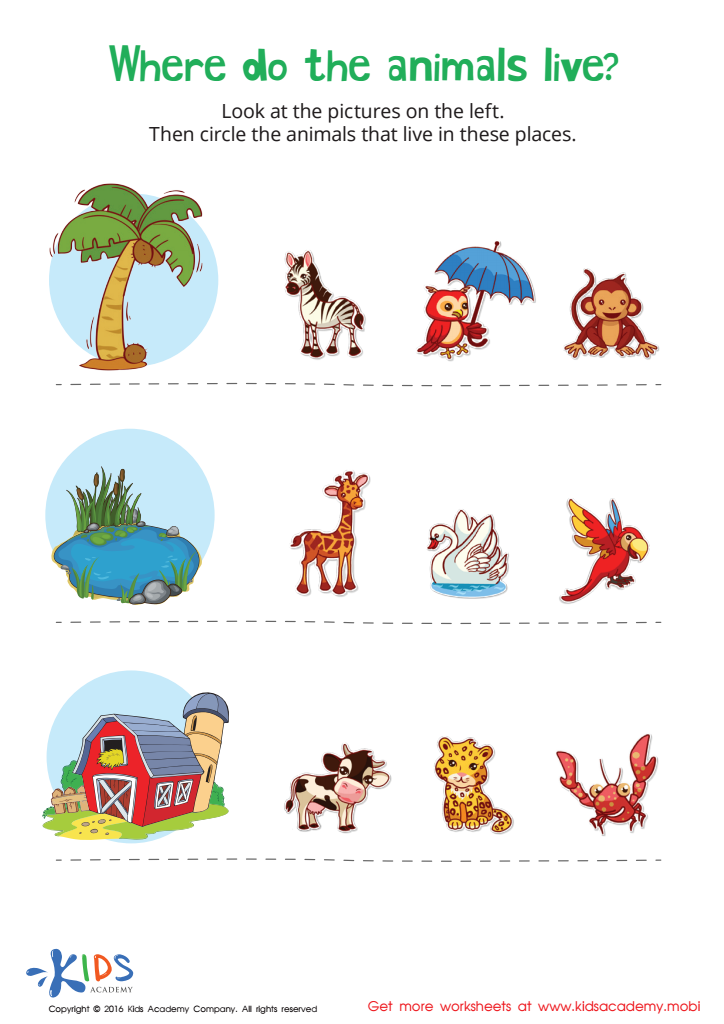
Where Animals Live Worksheet
Teaching early reading and math skills is important, but don't forget about science. With the Where Animals Live PDF worksheet, kids can identify their favorite animals and the environments they live in. Ask them what type of environment the animals like and introduce them to geography. It's great for logical reasoning and classification skills. Your kid will practice with their favorite animals and love the trip to the zoo afterwards!
Where Animals Live Worksheet
Worksheet
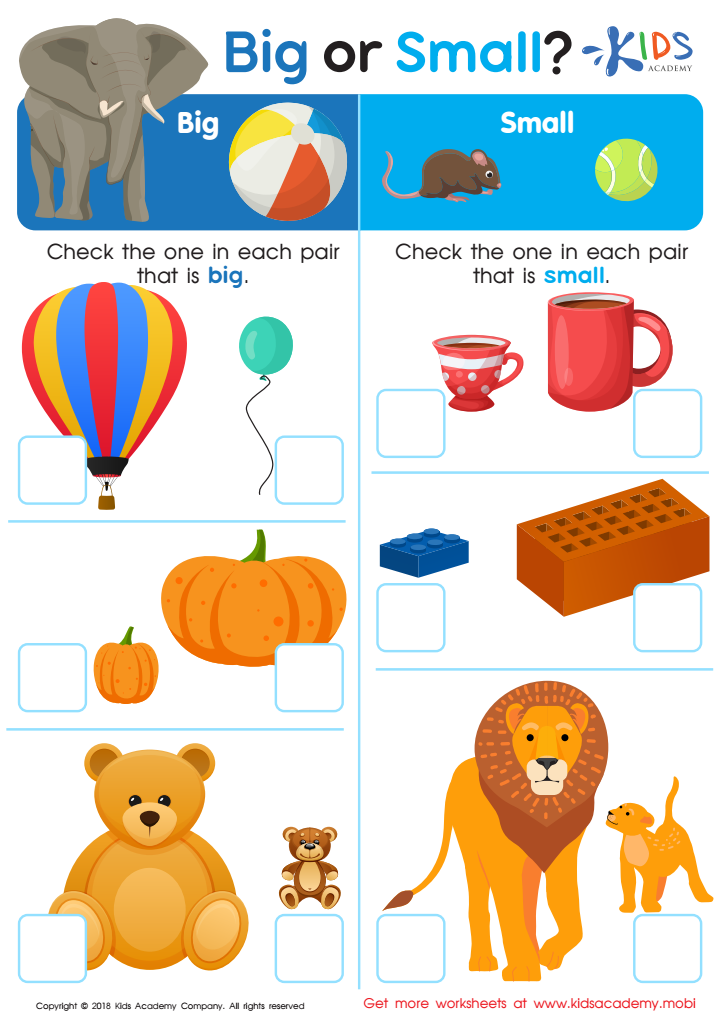
Big or Small? Worksheet
Kids need visuals to understand bigger and smaller concepts. This free PDF worksheet offers fun pictures that let them compare and gain a stronger understanding of sizes. Kids will enjoy it and won't realize they're learning since the pictures are so engaging. It's great preparation for future measurements.
Big or Small? Worksheet
Worksheet
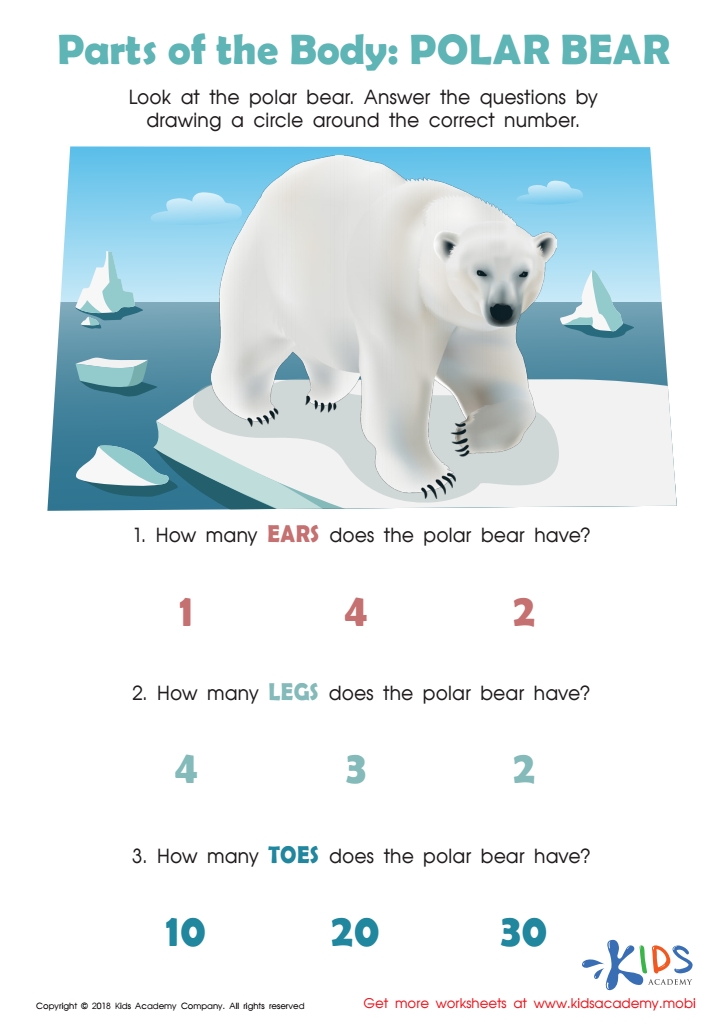
Parts of the Body: Polar Body Worksheet
Start by showing your kid a picture of a Polar Bear. Explain that it's a member of the bear family with white fur and a large size. Use this worksheet to teach them more about the animal. Go through the questions together and have them draw a circle around the correct number for each one.
Parts of the Body: Polar Body Worksheet
Worksheet
Join Kids Academy for Free
Who is primarily going to use this learning content?





Vocabulary development in mathematics for children aged 3-8 is critical for their overall academic success and cognitive growth. It lays the foundation for understanding mathematical concepts and problem-solving skills. When children learn specific math vocabulary, such as "add," "subtract," "greater than," and "equal to," they are better equipped to comprehend instructions, word problems, and applied situations involving numbers.
Parents and teachers play a significant role in enriching children's math vocabulary. Early exposure to mathematical language helps children articulate their thought processes, enhancing their ability to communicate effectively about their mathematical thinking. Furthermore, using math vocabulary in context fosters a deeper understanding of concepts beyond mere memorization.
As children transition to more complex topics, a strong vocabulary allows them to participate actively in discussions and collaborative learning experiences. Research shows that a robust vocabulary is linked to improved performance in math assessments.
Moreover, engaging children with math vocabulary in a playful, interactive manner, through games and stories, nurtures their interest and enthusiasm for math. By prioritizing vocabulary development in mathematics, parents and teachers can empower children to build confidence, set a solid groundwork for future learning, and cultivate a lifelong appreciation for the subject.








