Logical thinking Matching Worksheets for Ages 3-8
5 filtered results
-
From - To
Welcome to our Logical Thinking Matching Worksheets for ages 3-8! Designed to engage young learners, these worksheets provide a fun and interactive way to develop critical thinking skills. Children will enjoy matching images, patterns, and concepts, helping them recognize relationships and make connections. Our activities are perfect for parents and educators looking to enrich their curriculum with essential cognitive skills. Each worksheet is tailored to challenge different age groups, ensuring an easy progression from simple tasks to more complex matching exercises. Encourage your child's logical thinking abilities while having fun—download our printable worksheets today for an enriching educational experience!
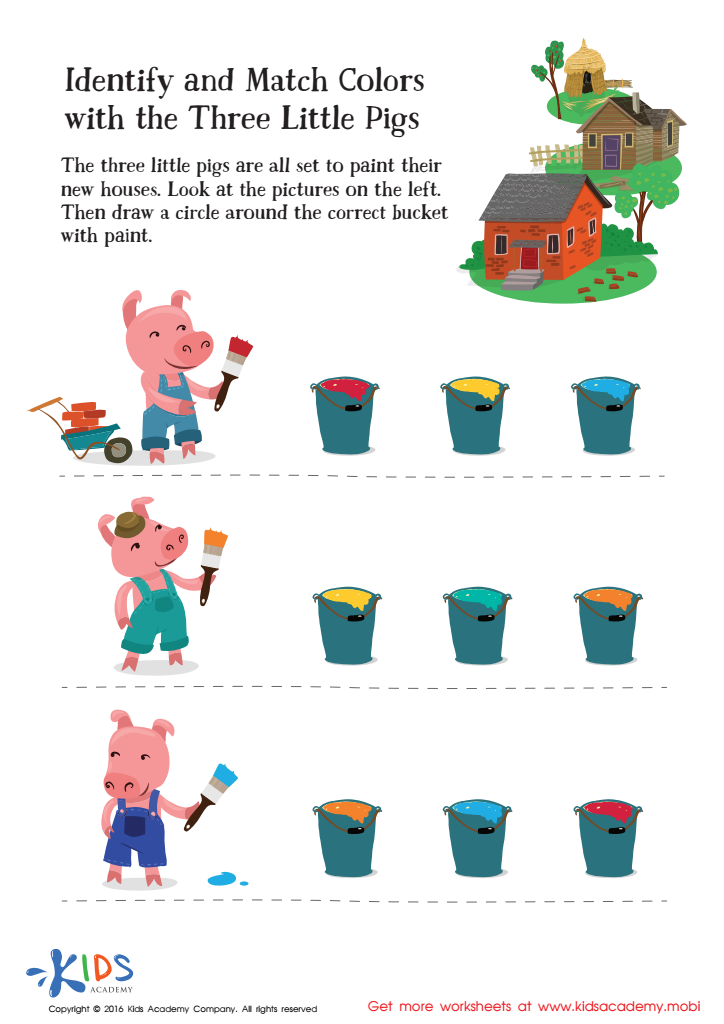
Fairy Tale Worksheet: Identify and Match Colors with Three Little Pigs
 Assign to My Students
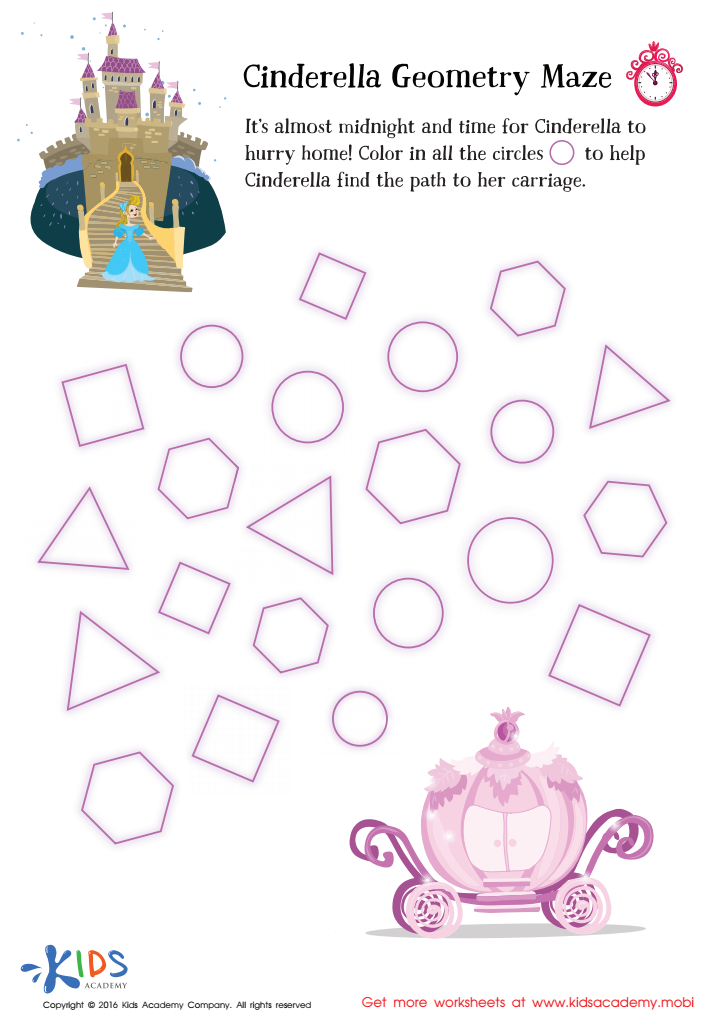
Cinderella Geometry Maze Worksheet
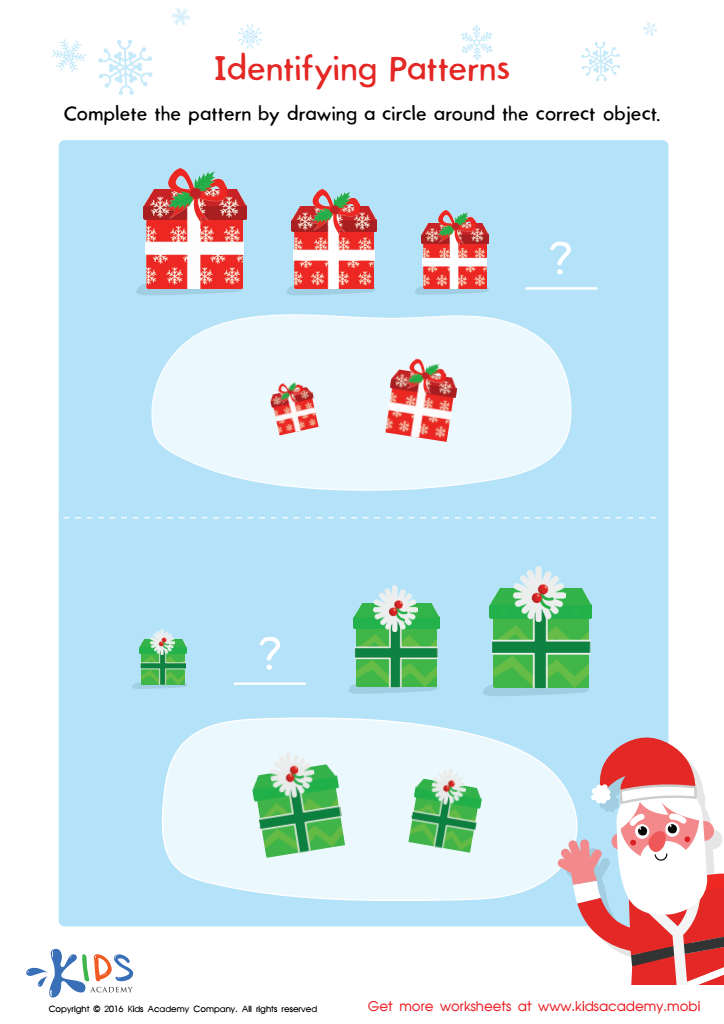
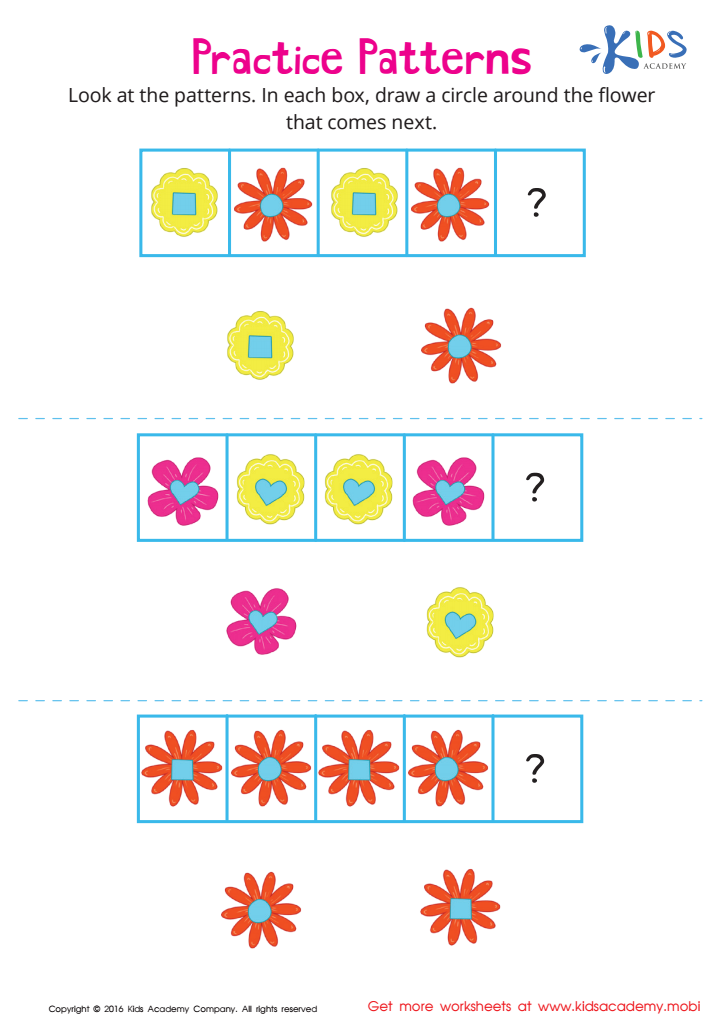
Identifying Patterns Worksheet
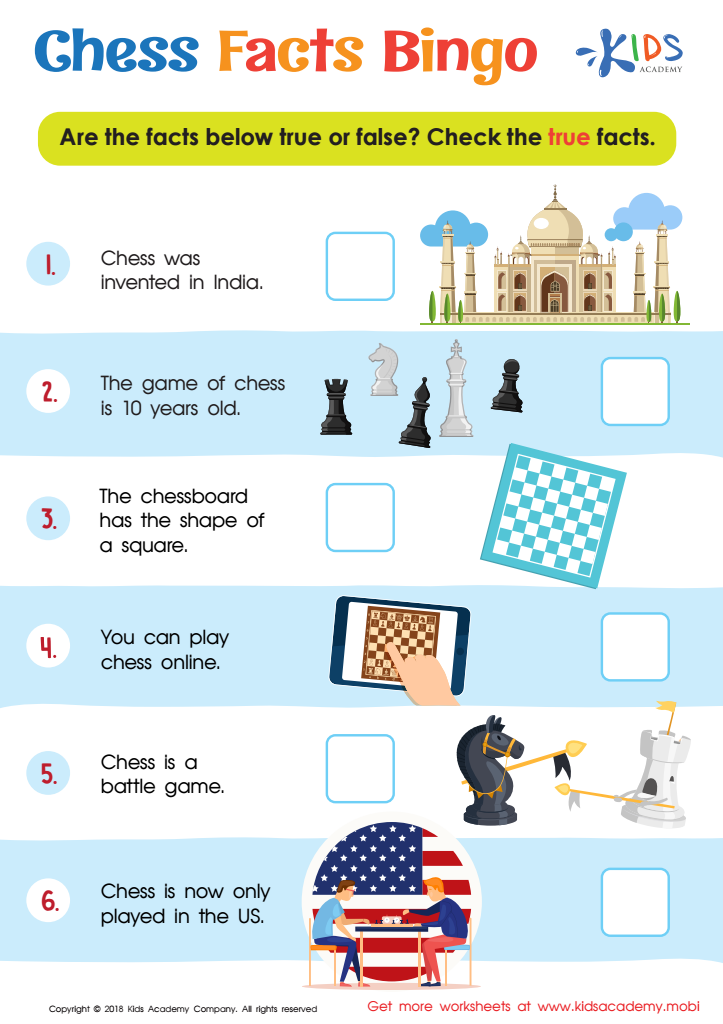
Chess Facts Bingo Worksheet







Logical thinking is a fundamental skill that shapes how children understand and interact with the world. For children aged 3 to 8, logical thinking encompasses the ability to categorize, compare, and make connections between different concepts. Engaging in matching activities not only promotes cognitive development but also fosters critical thought processes.
Parents and teachers should prioritize logical thinking matching exercises, as they enhance problem-solving skills and boost children's self-confidence. These activities encourage young learners to recognize patterns, discern similarities and differences, and develop reasoning abilities, which are crucial for future academic success.
Moreover, matching tasks can support language development by introducing new vocabulary associated with the items being matched. These activities also promote social skills when done in group settings, allowing children to communicate their reasoning and learn from one another.
By nurturing logical thinking in early childhood, parents and teachers equip children with essential tools that will benefit them throughout their education and into adulthood. Strong logical reasoning skills help in subjects like math and science, and foster versatility in tackling everyday situations. Thus, cultivating a foundation in logical thinking through engaging matching activities is pivotal in helping children navigate both academic and real-world challenges.








