Number Recognition Matching Worksheets for Ages 3-8
18 filtered results
-
From - To
Discover our engaging Number Recognition Matching Worksheets designed for children ages 3-8! These interactive activities encourage early numeracy skills by helping young learners recognize and match numbers with corresponding images or quantities. Ideal for preschool and early elementary classrooms, our worksheets promote fine motor skills and reinforce number identification in a fun and educational way. Bright colors and playful designs grab children's attention while fostering independent learning. Perfect for use at home or in school settings, these worksheets are an enjoyable tool for teachers and parents alike. Start your child’s math journey today with our expertly crafted resources!
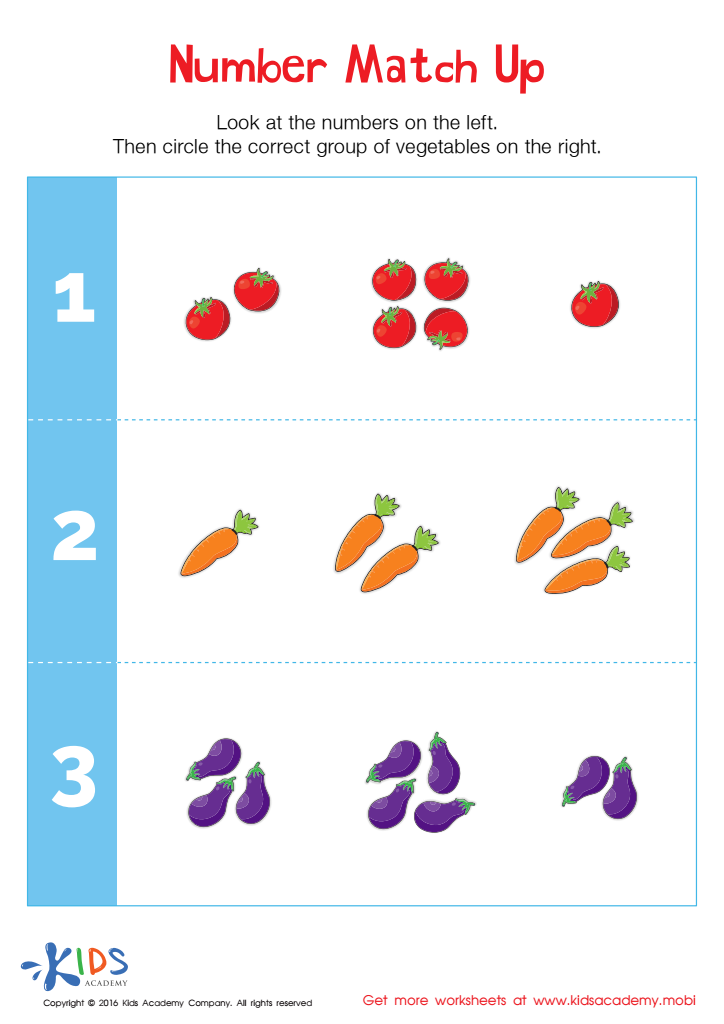
Number Match Up Worksheet
 Assign to My Students
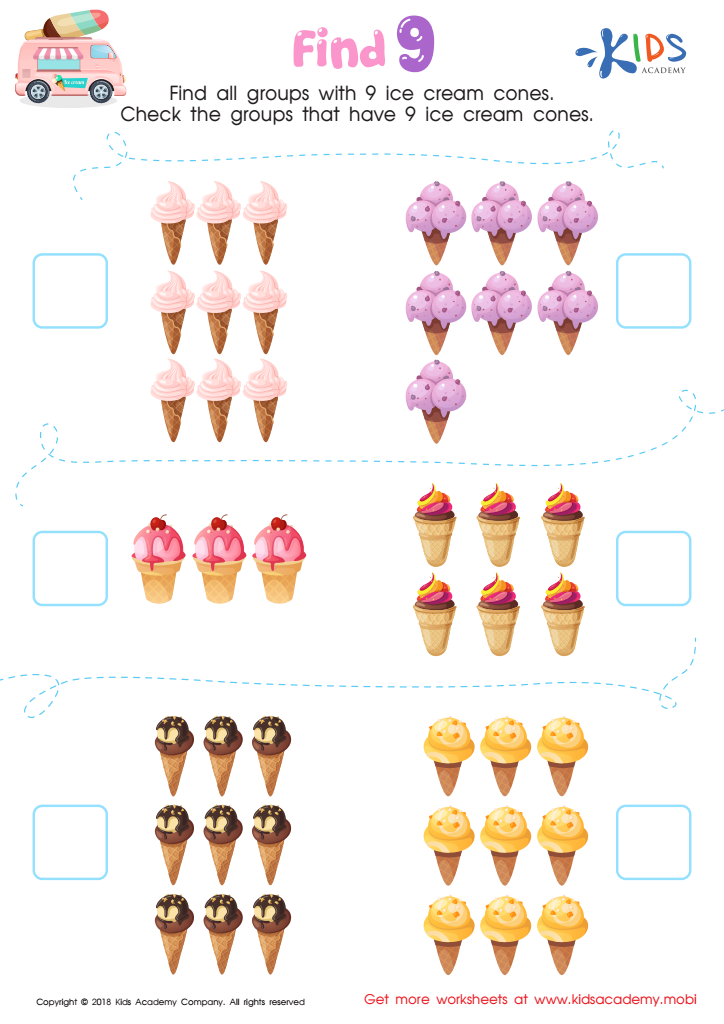
Find 9 Worksheet
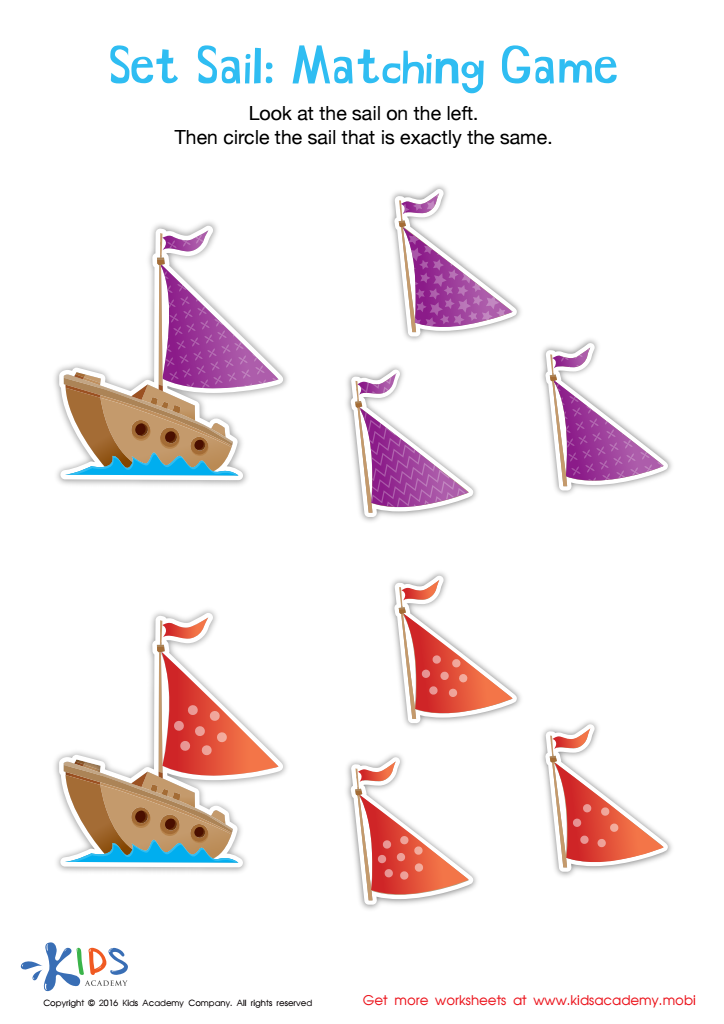
Set Sail Worksheet
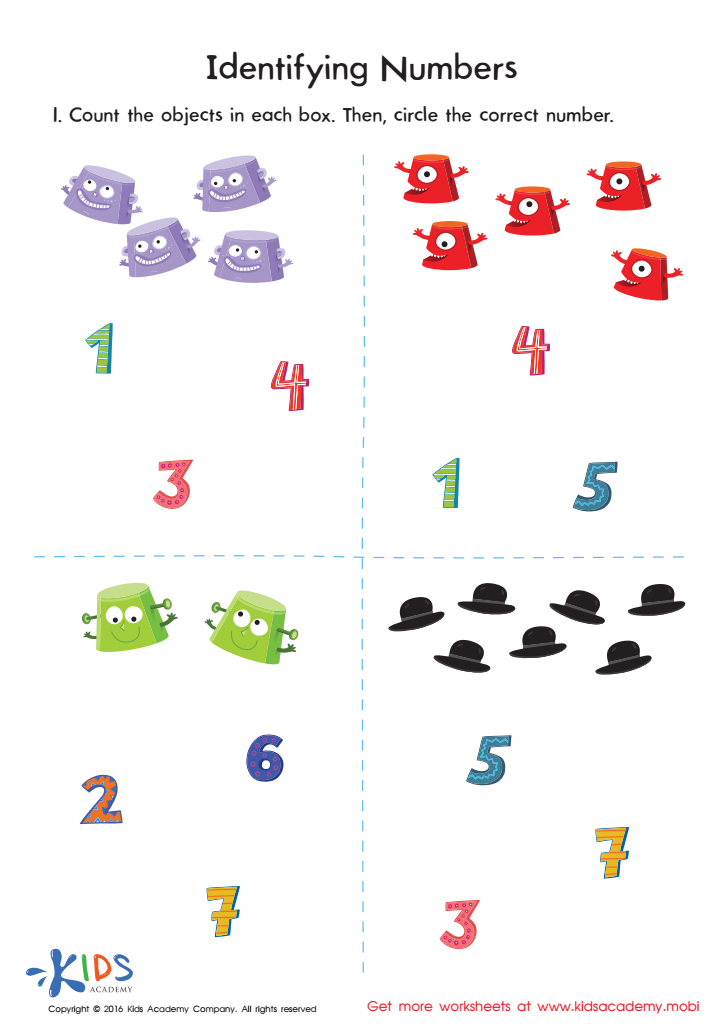
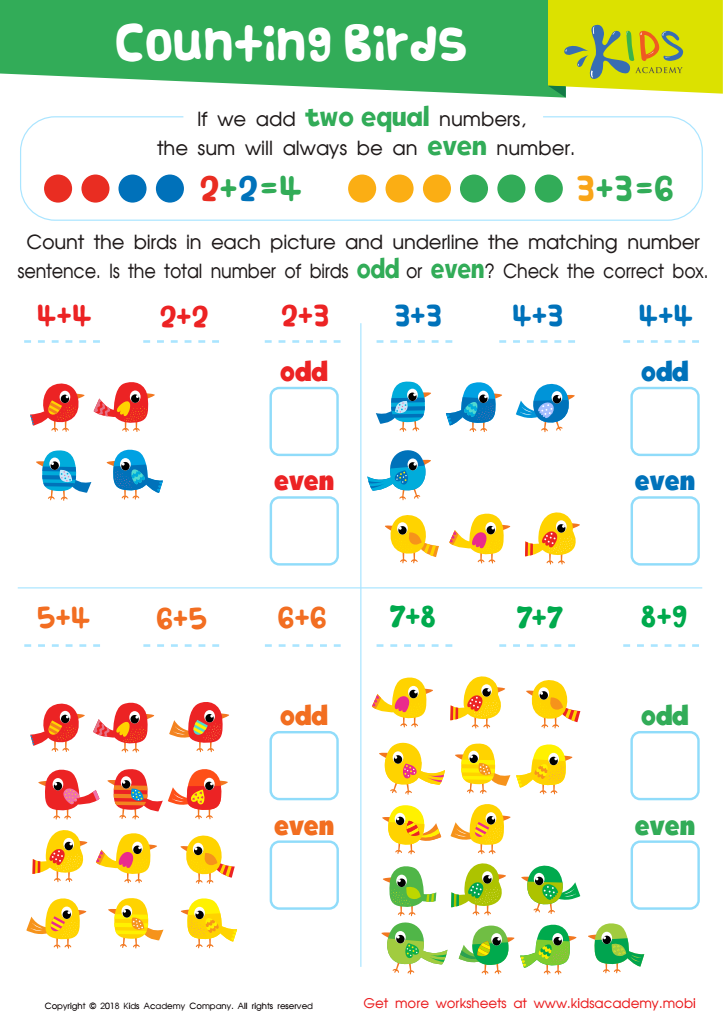
Counting Birds Worksheet
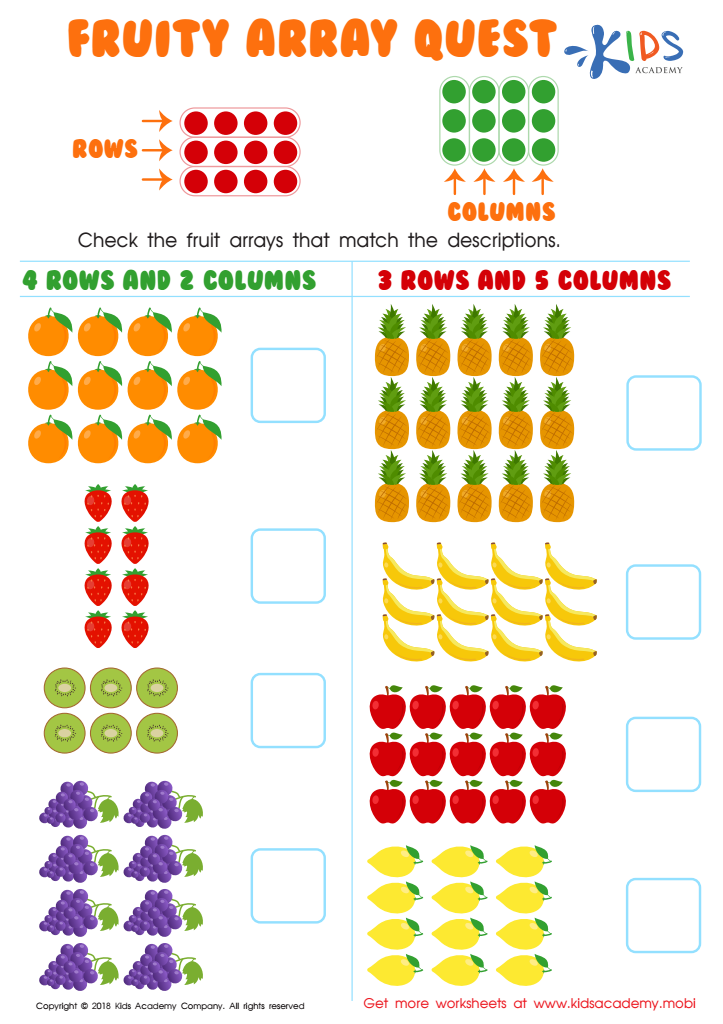
Fruity Array Quest Worksheet
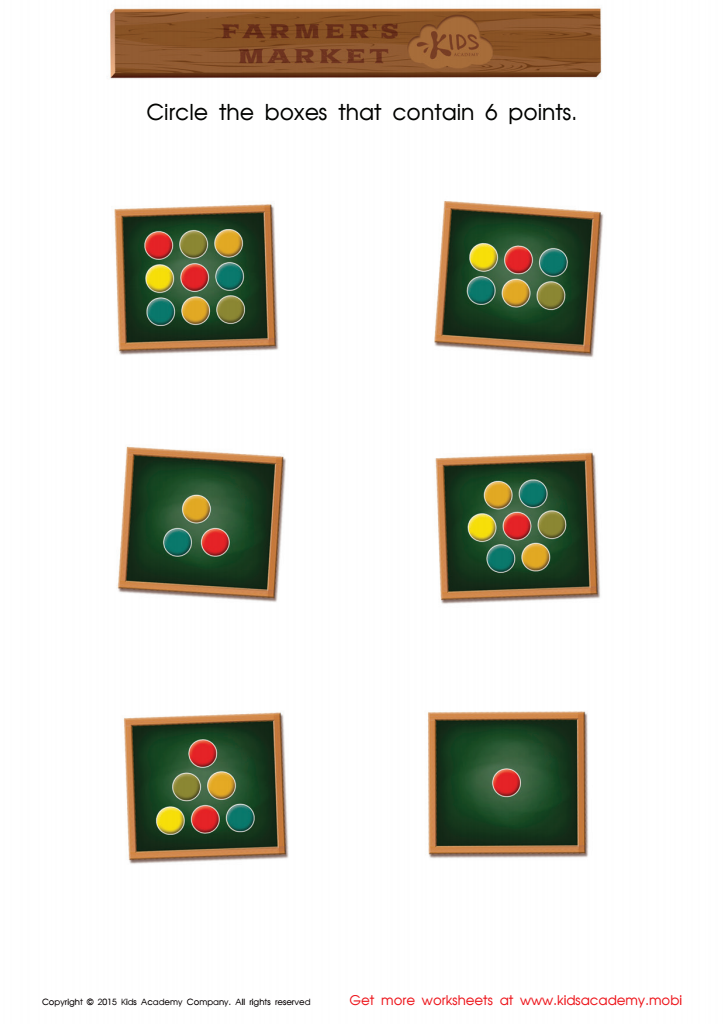
Count and Match Points 6 Math Worksheet
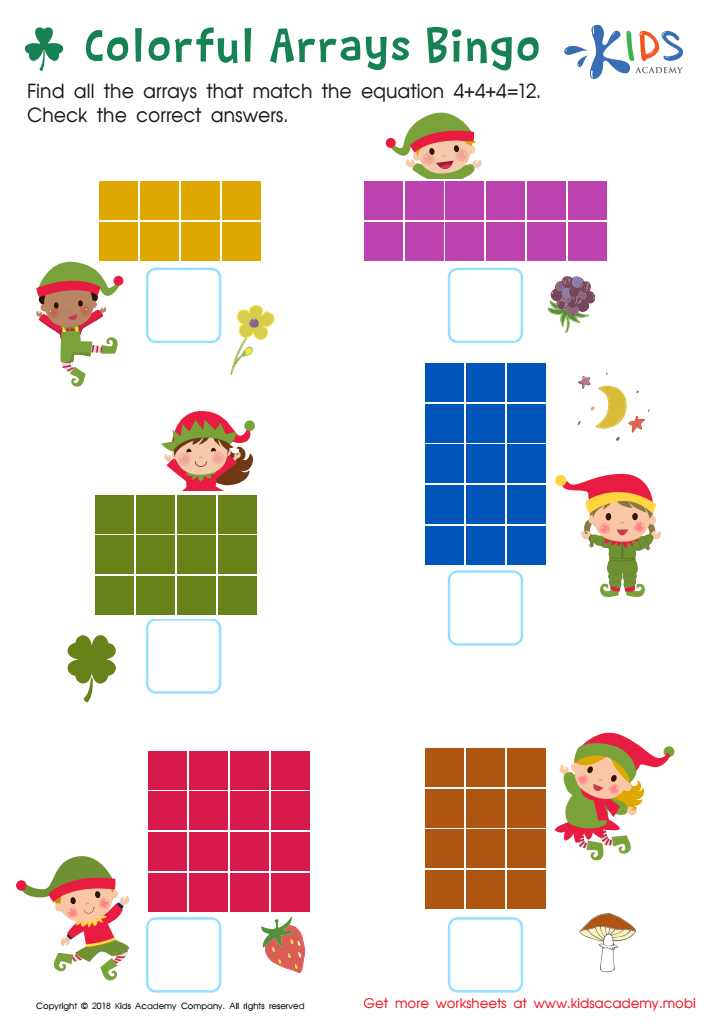
Colorful Arrays Bingo Worksheet
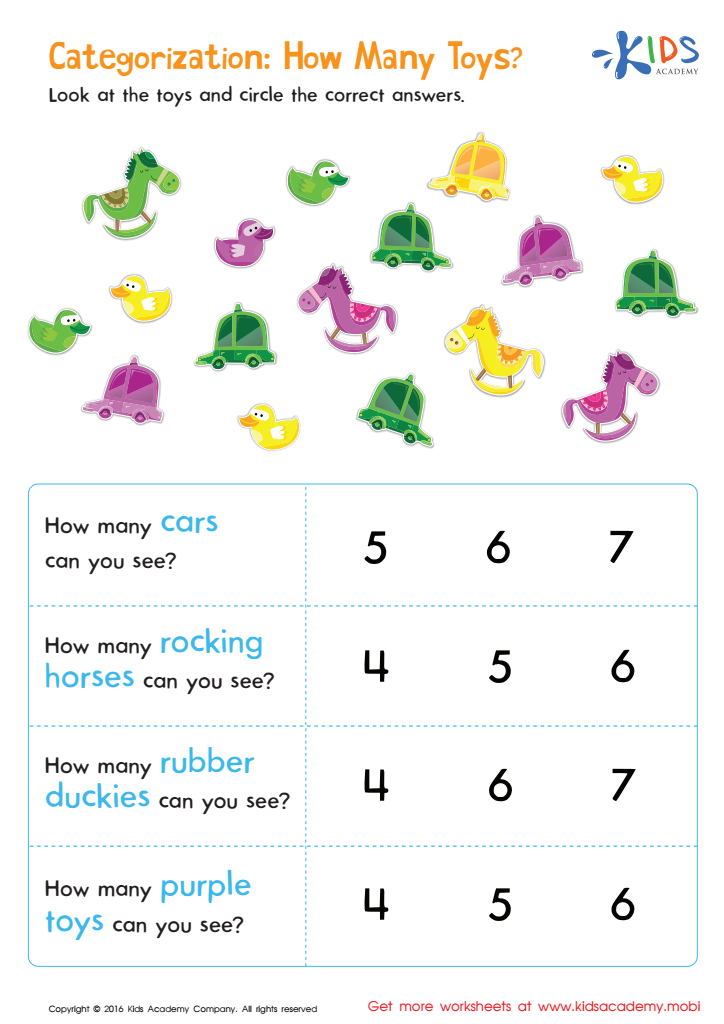
Classifying Toys by Type and Color Sorting Worksheet
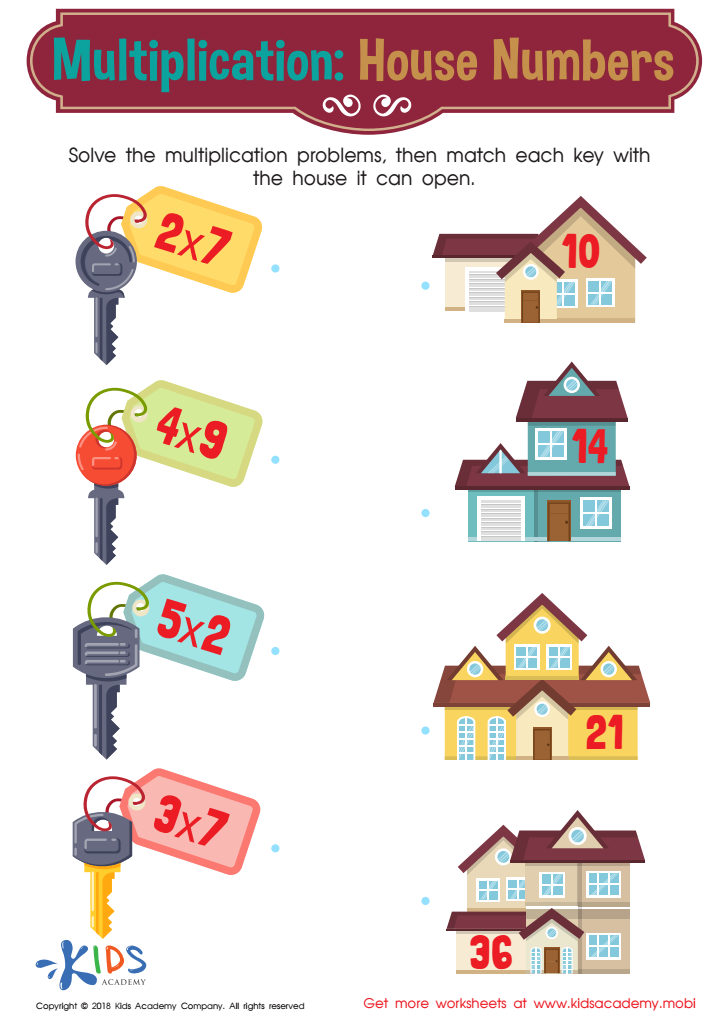
House Numbers Worksheet
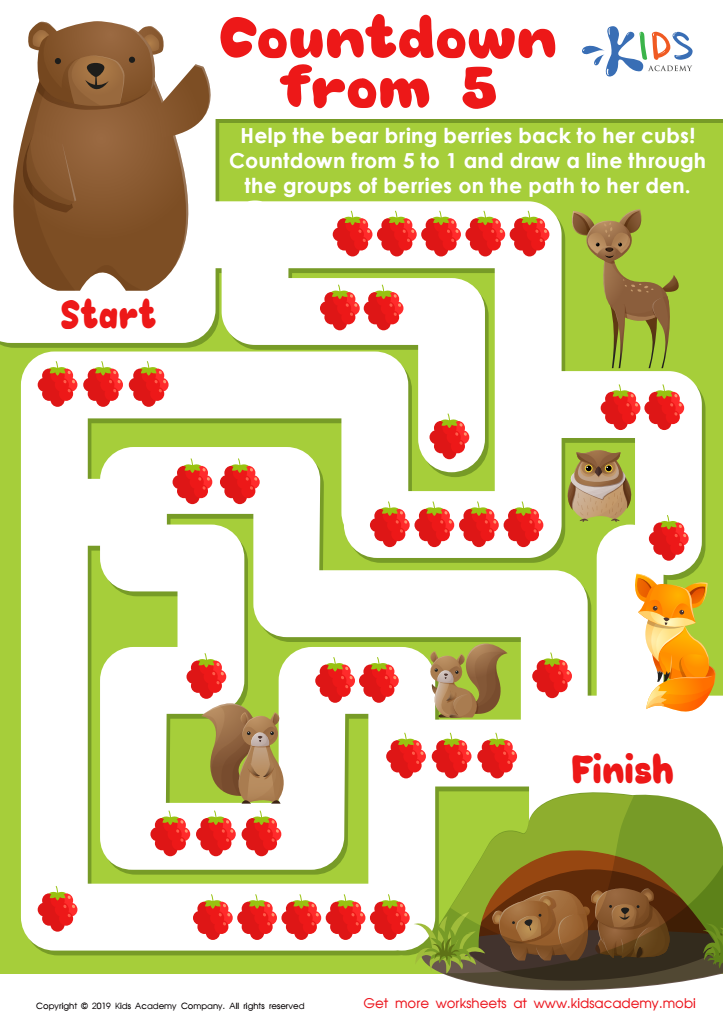
Countdown from 5 Worksheet
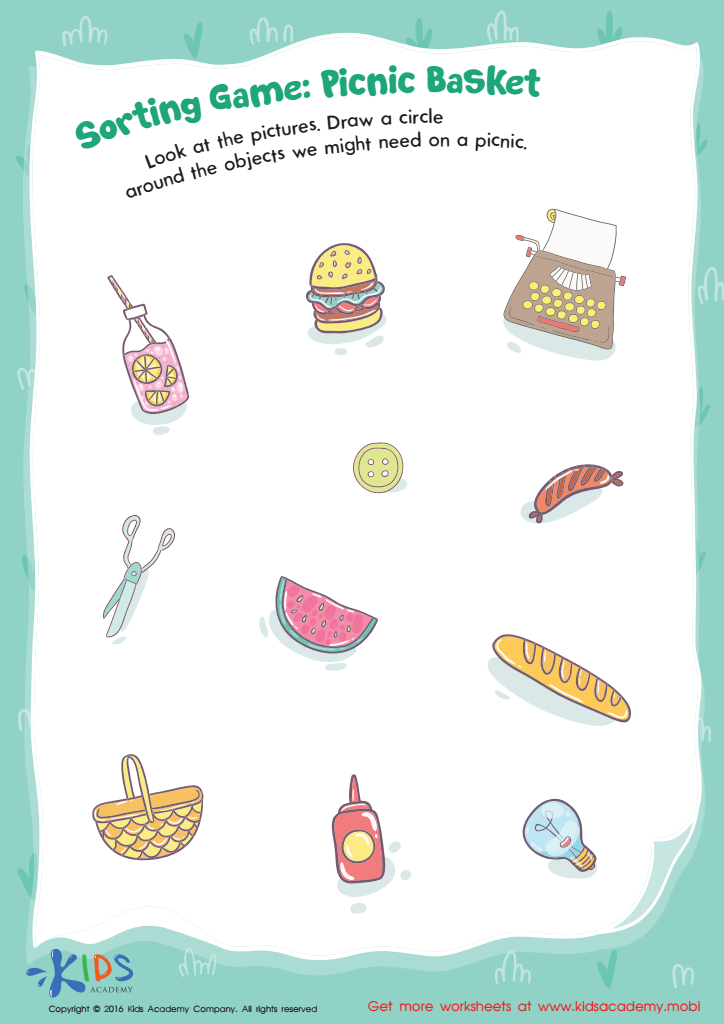
Picnic Basket Sorting Worksheet
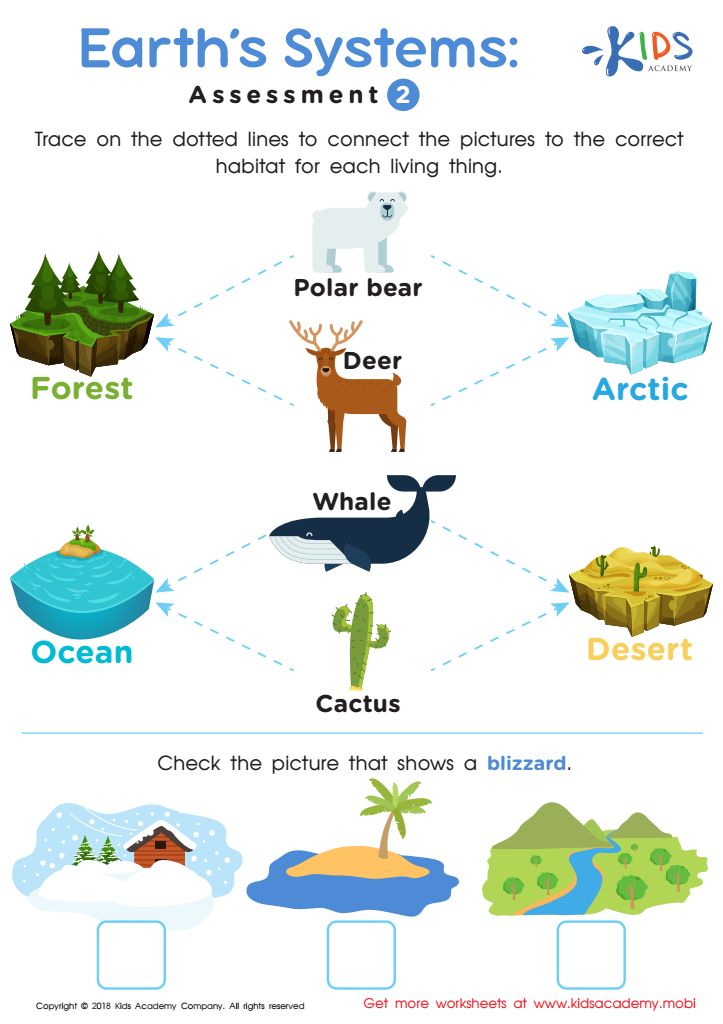
Earth's Systems: Assessment 2
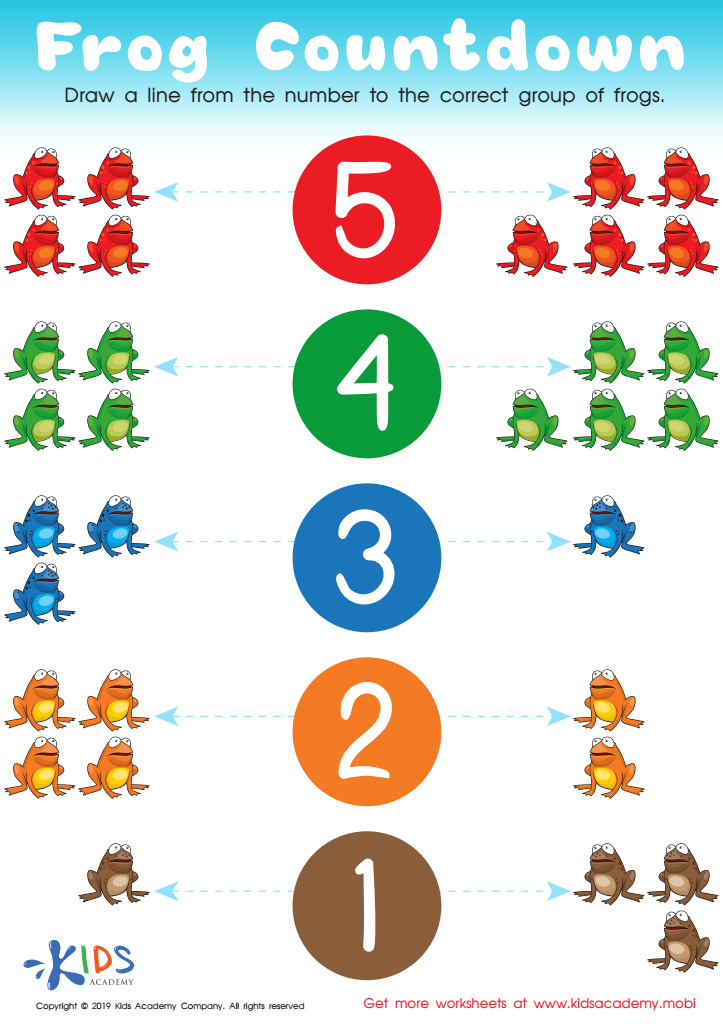
Frog Countdown Worksheet
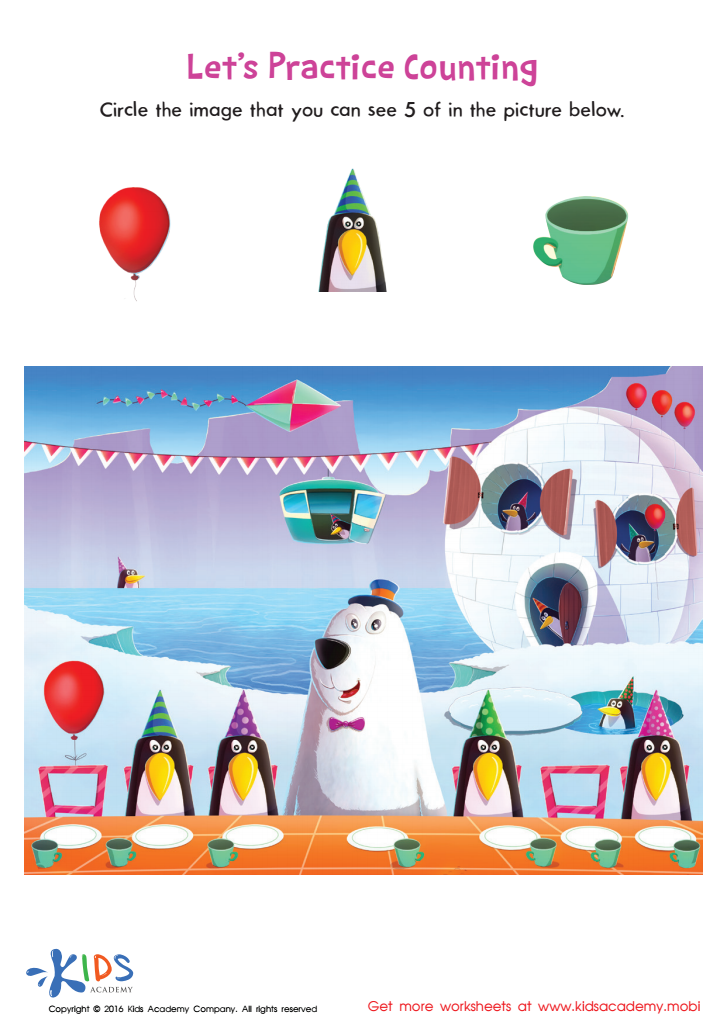
Counting Worksheet: Let's Practice Counting
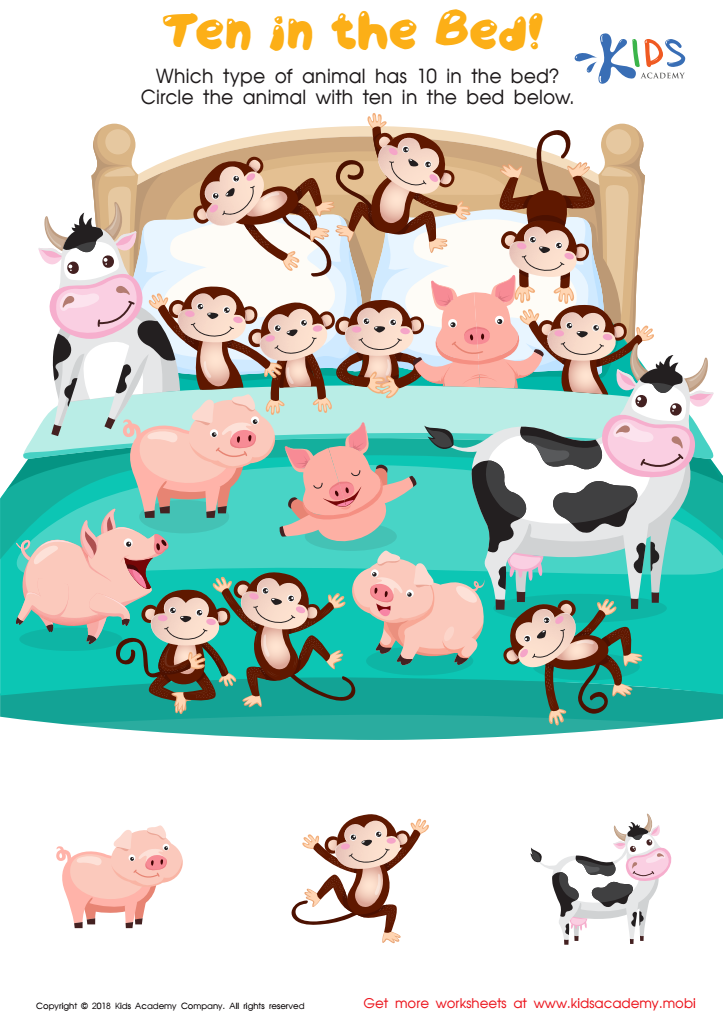
Ten in the Bed Worksheet
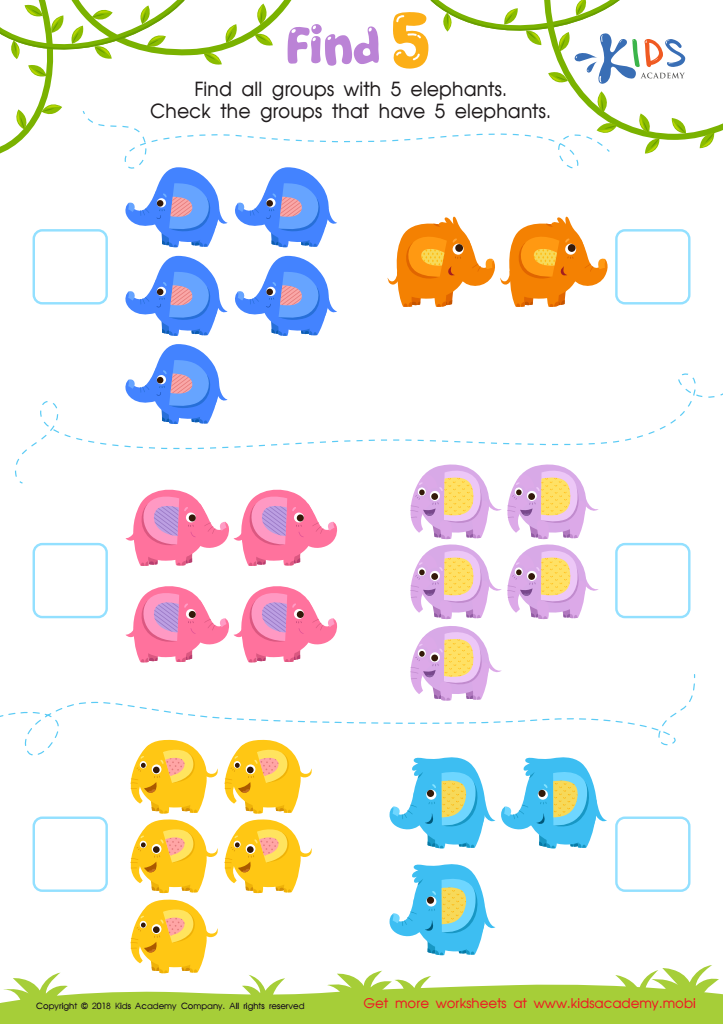
Find 5 Worksheet




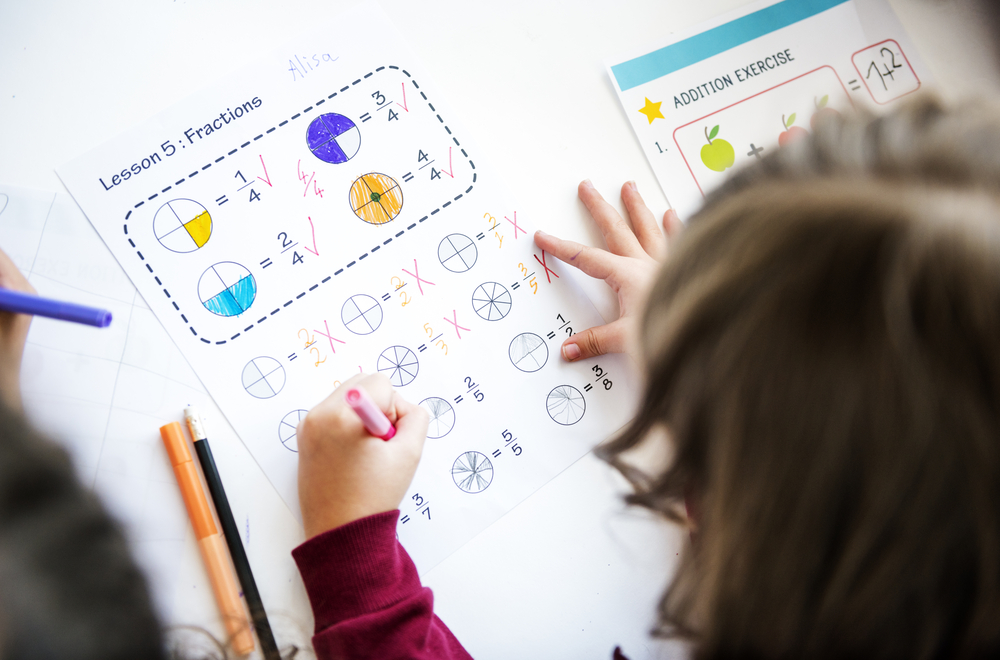


Number recognition and matching are crucial foundational skills for young learners, typically aged 3-8. This stage is formative for cognitive development; mastering these skills enhances a child's ability to understand and manipulate numbers. Recognizing numbers allows children to identify quantities and engage in mathematical concepts, forming the basis for future arithmetic skills.
When parents and teachers prioritize number recognition and matching, they foster children’s engagement with math. This skill creates a connection between the abstract concept of numbers and the tangible world, leading to enhanced problem-solving abilities and critical thinking. Moreover, early familiarity with numbers lays the groundwork for positive attitudes toward mathematics, helping to combat math anxiety later in life.
Additionally, activities that involve number matching stimulate fine motor skills, cognitive flexibility, and spatial awareness. Such learning dynamics facilitate interactive and fun experiences – which are essential at this age!
Ultimately, number recognition and matching are intertwined with broader educational objectives, supporting vocabulary expansion and memory skills. By nurturing these competencies with appropriate tools and encouragement, parents and teachers can significantly shape positive learning trajectories, paving the way for academic success in mathematics and beyond. Engaging children in these activities prepares them not only for school but for everyday life.








