Understanding patterns Multiplication Worksheets for Ages 3-8
11 filtered results
-
From - To
Unlock the world of multiplication for your child aged 3-8 with our "Understanding Patterns Multiplication Worksheets"! These engaging resources are designed to help young learners grasp the concept of multiplication through visual patterns and fun activities. Our worksheets feature colorful illustrations and age-appropriate exercises that encourage critical thinking and problem-solving skills. By recognizing patterns, children will build a strong foundation for understanding multiplication facts and concepts. Perfect for parents and educators alike, these worksheets make learning enjoyable and effective. Set your child on a path to mathematical success with our thoughtfully crafted materials that combine play with learning!
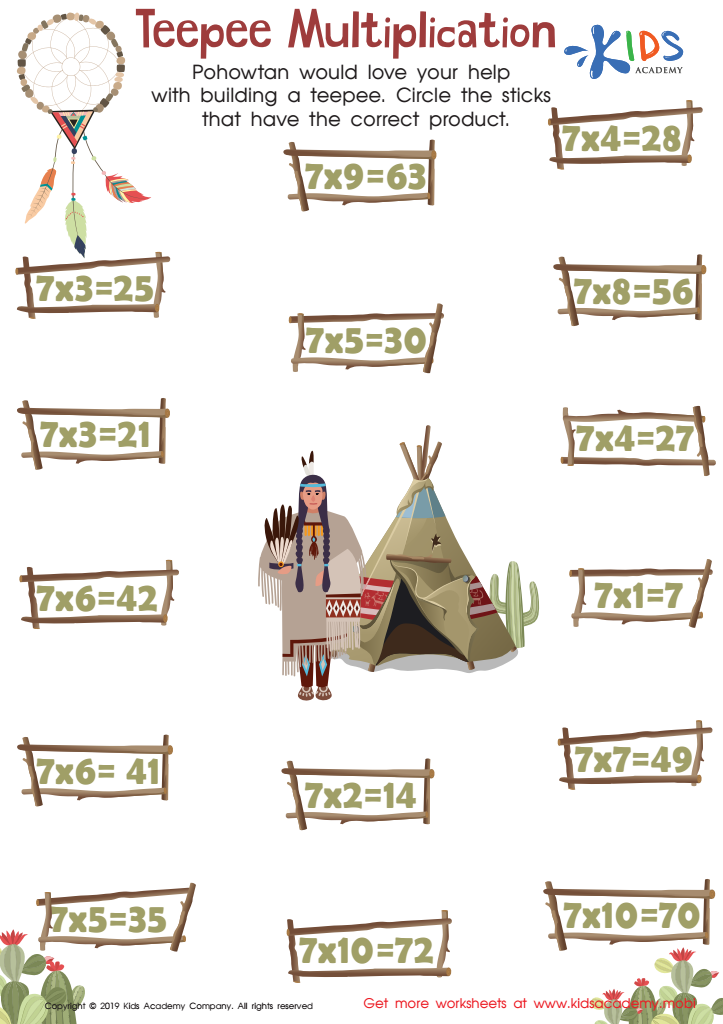
Teepee Multiplication Worksheet
 Assign to My Students
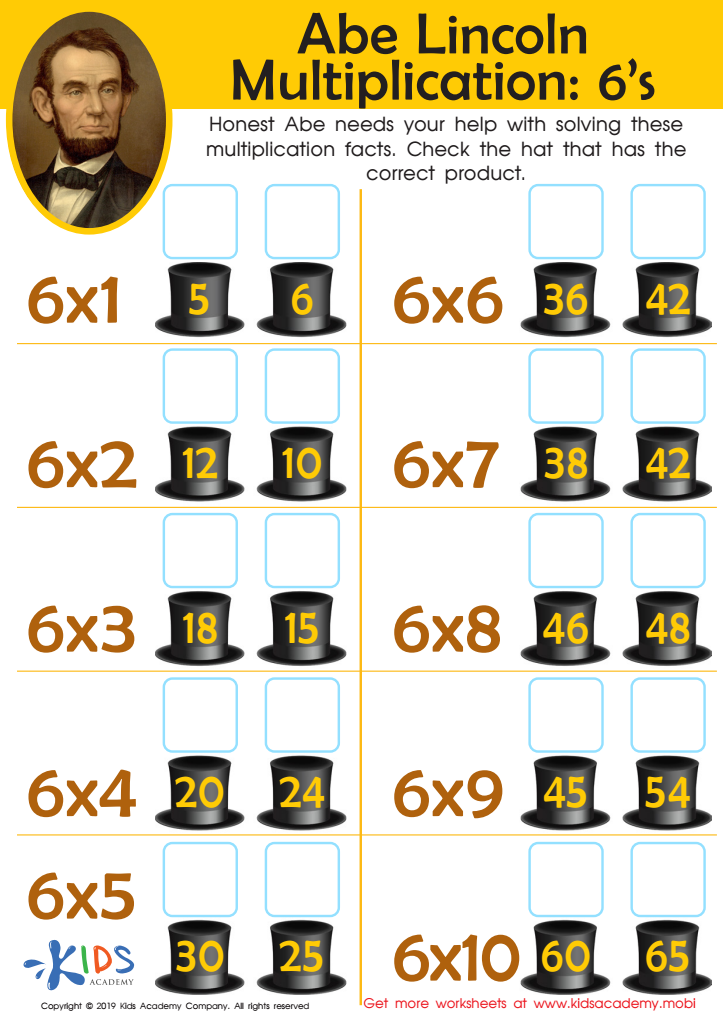
Abe Lincoln Multiplication: 6’s Worksheet
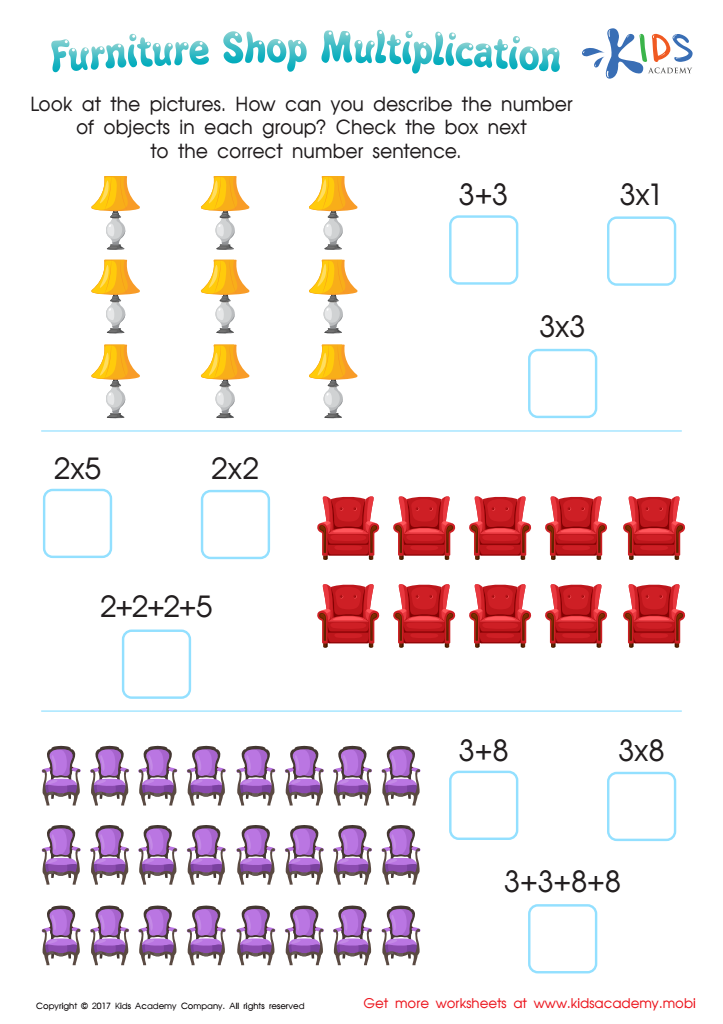
Furniture Shop Worksheet
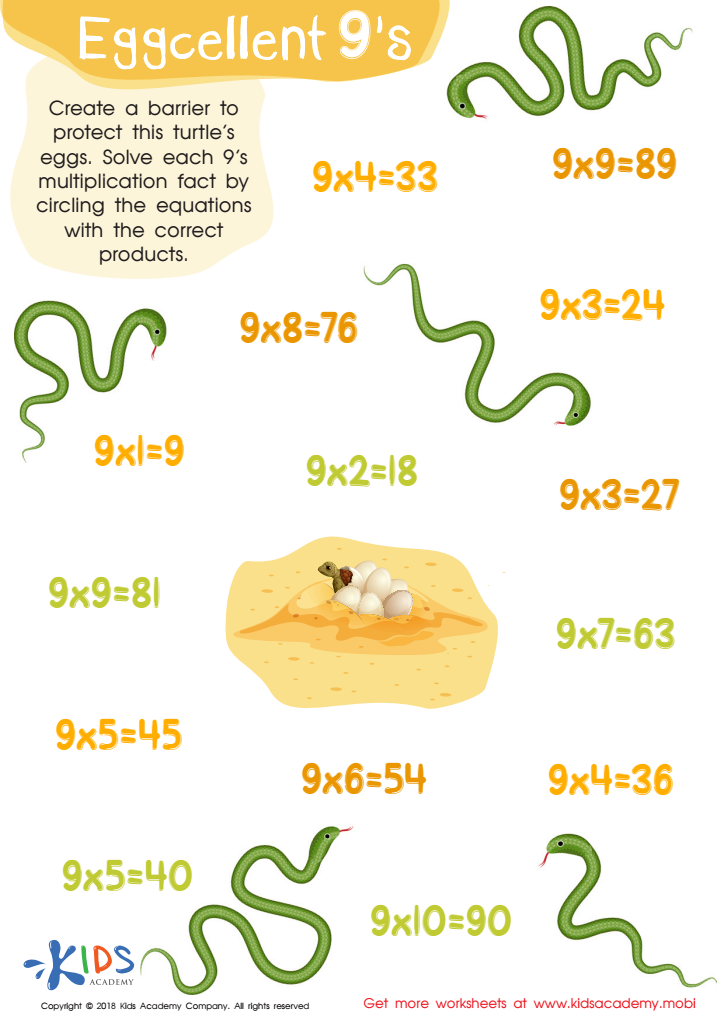
Eggcellent 9’s Worksheet
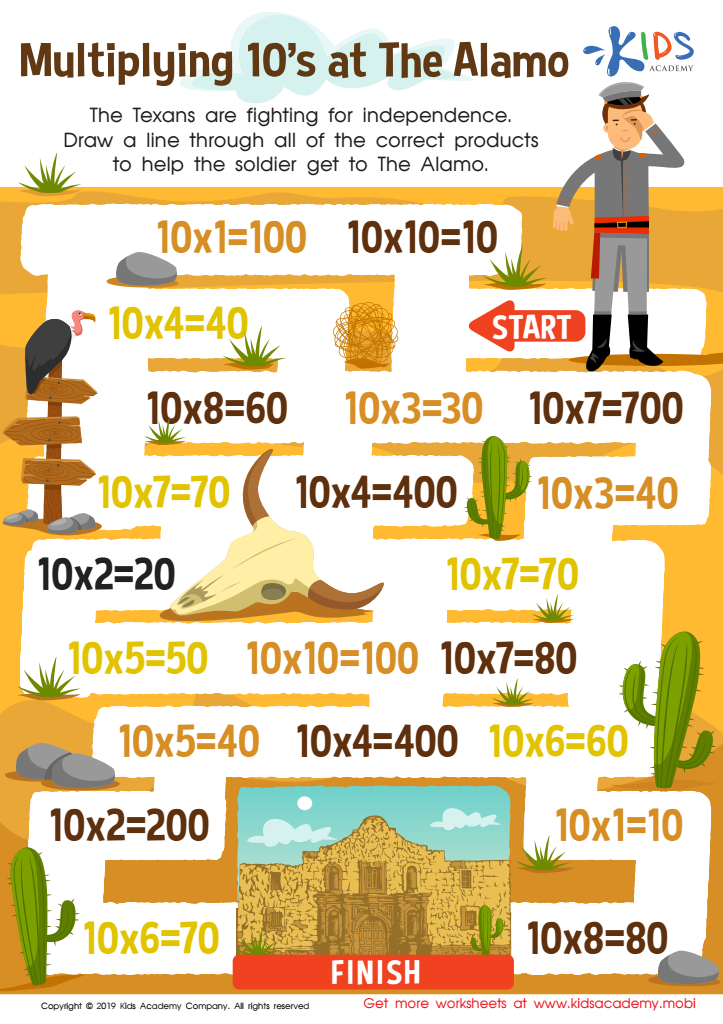
Multiplying 10’s at The Alamo Worksheet
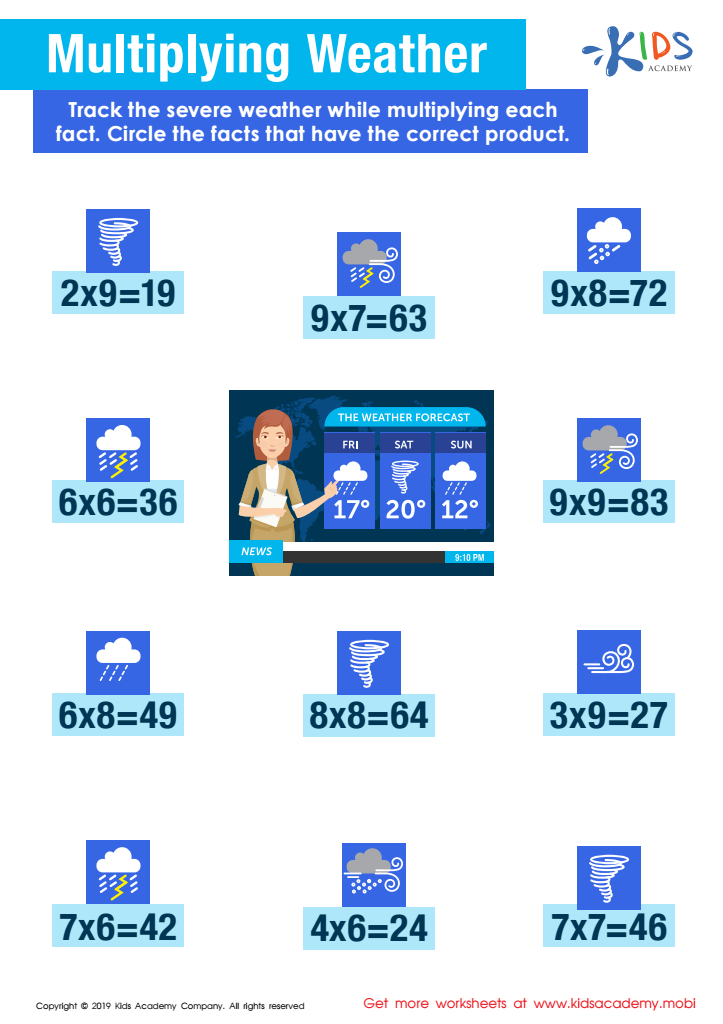
Multiplying Weather Worksheet
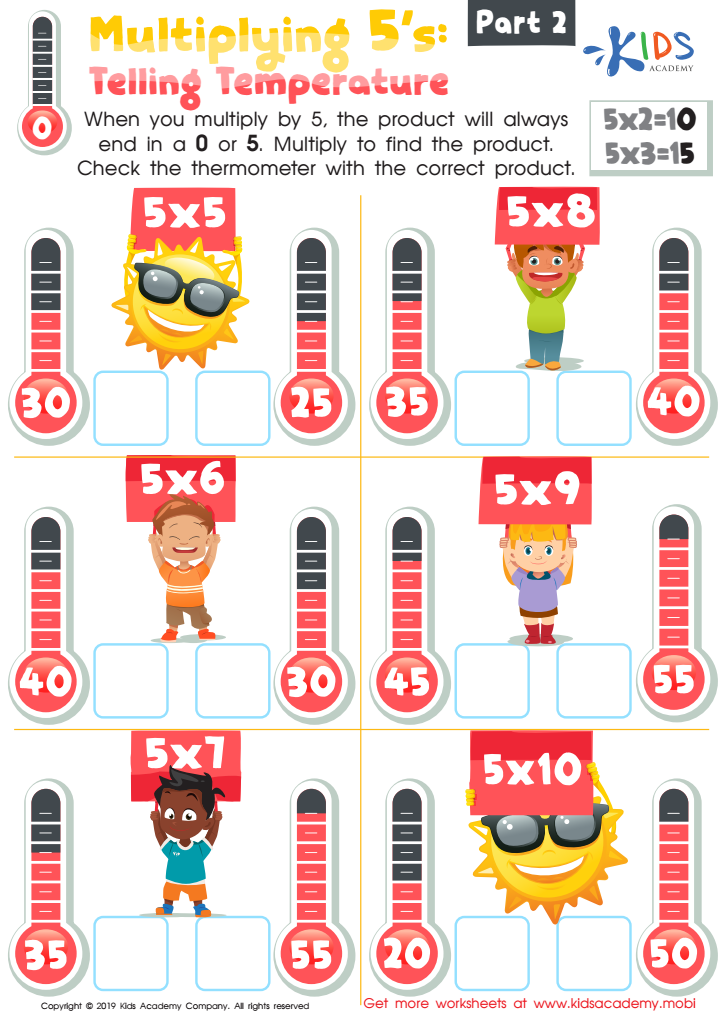
Multiplying 5’s: Telling Temperature Part 2 Worksheet
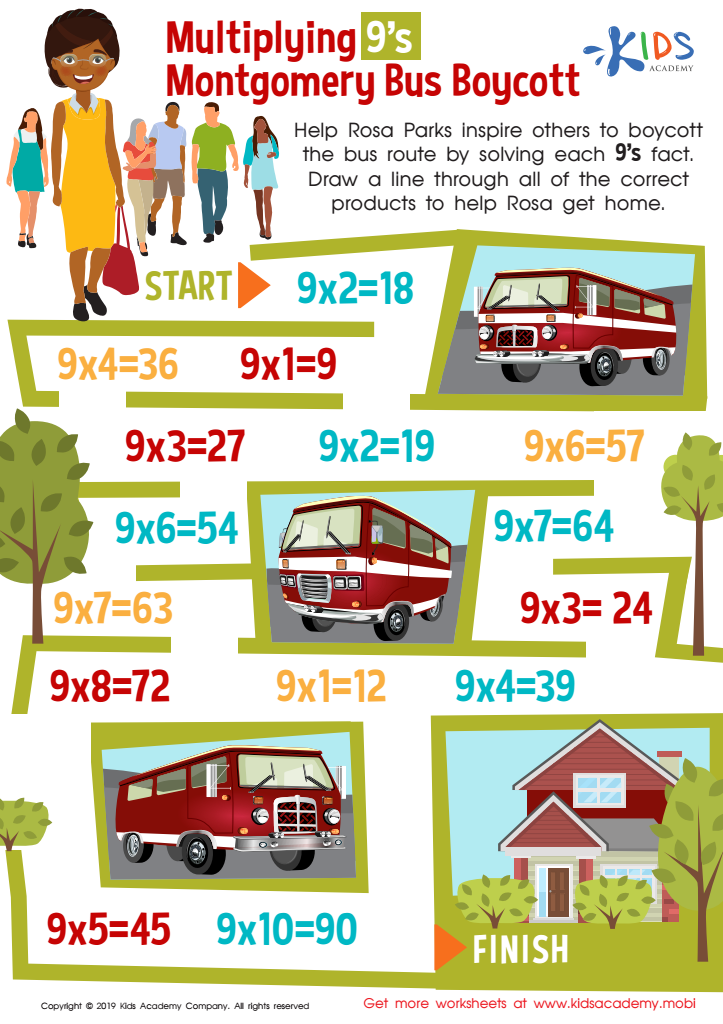
Multiplying 9’s Montgomery Bus Boycott Worksheet
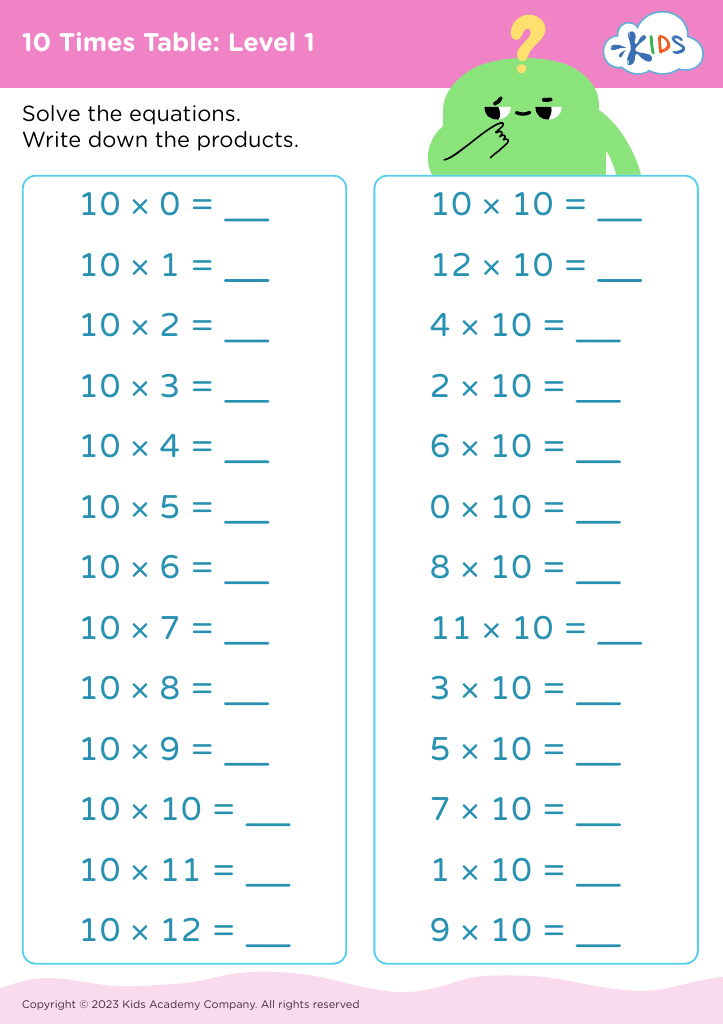
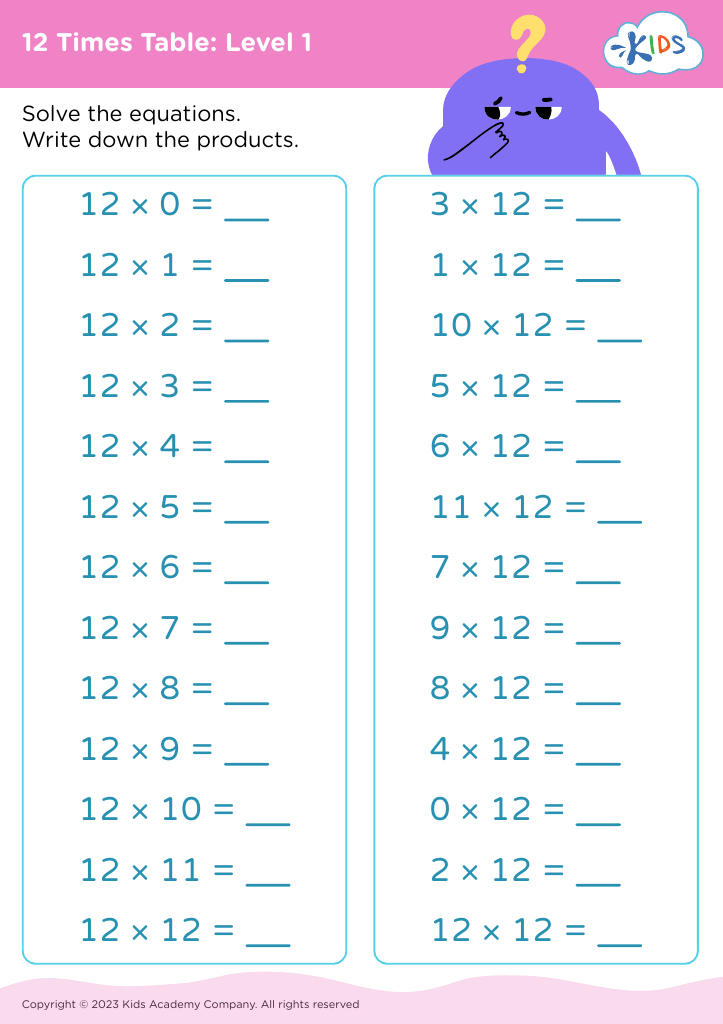
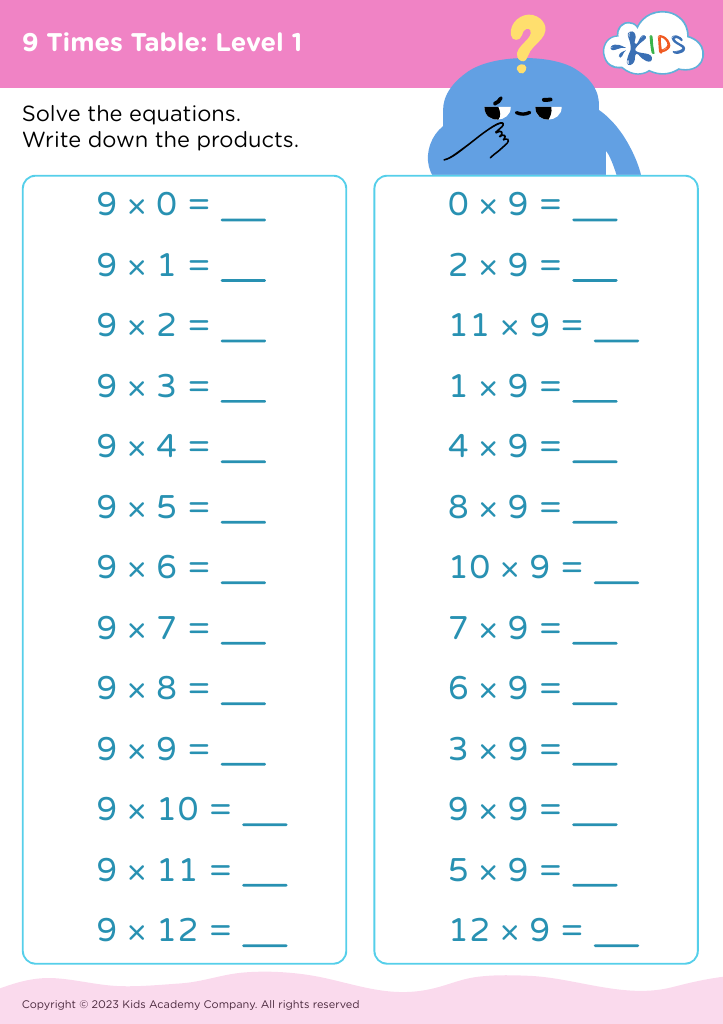





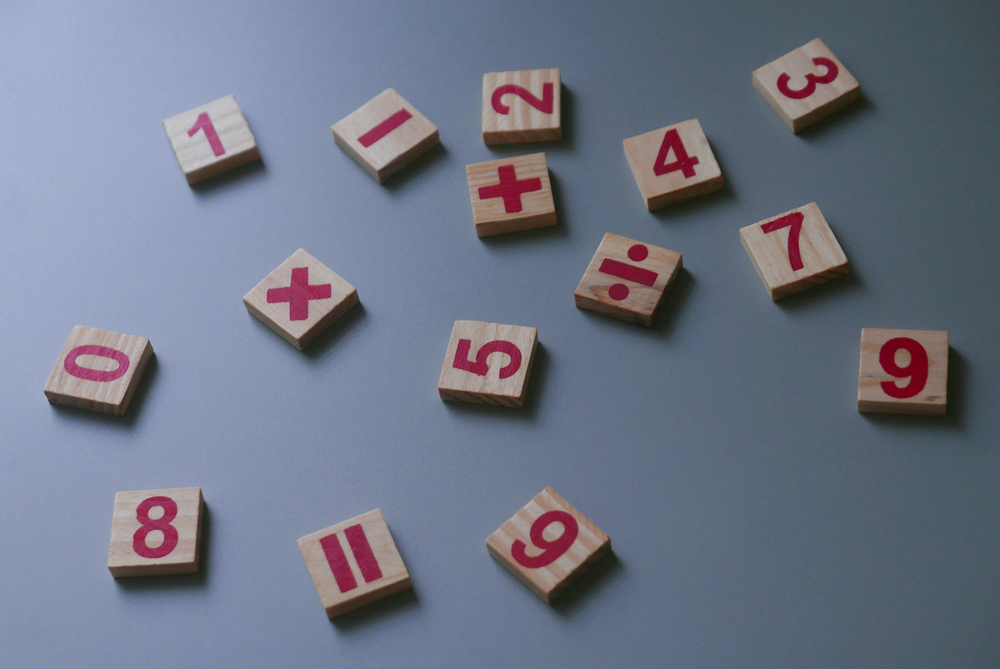


Understanding patterns and multiplication concepts is crucial for children ages 3-8 as it lays the groundwork for their mathematical journey. Early exposure to patterns fosters cognitive development, enhancing critical thinking and problem-solving skills. By recognizing patterns in numbers, shapes, and sequences, children learn to make connections and predictions, which are vital skills not just in math but in everyday life.
Moreover, multiplication, often viewed as a complex concept, becomes more manageable when framed within the context of patterns. For instance, understanding repeated addition and set grouping reinforces multiplication facts, enabling children to grasp these concepts more intuitively. Engaging with patterns and multiplication through games, songs, and hands-on activities can make learning fun and enjoyable, encouraging a positive attitude towards math.
Parents and teachers play a crucial role in this exploration. By integrating pattern recognition and multiplication into daily routines and learning environments, they can nurture a child’s curiosity and build their confidence. As children see the relevance of math in the world around them, they become more motivated learners, setting a strong foundation for future academic success. Supporting this understanding enriches their educational experience and prepares them for more complex mathematics in later years.








