Counting skills Place Value Worksheets for Ages 3-8
8 filtered results
-
From - To
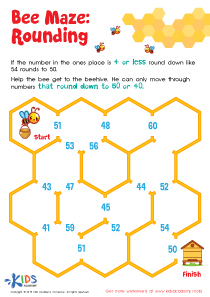
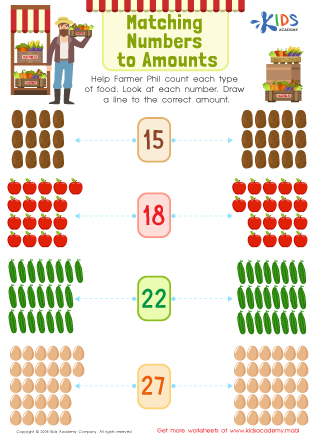
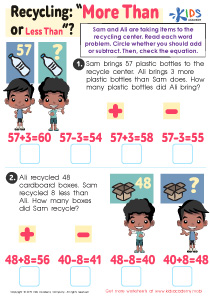
Enhance your child's numeracy with our lively Place Value Worksheets for Ages 3-8. Designed to bolster counting skills, these worksheets make learning fun and engaging. Through colorful illustrations and interactive exercises, children will grasp essential concepts like tens and ones, laying a strong mathematical foundation. These worksheets cater to varied learning speeds with easy-to-follow instructions ensuring clarity and confidence. Fun activities incorporate everyday objects to make lessons relatable, fostering an early love for math. Perfect for home or classroom settings, our resources simplify and strengthen early counting skills, setting up young learners for long-term success in mathematics.
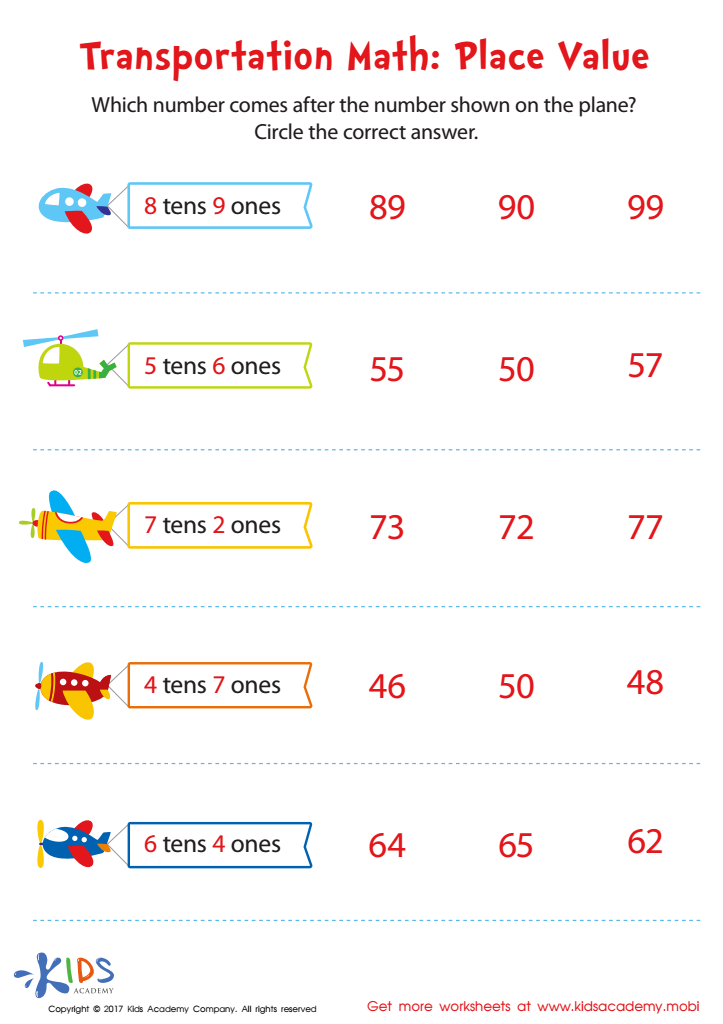
Transportation Math Printable
 Assign to My Students
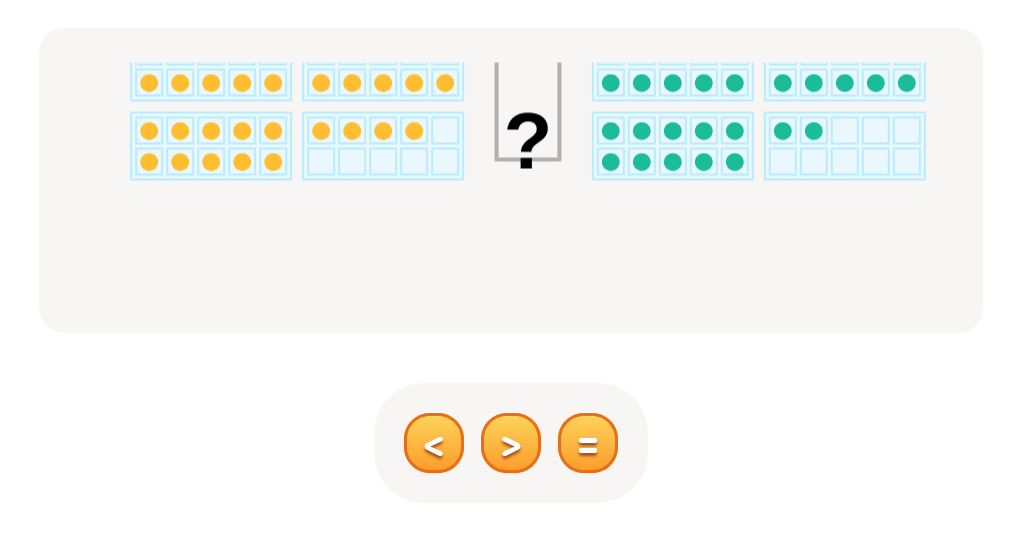

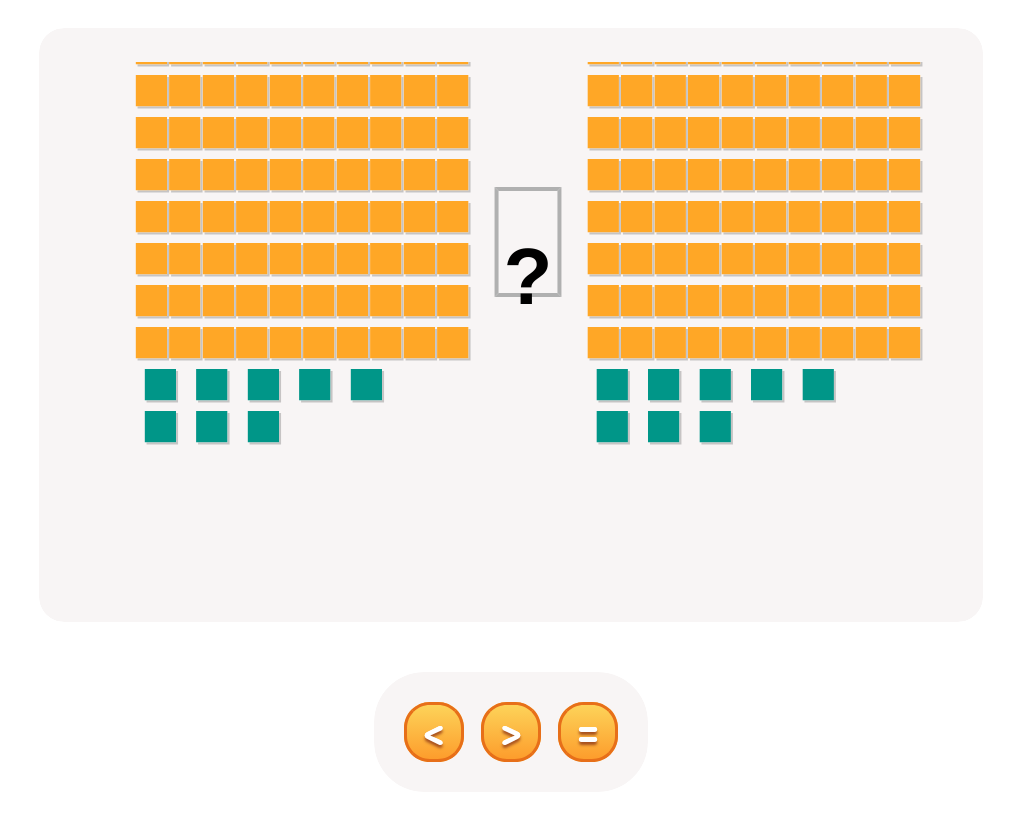
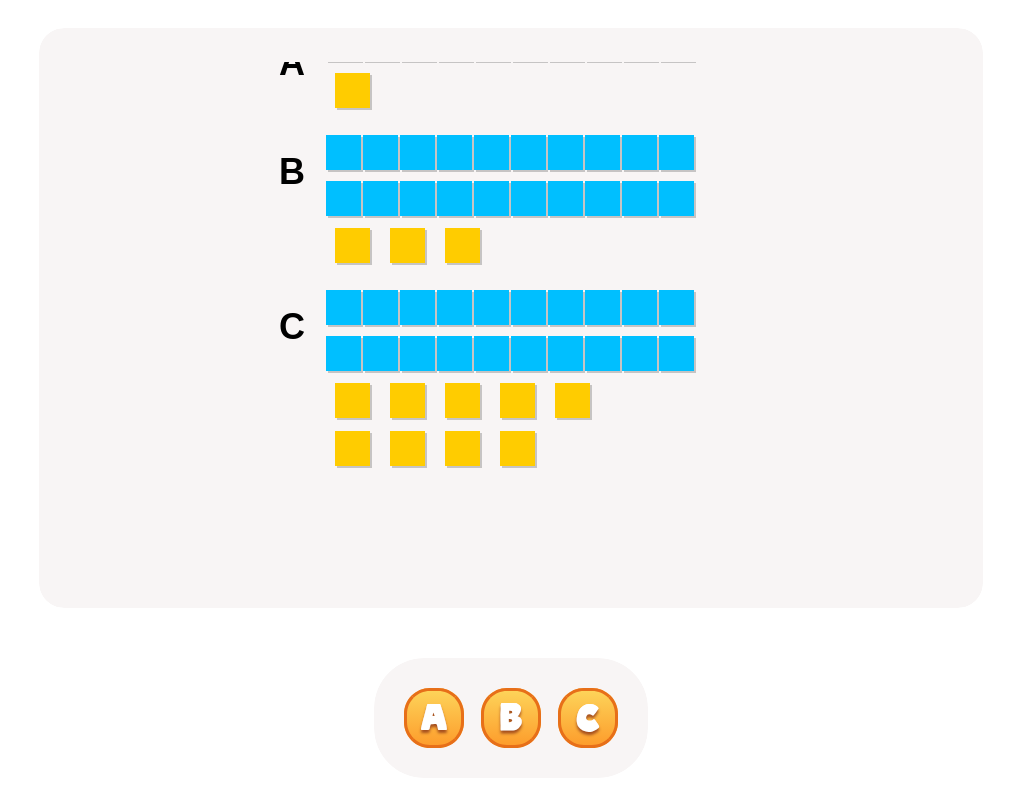
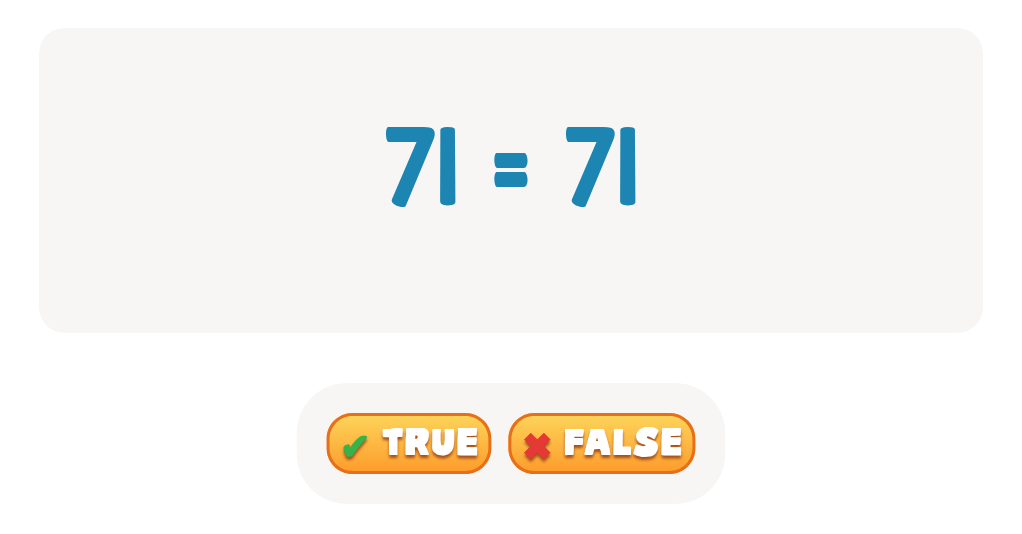
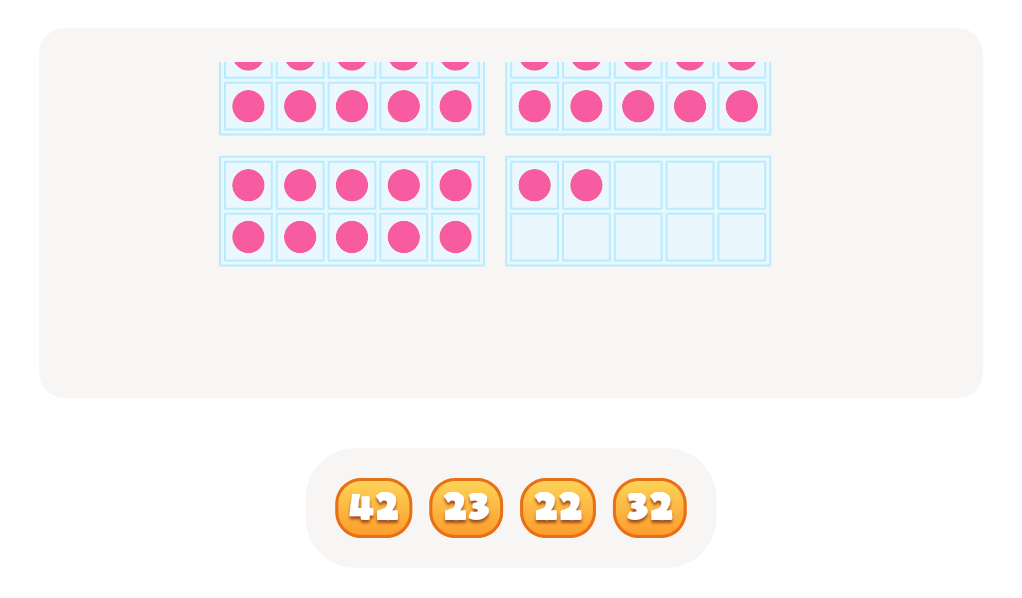
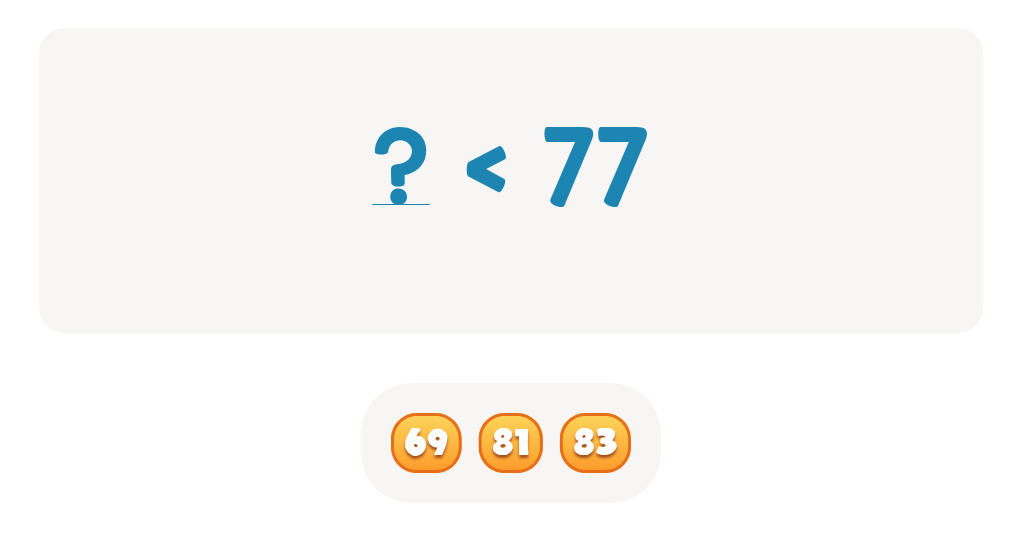
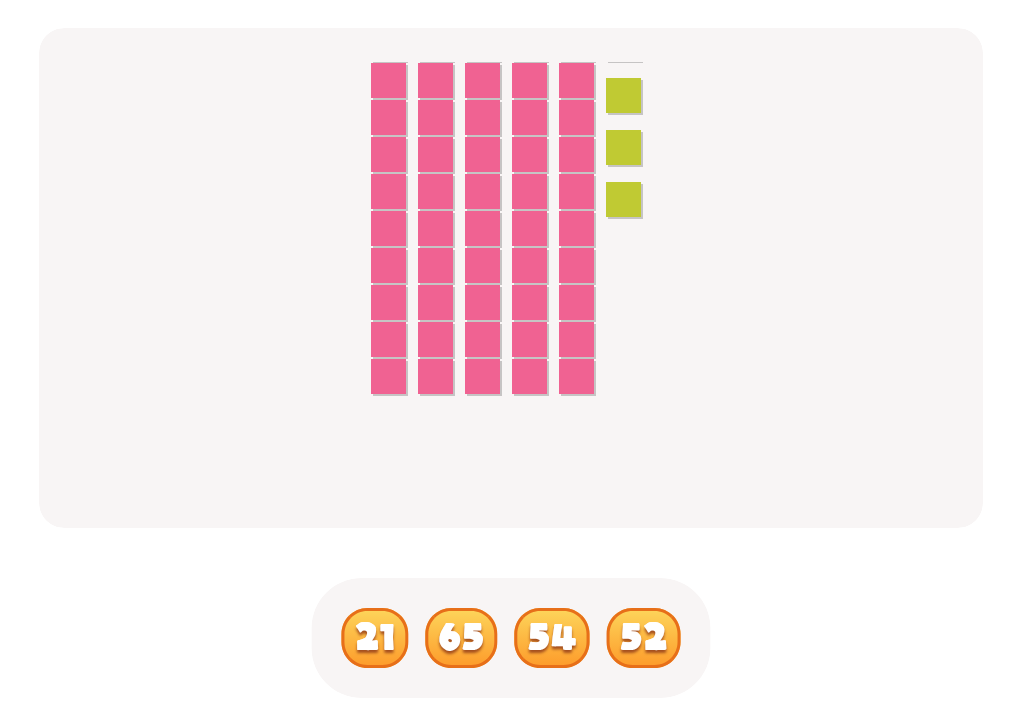
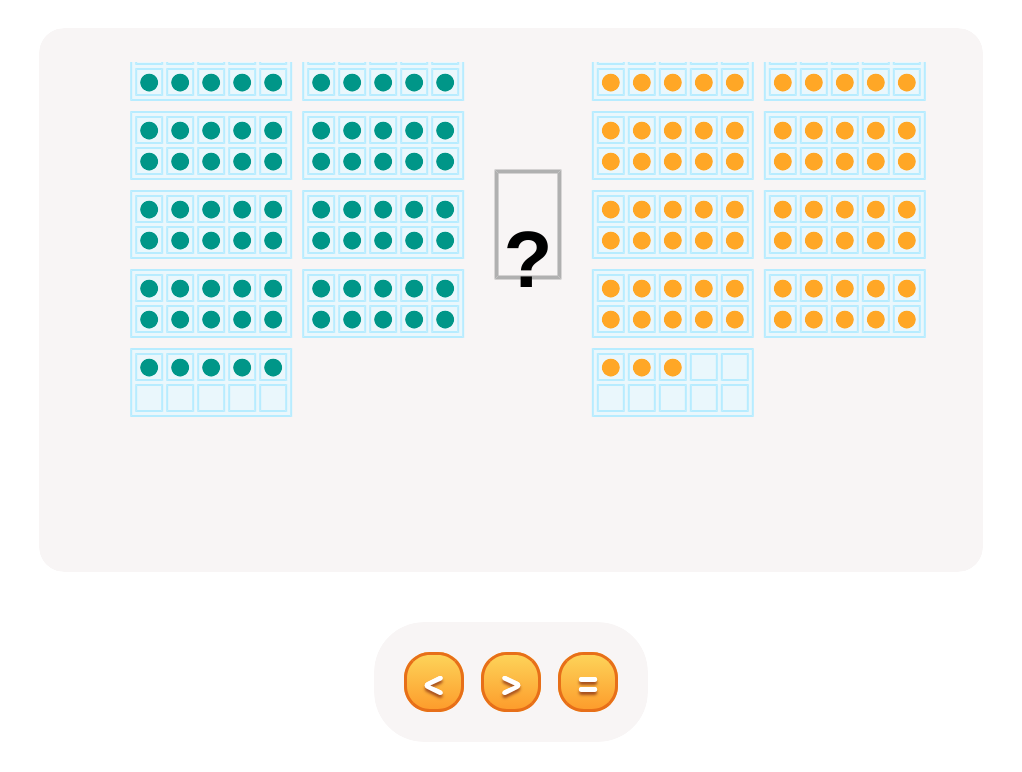
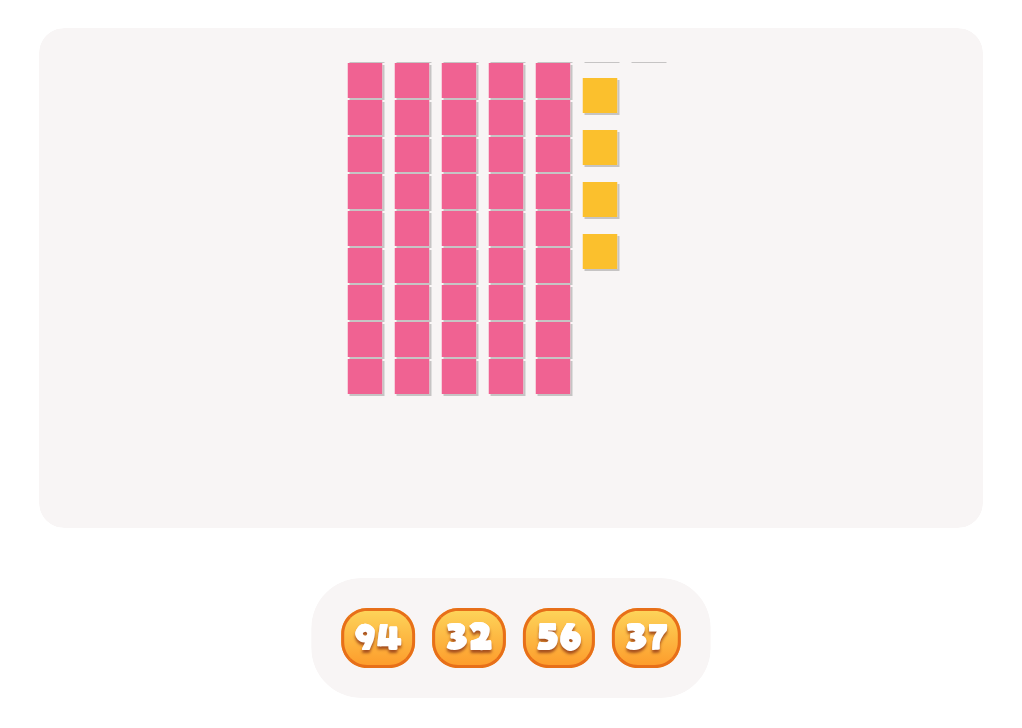
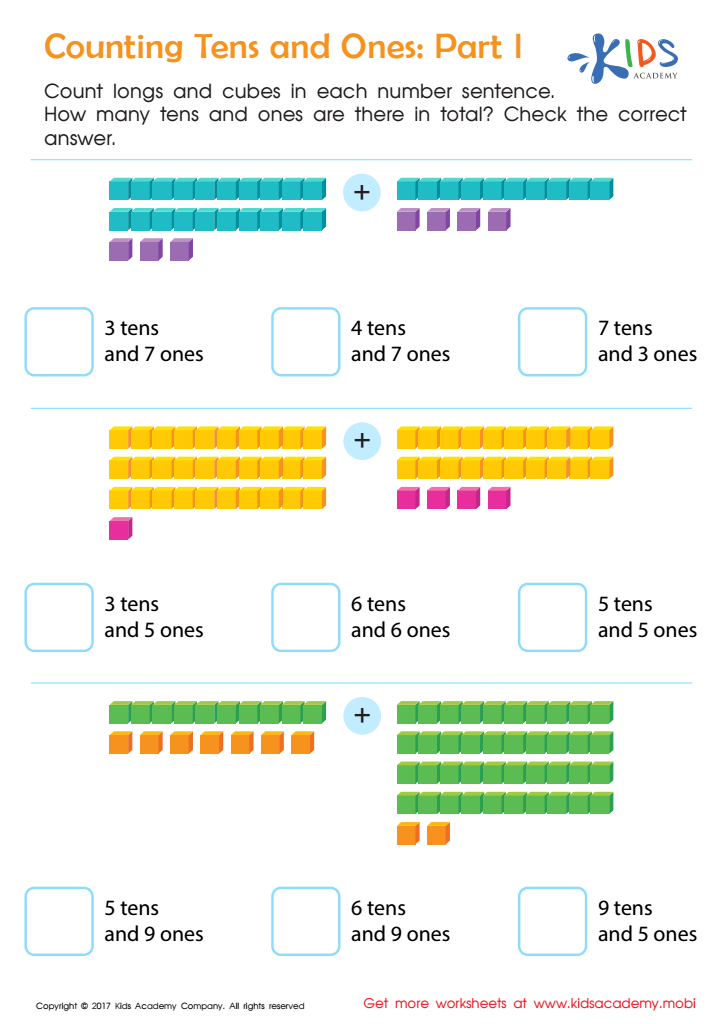
Counting Tens and Ones: Part 1 Worksheet
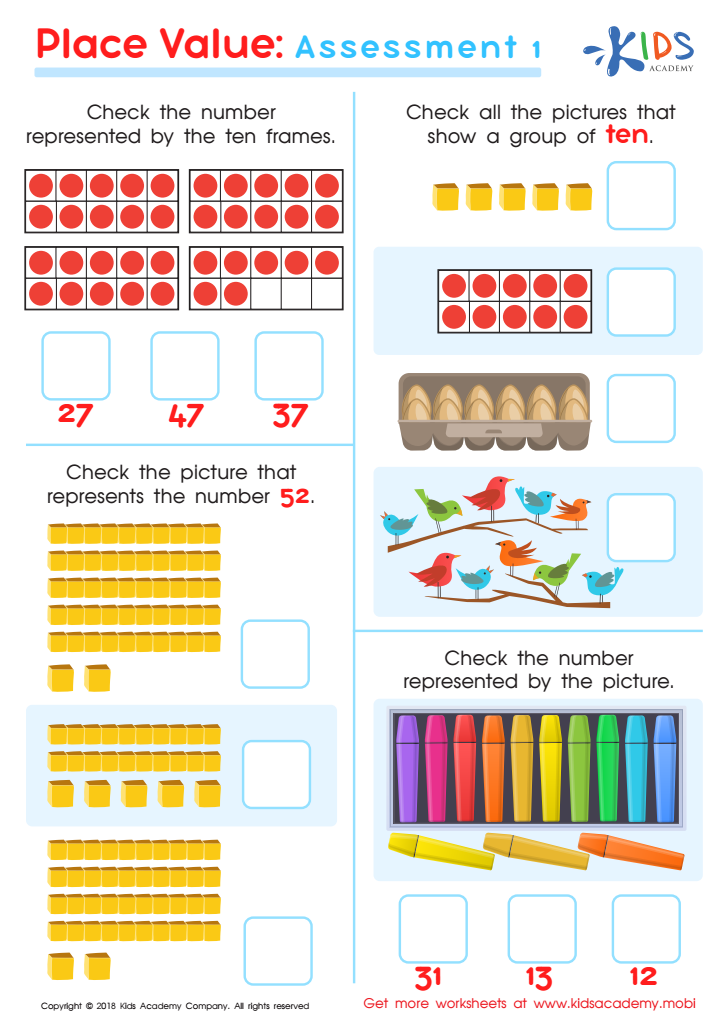
Place Value: Assessment 1 Worksheet
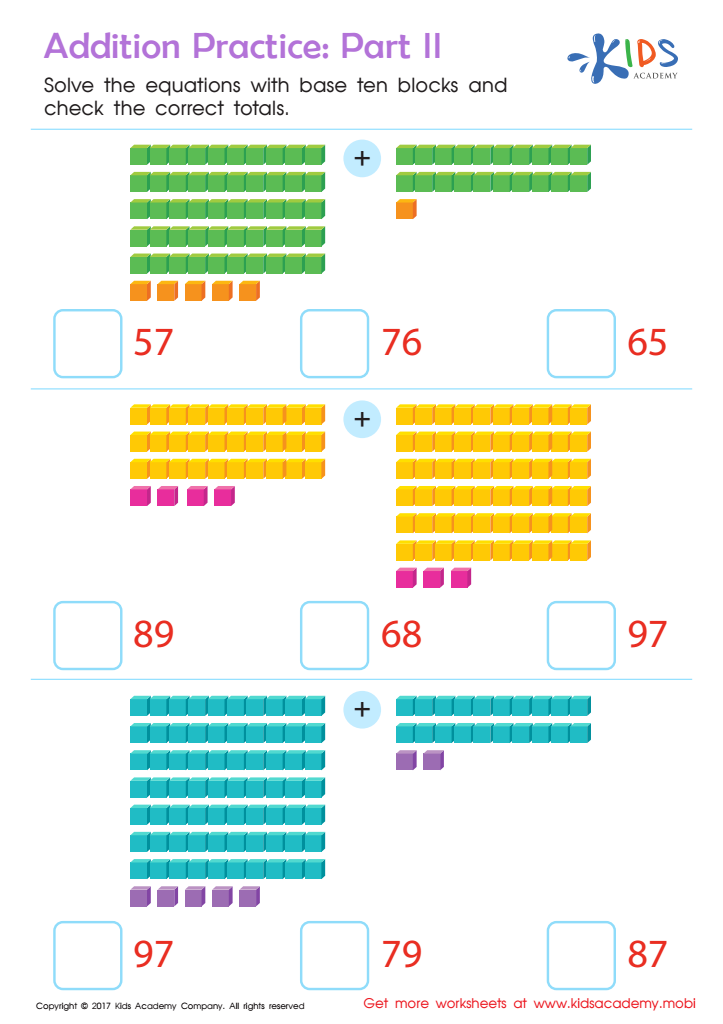
Addition Practice Sheet: Part 2
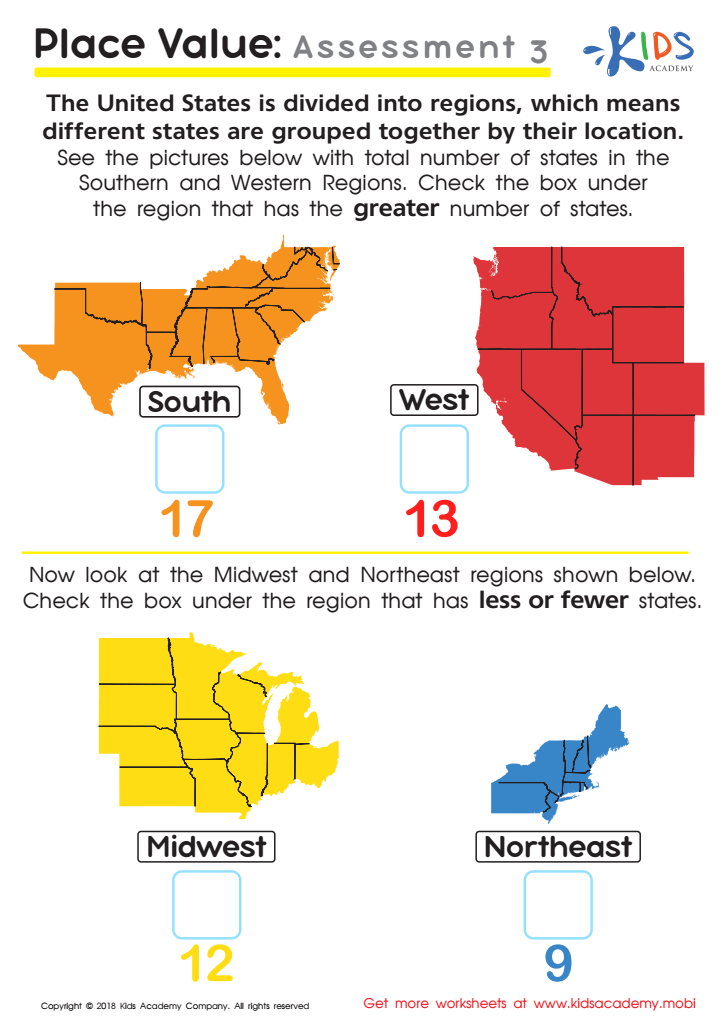
Place Value: Assessment 3 Worksheet
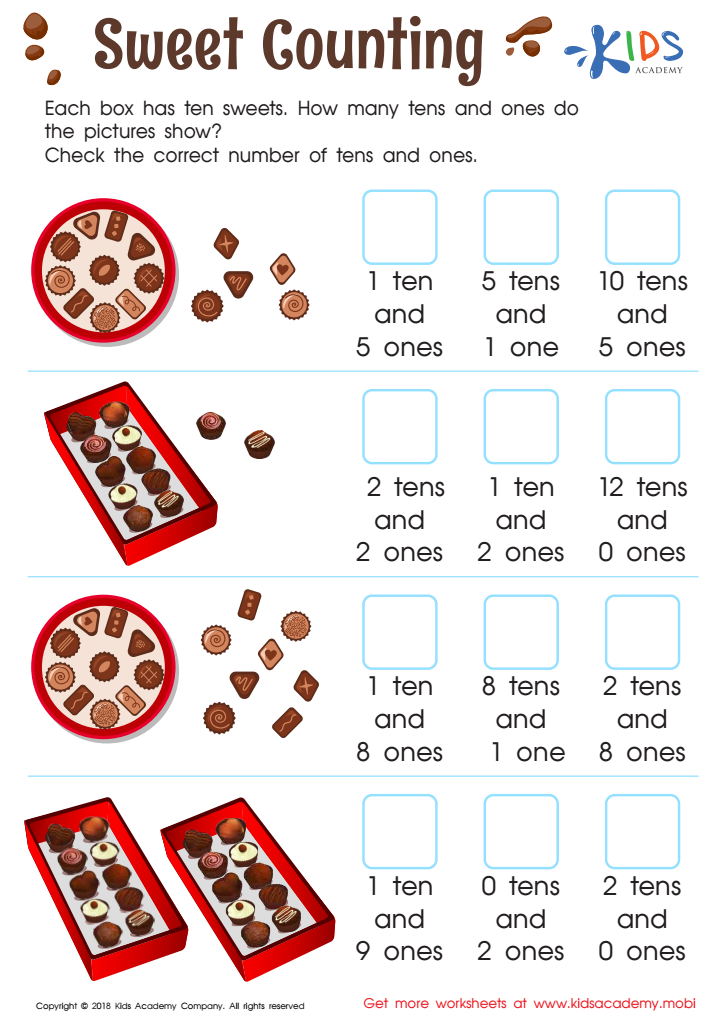
Sweet Counting - Part 2 Worksheet
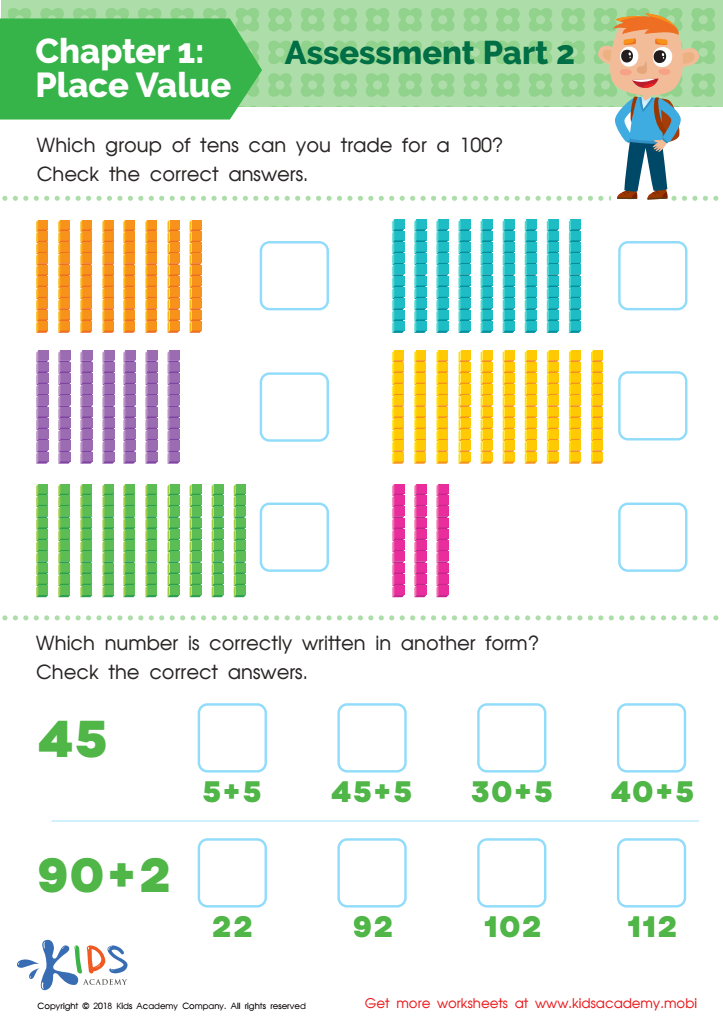
Place Value: Chapter 2 Worksheet
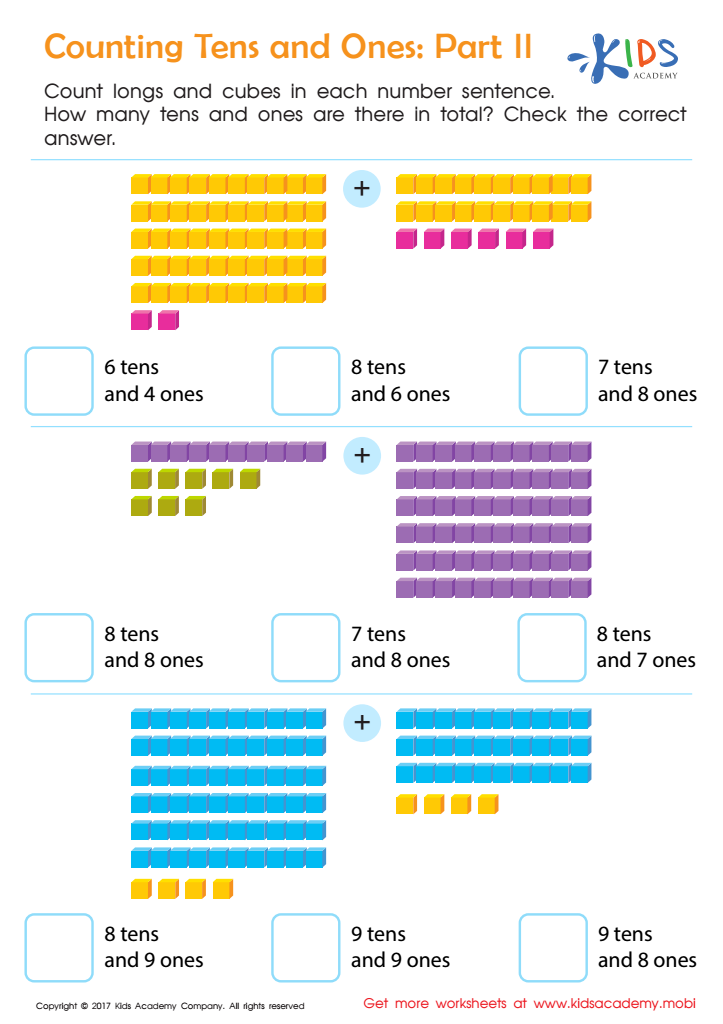
Counting Tens and Ones: Part 2 Worksheet








Counting skills and understanding place value are foundational to a child's mathematical development, making them crucial for early learners aged 3-8. Parents and teachers should emphasize these concepts for several key reasons.
First, counting skills are the building blocks for a variety of more complex mathematical operations, such as addition, subtraction, multiplication, and division. This skill involves recognizing numerals, understanding the order in which numbers appear, and grasping the concept of quantity. Early proficiency in counting allows children to develop a stronger sense of numbers and their relationships, enabling smoother transitions to more advanced math concepts.
Second, place value is critical for understanding the number system structure. It helps children comprehend that the value of a digit depends on its place within a number (e.g., the '5' in 50 represents fifty, while the '5' in 5 represents five). This understanding is essential for performing arithmetic operations and solving problems efficiently. It also sets the stage for learning about decimals and larger numbers later on.
Moreover, counting and place value skills boost cognitive development, enhancing problem-solving abilities and logical reasoning. Investing time in teaching these foundational skills can foster a lifelong interest in math and build confidence, promoting academic success and opening doors to future opportunities in STEM fields.
Parents and educators who prioritize these skills will ultimately equip children with essential tools for their academic journey and everyday life.