Basic Addition Reading Worksheets for Ages 3-8
6 filtered results
-
From - To
Welcome to our Basic Addition Reading Worksheets page, designed specifically for children ages 3-8! These engaging and interactive worksheets make learning addition fun and accessible for young learners. Each worksheet combines colorful visuals and age-appropriate challenges to help kids grasp fundamental math concepts while developing their reading skills. As they solve various addition problems, children will enhance their number recognition, problem-solving abilities, and comprehension skills. Perfect for teachers and parents alike, these resources are crafted to build a strong foundation in math literacy. Explore our collection today and turn learning into an enjoyable adventure for your little ones!
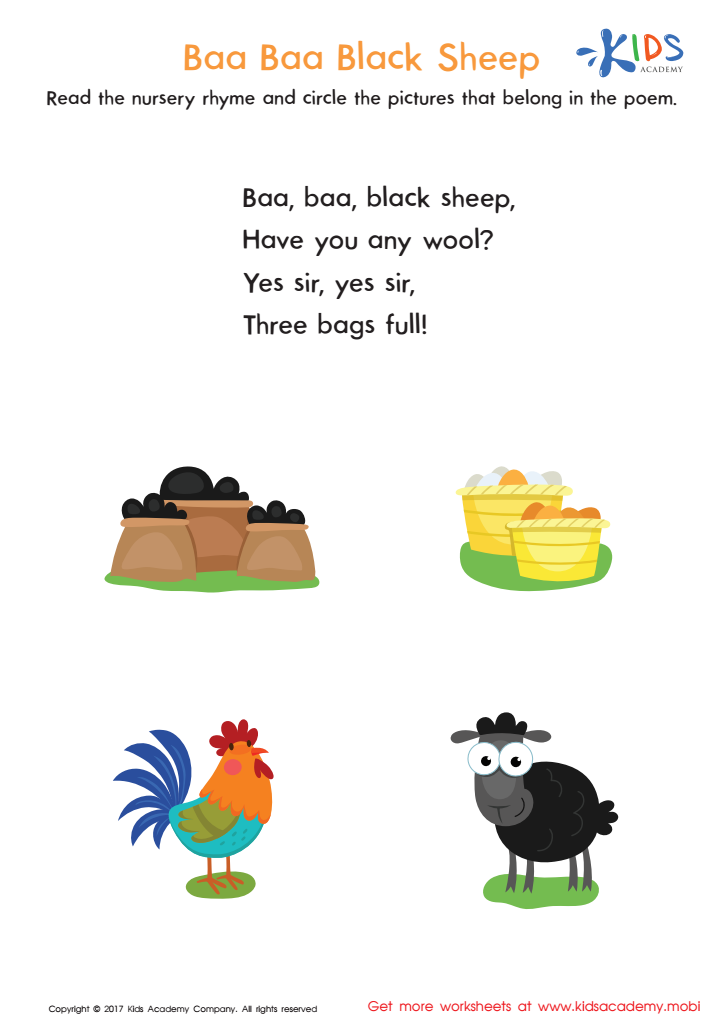
Baa Baa Black Sheep Printable
 Assign to My Students
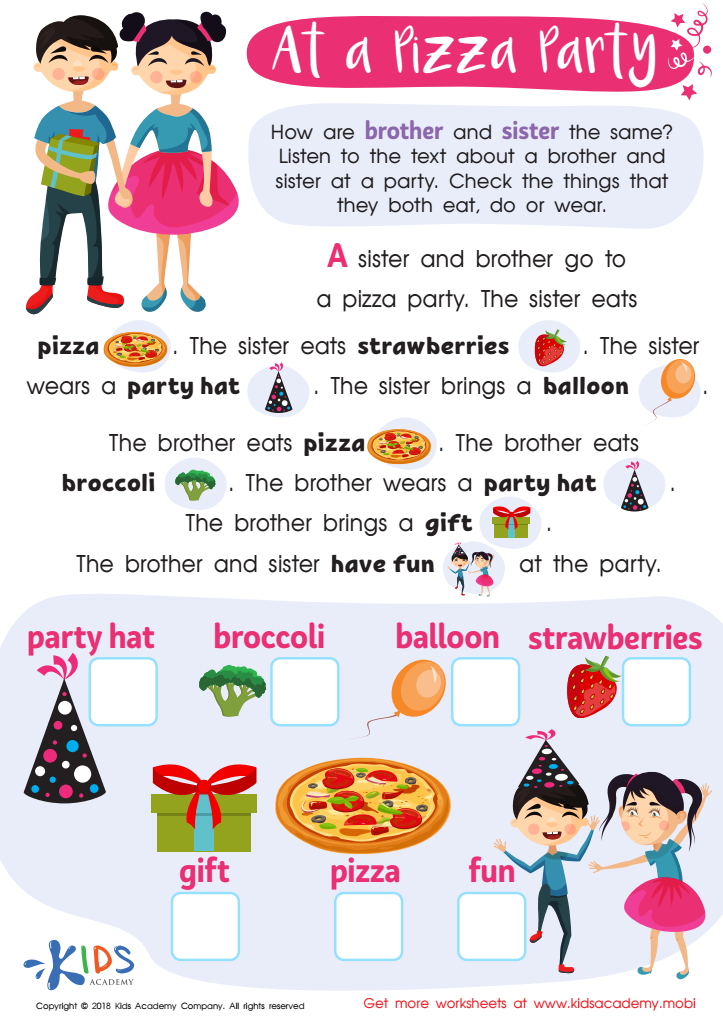
At a Pizza Party Worksheet
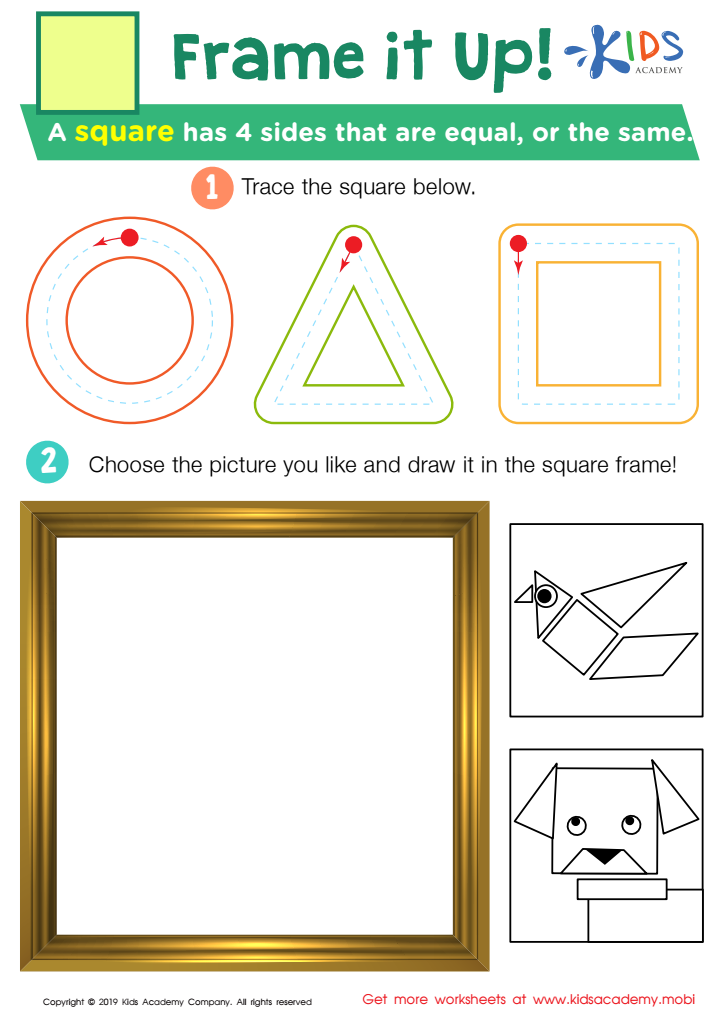
Frame it Up Worksheet
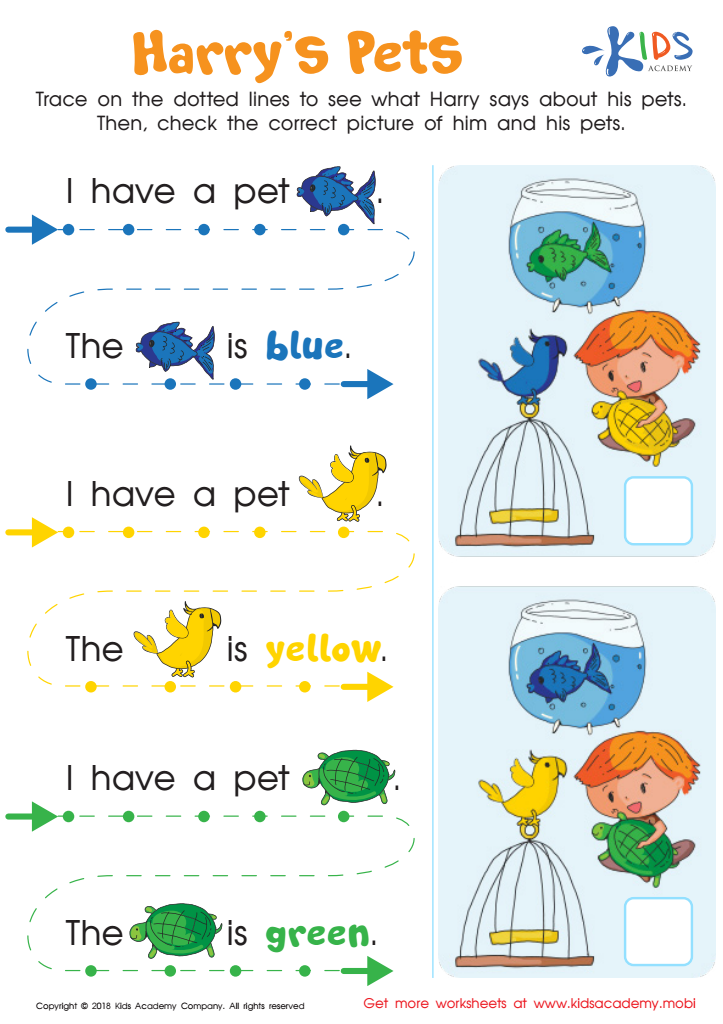
Read from Left to Right: Harry's Pets Worksheet







Basic addition reading skills are fundamental for children aged 3-8, as they lay the groundwork for future mathematical understanding and overall academic success. At this developmental stage, children are naturally curious and eager to learn, making it the perfect time to introduce these essential concepts. By engaging in basic addition activities, parents and teachers can nurture critical thinking and problem-solving skills.
Understanding addition not only enhances a child’s ability to perform calculations but also improves their reading comprehension of mathematical problems and supports their language development. This integration of math and literacy fosters a holistic approach to learning, reinforcing the connections between different subjects.
Moreover, instilling confidence in early math skills can diminish math anxiety later in life. Parents and teachers play a vital role in creating a positive learning environment. By incorporating fun and interactive methods—using visual aids, games, and storytelling—children become enthusiastic about learning.
When families and educators prioritize basic addition reading, they equip children with practical life skills, laying the necessary foundation for future academic challenges and real-world problem solving. Ultimately, this early focus sets optimistic trajectories for children’s educational and personal success.








