Basic arithmetic skills Reading Worksheets for Ages 3-8
3 filtered results
-
From - To
Discover our engaging "Basic Arithmetic Skills Reading Worksheets" designed specifically for children ages 3-8. These worksheets blend essential math concepts with reading practice, fostering early literacy and numeracy skills in a fun and interactive way. Tailored to keep young learners motivated, each worksheet encourages critical thinking through colorful illustrations and relatable contexts. Our resources help develop foundational skills such as counting, addition, and subtraction, paired with language comprehension exercises. Perfect for homeschool or classroom settings, these worksheets promote a love for learning, making arithmetic approachable and exciting. Empower your child’s journey in math and reading today!
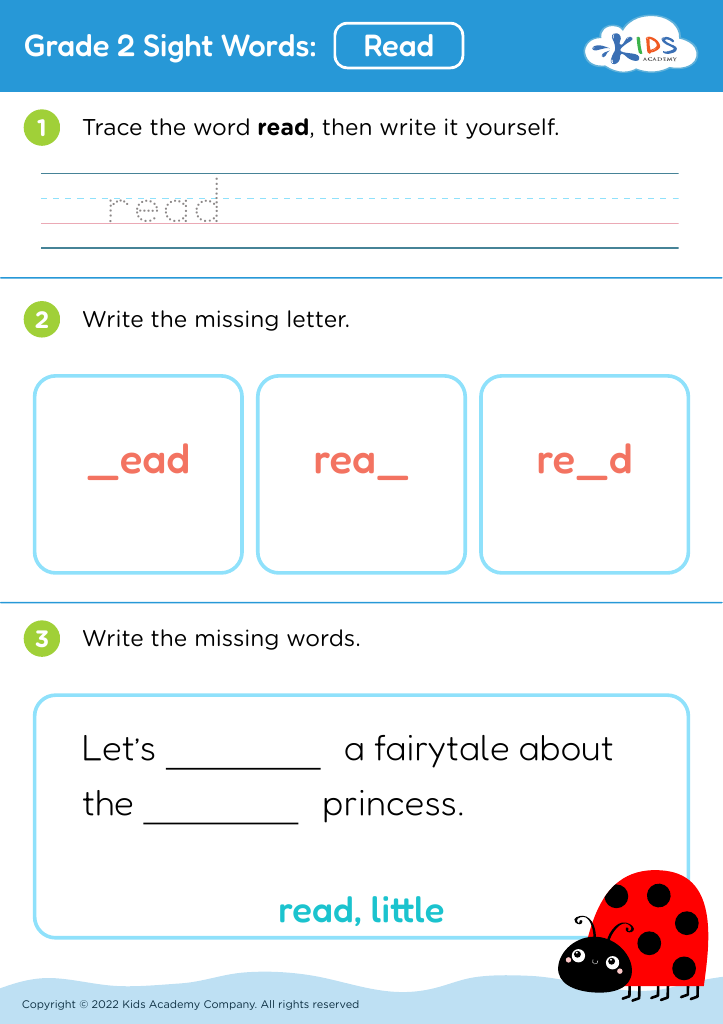
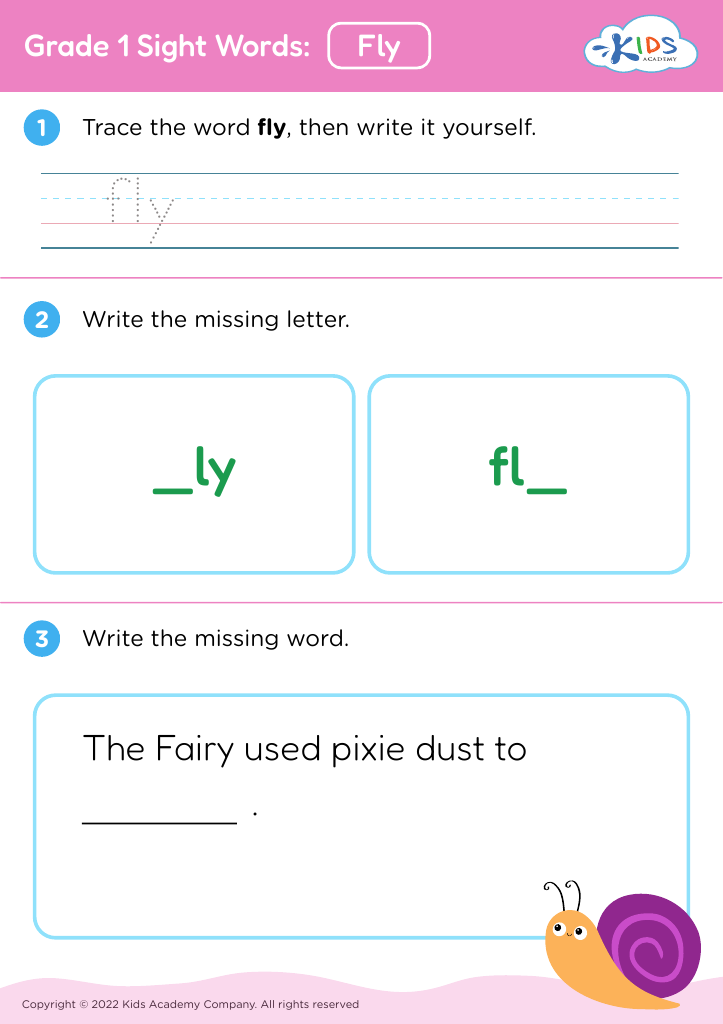
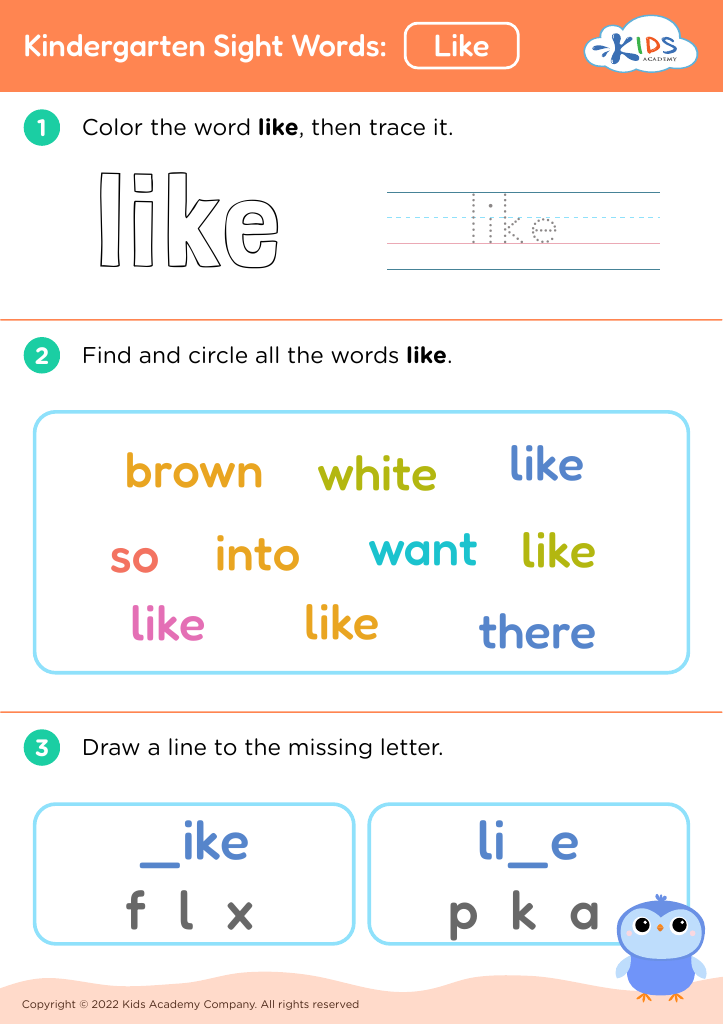








Parents and teachers should prioritize basic arithmetic skills and reading for children ages 3-8 because these foundational competencies significantly impact cognitive development and lifelong learning. Early exposure to basic math helps children understand concepts such as numbers, patterns, and simple problem-solving, which are crucial for later mathematical proficiency. Skills like counting, addition, and subtraction are not just about numbers; they promote logical thinking and analytical skills that extend beyond math.
Similarly, reading at an early age cultivates language skills and boosts comprehension, creativity, and critical thinking. It lays the groundwork for effective communication and enhances vocabulary, both of which are vital for academic success. Encouraging a love for reading also instills curiosity, fostering a desire to learn and explore.
By integrating arithmetic and reading into everyday activities, parents and teachers create a rich learning environment. This duo helps build confidence and motivation in young learners, making them more prepared for future educational challenges. Ultimately, nurturing these skills lays the foundation for a well-rounded education, equipping children with the tools they need for success both in school and in their daily lives. Investing in these areas significantly benefits children’s overall development and future opportunities.








