Data interpretation Reading Worksheets for Ages 3-8
3 filtered results
-
From - To
Enhance your child’s reading and analytical skills with our engaging Data Interpretation Reading Worksheets for Ages 3-8. Designed to make learning fun, these worksheets encourage young learners to interpret basic data through visuals such as graphs, charts, and tables. Each activity promotes critical thinking and comprehension as children practice identifying, comparing, and understanding information. Perfect for early education settings or at-home learning, our worksheets help build foundational skills necessary for future academic success. Download and print these user-friendly resources today to inspire your little ones while they explore the world of data in an interactive and enjoyable way!
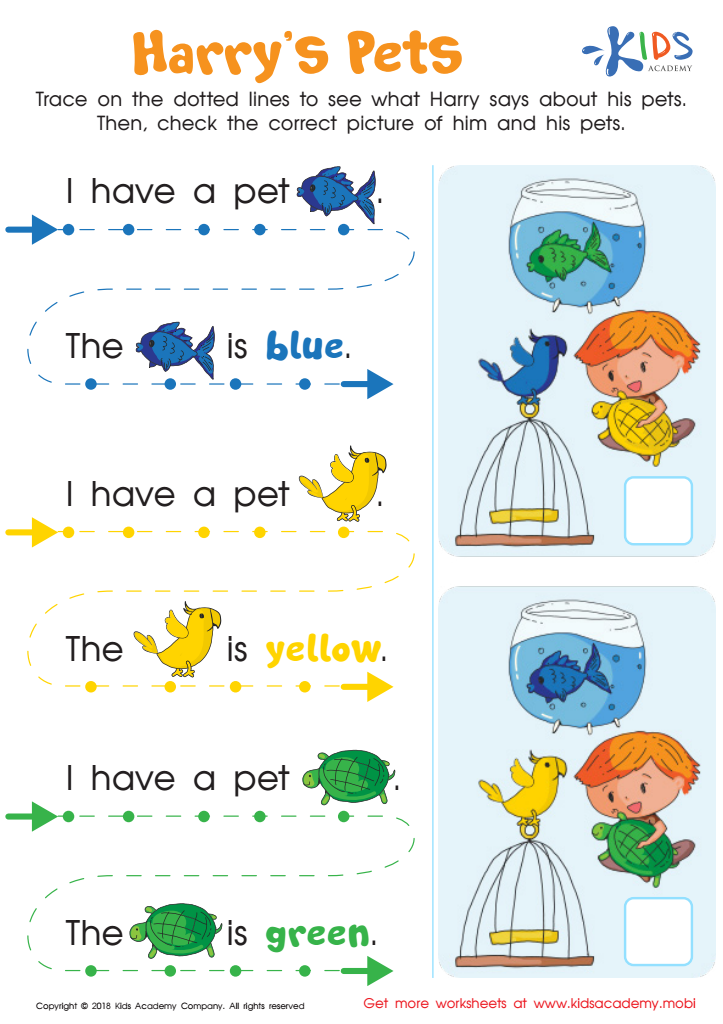
Read from Left to Right: Harry's Pets Worksheet
 Assign to My Students
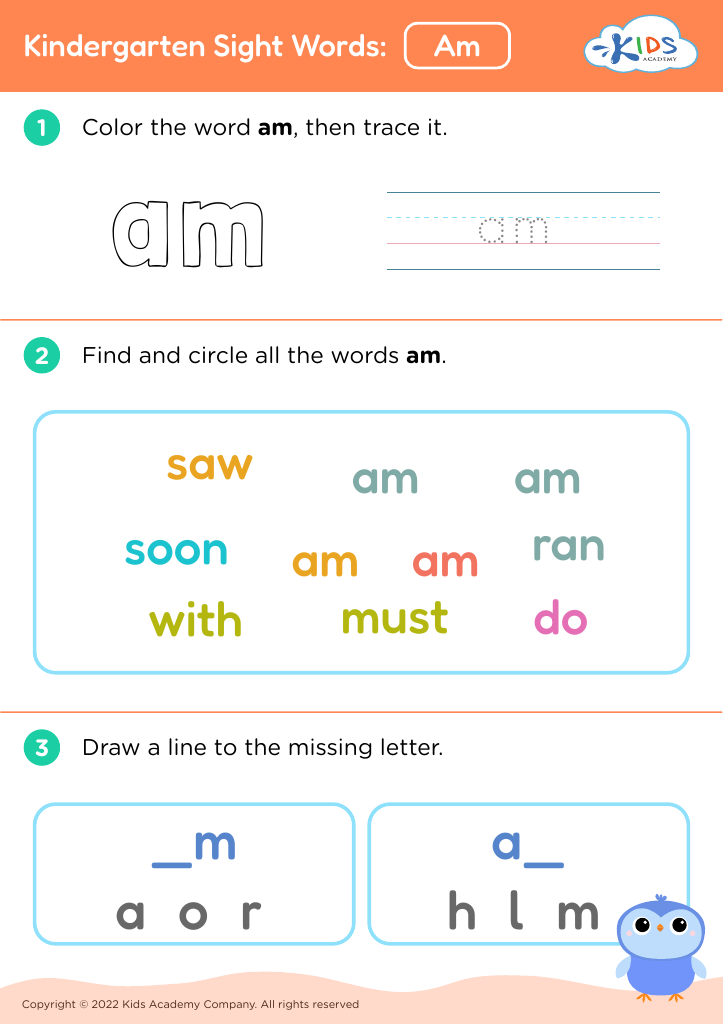
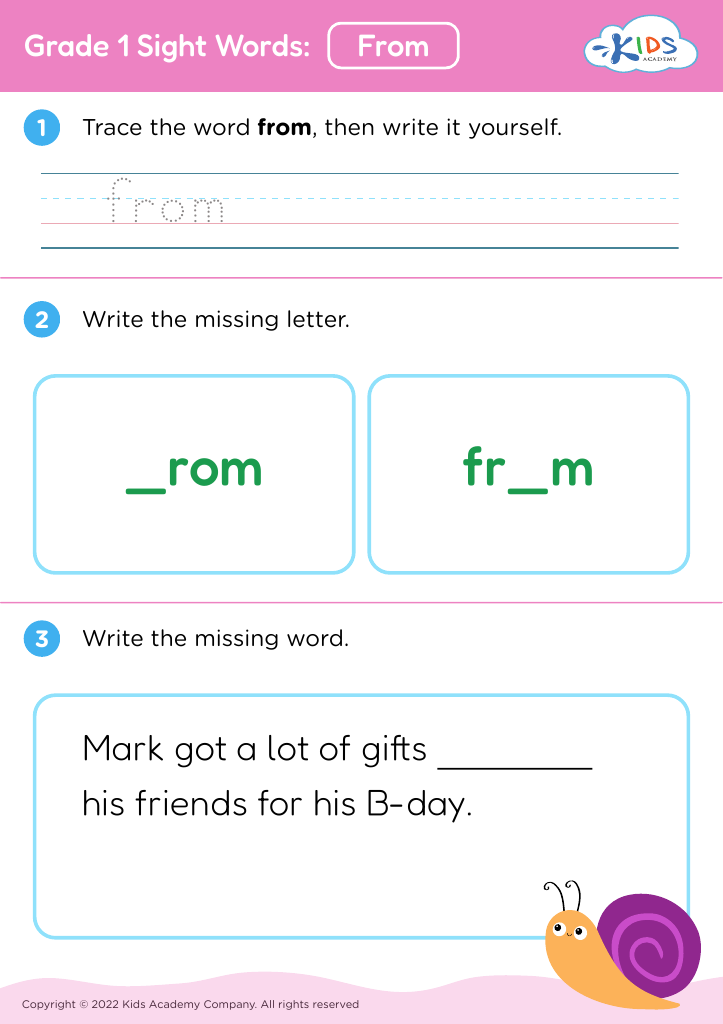





.jpg)


Data interpretation reading for children aged 3 to 8 is crucial for several reasons. First, at this age, children are forming essential literacy skills that serve as the foundation for their future education. Understanding data fosters critical thinking; when children learn to interpret simple graphs, charts, or pictograms, they become adept at extracting meaning from visuals, which enhances their overall comprehension abilities.
Moreover, early exposure to data interpretation improves numeracy skills alongside literacy. By engaging with data, children learn to quantify information, fostering a sense of correlation between numbers and real-world contexts. This skill is vital as they navigate increasingly complex concepts in later grades.
Furthermore, data literacy supports empowered decision-making. Children begin to understand how data shapes opinions, choices, and behaviors; this encourages them to question, analyze, and seek evidence in everyday scenarios. When parents and teachers emphasize the importance of data interpretation, they cultivate curious, informed citizens who can effectively process information in an age where data is ubiquitous.
Ultimately, investing time in teaching these skills addresses essential educational standards and prepares children to thrive in an information-driven world, thus fully equipping them for future academic successes and life challenges.








