Moral understanding Reading Worksheets for Ages 3-8
6 filtered results
-
From - To
Welcome to our Moral Understanding Reading Worksheets, specifically designed for children ages 3-8! These engaging worksheets help young learners grasp essential moral concepts through captivating stories and relatable scenarios. Each activity promotes critical thinking and encourages discussions around values like honesty, kindness, and respect. Ideal for both home and classroom use, our worksheets foster empathy and social awareness, laying the groundwork for well-rounded character development. With a focus on reading comprehension, these easily accessible resources help build literacy skills while teaching important life lessons. Explore our diverse collection to enrich your child’s understanding of morals in a fun, interactive way!
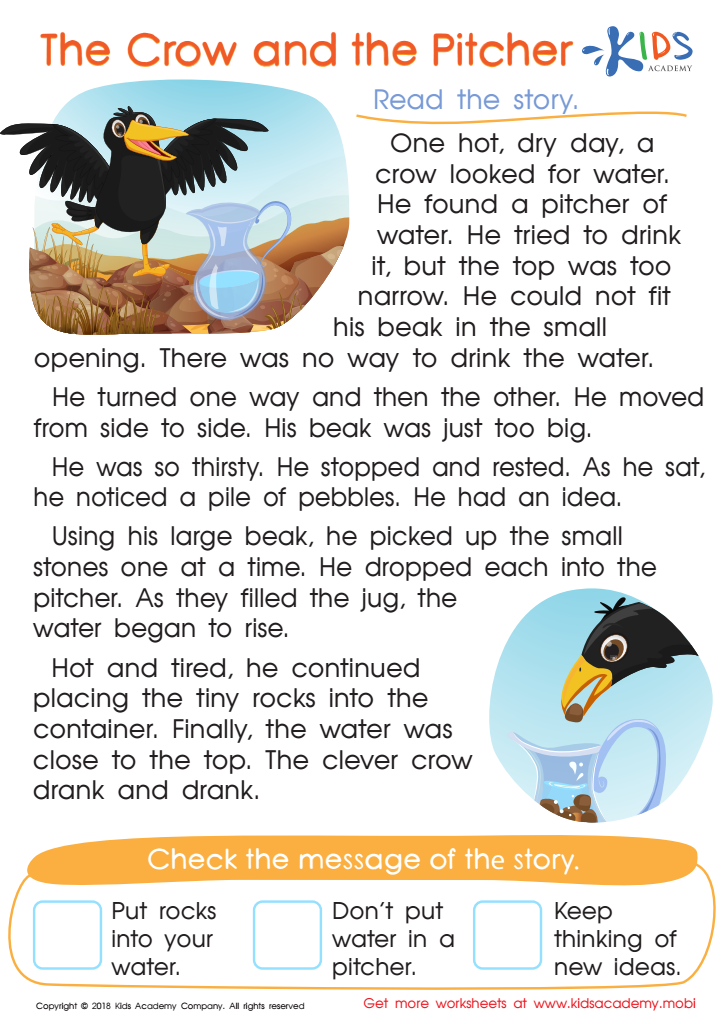
The Crow and the Pitcher Worksheet
 Assign to My Students
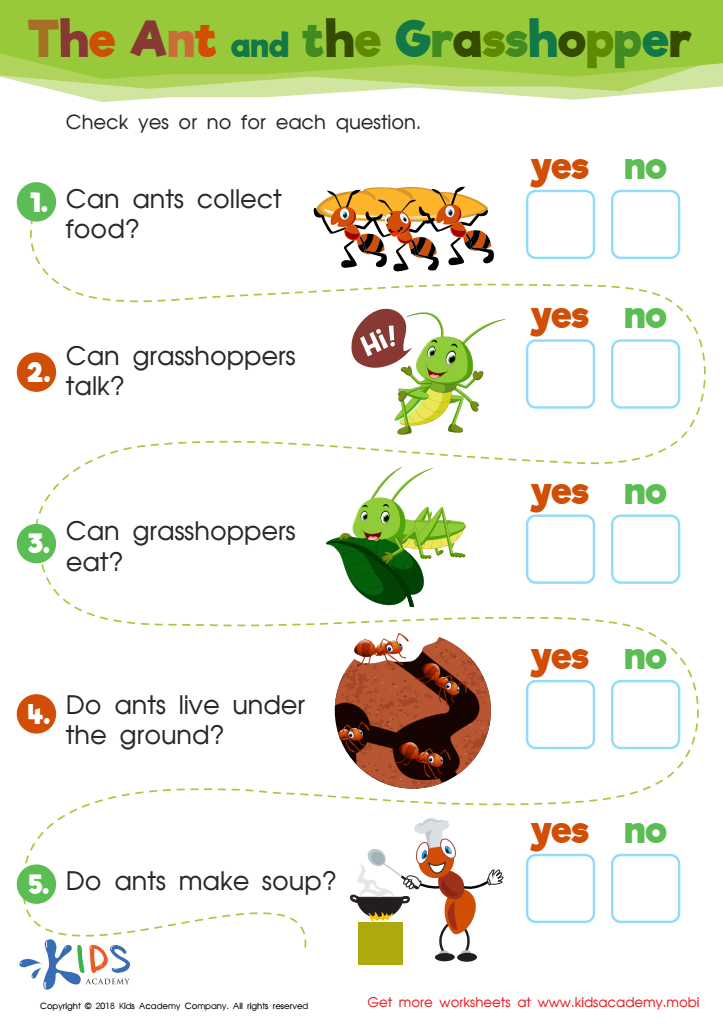
The Ant and The Grasshopper Worksheet
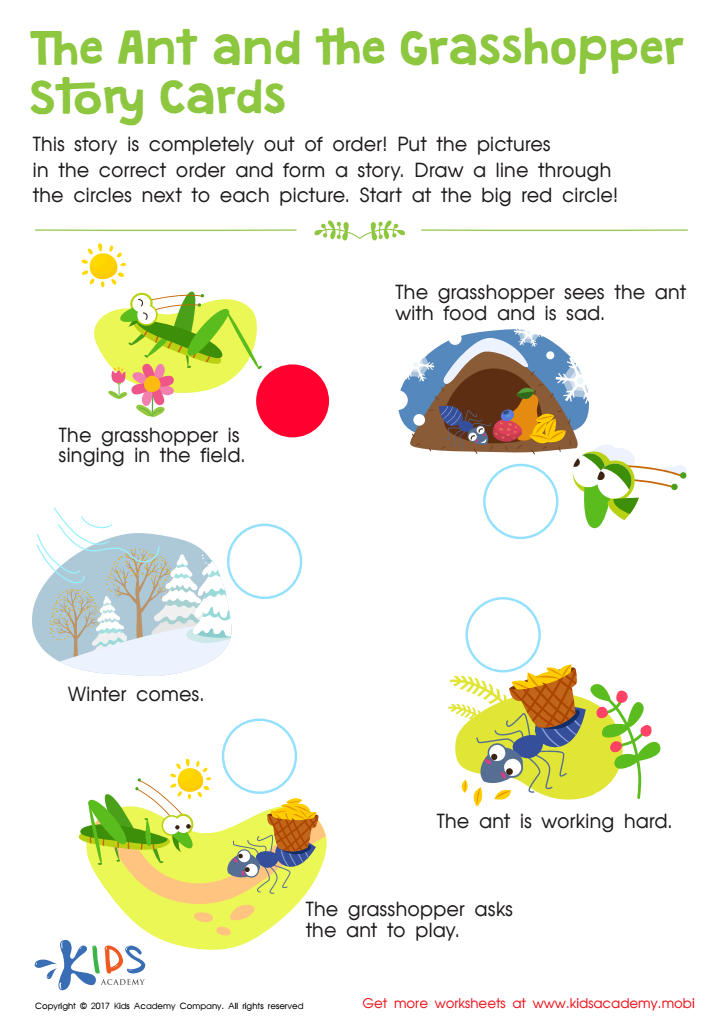
The Ant and The Grasshopper Worksheet
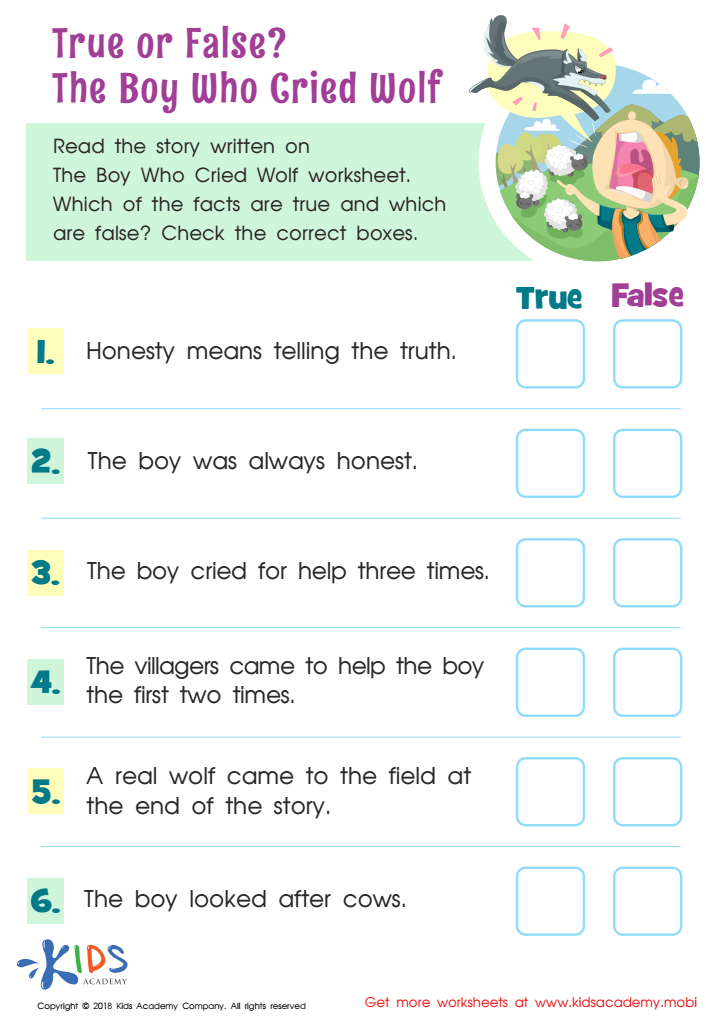
True or False? The Boy Who Cried Wolf Worksheet
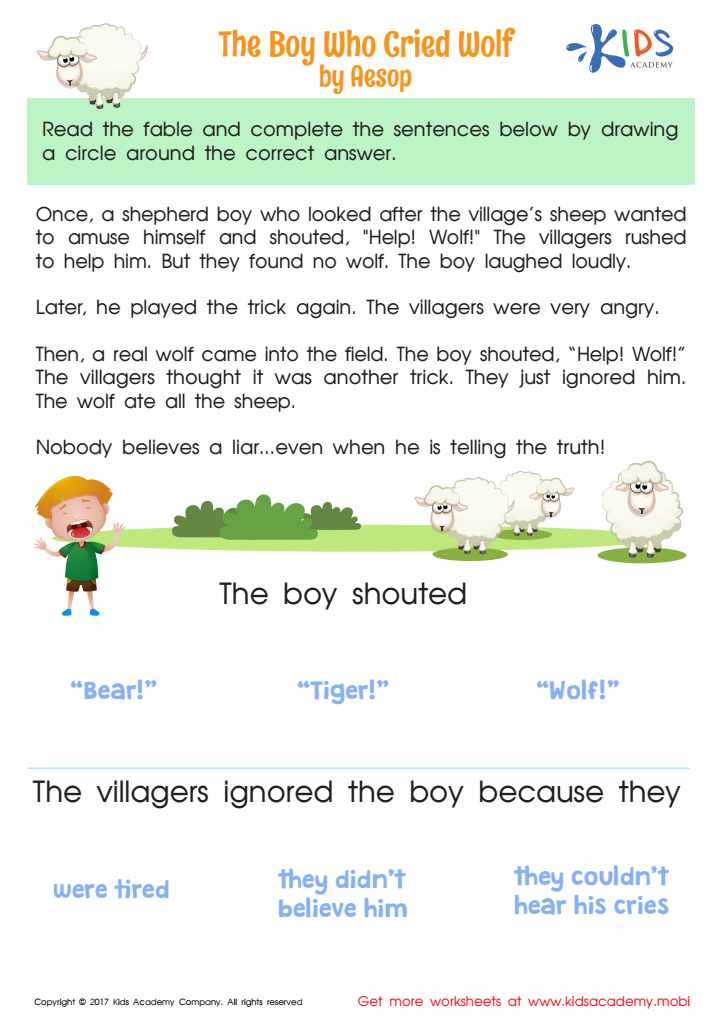
The Boy Who Cried Wolf Worksheet
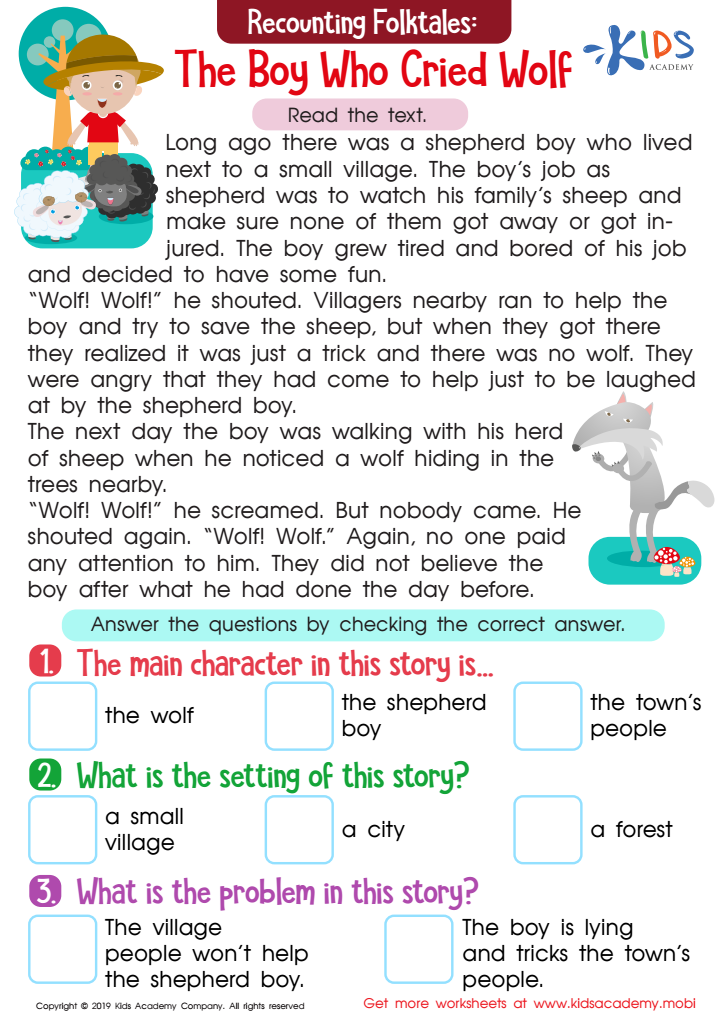
The Boy Who Cried Wolf Part 1 Worksheet






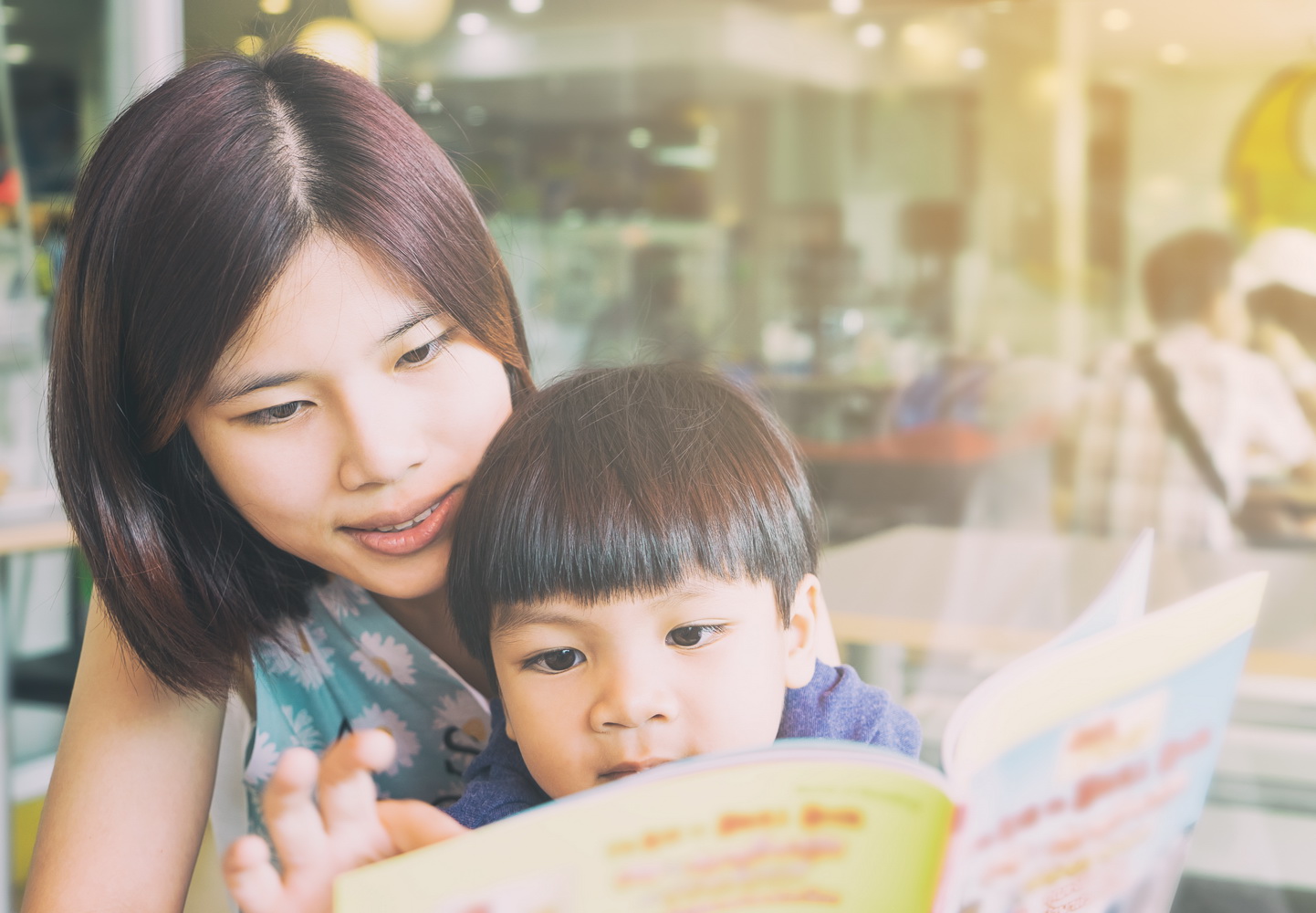

Moral understanding in early childhood, particularly through reading, is essential for parents and teachers because it lays the foundation for ethical decision-making and social behavior. Between the ages of 3 to 8, children are highly impressionable and eager to learn about the world around them. Reading books that incorporate moral lessons helps them distinguish between right and wrong, fosters empathy, and nurtures their ability to understand diverse perspectives.
Through storytelling, children encounter characters in situations that challenge their morals and values. This engagement not only stimulates critical thinking but also allows children to explore nuances in human interactions, teaching them about kindness, fairness, and responsibility. Stories provide a safe space for discussing complex emotions and situations, facilitating deeper conversations between parents, teachers, and children.
Furthermore, developing moral understanding supports positive social behaviors, aiding children in forming meaningful relationships with peers. As they learn about compassion and respect, they are more likely to demonstrate these qualities themselves, contributing to a supportive classroom and home environment. Ultimately, investing in moral literacy through reading equips children with the tools they need for personal growth and harmonious social interactions, essential for their development as caring and conscientious individuals.








