Multiplication practice Reading Worksheets for Ages 3-8
5 filtered results
-
From - To
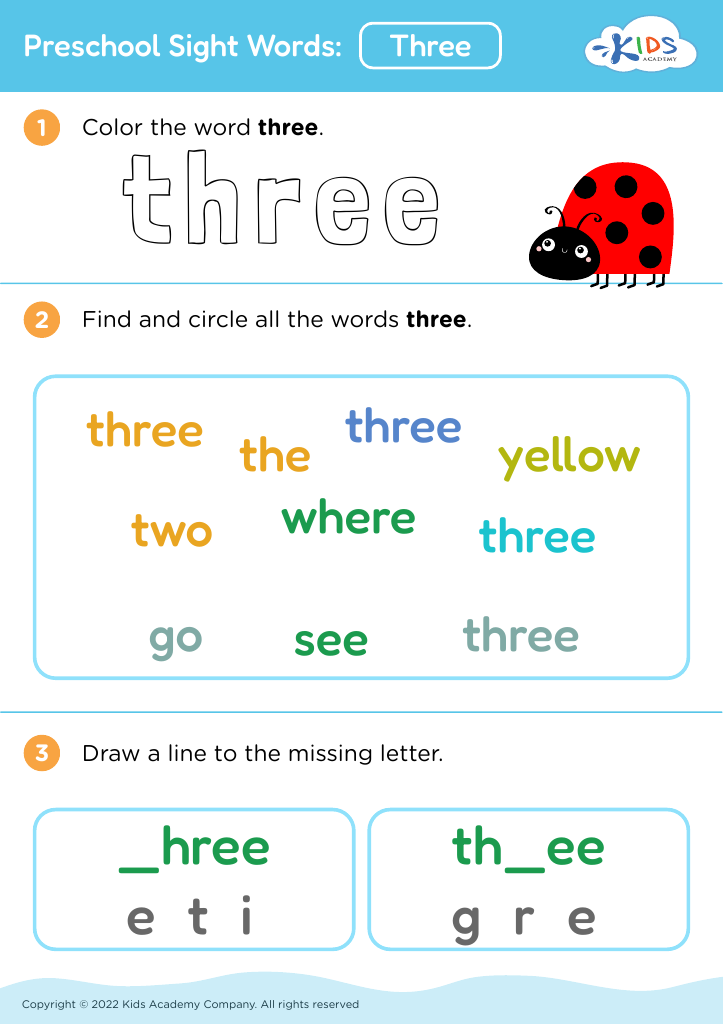
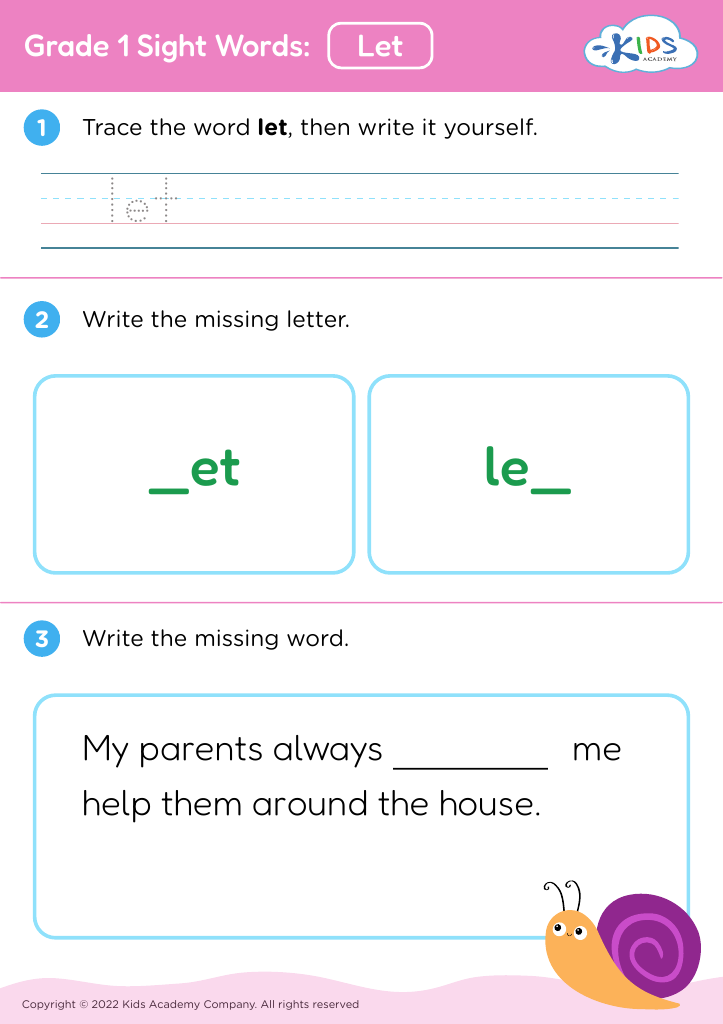
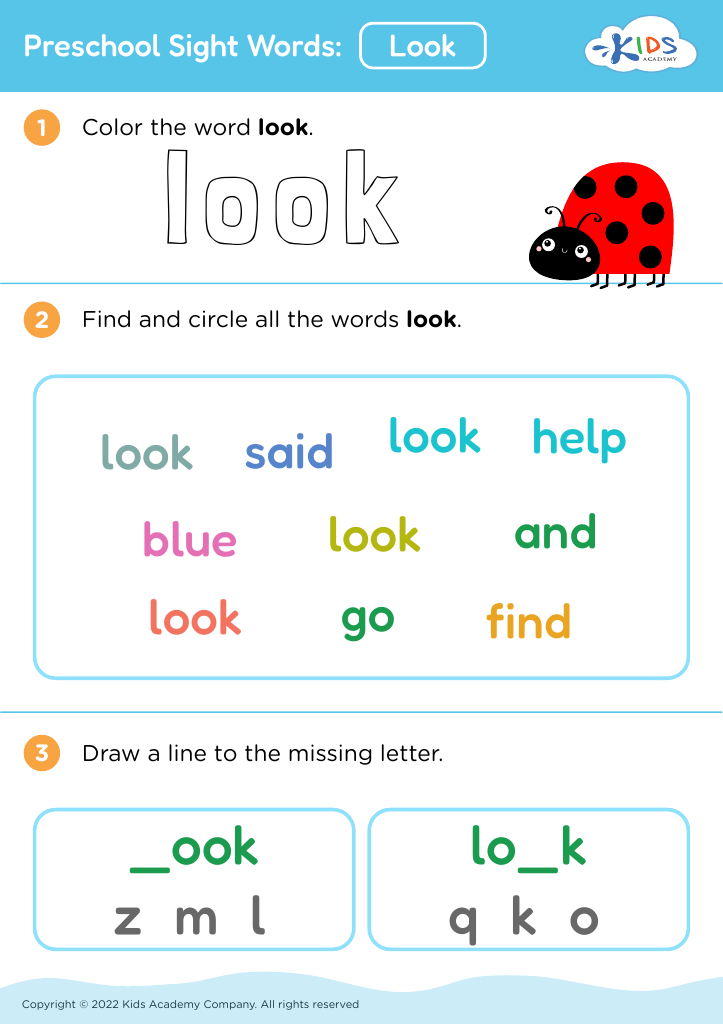
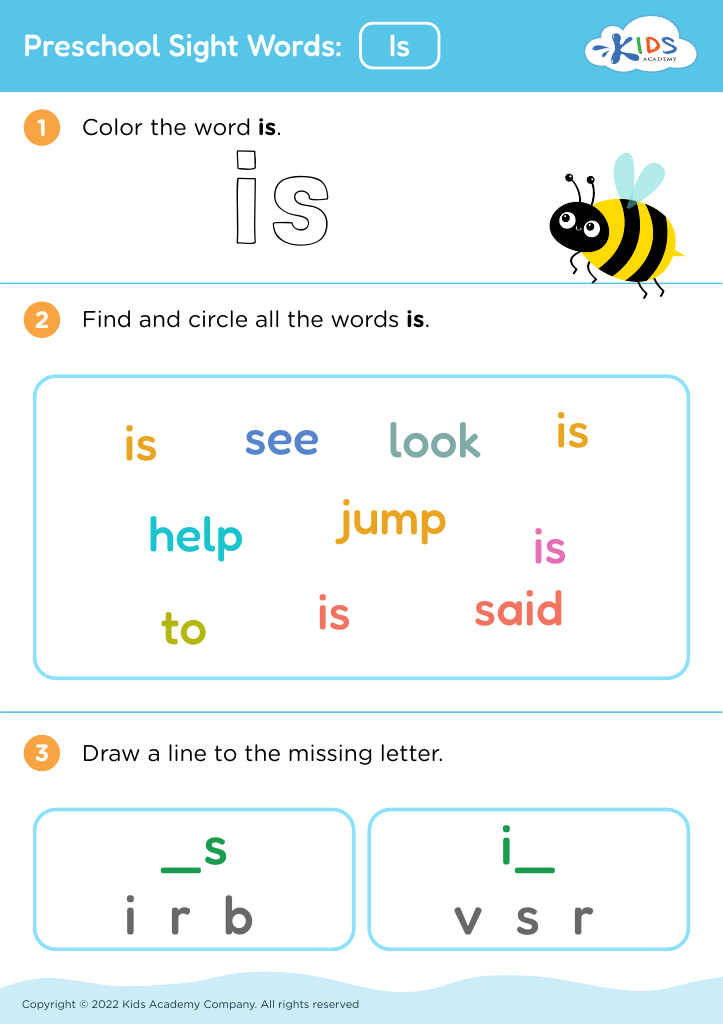
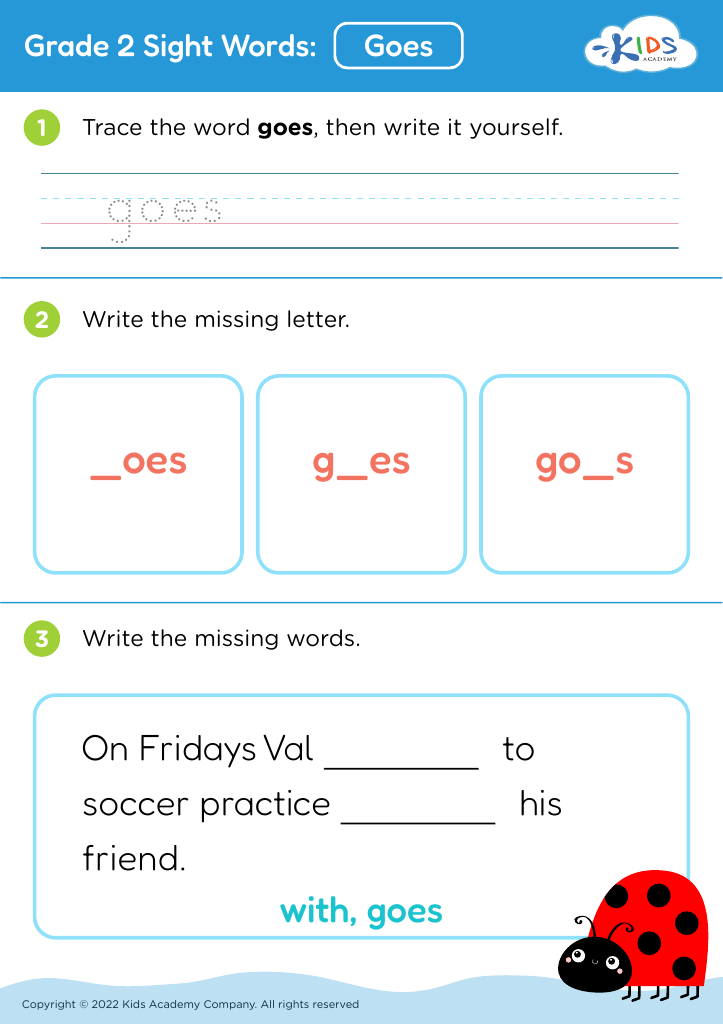
Our "Multiplication Practice Reading Worksheets for Ages 3-8" offer a fun and effective way to introduce young learners to foundational math skills. Designed to align with early learning standards, these engaging printables combine colorful illustrations and simple exercises to ensure comprehension and retention. Ideal for both classroom use and at-home practice, our worksheets feature age-appropriate challenges that foster a love for learning. Through interactive activities and guided practice, children develop confidence in their multiplication skills, laying a solid foundation for future success in math. Explore our collection today and watch your child's math abilities soar!







Parents and teachers should highly value multiplication practice and reading for children ages 3-8 because these foundational skills are crucial for their early cognitive development and long-term academic success. Early exposure to multiplication practice fosters a strong grasp of basic math concepts. By incorporating fun, engaging methods such as games and songs, children can develop an intuitive understanding of number patterns and arithmetic operations, which sets a solid groundwork for more complex math in the future.
Reading, on the other hand, significantly impacts language development, comprehension skills, and imagination. For young children, being read to or practicing reading themselves enhances vocabulary, listening skills, and comprehension, which are critical during these formative years. Furthermore, reading practice stimulates cognitive development by encouraging curiosity, improving focus, and cultivating a love for learning.
Both skills, pursued in tandem, contribute to a well-rounded educational base. Math and literacy are intertwined in real-life scenarios; understanding story problems, following written instructions, or decoding written information are essential skills that benefit from early proficiency in both fields. Encouraging consistent practice in these areas not only prepares children for academic challenges but also builds confidence and a positive attitude toward learning.








