
Recognizing Patterns Reading Worksheets for Ages 3-8
5 filtered results
Difficulty Level
Grade
Age
-
From - To
Subject
Activity
Standards
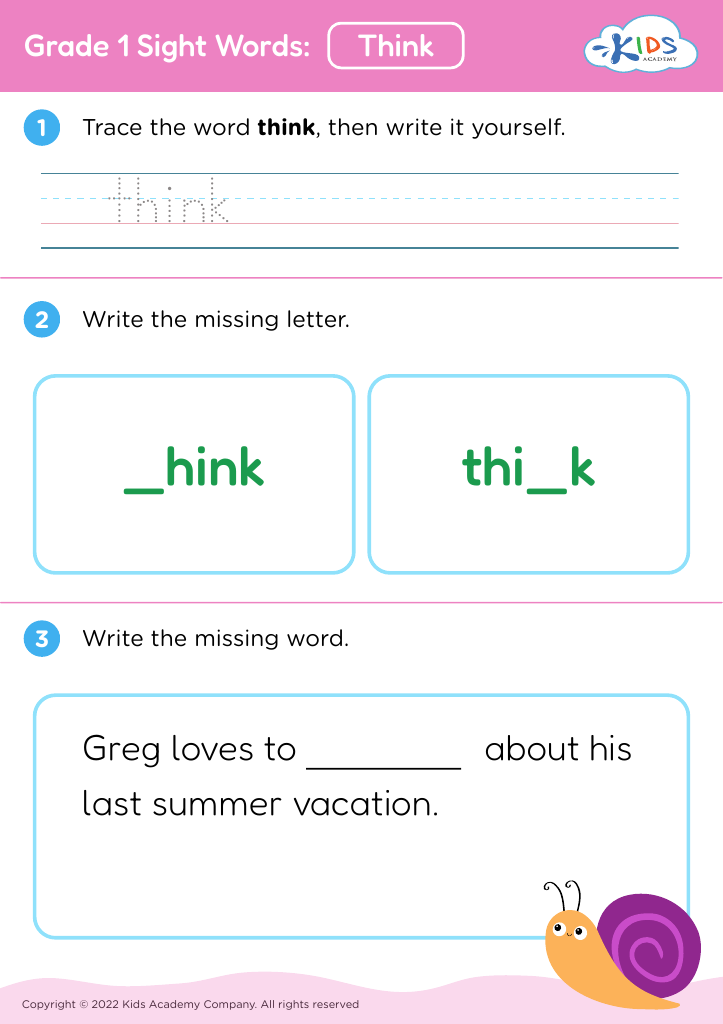
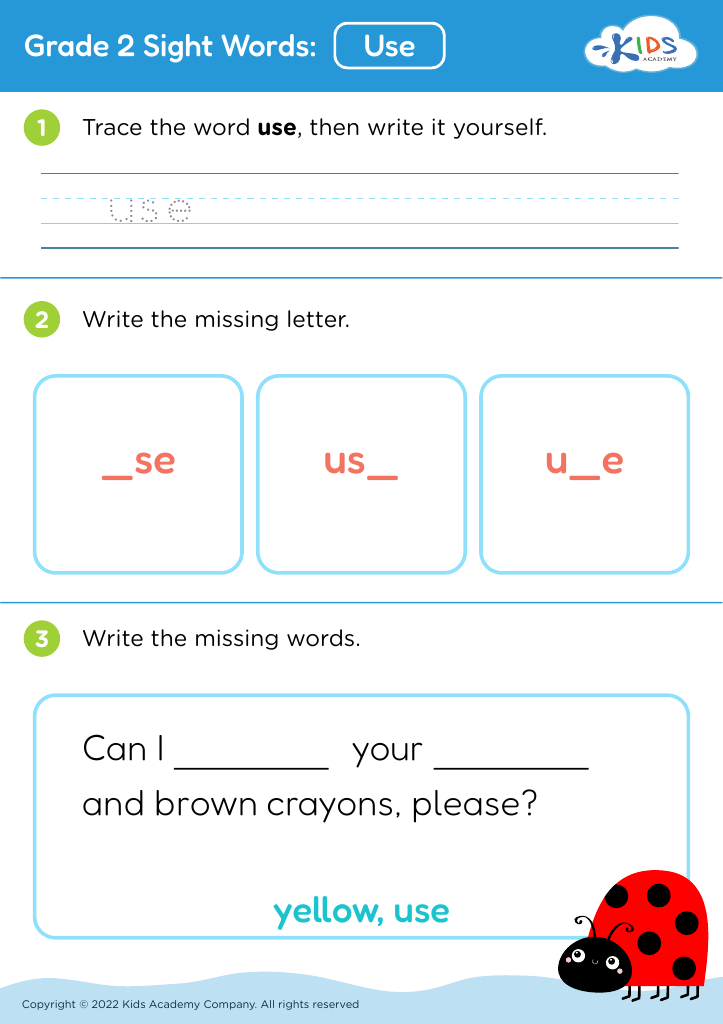
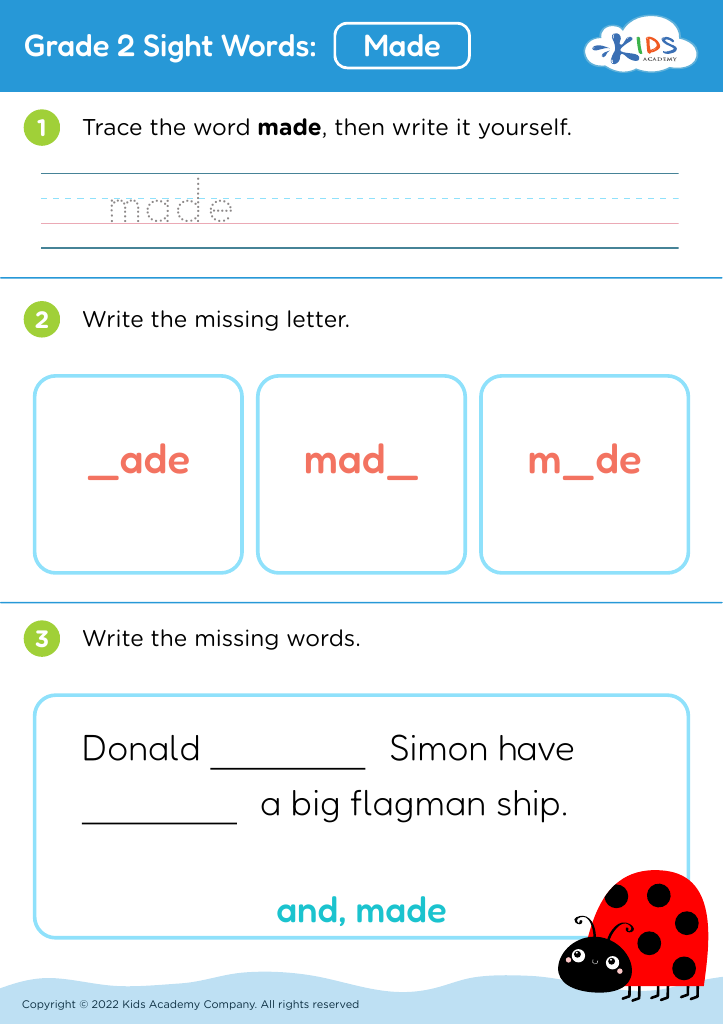
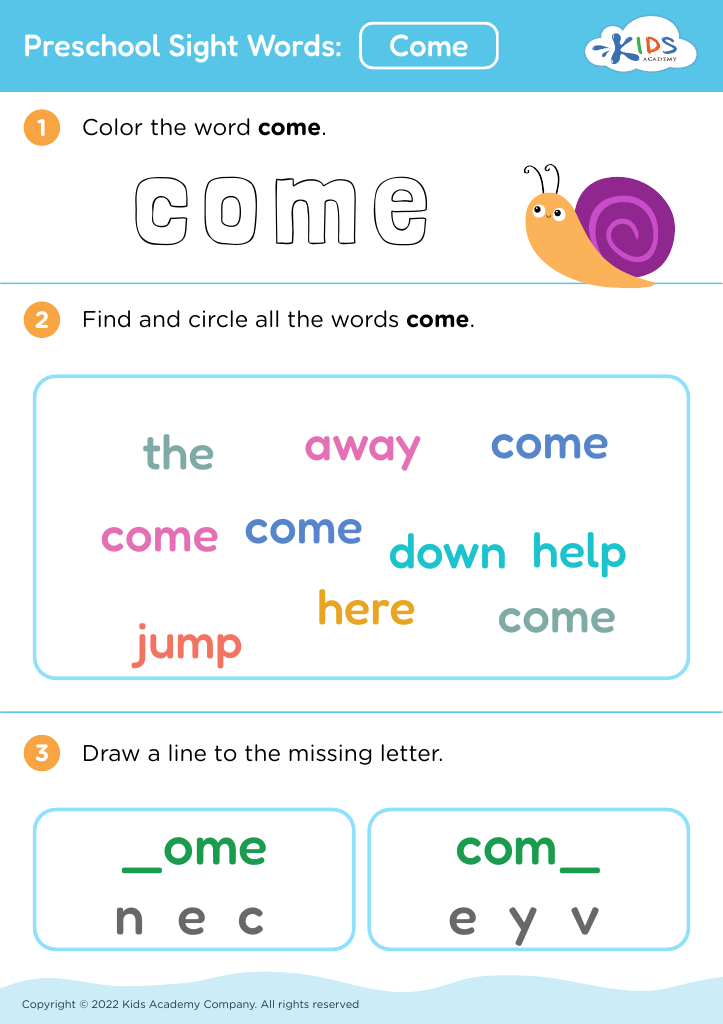
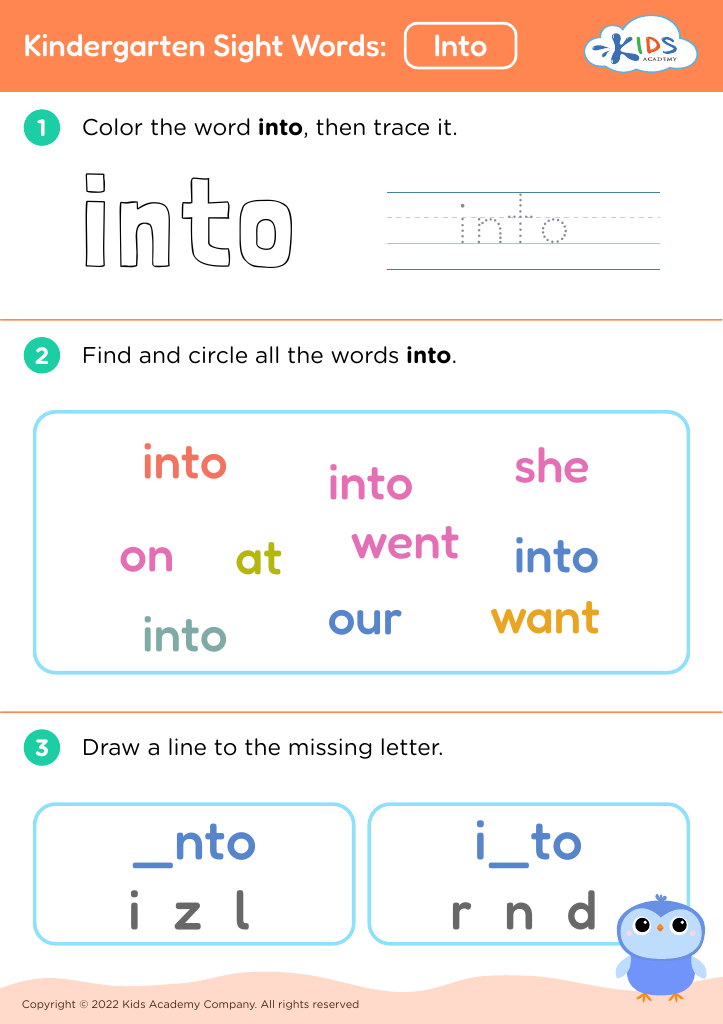
Discover our engaging "Recognizing Patterns Reading Worksheets" tailored for children ages 3-8! These worksheets are designed to enhance early literacy skills by helping young learners identify and understand patterns within texts and illustrations. Each activity encourages creativity and critical thinking, allowing kids to make connections and predictions while building their reading comprehension. Our worksheets are visually appealing and include a variety of activities that promote fun learning experiences. Perfect for teachers and parents, these resources will enable children to master essential skills in a playful and effective manner. Explore our collection today to enrich your child’s reading journey!
Favorites
With answer key
Interactive
Join Kids Academy for Free
Who is primarily going to use this learning content?






Recognizing patterns is a foundational skill that plays a crucial role in early literacy development for children aged 3 to 8. Understanding patterns helps young learners make sense of the world around them, aiding in their ability to predict what comes next in stories and enhancing their overall comprehension. When parents and teachers emphasize this skill, they are not just supporting reading abilities; they are fostering critical thinking, problem-solving, and cognitive development.
Recognizing patterns also encourages children to make connections between words, sounds, and meanings, which strengthens their vocabulary and spelling skills. Engaging children in activities that promote pattern recognition—such as rhymes, rhythms, and repetitive texts—can make reading a fun and interactive experience.
Moreover, patterns in literature, such as repetitive phrases or predictable story structures, instill confidence in young readers. This familiarity allows children to feel successful and motivated, driving a lifelong love for reading. When parents and teachers collaborate to highlight and integrate pattern recognition into their reading practices, they not only enhance literacy skills but also nurture a child's curiosity and ability to learn, paving the way for excellence in both academics and everyday life. Ultimately, the ability to recognize patterns is a vital stepping stone on the journey to becoming proficient and enthusiastic readers.








