Spelling practice Reading Worksheets for Ages 3-8 - Page 2
58 filtered results
-
From - To
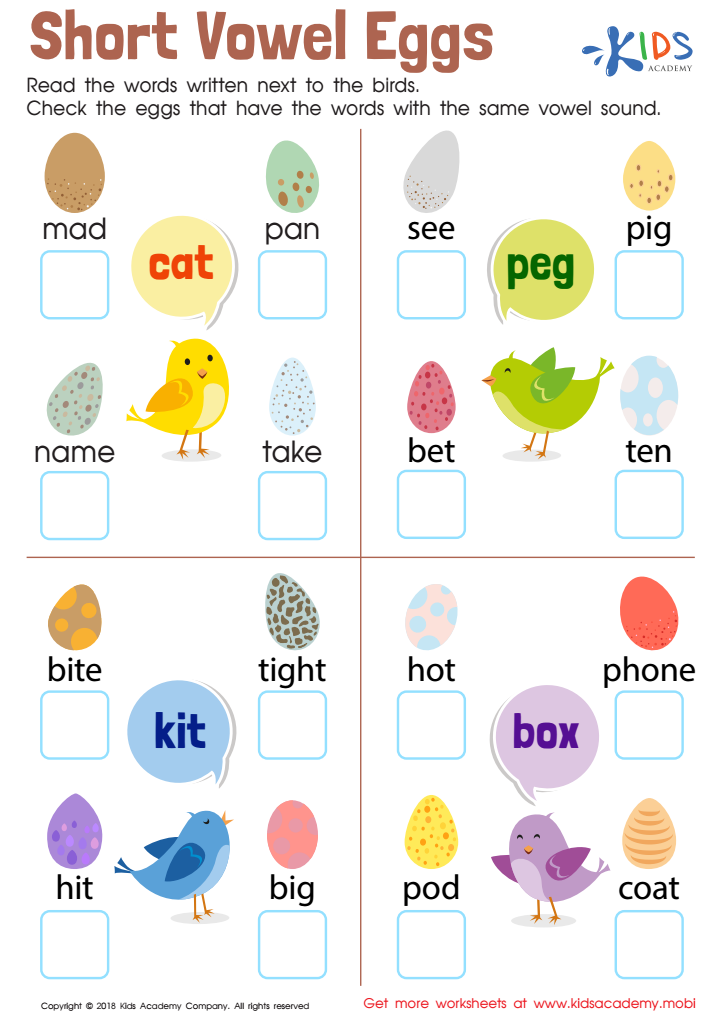
Short Vowel Eggs Worksheet
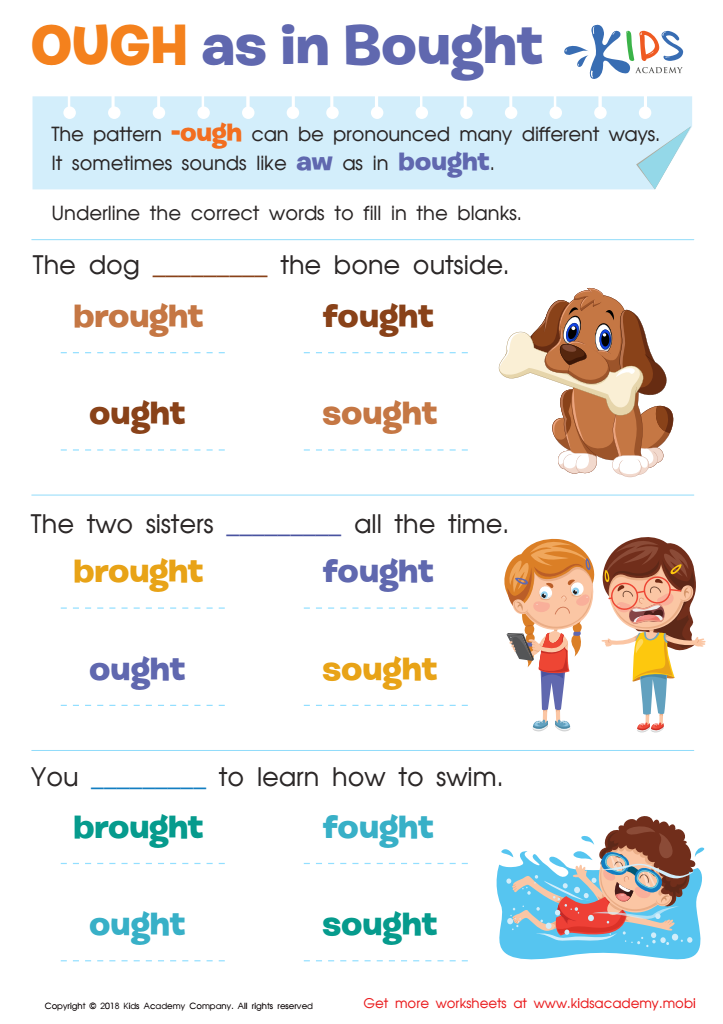
OUGH as in Bought Worksheet
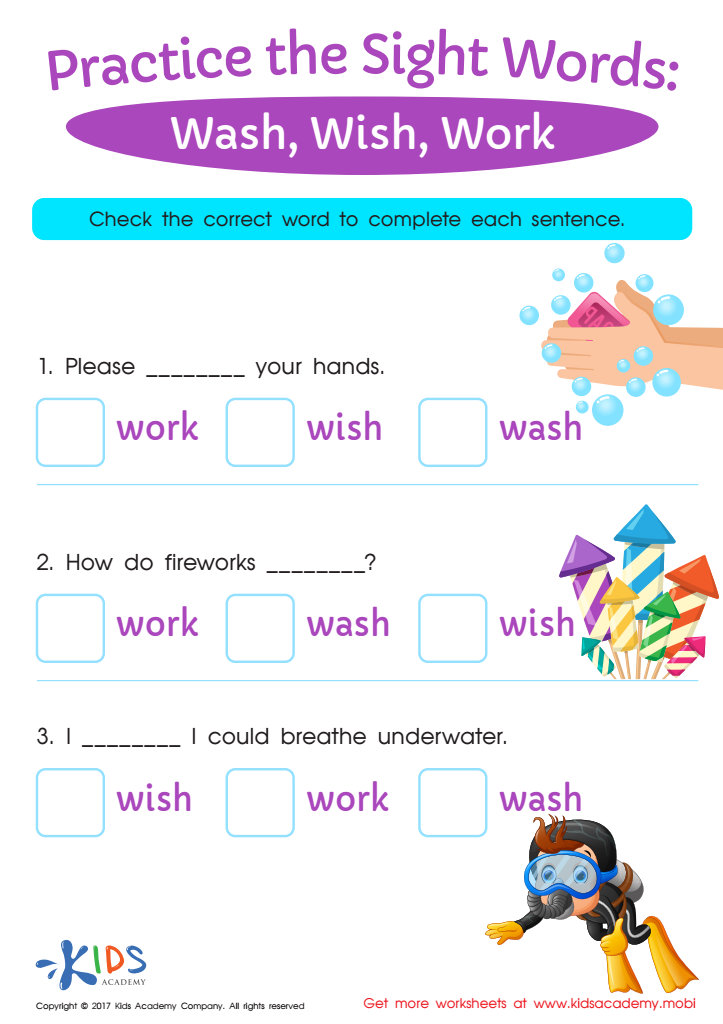
Wash, Wish, Work Sight Words Worksheet
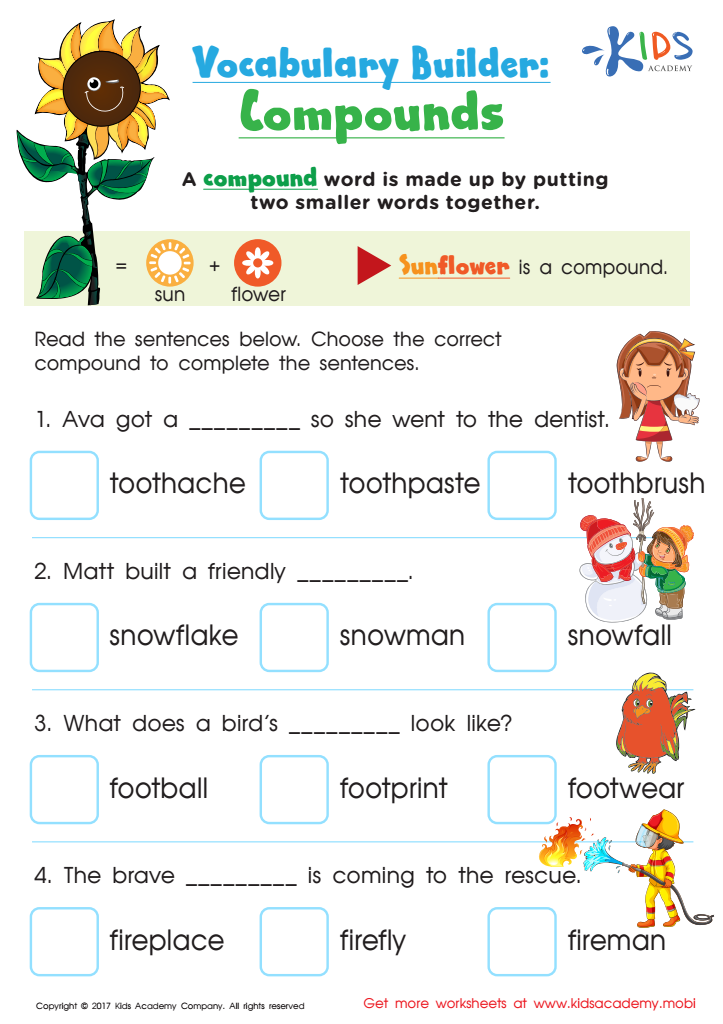
Compound Words Worksheet
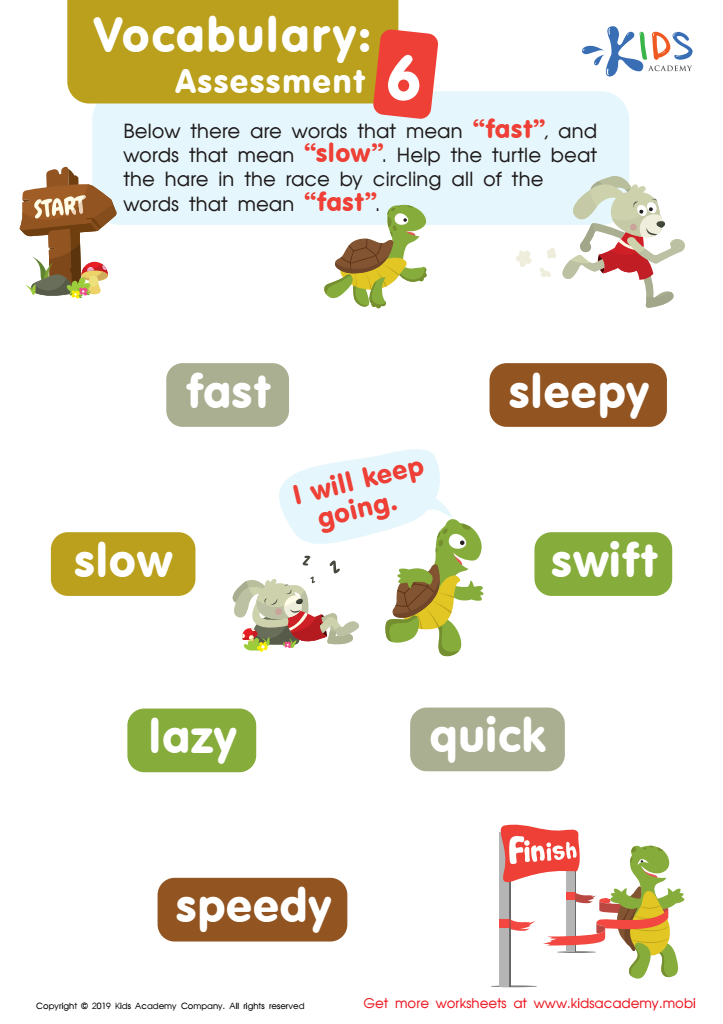
Vocabulary: Assessment 6 Worksheet
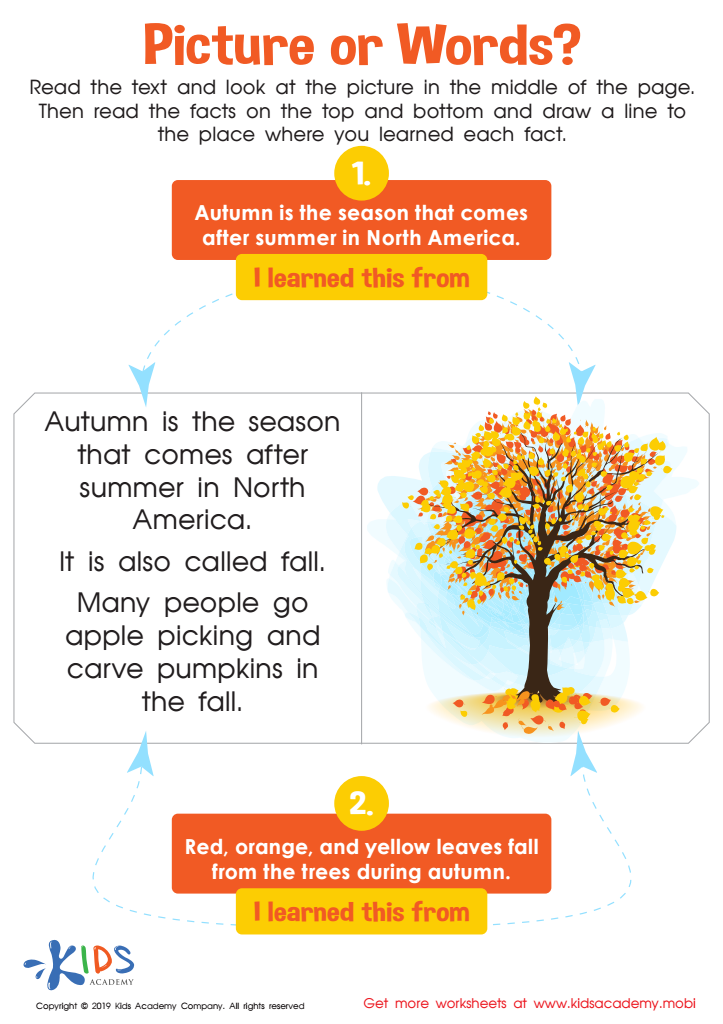
Picture Words Worksheet
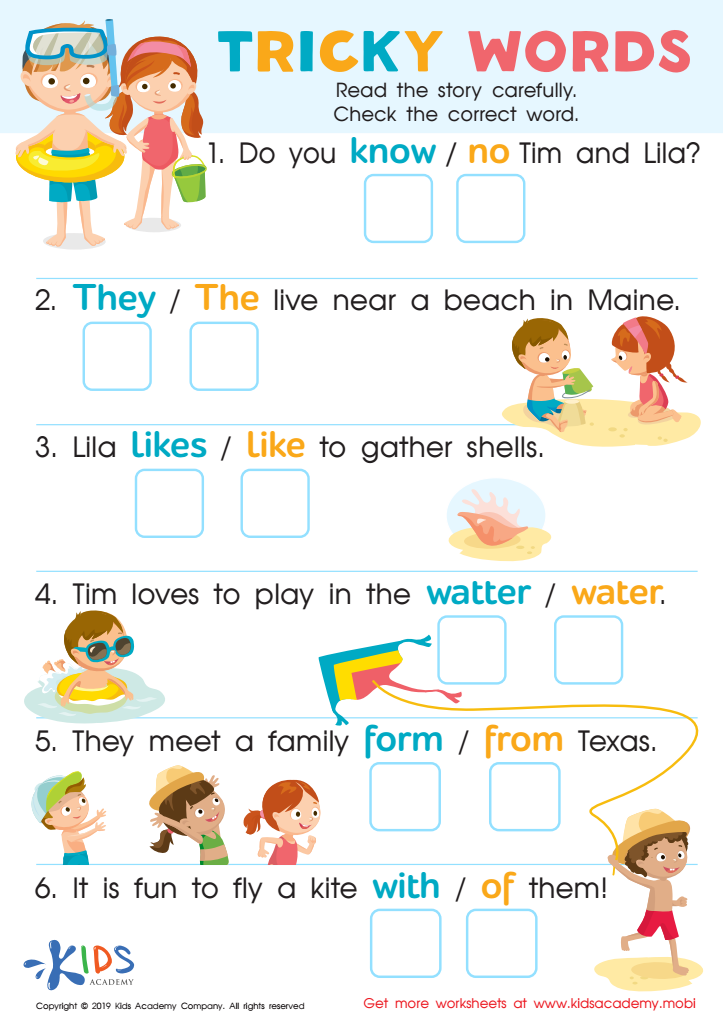
Tricky Words Worksheet
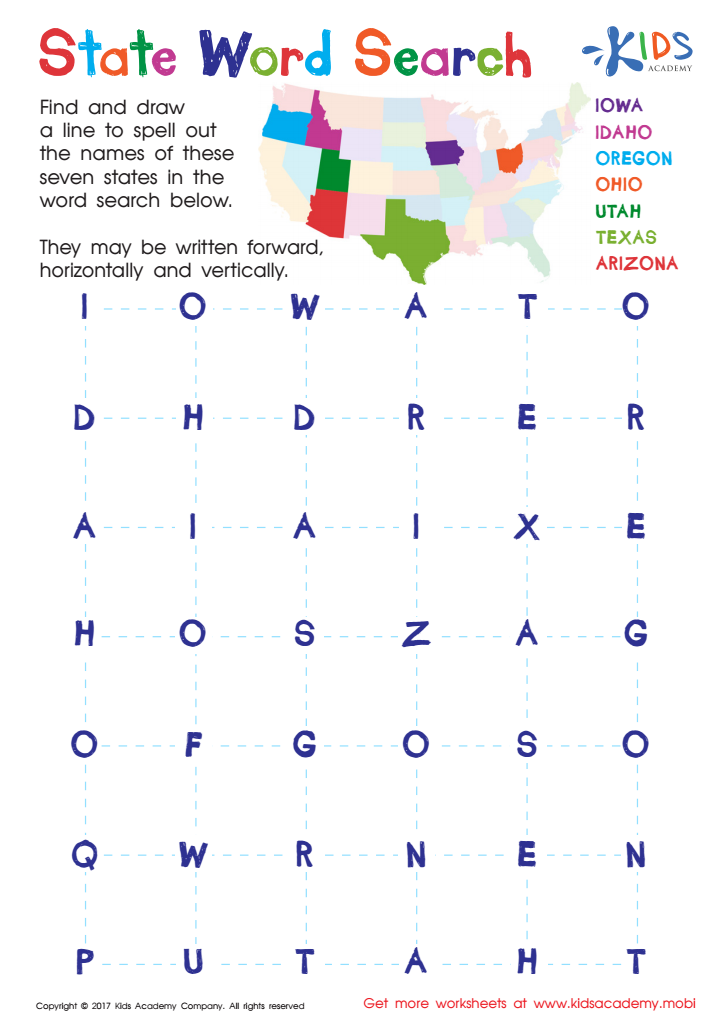
State Word Search Worksheet
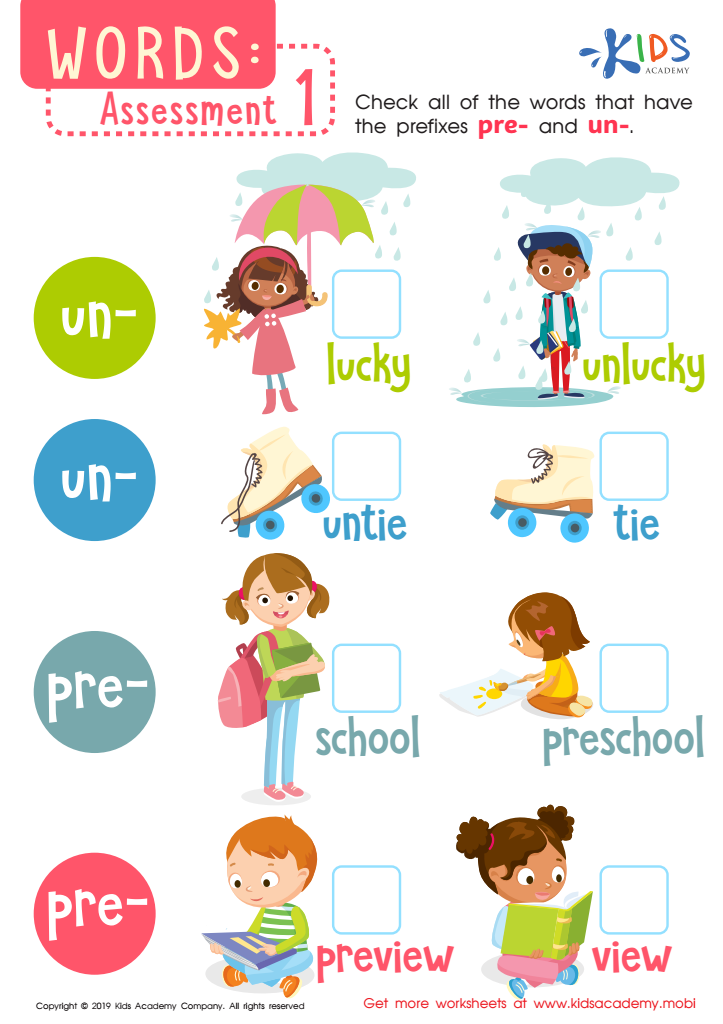
Words: Assessment 1 Worksheet
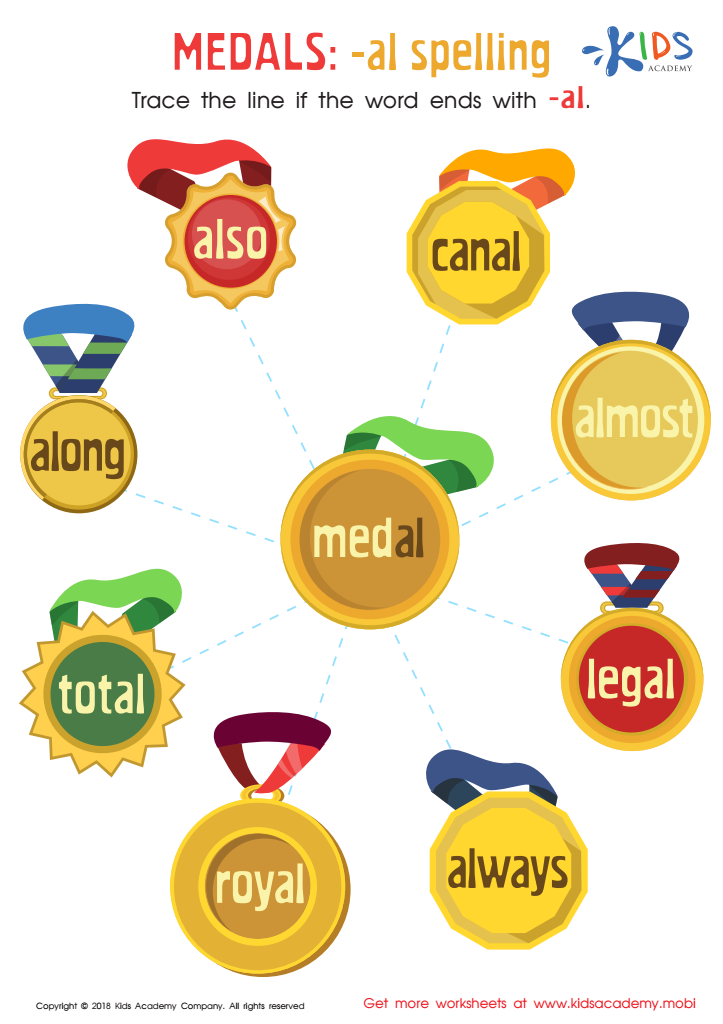
Medals: Al Spelling Worksheet
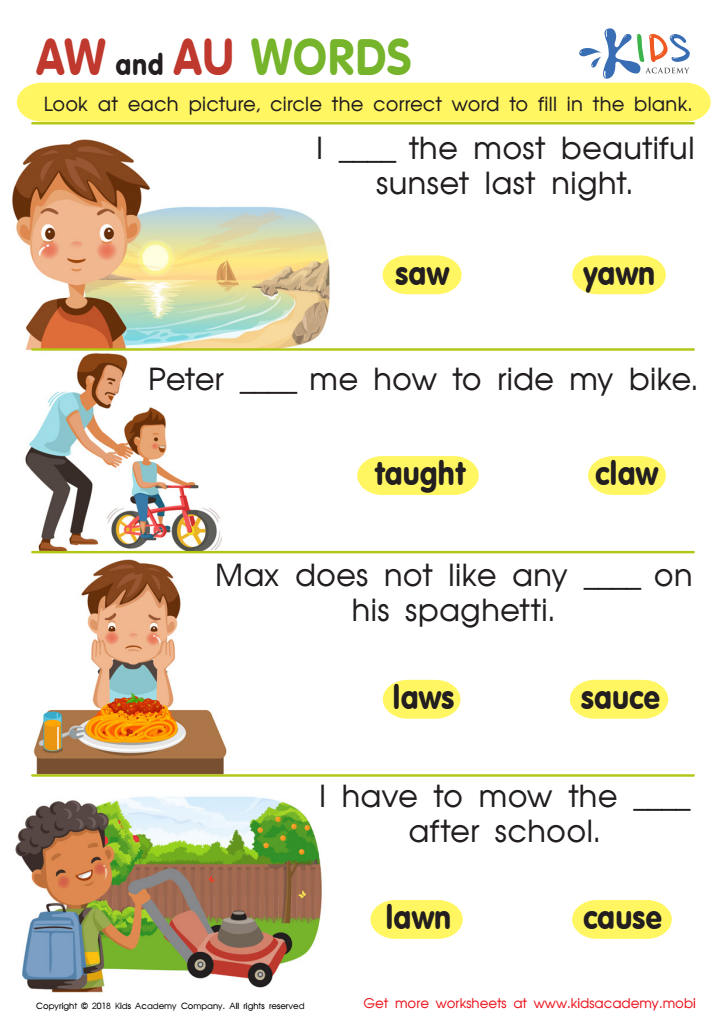
Reading: AW and AU Words Worksheet
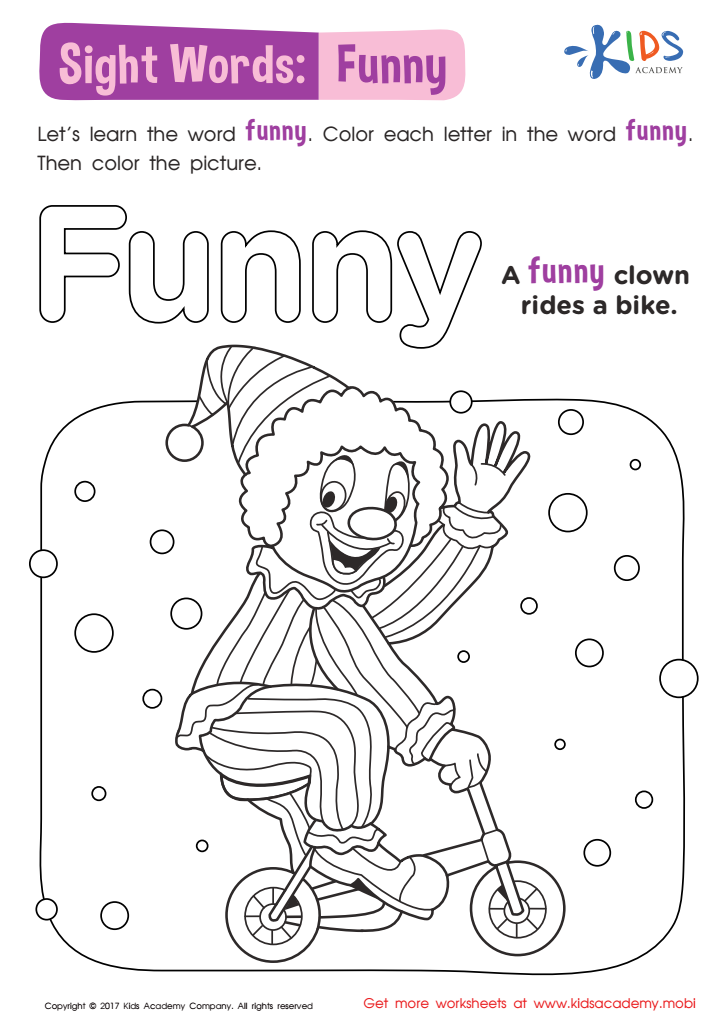
Funny Worksheet Sight Words Worksheet
 Assign to My Students
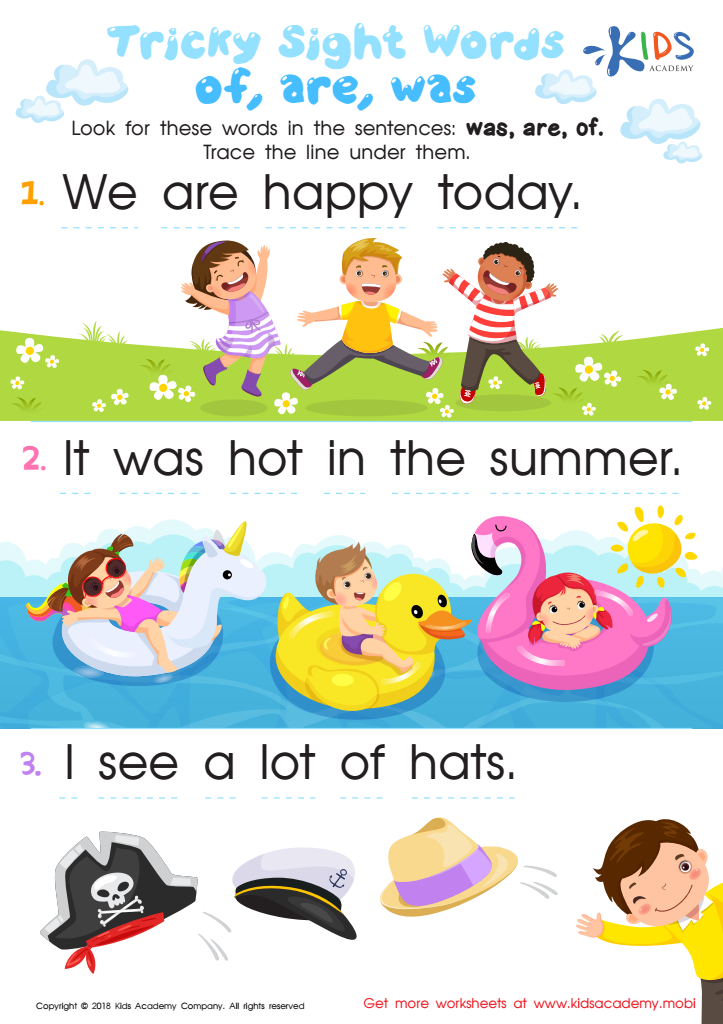
Tricky Sight Words Worksheet
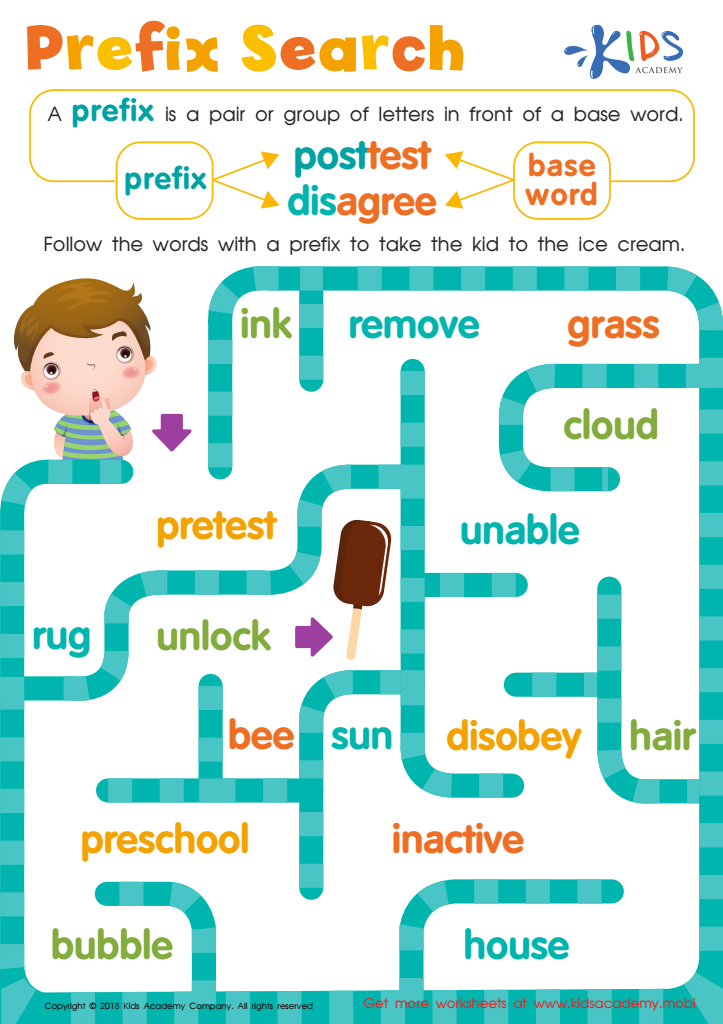
Reading: Prefix Search Worksheet
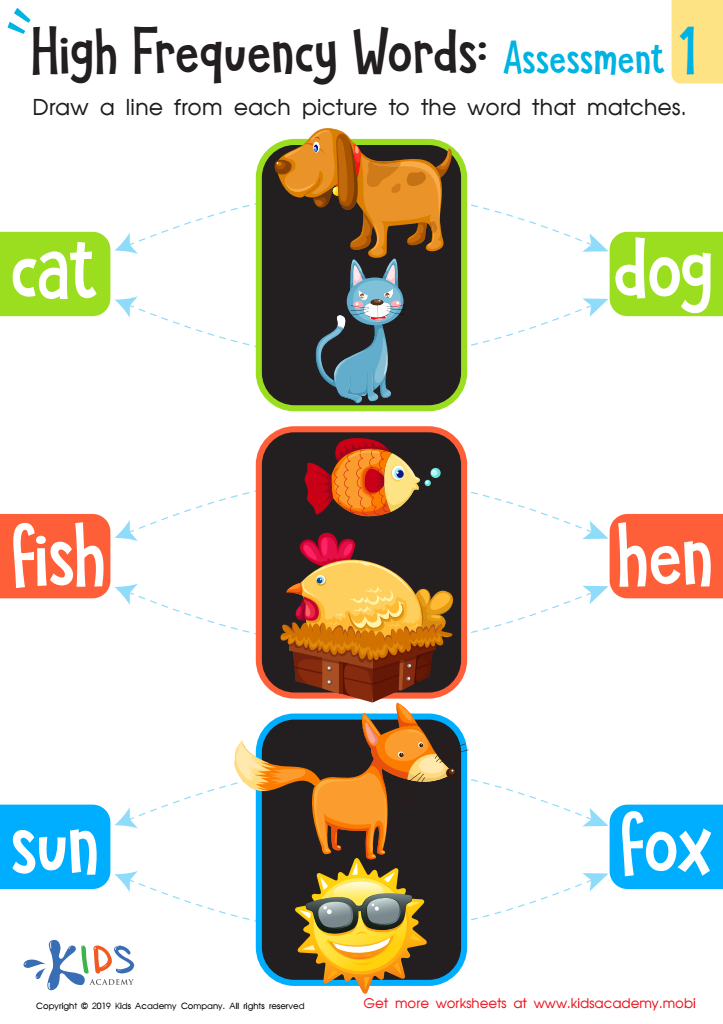
High Frequency Words: Assessment 1 Worksheet
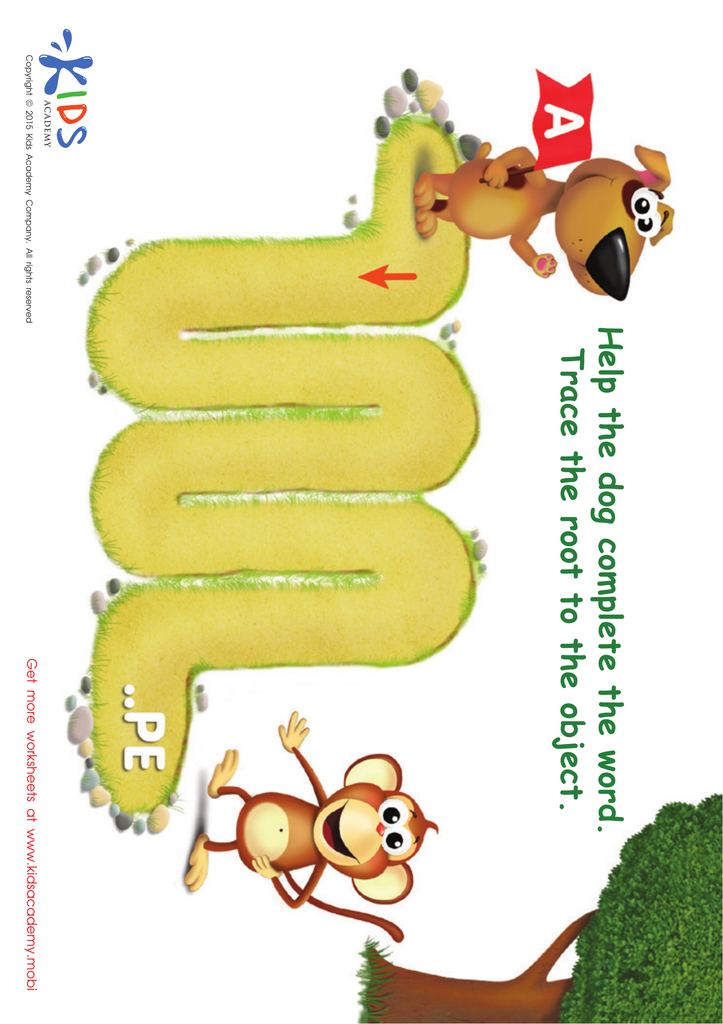
Long Vowel Sound A Worksheet Worksheet
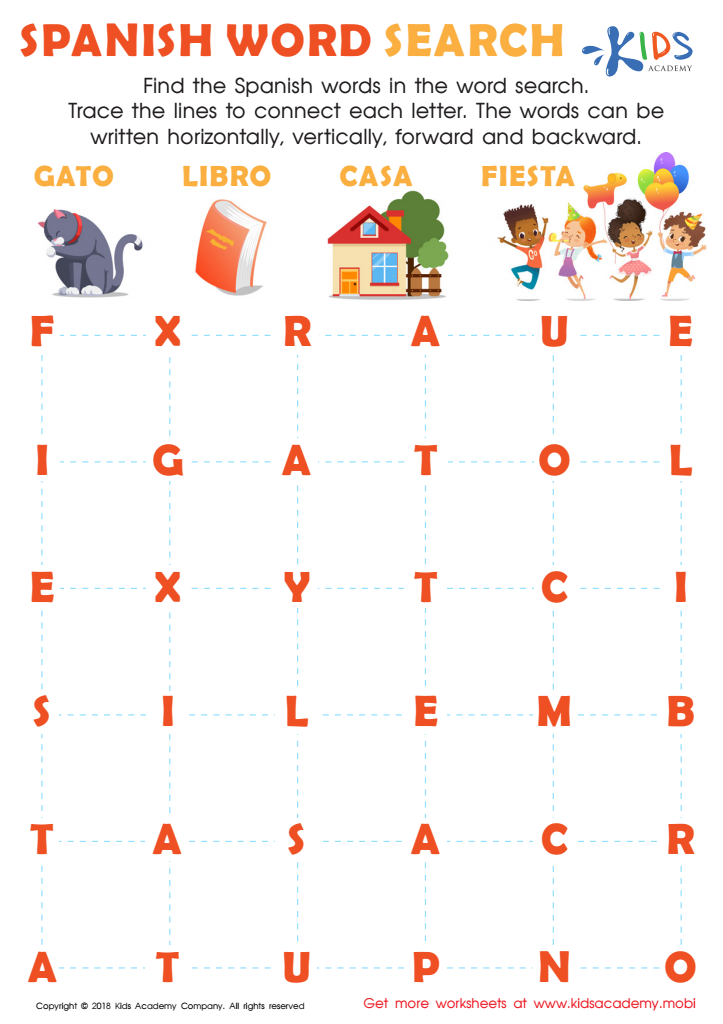
Spanish Word Search Worksheet
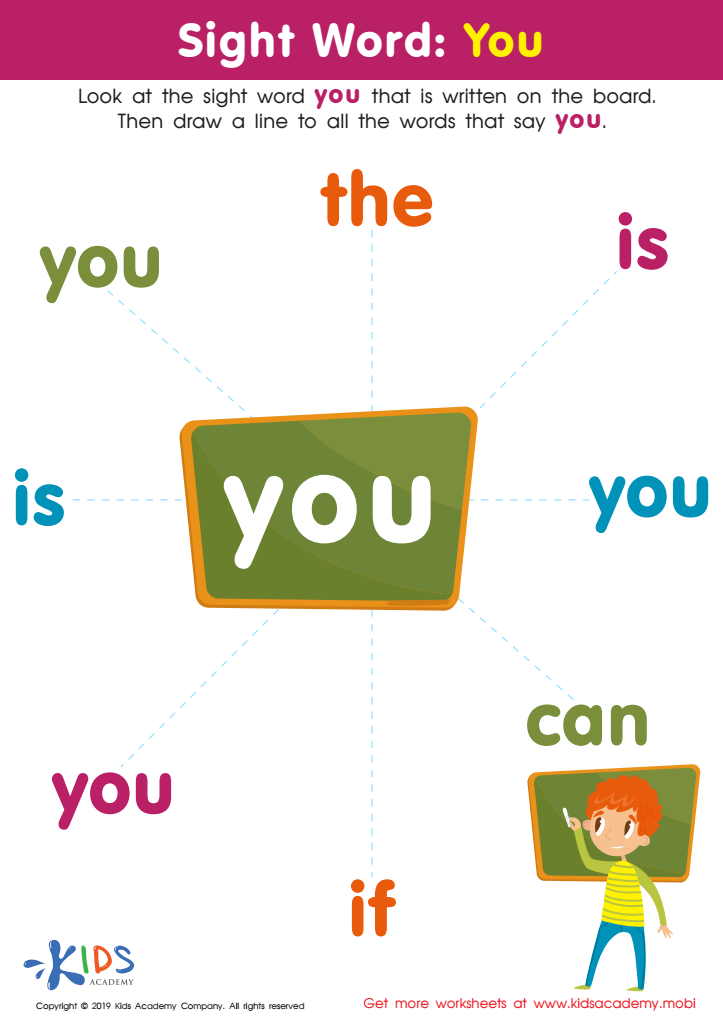
Sight Word You Worksheet
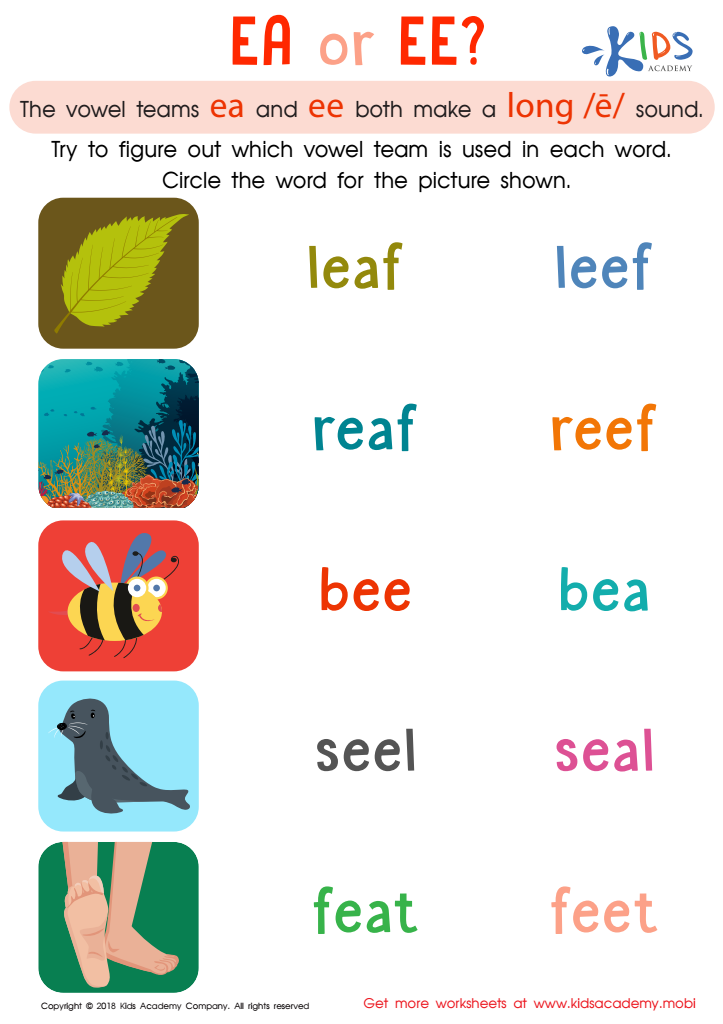
Reading: EA and EE Worksheet
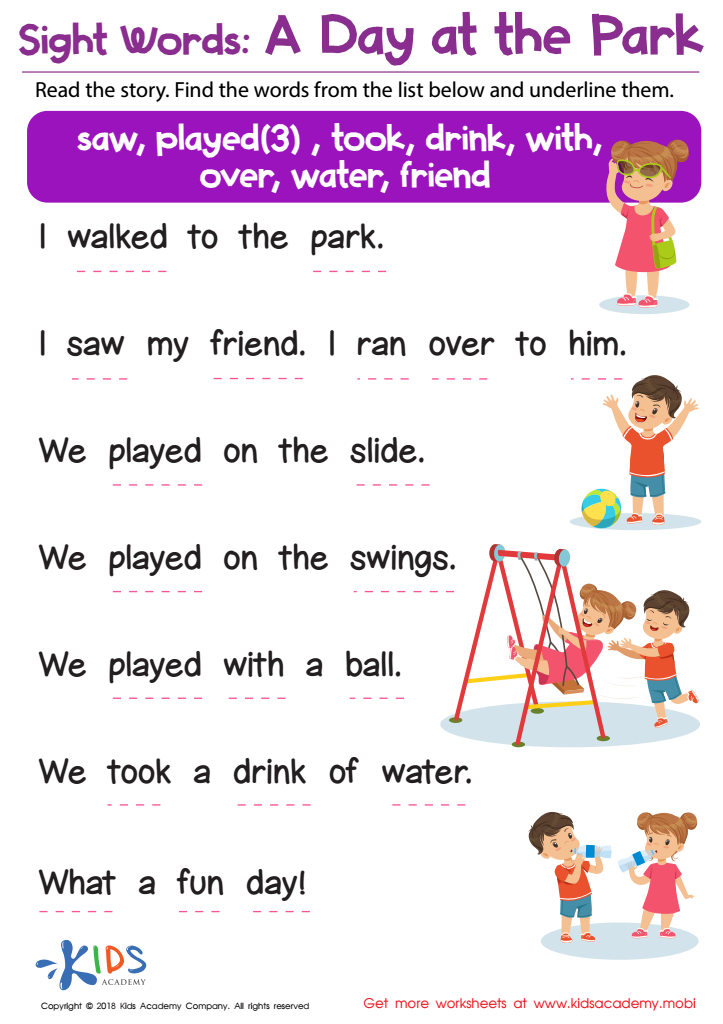
Sight Words: A Day at the Park Worksheet
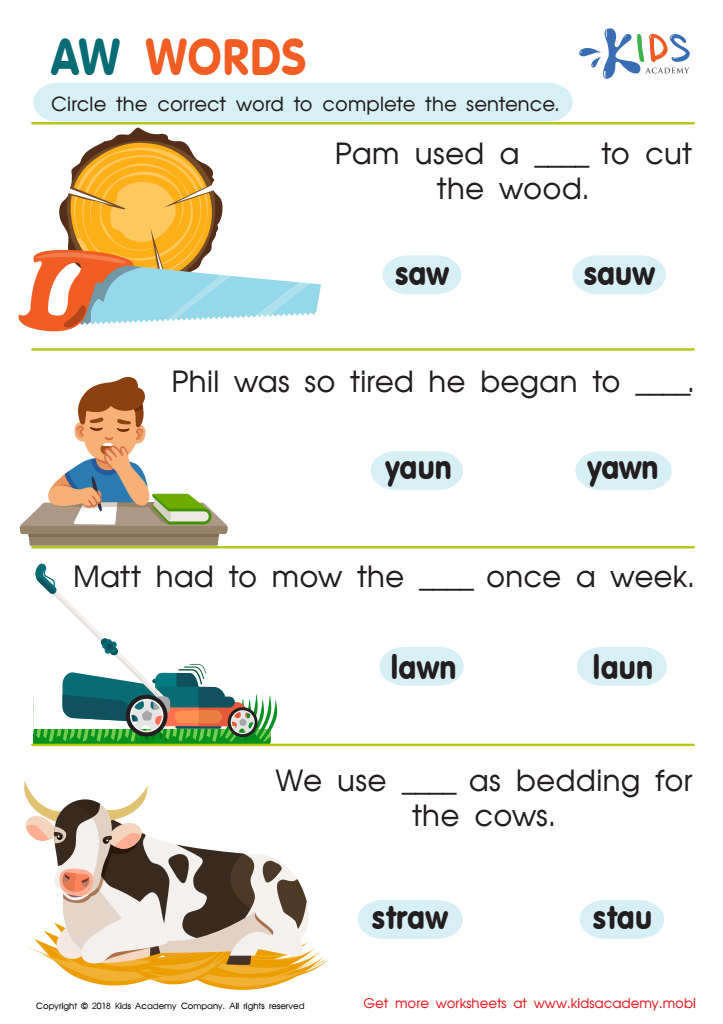
Reading: AW Words Worksheet
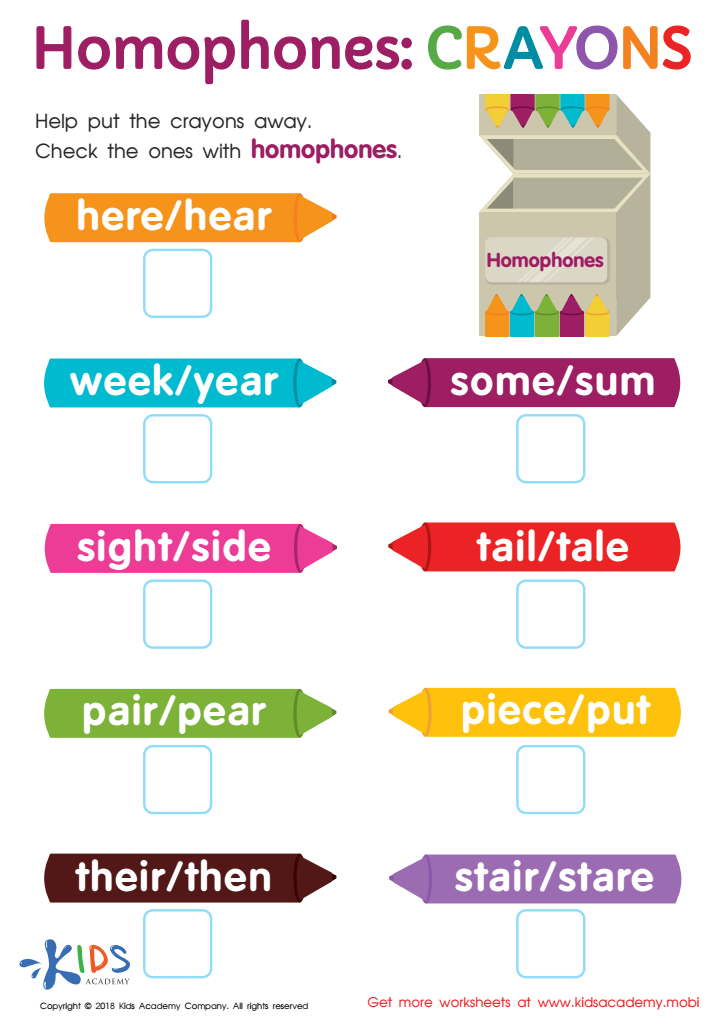
Homophones: Crayons Worksheet
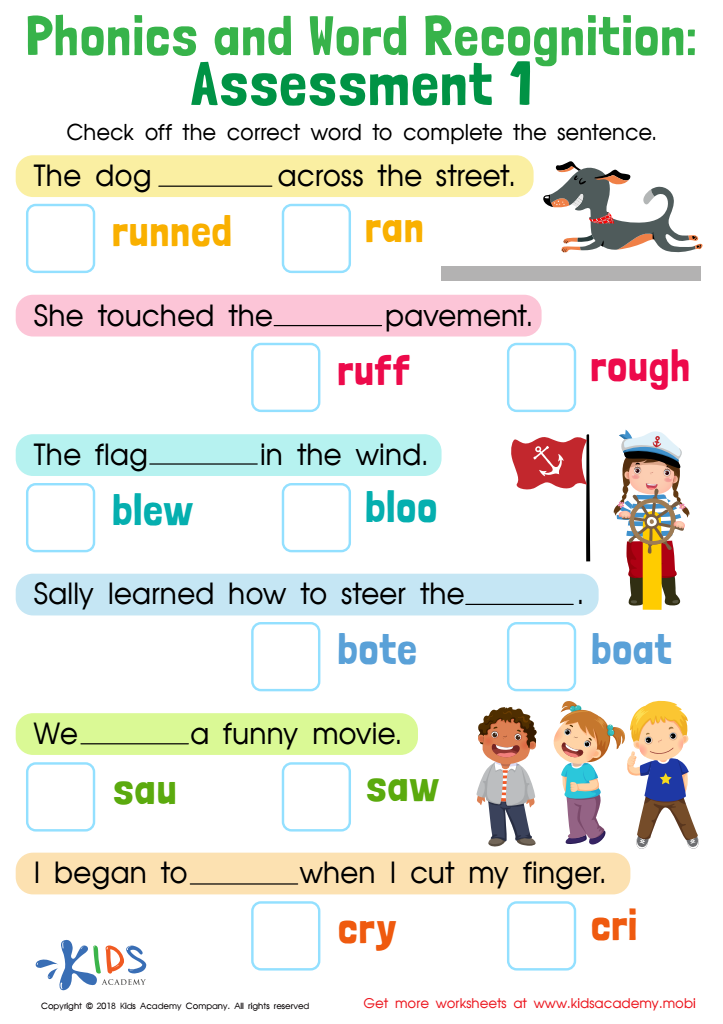
Phonics and Word Recognition: Assessment 1 Worksheet
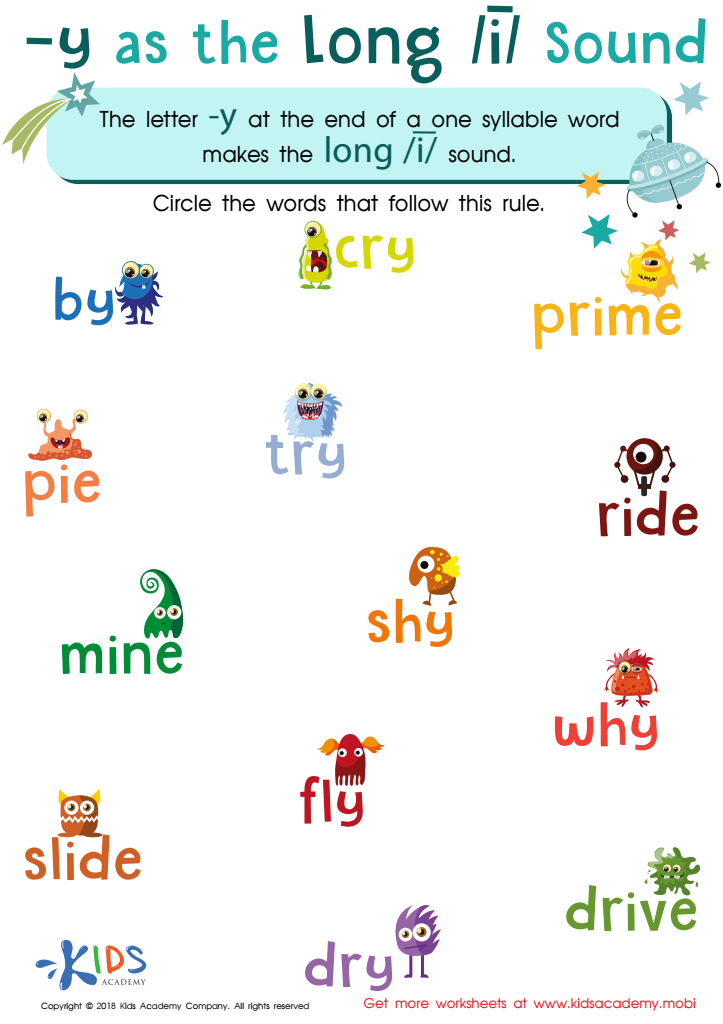
Reading: Y as Long I Worksheet








Parents and teachers should care deeply about spelling practice and reading for children aged 3-8 because these foundational skills significantly impact a child's overall academic development and future success. Early exposure to reading enriches vocabulary, comprehension, and cognitive abilities. It stimulates imagination, enhances concentration, and fosters a love for learning. Spelling practice, on the other hand, reinforces phonemic awareness—a critical pre-reading skill—by helping children understand the sounds that letters make, which is essential for decoding words.
When children engage regularly in spelling practice and reading, they develop stronger writing skills, as understanding how words are constructed improves their ability to communicate effectively through written language. Moreover, early literacy activities boost confidence and encourage a positive attitude toward school and learning in general.
In addition, early literacy experiences have long-term benefits beyond the classroom. They can improve social skills because shared reading times with parents or peers provide opportunities for discussion, questioning, and interactive storytelling. Furthermore, early literacy practices are strongly linked to better educational outcomes later in life, including higher grades, excellent problem-solving abilities, and increased likelihood of pursuing higher education.
Thus, promoting spelling practice and reading in early childhood is an investment in a child's personal, academic, and social growth, laying a strong foundation for lifelong learning.








