Basic Addition Science Worksheets for Ages 3-8
4 filtered results
-
From - To
Discover the perfect learning tool for young minds with our Basic Addition Science Worksheets for Ages 3-8. These engaging worksheets introduce foundational math concepts through fun science-themed activities designed to boost addition skills. Each worksheet combines colorful illustrations and simple problems to capture the interest of early learners. Our expertly crafted resources support kindergarten and elementary education standards, making math easy and enjoyable. Ideal for both classroom and home practice, these printables will help children develop a solid mathematical foundation while sparking their curiosity for science. Boost your child's addition skills today with our thoughtfully designed worksheets.
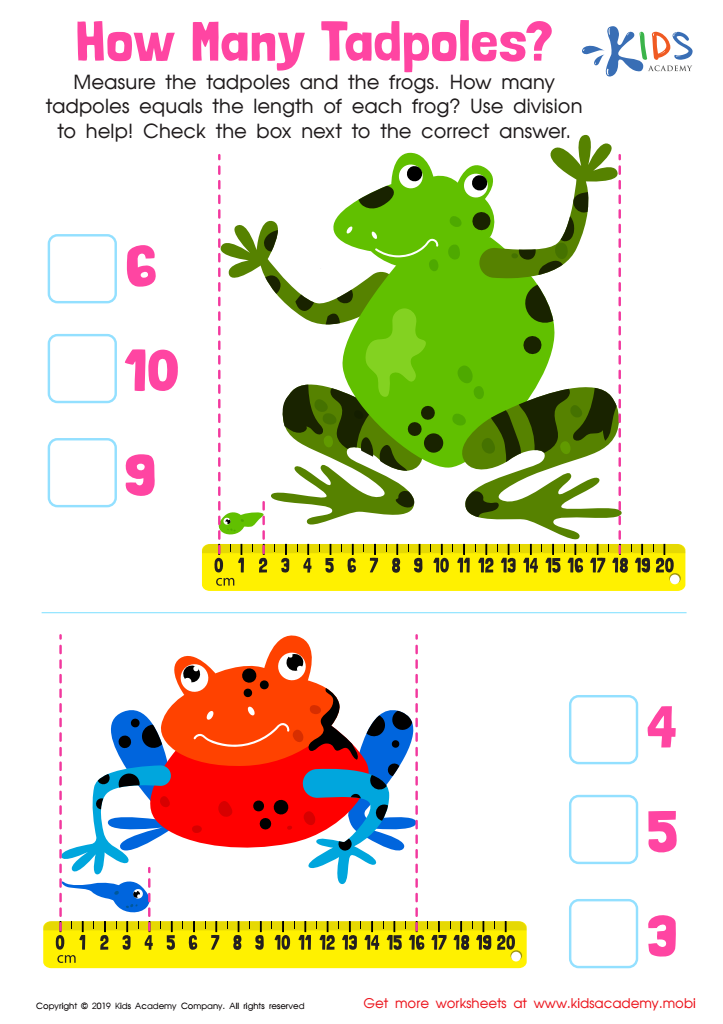
How Many Tadpoles Worksheet
 Assign to My Students

African Wildlife: Giraffe Worksheet
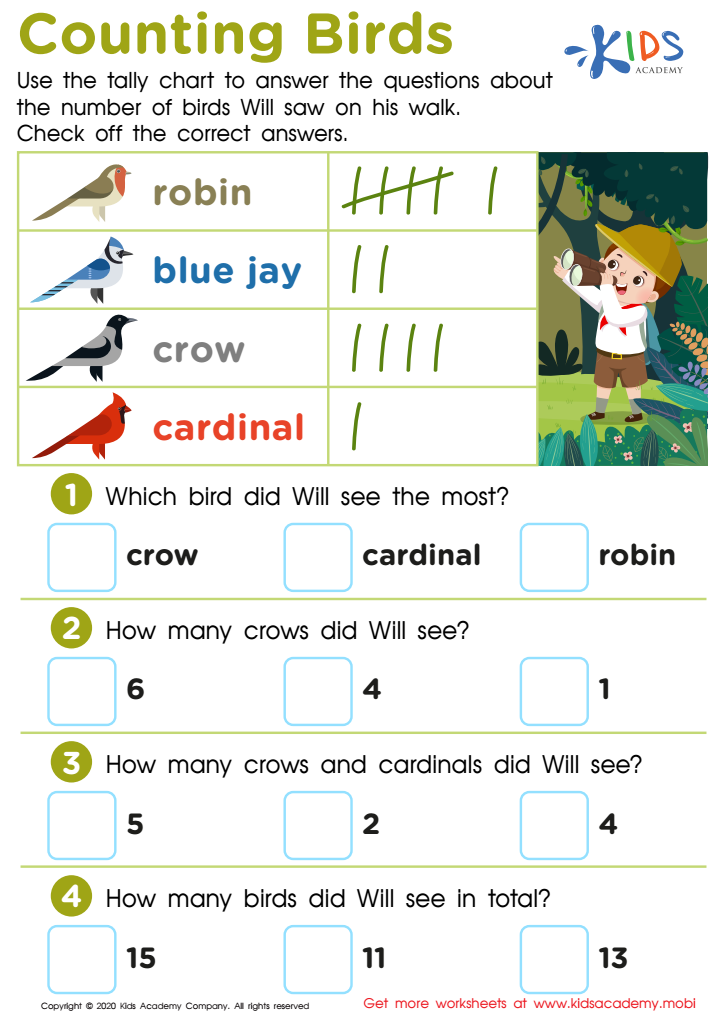
Counting Birds Worksheet
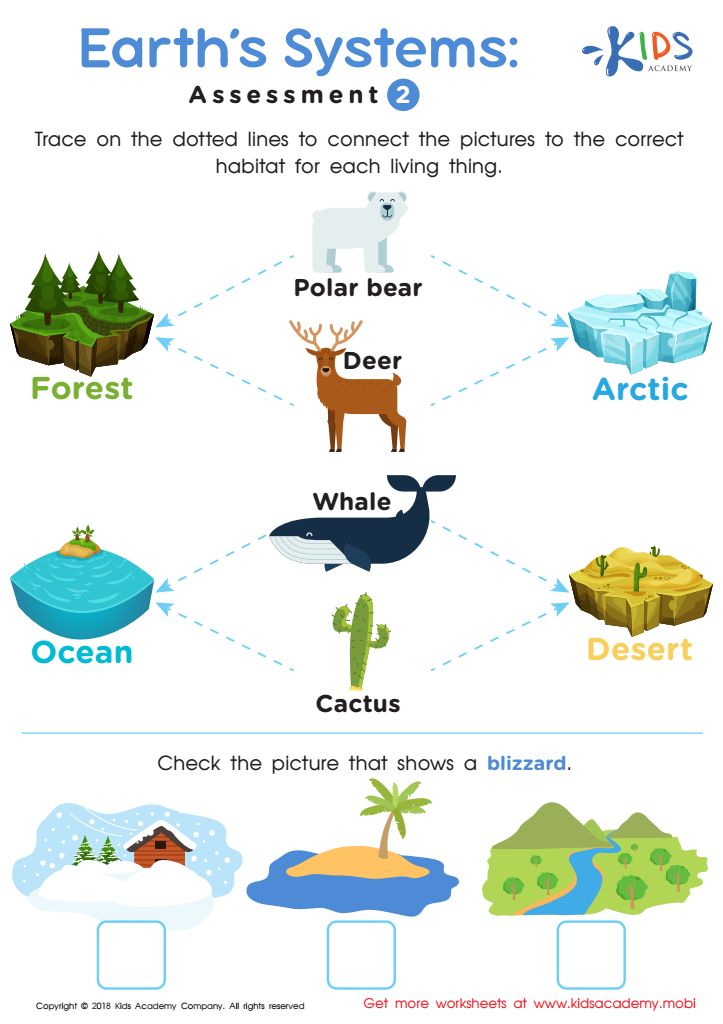
Earth's Systems: Assessment 2








Basic addition skills lay the groundwork for a child's overall mathematics comprehension, making it essential for parents and teachers to focus on this early stage of learning. For ages 3-8, understanding addition can significantly influence cognitive development, logical thinking, and problem-solving abilities.
Incorporating basic addition early on helps children grasp numbers, understand quantity, and recognize patterns, which are crucial elements in learning complex math and real-life applications such as managing time or counting money. Furthermore, mastering addition boosts children's confidence and enthusiasm towards learning, encouraging them to tackle more challenges.
Teachers and parents must provide engaging, age-appropriate activities to make math fun and accessible. Simple tools like counting objects, using visual aids, and interactive games can reinforce these fundamental concepts. By showing enthusiasm and support, adults can instill a positive learning environment, making math an enjoyable subject rather than a daunting task.
Solidifying basic addition skills creates a strong foundation for future academic achievement and cultivates a lifelong curiosity and love for learning, setting children on a path toward academic success and crucial life skills. Thus, emphasizing basic addition science during these formative years cannot be underestimated.







