Comprehension improvement Science Worksheets for Ages 3-8
4 filtered results
-
From - To
Enhance your child's understanding of science with our engaging Comprehension Improvement Worksheets, designed specifically for ages 3-8. These interactive activities foster critical thinking skills by encouraging young learners to explore scientific concepts in a fun and accessible manner. From basic observation to simple experiment analysis, each worksheet captures children's interest while promoting comprehension and retention. Perfect for home learning or classroom use, these worksheets offer a variety of exercises tailored to different skill levels, ensuring every child can progress at their own pace. Boost your child's confidence and curiosity in science today with our comprehensive, easy-to-use worksheets!
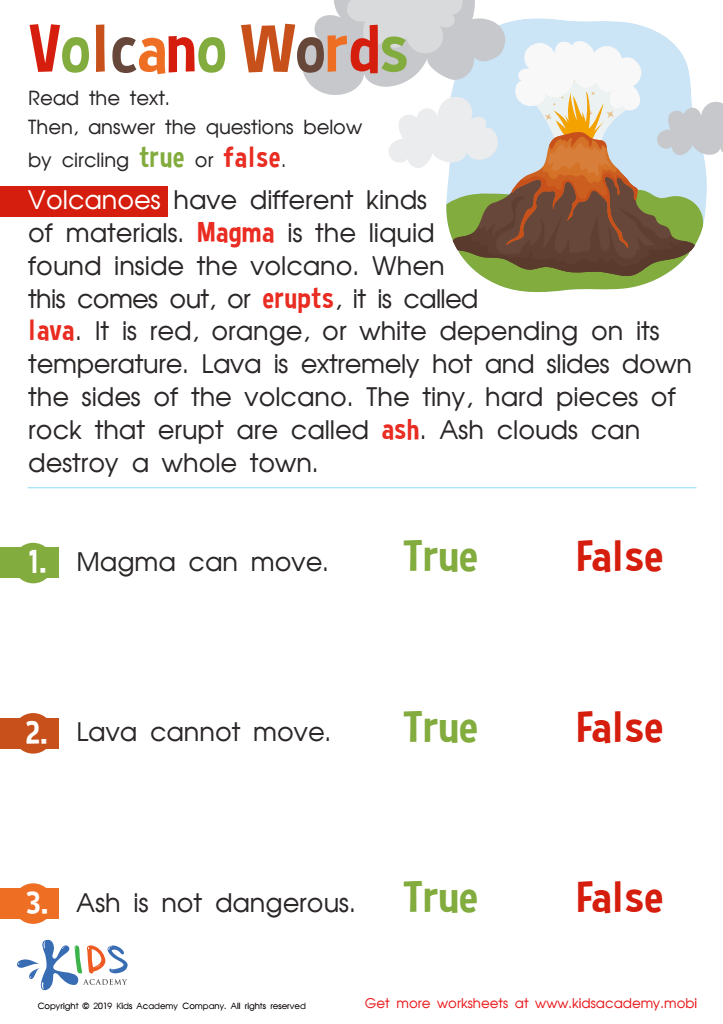
Volcano Words Worksheet
 Assign to My Students
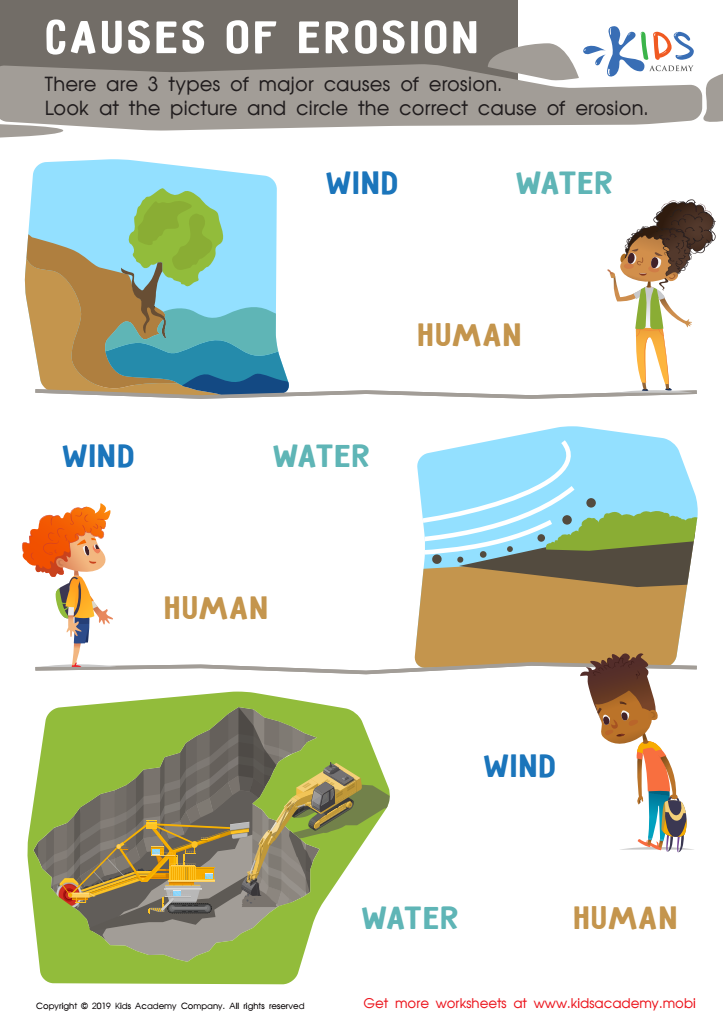
Causes of Erosion Worksheet
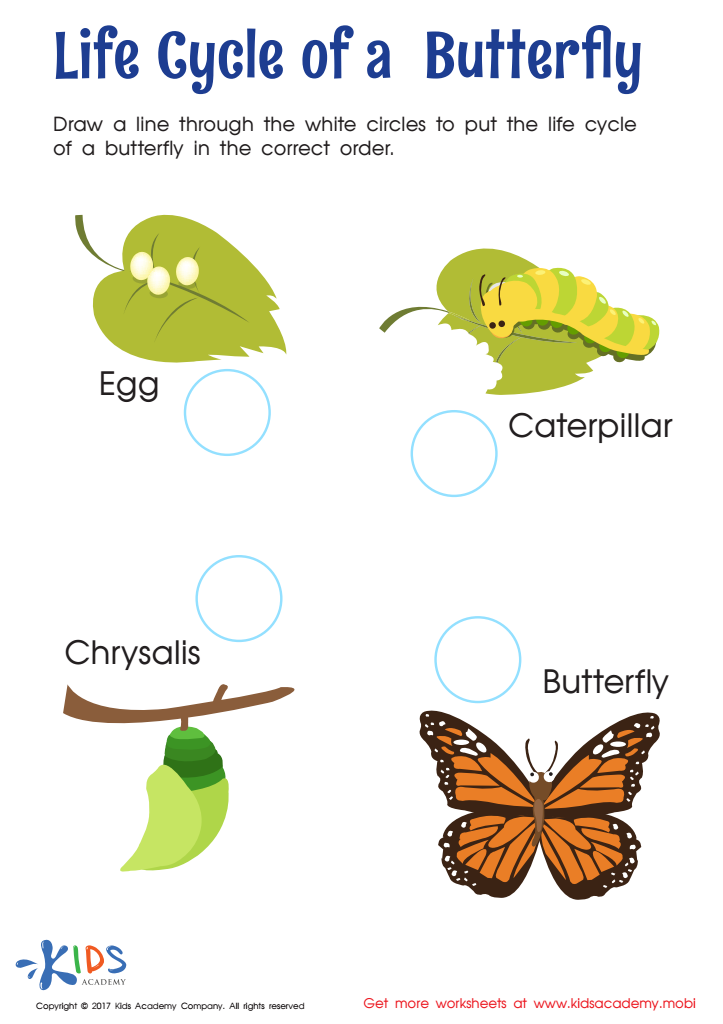
Life Cycle of Butterfly Worksheet
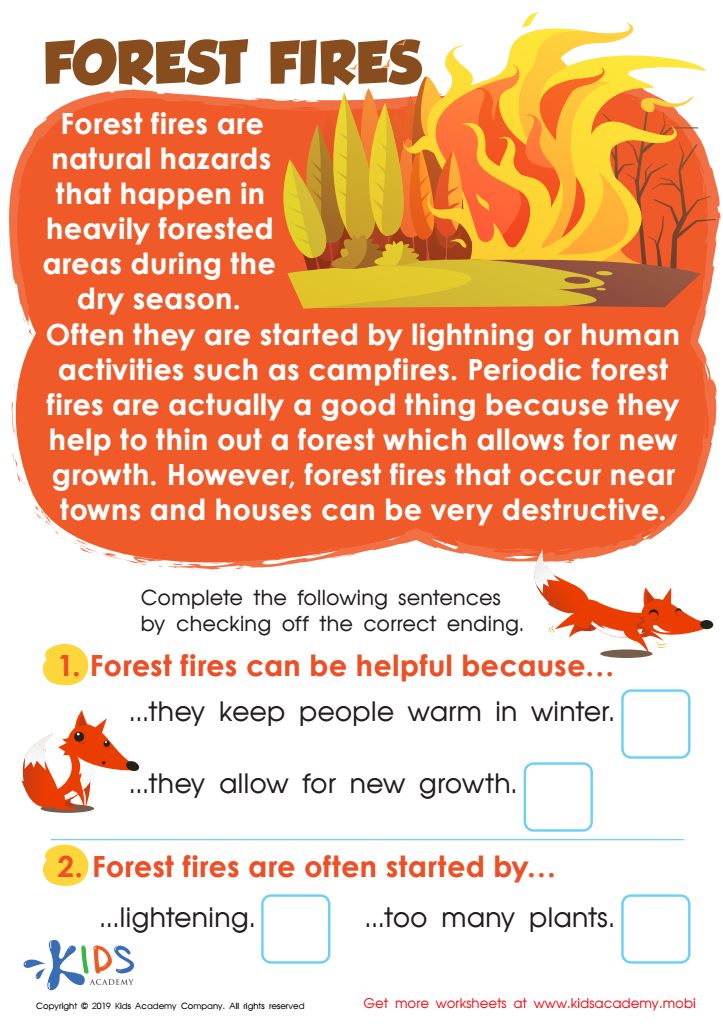
Forest Fires Worksheet







Comprehension improvement in science for children aged 3-8 is crucial for several reasons. First, early mastery of comprehension skills lays the foundation for future academic success. At this age, children are naturally curious and eager to explore the world around them. Enhancing their scientific comprehension helps them make sense of their observations, fostering critical thinking and problem-solving skills.
Additionally, science education encourages a love for learning. When parents and teachers support comprehension through engaging and age-appropriate activities, they can instill a lifelong appreciation for inquiry and exploration. This engagement not only boosts children's understanding of scientific concepts but also cultivates their ability to ask questions and seek answers, skills essential for any field of study.
Moreover, comprehension in science contributes to children’s language development. As they learn to articulate and discuss scientific ideas, they expand their vocabulary and improve their communication skills. For parents and teachers, prioritizing science comprehension can also lead to meaningful discussions about the environment, health, and technology, promoting informed citizenship.
In summary, focusing on comprehension improvement in science for young learners enriches their educational experience, supports cognitive development, and prepares them for a future where scientific literacy is increasingly vital.







