
Critical thinking development Science Worksheets for Ages 3-8
7 filtered results
Difficulty Level
Grade
Age
-
From - To
Subject
Activity
Standards
Discover our engaging Critical Thinking Development Science Worksheets designed for children aged 3-8! These interactive resources encourage young learners to explore scientific concepts while enhancing their critical thinking skills. Our worksheets promote curiosity, problem-solving, and analytical thinking through fun activities, essential for early childhood development. Each worksheet features age-appropriate prompts and visuals, ideal for use in classrooms or at home. Whether identifying patterns, making predictions, or conducting simple experiments, children will enjoy the hands-on learning experience. By fostering critical thinking skills, we help prepare your child for future academic success. Explore our collection and watch your child's love for science flourish!
Favorites
With answer key
Interactive
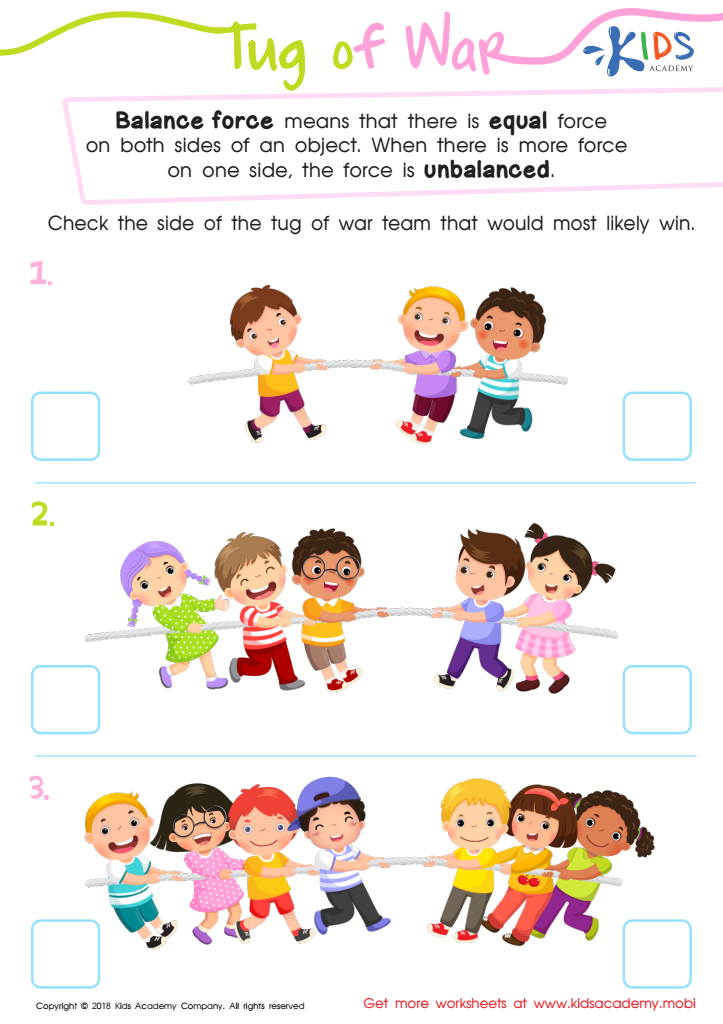
Balanced Forces Worksheet
Ready for a fun game? This worksheet will balance the forces so your kids can decide who will win their tug of war! With the right number of kids on each side of the rope, the forces will be equal. Help your little ones decide who will prevail in the game. Ready, set, go!
 Assign to My Students
Balanced Forces Worksheet
Worksheet
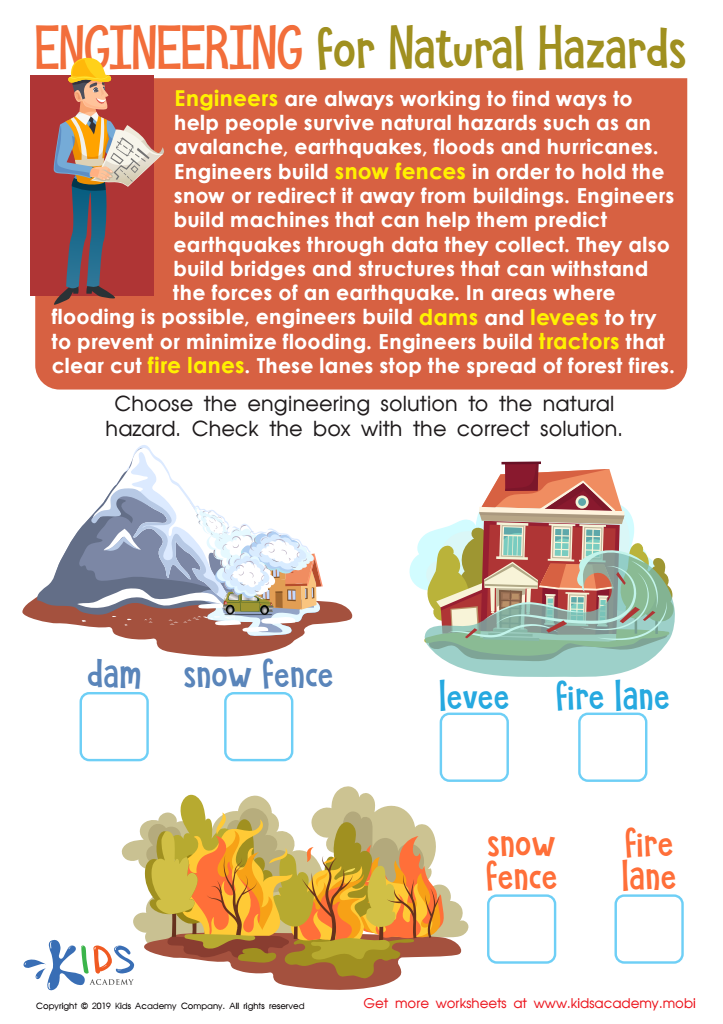
Engineering Natural Hazards Worksheet
Natural hazards can be lessened with precautions. This free worksheet engages kids with informative text on how engineers protect us and lets them practice reading comprehension by choosing the right option.
Engineering Natural Hazards Worksheet
Worksheet
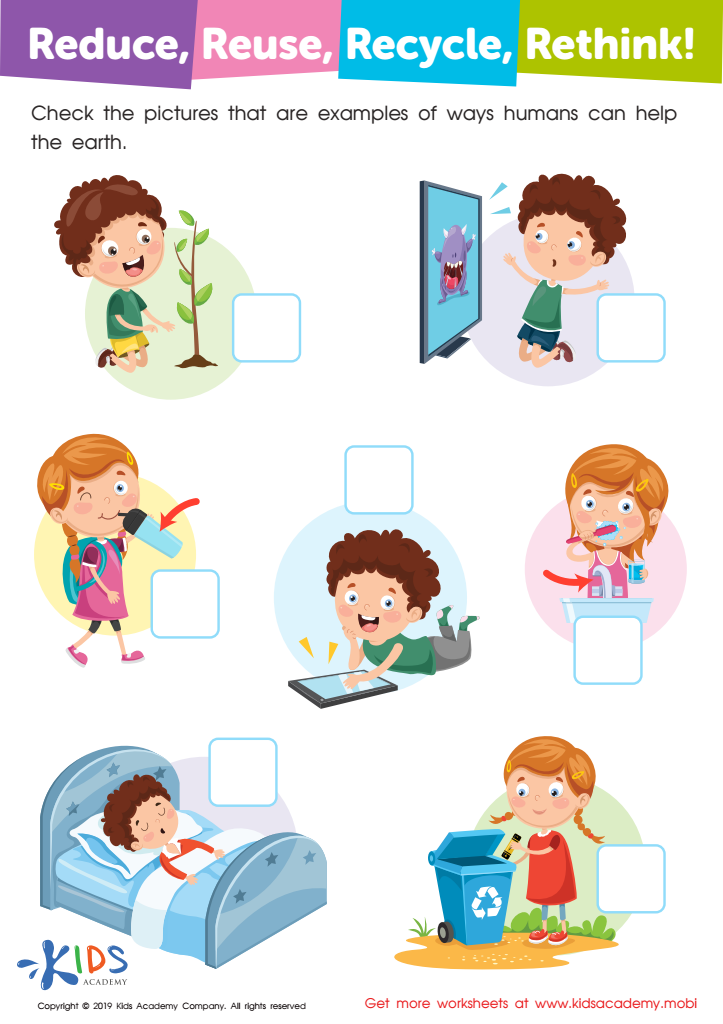
Reduce, Reuse, Recycle, Rethink Worksheet
Recycling is a great way to reduce waste and help our planet — instead of throwing away a can of soda, recycle it! Look at the pictures in the worksheet — what are the kids doing? They're learning about ways to help the environment. Check the pictures for examples of how to help the earth.
Reduce, Reuse, Recycle, Rethink Worksheet
Worksheet
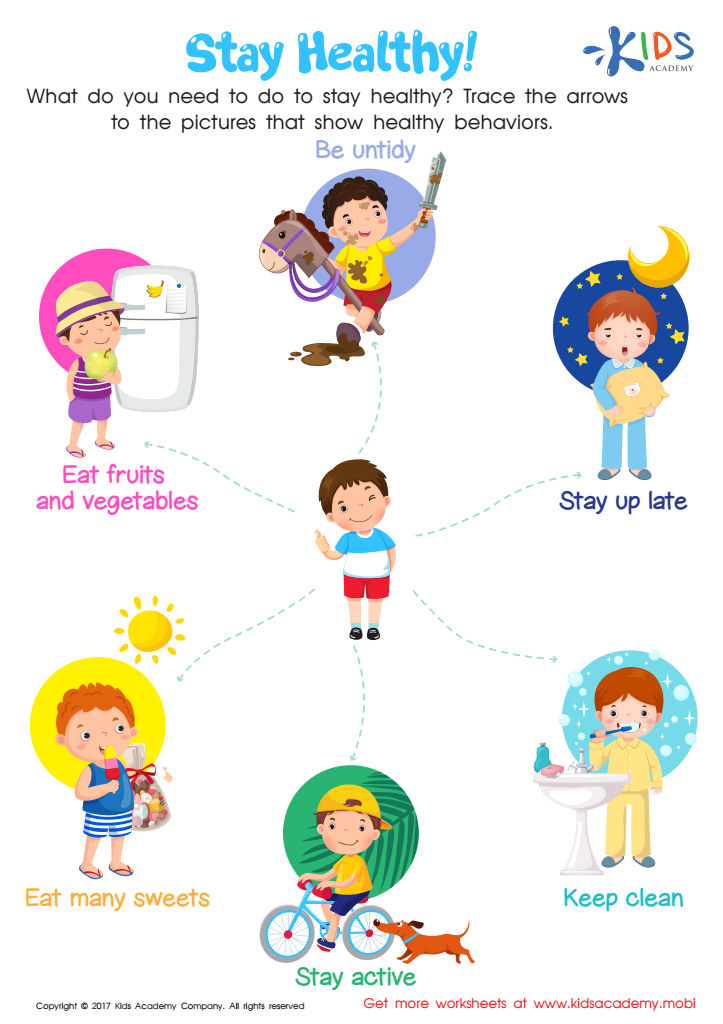
Healthy and Unhealthy Behaviors Worksheet
Assist your youngster to recognize beneficial habits for a joyful, healthy life with this healthy/unhealthy behaviors worksheet! After they finish, motivate them to follow the tips on the worksheet to show healthy habits.
Healthy and Unhealthy Behaviors Worksheet
Worksheet
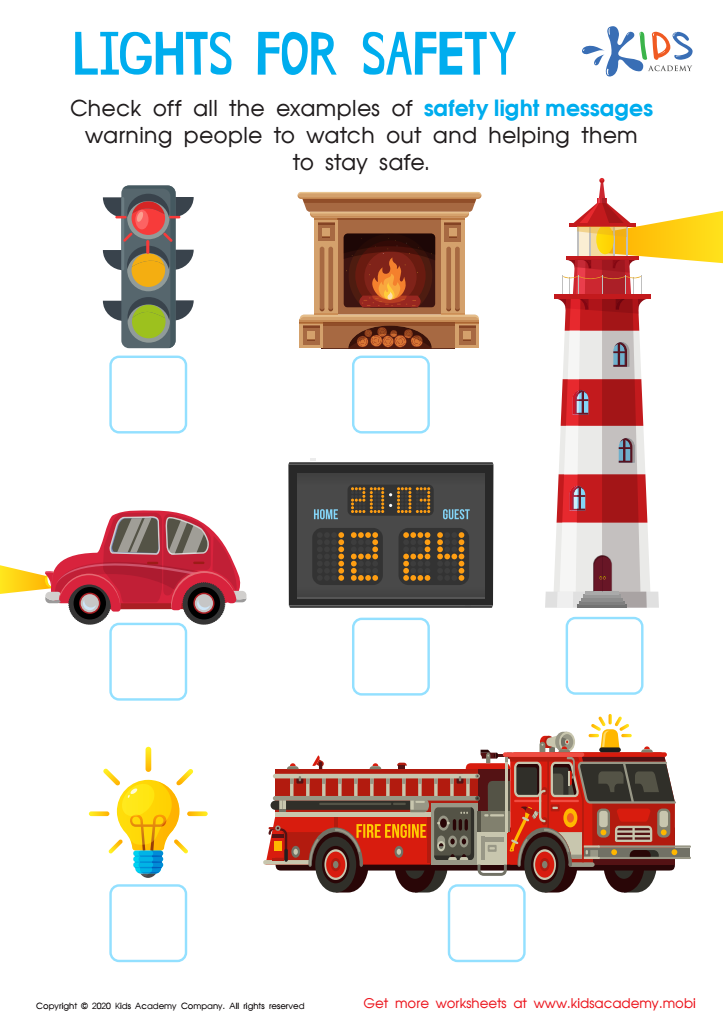
Lights for Safety Worksheet
Teach kids safety light messages to stay safe. Print this worksheet and ask students to identify the objects in the pictures. Then, ask them to check off the safety light messages which warn people to watch out. This helps keep kids safe at all times.
Lights for Safety Worksheet
Worksheet
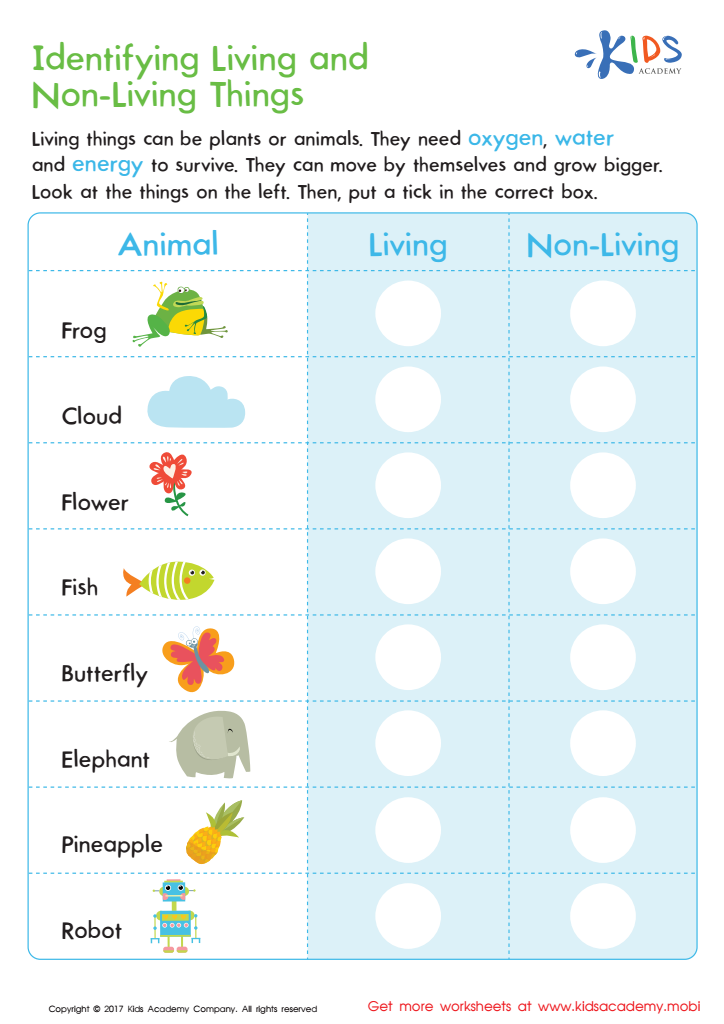
Identifying Living or Non–living Worksheet
Help your child learn to sort and categorize in a new way! Teach them to classify things as living or non-living using this worksheet. It's the perfect way to build their scientific understanding, and to have some learning fun! Print this worksheet and watch them discover the world of science!
Identifying Living or Non–living Worksheet
Worksheet
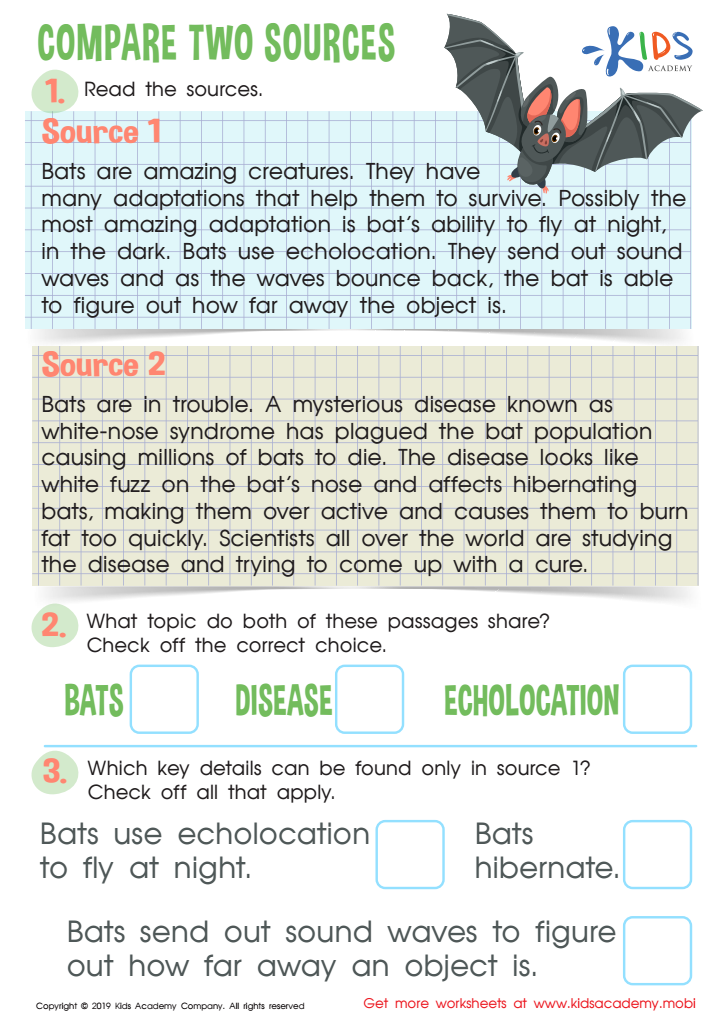
Compare Two Sources Worksheet
Reading exposes us to new words, spelling, and info about different topics. Kids can practice their reading skills, and learn about bats, with this worksheet. Read the two sources in the picture, then help your kids answer the questions at the bottom.
Compare Two Sources Worksheet
Worksheet
Join Kids Academy for Free
Who is primarily going to use this learning content?








Critical thinking development in young children, especially in the context of science, is essential for several reasons. Firstly, the early years are crucial for cognitive development, and integrating critical thinking within science education fosters curiosity and inquiry. Children aged 3-8 are naturally inquisitive; nurturing this curiosity through critical thinking helps them ask questions, explore their environment, and seek answers.
Moreover, science encourages children to observe, experiment, and draw conclusions, which promotes logical reasoning. By engaging in scientific activities, children learn how to make decisions based on evidence, distinguish between opinions and facts, and develop problem-solving skills. These skills are not just vital for academic success but also for everyday life, as they encourage children to think independently and make informed choices.
Furthermore, fostering critical thinking prepares children for future educational experiences, cultivating a mindset that embraces challenges and values lifelong learning. Parents and teachers play a pivotal role in creating a supportive environment where open-ended questions and hands-on experiences are encouraged. Investing in critical thinking development during these formative years equips children with tools to navigate complexities, enabling them to become thoughtful, engaged, and responsible citizens in an increasingly complex world.







