Critical Thinking Science Worksheets for Ages 3-8 - Page 2
26 filtered results
-
From - To
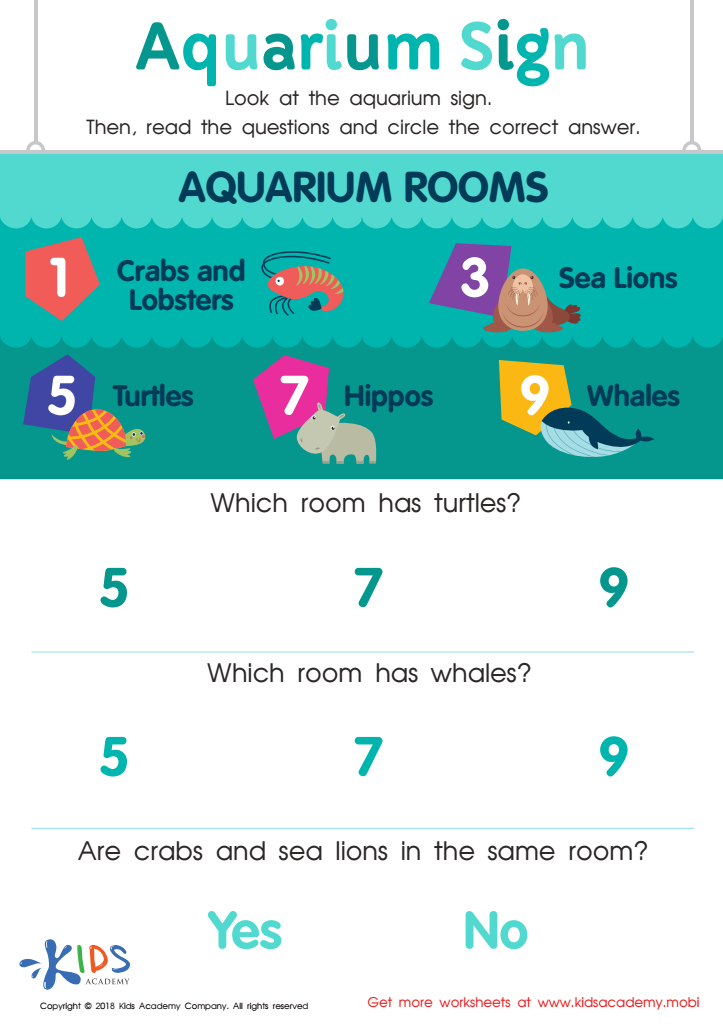
Assessment: Aquarium Sign Worksheet
 Assign to My Students
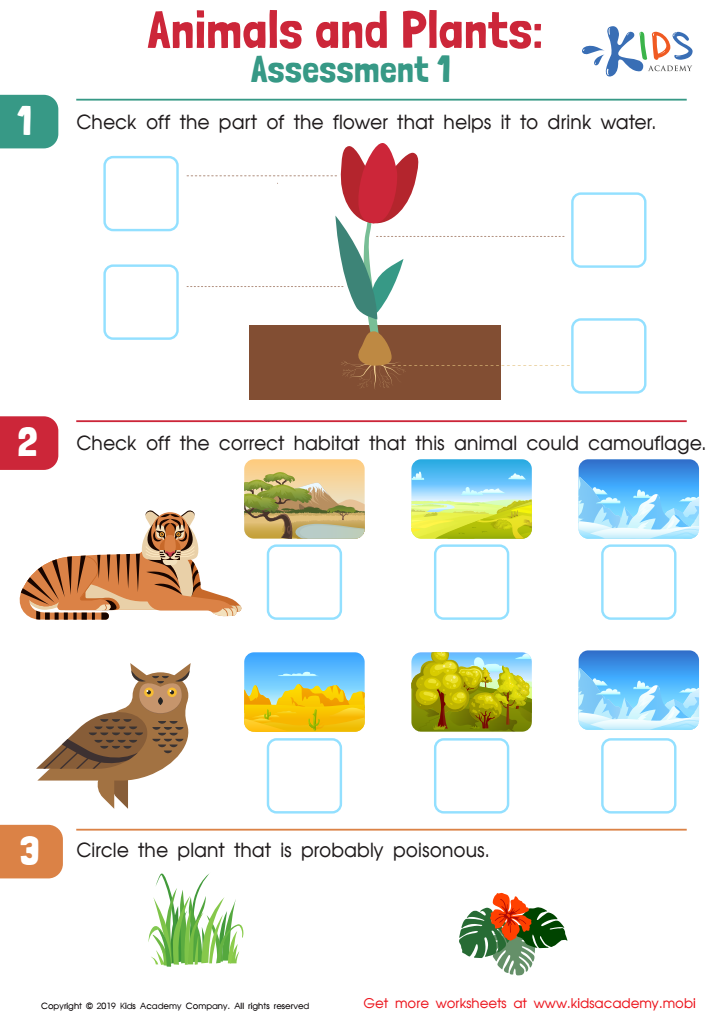
Animals and Plants: Assessment 1 Worksheet






Critical thinking is an essential skill that greatly impacts young children's cognitive development, especially in the realm of science. For parents and teachers of children aged 3-8, nurturing critical thinking through science education is vital for several reasons.
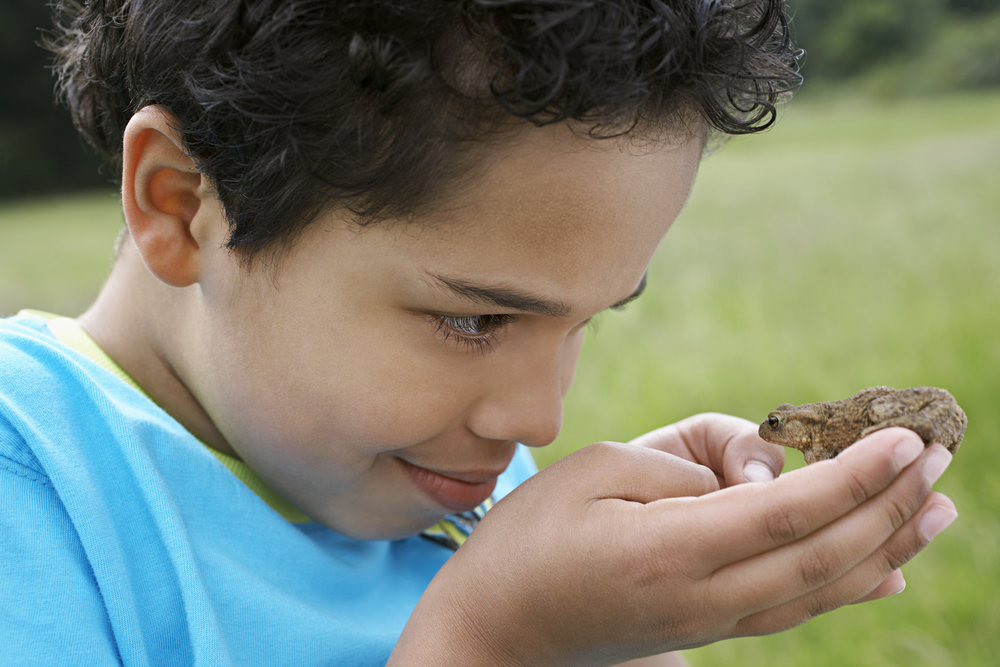
Firstly, young children possess a natural curiosity about their world. Introducing them to critical thinking in science encourages exploration and inquiry, enabling them to ask questions, make observations, and draw conclusions. This foundational engagement fosters a love for learning and empowers them to become active participants in their education.
Secondly, critical thinking equips children with the tools to differentiate between facts and opinions, enhancing their decision-making skills. In an age saturated with information, the ability to critically assess what they encounter enables children to navigate the complexities of life more effectively.
Moreover, scientific thinking promotes creativity and persistence. When children tackle problems and experiments, they learn to approach challenges with an open mind and resilience, qualities that will serve them well throughout their lives.
Ultimately, caring about Critical Thinking Science for young learners supports their overall development, preparing them to be innovative thinkers and informed individuals in the future. Investing in these skills is one of the most valuable gifts parents and teachers can provide.







