Developing critical thinking Science Worksheets for Ages 3-8
3 filtered results
-
From - To
Explore our engaging Science Worksheets designed specifically for children ages 3-8 to foster critical thinking skills! Our printable worksheets integrate fun and interactive activities that encourage curiosity, observation, and problem-solving. Each worksheet is tailored to promote creativity and hands-on learning, allowing young minds to explore scientific concepts through engaging questions and challenges. As children navigate these activities, they will enhance their analytical abilities while having fun! Designed by educators, our resources align with early learning standards, ensuring that your child develops essential skills for future academic success. Empower your little scientist today with our critical thinking worksheets!
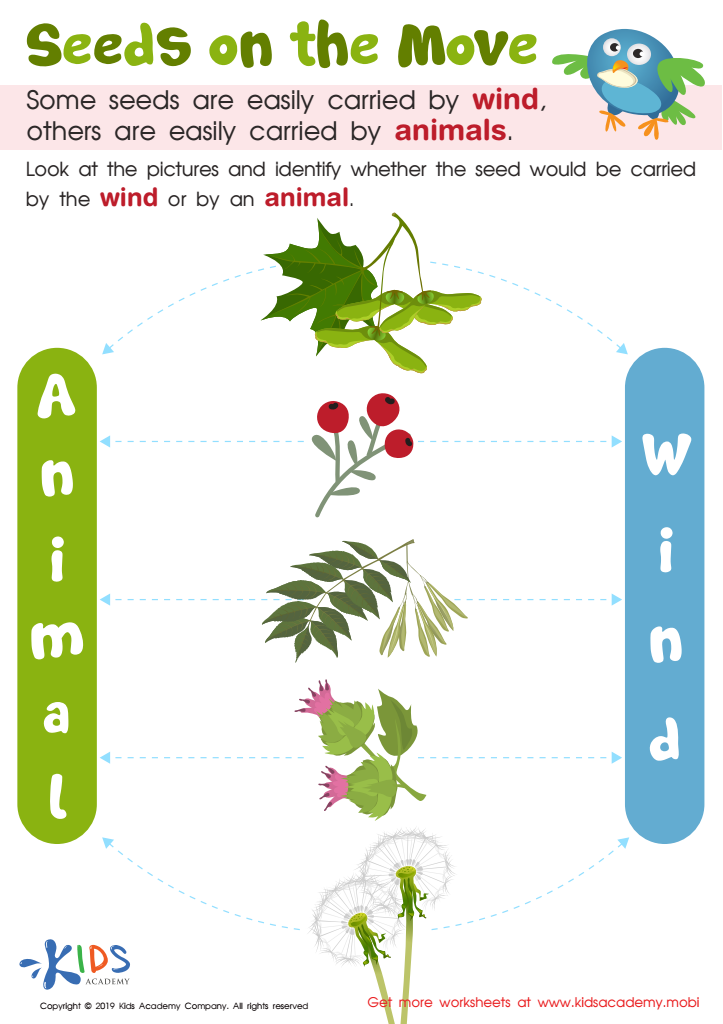
Seeds on the Move Worksheet
 Assign to My Students
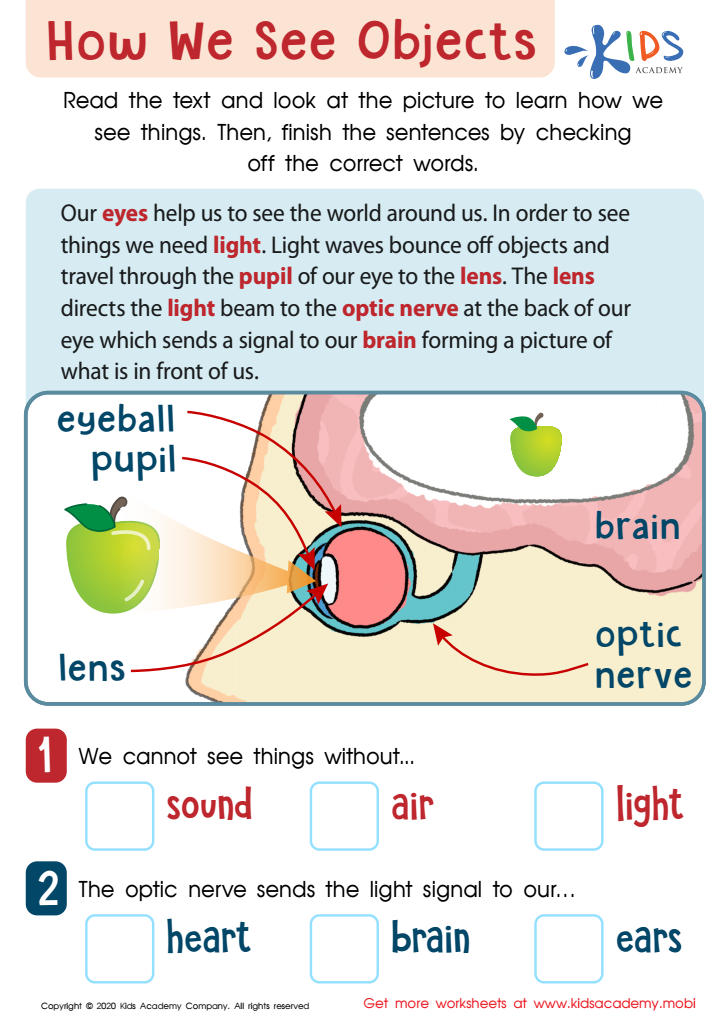
How We See Objects Worksheet
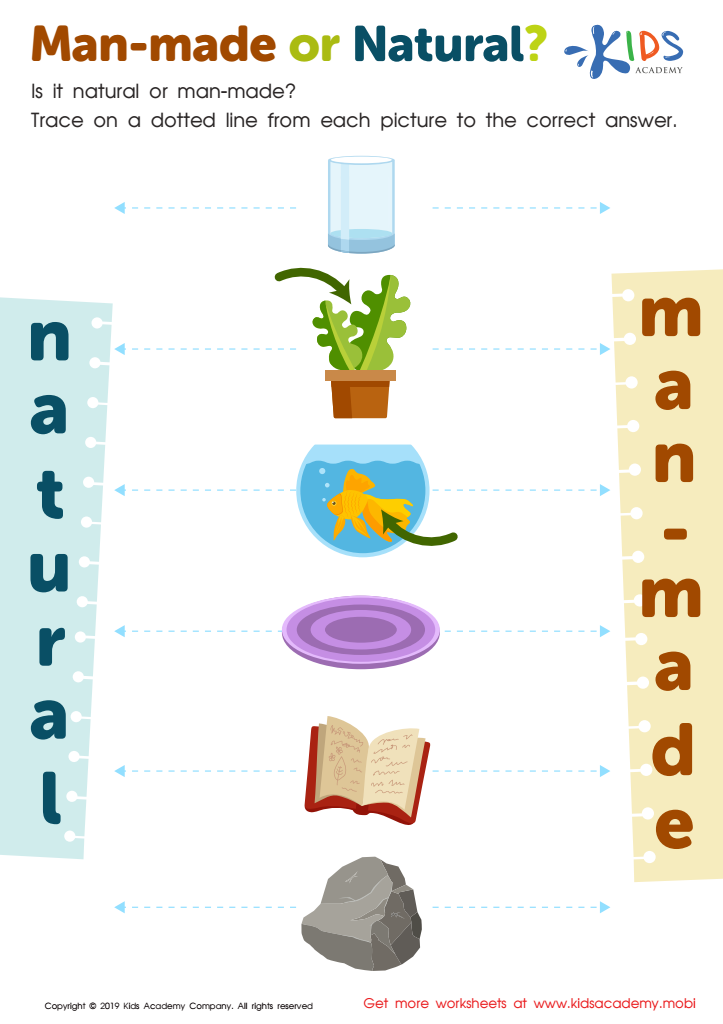
Man-Made or Natural? Worksheet






Developing critical thinking skills in young children, particularly in science, is essential for their overall cognitive development. From ages 3 to 8, children are naturally curious and eager to explore their environments. By nurturing their critical thinking abilities during this formative period, parents and teachers can help them become effective problem solvers and independent thinkers.
Engaging children with scientific concepts fosters curiosity and encourages them to ask questions, make predictions, and explore possibilities. Through hands-on activities and open-ended inquiries, children learn to analyze information, draw conclusions, and evaluate their findings. This not only enhances their understanding of scientific principles but also builds a solid foundation for future learning across various subjects.
Moreover, critical thinking in science promotes resilience and adaptability. Children learn that it's okay to make mistakes and that failures provide valuable insights. These skills are invaluable as they navigate an increasingly complex world. Emphasizing critical thinking in science during early childhood equips children with the tools they need to tackle challenges and contributes to their self-confidence.
In summary, fostering critical thinking in science for young learners is vital for their intellectual growth, promoting lifelong learning, and preparing them for future success. Investing in this skill set early lays the groundwork for a generation of informed and innovative thinkers.







