Enhancing vocabulary Science Worksheets for Ages 3-8
8 filtered results
-
From - To
Discover our "Enhancing Vocabulary Science Worksheets" designed for ages 3-8. These engaging and educational worksheets help young learners build their science vocabulary while sparking curiosity about the natural world. Featuring colorful illustrations and fun activities, each worksheet focuses on key scientific concepts, making learning enjoyable and impactful. Perfect for both classroom and home use, our worksheets are carefully crafted to support early learners in developing language skills and scientific understanding. Foster a love for science and expand your child's vocabulary with our expertly designed resources. Explore today and give your child the foundation for lifelong learning!
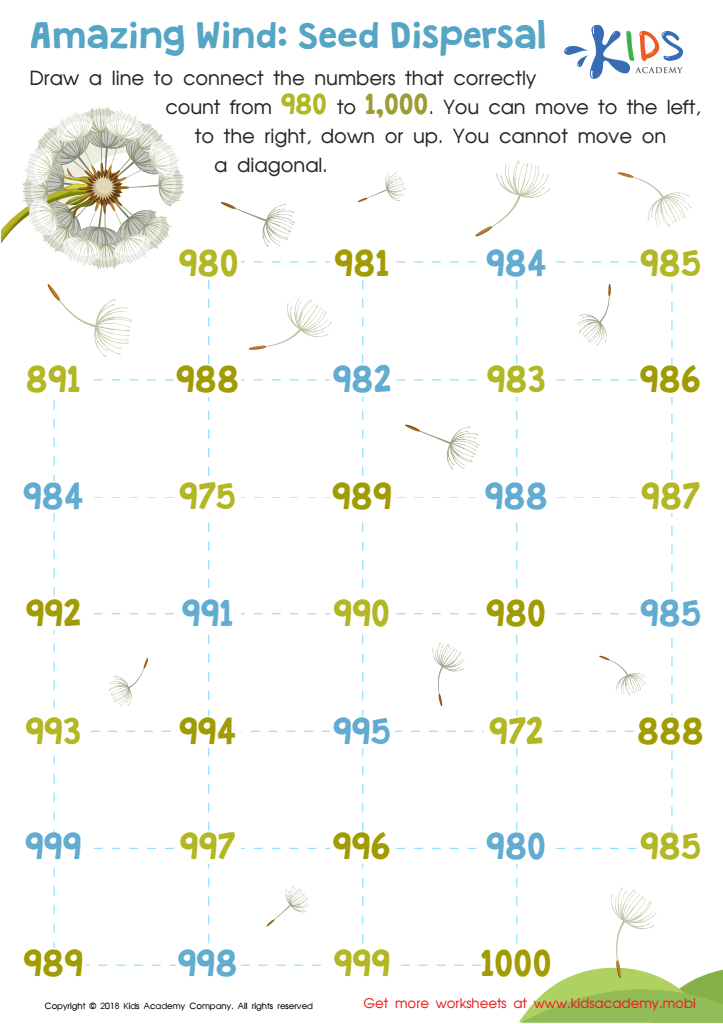
Amazing Wind: Seed Dispersal Worksheet
 Assign to My Students
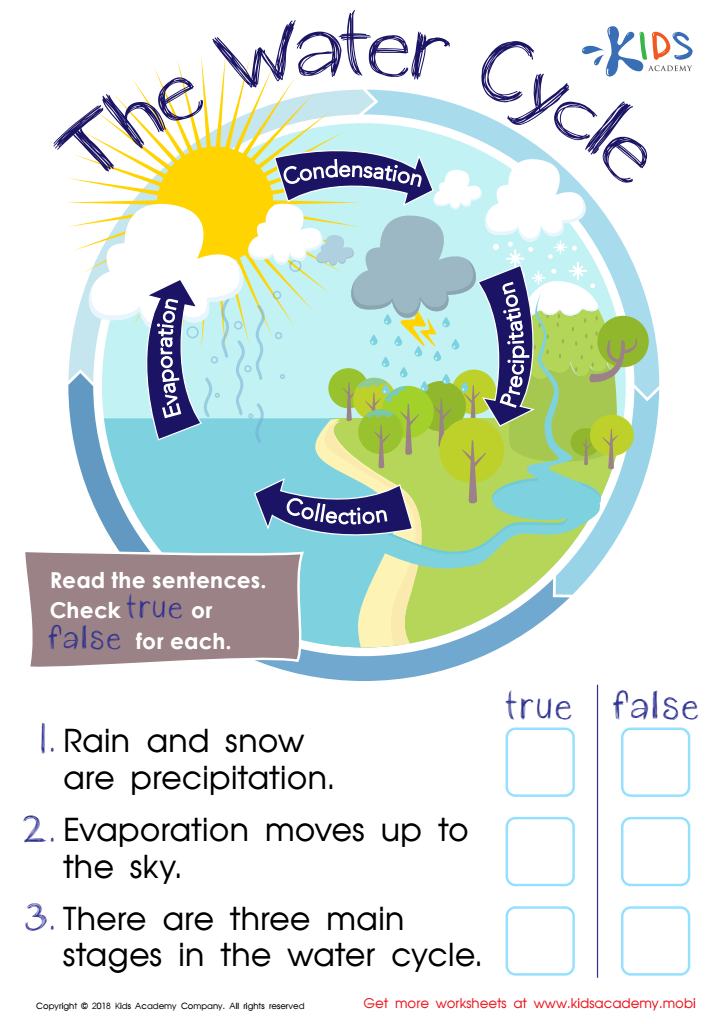
The Water Cycle Worksheet
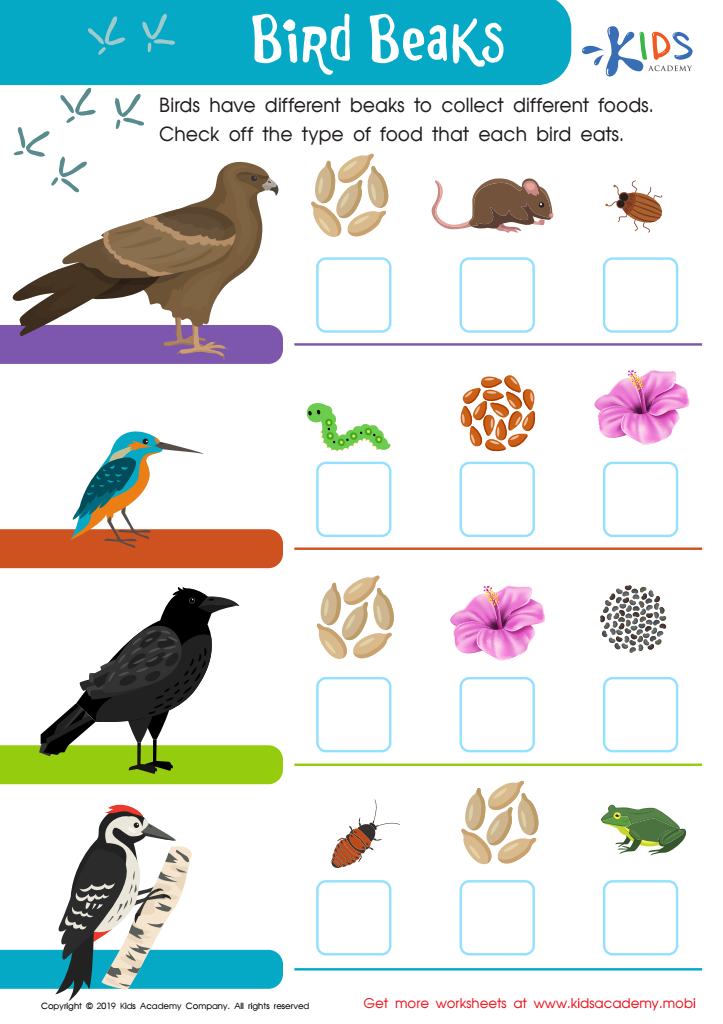
Bird Beaks Worksheet
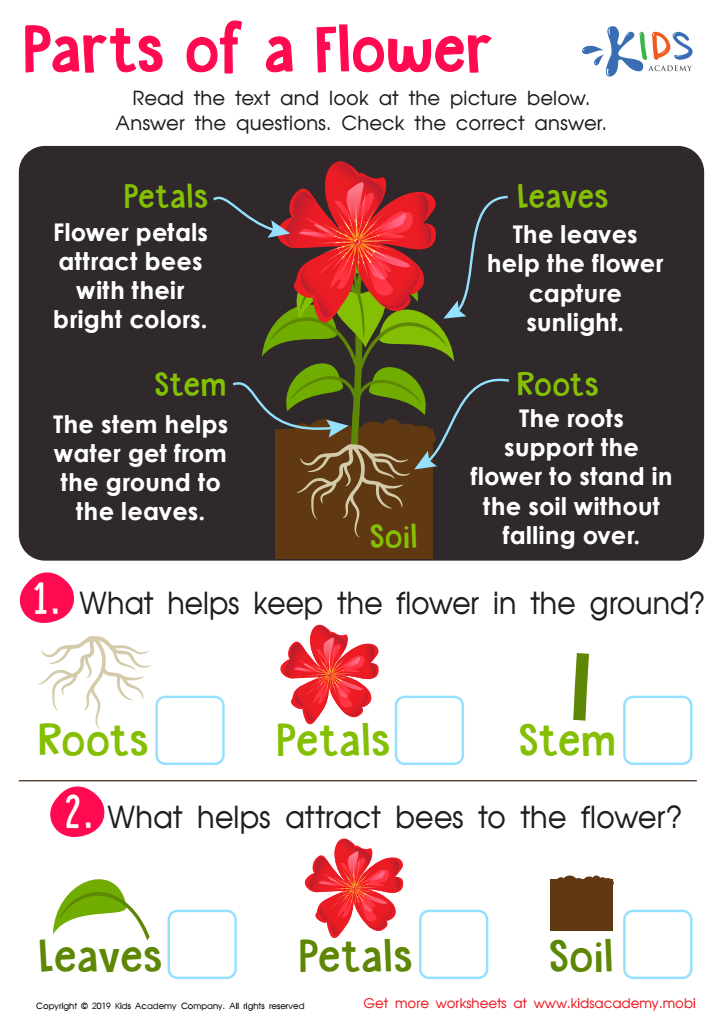
Parts of Flower Worksheet
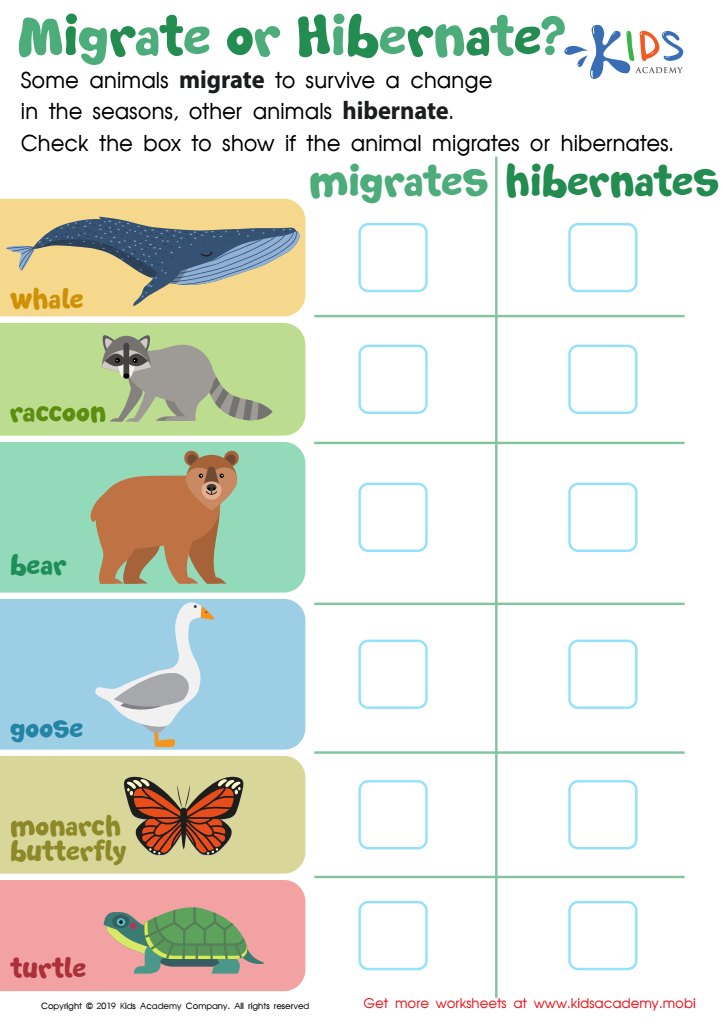
Migrate or Hibernate? Worksheet
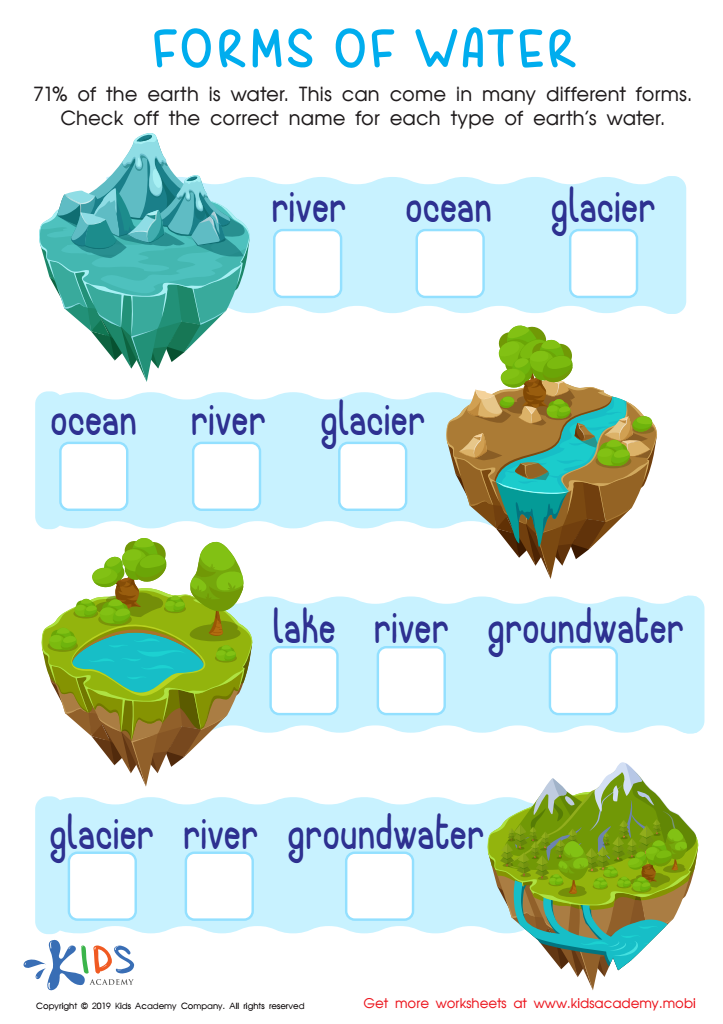
Forms of Water Worksheet
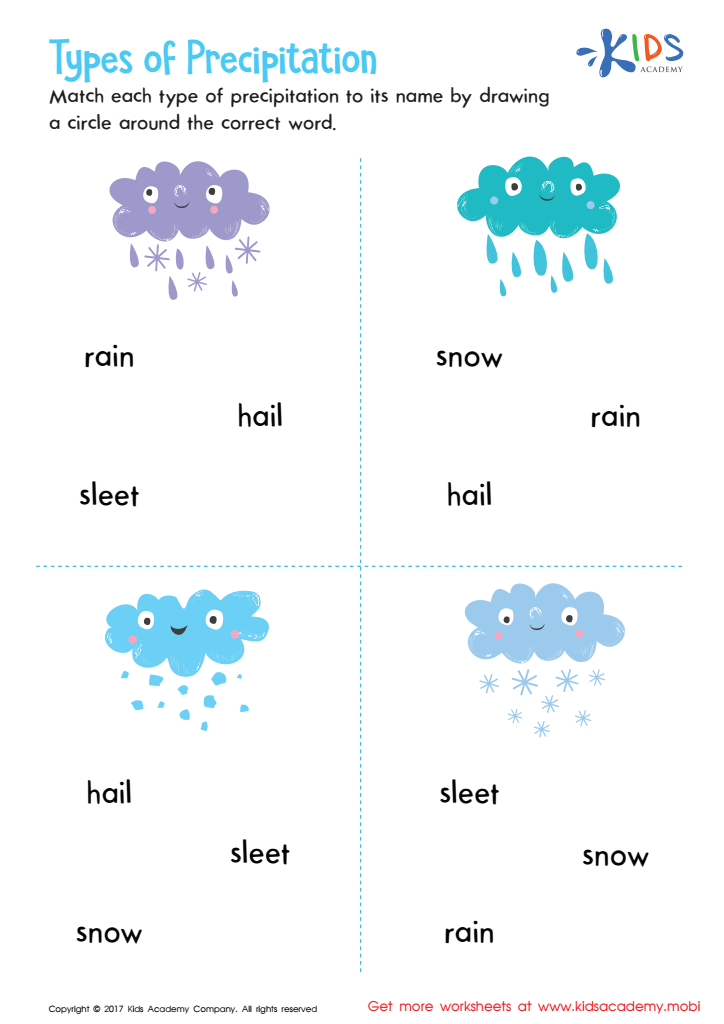
Types of Precipitation Printable
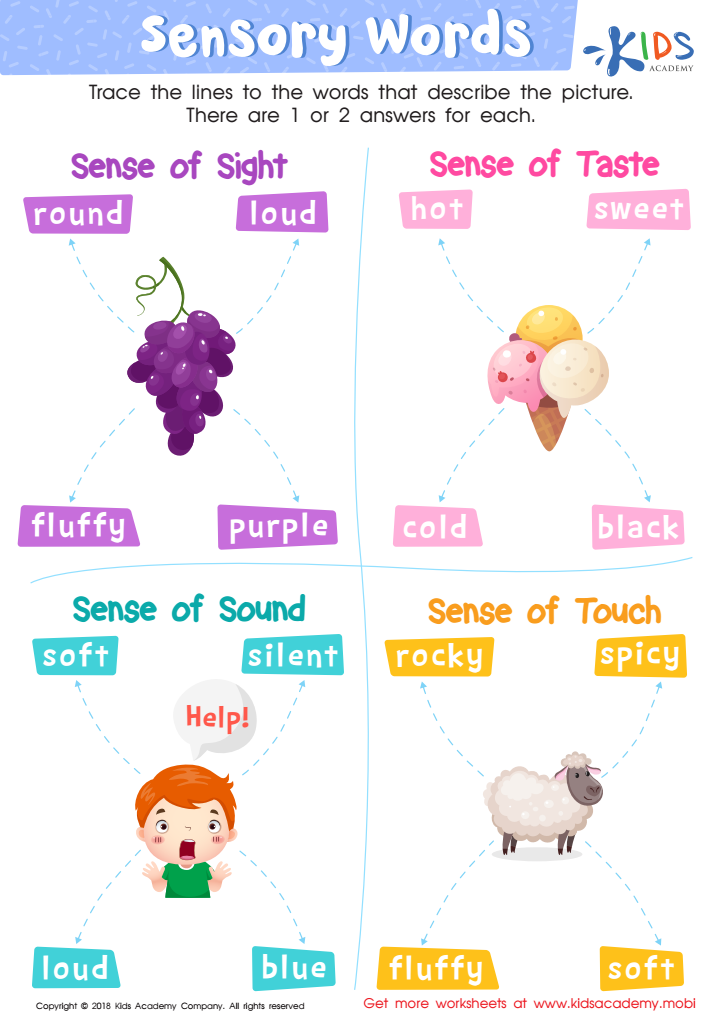
Sensory Words Worksheet







Introducing and enhancing vocabulary in science for children ages 3-8 is essential for several reasons that both parents and teachers should consider. At this developmental stage, young minds are like sponges, absorbing information rapidly. By expanding their science vocabulary early on, we lay the foundation for future academic success and curiosity.
First and foremost, a robust science vocabulary helps children better understand the world around them. When kids know the proper terms, they can more accurately and confidently describe their observations and experiments. This boosts their comprehension and ability to communicate effectively.
Second, early exposure to science terms enhances cognitive development. It encourages critical thinking and problem-solving skills. Children learn to classify, compare, and analyze objects and phenomena more efficiently with an adequate science vocabulary.
Furthermore, having a strong science foundation at this age fosters a love for the subject that can persist throughout their schooling and into adulthood. Interest and confidence in science can open doors to future careers in STEM fields, which are continually growing and evolving.
Finally, vocabulary enrichment supports overall language development. The skills they gain in understanding and using new words are transferable to other subjects, enhancing their general linguistic capability and setting them up for reading and writing proficiency.
In summary, enhancing science vocabulary for young children prepares them academically, fuels their curiosity, and supports cognitive and language development, providing lasting benefits throughout their education.







