Environmental awareness Science Worksheets for Ages 3-8
14 filtered results
-
From - To
Introduce your young learners to the wonders of nature with our "Environmental Awareness Science Worksheets for Ages 3-8." These engaging printables are designed to foster a love for the environment while building foundational science skills. Our worksheets cover a range of topics, including recycling, habitats, and the water cycle, making science fun and accessible. Through hands-on activities, puzzles, and coloring pages, children will develop an understanding of important ecological concepts and the role they play in protecting our planet. Perfect for classrooms and home learning, our worksheets inspire kids to become eco-conscious and environmentally responsible from an early age.
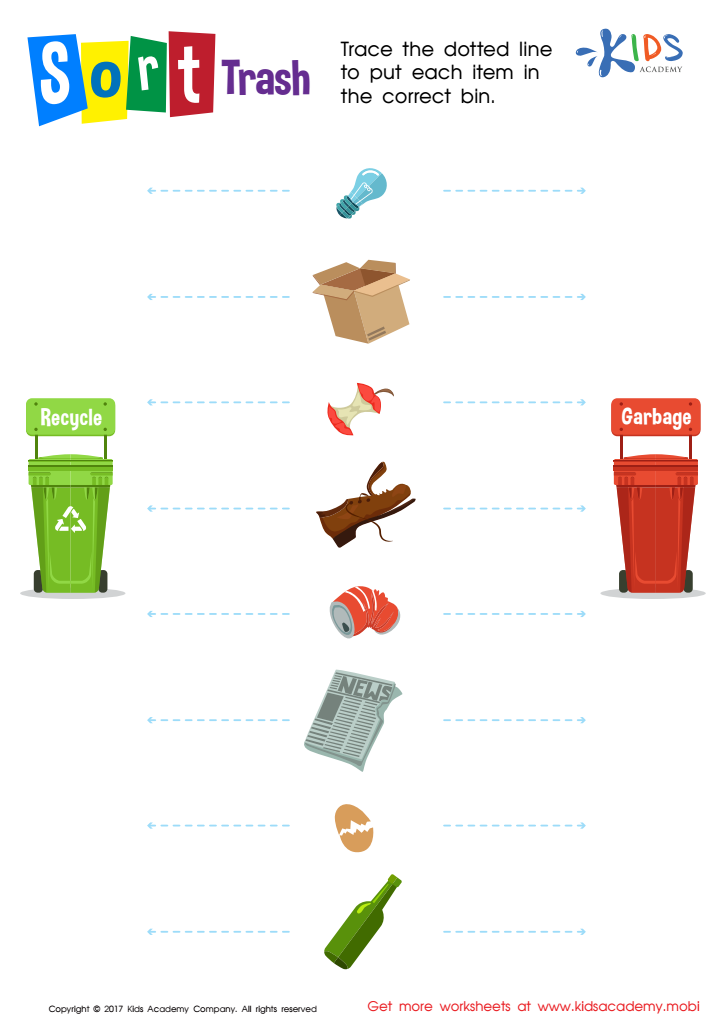
Trash Sorting Worksheet
 Assign to My Students
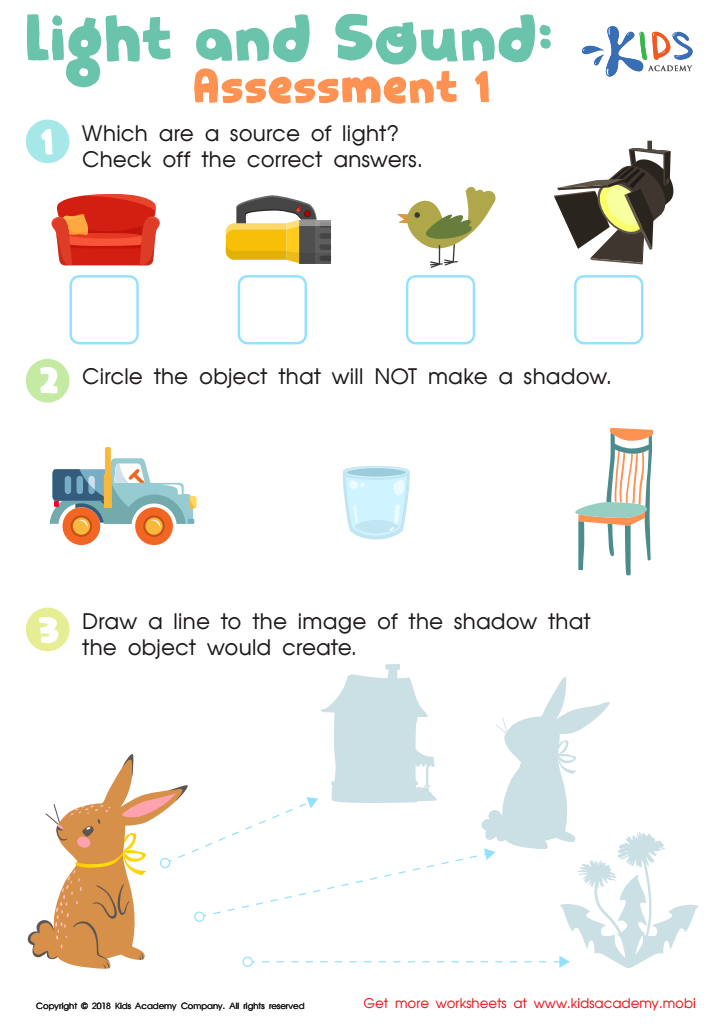
Light and Sound: Assessment 1 Worksheet
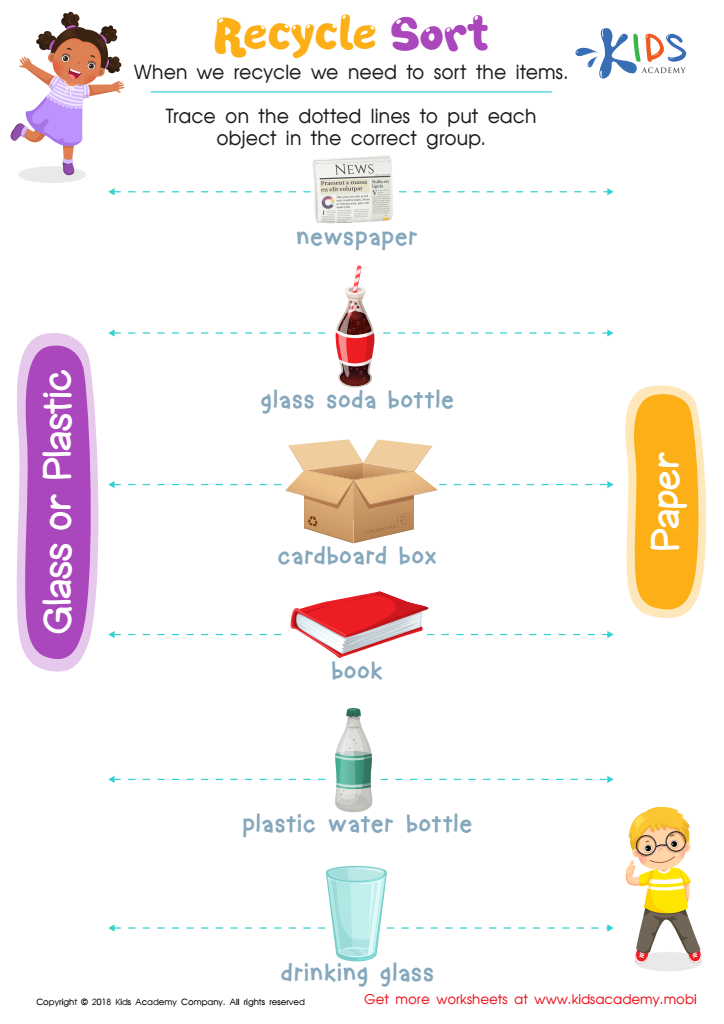
Recycle Sort Worksheet
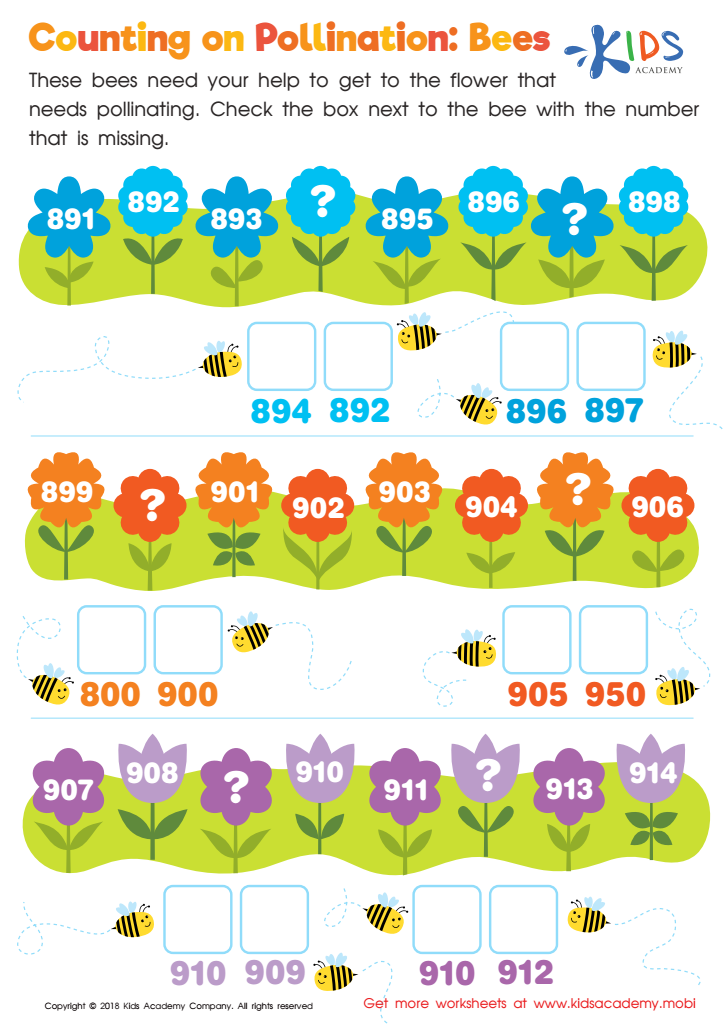
Counting on Pollination: Bees Worksheet
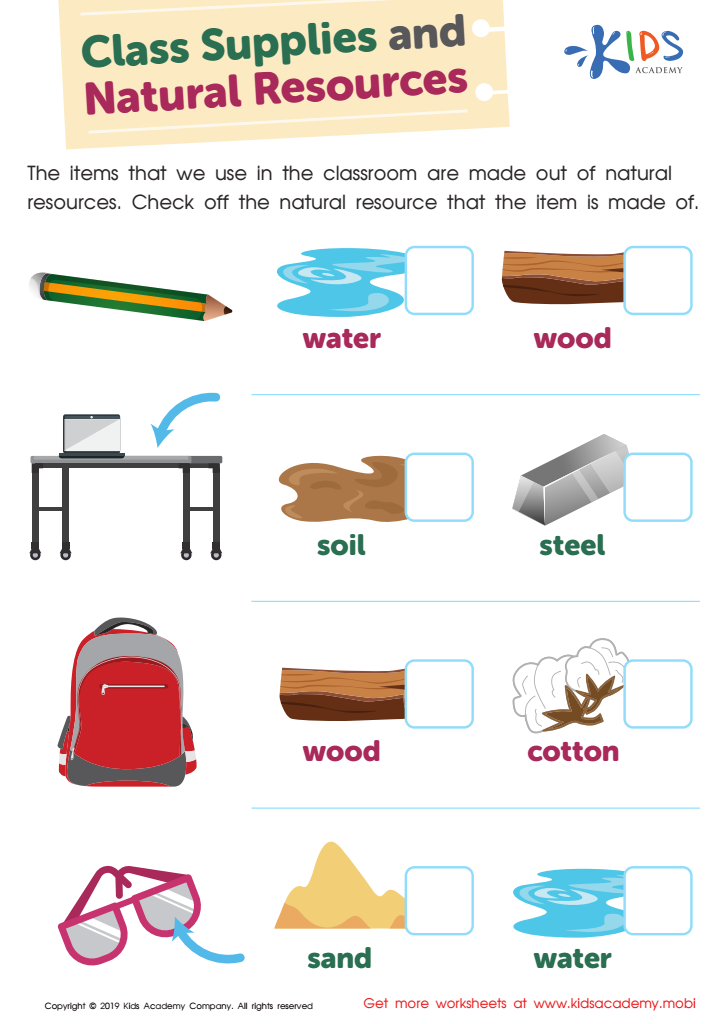
Class Supplies and Natural Resources Worksheet
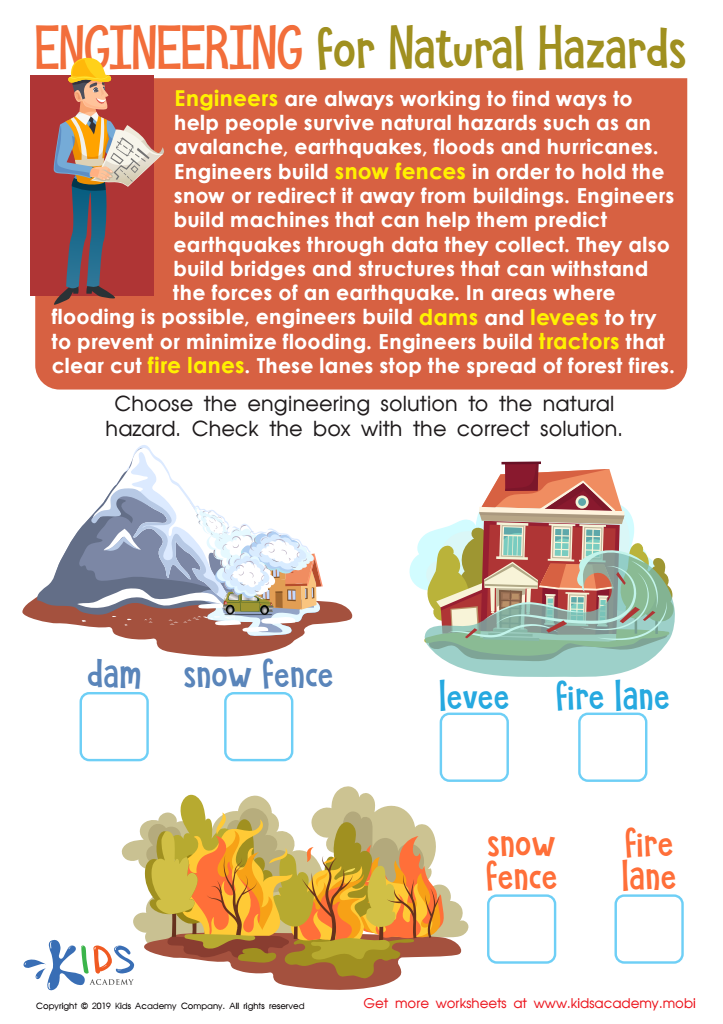
Engineering Natural Hazards Worksheet
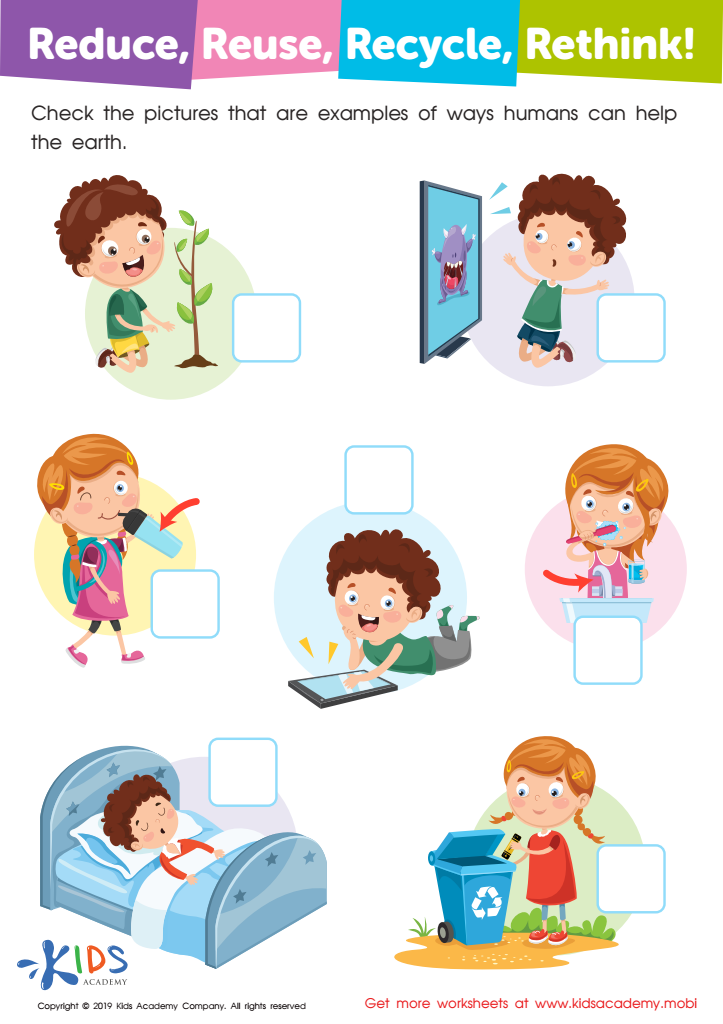
Reduce, Reuse, Recycle, Rethink Worksheet
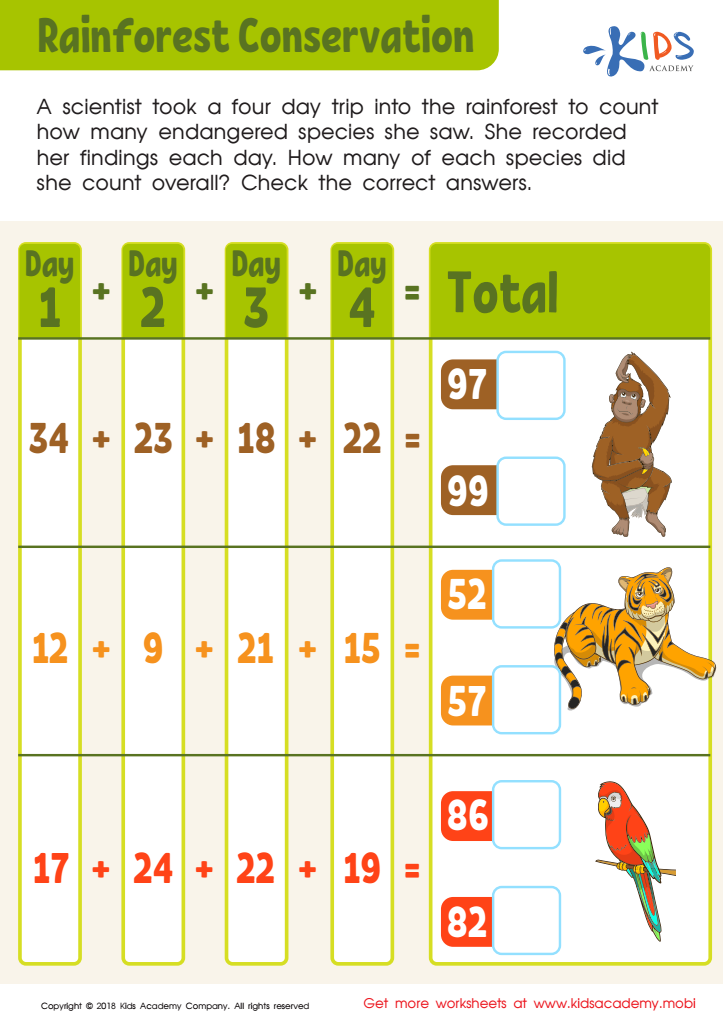
Rainforest Conservation Worksheet
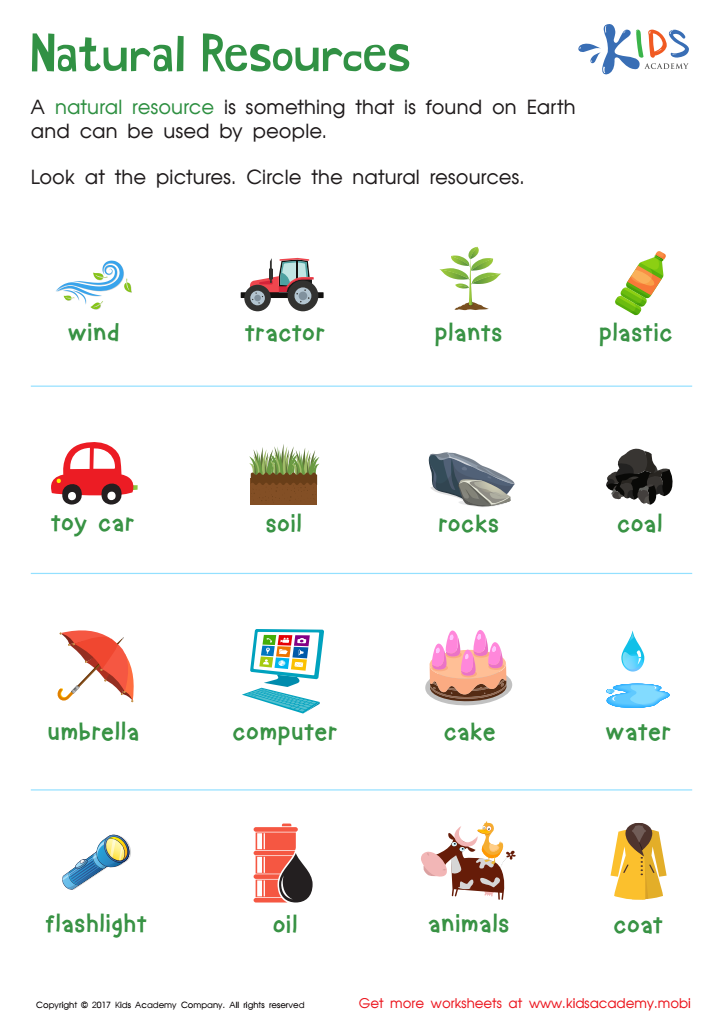
Natural Resources Worksheet
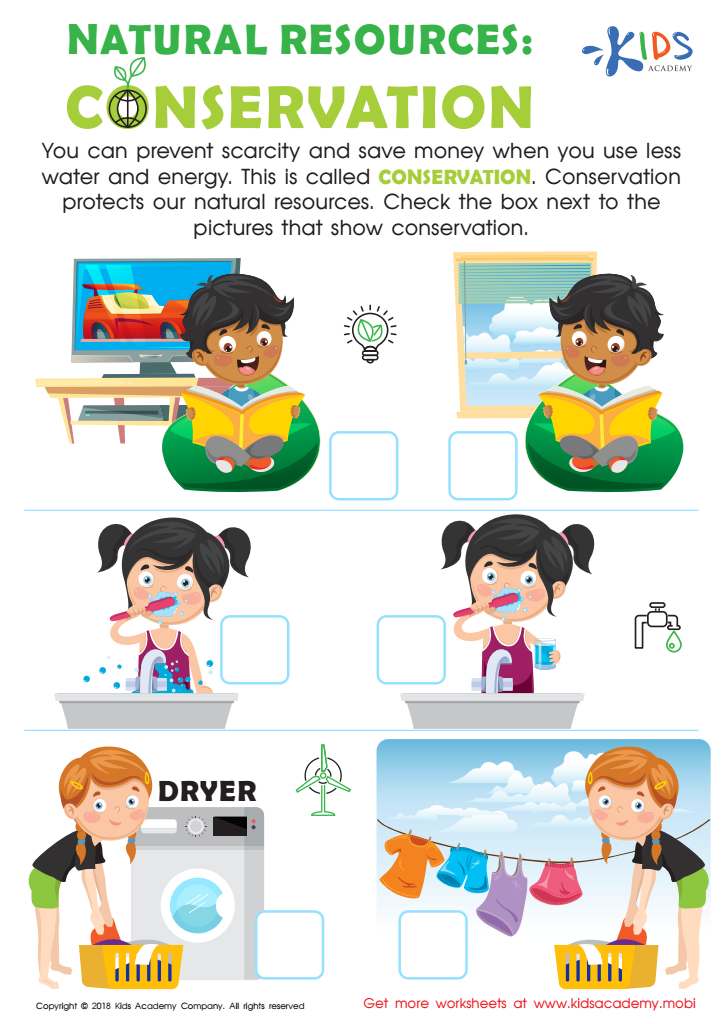
Natural Resources: Conservation Worksheet
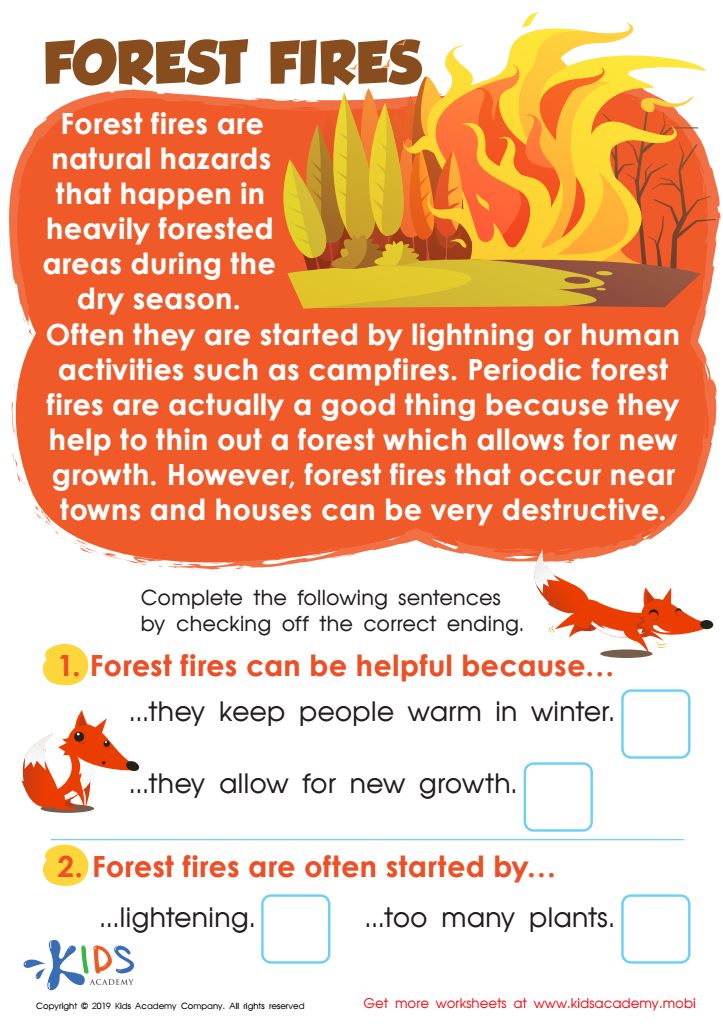
Forest Fires Worksheet
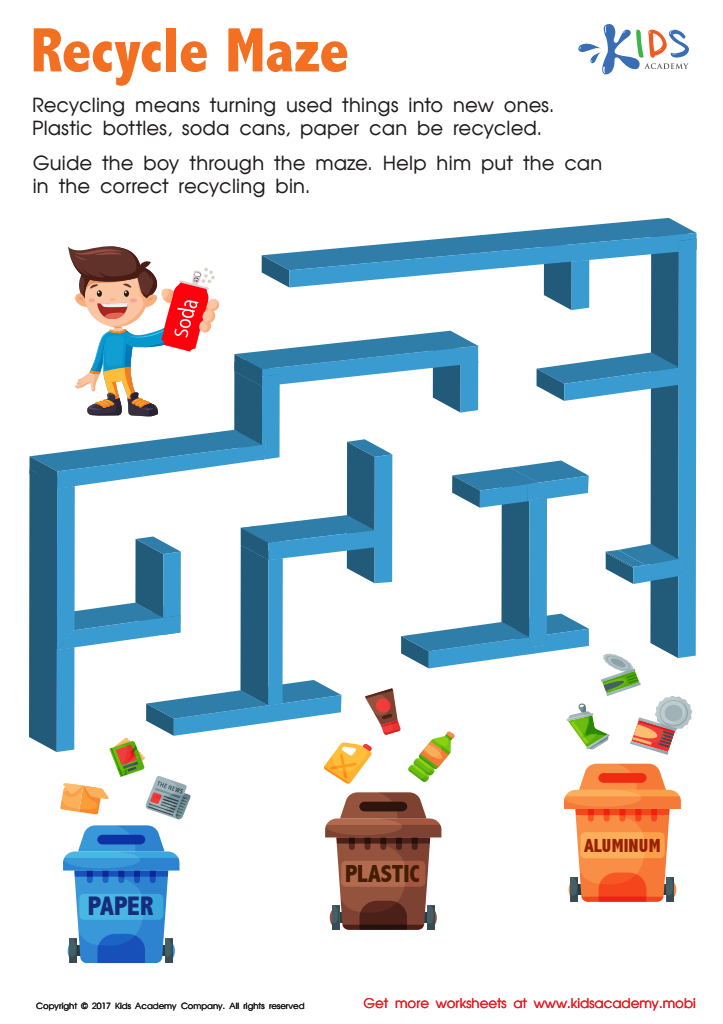
Recycle Maze Worksheet
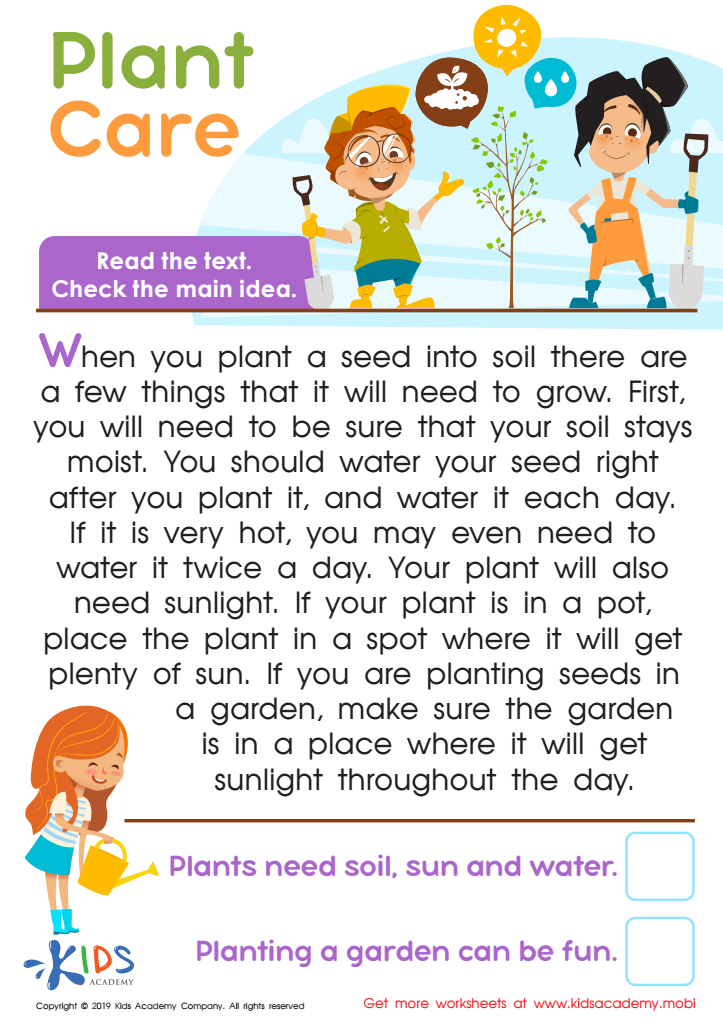
Plant Care Worksheet
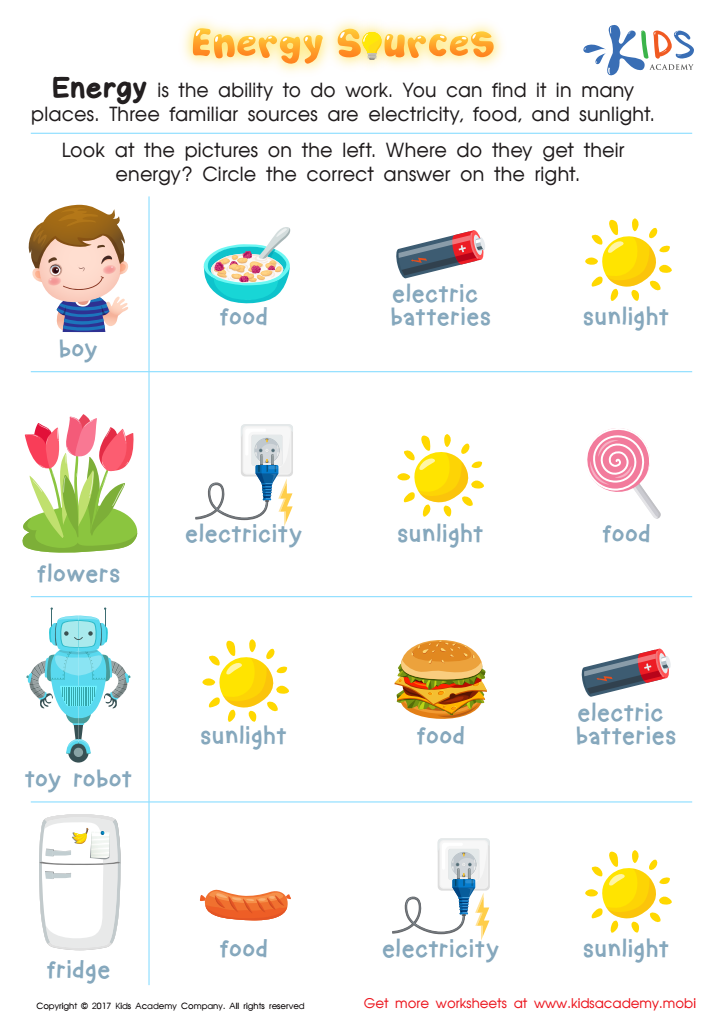
Energy Sources Printable


.jpg)




%20(1).jpg)
Environmental awareness science is crucial for children aged 3-8 for several reasons, benefiting both their personal development and the future well-being of the planet. Firstly, these early years are foundational in shaping attitudes, habits, and values. Teaching young children to care about the environment fosters a sense of responsibility and compassion for the world around them. When children learn about the importance of recycling, conserving water, and protecting wildlife, they are more likely to adopt eco-friendly behaviors that they carry into adulthood.
Secondly, environmental science can enhance cognitive development and critical thinking skills. Activities such as exploring nature, gardening, and observing weather patterns help young children develop curiosity and problem-solving abilities. Questions like "Why do plants need sunlight?" or "What happens when we waste water?" stimulate inquisitiveness and analytical thinking.
Additionally, instilling a sense of environmental stewardship at a young age prepares children to tackle future global challenges. With issues like climate change and resource depletion becoming more urgent, the next generation must be better equipped to innovate and implement solutions.
Finally, learning about the environment can improve physical health and well-being. Outdoor activities promote physical fitness and reduce the amount of time children spend on sedentary activities like screen time. In summary, fostering environmental awareness in young children lays the groundwork for responsible, informed, and healthy citizens.







