Categorizing objects Physical Science Worksheets for Ages 3-8
3 filtered results
-
From - To
Explore our engaging "Categorizing Objects" Physical Science worksheets, specifically designed for children aged 3-8. This educational resource fosters essential skills in classification and organization, allowing young learners to identify, sort, and group various objects based on their characteristics. By using colorful illustrations and age-appropriate activities, these worksheets make learning fun while promoting critical thinking and cognitive development. Perfect for use at home or in the classroom, these printable resources enable children to enhance their understanding of the world around them. Help your child discover the joy of science through hands-on exploration and categorization with our thoughtfully crafted worksheets!
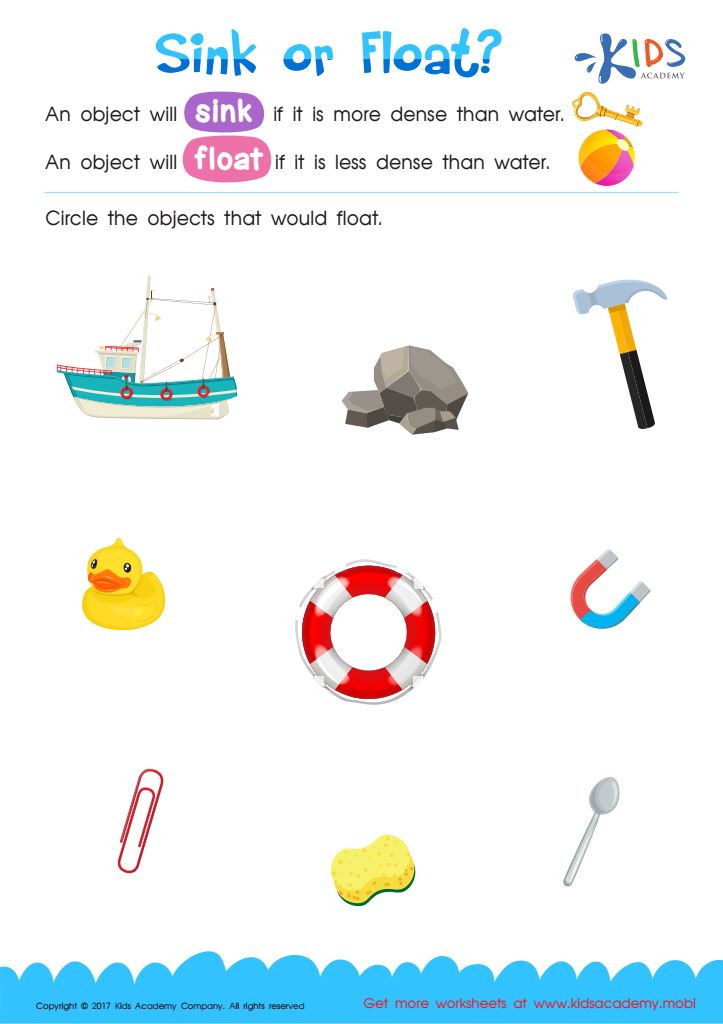
Sink or Float Printable
 Assign to My Students
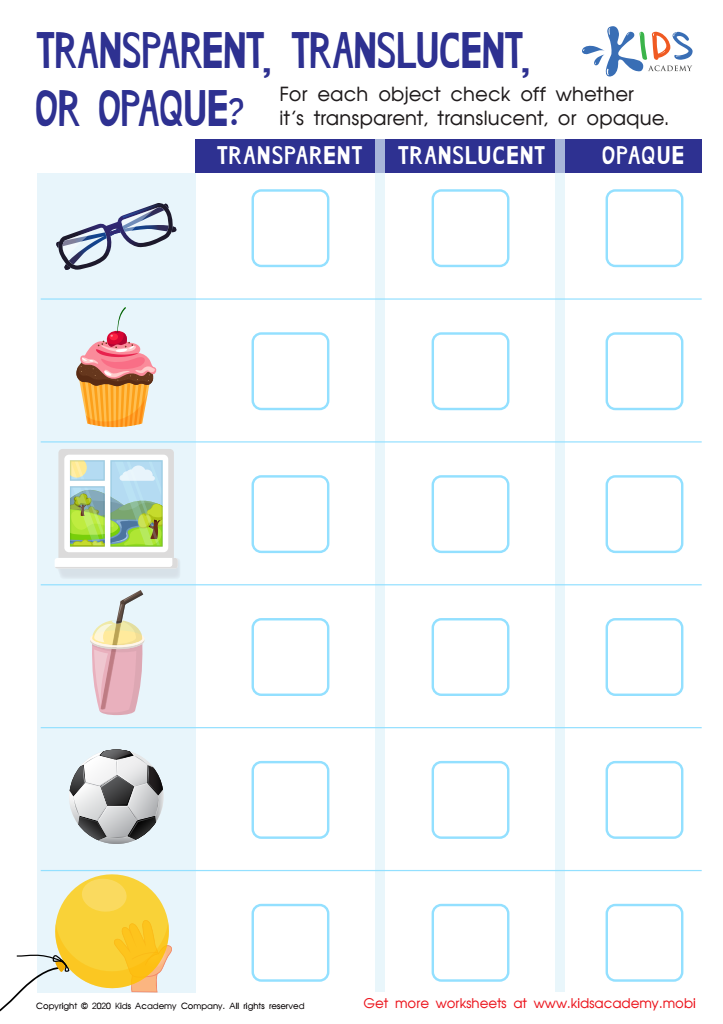
Transparent, Translucent, or Opaque Worksheet
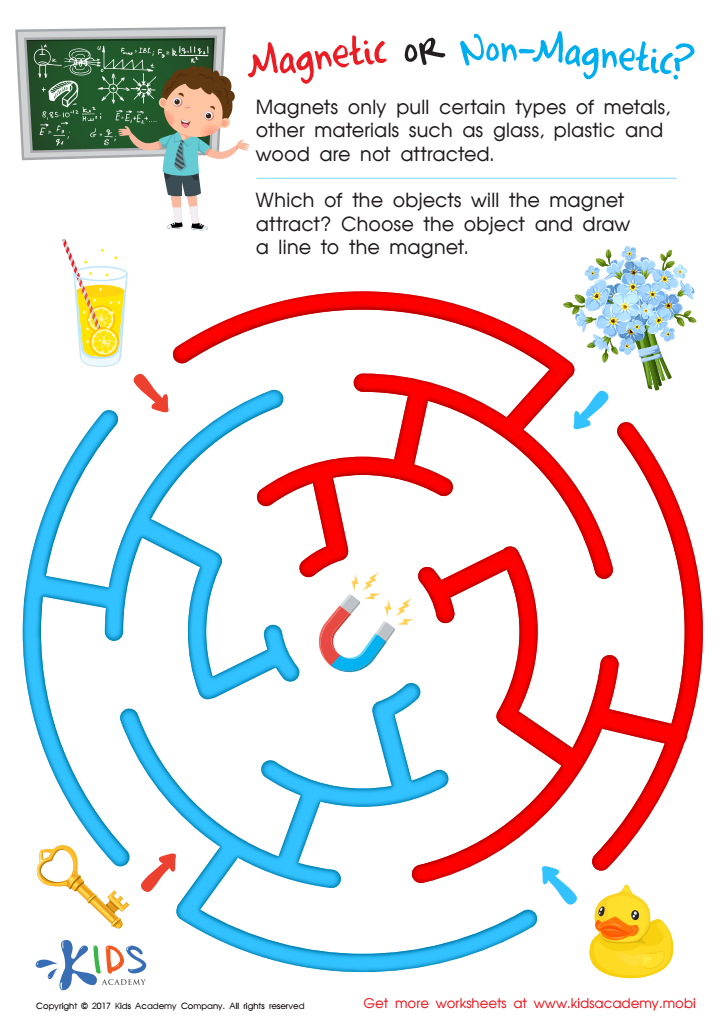
Magnetic or Non–Magnetic Worksheet





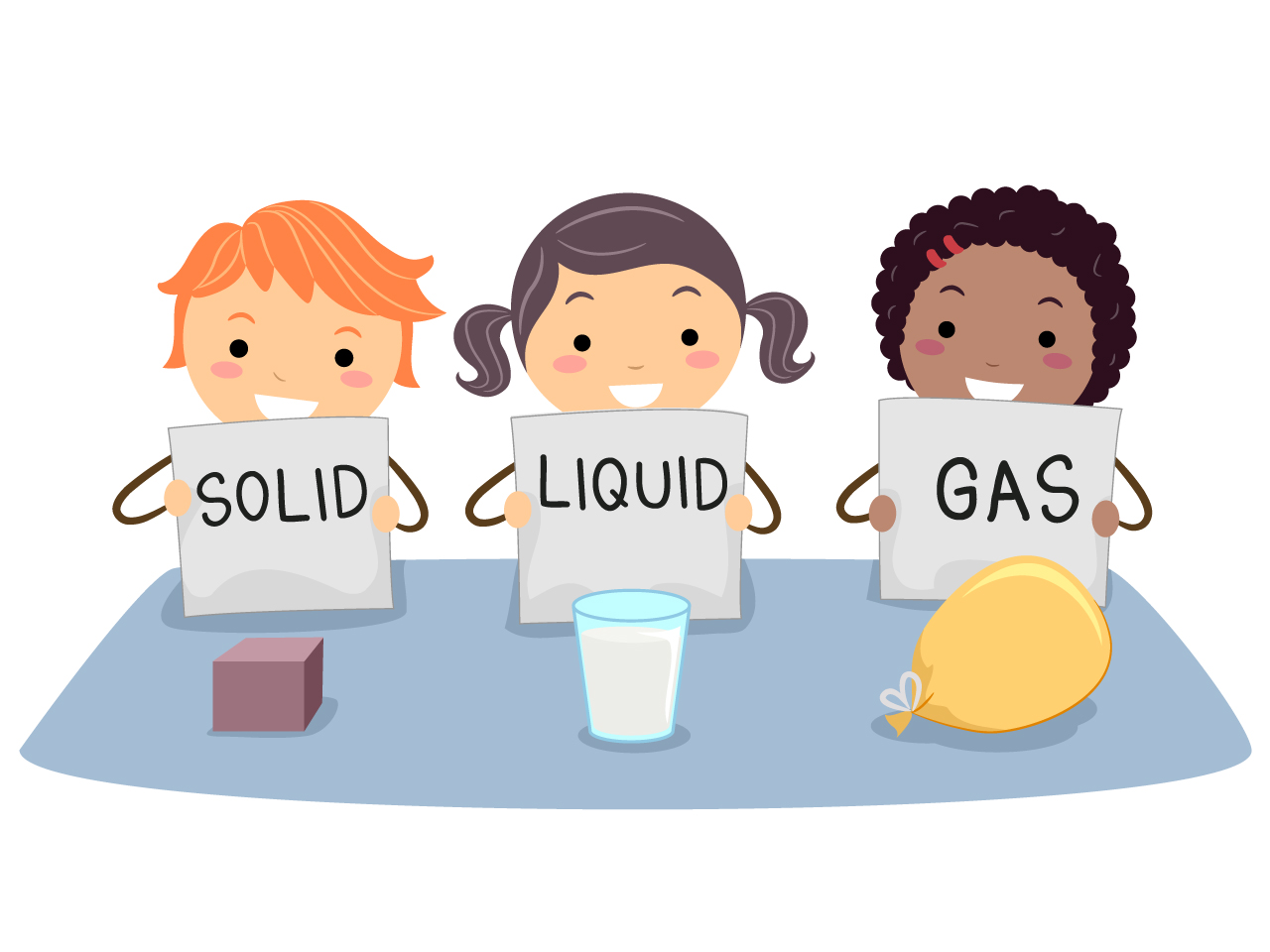


Categorizing objects is an essential skill in physical science that significantly benefits children ages 3-8. During this developmental stage, children are naturally curious about the world around them. By categorizing objects, they enhance their cognitive skills, including critical thinking and problem-solving. This practice helps children identify common attributes and differences, fostering a deeper understanding of their environment.
Engaging in sorting activities cultivates fine motor skills as children manipulate different items, while also introducing them to basic scientific concepts like properties of matter. For instance, categorizing objects by size, shape, or color lays the groundwork for later concepts such as classification in biology. As children learn to recognize similarities and differences, they develop language skills, enriching their vocabulary as they describe and discuss their findings.
Moreover, categorization promotes social skills when done in groups, encouraging teamwork and communication. Parents and teachers play a vital role in facilitating these activities, creating a positive learning atmosphere that helps children nurture their curiosity. By emphasizing the importance of categorizing objects, adults not only enhance children’s cognitive and social development but also instill a lifelong love for learning, preparing them for future academic challenges and real-world applications in science and beyond.







