Critical Thinking Physical Science Worksheets for Ages 3-8
3 filtered results
-
From - To
Enhance your child's critical thinking skills with our engaging Critical Thinking Physical Science Worksheets designed for ages 3-8! These printable resources promote inquiry-based learning, ensuring that young learners explore fundamental concepts related to physical science through fun and interactive activities. Our worksheets encourage creativity, problem-solving, and analytical thinking by using real-world concepts in a playful manner. Each activity is crafted to match age-appropriate skills, making science enjoyable and accessible. Help your children cultivate a strong foundation in critical thinking and scientific exploration today with our comprehensive collection of worksheets, perfect for home or classroom use. Spark curiosity and inspire learning!
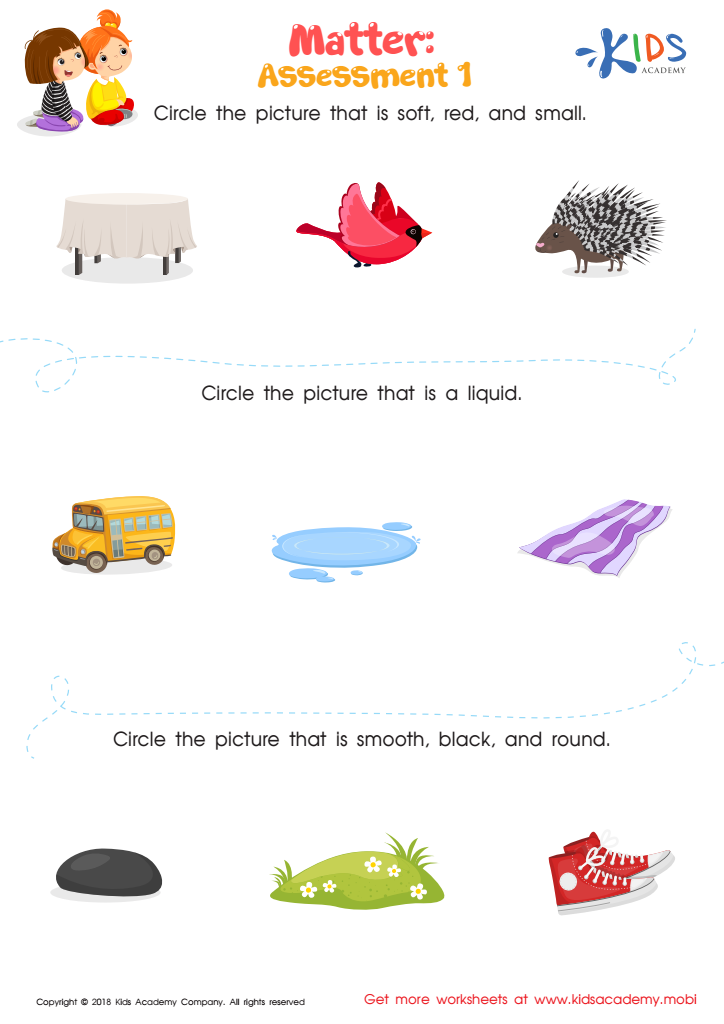
Matter: Assessment 1 Worksheet
 Assign to My Students
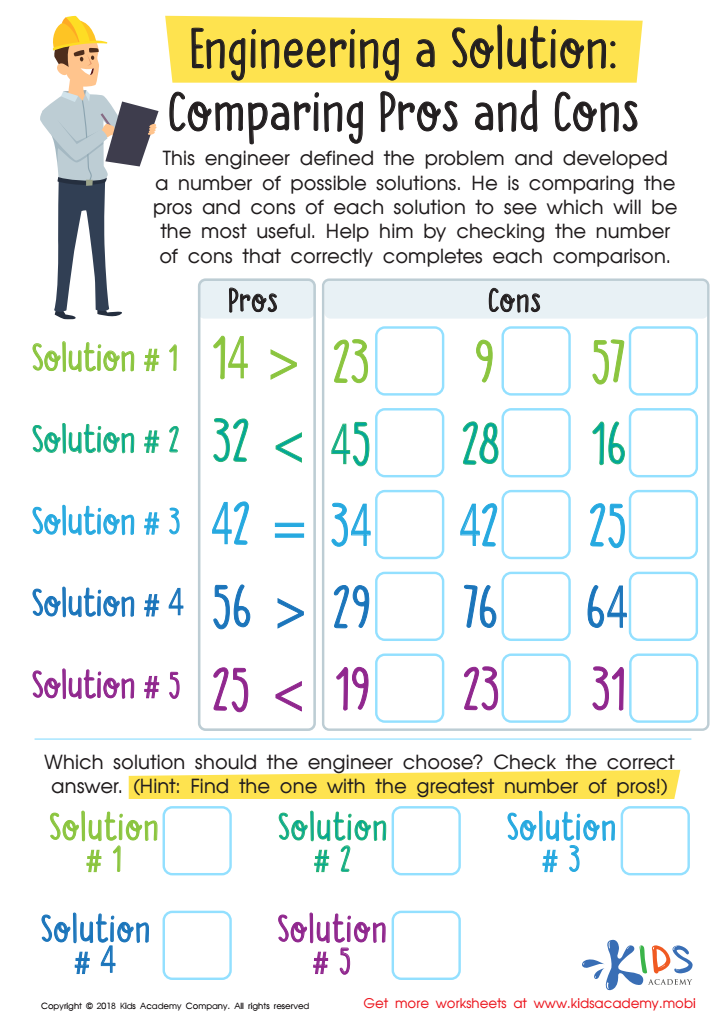
Engineering a Solution: Comparing Pros and Cons Worksheet
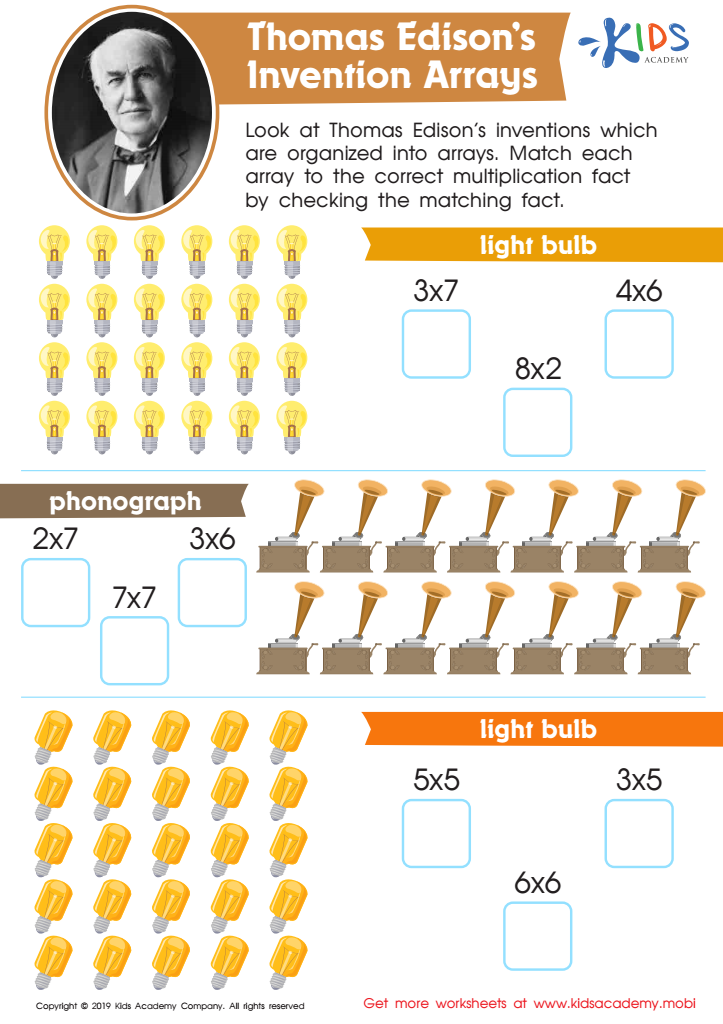
Thomas Edison’s Invention Arrays Worksheet







Critical Thinking in Physical Science for ages 3-8 is vital because it lays a foundational framework for young learners to understand the world around them. Developing critical thinking skills encourages children to ask questions, make observations, and build hypotheses about natural phenomena, fostering a sense of curiosity and wonder. Science education goes beyond facts; it equips children with problem-solving abilities that are essential in daily life as well as future academic pursuits.
Encouraging critical thinking in physical science promotes inquiry-based learning, allowing children to actively engage in hands-on experiments. This experiential learning enables them to connect theoretical concepts with real-world applications. Moreover, it nurtures collaboration and communication skills as young learners work together to explore scientific questions.
Parents and teachers play a crucial role by creating an environment that values exploration and supports trial and error. Instilling a love for science at a young age prepares children for lifelong learning and adaptability in a rapidly changing world. By prioritizing critical thinking in physical science, caregivers and educators empower children to think independently, paving the way for innovation and informed decision-making in their futures. Ultimately, fostering these skills helps cultivate thoughtful, inquisitive citizens who can contribute positively to society.







