Animal recognition Plants and Animals Worksheets for Ages 3-8
6 filtered results
-
From - To
Explore our engaging Animal Recognition Worksheets designed for children ages 3-8! These interactive resources foster early learning by helping young minds identify and understand various animals. Through colorful illustrations and fun activities, kids will develop essential skills, enhance their vocabulary, and spark a love for nature and wildlife. Whether in the classroom or at home, these worksheets provide educators and parents with an effective tool to support creative play and meaningful learning experiences. Discover new ways to connect children with the fascinating world of animals—and watch their curiosity soar! Perfect for pre-school and primary education settings. Get started today!
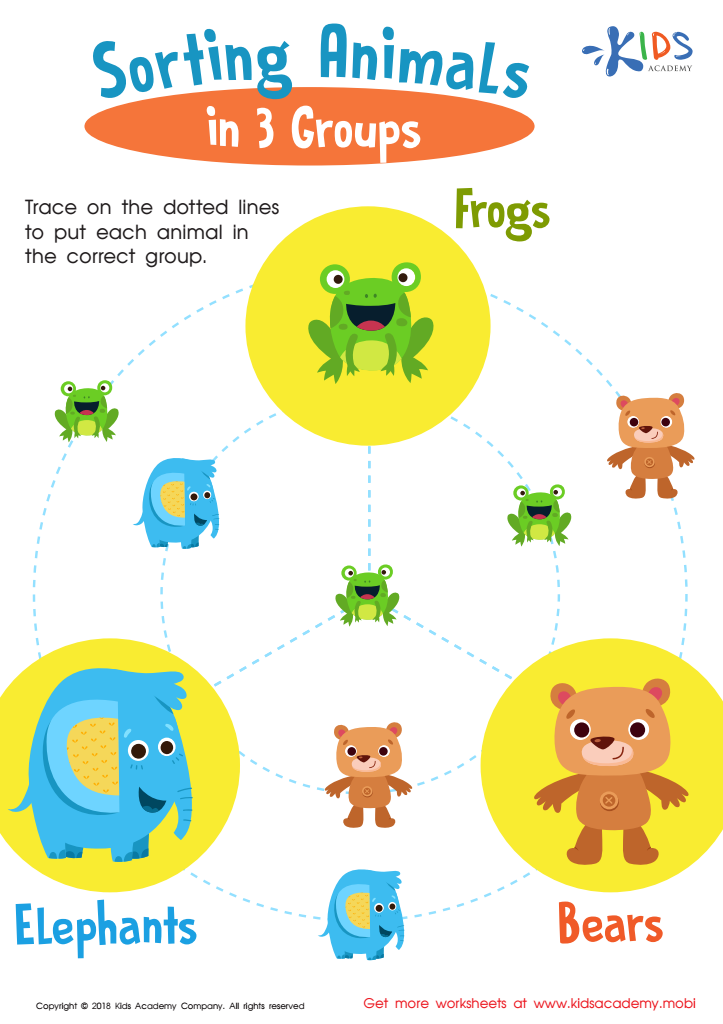
Sorting Animals in 3 Groups Worksheet
 Assign to My Students











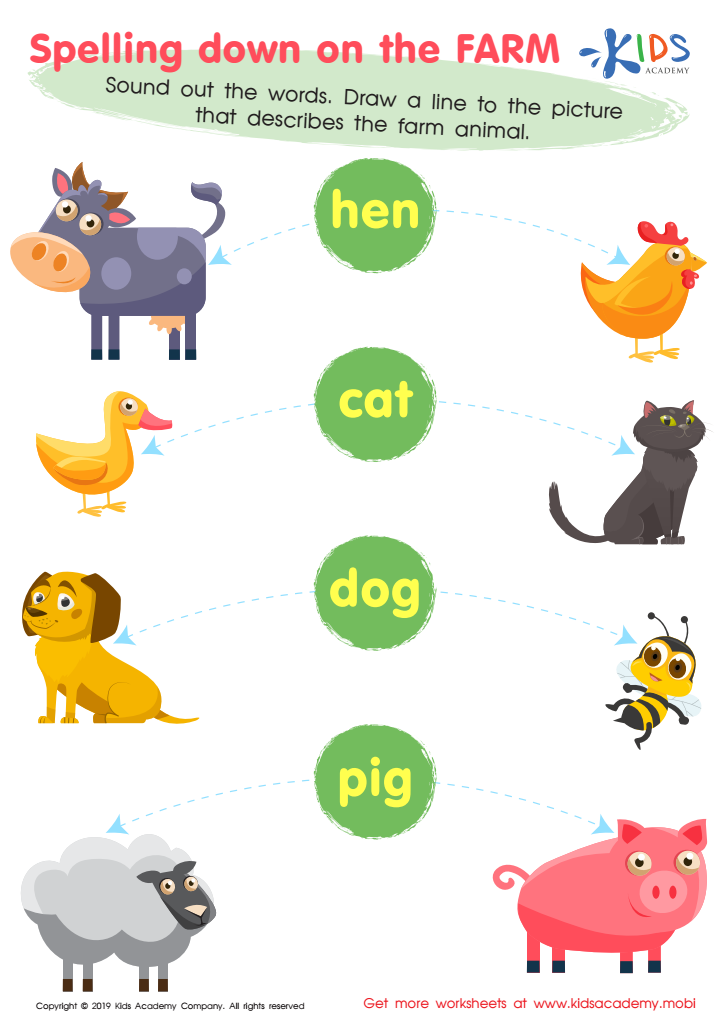
Spelling Down on the Farm Worksheet
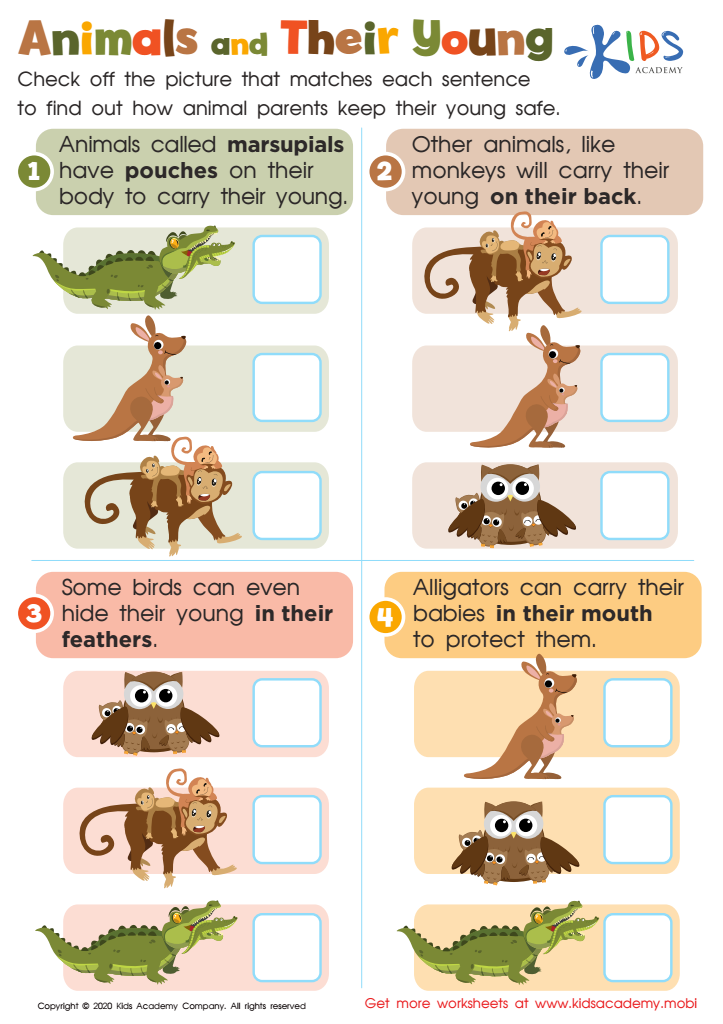
Animals and Their Young Worksheet
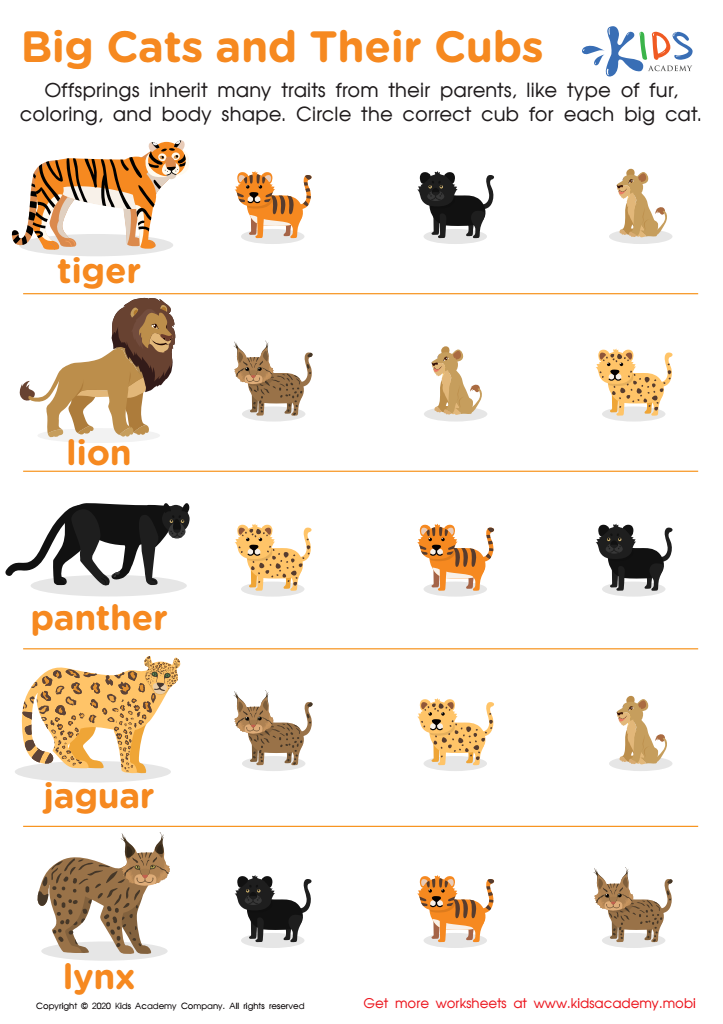
Big Cats and Their Cubs Worksheet
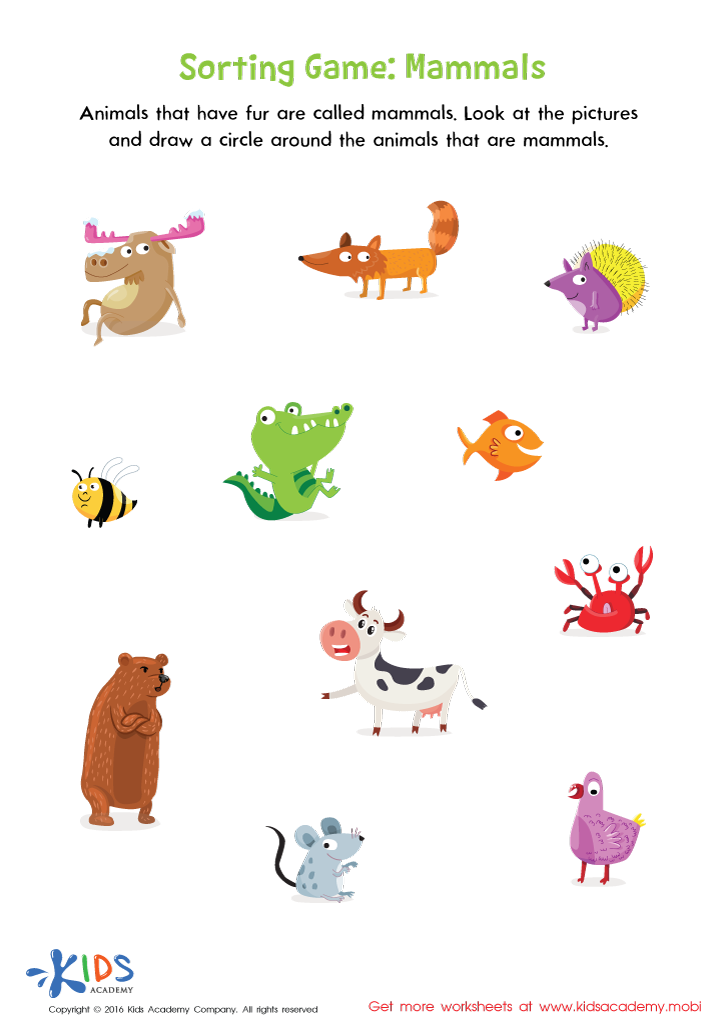
Mammals Sorting Worksheet
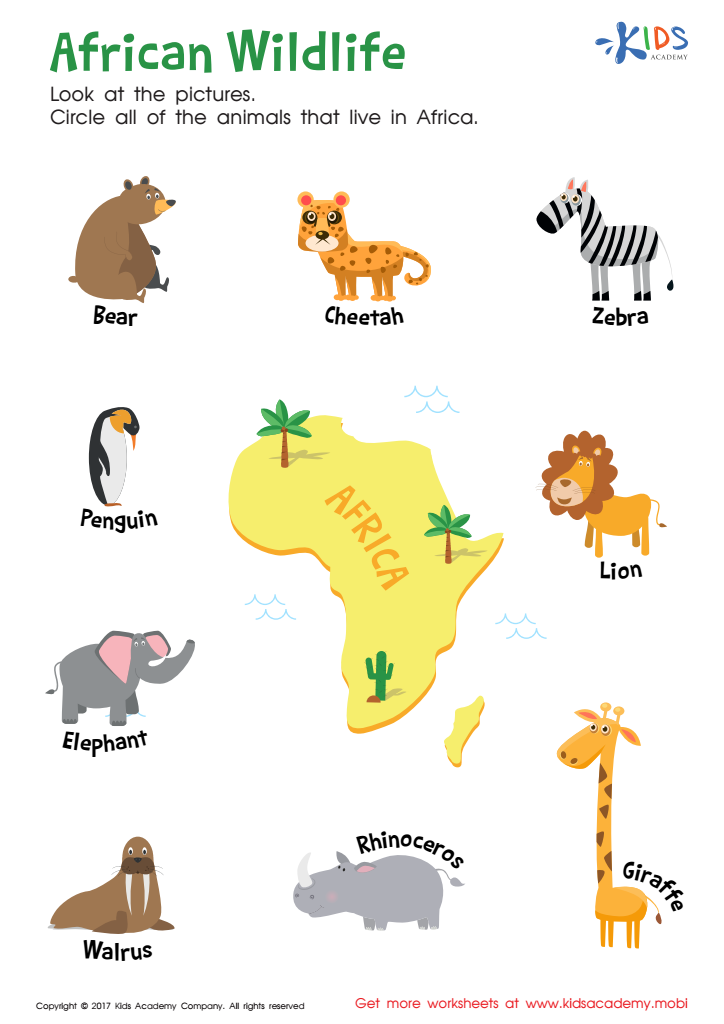








Understanding animal recognition is vital for children aged 3-8 as it supports their cognitive, social, and emotional development. At this early stage, introducing various plants and animals fosters curiosity about the natural world, sparking a lifelong love for nature and science. Children learn to identify different species, which enhances their observational skills and critical thinking.
Moreover, animal recognition activities often involve teamwork, fostering collaboration among peers. This interaction helps build social skills and reinforces the importance of communication. Additionally, teaching children about animals and plants can promote empathy and compassion, as they gain awareness of living creatures and their habitats.
For parents and teachers, incorporating animal recognition into activities can create engaging and interactive learning experiences. This approach emphasizes hands-on exploration, whether in classrooms or outdoor settings. The more children connect with nature, the more they develop their creativity and problem-solving abilities.
Furthermore, understanding local flora and fauna plays a crucial role in environmental stewardship. When young children learn to appreciate and respect nature, they grow into environmentally conscious adults, safeguarding ecosystems for future generations. In essence, fostering animal recognition during these formative years lays a foundation for holistic growth and environmental awareness.








