Critical Thinking History Worksheets for Ages 3-8
20 filtered results
-
From - To
Discover our engaging "Critical Thinking History Worksheets" designed for children ages 3-8. These thoughtfully created resources encourage young learners to explore historical events, figures, and concepts while developing essential critical thinking skills. Through interactive activities, including puzzles and scenario explorations, kids will strengthen their ability to analyze information and make connections. Our worksheets are perfect for enhancing classroom instruction or enriching home learning experiences. With colorful illustrations and age-appropriate content, children will enjoy making sense of the past while boosting their cognitive abilities. Join us on a journey through history and inspire a love for learning today's brightest minds!
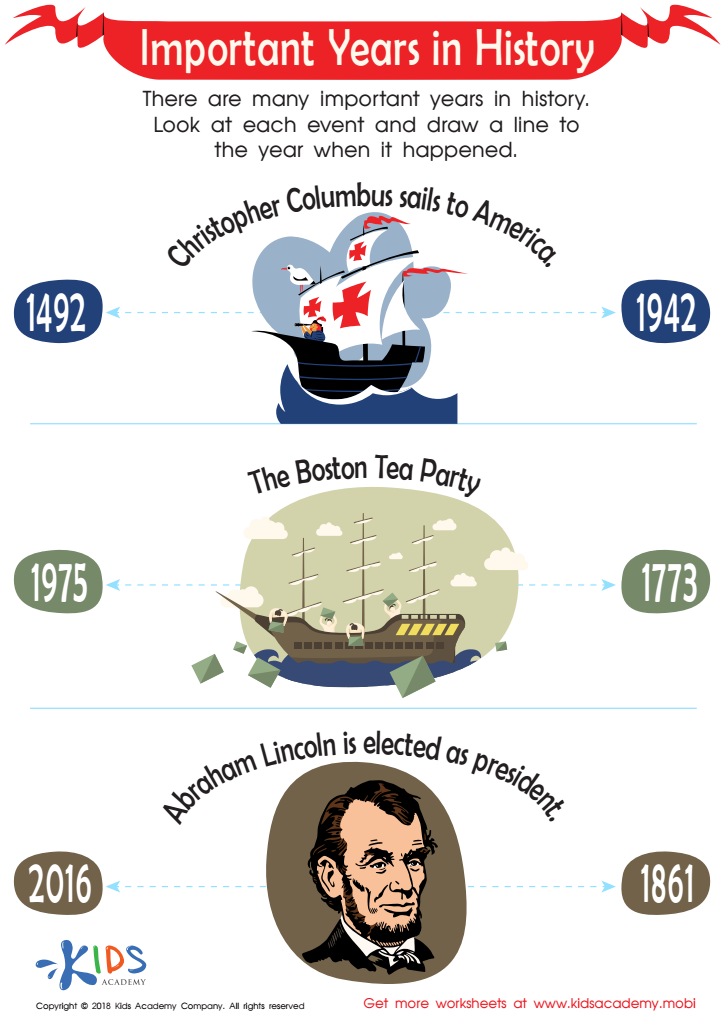
Important Years in History Worksheet
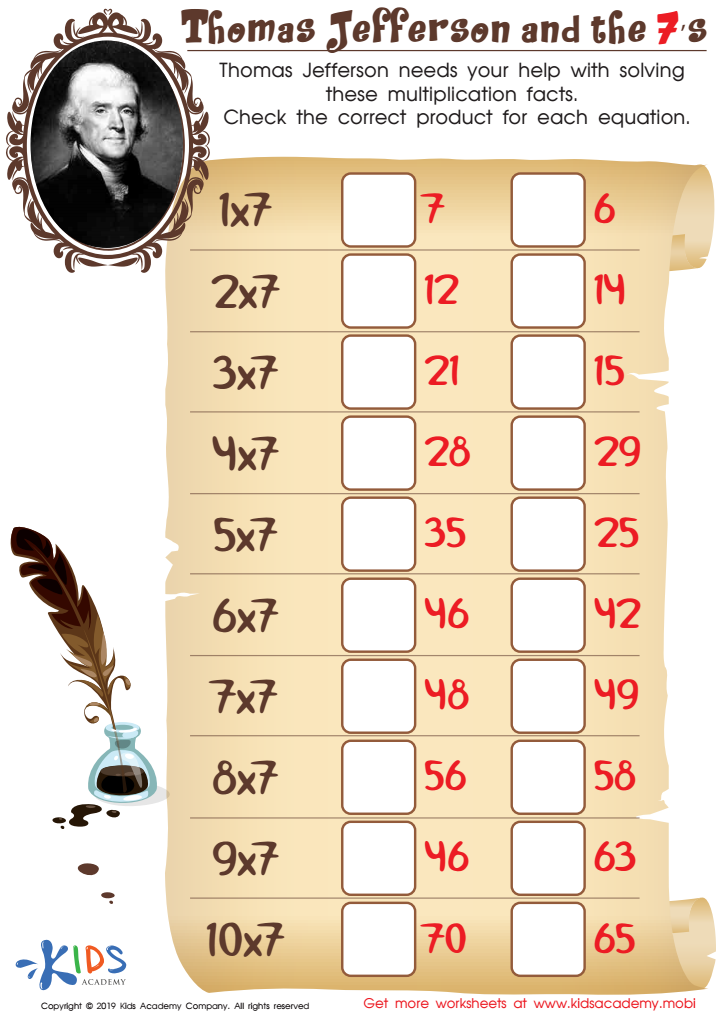
Thomas Jefferson and the 7’s Worksheet
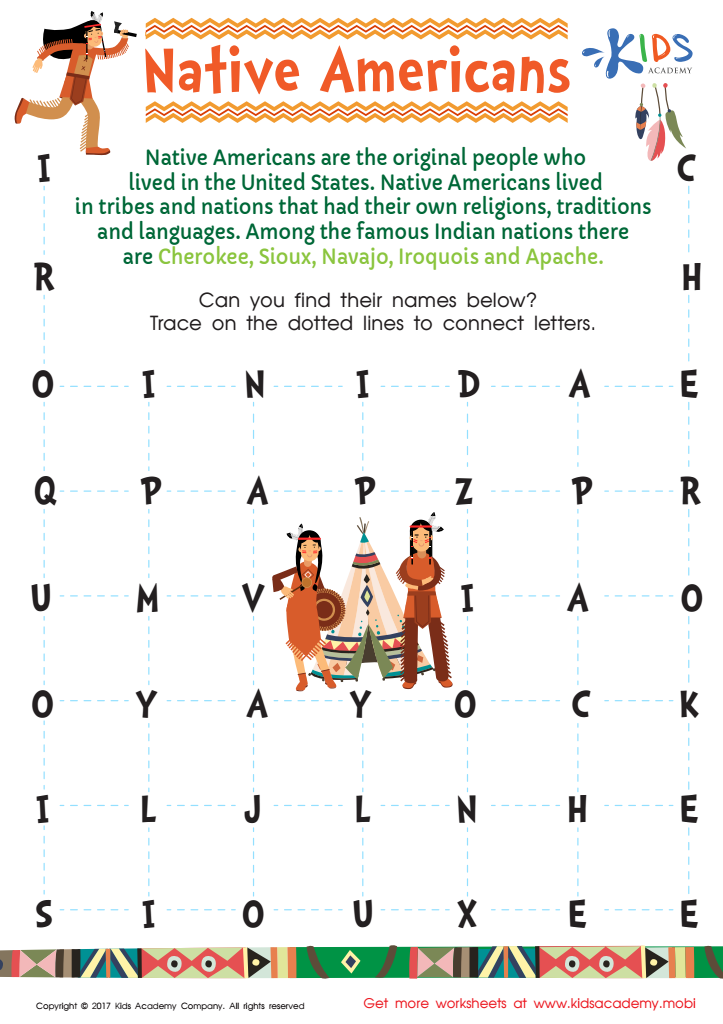
Native American Word Search Printable
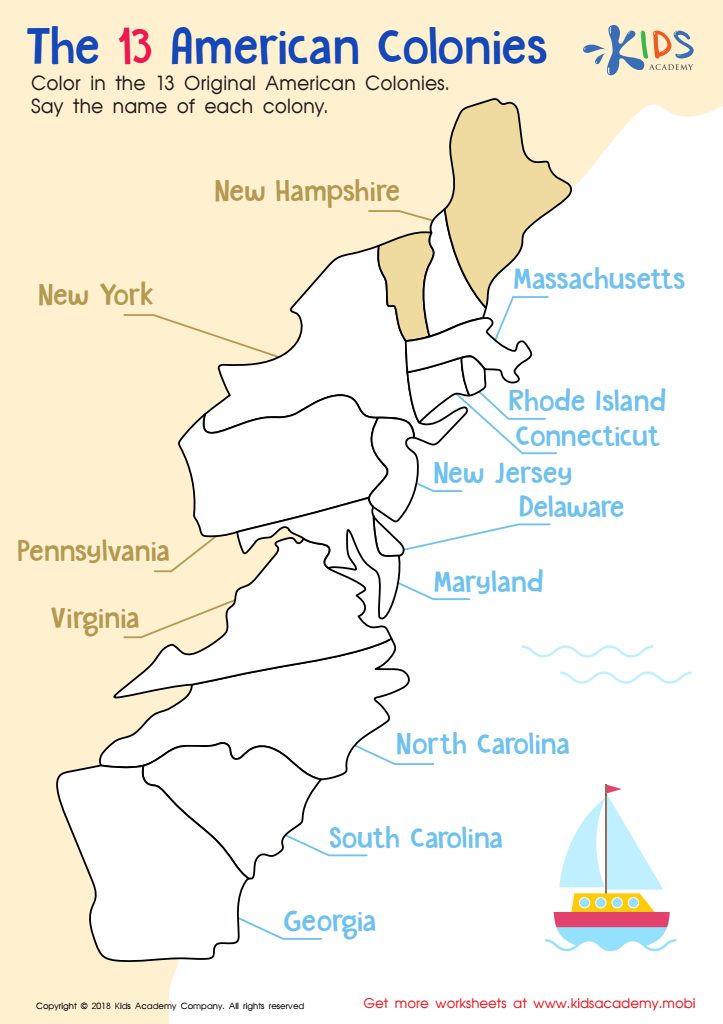
The 13 American Colonies Worksheet
 Assign to My Students
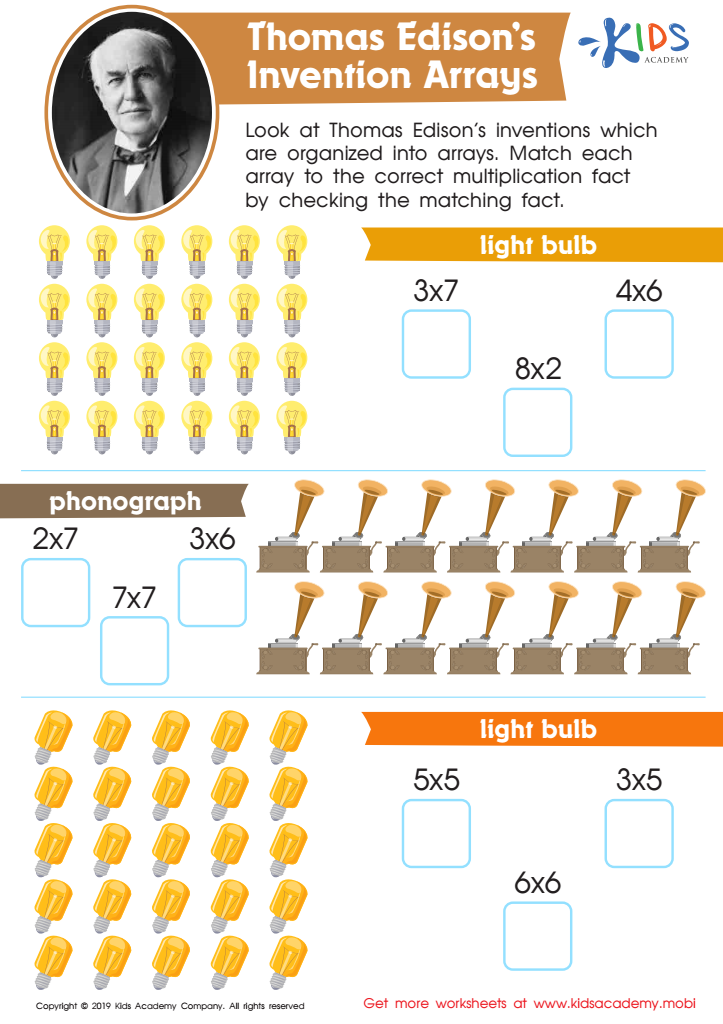
Thomas Edison’s Invention Arrays Worksheet
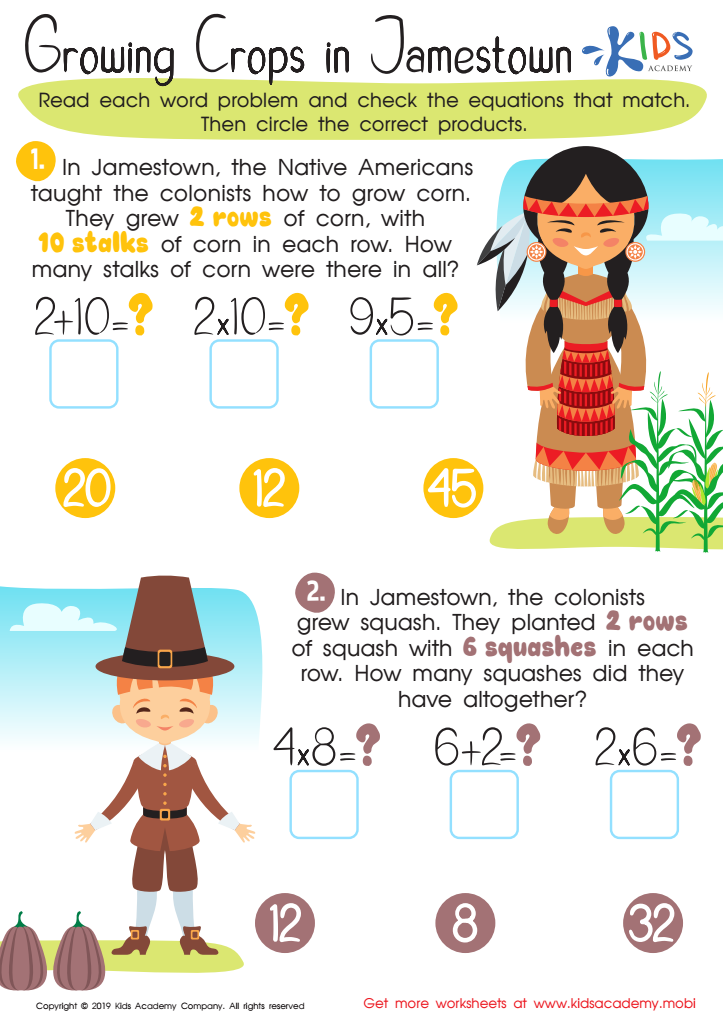
Growing Jamestown Worksheet
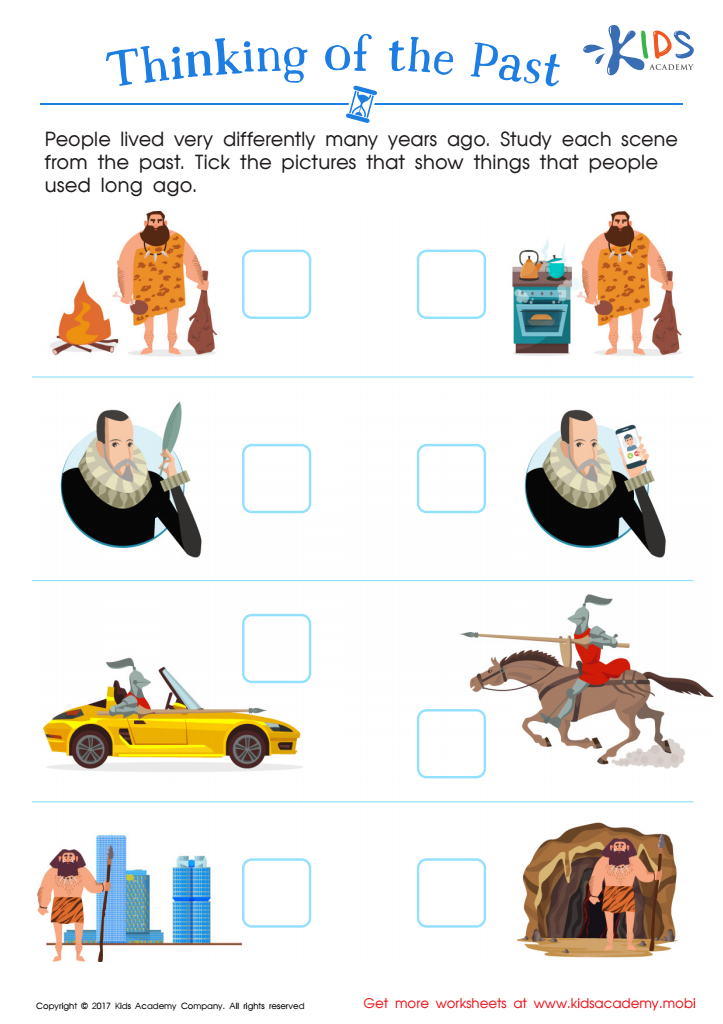
Thinking Past Printable

Thanksgiving Holiday Printable
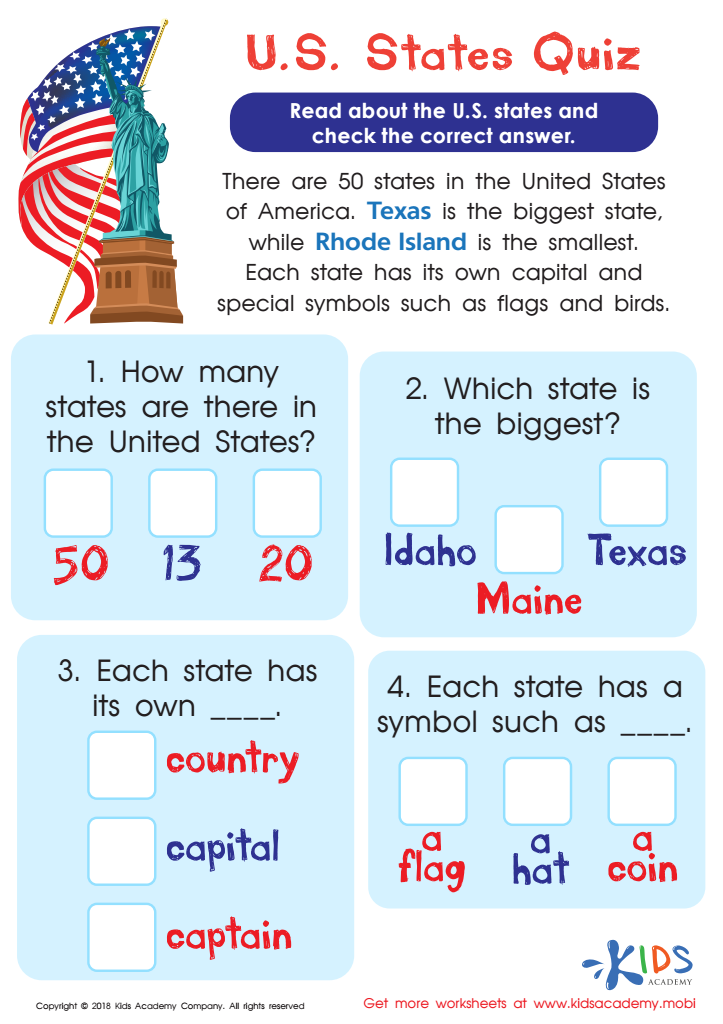
U.S. States Quiz Worksheet
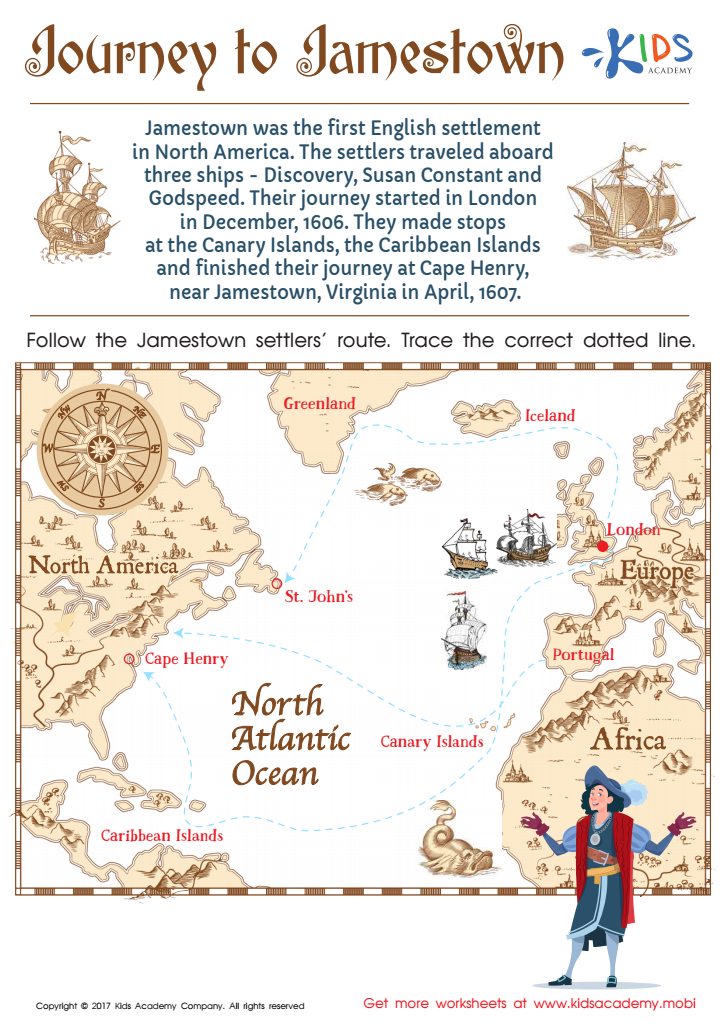
Journey to Jamestown Worksheet
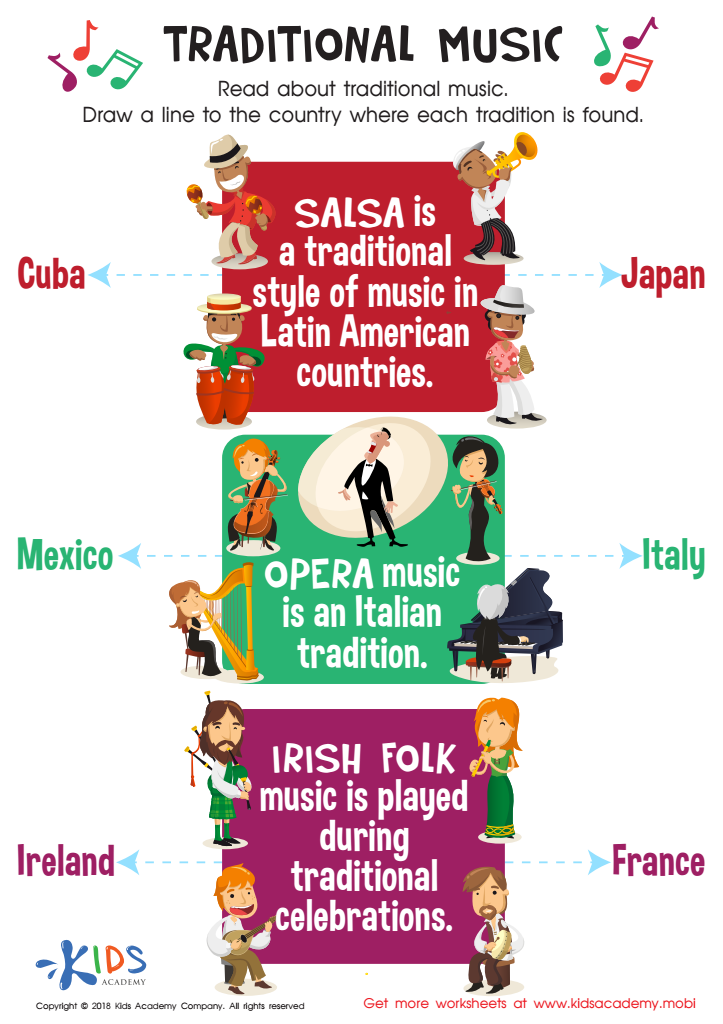
Traditional Music Worksheet
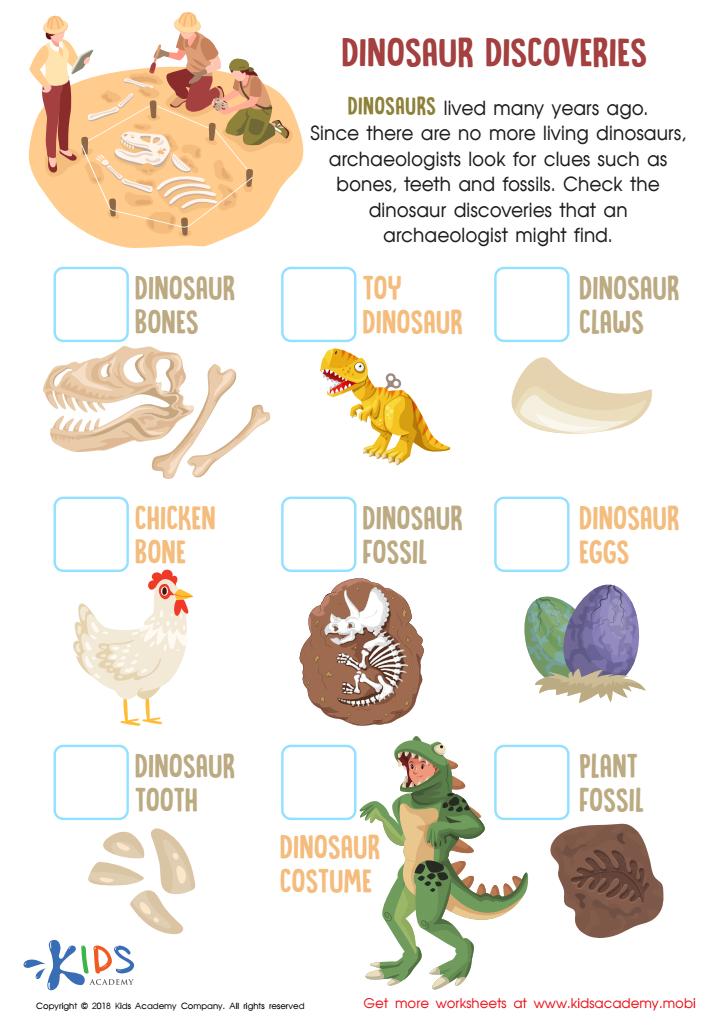
Dinosaur Discoveries Worksheet
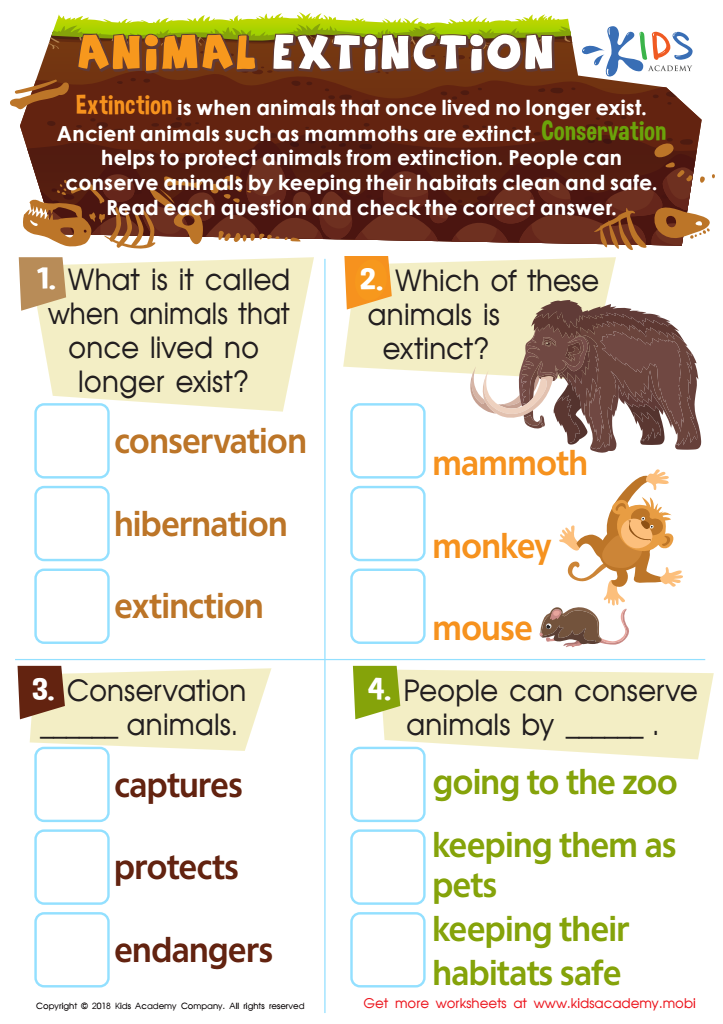
Animal Extinction Worksheet
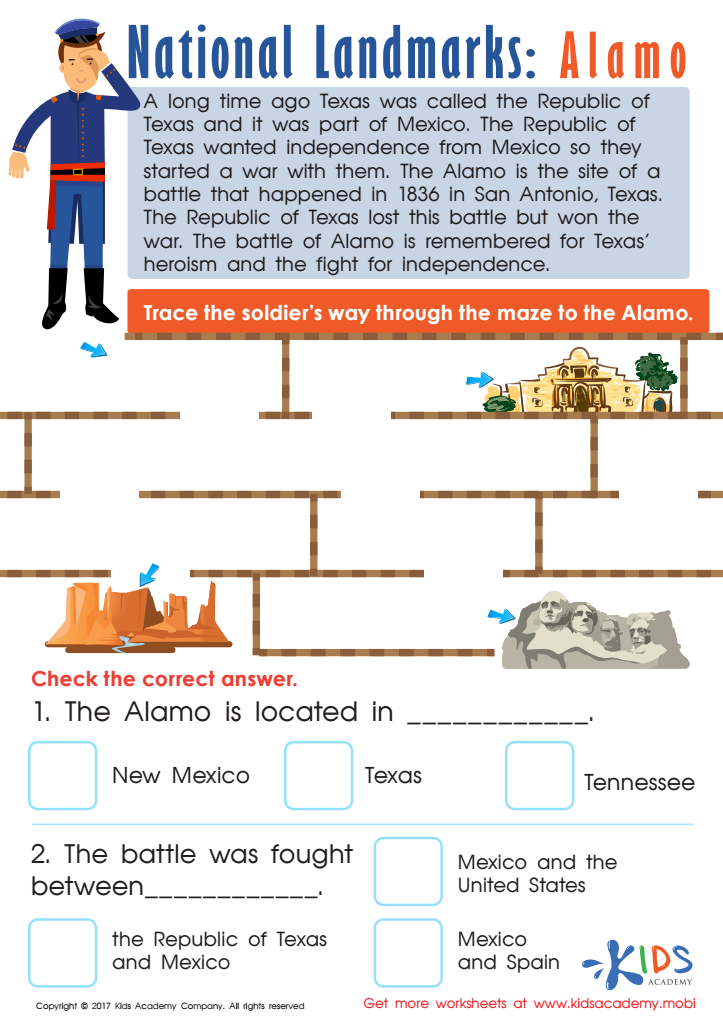
Alamo Printable Worksheet
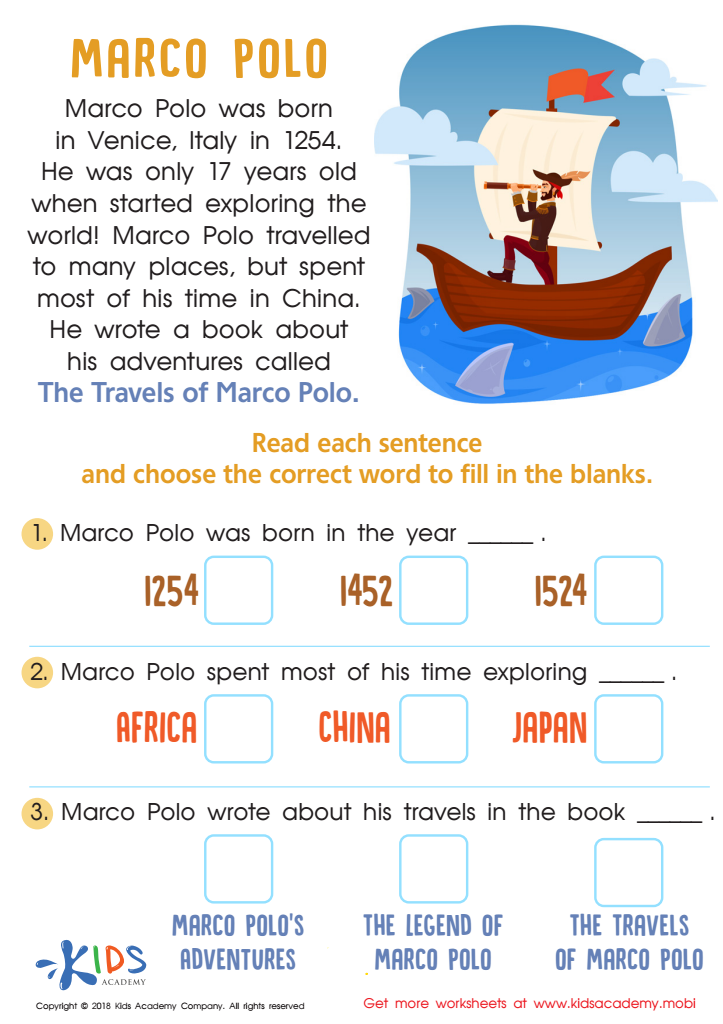
Marco Polo Worksheet
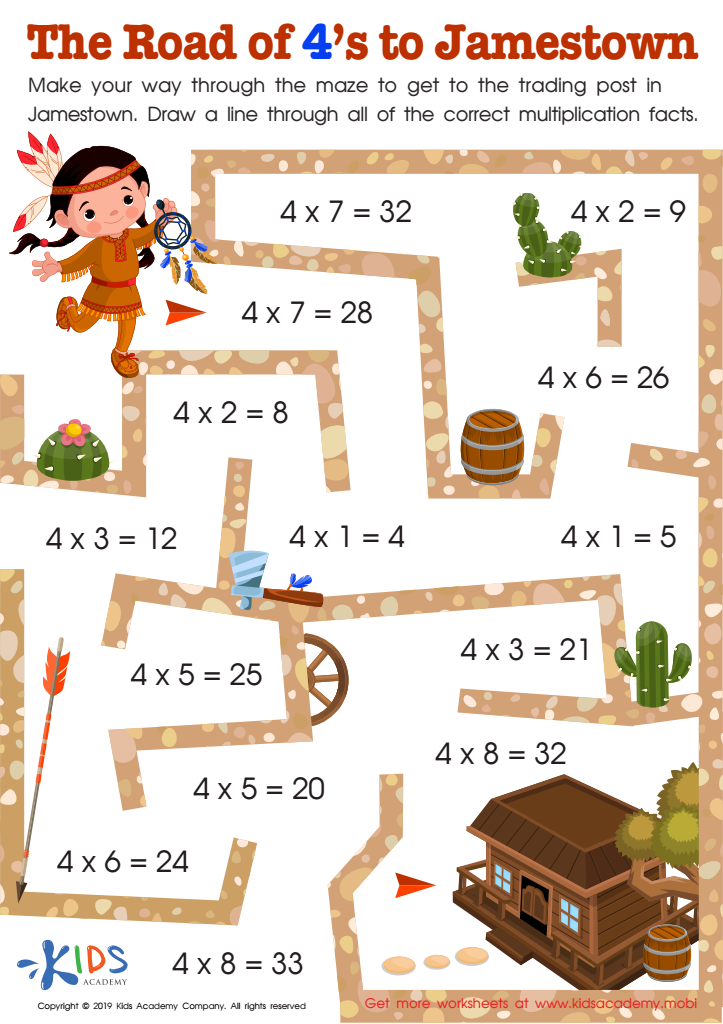
The Road of 4’s to Jamestown Worksheet
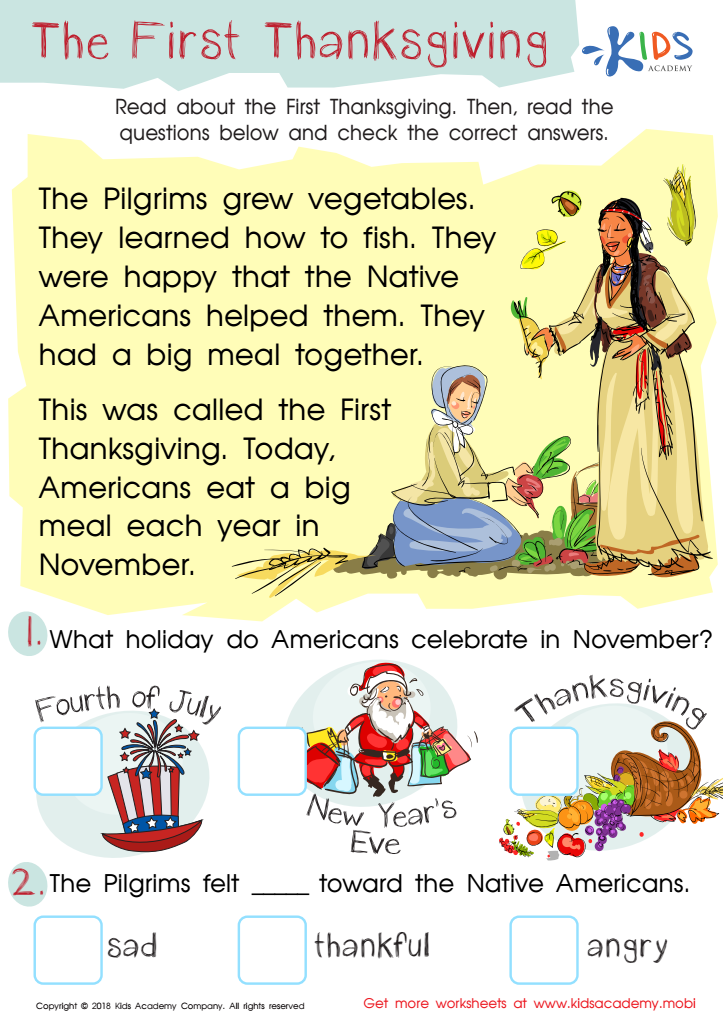
Assessment: First Thanksgiving Worksheet
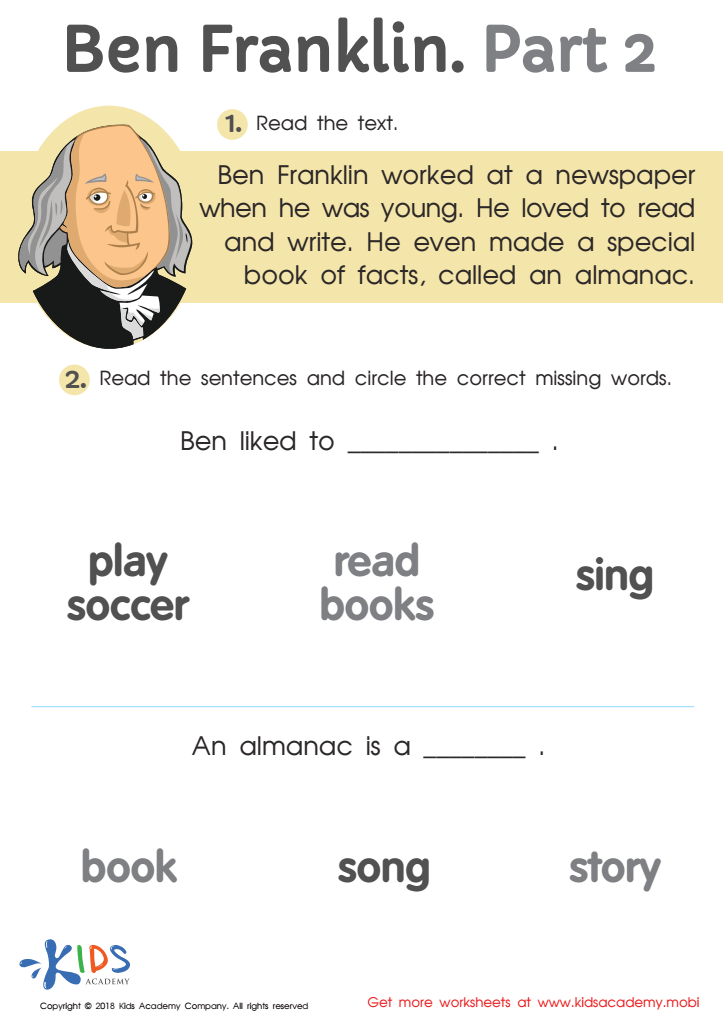
Ben Franklin Part 2 Worksheet
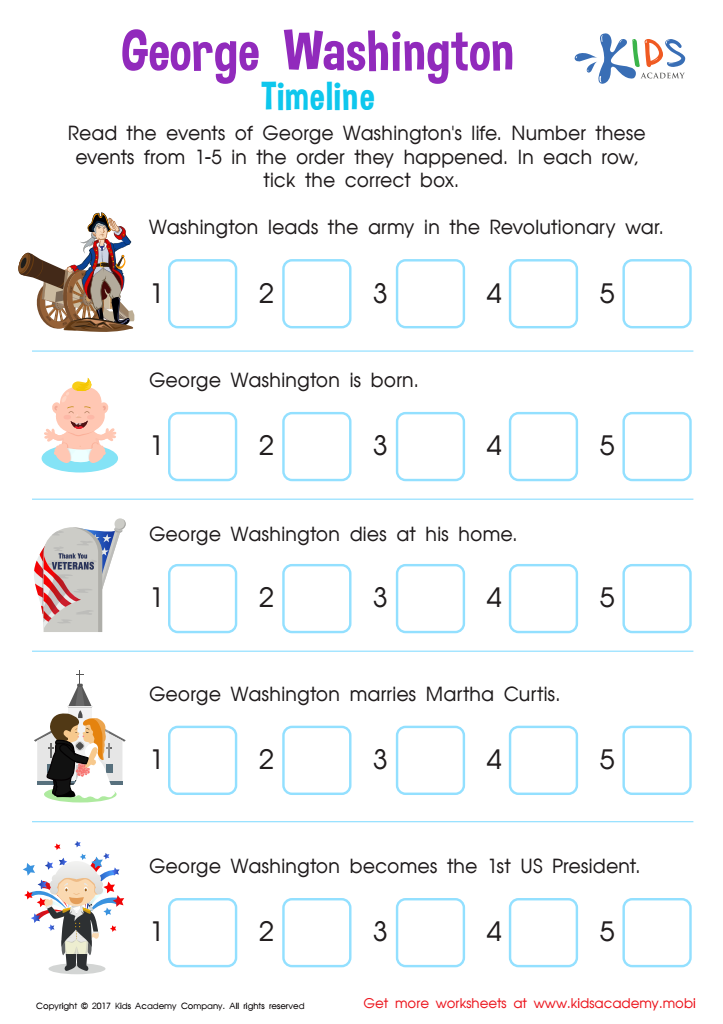
George Washington Timeline Worksheet
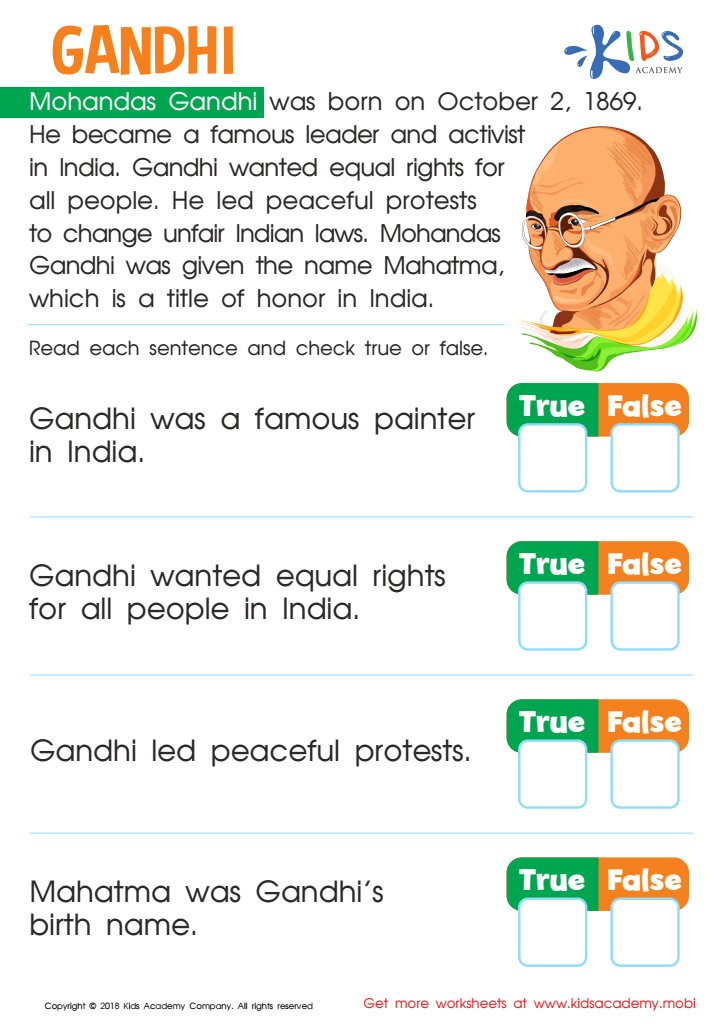
Gandhi Worksheet








Parents and teachers should care about Critical Thinking History for ages 3-8 because it lays the groundwork for essential cognitive skills that children will use throughout their lives. During this formative period, children are naturally curious and increasingly capable of processing complex ideas. Introducing them to critical thinking through historical contexts encourages them to analyze, evaluate, and synthesize information, fostering a deeper understanding of events and their causes and effects.
Teaching young children about history through critical thinking also helps them develop empathy and a sense of identity. By exploring different perspectives, cultures, and experiences, they learn to appreciate diversity and understand the interconnectedness of societies. This can lead to more compassionate and informed individuals who are better equipped to navigate a complex world.
Furthermore, early exposure to critical thinking in history enhances literacy and communication skills. Children learn to articulate their thoughts, ask questions, and engage in discussions – vital tools for academic success and personal development. In an era of misinformation, these skills are crucial for helping children become discerning consumers of information. Therefore, integrating critical thinking into history education for young learners is not just beneficial—it’s essential for nurturing informed, thoughtful future citizens.








