Vocabulary development History Worksheets for Ages 3-8
3 filtered results
-
From - To
Our engaging Vocabulary Development History Worksheets for ages 3-8 promote literacy and historical understanding. Perfectly designed for early learners, these worksheets blend age-appropriate vocabulary building with fascinating historical topics. Children will expand their word bank while engaging with historical events, figures, and cultures. Simple, interactive activities support cognitive growth and foster a love for history. Tailored for young minds, each worksheet enhances reading readiness and comprehension skills, providing a foundation for future academic success. Ideal for classrooms or home learning, our worksheets bring history to life in a fun, educational way. Explore today for a flourishing learning journey!
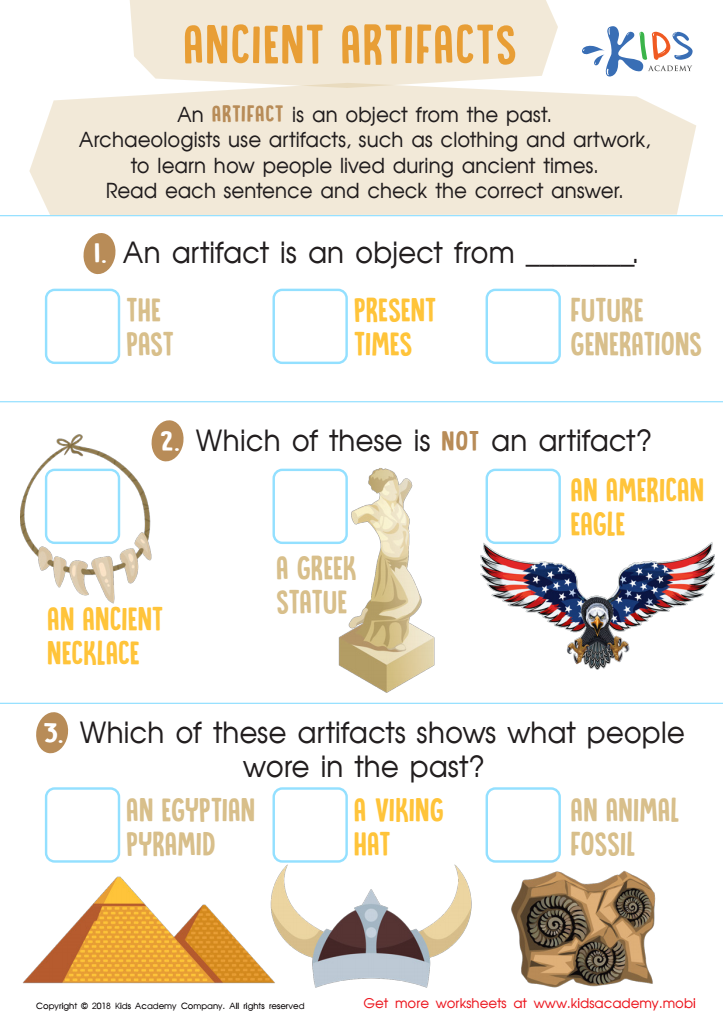
Ancient Artifacts Worksheet
 Assign to My Students
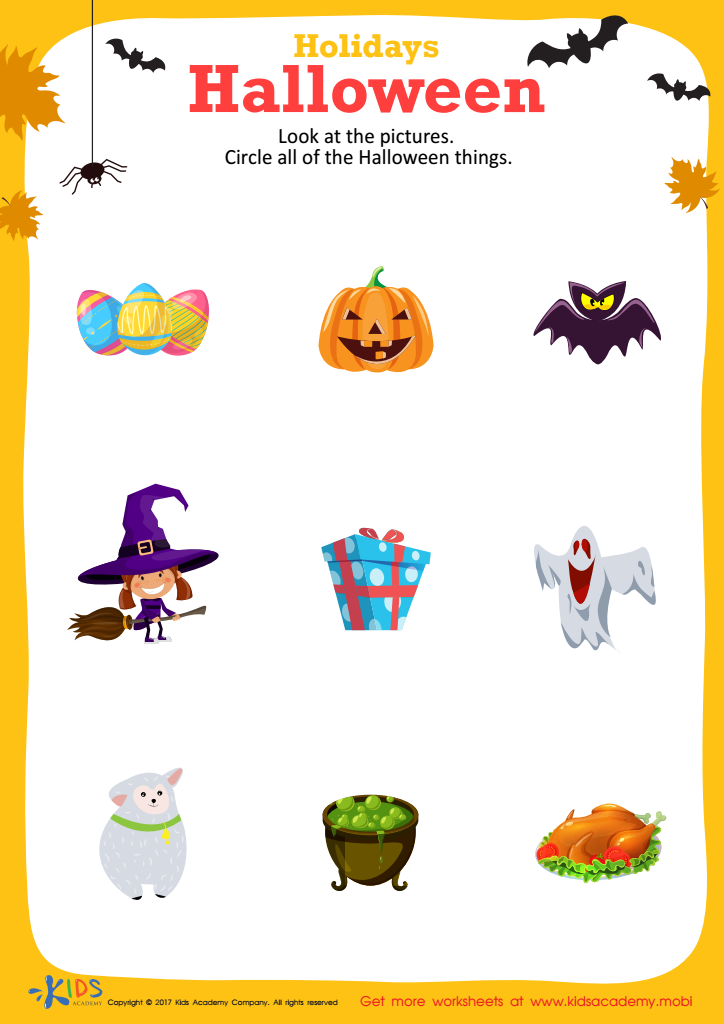
Halloween Holiday Worksheet
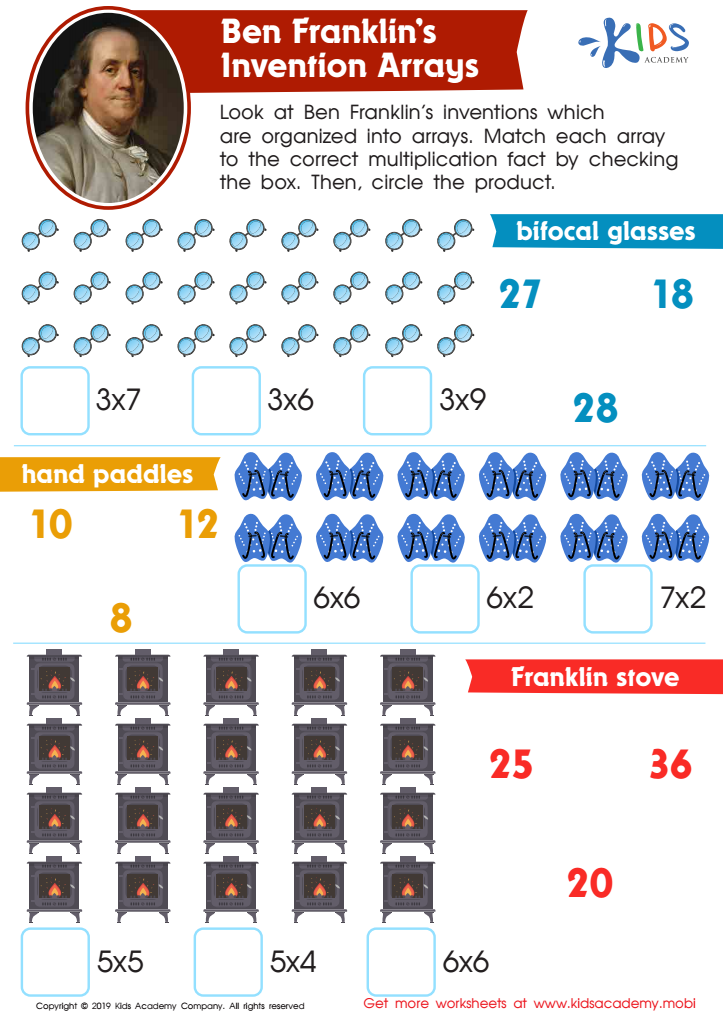
Ben Franklin’s Invention Arrays Worksheet







.jpg)
Vocabulary development in children aged 3-8 plays a crucial role in their overall educational and personal success. For parents and teachers, focusing on this stage is vital because it sets the foundation for literacy and cognitive development. Children's ability to understand and use words effectively influences their ability to communicate ideas, engage in learning activities, and build relationships.
During the early years, children's brains are most receptive to language acquisition. Vocabulary growth during this period directly impacts reading comprehension skills and fluency. A strong vocabulary helps children decode new words, comprehend texts, and fosters a love for reading. Reading proficiency is linked to academic achievement across various subjects, making early vocabulary development a key predictor of future academic success.
Moreover, rich vocabulary exposure develops critical thinking and problem-solving abilities. Children start to form complex thoughts and learn how to express them clearly, which in turn helps them navigate social interactions with confidence. Emotional and social development benefits too, as children gain the tools to articulate their feelings and understand others.
Lastly, as children from disadvantaged backgrounds may face a 'word gap', intentional vocabulary development can help bridge this divide, promoting equity in education. By focusing on vocabulary from an early age, parents and teachers equip children with the essential tools for lifelong learning and success.