Critical Thinking Social Studies Worksheets for Ages 3-8 - Page 2
31 filtered results
-
From - To

Assessment: First Thanksgiving Worksheet
 Assign to My Students
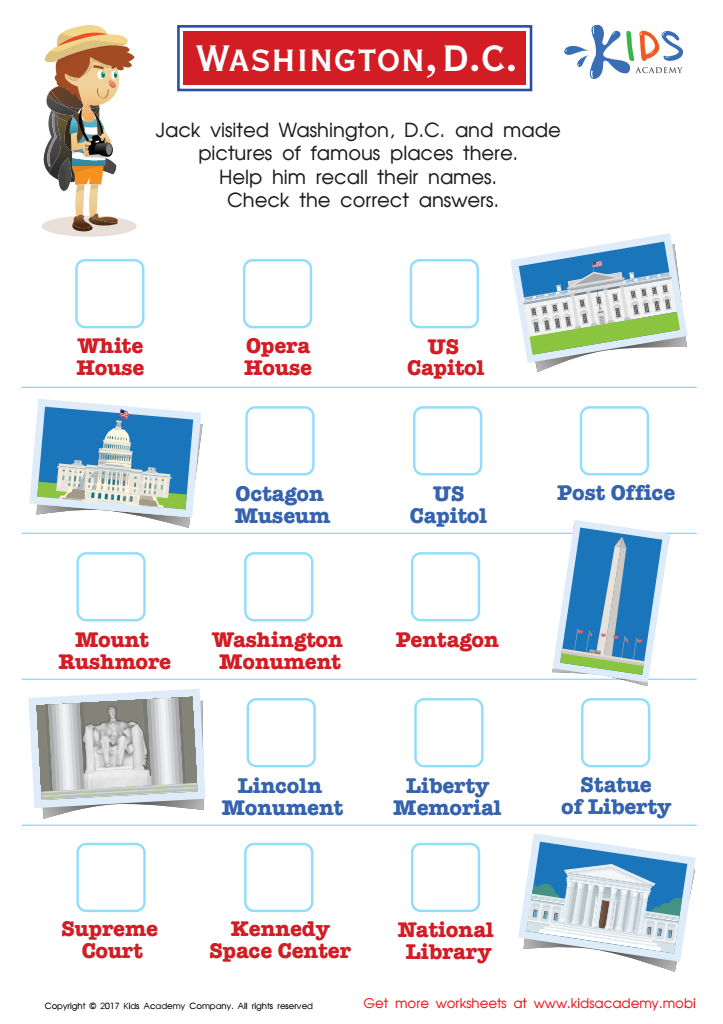
Washington D.C. Printable Worksheet
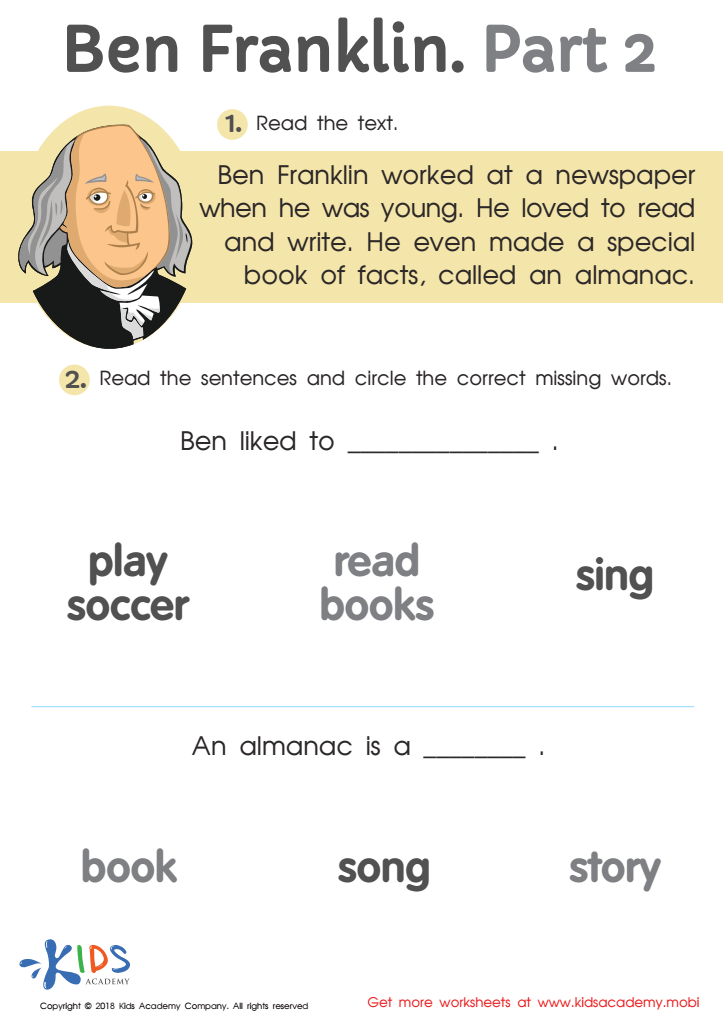
Ben Franklin Part 2 Worksheet
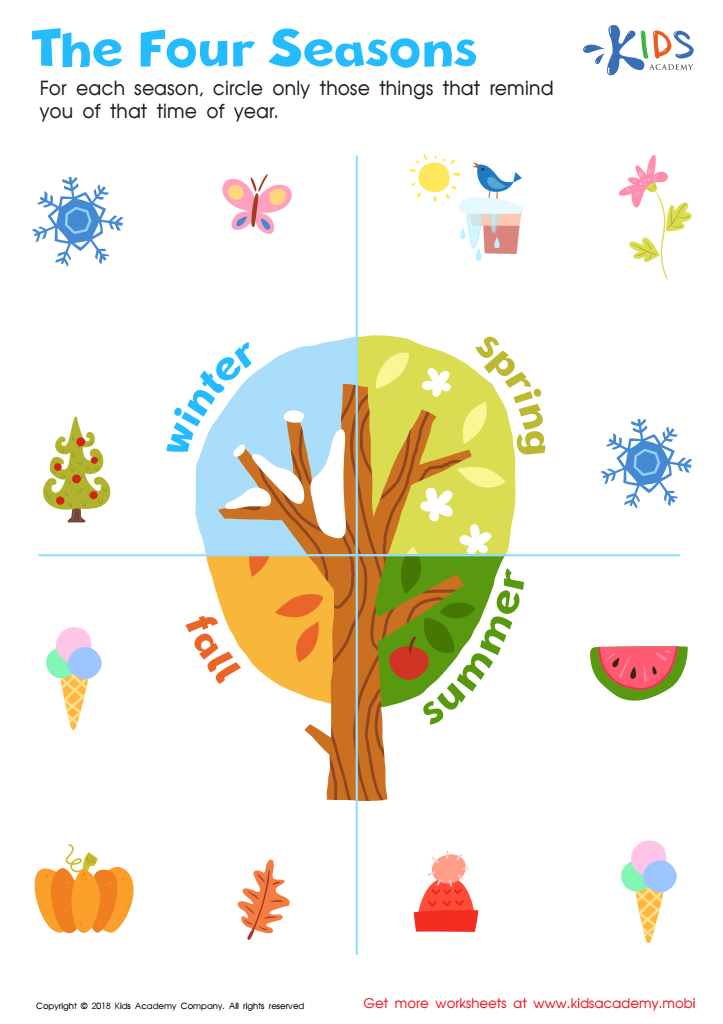
The Four Seasons Worksheet
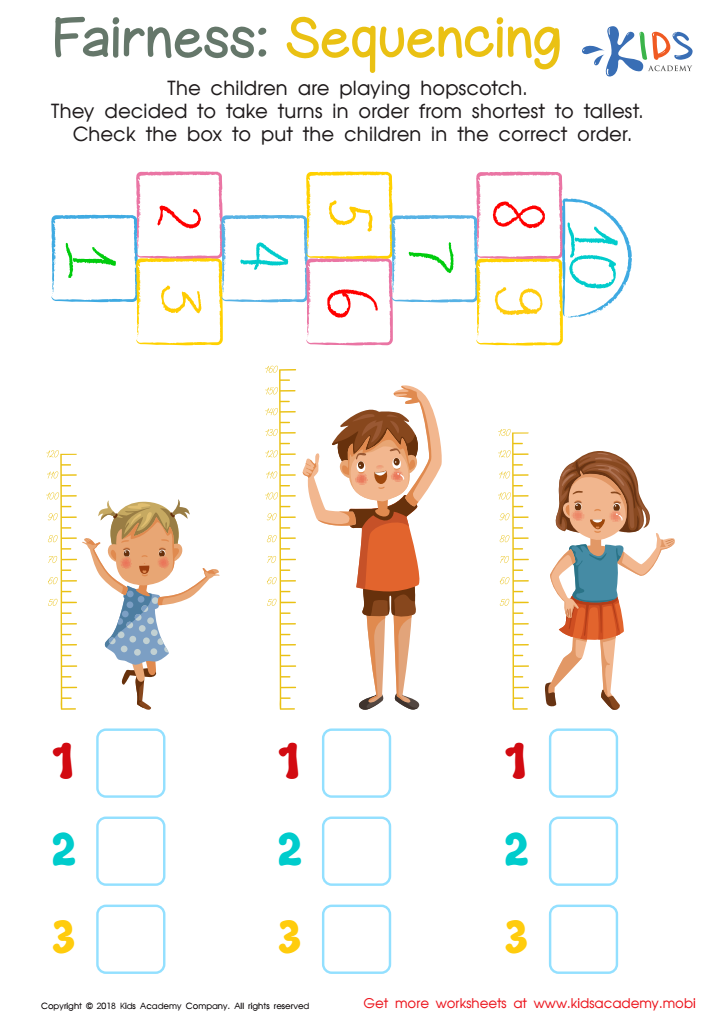
Fairness: Sequencing Worksheet
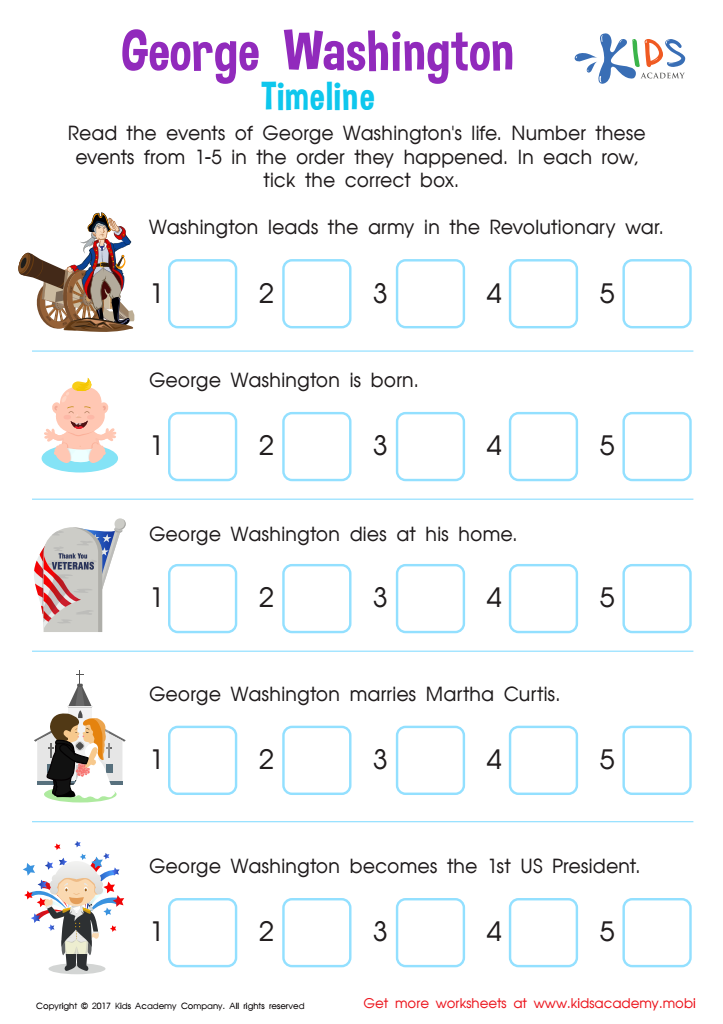
George Washington Timeline Worksheet
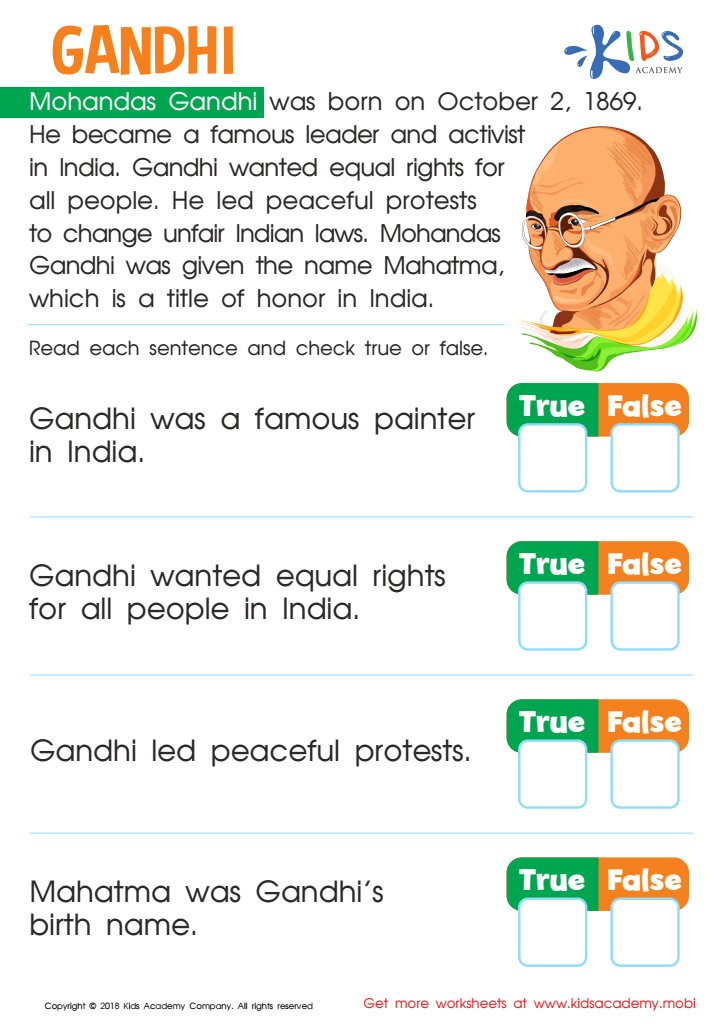
Gandhi Worksheet







Critical thinking in social studies for young children, ages 3-8, is foundational for fostering well-rounded, inquisitive, and thoughtful future citizens. Integrating critical thinking into social studies at an early age helps children develop essential cognitive skills such as analysis, evaluation, and problem-solving. These skills empower kids to question underlying assumptions, recognize bias, and consider multiple perspectives, which are vital in an increasingly complex and interconnected world.
Teachers and parents should prioritize critical thinking in social studies because it goes beyond rote memorization of facts. It nurtures curiosity and a love of learning by encouraging children to ask "how" and "why." This practice will help spark a sustainable engagement with social, historical, and civic content. Moreover, as children learn about different cultures, communities, and historical events, they also develop empathy and improved social skills, learning to respect and value diverse viewpoints and experiences.
Early cultivation of critical thinking also equips children with the ability to make informed decisions and reason logically, laying the groundwork for responsible citizenship. As they grow older, these skills will serve them in a variety of contexts, from academics to daily life challenges. Therefore, emphasizing critical thinking within social studies for young children is an investment in their overall cognitive development and democratic readiness.








