Memory improvement Social Studies Worksheets for Ages 3-8
4 filtered results
-
From - To
Enhance your child's cognitive skills with our Memory Improvement Social Studies Worksheets designed specifically for ages 3-8! These engaging worksheets aim to boost memory retention while introducing essential social studies concepts. Through fun activities and relatable themes, young learners will develop critical thinking, problem-solving, and observational skills. Each worksheet incorporates colorful visuals and interactive tasks, making learning a delightful experience. Perfect for both classroom settings and at-home practice, these resources are tailored to nurture curiosity and promote knowledge retention. Give your child the tools they need to succeed academically and socially, while fostering a love for learning through playful exploration!
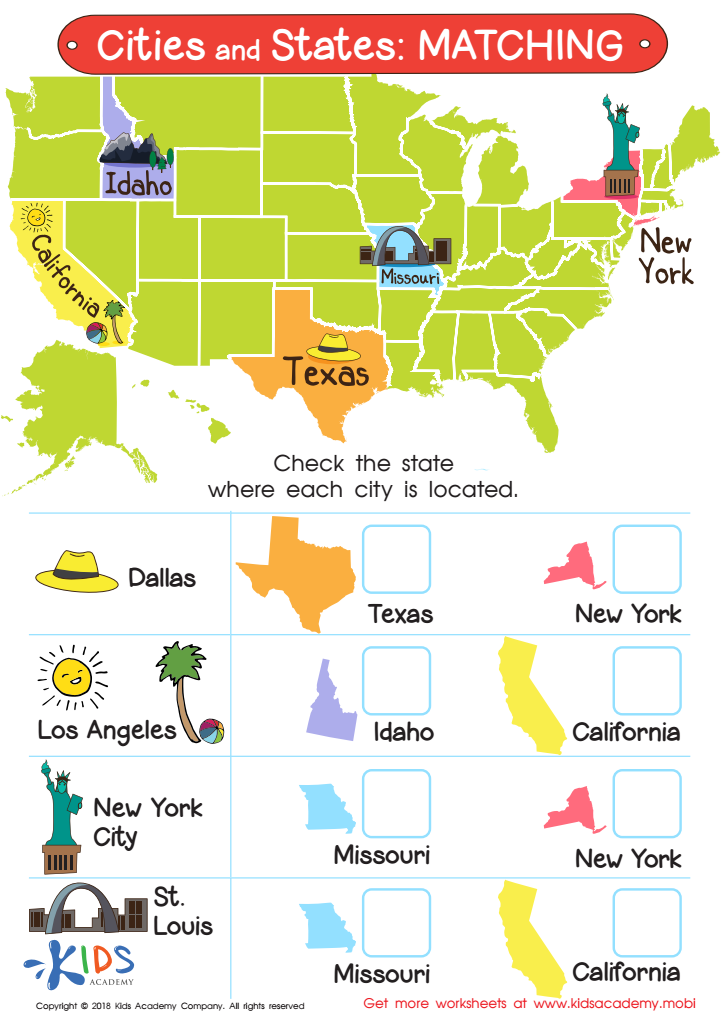
Cities and States: Matching Worksheet
 Assign to My Students
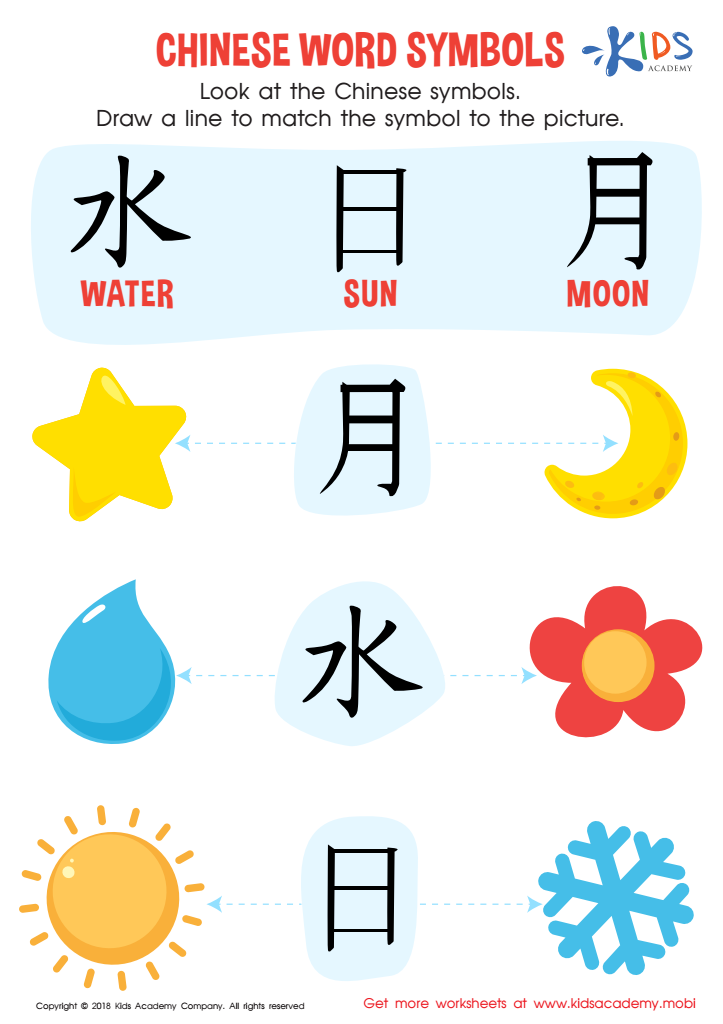
Chinese Word Symbols Worksheet
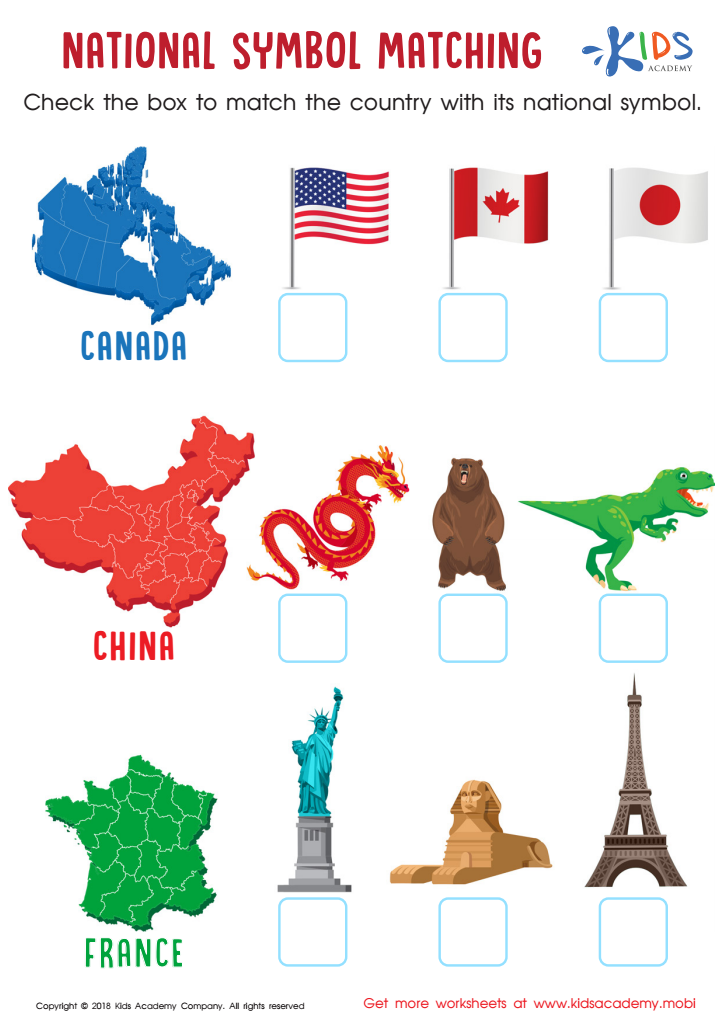
National Symbol Matching Worksheet
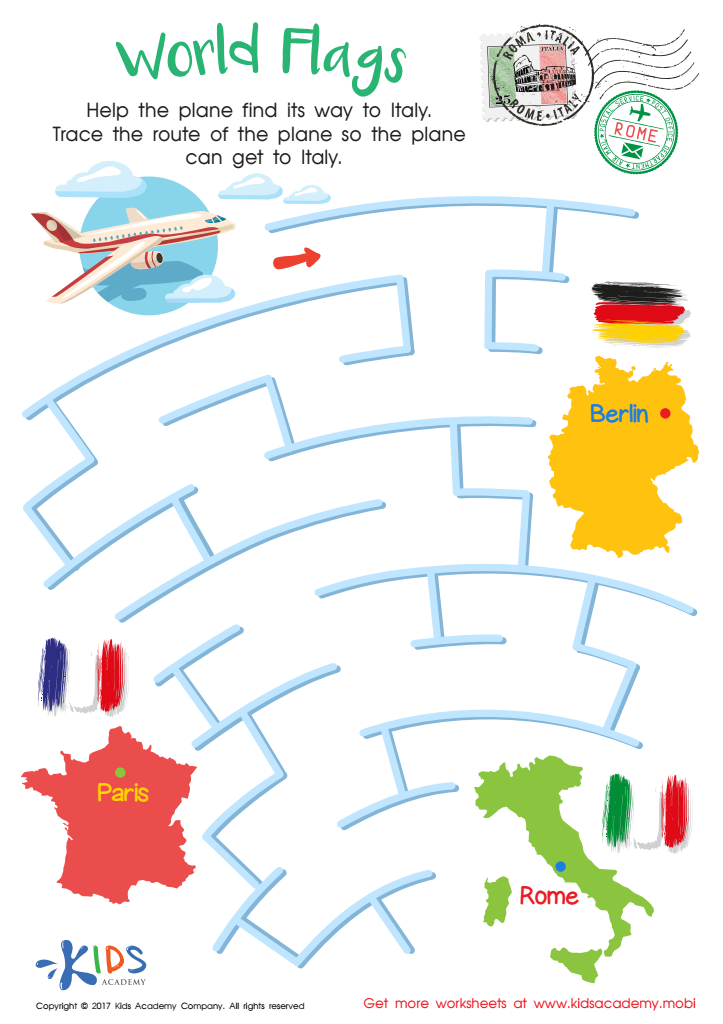
World Flags Maze Worksheet





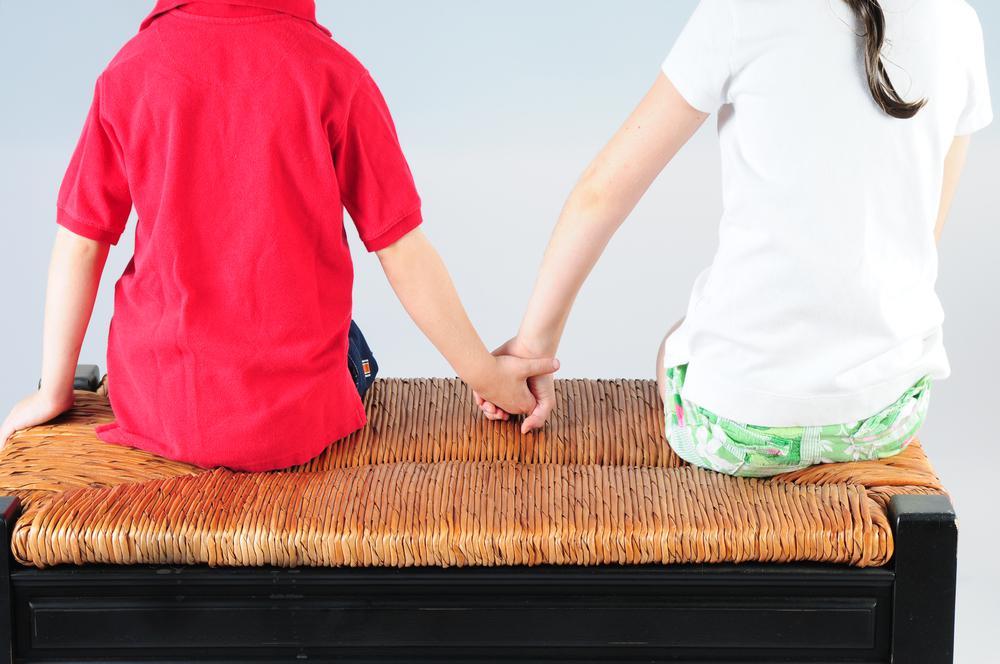
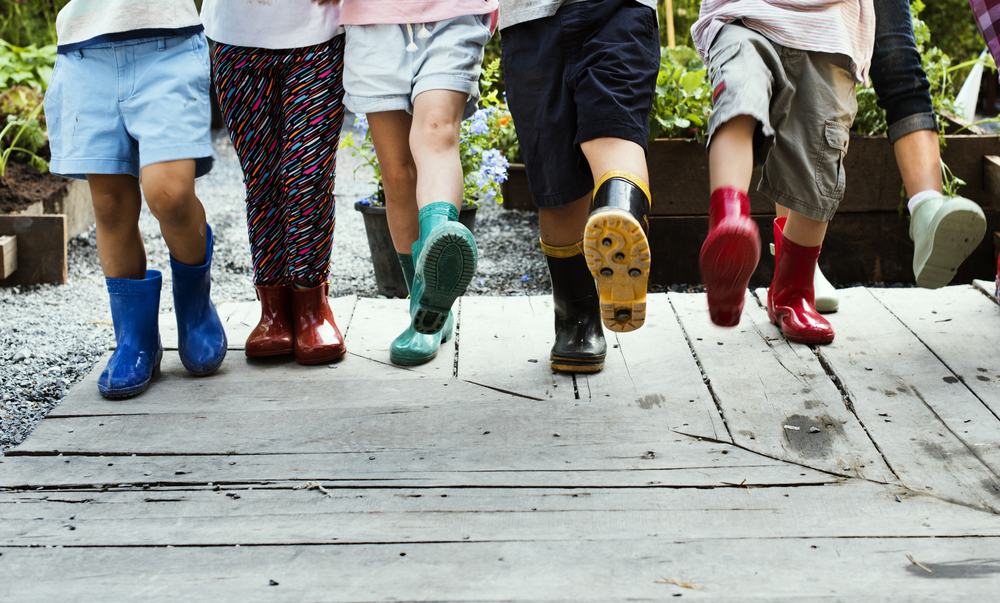

Memory improvement in Social Studies for children ages 3-8 is crucial for several reasons. First, early childhood is a critical developmental period where cognitive skills, including memory, are forming rapidly. Enhancing memory can lead to better comprehension of social concepts, such as family, community, and heritage, fostering a strong identity and understanding of the world.
Second, memory plays a key role in learning history and geography. When children can retain information about historical events, significant figures, and geographical locations, they build a foundation for more complex subjects in the future. Memory enhancement activities, such as storytelling, interactive games, and hands-on projects, make learning engaging and enjoyable, encouraging a natural curiosity about the social environment around them.
Additionally, strong memory skills contribute to better academic performance overall. Children who can remember details and make connections are more likely to participate confidently in discussions and activities. This boosts their social skills and emotional intelligence, enabling them to collaborate effectively with others. Ultimately, investing in memory improvement in Social Studies nurtures well-rounded, informed individuals who are prepared to become engaged citizens in a diverse world, underscoring the need for parents and teachers to prioritize this aspect of early education.