Understanding patterns Social Studies Worksheets for Ages 3-8
4 filtered results
-
From - To
Explore our "Understanding Patterns" Social Studies worksheets designed for children ages 3-8. These engaging and educational printables help young learners recognize and interpret various patterns found in social studies contexts. From identifying trends in community activities to understanding historical sequences, our worksheets foster critical thinking and analytical skills. Featuring colorful visuals and age-appropriate challenges, these activities make mastering patterns fun and interactive. Perfect for both classroom use and at-home learning, these worksheets are a valuable resource for early grade teachers and parents aiming to boost their child's cognitive development in a foundational subject. Start discovering the world of patterns today!
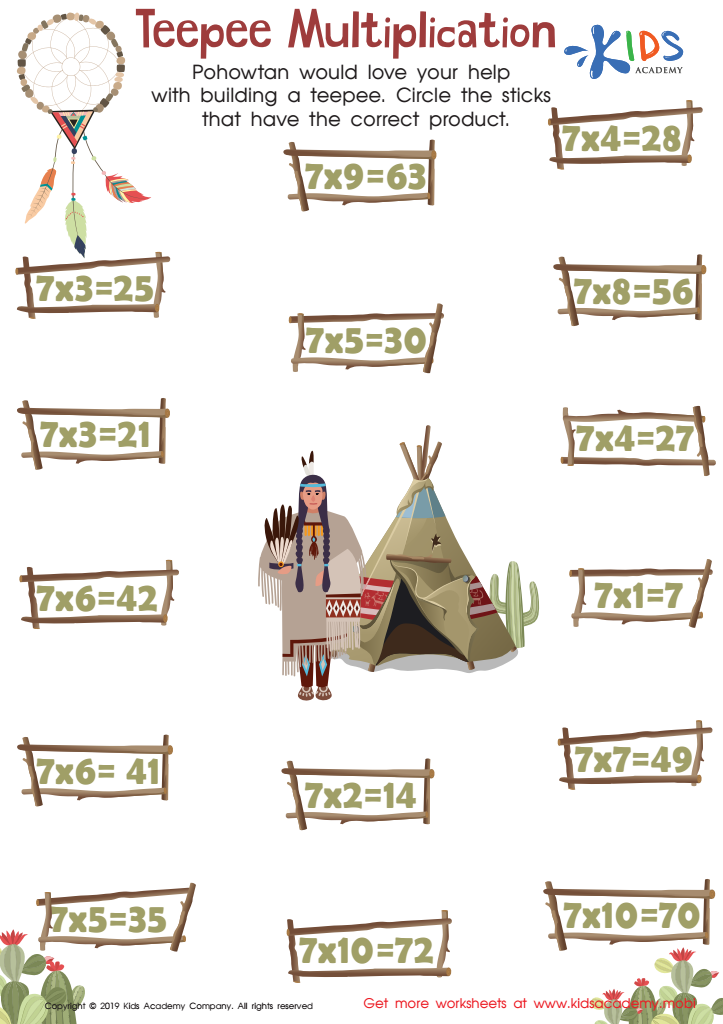
Teepee Multiplication Worksheet
 Assign to My Students
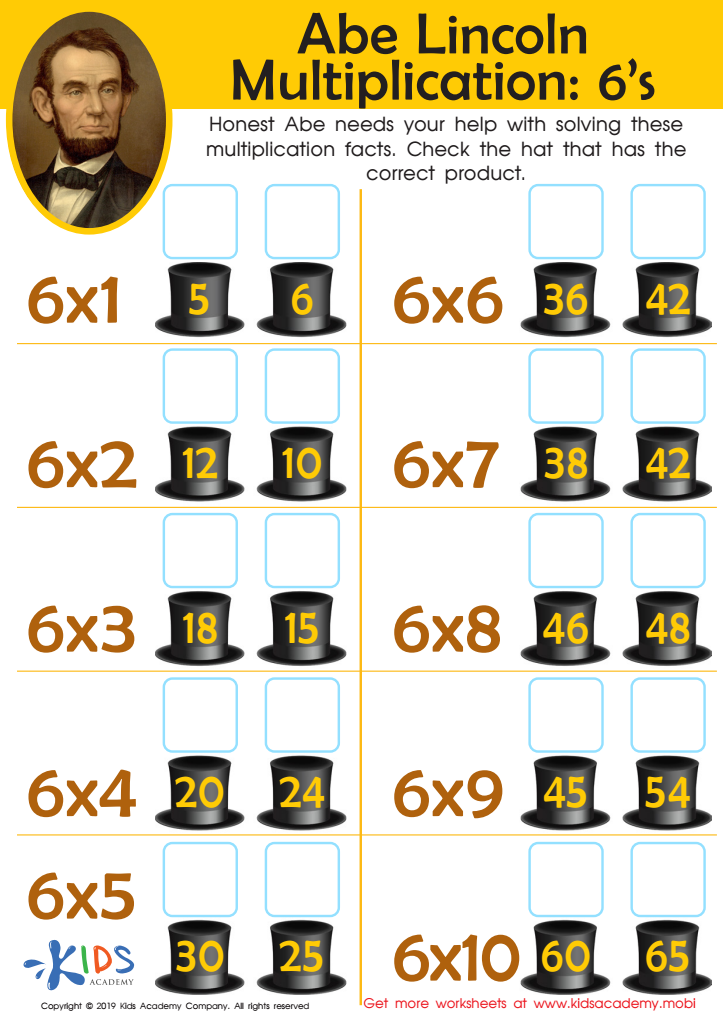
Abe Lincoln Multiplication: 6’s Worksheet
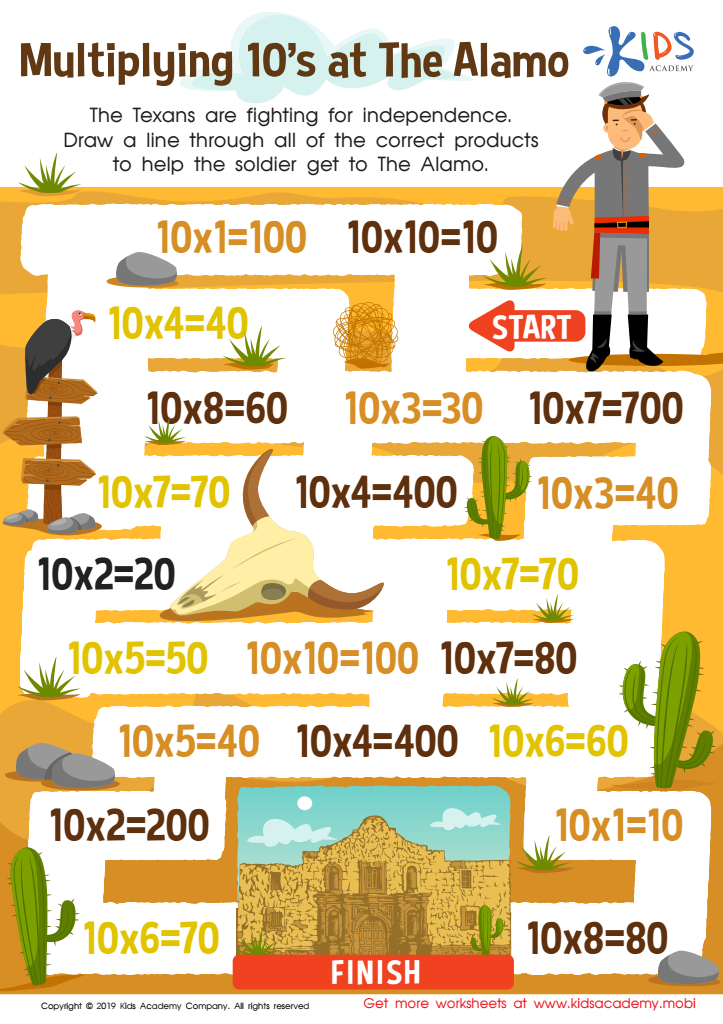
Multiplying 10’s at The Alamo Worksheet
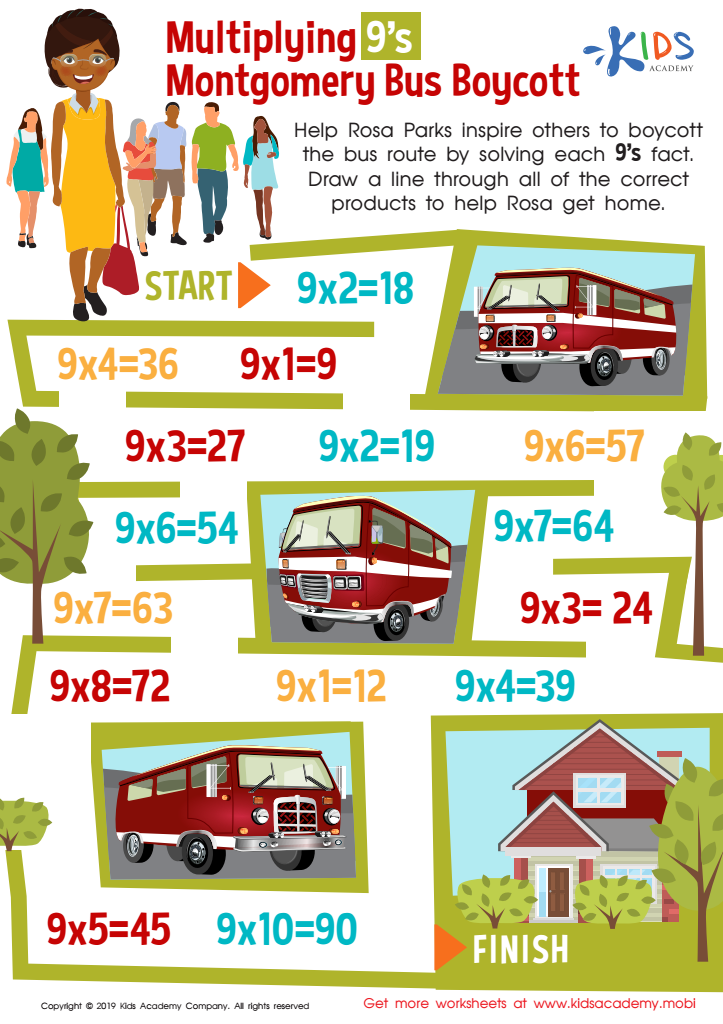
Multiplying 9’s Montgomery Bus Boycott Worksheet








Understanding patterns in social studies for children aged 3-8 is crucial because it lays a foundation for critical thinking and analytical skills. At this young age, children are developing cognitive abilities that allow them to recognize and interpret patterns, which are fundamental to understanding historical events, cultural traditions, and social behaviors.
When children learn about recurring themes and patterns in social studies, they begin to understand how events and actions are interconnected. This perspective helps them make sense of the world around them. Recognizing patterns also aids in the development of problem-solving skills as they start to predict outcomes based on previous events. Such skills are transferable across disciplines, promoting overall intellectual growth.
Caring about this aspect of social studies also fosters empathy by teaching children about diverse histories and cultures. They start to see patterns in how communities interact and build respect for different ways of life. Moreover, early exposure to social studies helps children understand complex concepts like fairness, justice, and cooperation.
For parents and teachers, emphasizing patterns in social studies lessons can make learning engaging and relatable. Activities like sequencing events, storytelling, and interactive discussions make abstract ideas comprehensible for young minds. Thus, focusing on these patterns provides a robust educational foundation that benefits students throughout their academic journey and beyond.