Visual recognition Social Studies Worksheets for Ages 3-8
6 filtered results
-
From - To
Discover engaging Visual Recognition Social Studies Worksheets for ages 3-8, designed to captivate young learners while developing essential skills. Our worksheets feature vibrant, age-appropriate images and activities that foster visual discrimination and cognitive growth. Kids will explore community helpers, landmarks, map symbols, and more, enhancing their understanding of the world around them. Perfect for parents and teachers, these resources make learning social studies enjoyable and effective. Boost your child's visual recognition and critical thinking abilities with our expertly crafted printables. Ideal for classroom use or at-home learning - where education meets fun!
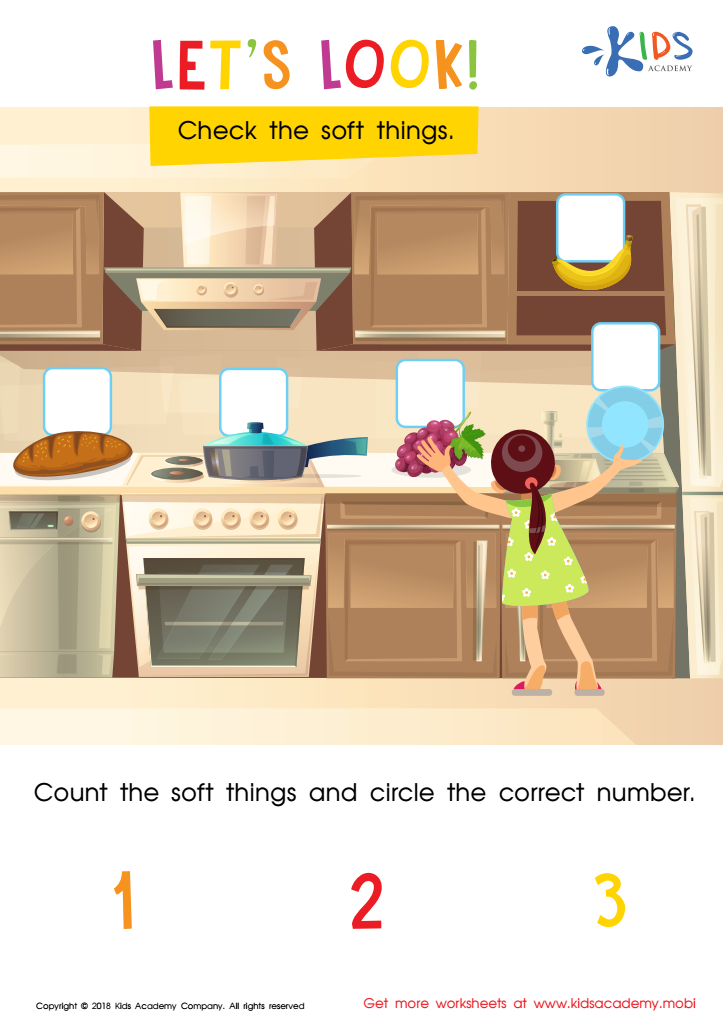
Let's Look! Assessment Worksheet
 Assign to My Students
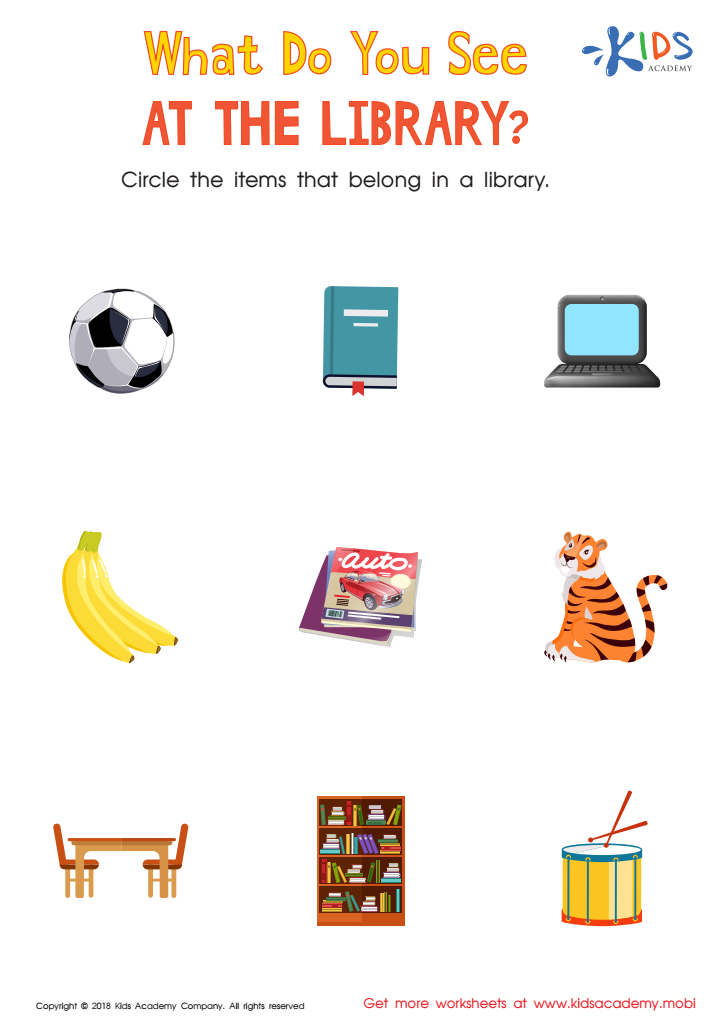
What Do you See at the Library? Worksheet
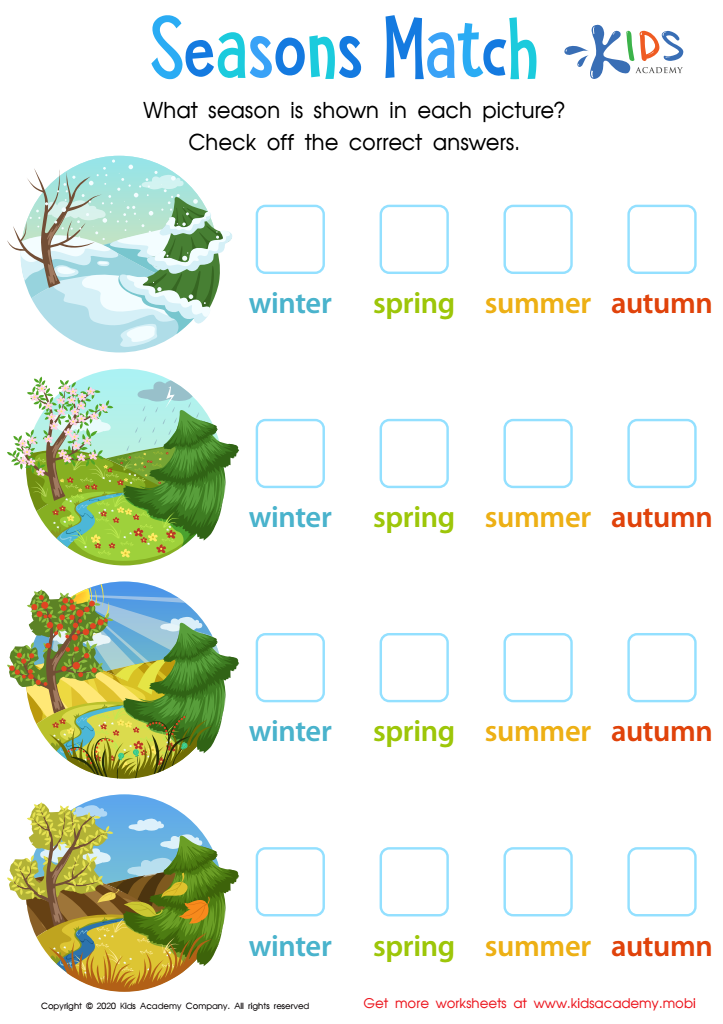
Seasons Match Worksheet
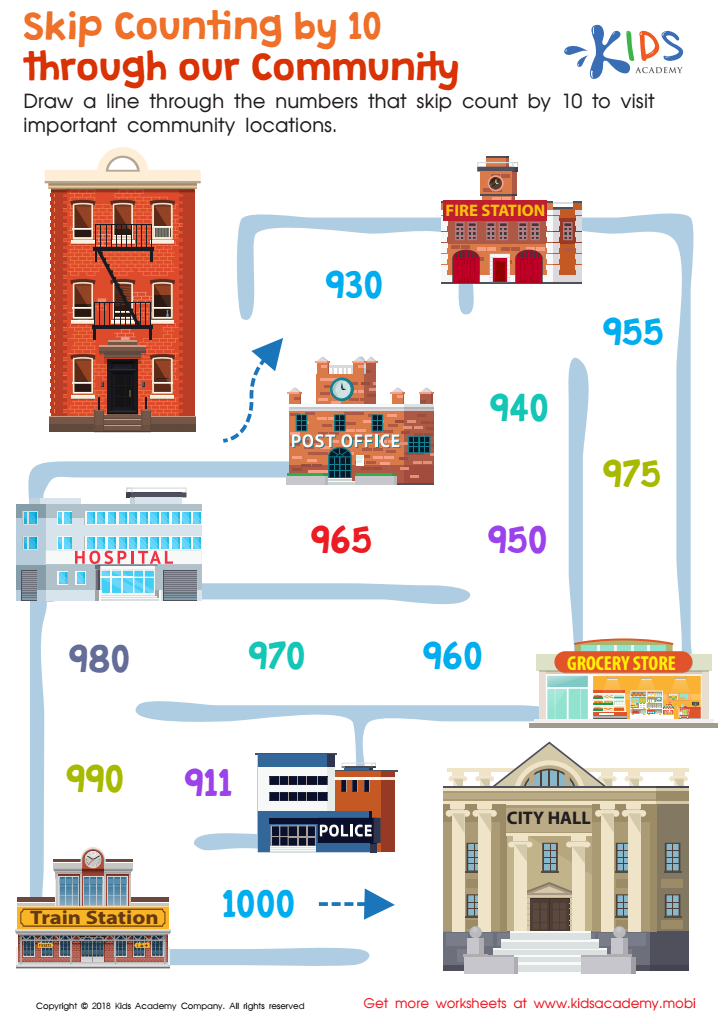
Skip Counting by 10 Through Our Community Worksheet
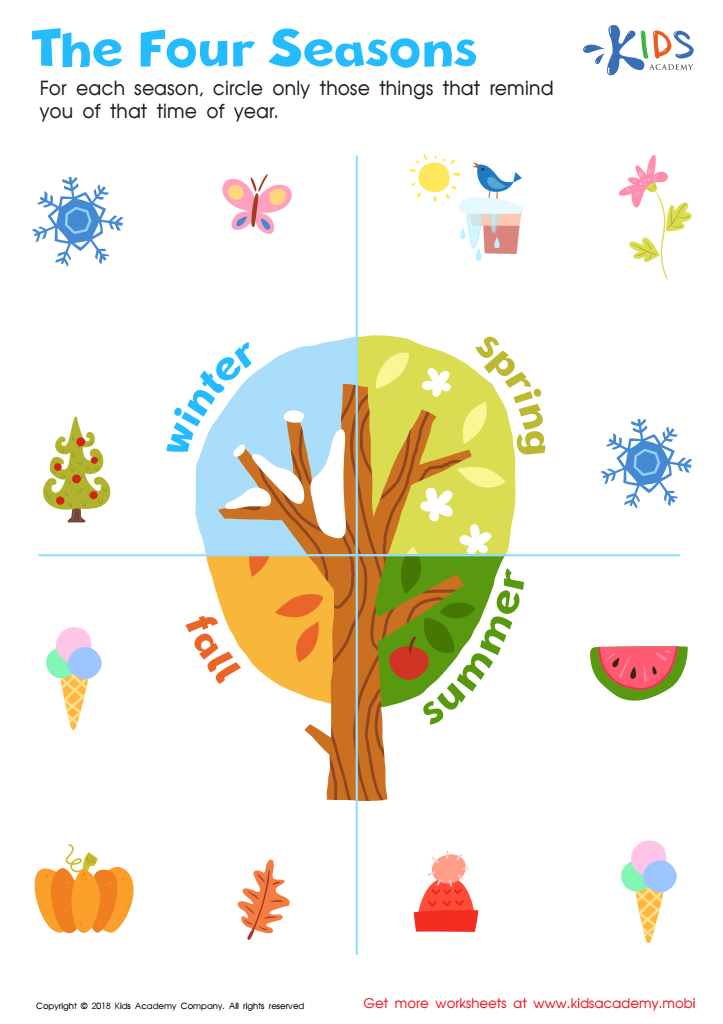
The Four Seasons Worksheet
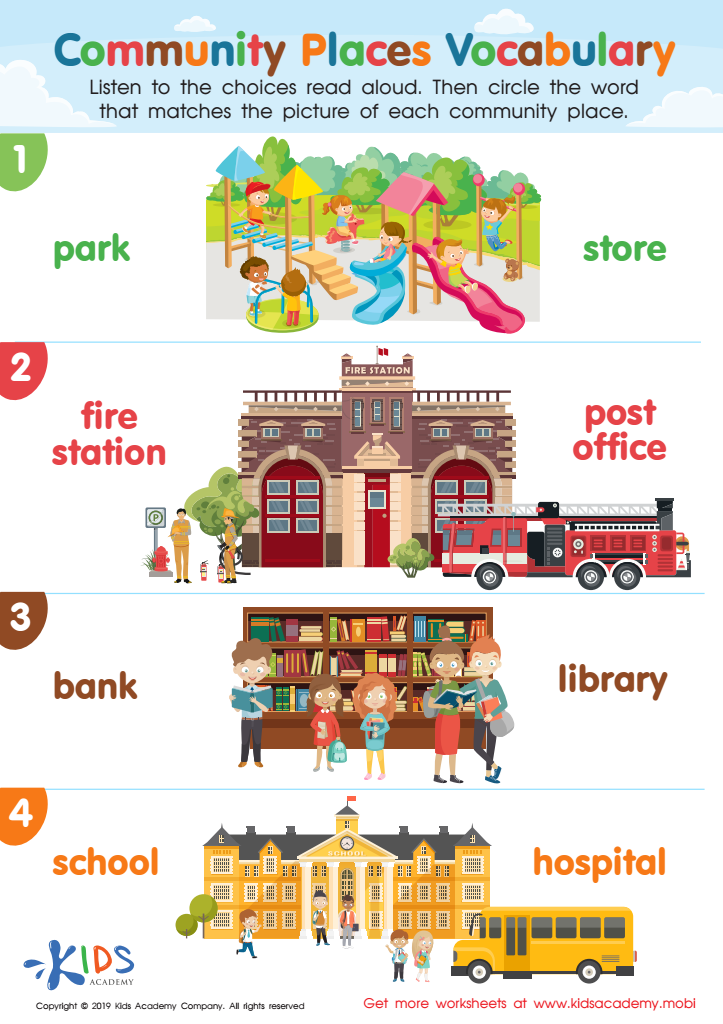
Community Places Vocabulary Worksheet







Visual recognition in social studies is essential for children aged 3-8 because it builds foundational cognitive and social skills that profoundly benefit their overall development. At this tender age, young learners are naturally visual and curious. Introducing them to visual elements like pictures, charts, maps, and symbols can help them grasp complex social studies concepts.
Firstly, visual recognition aids in memory retention. Children are more likely to remember information that is presented in a visually engaging manner. For instance, using images of different types of communities or historical events can make abstract concepts tangible and memorable.
Additionally, it encourages critical thinking and observational skills. When children compare and contrast visuals, they learn to notice differences, ask important questions, and make inferences. This analytical thinking is the bedrock of a well-rounded education.
Moreover, integrating visual recognition into social studies nurtures inclusivity and empathy. Exposure to diverse cultures, traditions, and ways of life enables young children to appreciate and respect different perspectives. This is crucial in cultivating compassionate global citizens.
Lastly, visual aids make learning interactive and fun, keeping children motivated and engaged. Therefore, prioritizing visual recognition in social studies education for young learners sets a strong foundation for lifelong learning and social awareness.








