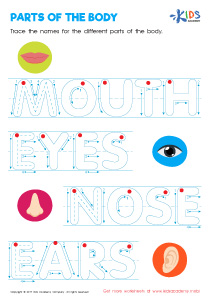
Vocabulary enhancement World Around Us Worksheets for Ages 3-8
16 filtered results
-
From - To
Introducing "Vocabulary Enhancement: World Around Us Worksheets for Ages 3-8"! Our engaging worksheets nourish young minds with vividly designed exercises that make learning new words fun and effective. Tailored for preschool through early elementary students, these resources cover a wide array of themes, including nature, animals, everyday objects, and community helpers. With a focus on interactive word recognition, picture association, and sentence formation, kids will build a solid vocabulary foundation. Perfect for home or classroom use, our worksheets support educational development while sparking curiosity and joy in learning. Explore our selection today and watch your child’s language skills flourish!
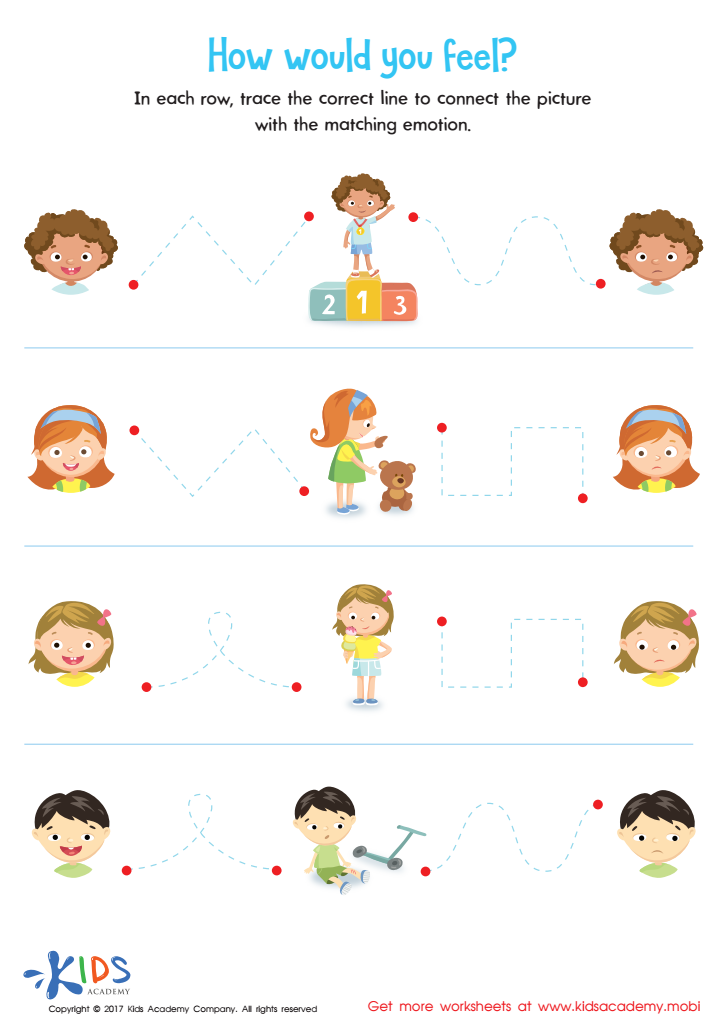
Feelings and Emotions Worksheet
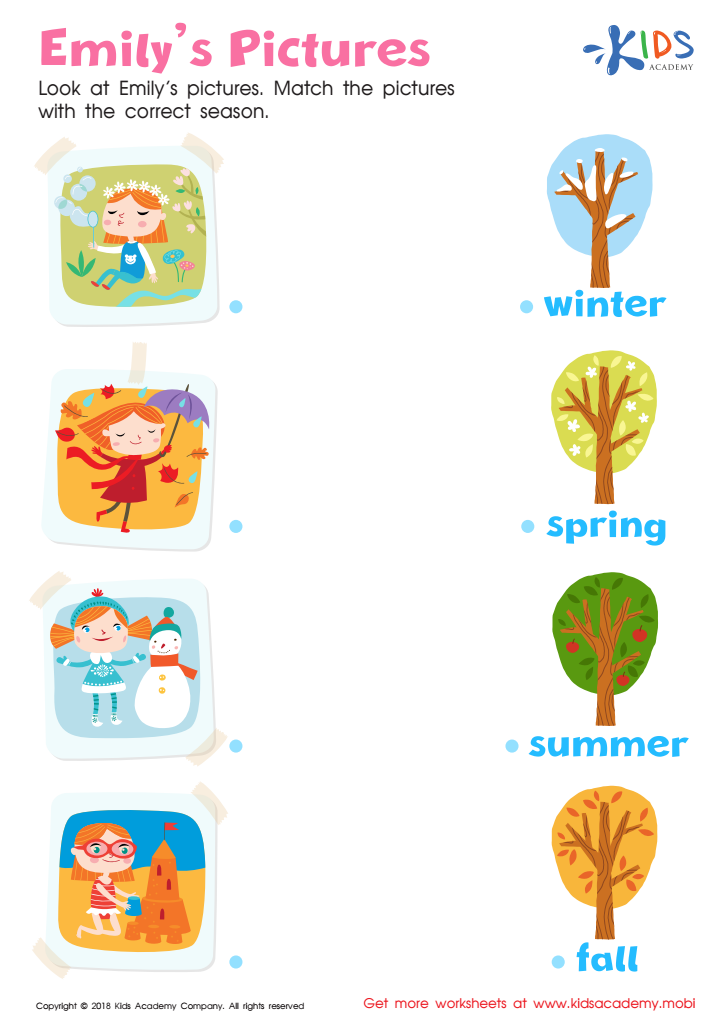
Emily's Pictures Worksheet
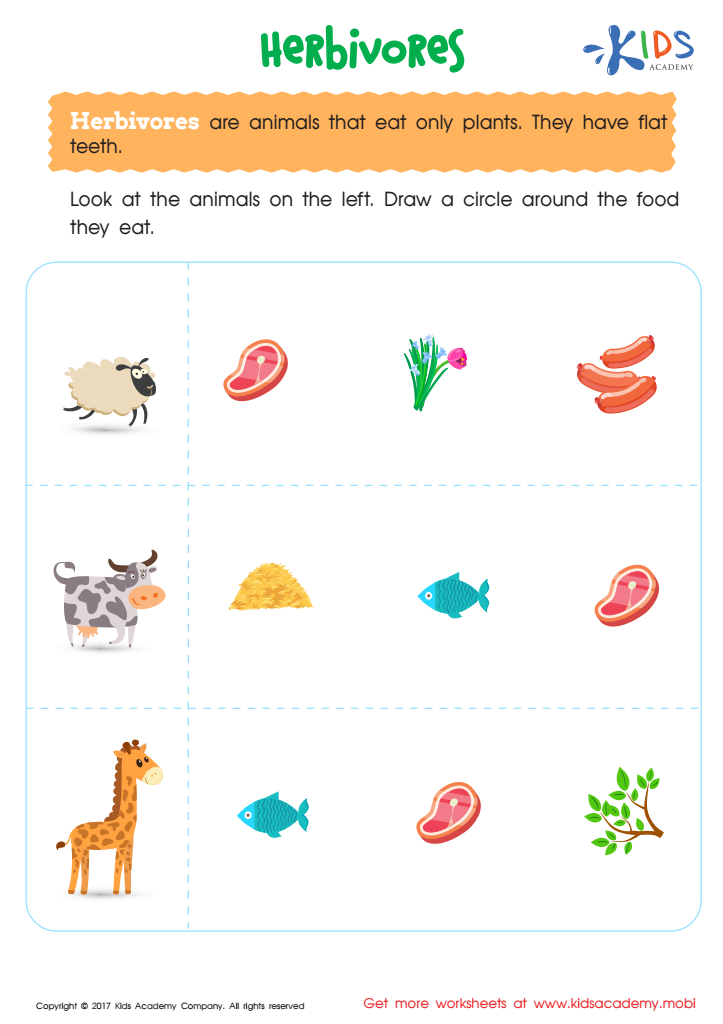
Herbivores Printable
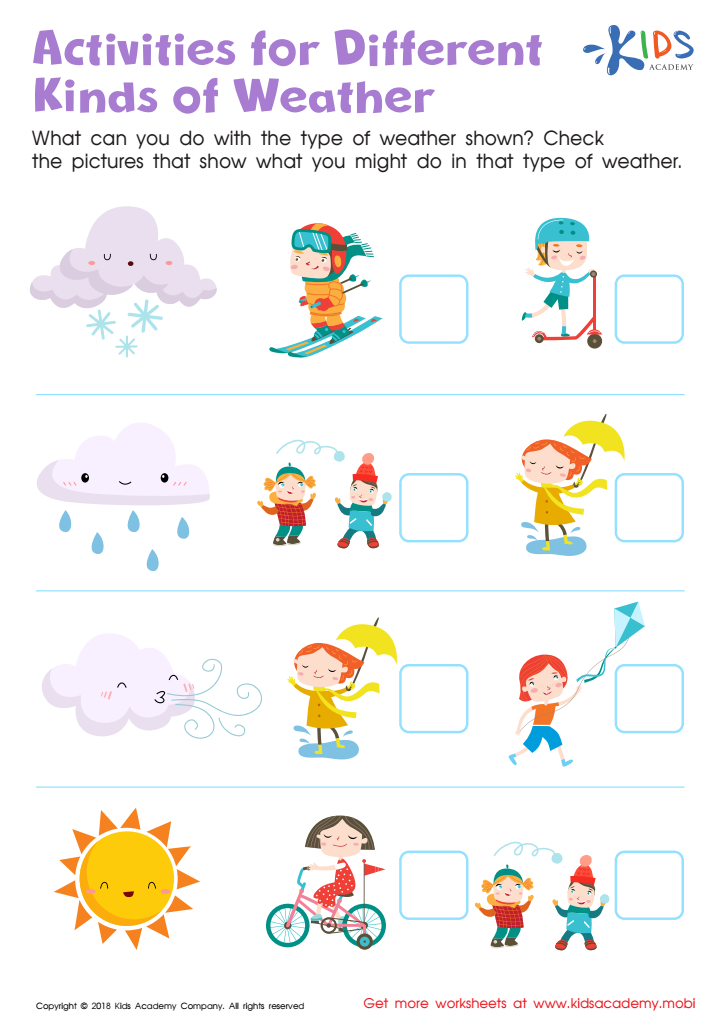
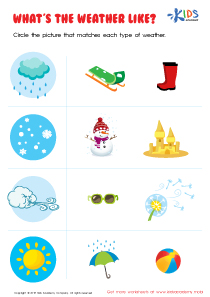
Activities for Different Kinds of Weather Worksheet
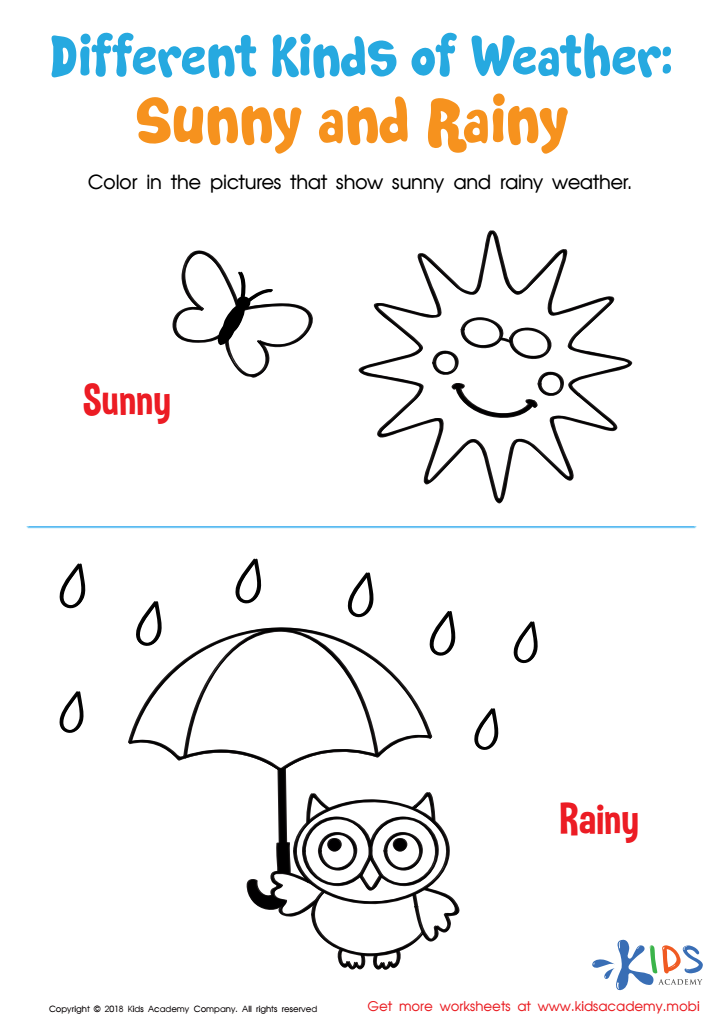
Different Kinds of Weather: Sunny and Rainy Worksheet
 Assign to My Students
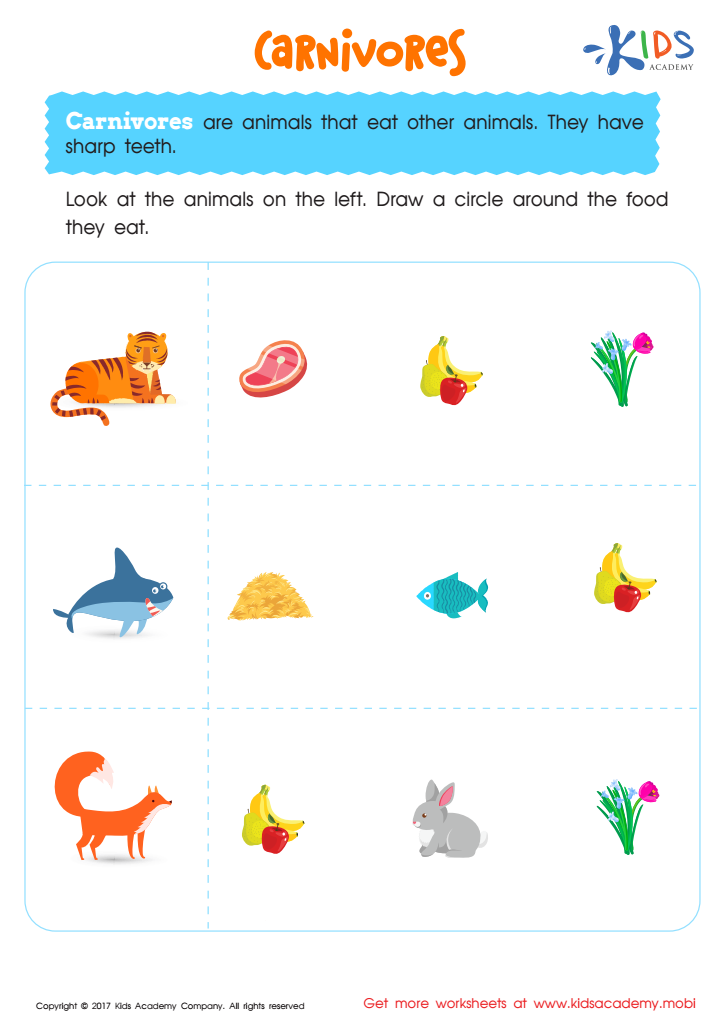
Carnivores Worksheet
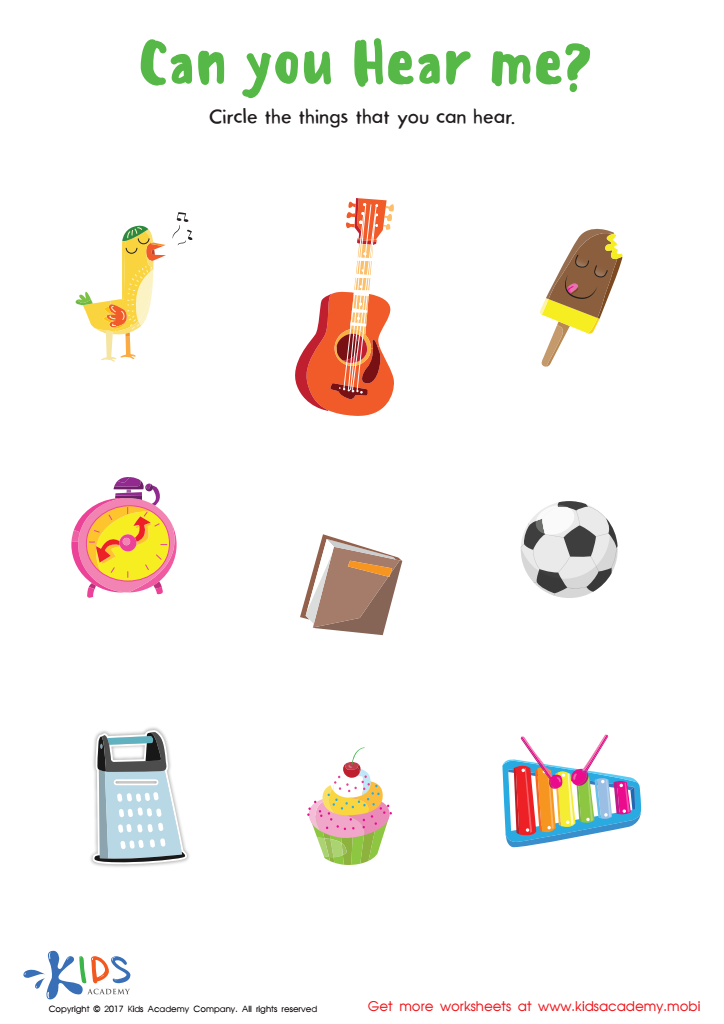
Can You Hear Me Worksheet
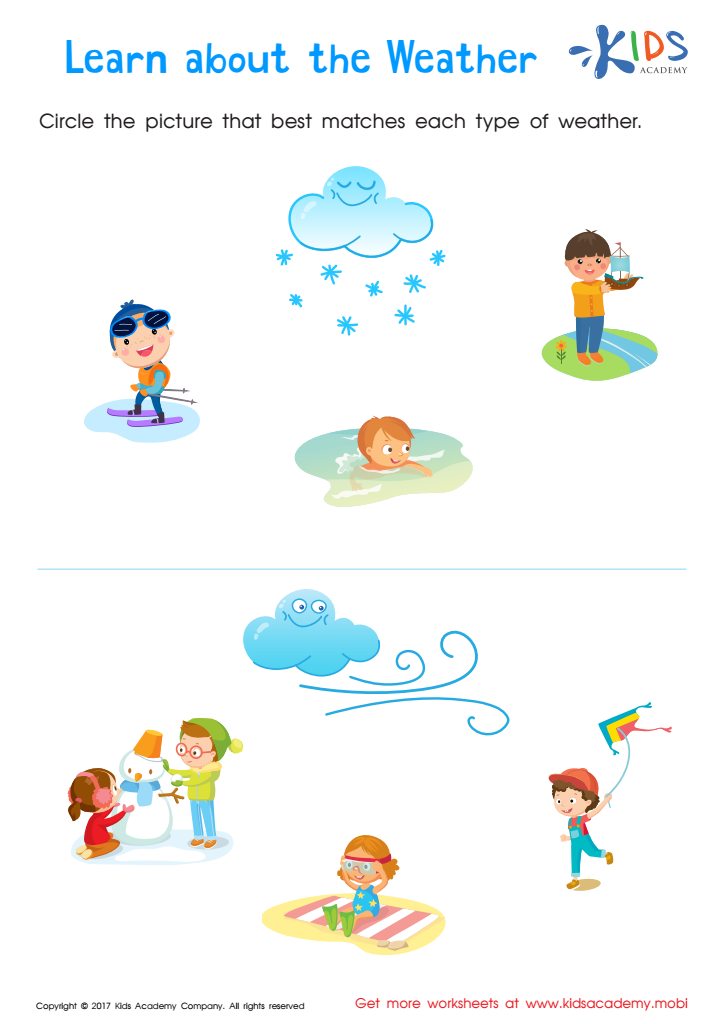
About the Weather Printable
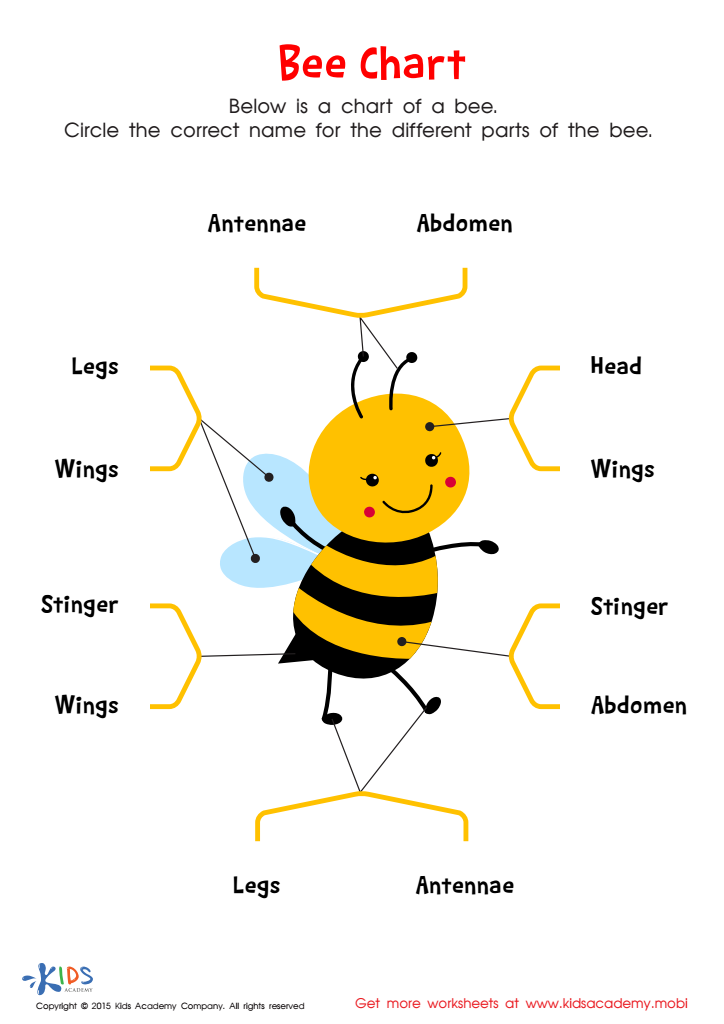
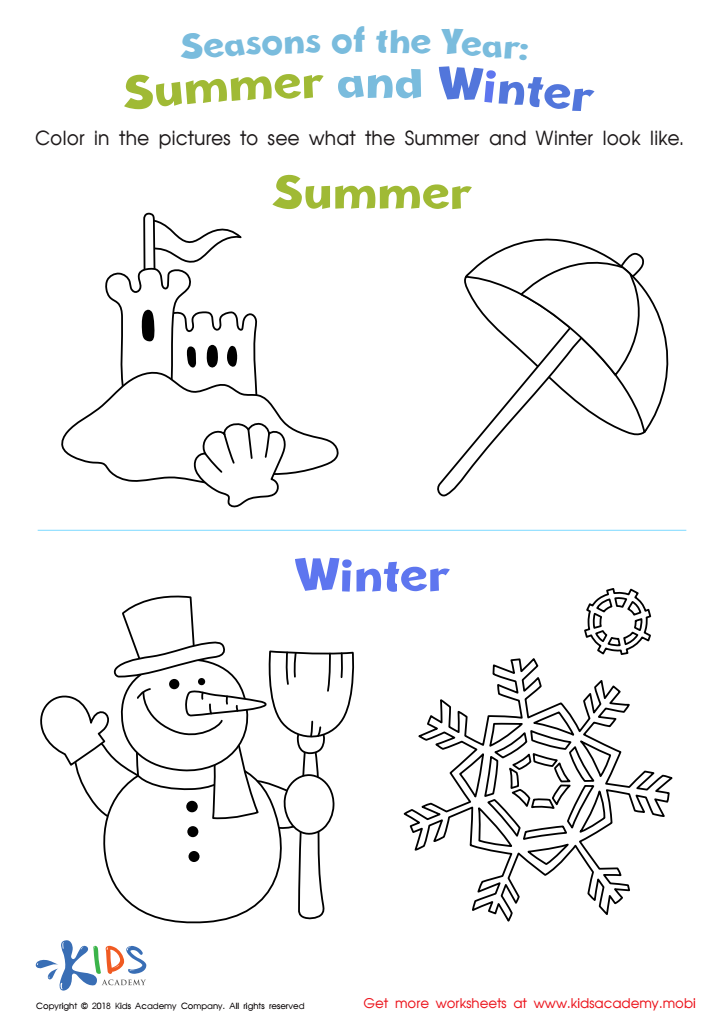
Summer and Winter Worksheet
Assign to My Students
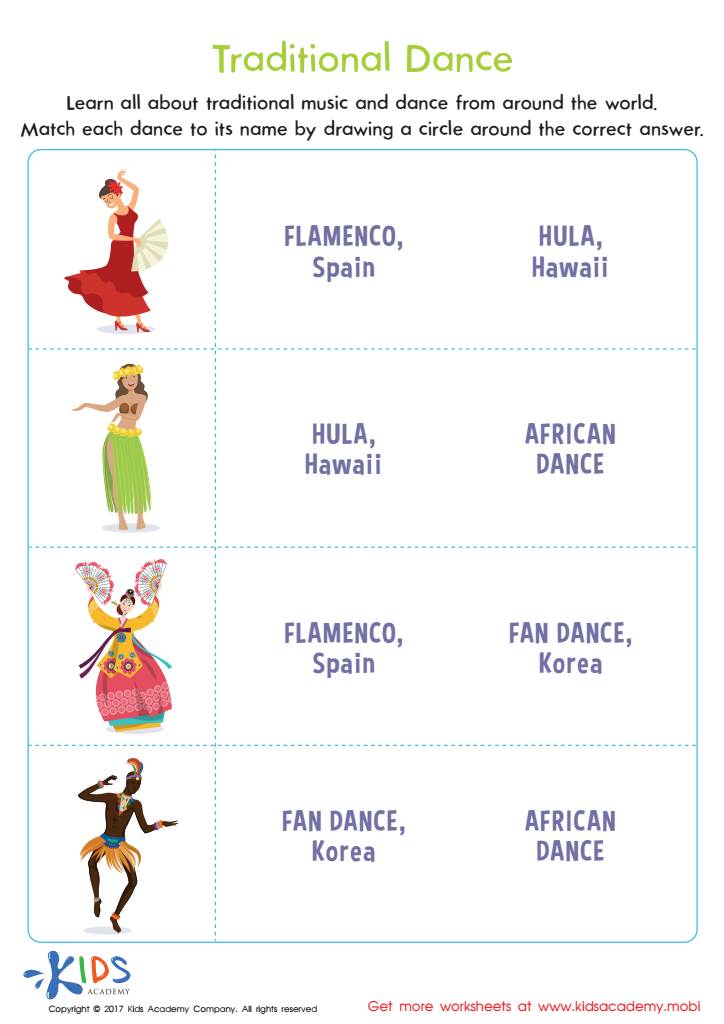
Traditional Dance Printable
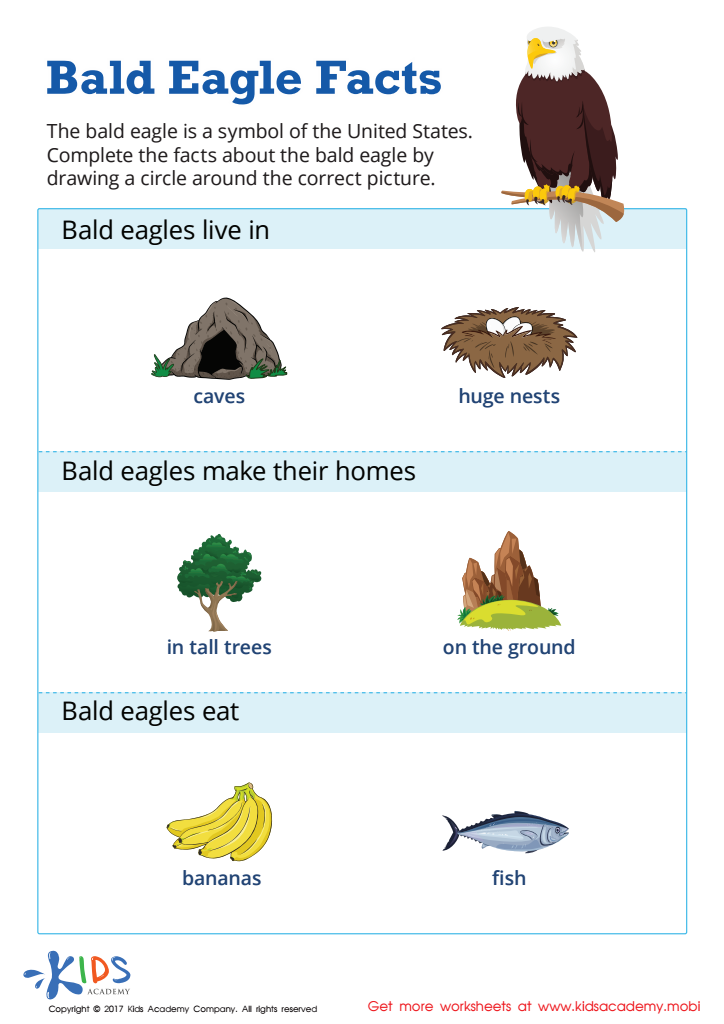
Bald Eagle Facts Worksheet
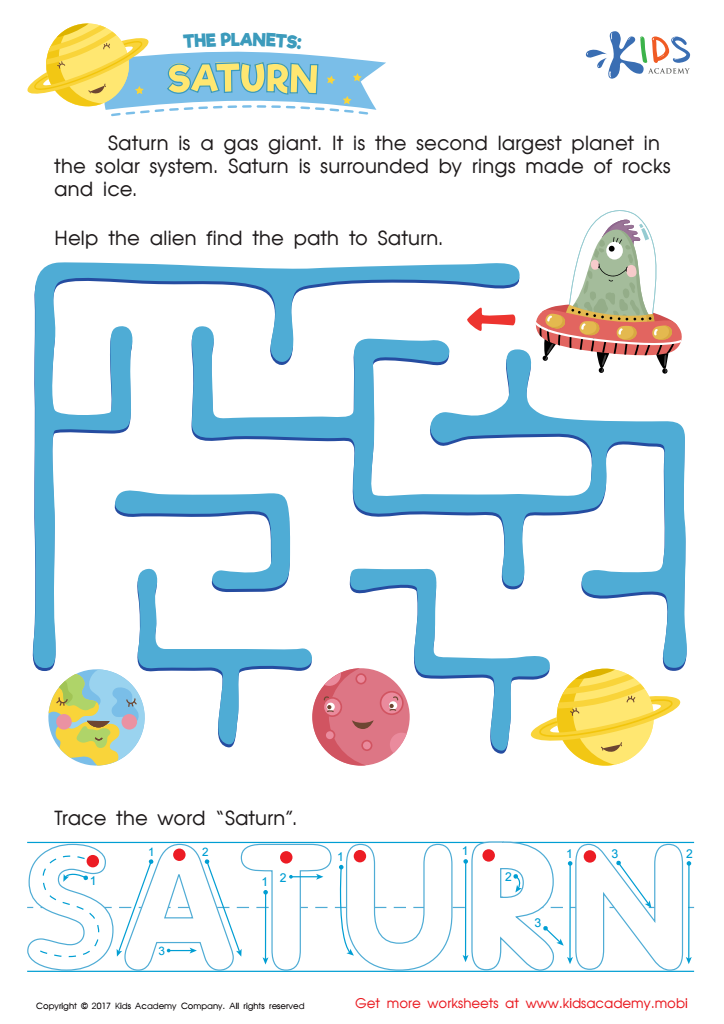
The Planets: Saturn Printable
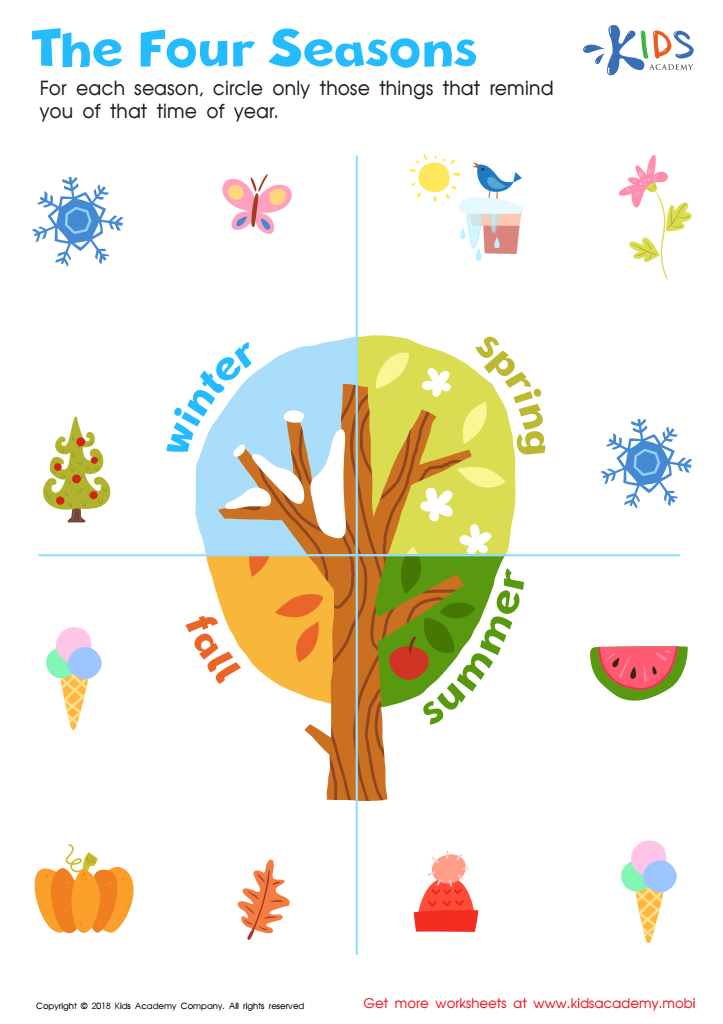
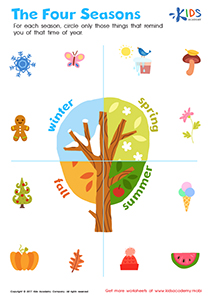
The Four Seasons Worksheet
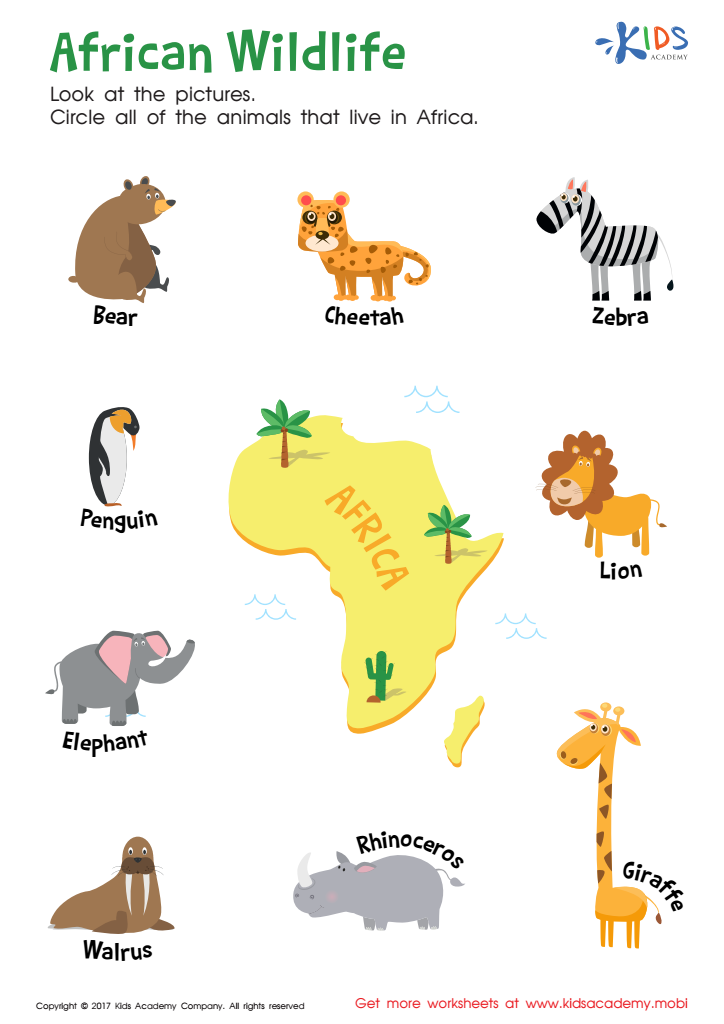
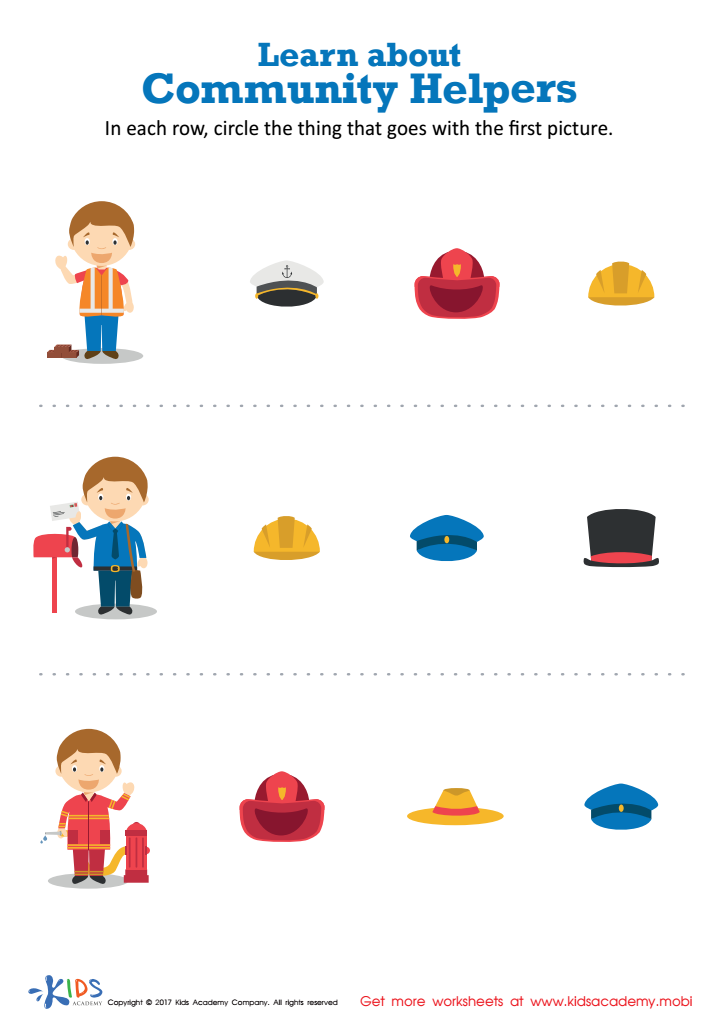
Learn about Community Helpers Printable







Vocabulary enhancement for children aged 3-8 is crucial for several key reasons. Firstly, a rich vocabulary sets the foundation for effective communication. Children with a strong vocabulary can express their thoughts, needs, and emotions more clearly, fostering better relationships with peers and adults.
Secondly, vocabulary is directly linked to a child's reading comprehension. When children understand more words, they can grasp the meaning of texts more easily, which promotes a love for reading and learning. This early engagement with reading is fundamental, as skills developed at this age can influence academic success in later years.
Additionally, increasing a child's vocabulary enhances their cognitive abilities. It allows better understanding and conversation about the world around them, enhances problem-solving skills, and supports clearer and more creative thinking.
From a social-emotional standpoint, understanding and using a broad range of words helps children navigate their social world more adeptly. They better understand stories, play with more complexity and interact more richly.
Teachers and parents play a pivotal role in vocabulary enhancement by incorporating storytelling, conversation, reading, and play-based learning into daily routines. These activities naturally and enjoyably introduce new words, making learning seamless and enjoyable.
Therefore, prioritizing vocabulary development from an early age yields lifelong benefits in communication, reading comprehension, cognitive abilities, and social interactions.