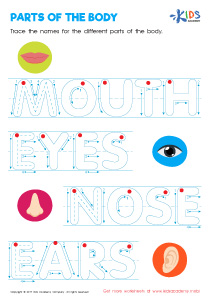
Community Worksheets for Ages 3-8 - Page 2
31 filtered results
-
From - To
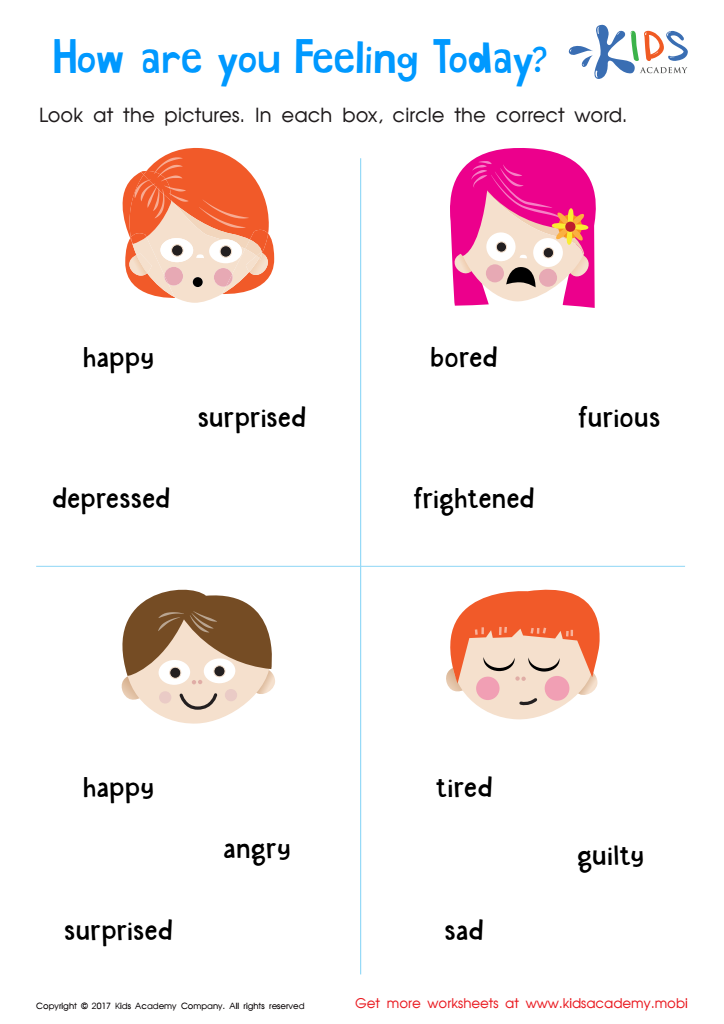
Understanding Feelings Worksheet
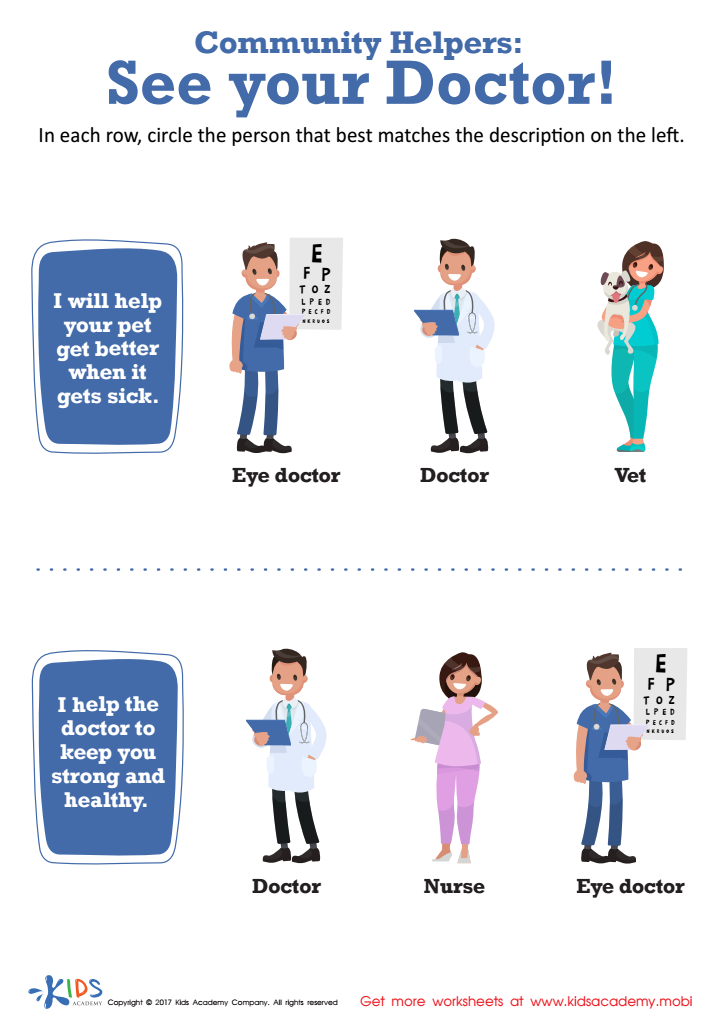
See Your Doctor (Part 2) Printable

Family Coloring Page
 Assign to My Students
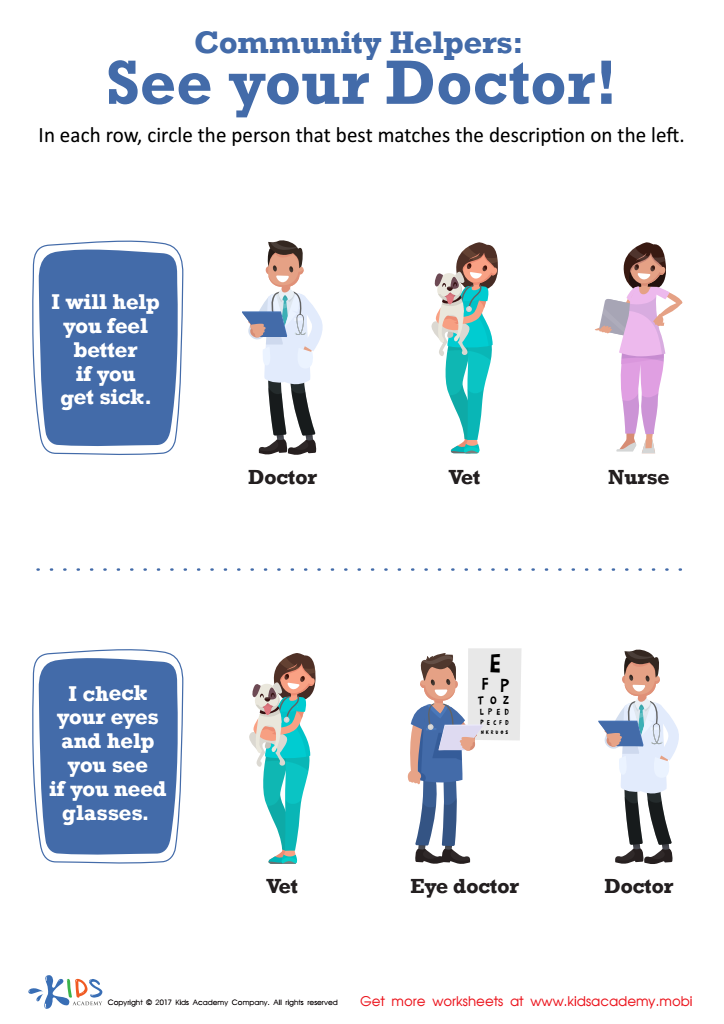
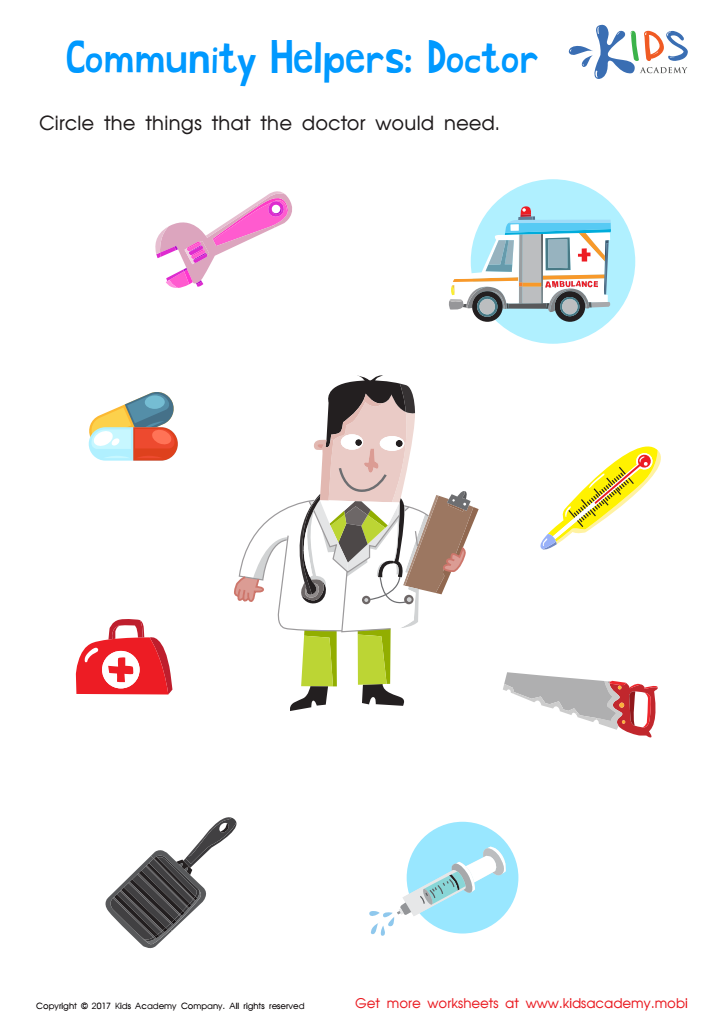
See Your Doctor (Part 1) Printable
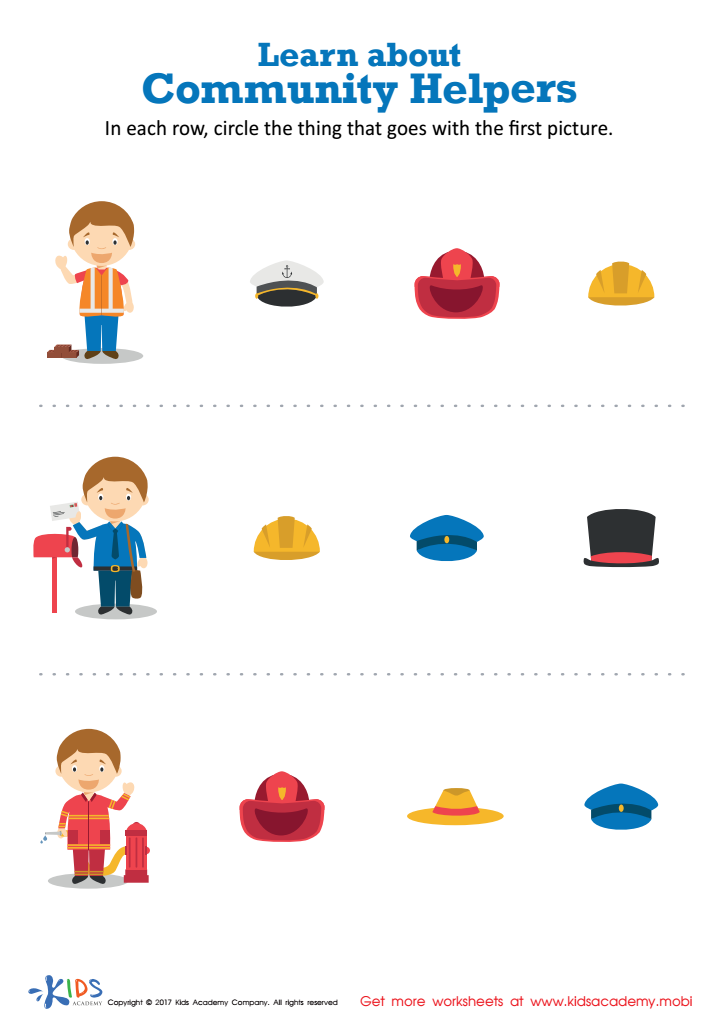
Learn about Community Helpers Printable
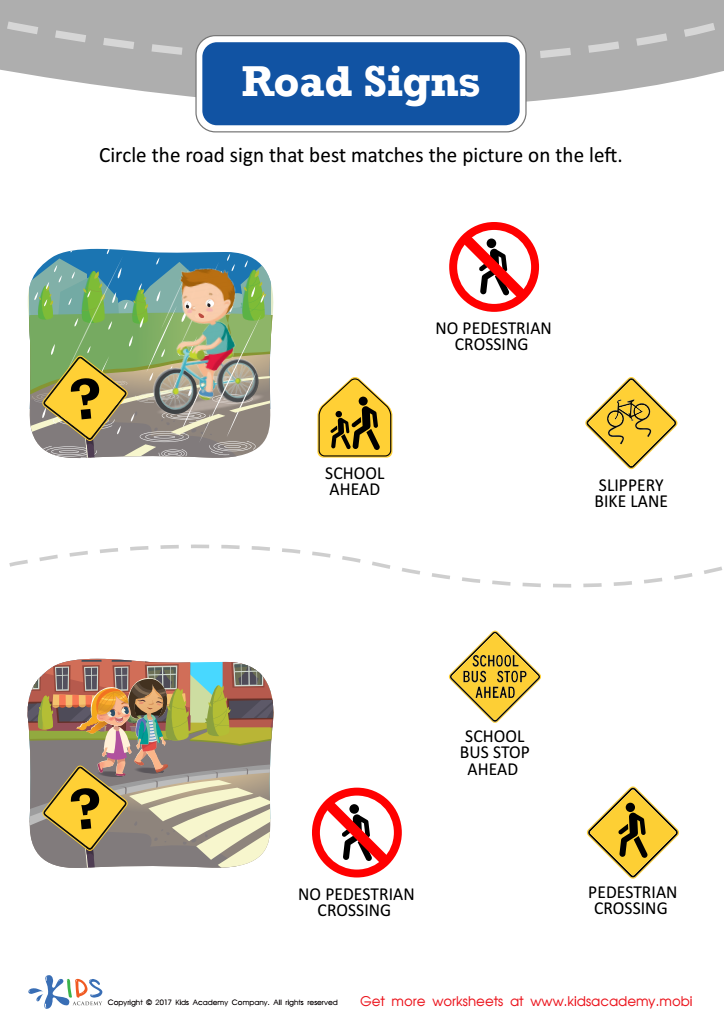
Road Signs (Part 2) Printable








Caring about community for children ages 3-8 is crucial for their holistic development. At this tender age, children are highly impressionable and their environment significantly shapes their social, emotional, and cognitive growth. Communities provide a sense of belonging and security which is vital for young kids. When parents and teachers invest in building a supportive community, they foster positive relationships, teaching youngsters essential values like empathy, cooperation, and respect.
Engagement in community activities promotes social skills as children interact with diverse individuals, learning to work collaboratively and understanding different perspectives. This eliminates feelings of isolation and builds confidence. Furthermore, exposure to various cultural and social norms within a community broadens their horizons, enhancing their adaptability and acceptance.
Communities also provide additional resources such as libraries, parks, and playgroups, which bolster educational and recreational opportunities outside the formal classroom setting. By participating in community-based education, kids experience experiential learning, making abstract concepts tangible and accessible. Moreover, strong parent-teacher-community collaboration ensures a consistent and supportive learning framework, addressing each child's unique needs more effectively.
Overall, prioritizing community for young children establishes a solid foundation for successful, well-rounded individuals, equipped with the social and emotional skills needed for life. It creates a nurturing environment that enhances development, making it essential for parents and teachers to care deeply about community involvement.