Sight word recognition Writing Worksheets for Ages 3-8
6 filtered results
-
From - To
Enhance your child's literacy skills with our engaging Sight Word Recognition Writing Worksheets for ages 3-8! Designed to support early learners, these printable worksheets provide fun activities that help children recognize and write essential sight words, building a strong foundation for reading fluency. Each worksheet features colorful illustrations and interactive prompts that make learning enjoyable. By practicing frequently used words, children will boost their confidence and comprehension skills. Perfect for home or classroom use, our resources cater to various learning styles, ensuring every child enjoys the journey of literacy. Start fostering your young child's reading success today with our dynamic sight word materials!
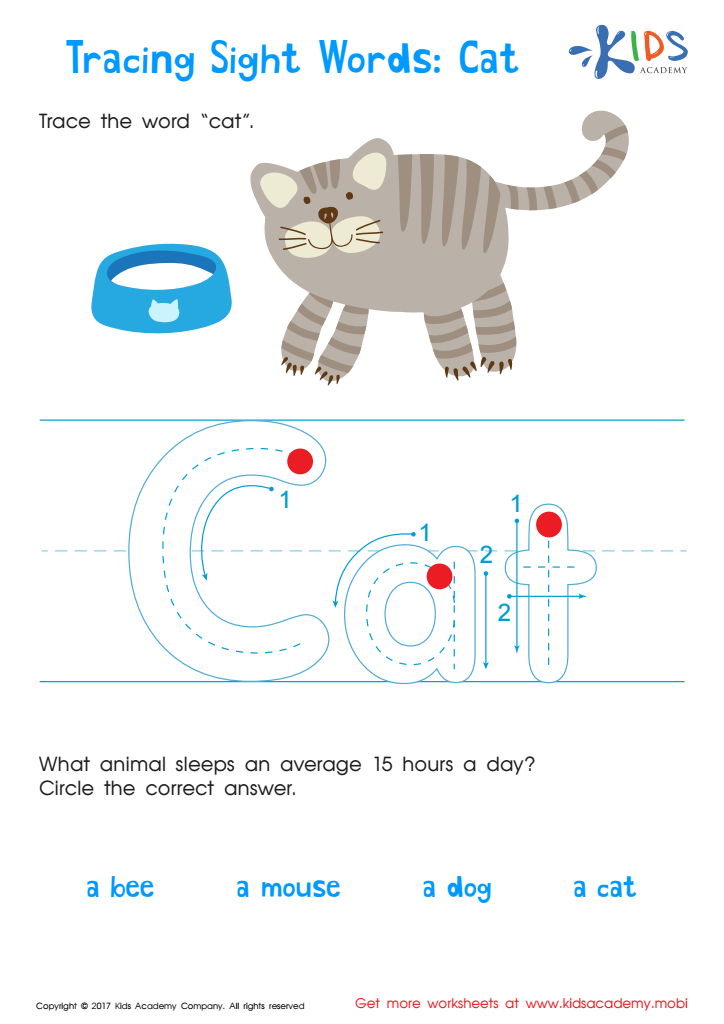
Cat Printable Sight Words Worksheet
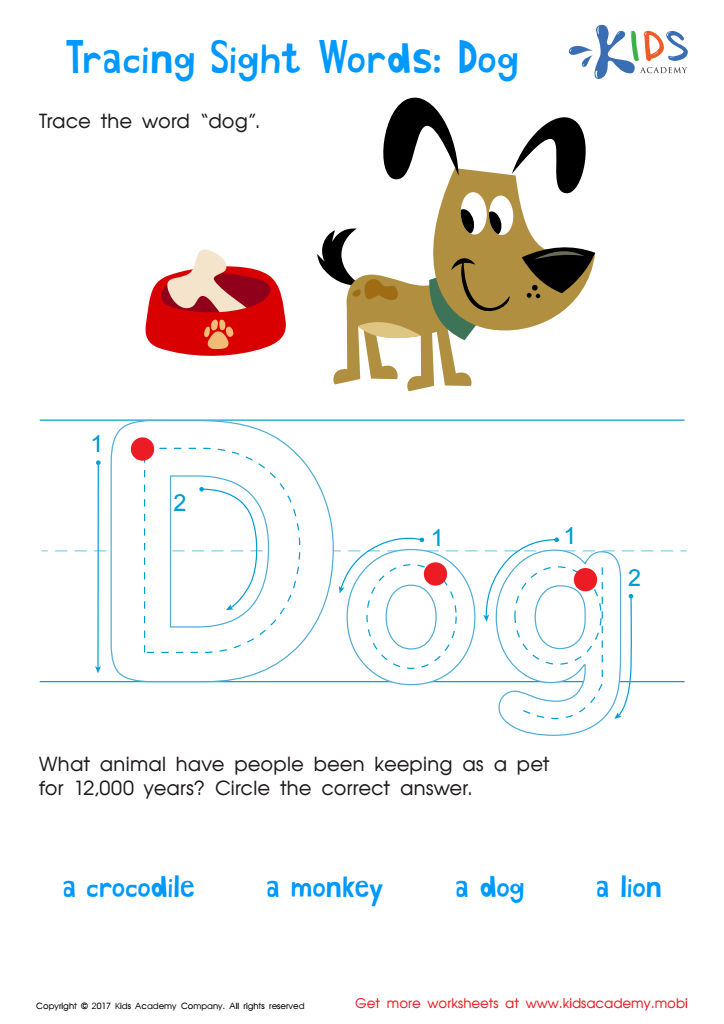
Dog Worksheet Sight Words Worksheet
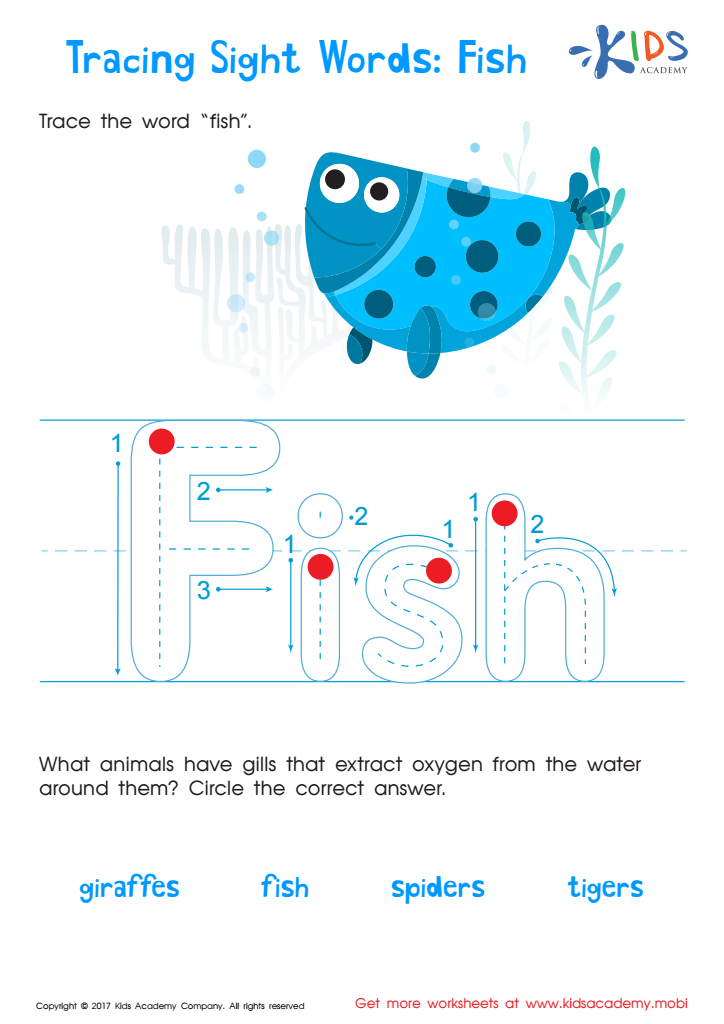
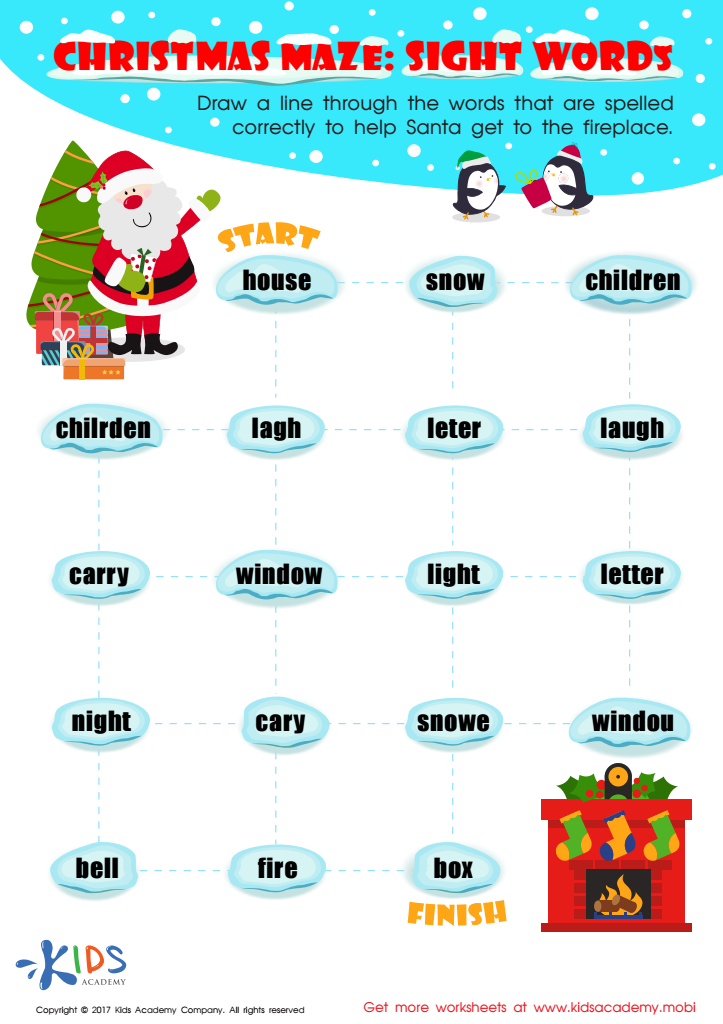
Sight Words Christmas Maze Printable
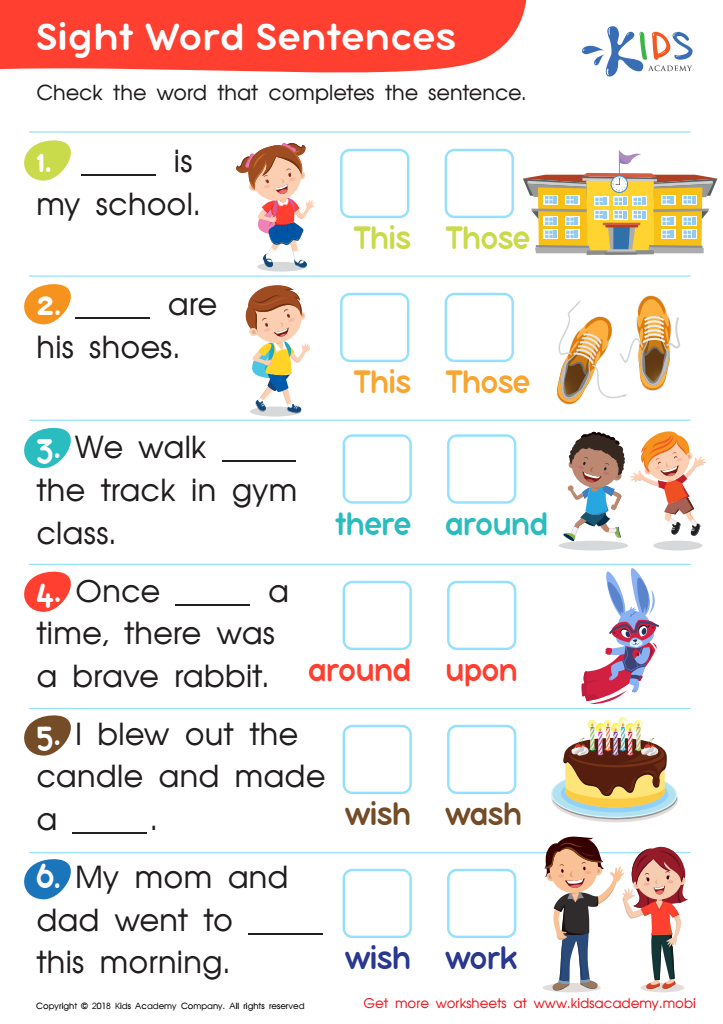
Sight Word Sentences Worksheet
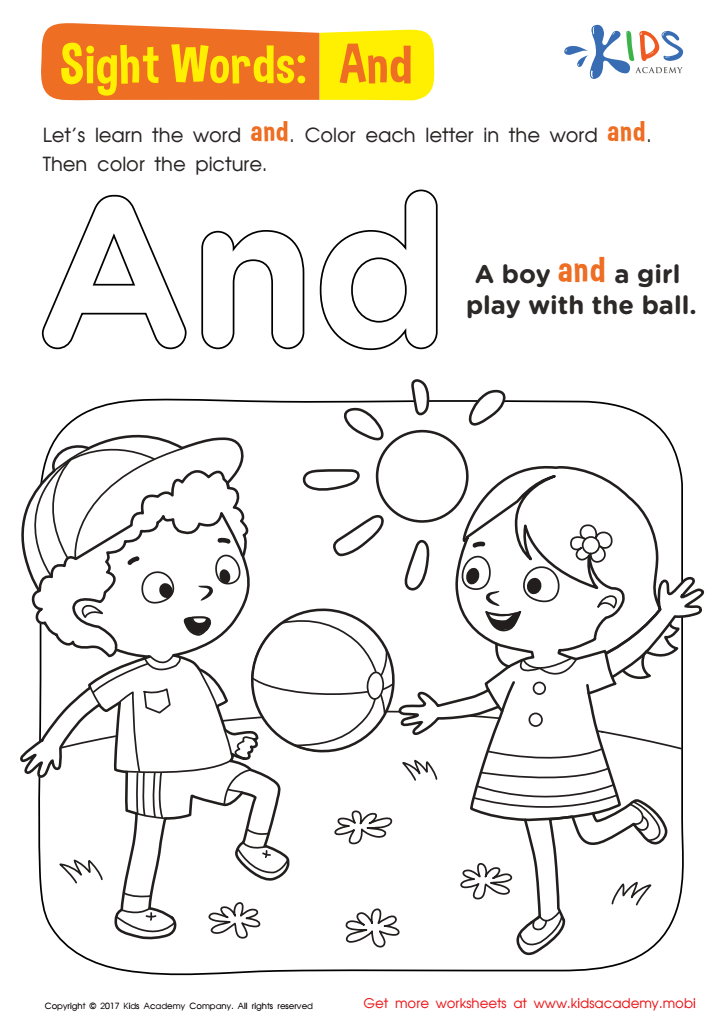
And Worksheet Sight Words Worksheet
 Assign to My Students






Sight word recognition is crucial for children aged 3-8 as it lays the foundation for reading fluency and comprehension. Sight words are commonly used words that young readers learn to recognize instantly, without needing to sound them out. This skill streamlines reading, allowing children to focus on understanding the text rather than decoding every word.
Parents and teachers should care deeply about this aspect of literacy development, as proficient sight word recognition enhances a child’s confidence and enjoyment in reading. When children can quickly identify words like "the," "and," and "is," they are more likely to engage with stories, build a richer vocabulary, and express their thoughts effectively.
Moreover, strong sight word recognition supports academic success across subjects. Children who can read fluently are better equipped to tackle comprehension activities, engage in discussions, and respond to written assignments. This pivotal skill fosters a lifelong love for reading, making it essential for parents and educators to incorporate sight word activities into daily learning routines.
By emphasizing sight word recognition, caregivers and teachers not only boost literacy skills but also instill a sense of accomplishment and enthusiasm for learning in young children, setting them on a path toward educational success.








