Handwriting practice Tracing Words Worksheets for Ages 3-8
14 filtered results
-
From - To
Discover our Handwriting Practice Tracing Words Worksheets, designed specifically for children aged 3-8. These engaging worksheets provide young learners with fun opportunities to practice their fine motor skills while tracing and writing essential words. Tailored to nurture early writing development, our resources feature a variety of words, enhancing vocabulary and reinforcing letter formation. Ideal for home or classroom use, these worksheets make handwriting practice enjoyable and effective. Encourage your child's confidence and proficiency in writing with our thoughtfully crafted tracing activities. Start your child's writing journey today and watch them flourish as they master the art of handwriting!
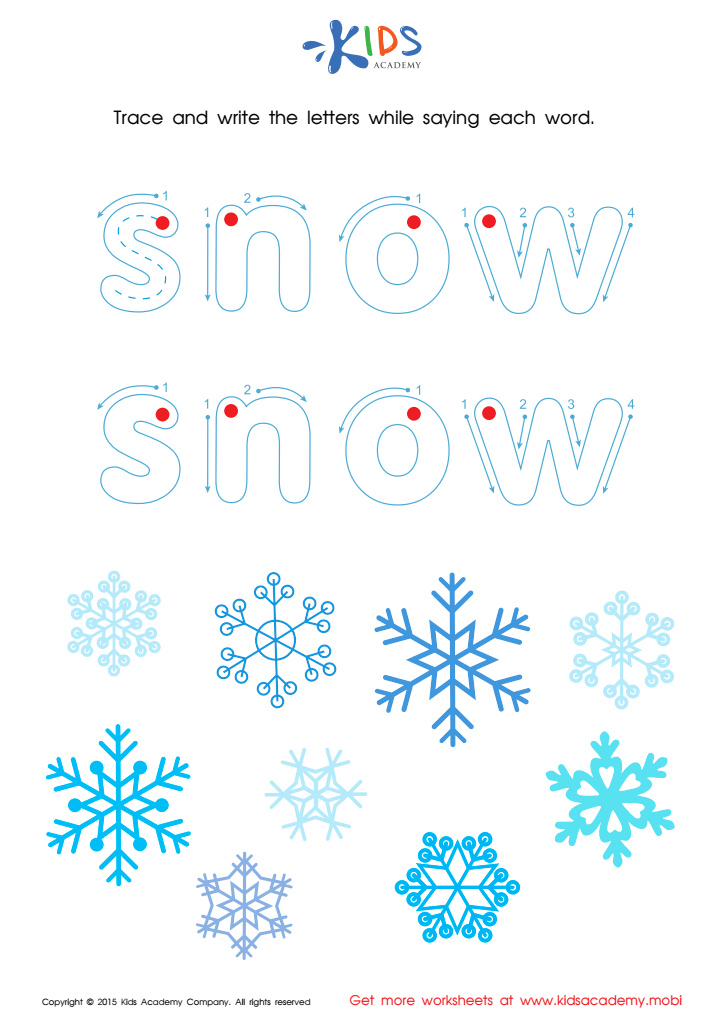
Snowflake Tracing Winter Words Worksheet
 Assign to My Students
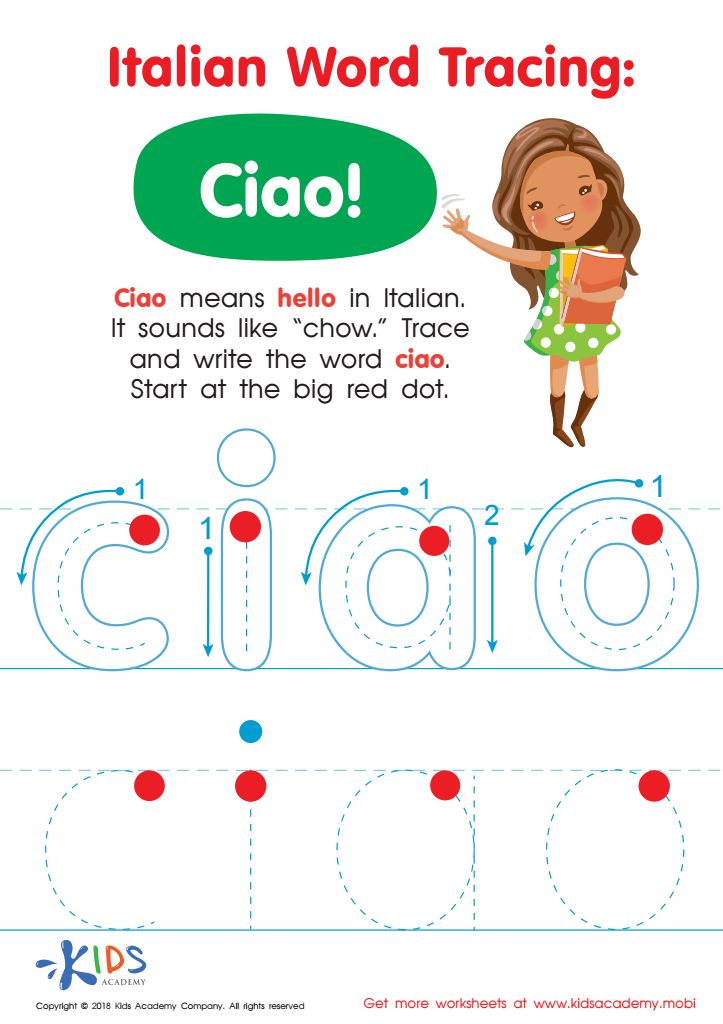
Italian Word Tracing: Ciao Worksheet
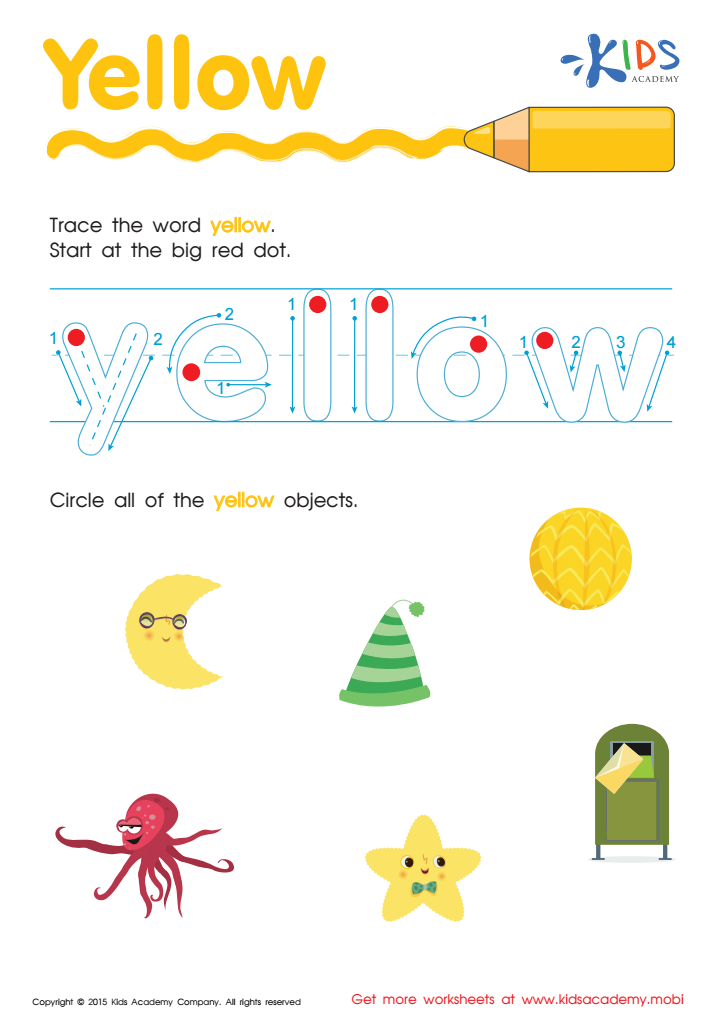
Yellow Tracing Color Words Worksheet
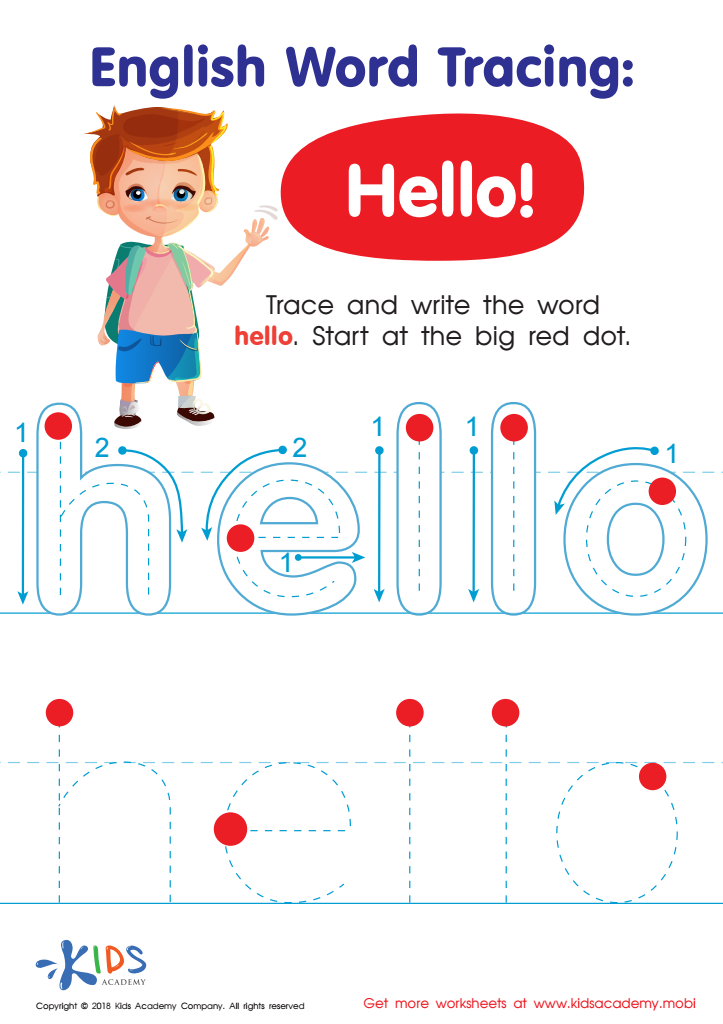
English Word Tracing: Hello Worksheet
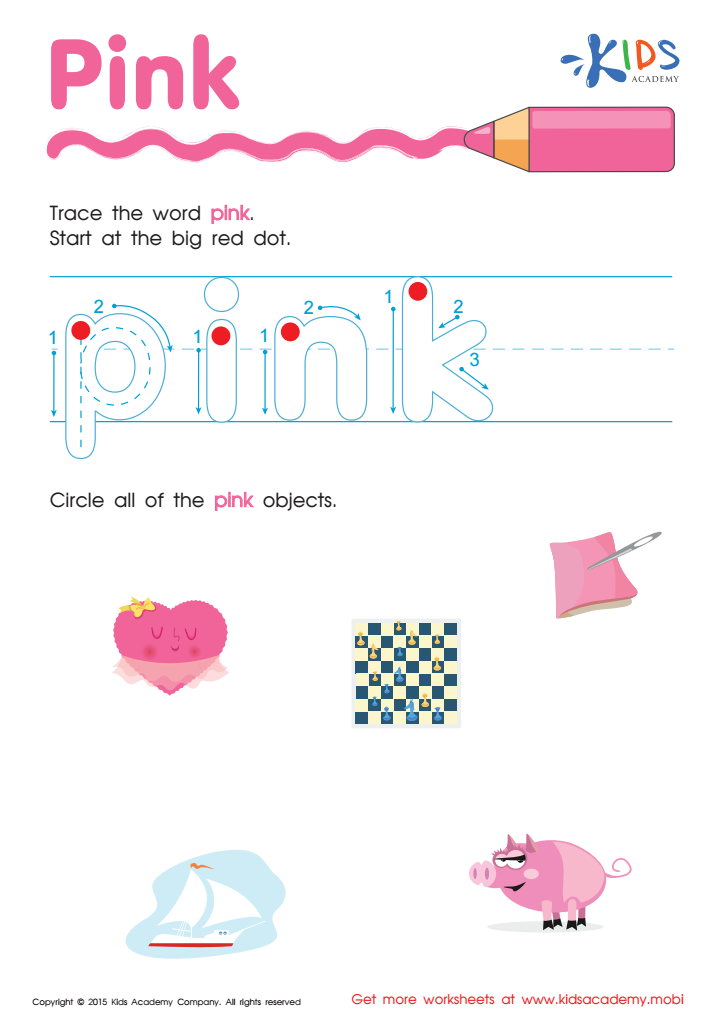
Pink Tracing Color Words Worksheet
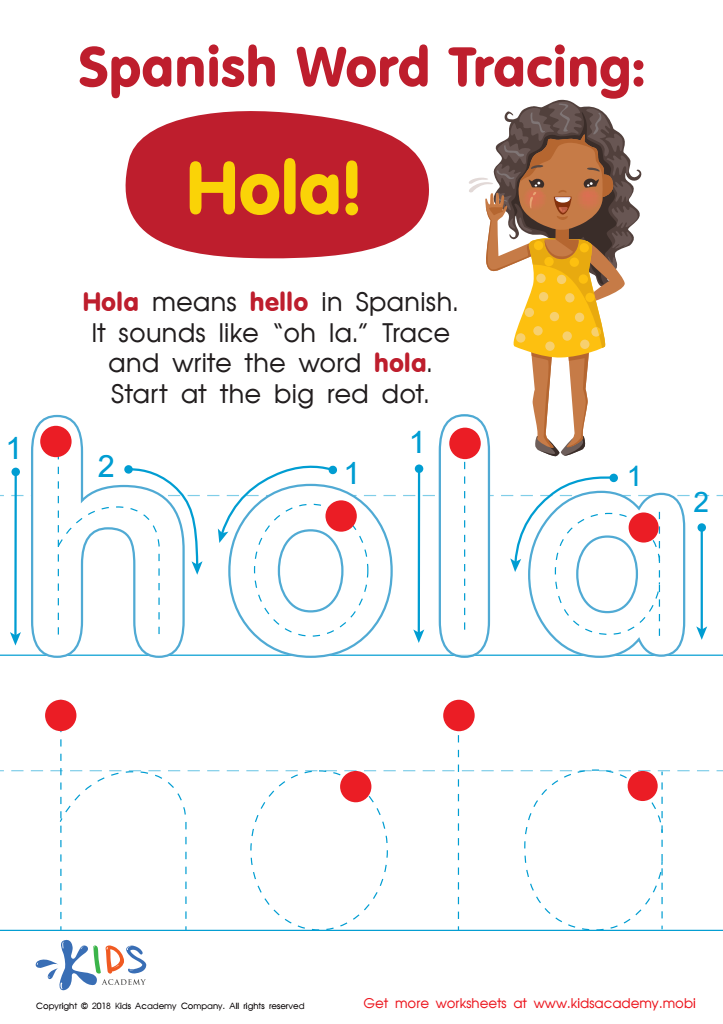
Spanish Word Tracing: Hola Worksheet
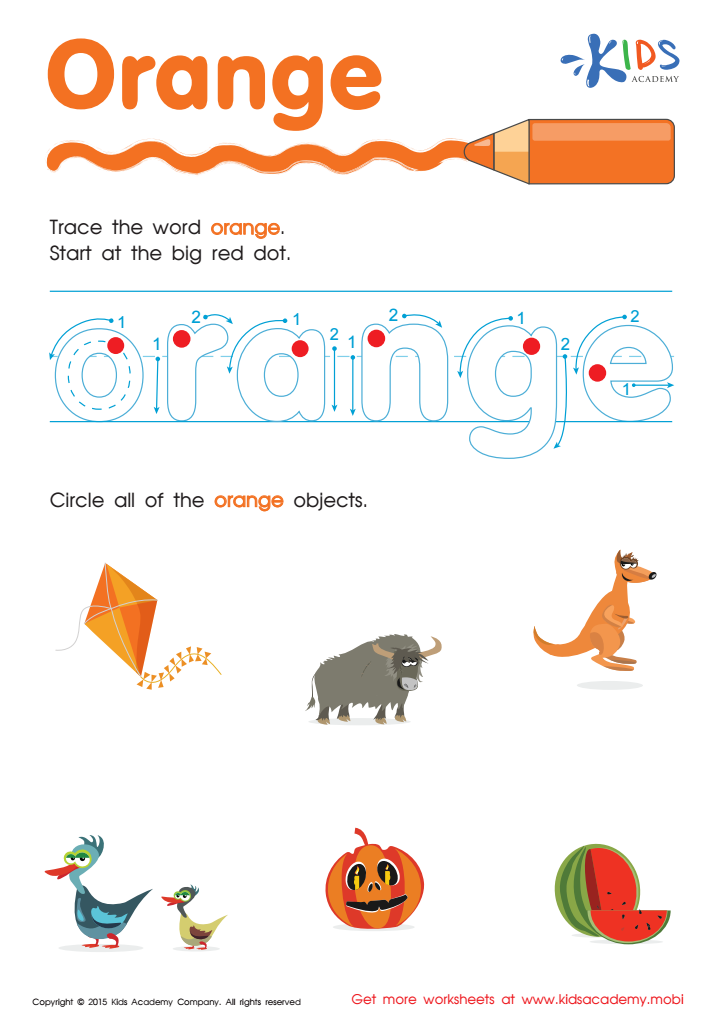
Orange Tracing Color Words Worksheet
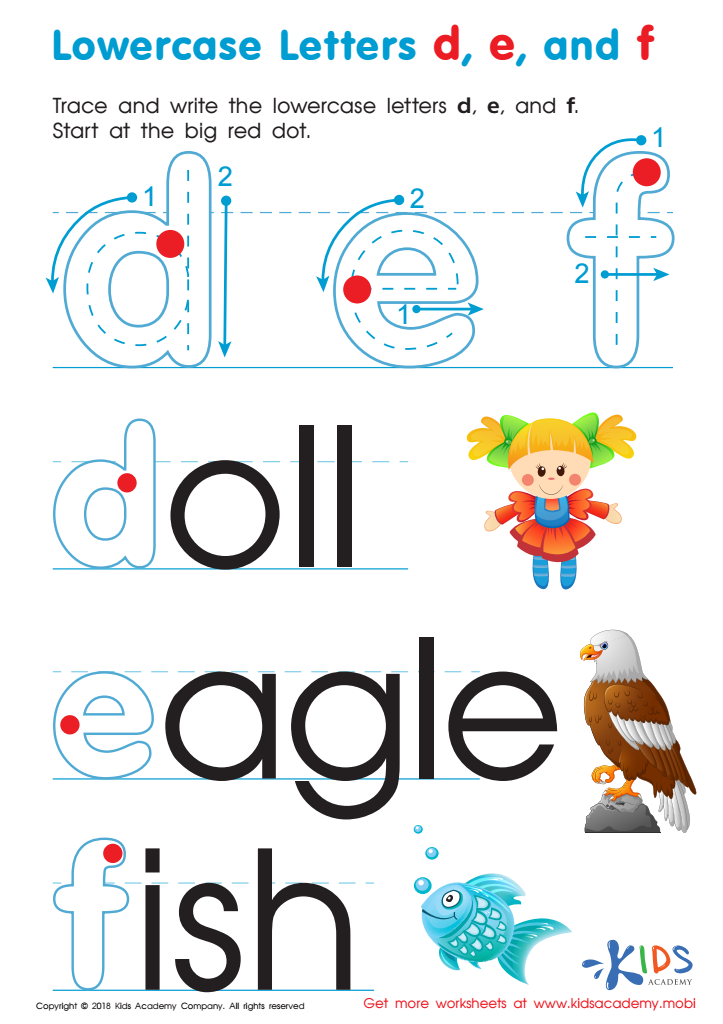
Lowercase Letters d e f Worksheet
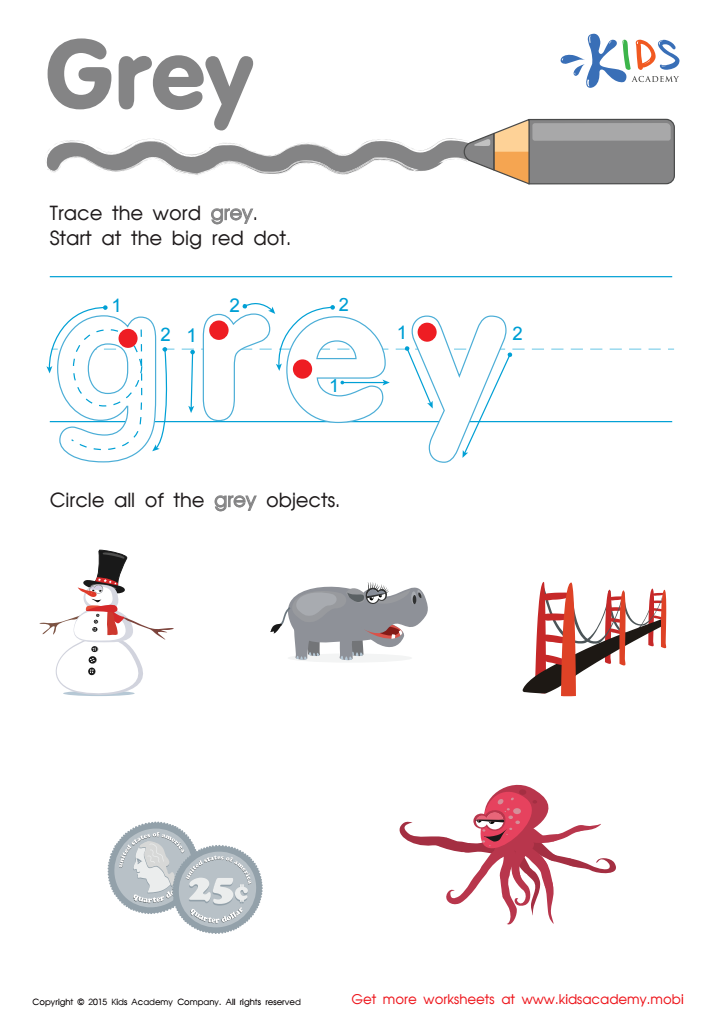
Grey Tracing Color Words Worksheet
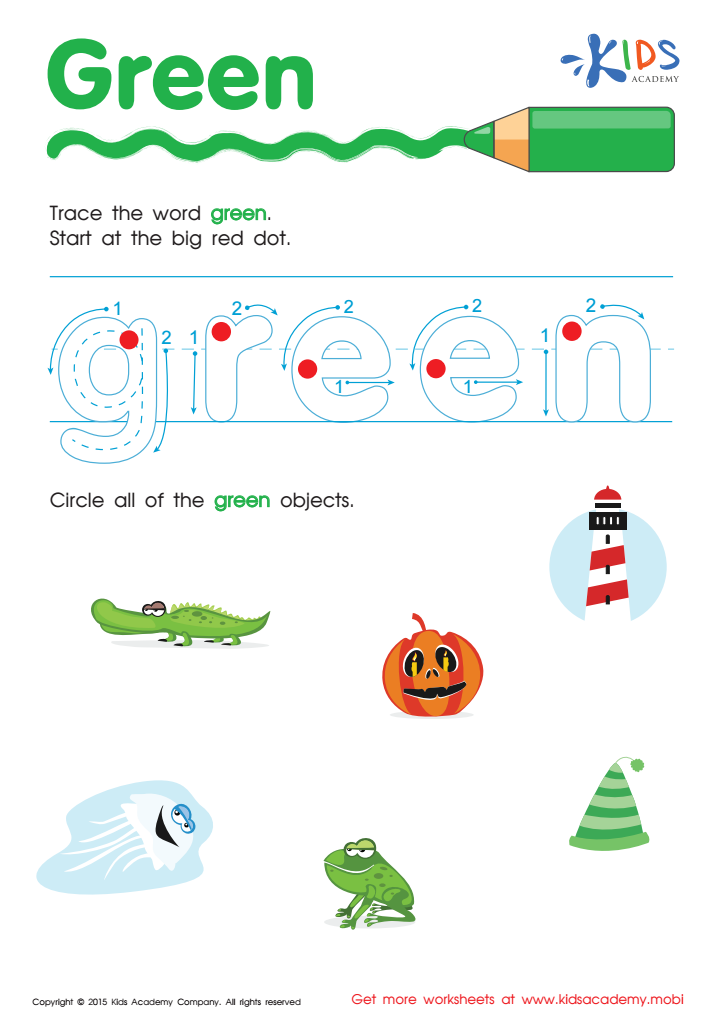
Green Tracing Color Words Worksheet
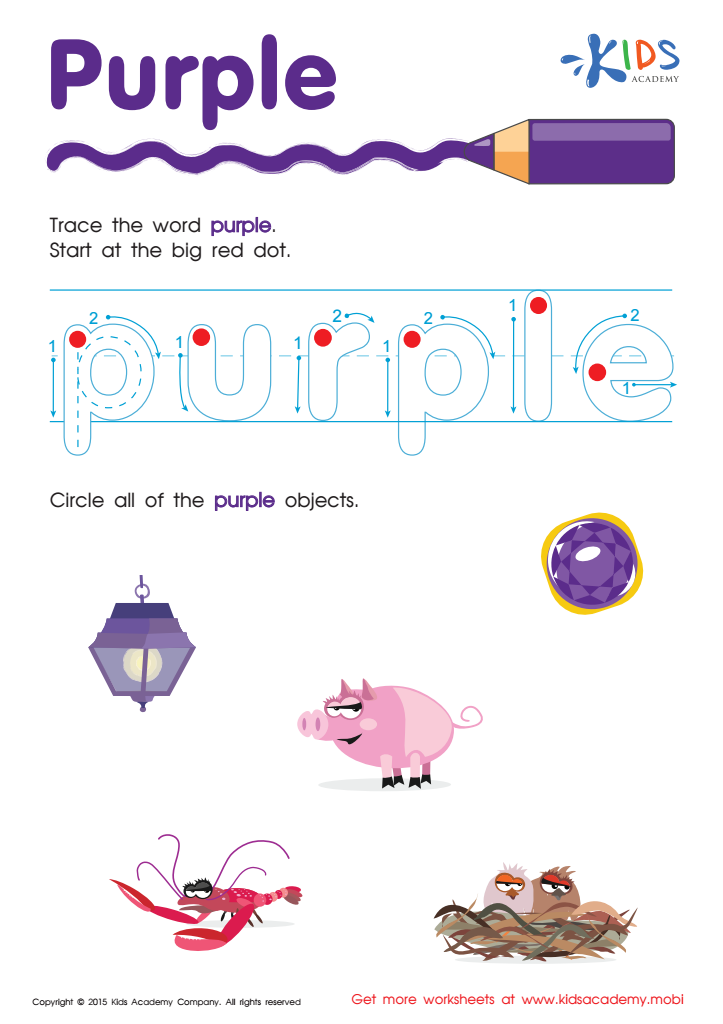
Purple Tracing Color Words Worksheet
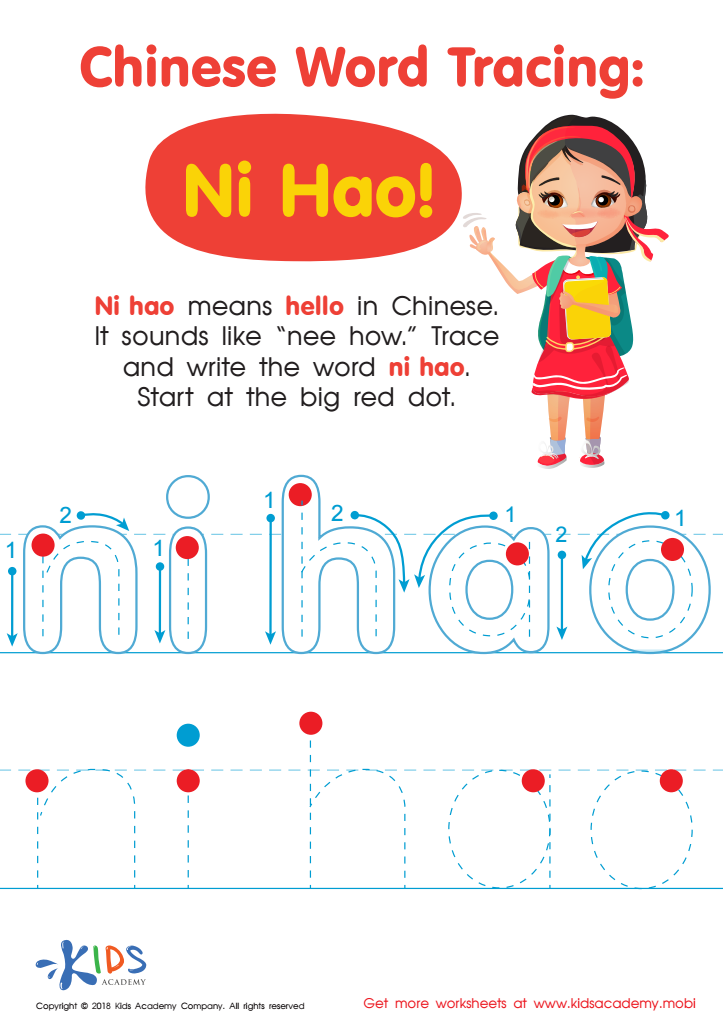
Chinese Word Tracing: Ni Hao Worksheet
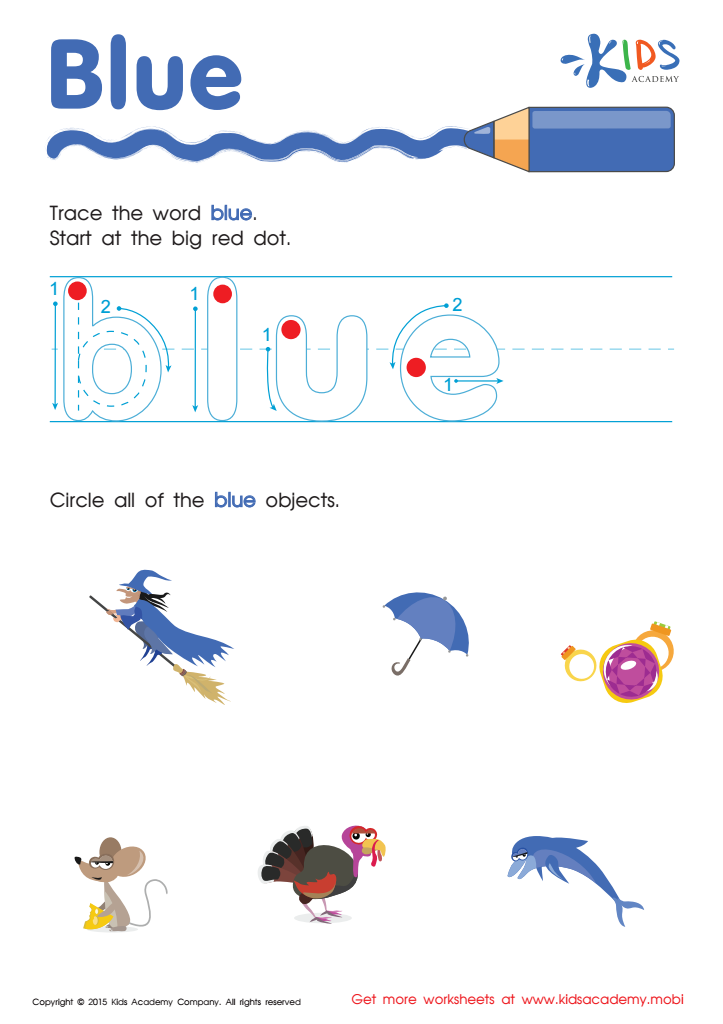
Blue Tracing Color Words Printable
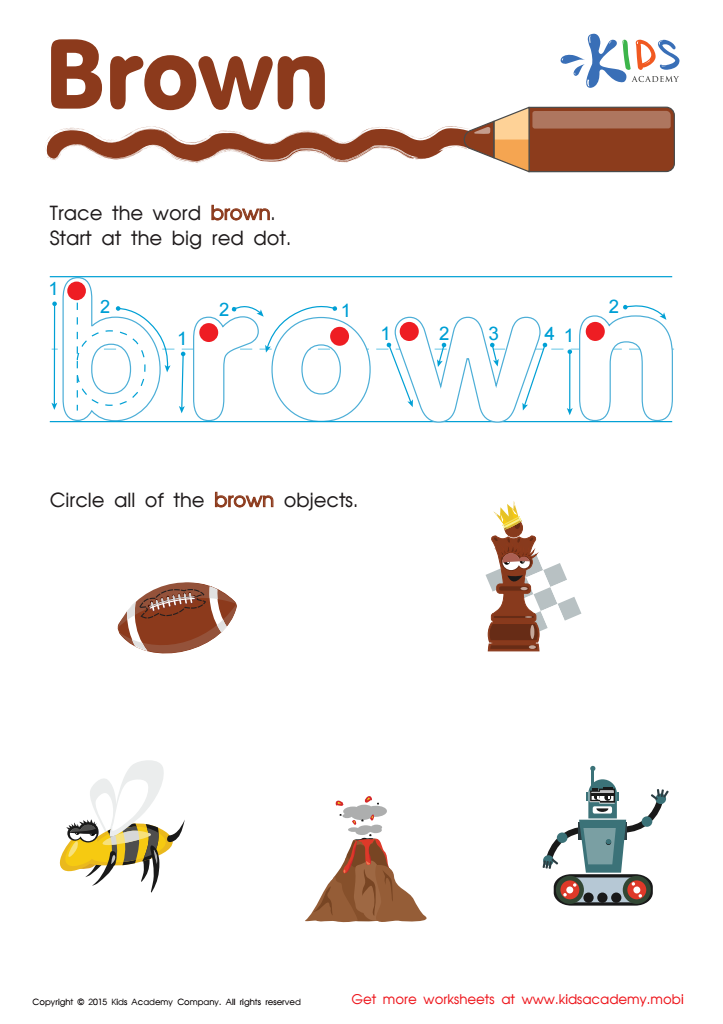
Brown Tracing Color Words Worksheet








Handwriting practice, especially through tracing words, is crucial for children aged 3-8 as it lays the foundation for essential literacy skills. At this developmental stage, children are honing their fine motor skills, which are vital for writing, drawing, and other daily tasks. Tracing words enables young learners to develop hand-eye coordination, grip strength, and pencil control. These skills are fundamental in fostering writing efficiency and fluency later on.
Moreover, tracing introduces children to letter forms and word structures. Exposure to correct spelling, punctuation, and word arrangement during tracing activities aids in developing phonemic awareness, which is pivotal for reading. As children trace, they not only strengthen their motor functions but also start to recognize the connections between letters and sounds, enriching their vocabulary and language comprehension.
Furthermore, handwriting practice boosts cognitive development. Engaging in tracing activities encourages focus and concentration, as children learn the discipline of completing a task. Parental or educator involvement in this process also enhances the child’s motivation and self-confidence. When parents and teachers value handwriting activities, they create a supportive environment where children feel encouraged to explore their abilities, paving the way toward lifelong learning and effective communication skills.








