Letter recognition Alphabet Worksheets for Ages 3-9 - Page 4
91 filtered results
-
From - To
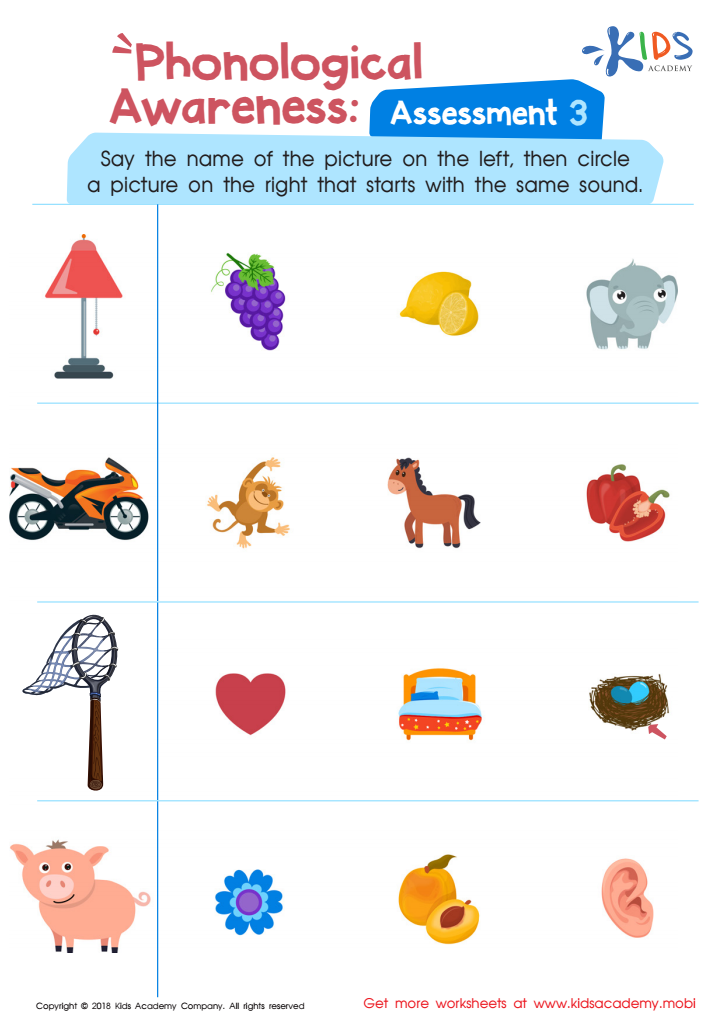
Phonological Awareness: Assessment 3 Worksheet
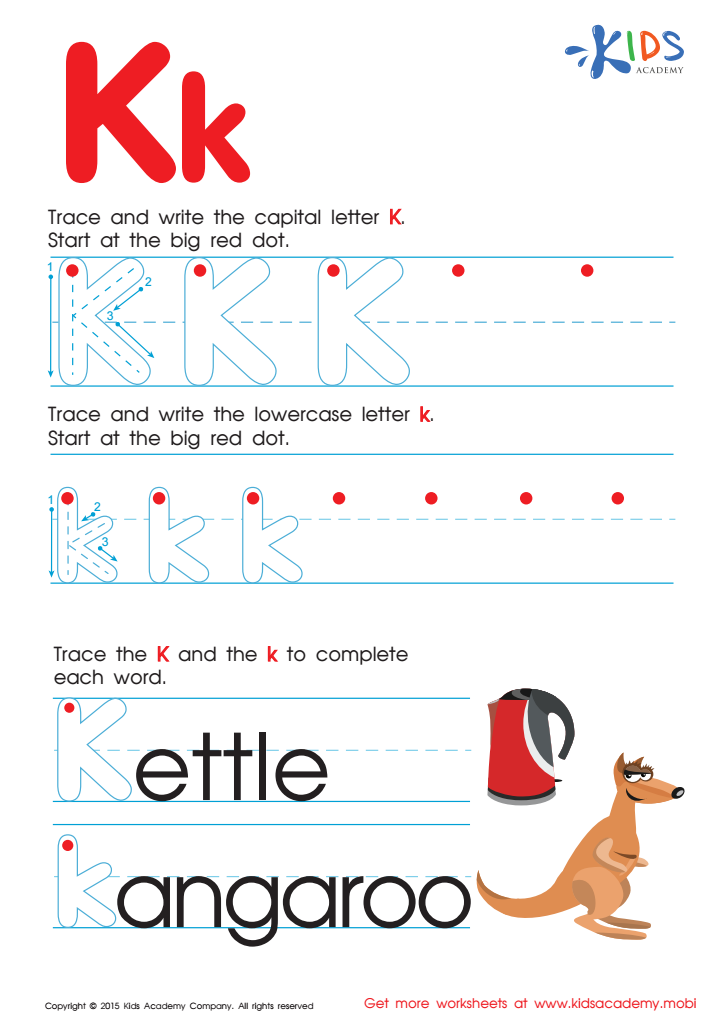
Letter K Tracing Page
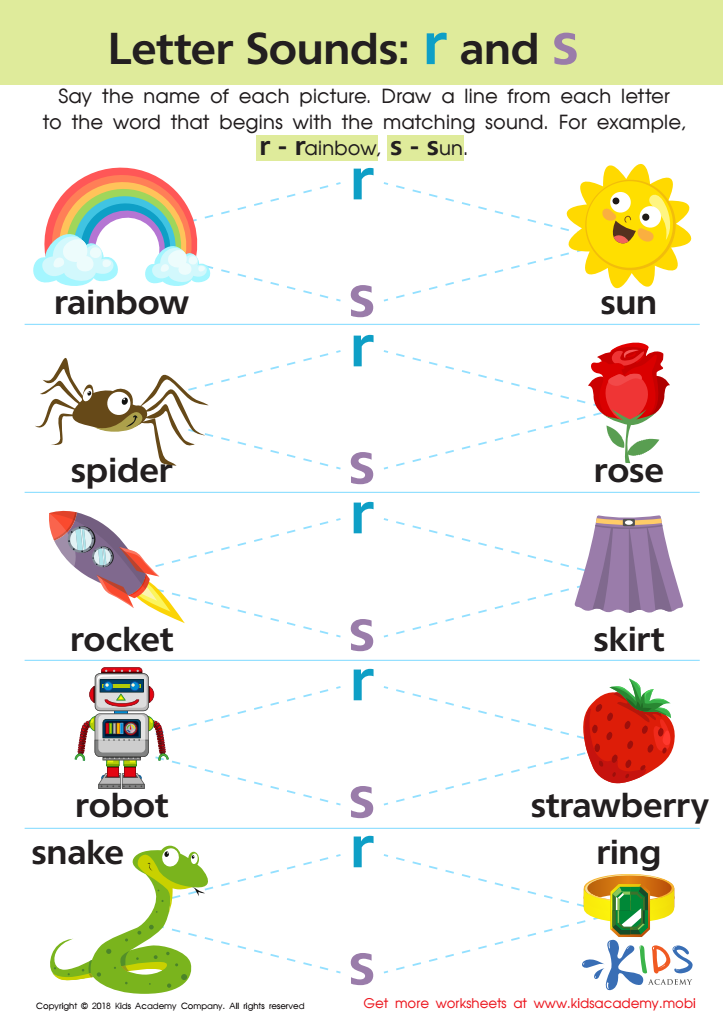
Letter R and S Sounds Worksheet
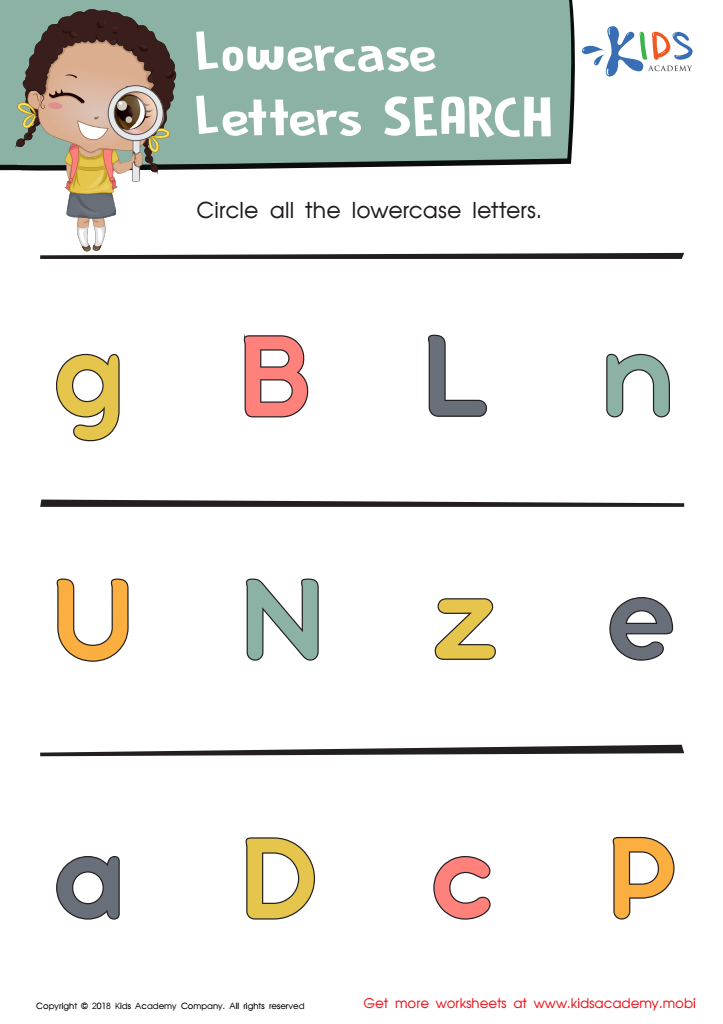
Lowercase Letters Search: Assessment Worksheet
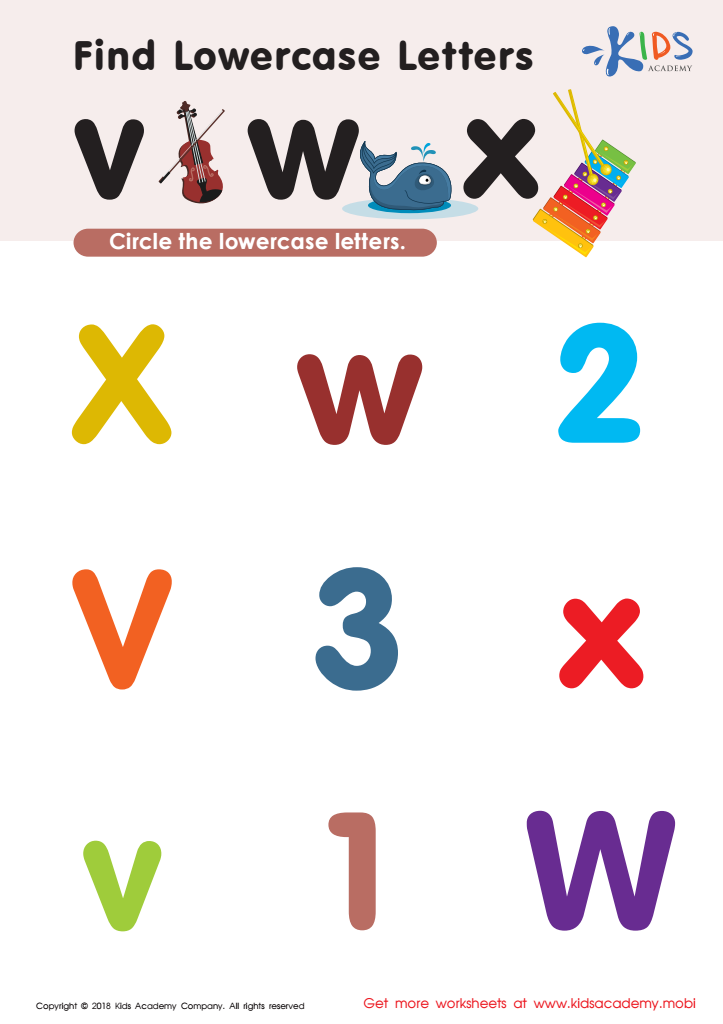
Find Lowercase Letters v w x Worksheet
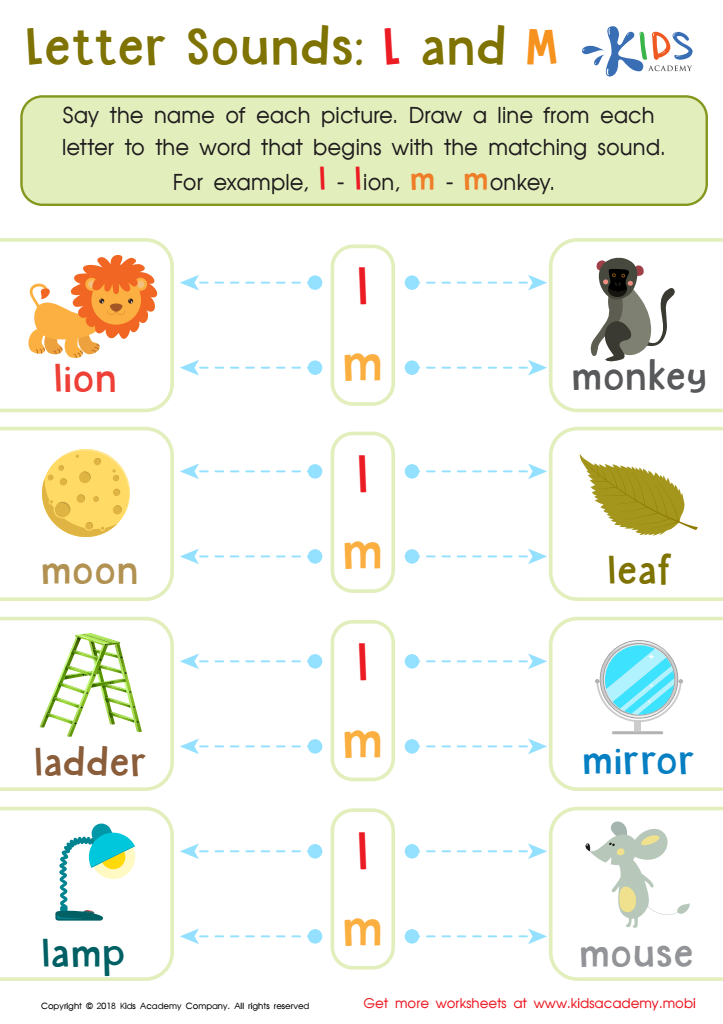
Letter l and M Sounds Worksheet
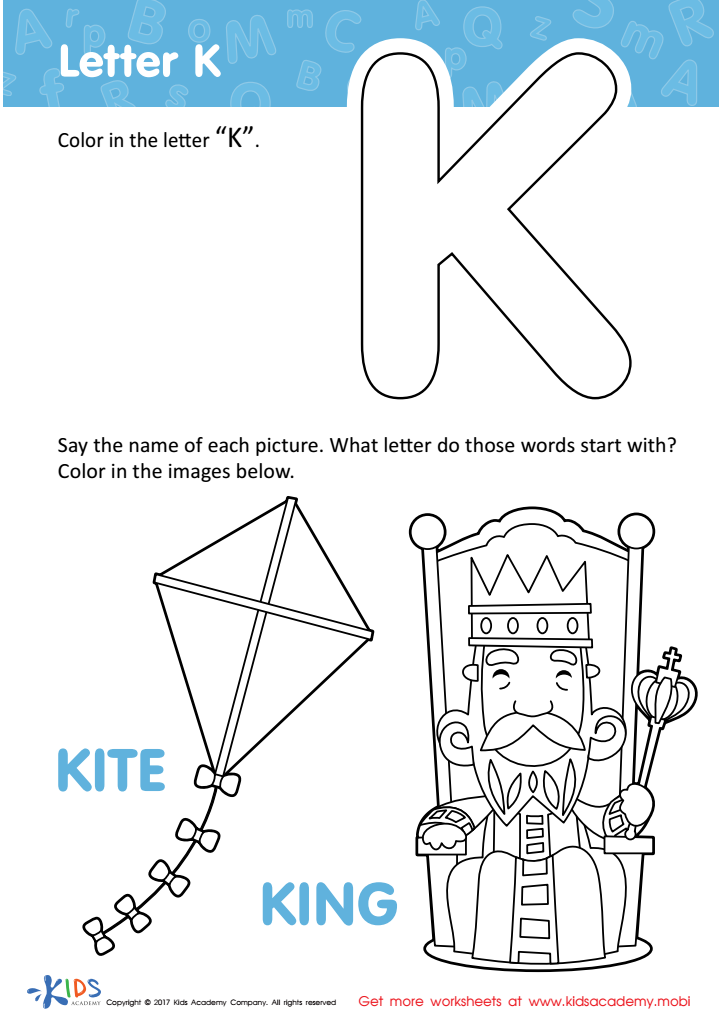
Letter K Coloring Sheet
 Assign to My Students
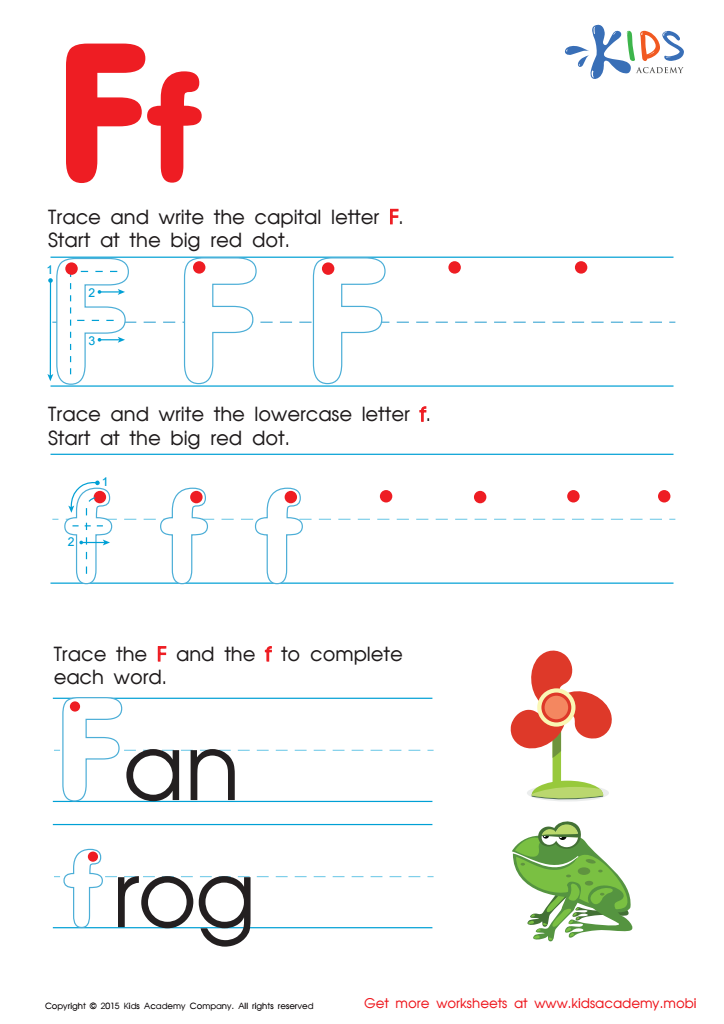
Letter F Tracing Page
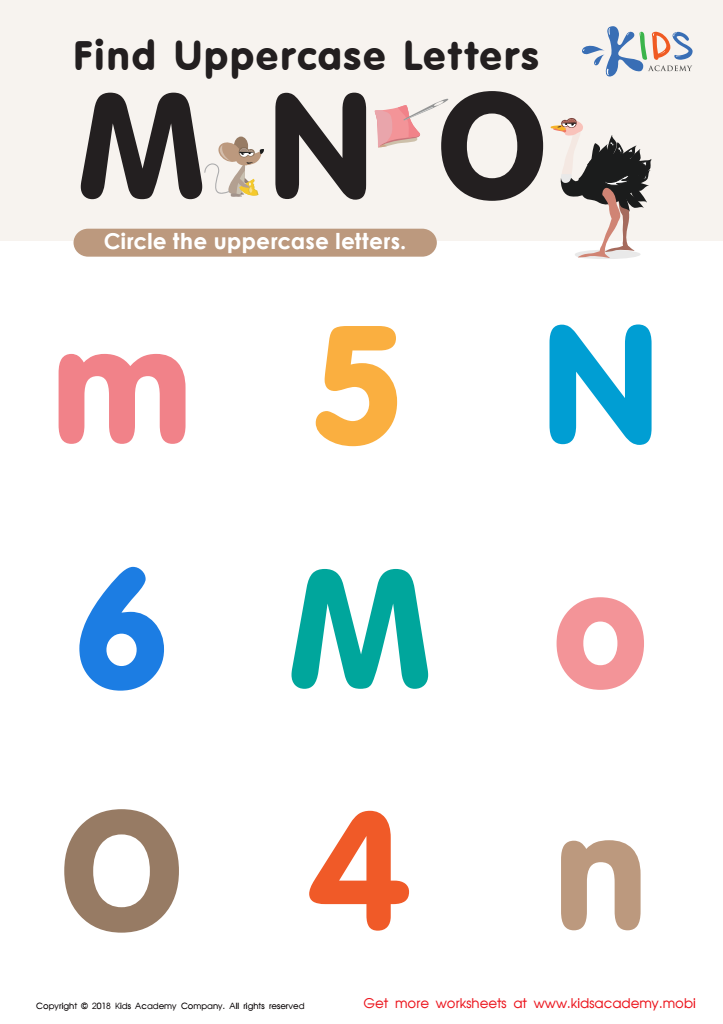
Find Uppercase Letters M, N, and O Worksheet
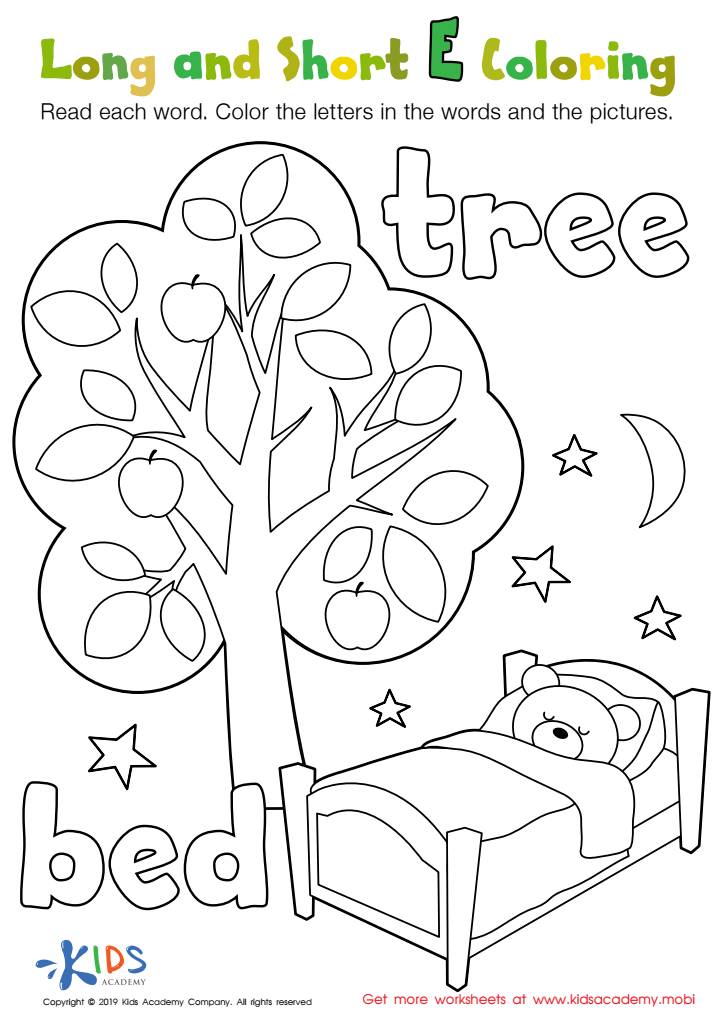
Long and Short E Worksheet
Assign to My Students
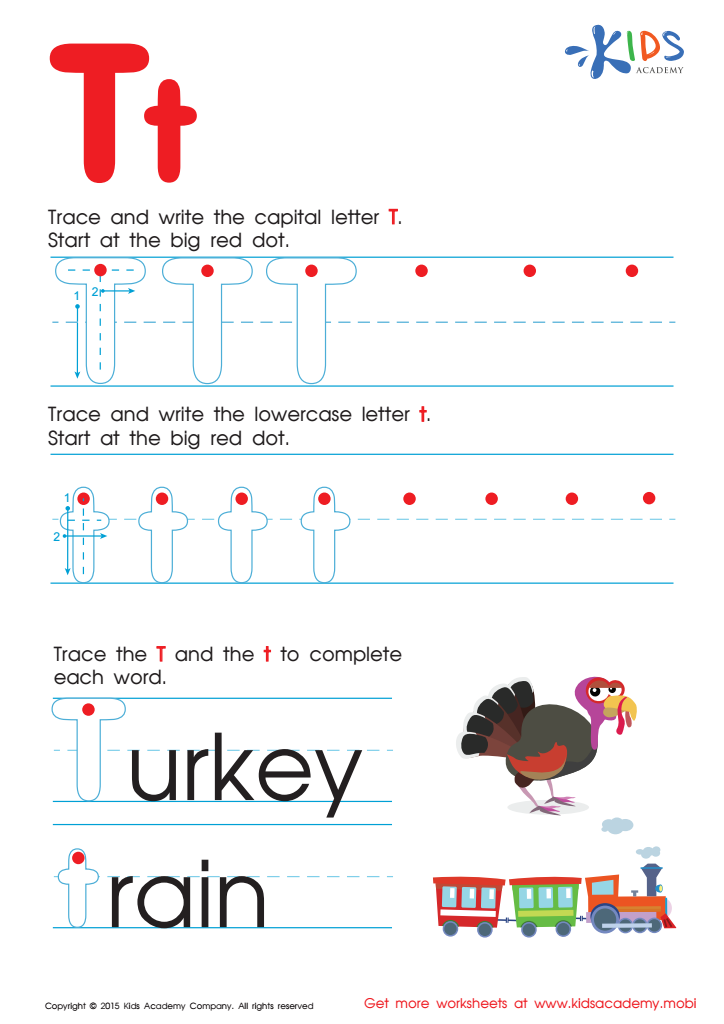
Letter T Tracing Page
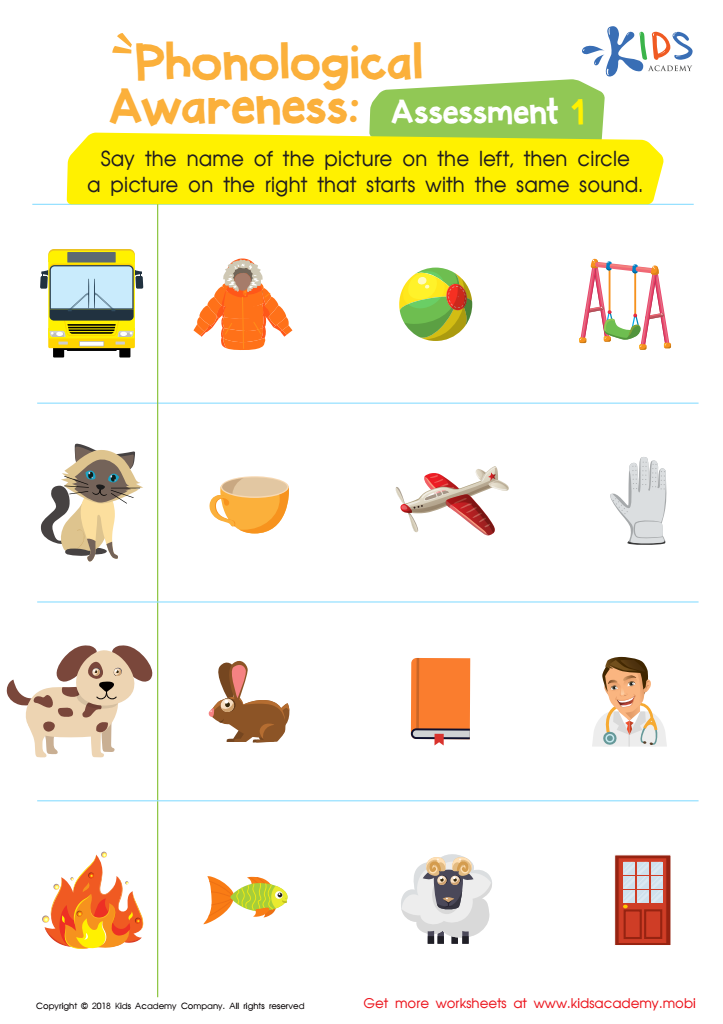
Phonological Awareness: Assessment 1 Worksheet
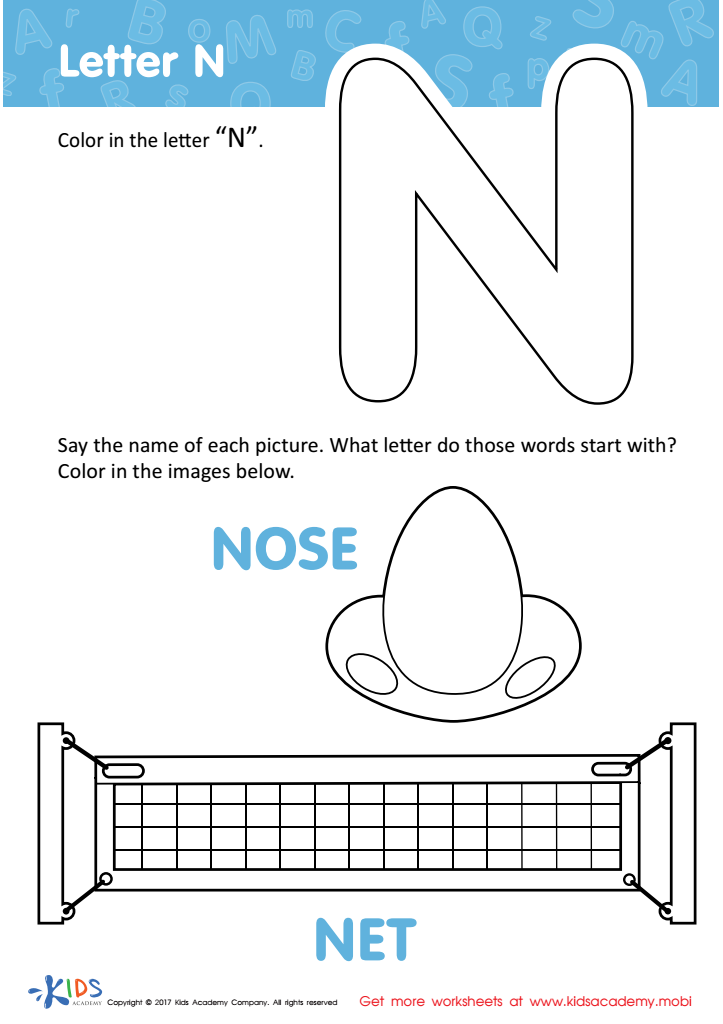
Letter N Coloring Sheet
Assign to My Students
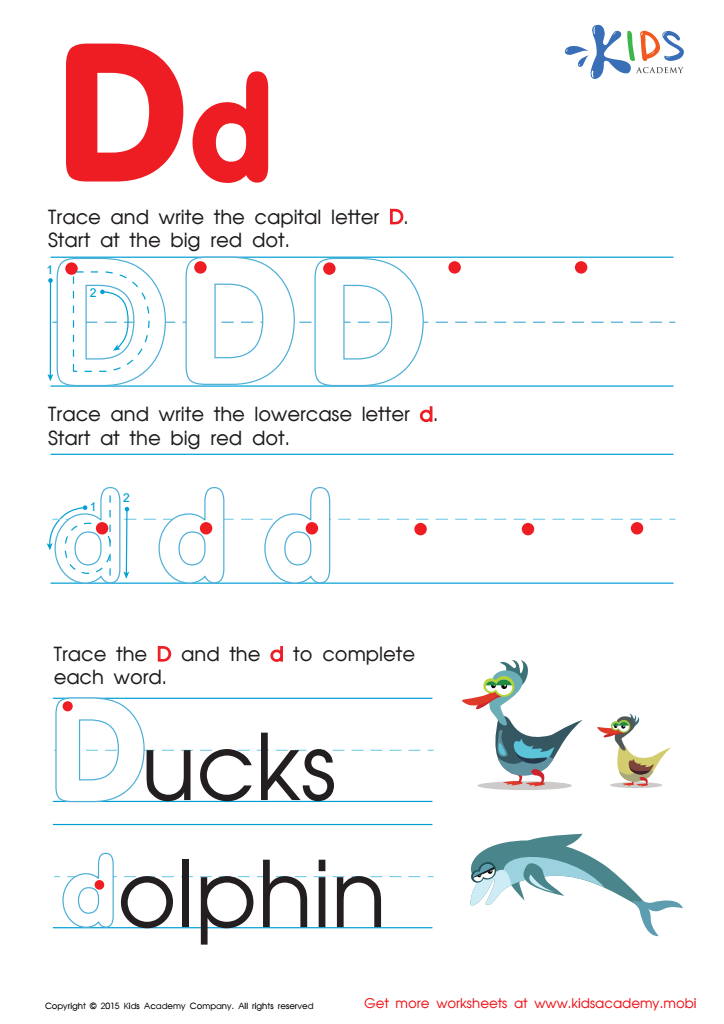
Letter D Tracing Page
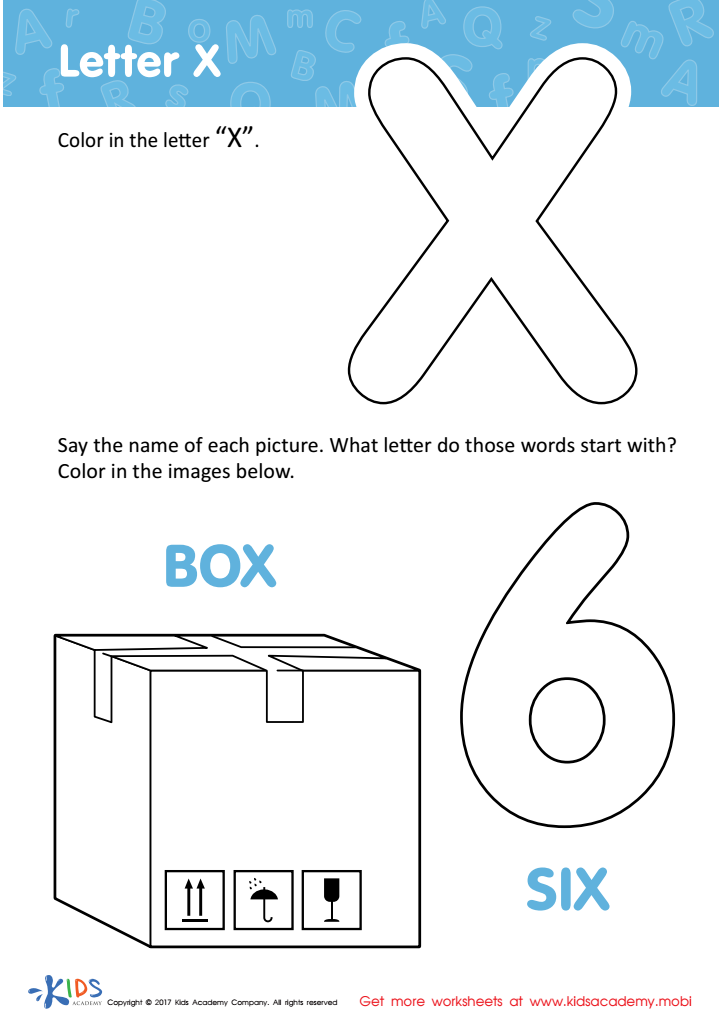
Letter X Coloring Sheet
Assign to My Students
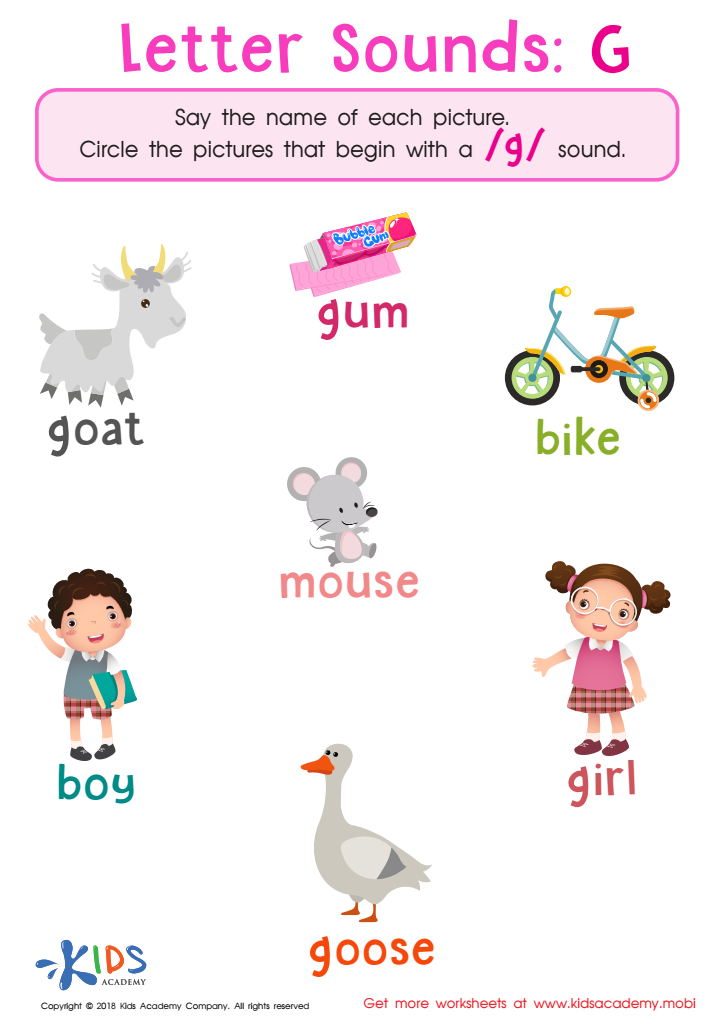
Letter G Sounds Worksheet
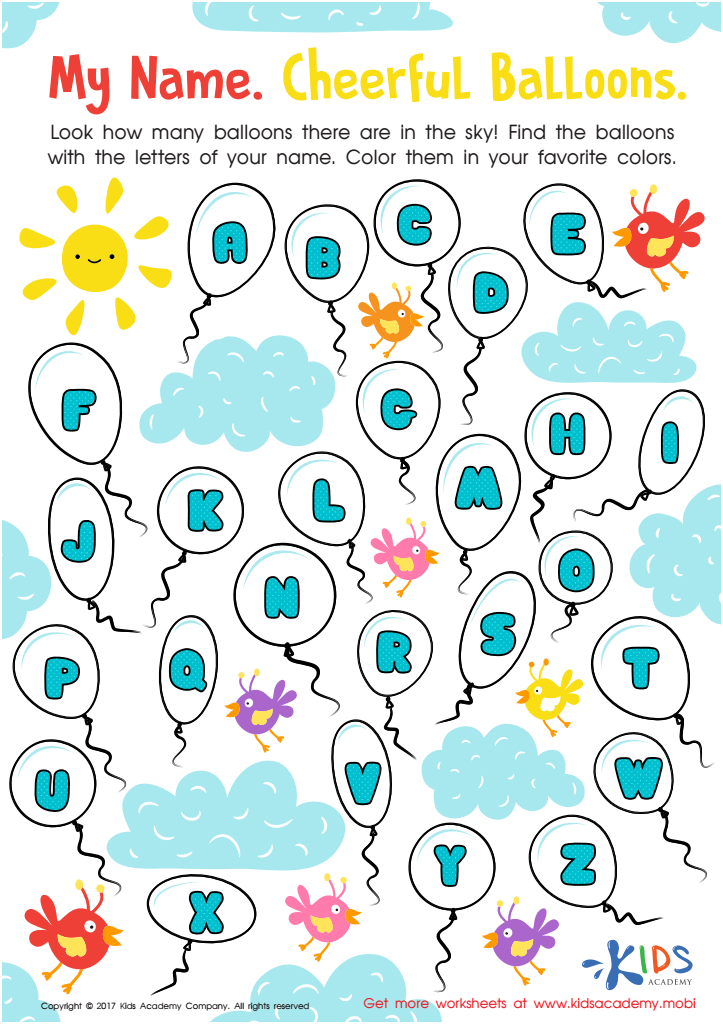
My Name: Cheerful Balloons Worksheet
Assign to My Students
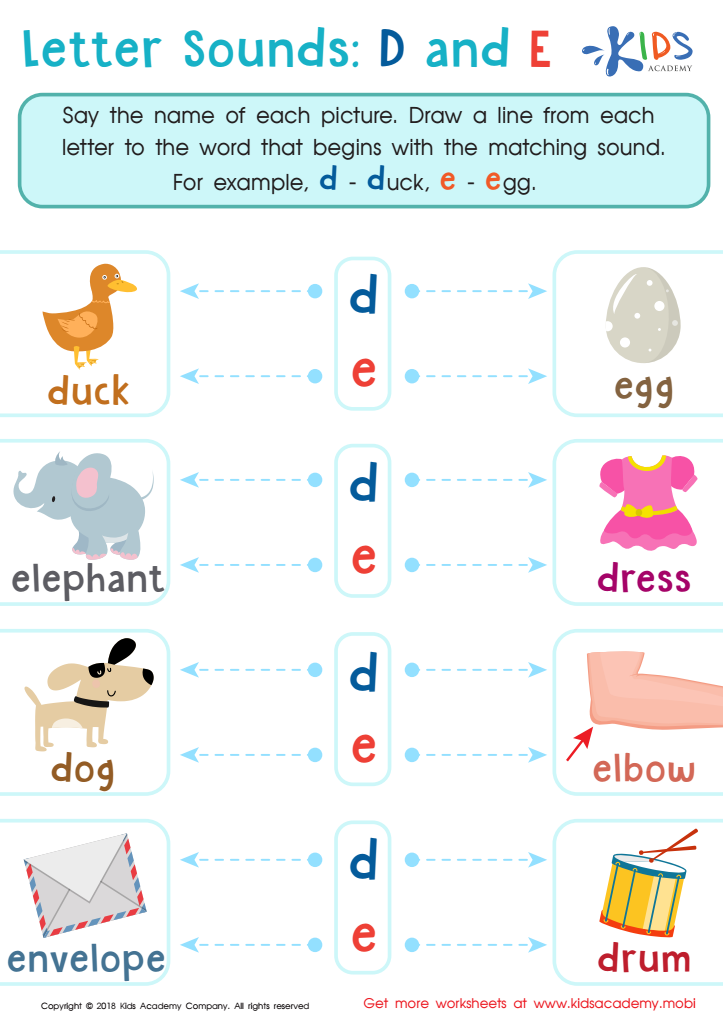
Letter D and E Sounds Worksheet
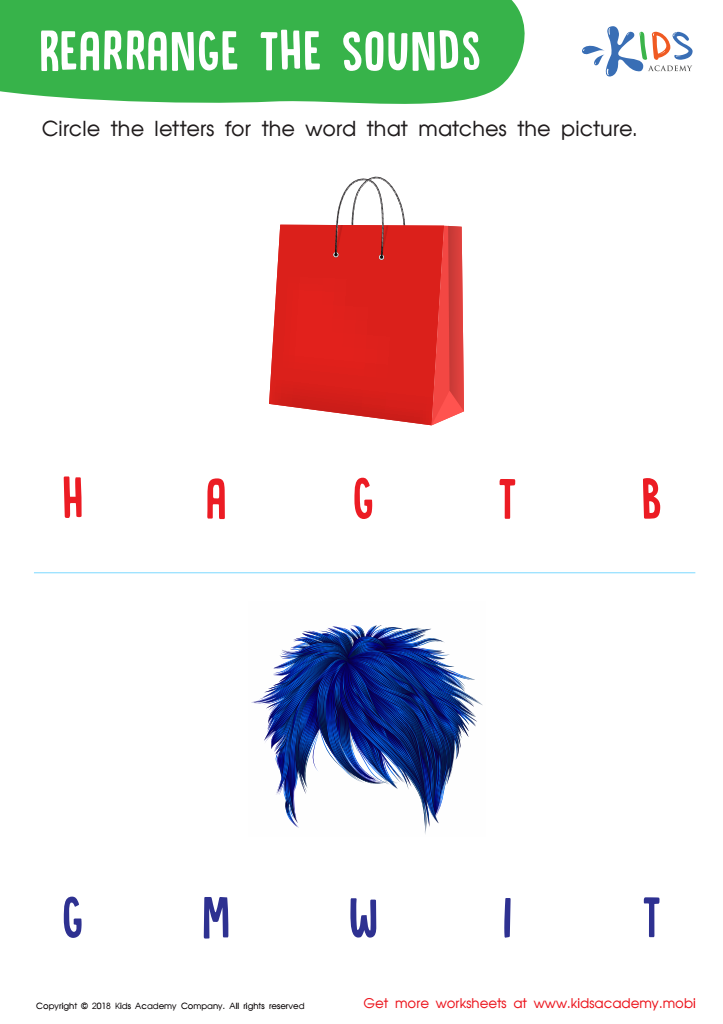
Rearrange the Sounds Worksheet




.jpg)



Parents and teachers should prioritize letter recognition in young children ages 3-9 because it forms the foundation of literacy, a critical milestone in a child's educational development. Early acquisition of letter recognition skills leads to better reading and writing proficiency, which are essential for academic success. When children recognize letters effortlessly, it enhances their ability to decode words, facilitating smoother and more confident reading experiences. This skill correlates with improved comprehension and promotes a positive attitude towards learning.
Research underscores that early literacy skills, including letter recognition, are strong predictors of future academic achievements. Children who develop these skills early on are more likely to excel not only in reading and language arts but also in other subjects, such as math and science, due to the transferability of cognitive skills. Moreover, mastering the alphabet bolsters children's phonemic awareness, which is crucial for spelling and grammar.
From a socio-emotional perspective, early success in letter recognition can boost a child's self-esteem and engagement in classroom activities, creating a virtuous cycle of learning and achievement. By investing time and resources into teaching children letter recognition, parents and teachers lay a robust groundwork for lifelong learning and cognitive development.







