Phonics practice Alphabet Worksheets for Ages 3-9
19 filtered results
-
From - To
Discover our engaging Phonics Practice Alphabet Worksheets, specially designed for children aged 3-9! These worksheets provide a fun and interactive way for young learners to master phonics while exploring the alphabet. Each worksheet features colorful illustrations and age-appropriate activities that promote letter recognition, sound identification, and early reading skills. Our materials are ideal for homeschooling, classroom activities, or extra practice at home. Help your child build a strong phonetic foundation and boost their confidence in reading. Embrace learning through play with our printable worksheets, and watch your child flourish as they become excited about letters and sounds!
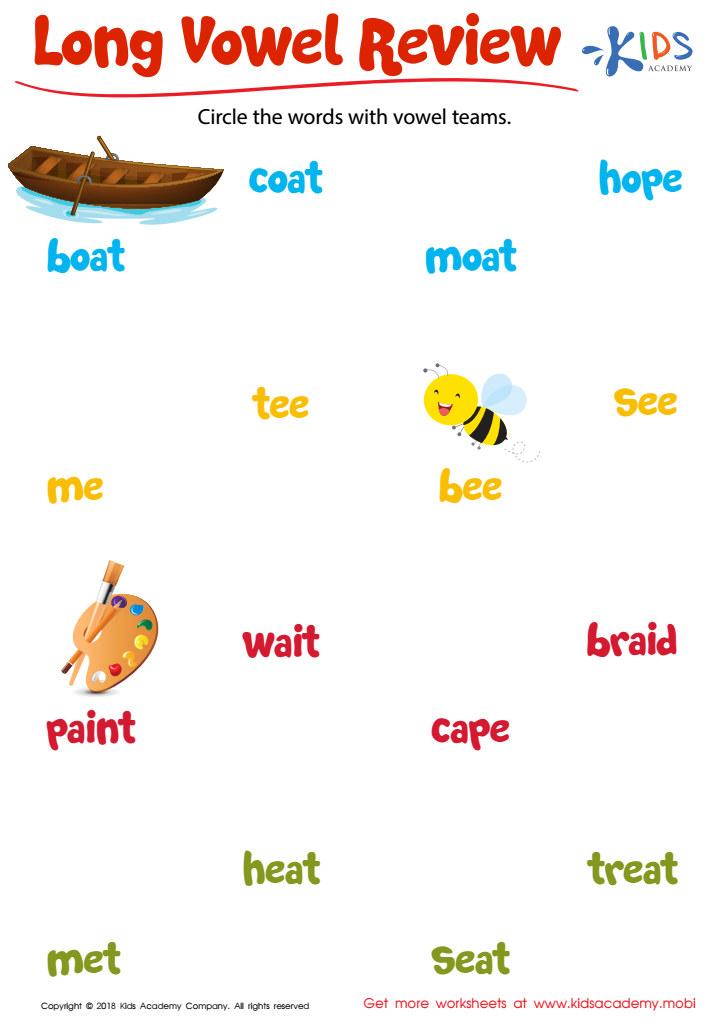
Long Vowel Review Worksheet
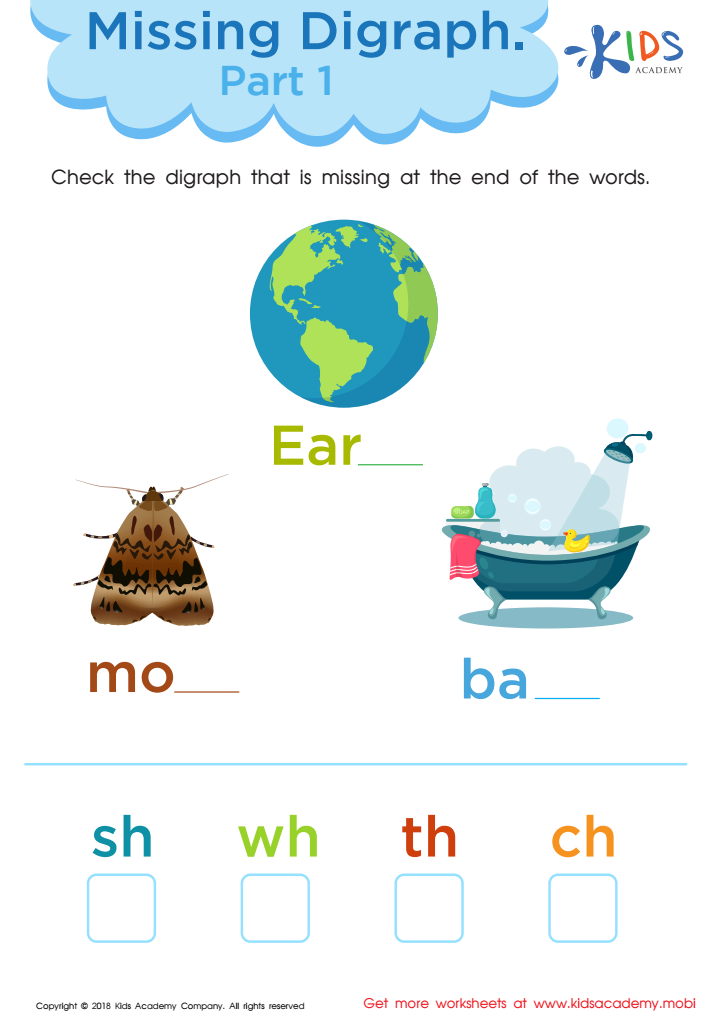
Missing Digraph: Part 1 Worksheet
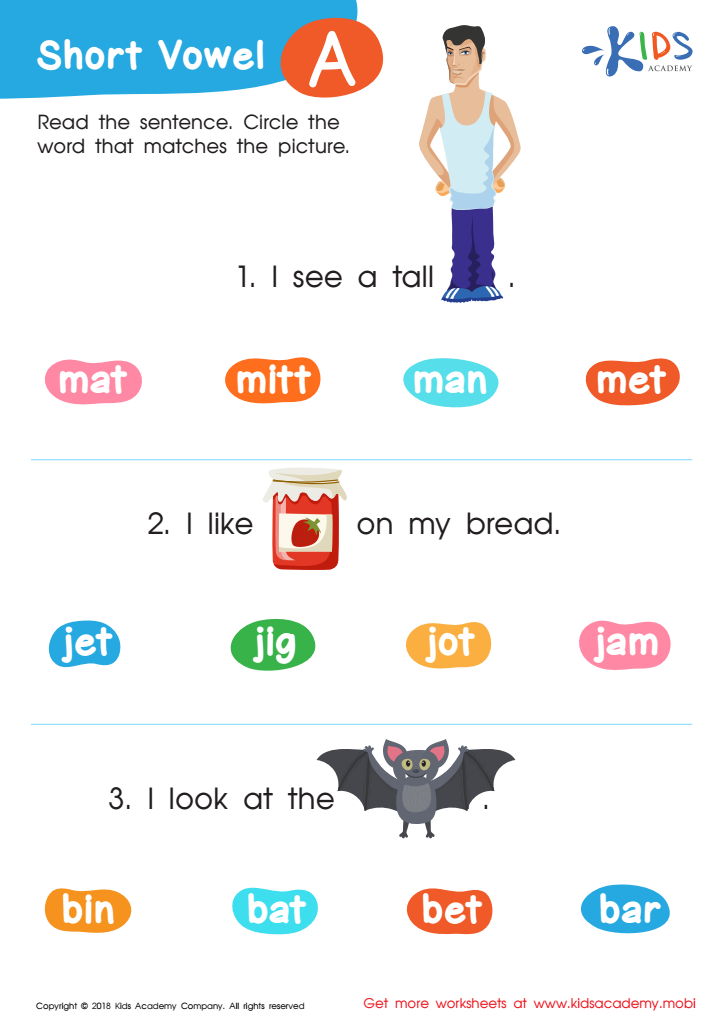
Short Vowel /a/ Worksheet
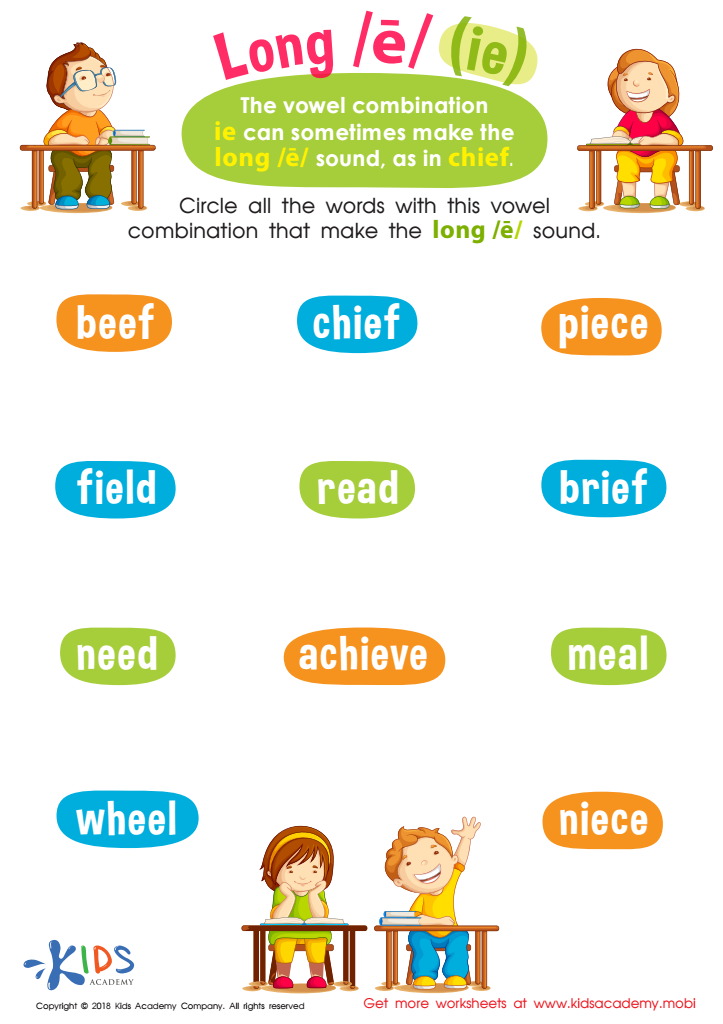
Reading: Long E and IE Worksheet
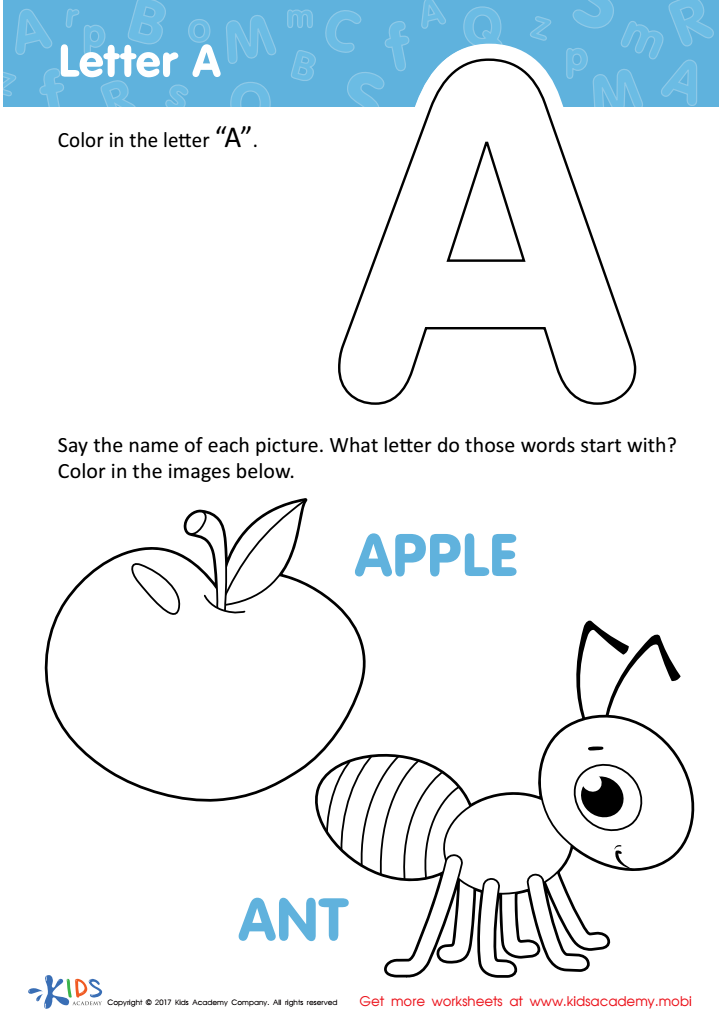
Letter A Coloring Sheet
 Assign to My Students
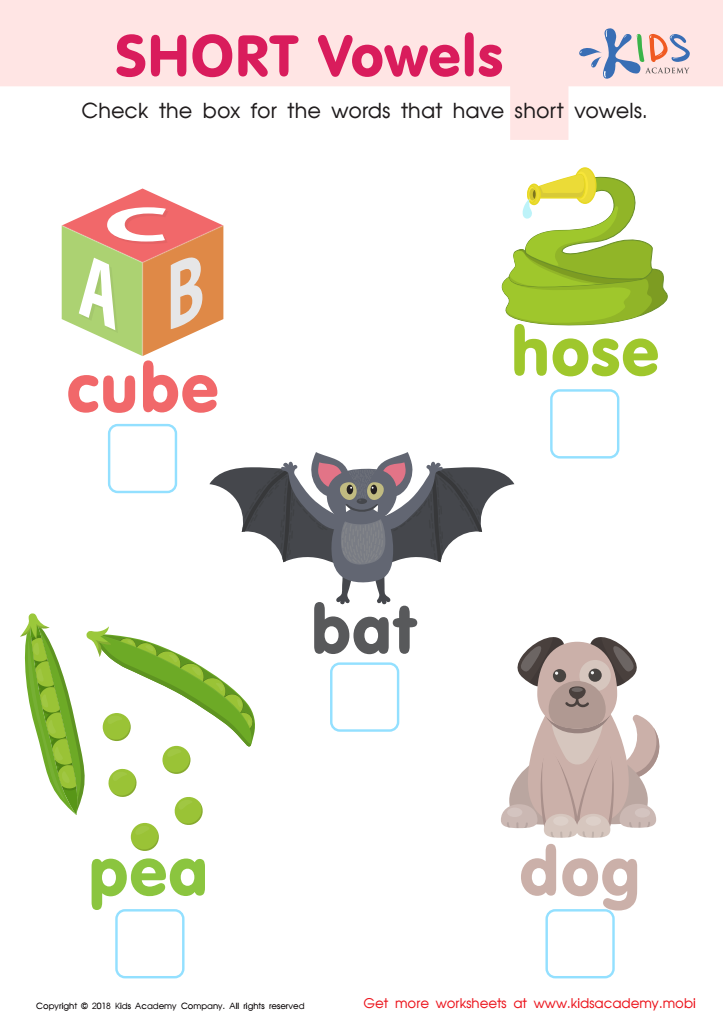
short vowels Worksheet
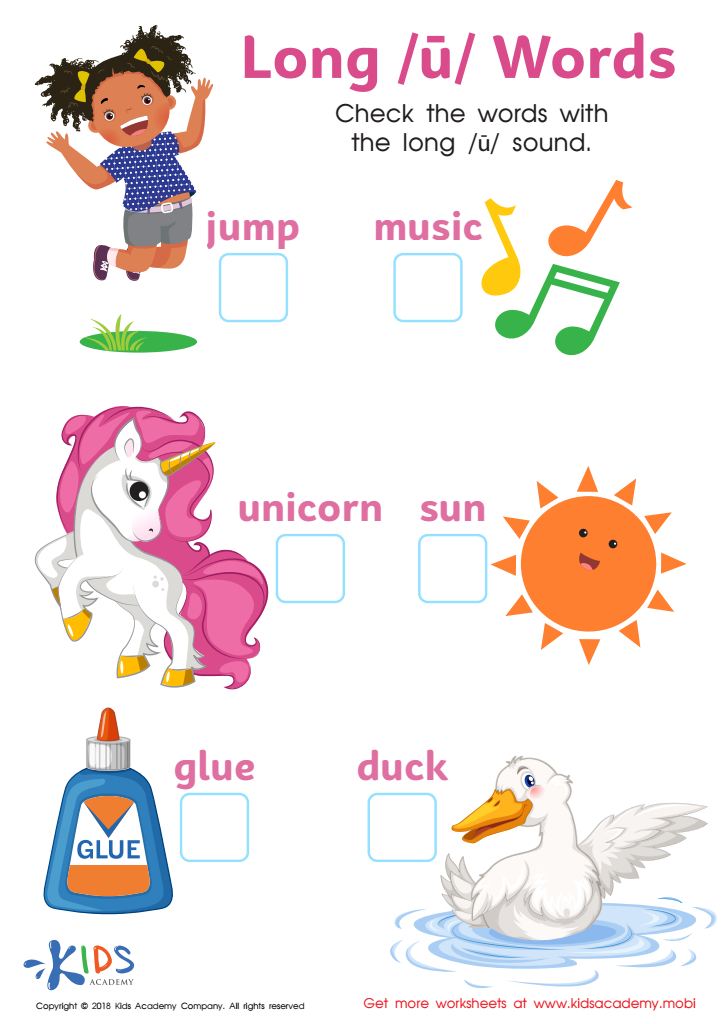
Long U Words Reading Worksheet
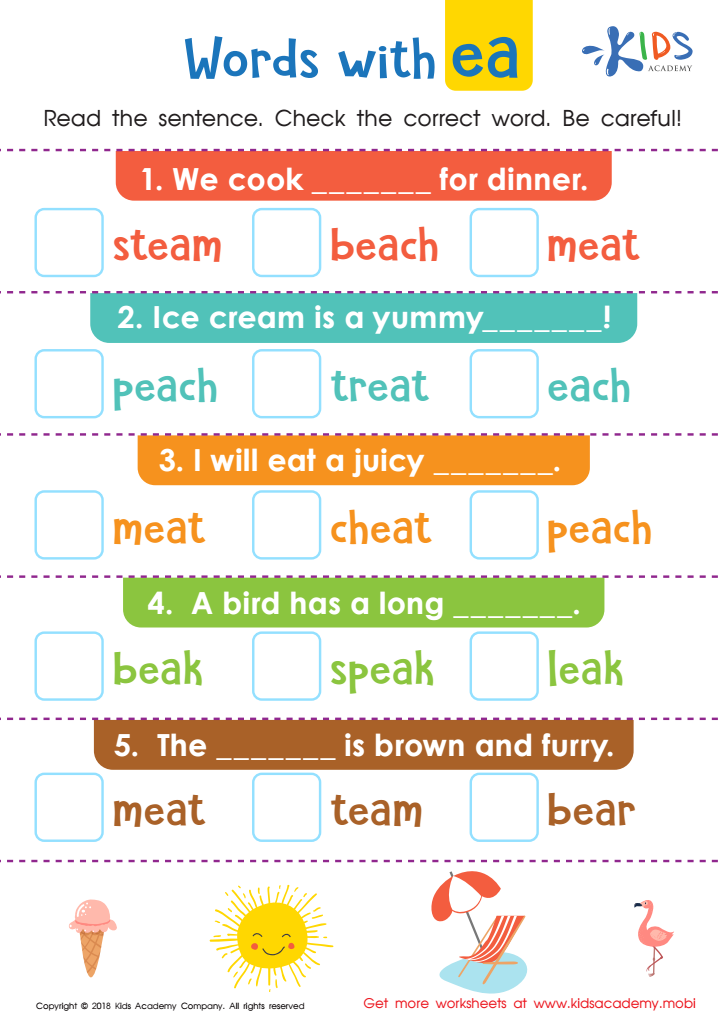
Words with ea Worksheet
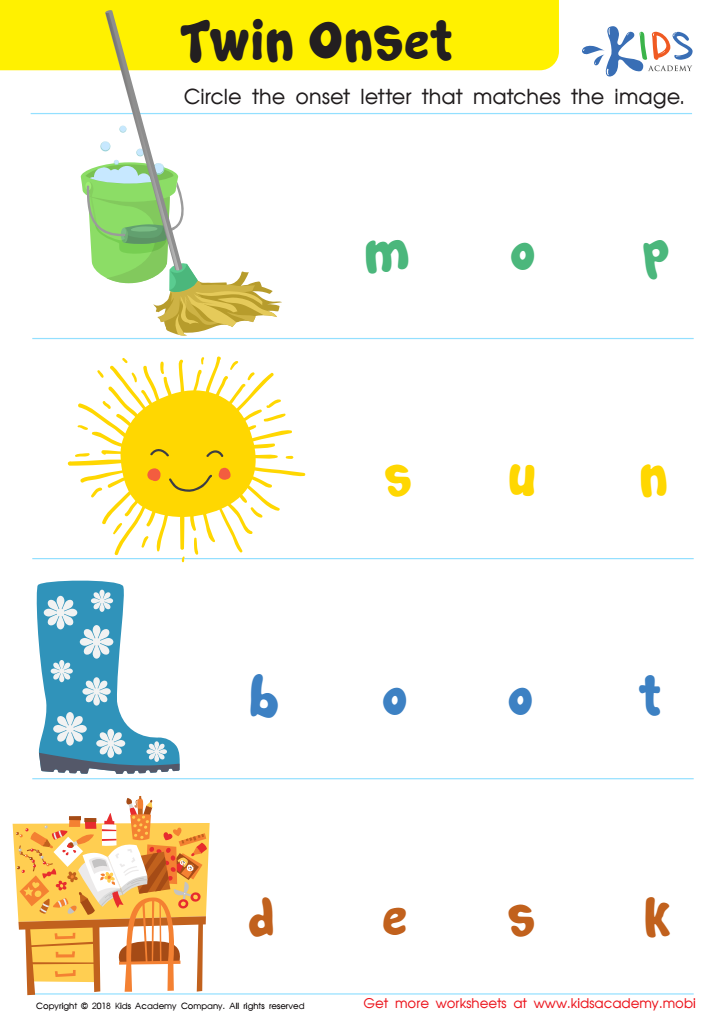
Twin Onset Worksheet
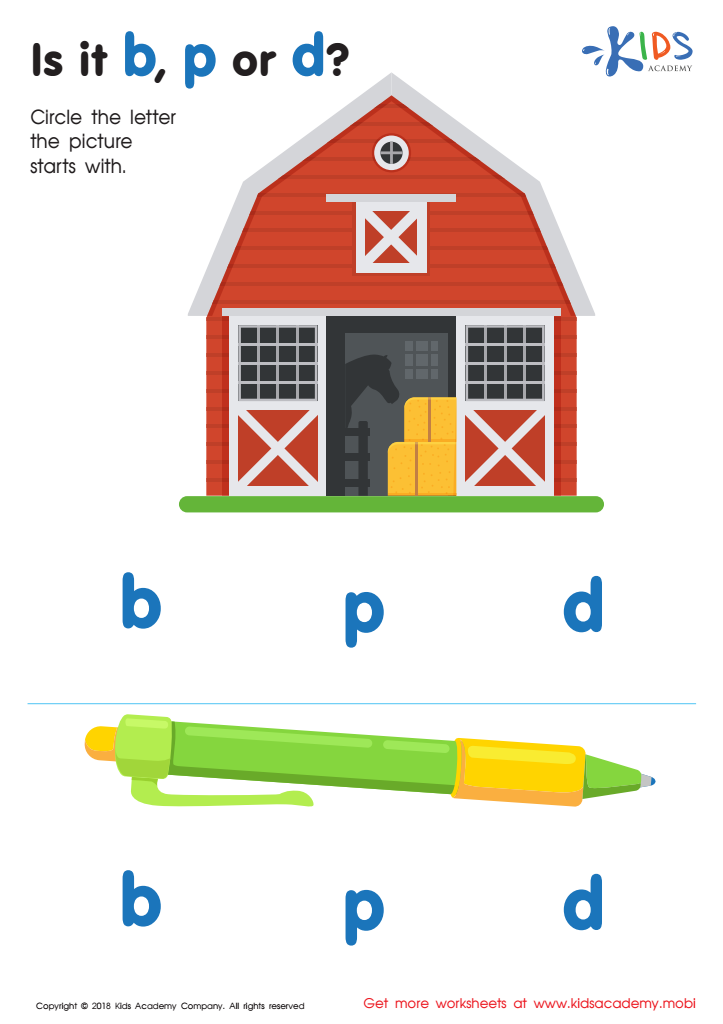
Is it b, p or d? Worksheet
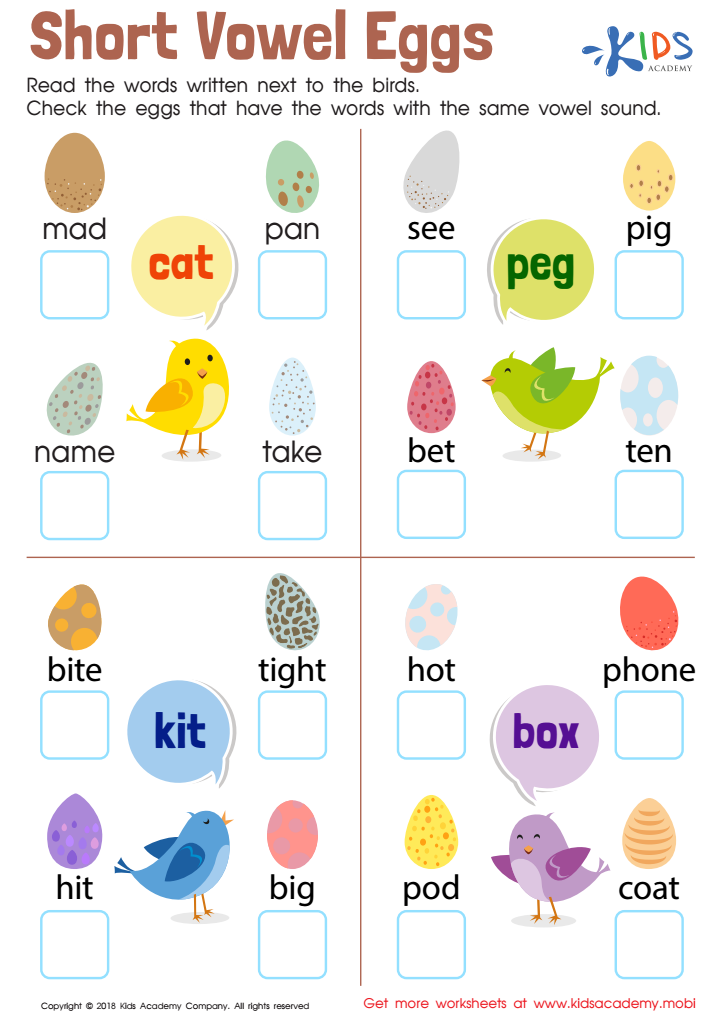
Short Vowel Eggs Worksheet
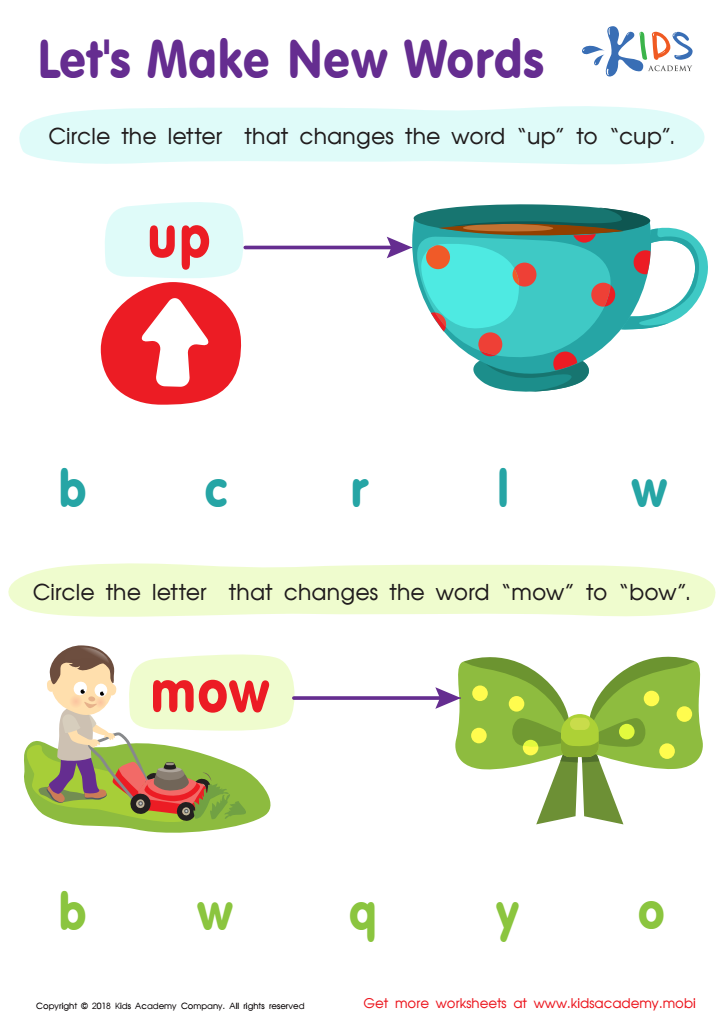
Let's Make New Words Worksheet
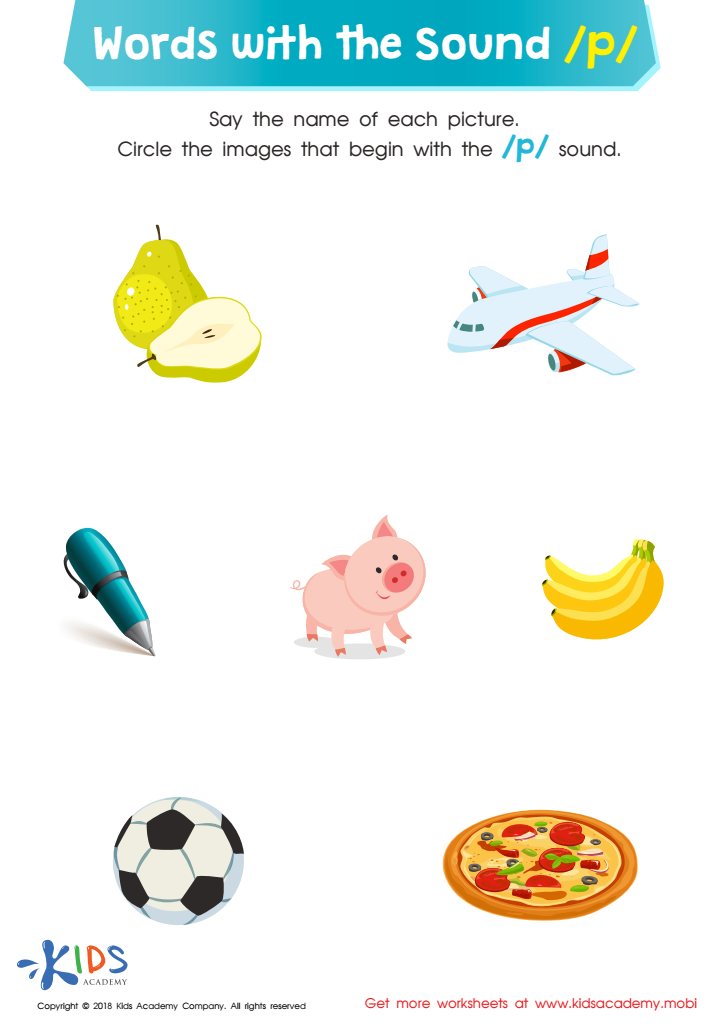
Words with sound p Reading Worksheet
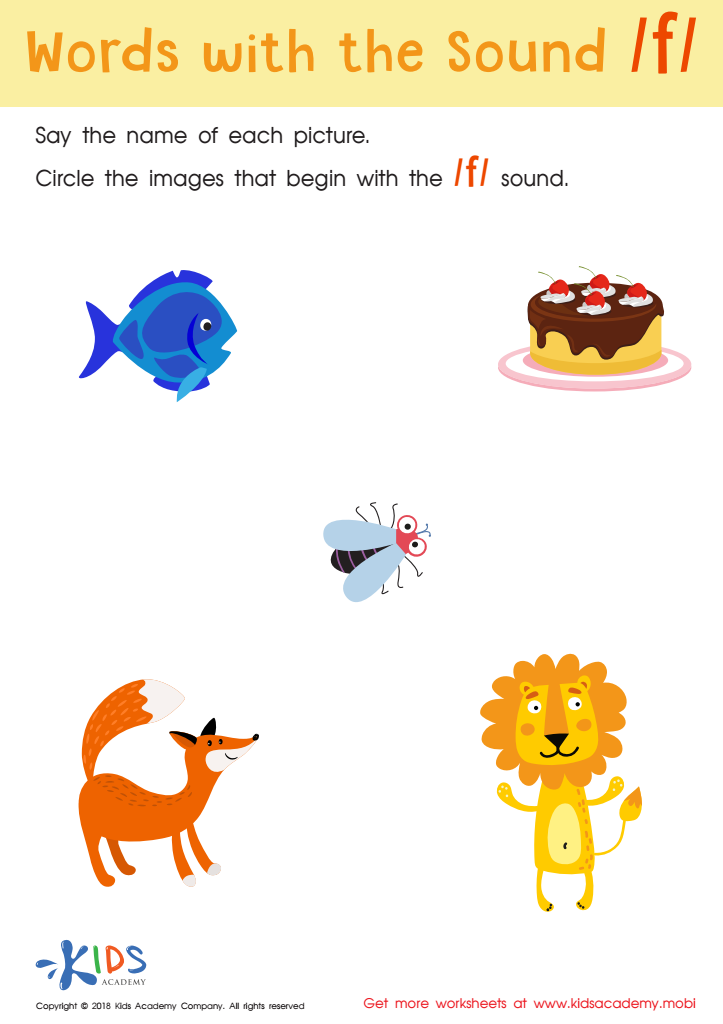
Words with sound f Reading Worksheet
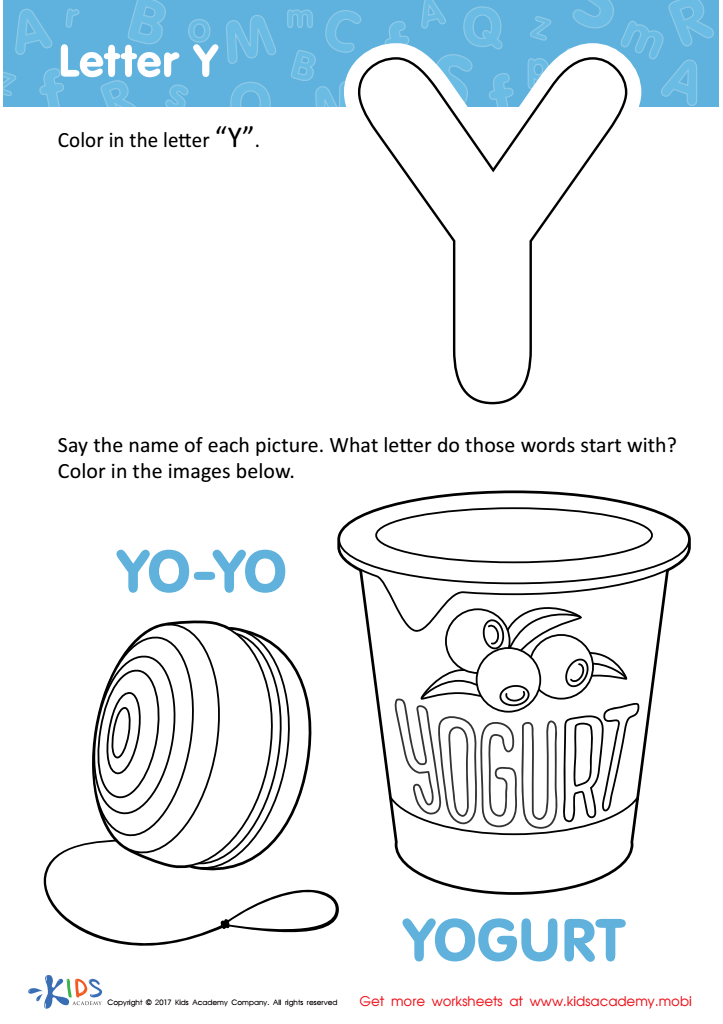
Letter Y Coloring Sheet
Assign to My Students
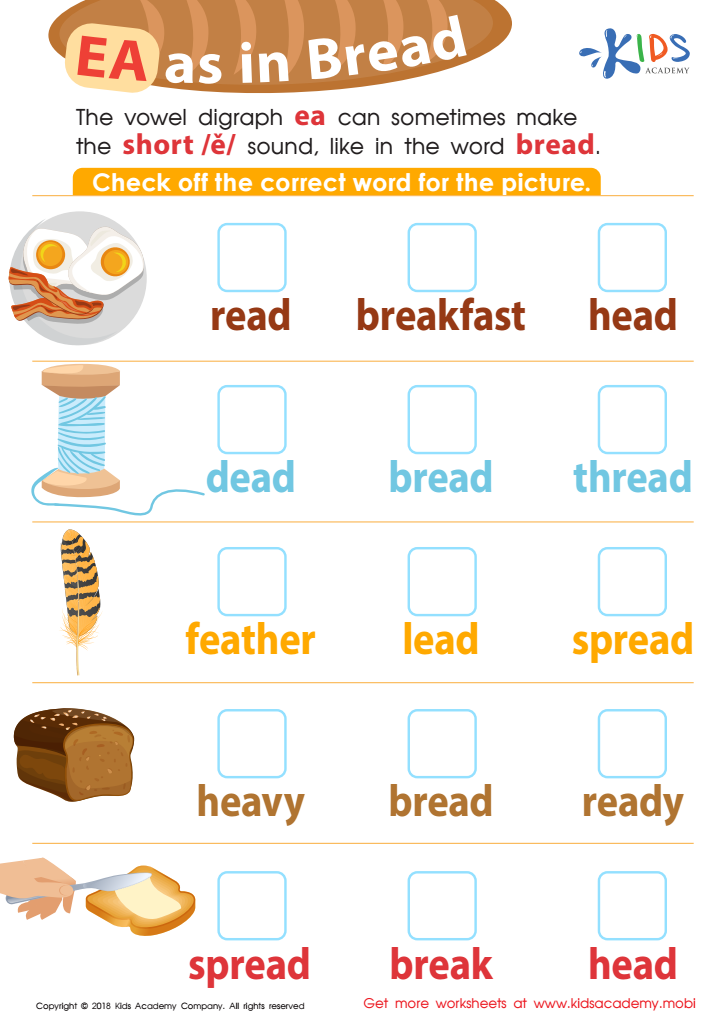
Reading: EA as in Bread Worksheet
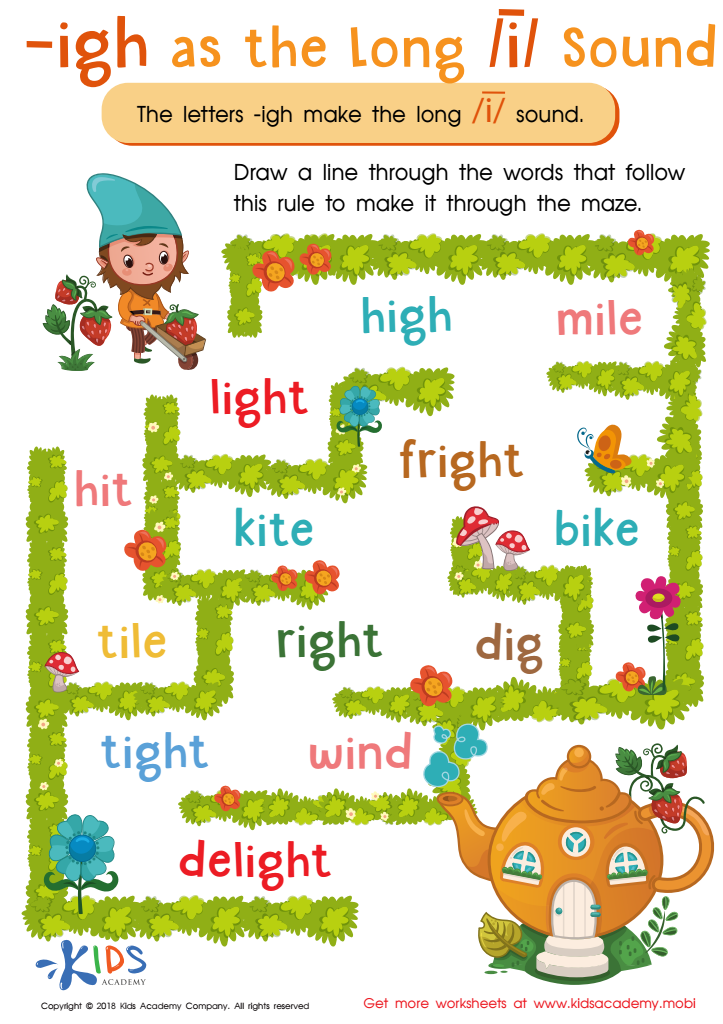
Reading: IGH as Long I Worksheet
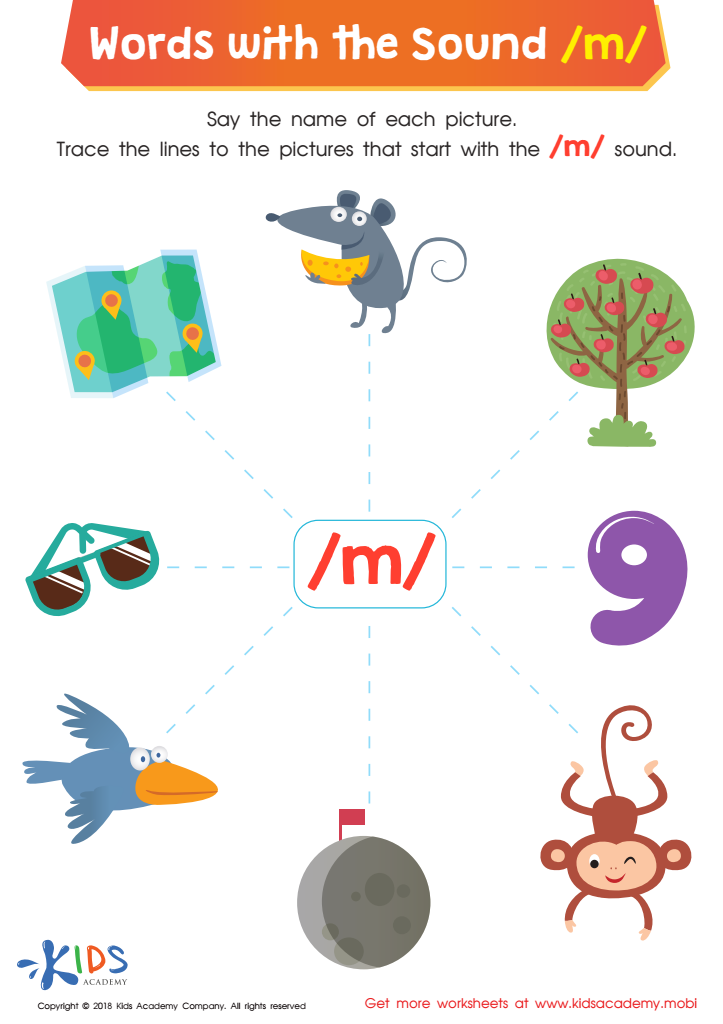
Words with Sound M Reading Worksheet
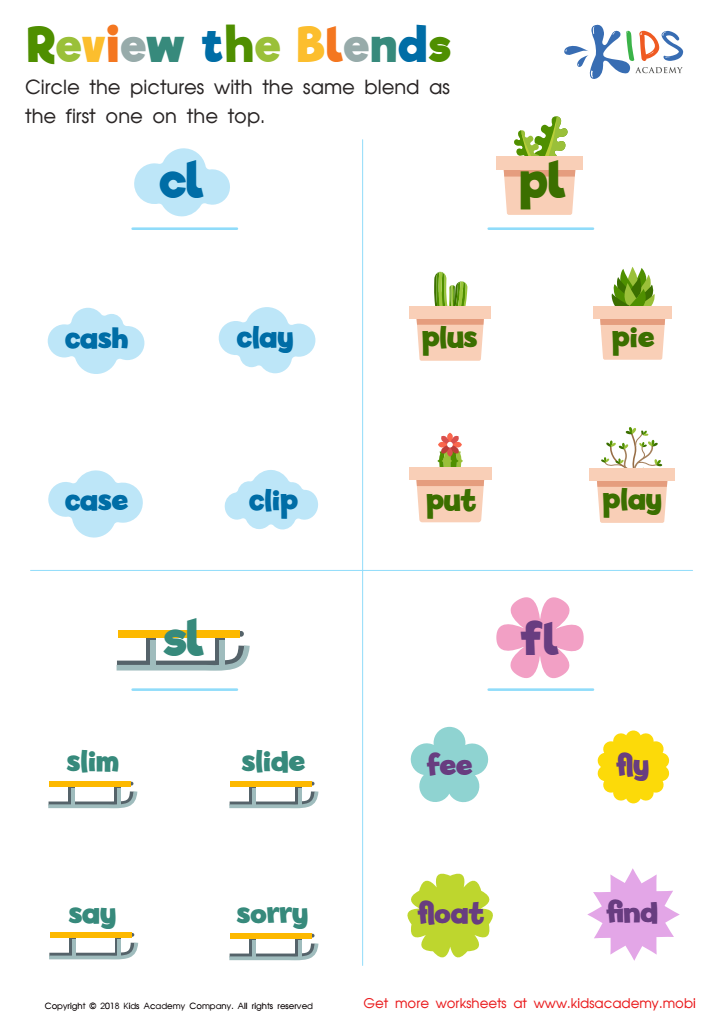
Review the Blends Worksheet





Phonics practice is crucial for children aged 3-9 as it lays the essential foundation for literacy development. At this age, children are especially receptive to learning through play and structured activities. Phonics teaches the relationship between letters and their corresponding sounds, enhancing a child's ability to decode words. This skill is essential for early reading and writing, enabling children to recognize and sound out unfamiliar words confidently.
Moreover, phonics practice supports vocabulary growth and comprehension skills, helping children become more effective communicators. Engaging in phonics activities cultivates a love for reading, setting the stage for a lifelong appreciation of books and learning. It also helps build self-esteem; as children progress in their reading abilities, they gain confidence in their skills.
Additionally, phonics instruction has been linked to improved academic performance across subjects. By investing time and resources into phonics practice, parents and teachers are fostering not only literacy but critical thinking, creativity, and motivation. This early stage in a child's education is vital; emphasizing phonics practice can prevent future reading difficulties and encourage a strong educational foundation that benefits children for years to come. Overall, prioritizing phonics during these formative years is an investment in a child’s future.







