Recognizing shapes Addition & Subtraction Worksheets for Ages 3-9
28 filtered results
-
From - To
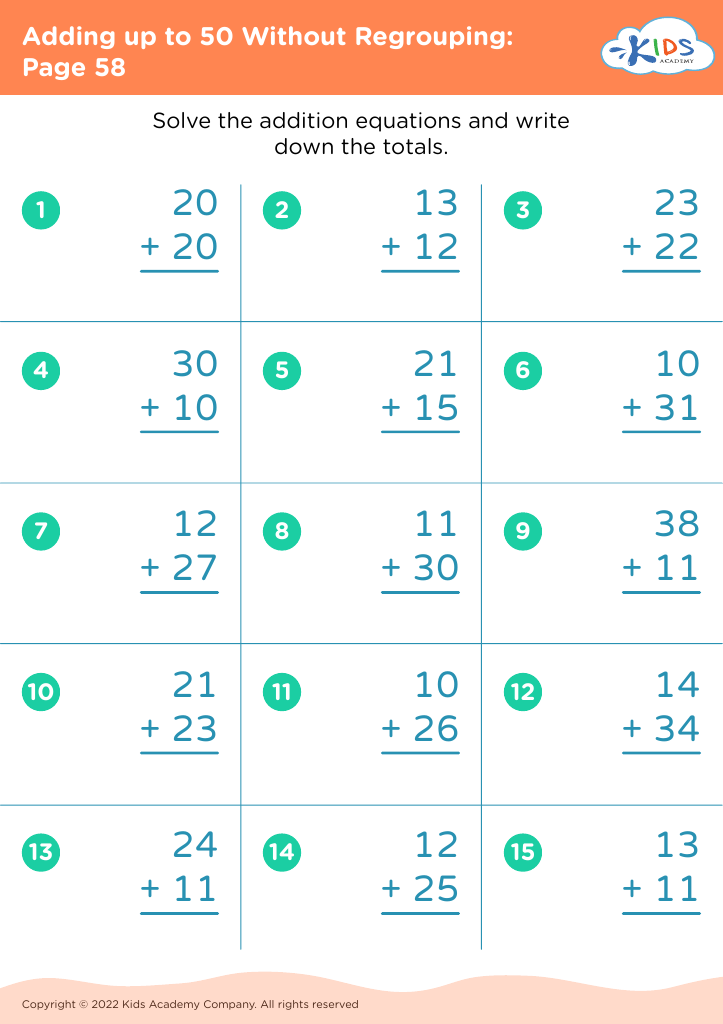
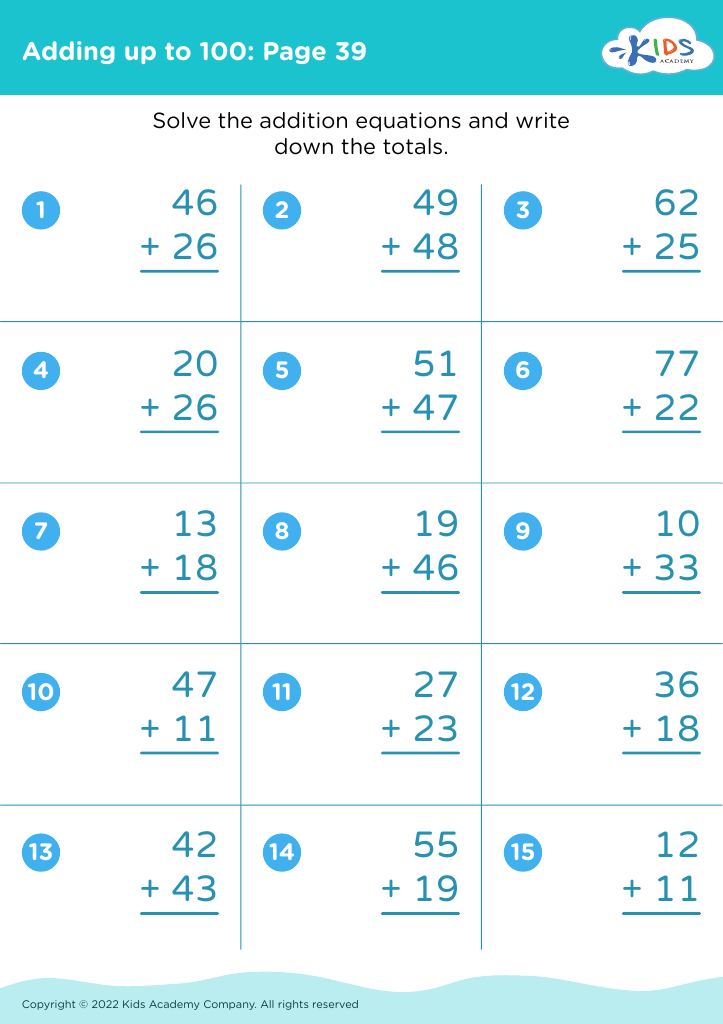
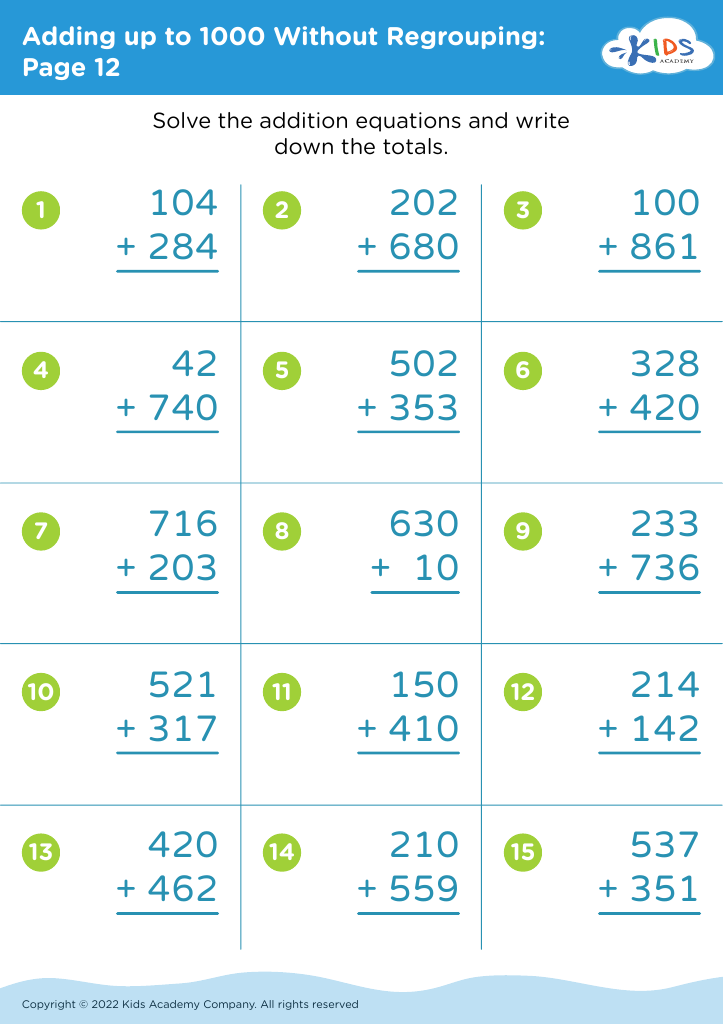
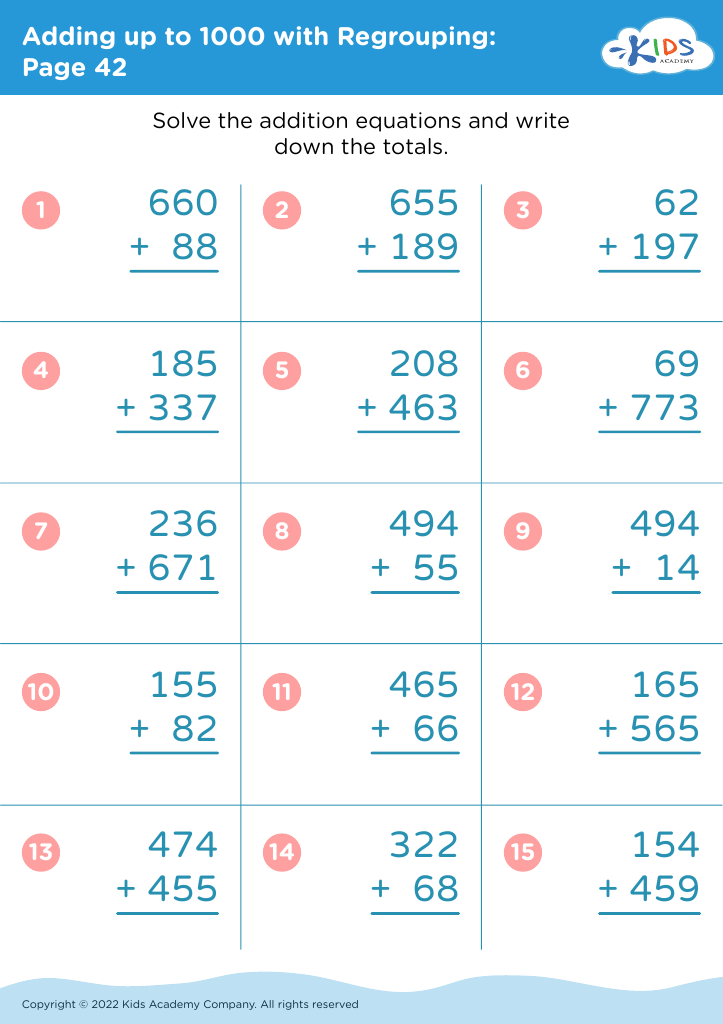
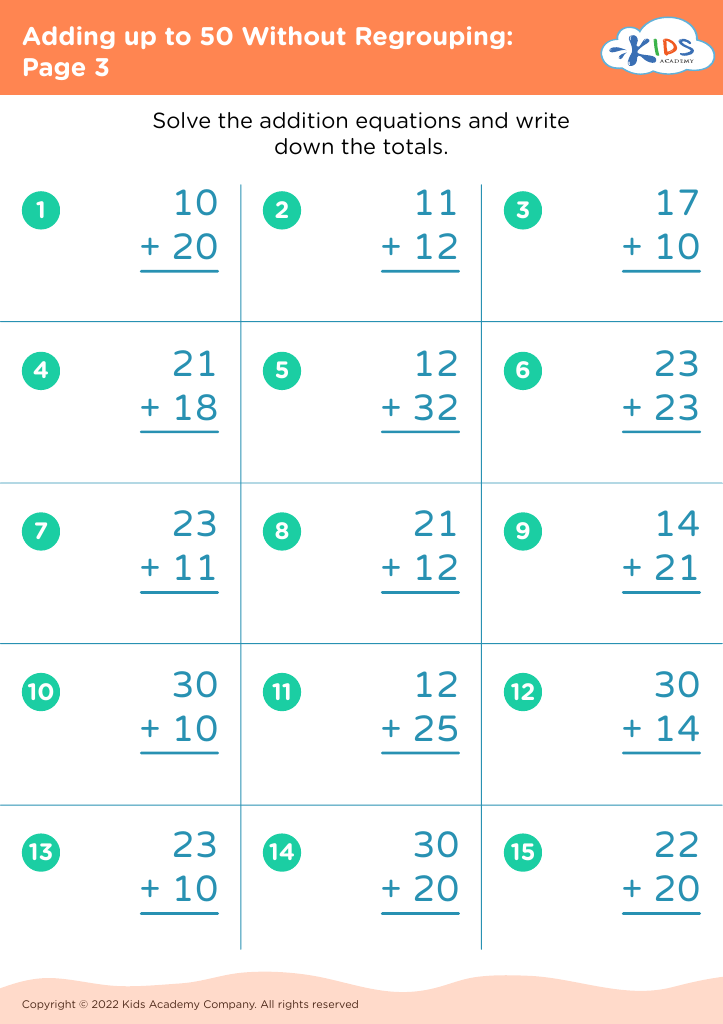
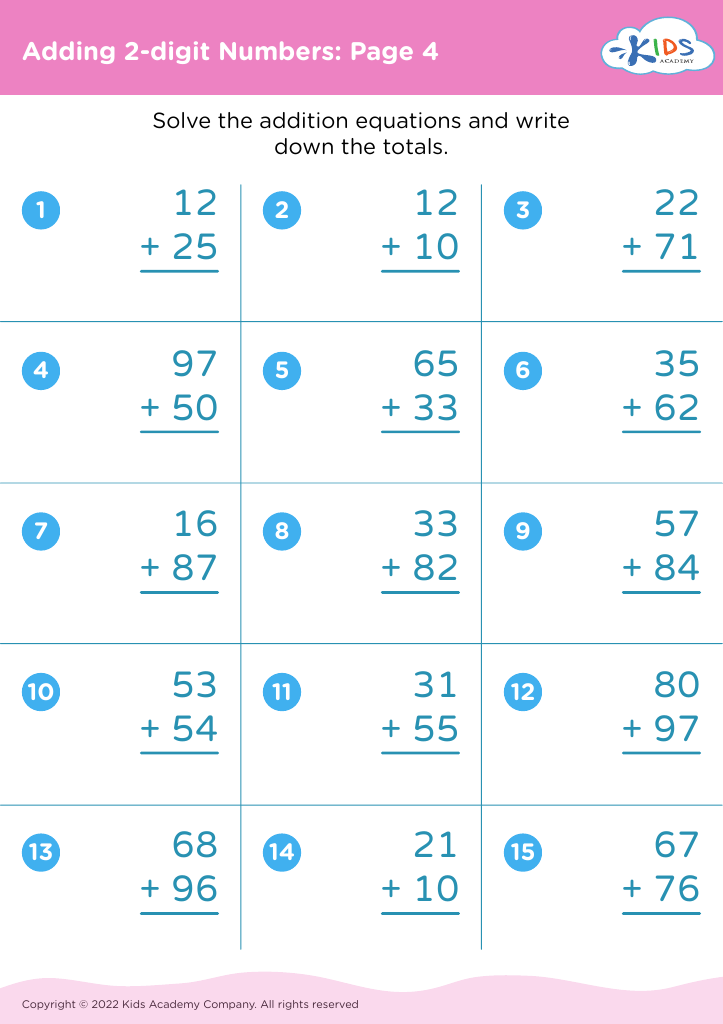
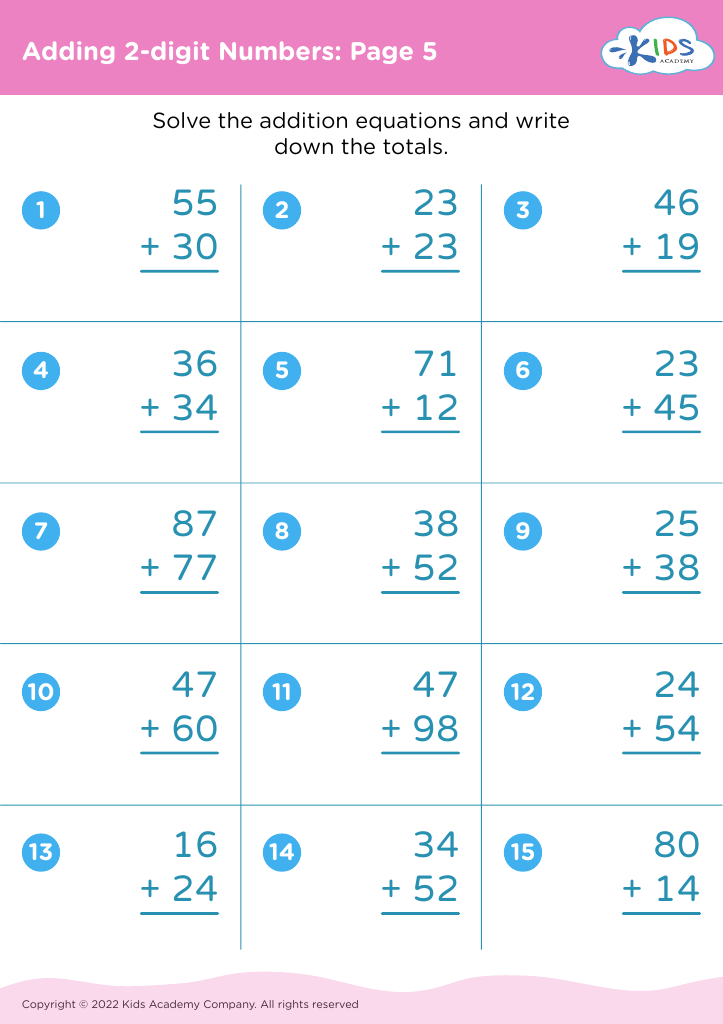
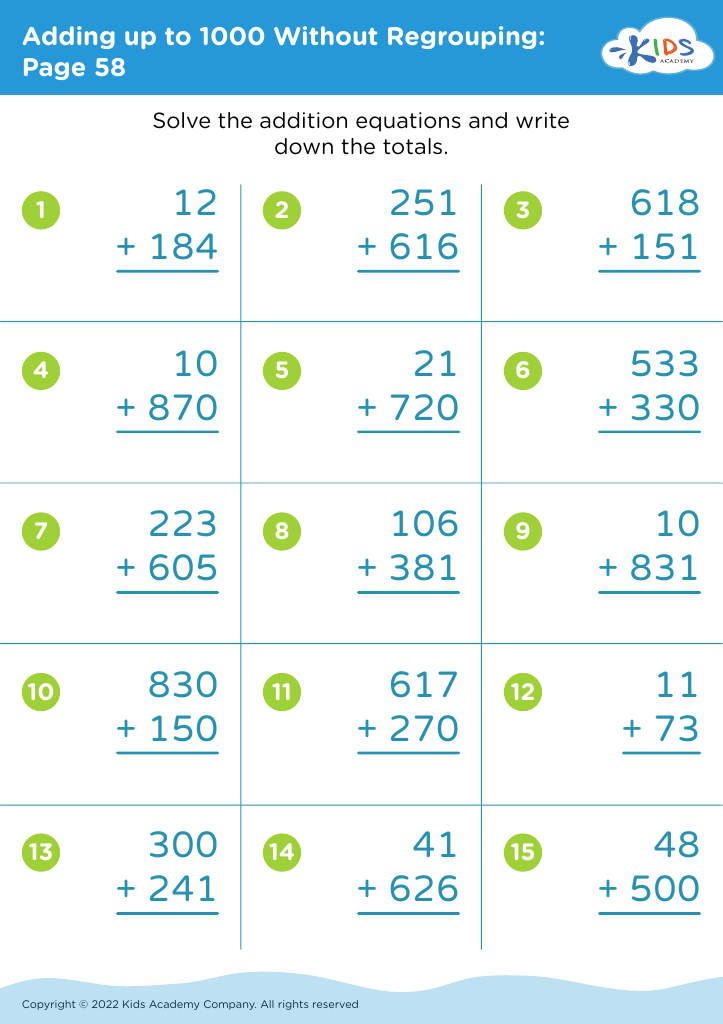
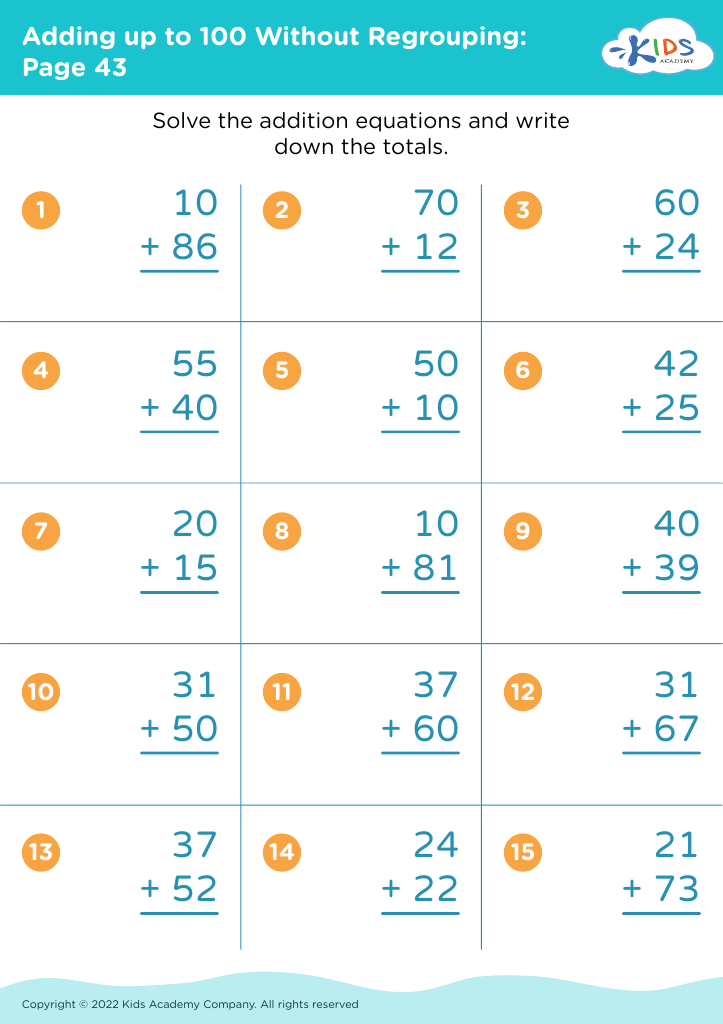
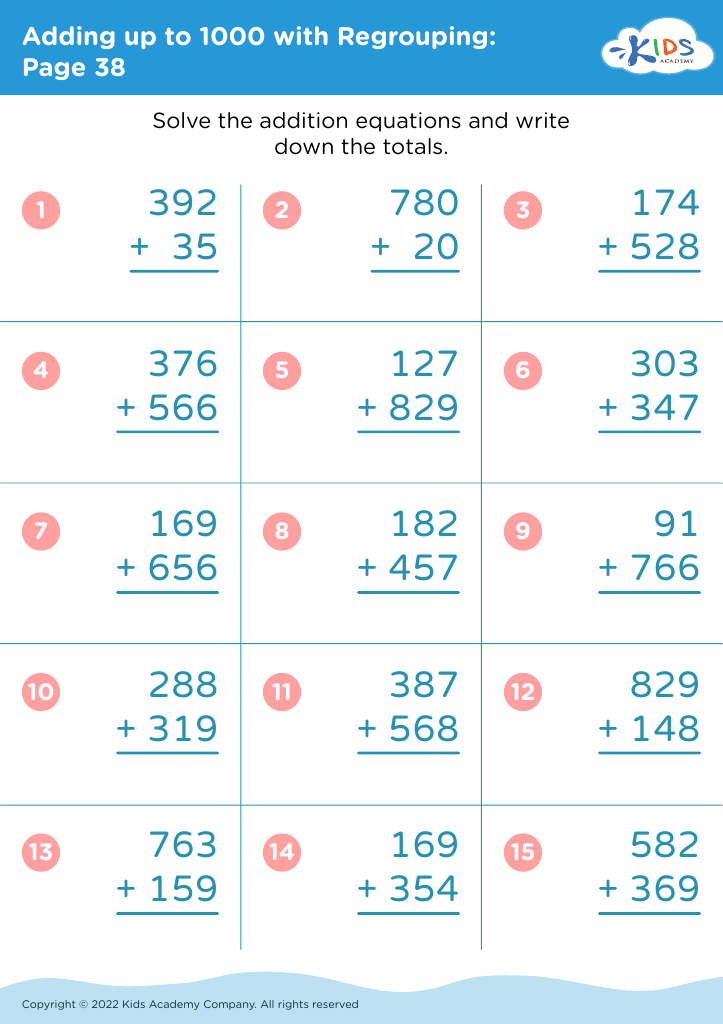
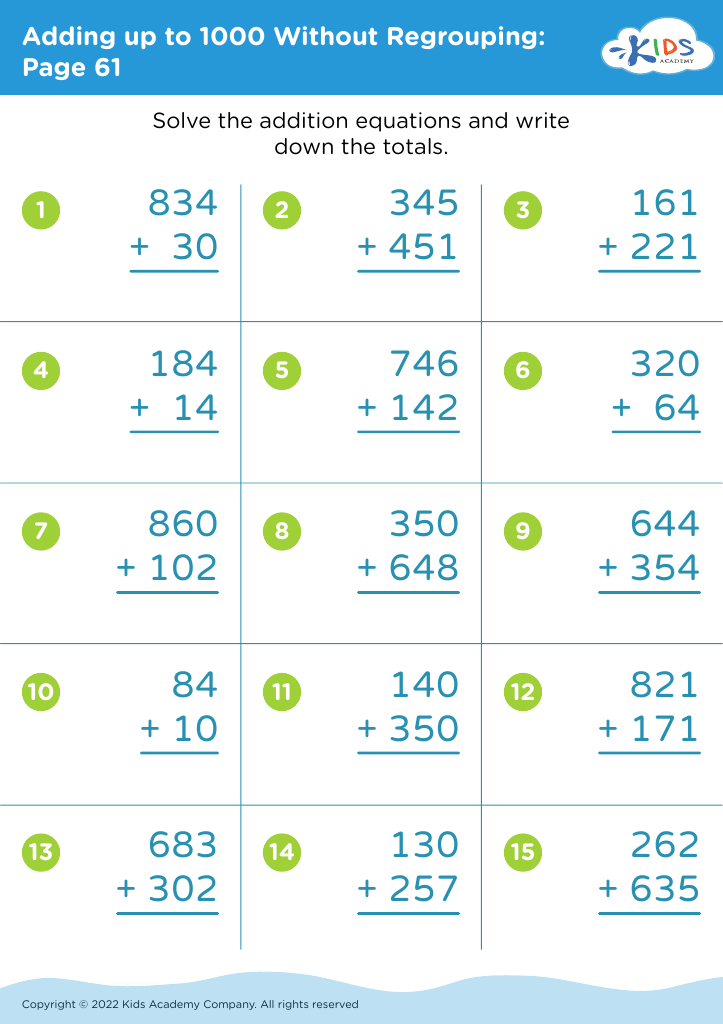
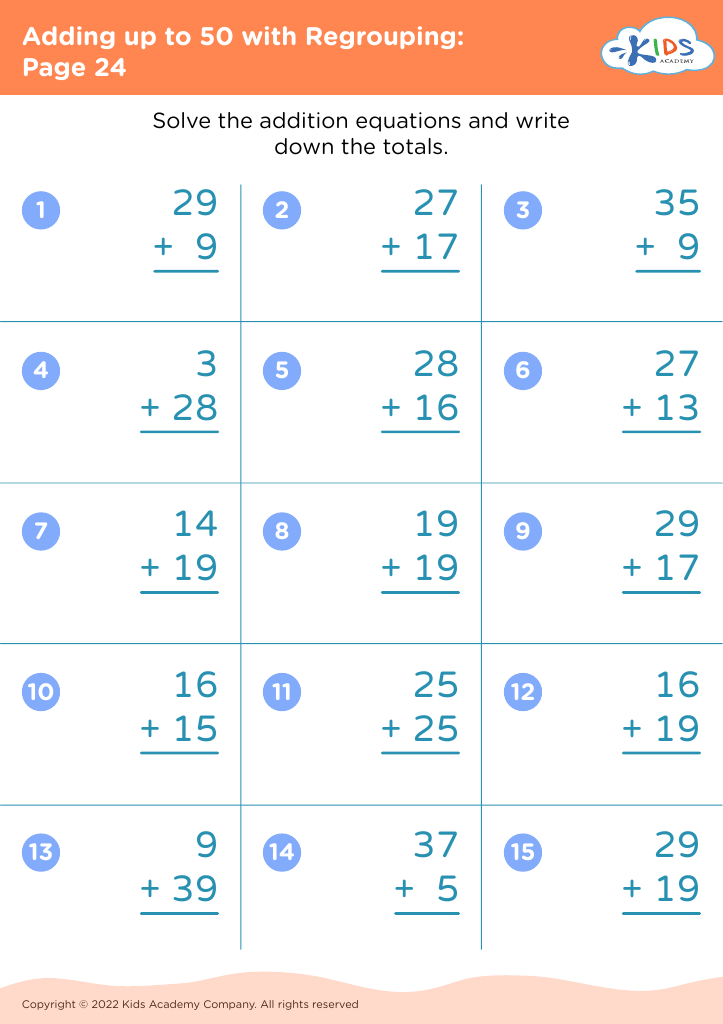
Explore our engaging "Recognizing Shapes Addition & Subtraction Worksheets" designed specifically for children aged 3-9. These worksheets combine foundational math skills with shape recognition, making learning fun and interactive. Young learners will practice adding and subtracting while identifying various shapes, enhancing both their mathematical and visual perceptual skills. Our user-friendly printables are perfect for home or classroom use, promoting independent work and boosting confidence in early math concepts. With colorful illustrations and age-appropriate activities, these worksheets will help children develop essential skills through lively and enjoyable practice. Access our collection today to support your child's learning journey!








Recognizing shapes and mastering basic addition and subtraction are foundational skills essential for children aged 3 to 9. For parents and teachers, advocating for these skills is crucial for several reasons.
Firstly, recognizing shapes develops spatial awareness, which aids in problem-solving and understanding the environment. It lays the groundwork for geometry, a branch of mathematics that students will encounter later in their education. By engaging with shapes through games and activities, children enhance their critical thinking and observational skills.
Secondly, addition and subtraction are key arithmetic skills that foster numerical literacy. Mastery of these concepts builds confidence in children and serves as a stepping stone to more complex mathematical operations. Early math experiences are linked to later academic success, making it vital for adults to support learning through play, visual aids, and practical, everyday activities.
Furthermore, integrating shapes and basic math into daily routines helps children see the value of these skills in real-life contexts, such as measuring and organizing. When parents and teachers prioritize these areas of learning, they not only support cognitive development but also foster a positive attitude towards math, ultimately promoting a lifelong love of learning in young children.








