Filters

114 filtered results

Clear all filters
Favorites
With answer key
Interactive

114 filtered results

Difficulty Level

Grade


Subject

    Check out this FREE Trial Lesson on Addition for age 3-9!

    Making 12

    Favorites
    With answer key
    Interactive
    • 3-9
    • Cognitive Development
    • Addition
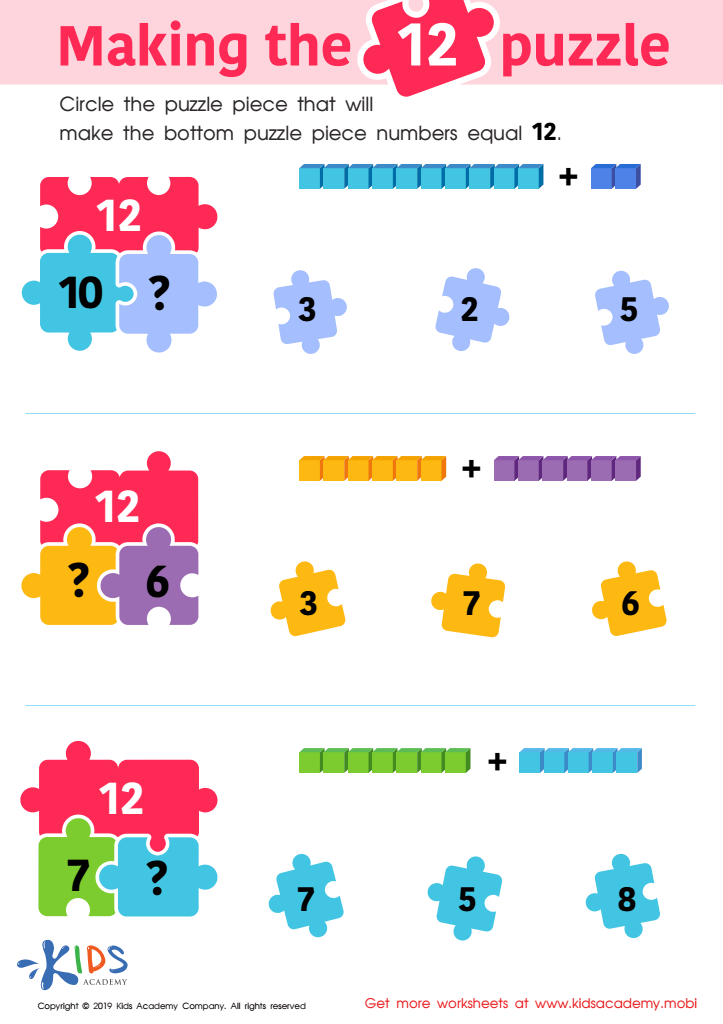
    Making the 12 Puzzle Worksheet
    Making the 12 Puzzle Worksheet

    Making the 12 Puzzle Worksheet

    Engage preschoolers in learning with this fun and colorful worksheet. Ask them to look at the picture and identify the missing equation on each puzzle piece; then help them solve the problems. When all the puzzle pieces make the bottom numbers equal 12, have them circle it. This is a great way to combine learning and fun!
    Making the 12 Puzzle Worksheet
    Worksheet
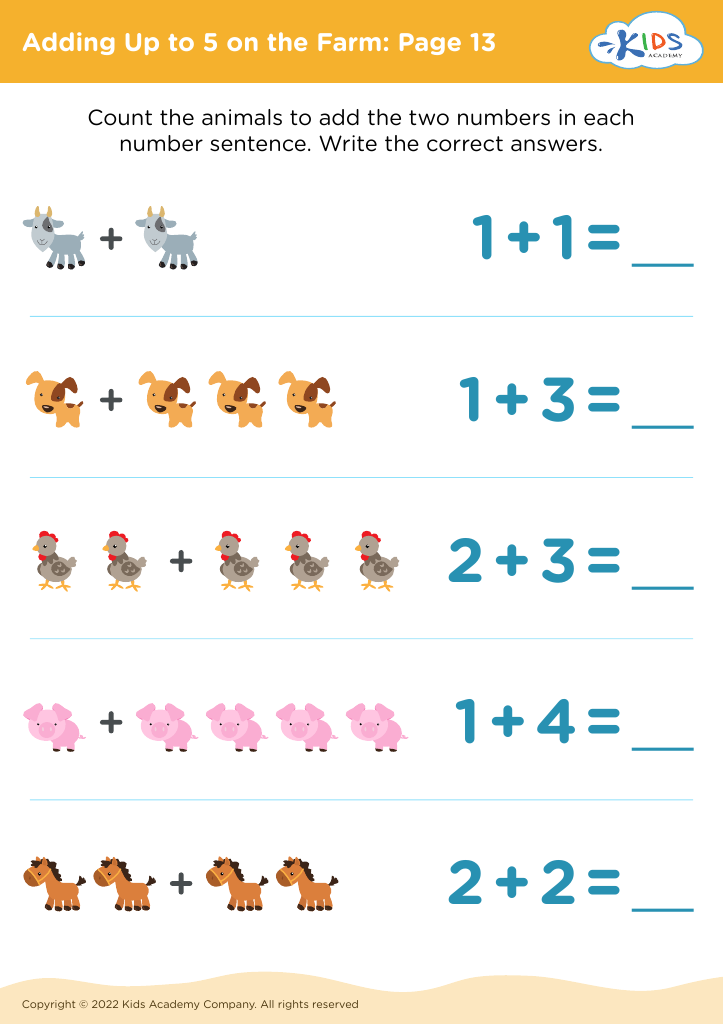
    Adding Up to 5 on the Farm: Page 13
    Adding Up to 5 on the Farm: Page 13
    Adding Up to 5 on the Farm: Page 13
    Worksheet
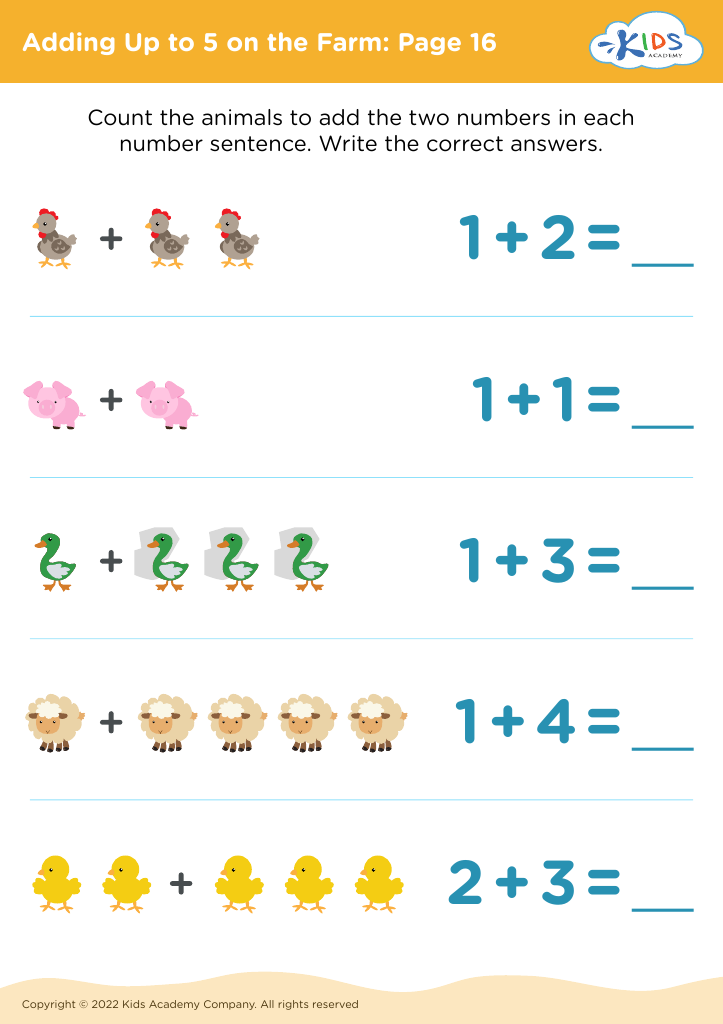
    Adding Up to 5 on the Farm: Page 16
    Adding Up to 5 on the Farm: Page 16
    Adding Up to 5 on the Farm: Page 16
    Worksheet
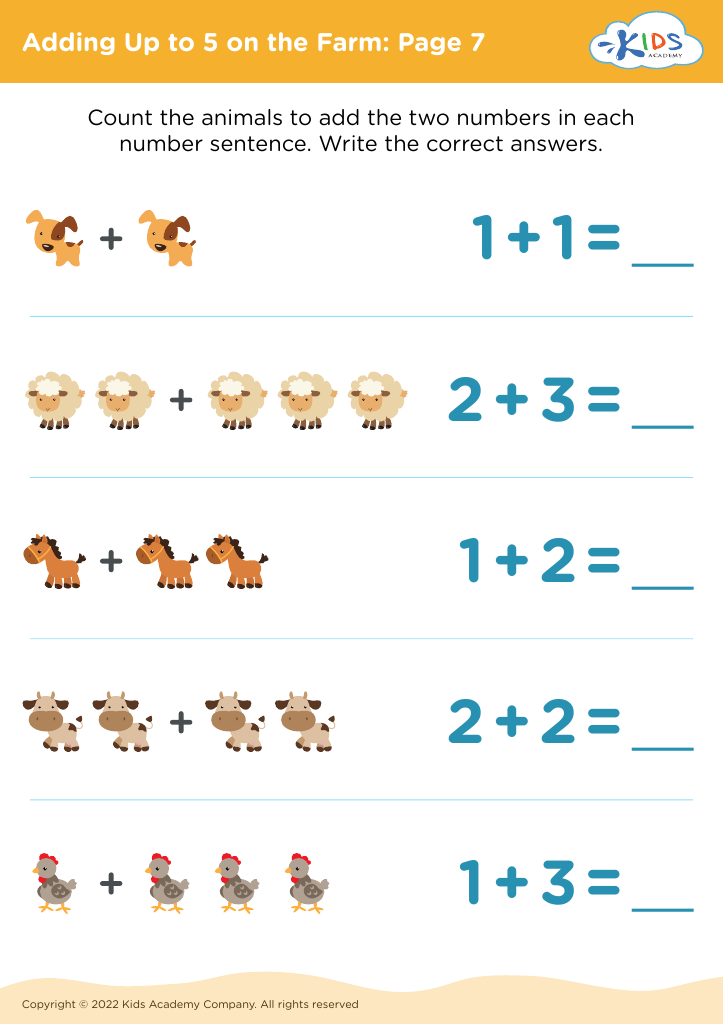
    Adding Up to 5 on the Farm: Page 7
    Adding Up to 5 on the Farm: Page 7
    Adding Up to 5 on the Farm: Page 7
    Worksheet
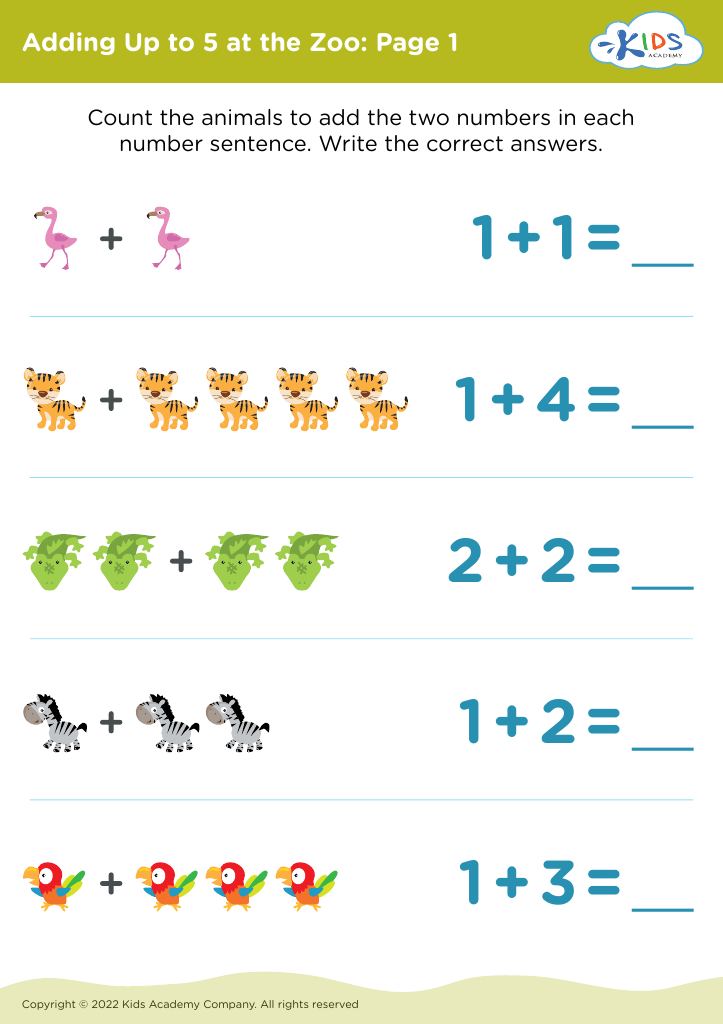
    Adding Up to 5 at the Zoo: Page 1
    Adding Up to 5 at the Zoo: Page 1

    Adding Up to 5 at the Zoo: Page 1

    Adding Up to 5 at the Zoo: Page 1
    Worksheet
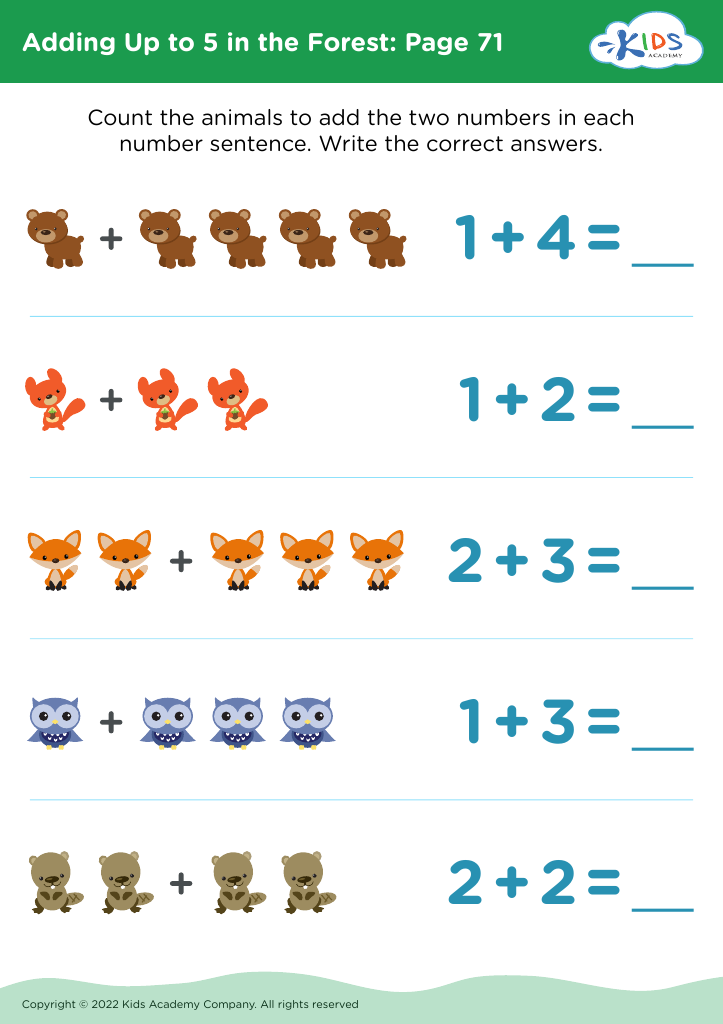
    Adding Up to 5 in the Forest: Page 71
    Adding Up to 5 in the Forest: Page 71
    Adding Up to 5 in the Forest: Page 71
    Worksheet
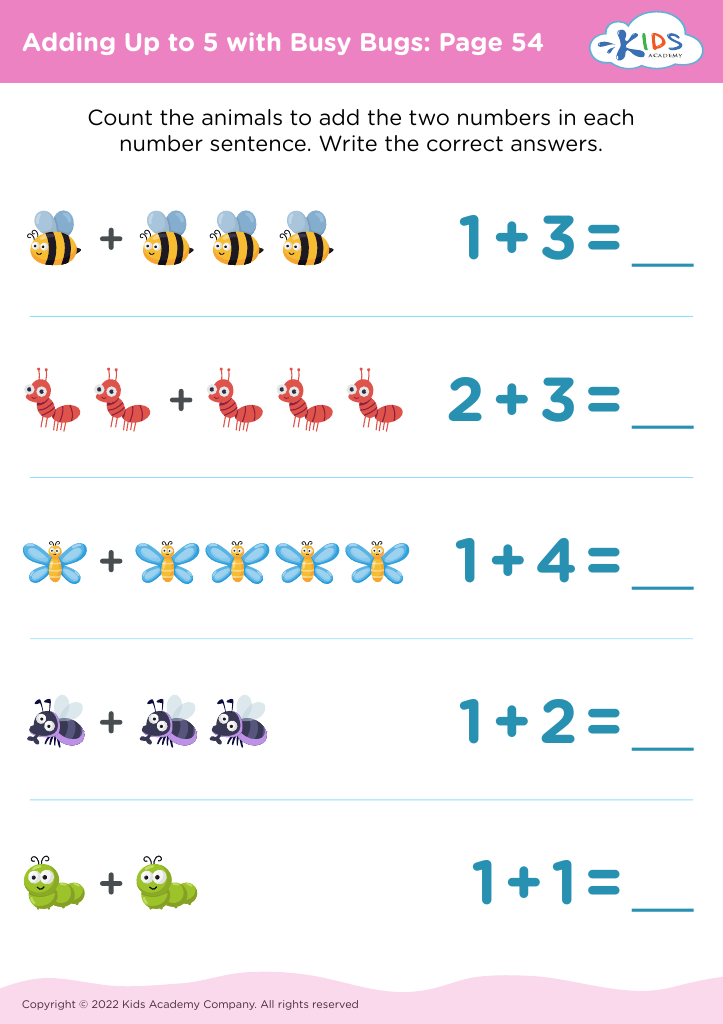
    Adding Up to 5 with Busy Bugs: Page 54
    Adding Up to 5 with Busy Bugs: Page 54
    Adding Up to 5 with Busy Bugs: Page 54
    Worksheet
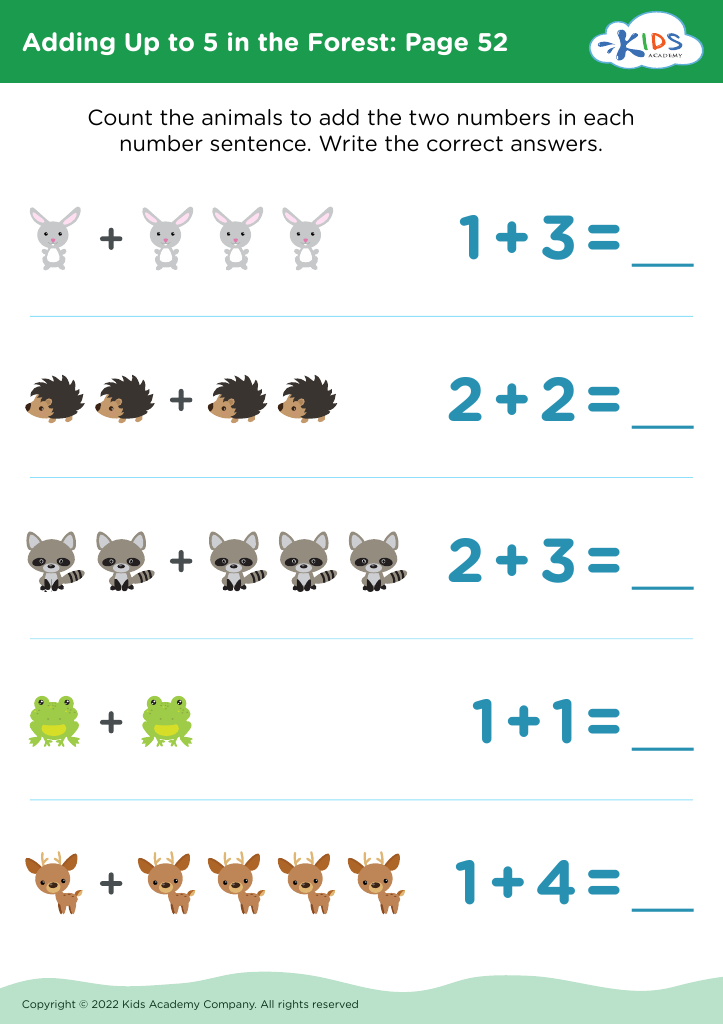
    Adding Up to 5 in the Forest: Page 52
    Adding Up to 5 in the Forest: Page 52
    Adding Up to 5 in the Forest: Page 52
    Worksheet
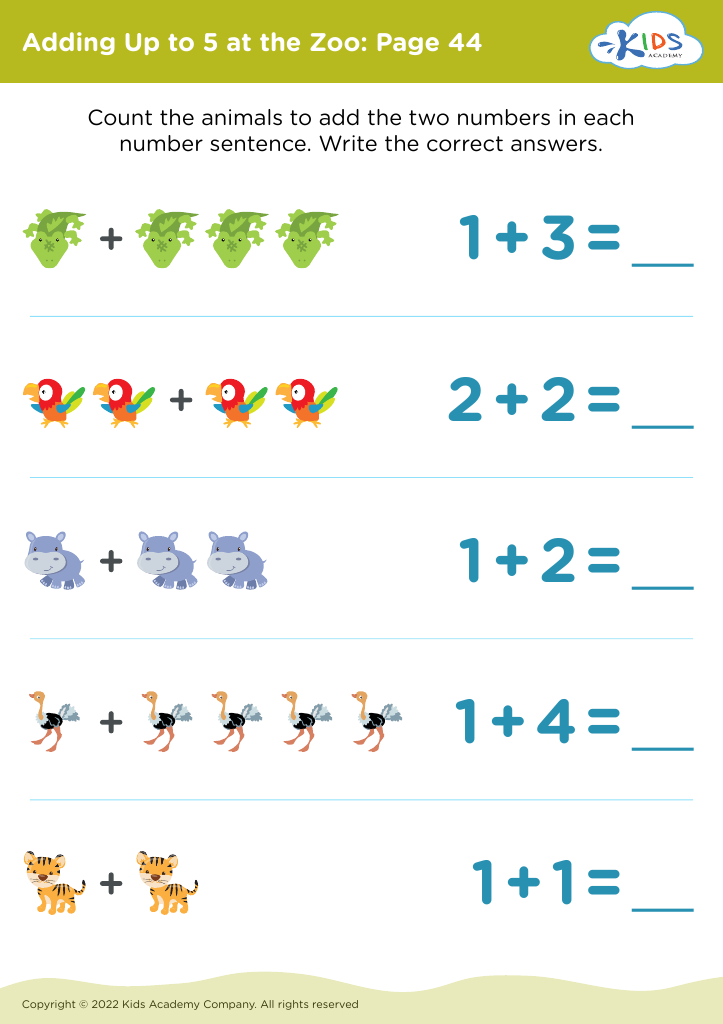
    Adding Up to 5 at the Zoo: Page 44
    Adding Up to 5 at the Zoo: Page 44
    Adding Up to 5 at the Zoo: Page 44
    Worksheet
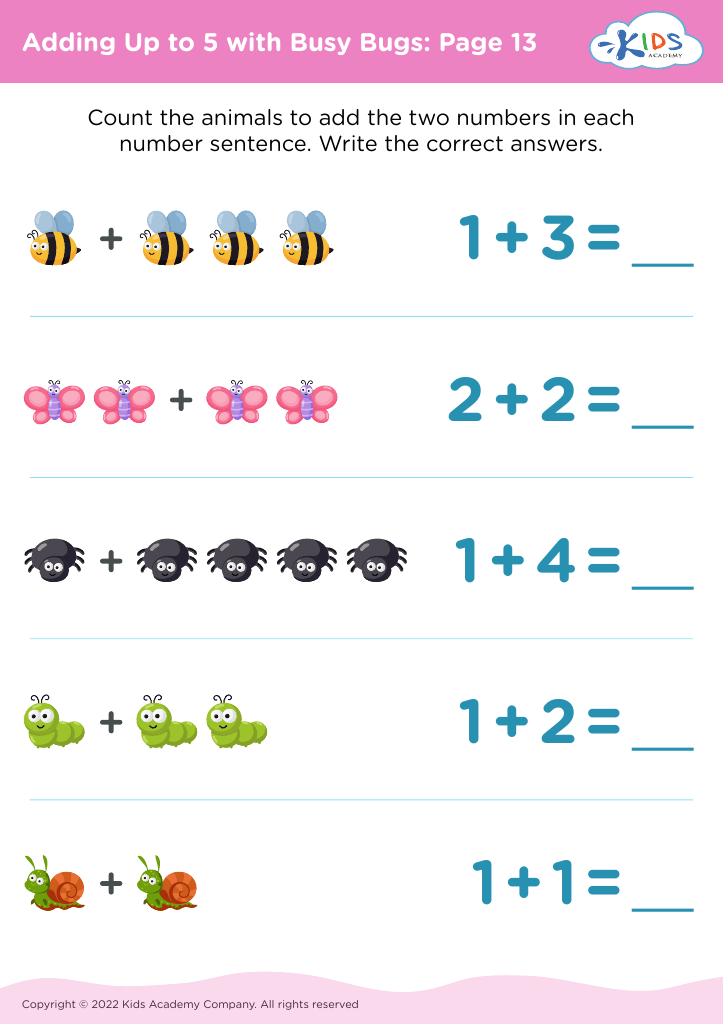
    Adding Up to 5 with Busy Bugs: Page 13
    Adding Up to 5 with Busy Bugs: Page 13
    Adding Up to 5 with Busy Bugs: Page 13
    Worksheet
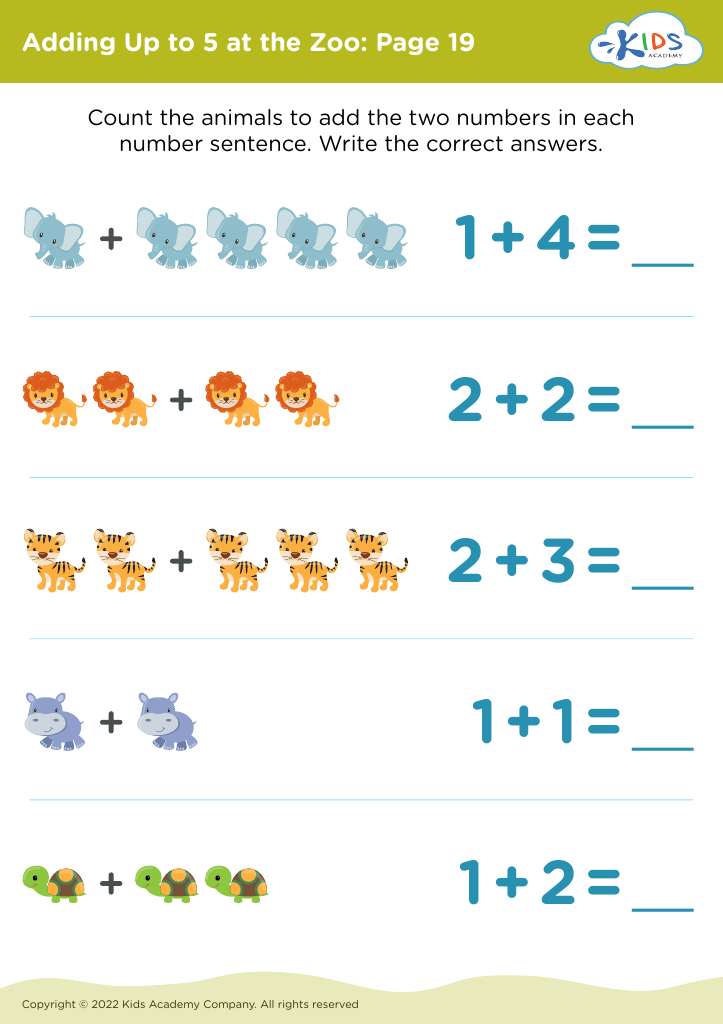
    Adding Up to 5 at the Zoo: Page 19
    Adding Up to 5 at the Zoo: Page 19
    Adding Up to 5 at the Zoo: Page 19
    Worksheet
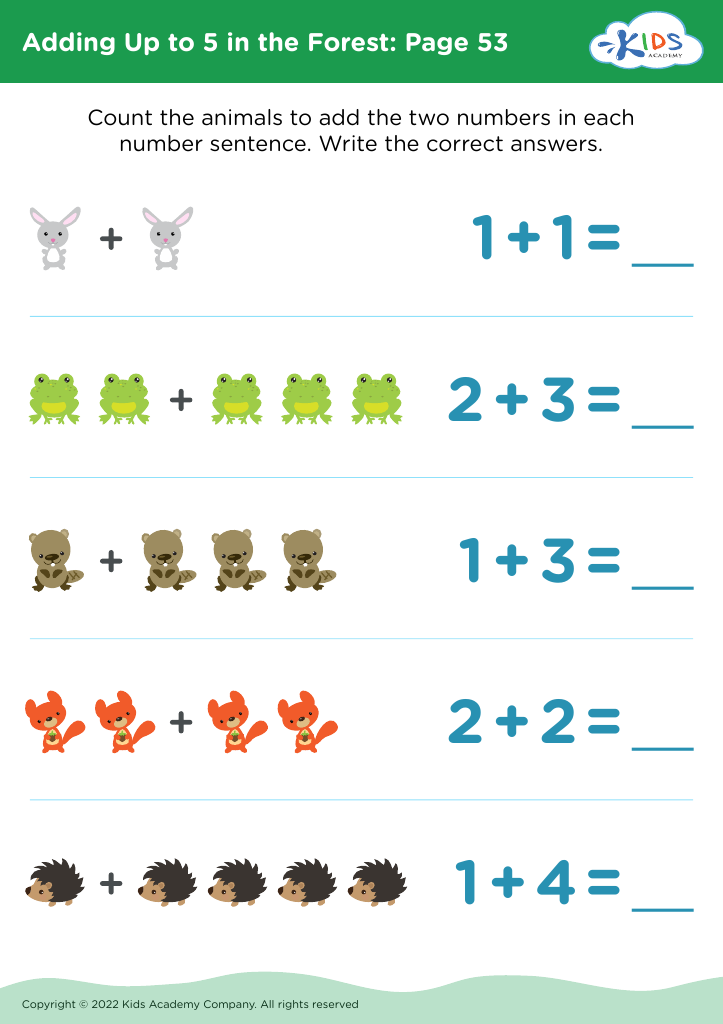
    Adding Up to 5 in the Forest: Page 53
    Adding Up to 5 in the Forest: Page 53
    Adding Up to 5 in the Forest: Page 53
    Worksheet
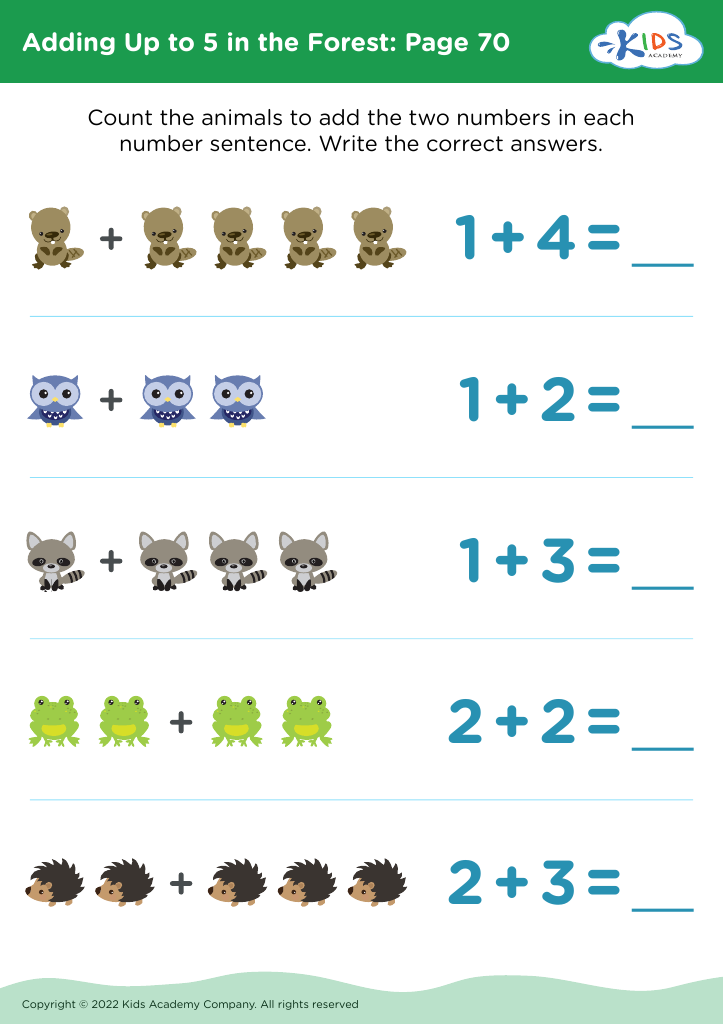
    Adding Up to 5 in the Forest: Page 70
    Adding Up to 5 in the Forest: Page 70
    Adding Up to 5 in the Forest: Page 70
    Worksheet
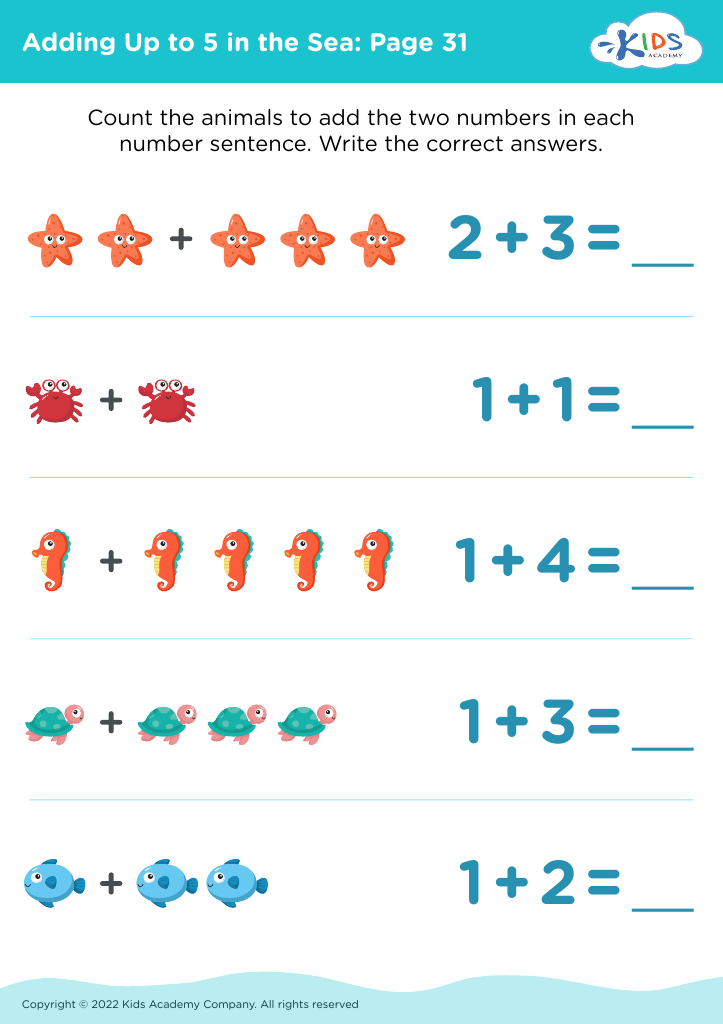
    Adding Up to 5 in the Sea: Page 31
    Adding Up to 5 in the Sea: Page 31
    Adding Up to 5 in the Sea: Page 31
    Worksheet
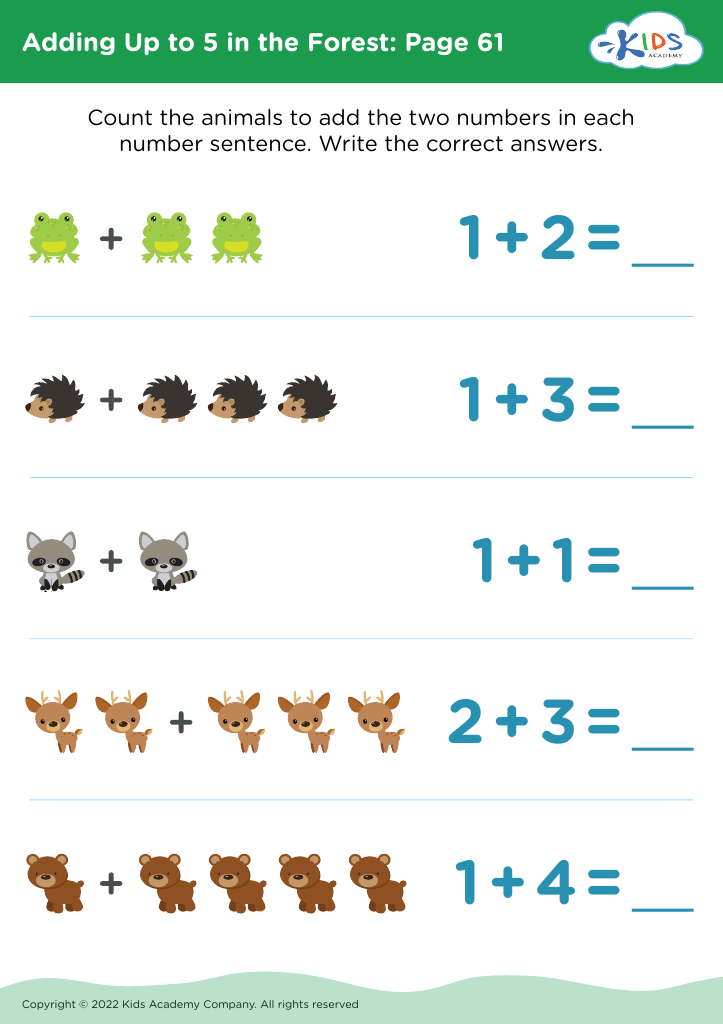
    Adding Up to 5 in the Forest: Page 61
    Adding Up to 5 in the Forest: Page 61
    Adding Up to 5 in the Forest: Page 61
    Worksheet
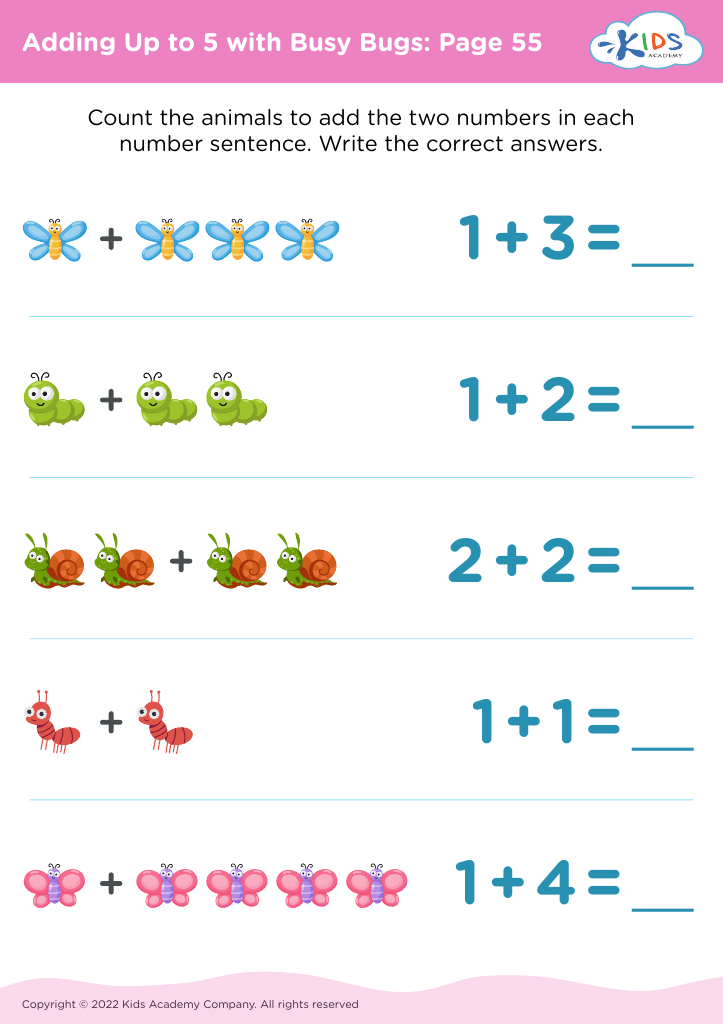
    Adding Up to 5 with Busy Bugs: Page 55
    Adding Up to 5 with Busy Bugs: Page 55
    Adding Up to 5 with Busy Bugs: Page 55
    Worksheet
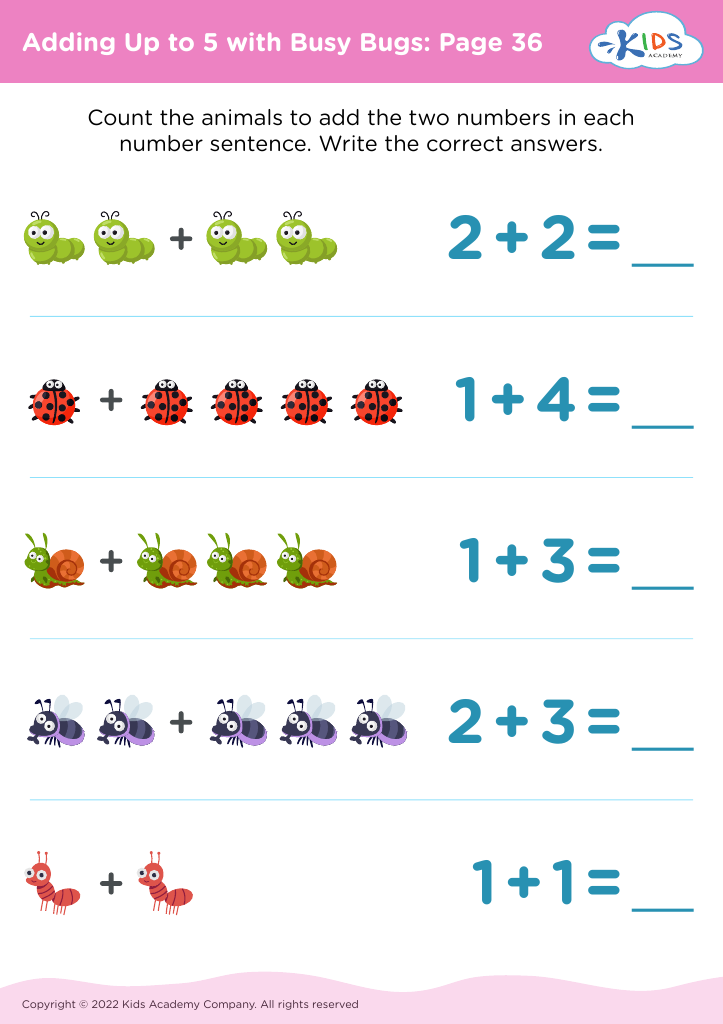
    Adding Up to 5 with Busy Bugs: Page 36
    Adding Up to 5 with Busy Bugs: Page 36
    Adding Up to 5 with Busy Bugs: Page 36
    Worksheet
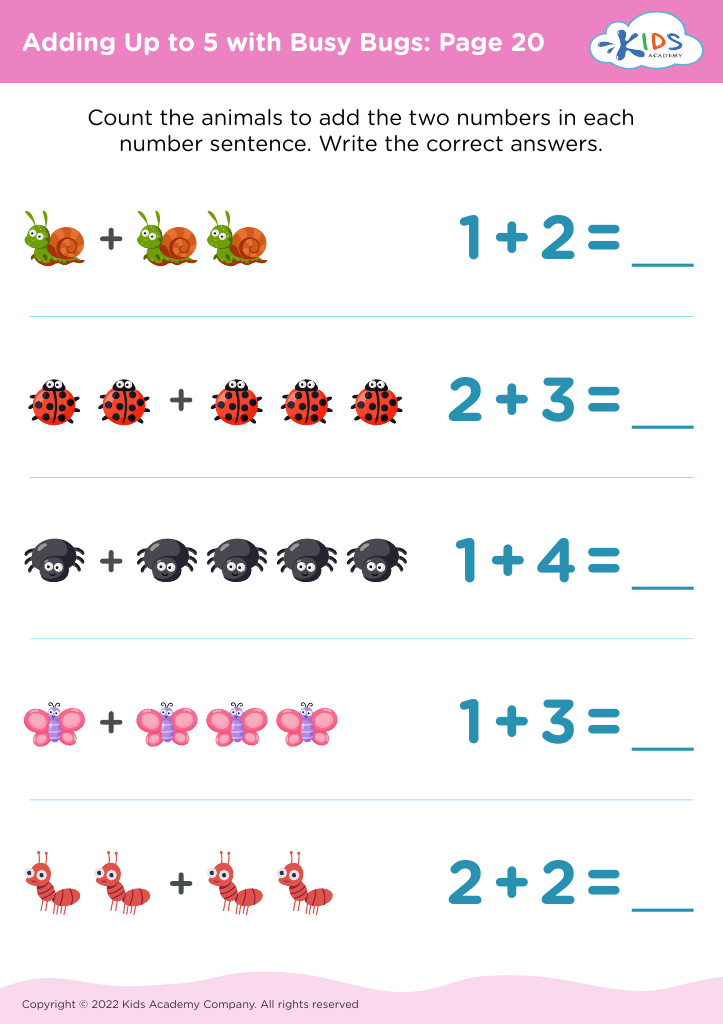
    Adding Up to 5 with Busy Bugs: Page 20
    Adding Up to 5 with Busy Bugs: Page 20
    Adding Up to 5 with Busy Bugs: Page 20
    Worksheet
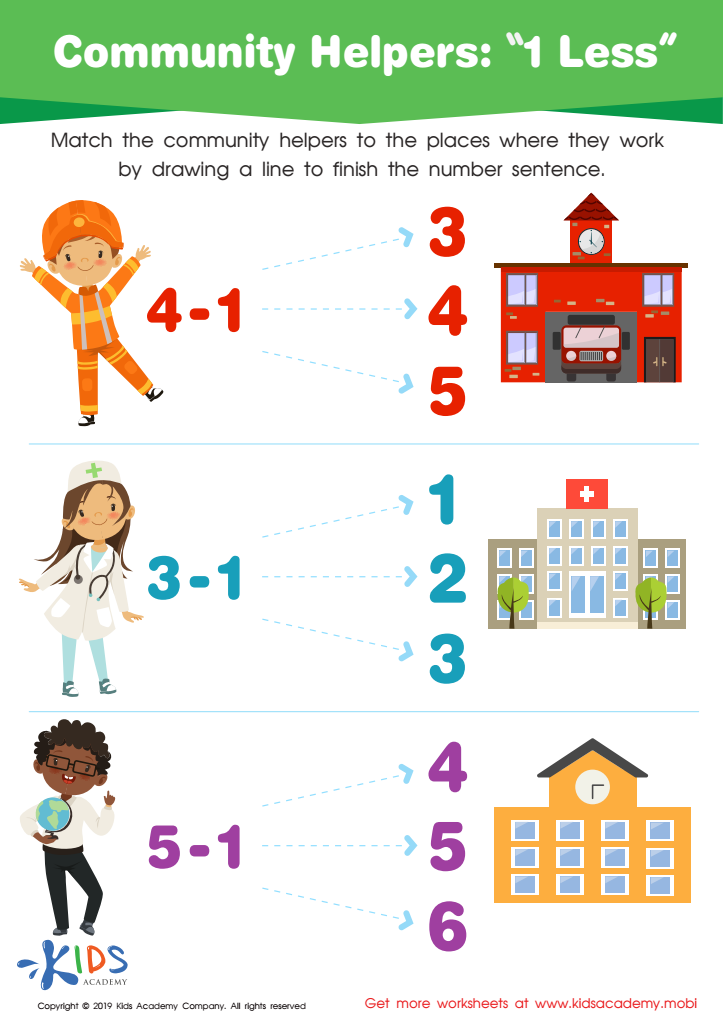
    Community Helpers: 1 less Worksheet
    Community Helpers: 1 less Worksheet
    Community Helpers: 1 less Worksheet
    Look at this worksheet with your child and ask them to identify the different community helpers. Match them to the places where they work by drawing a line to finish the number sentence. This helps them identify the people that help keep the community organized and running smoothly. Examples of community helpers include doctors, police officers, firefighters, teachers, etc.
    Community Helpers: 1 less Worksheet
    Worksheet
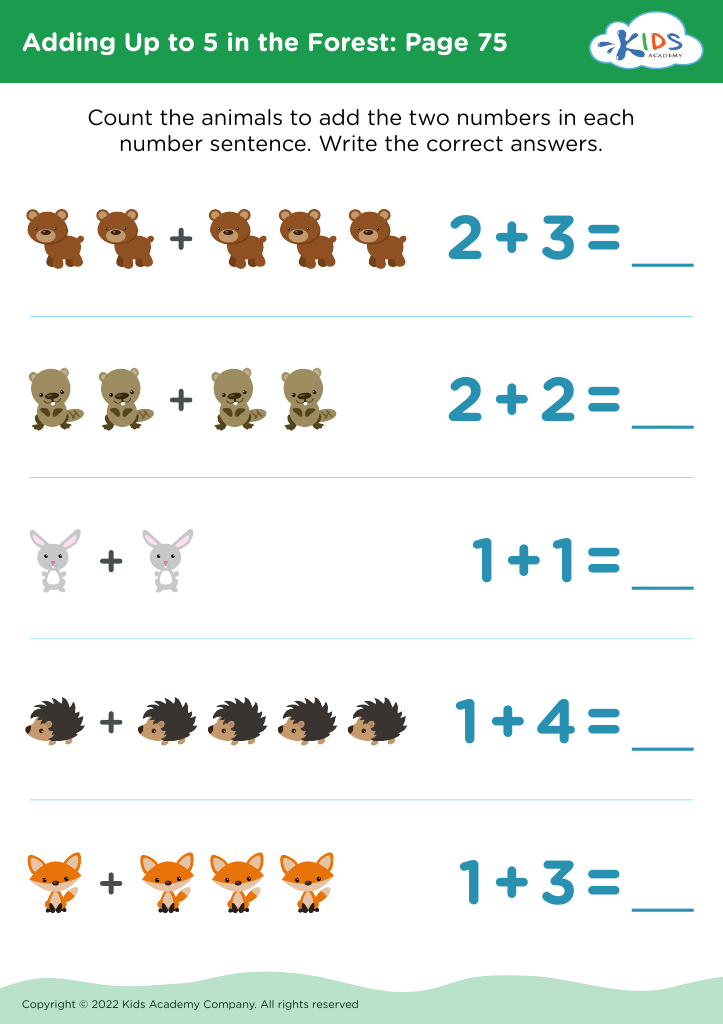
    Adding Up to 5 in the Forest: Page 75
    Adding Up to 5 in the Forest: Page 75
    Adding Up to 5 in the Forest: Page 75
    Worksheet
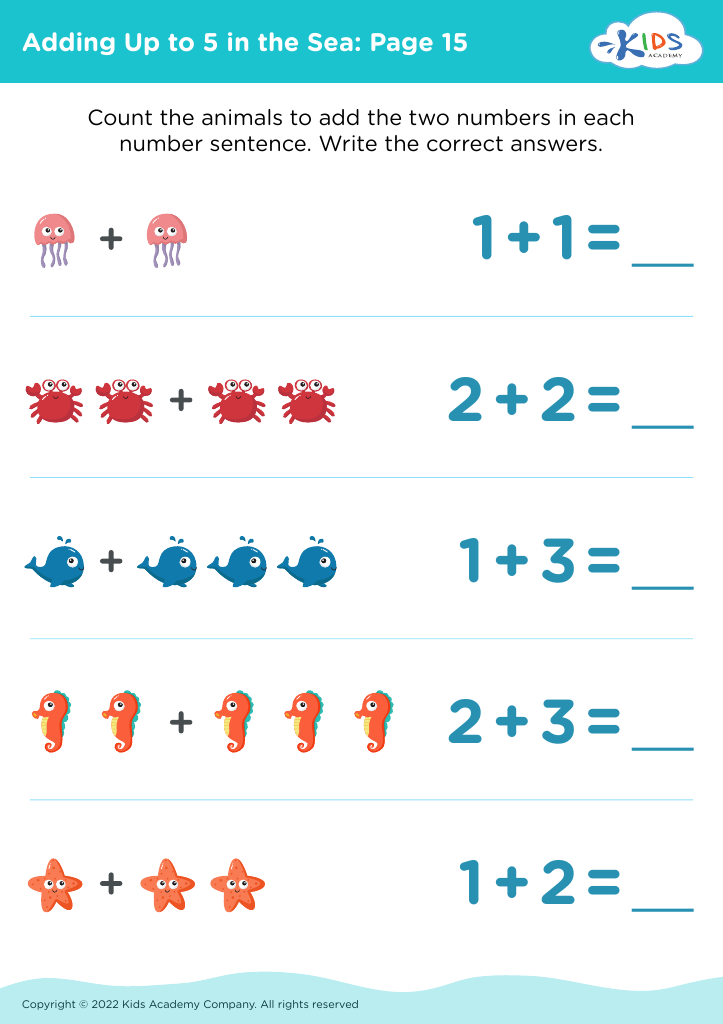
    Adding Up to 5 in the Sea: Page 15
    Adding Up to 5 in the Sea: Page 15
    Adding Up to 5 in the Sea: Page 15
    Worksheet
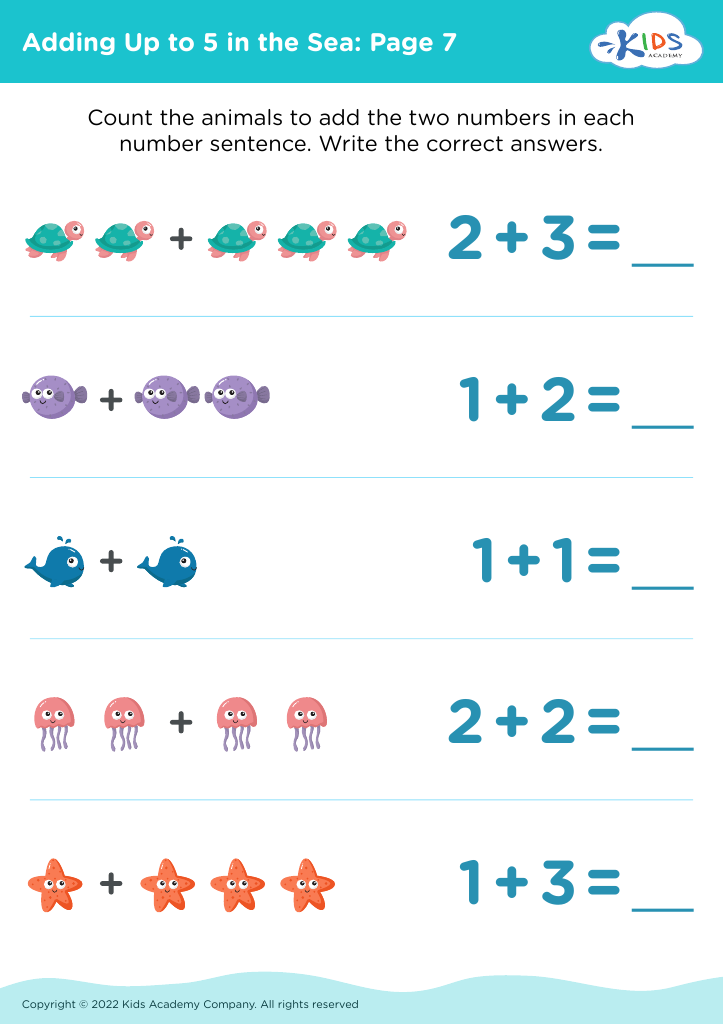
    Adding Up to 5 in the Sea: Page 7
    Adding Up to 5 in the Sea: Page 7

    Adding Up to 5 in the Sea: Page 7

    Adding Up to 5 in the Sea: Page 7
    Worksheet
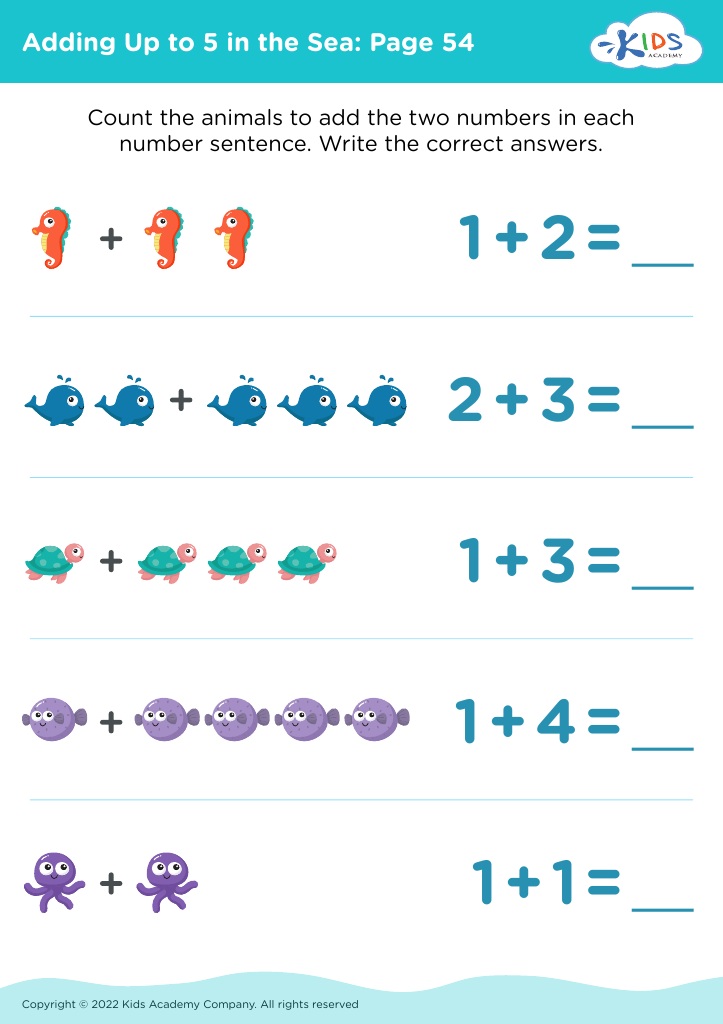
    Adding Up to 5 in the Sea: Page 54
    Adding Up to 5 in the Sea: Page 54
    Adding Up to 5 in the Sea: Page 54
    Worksheet
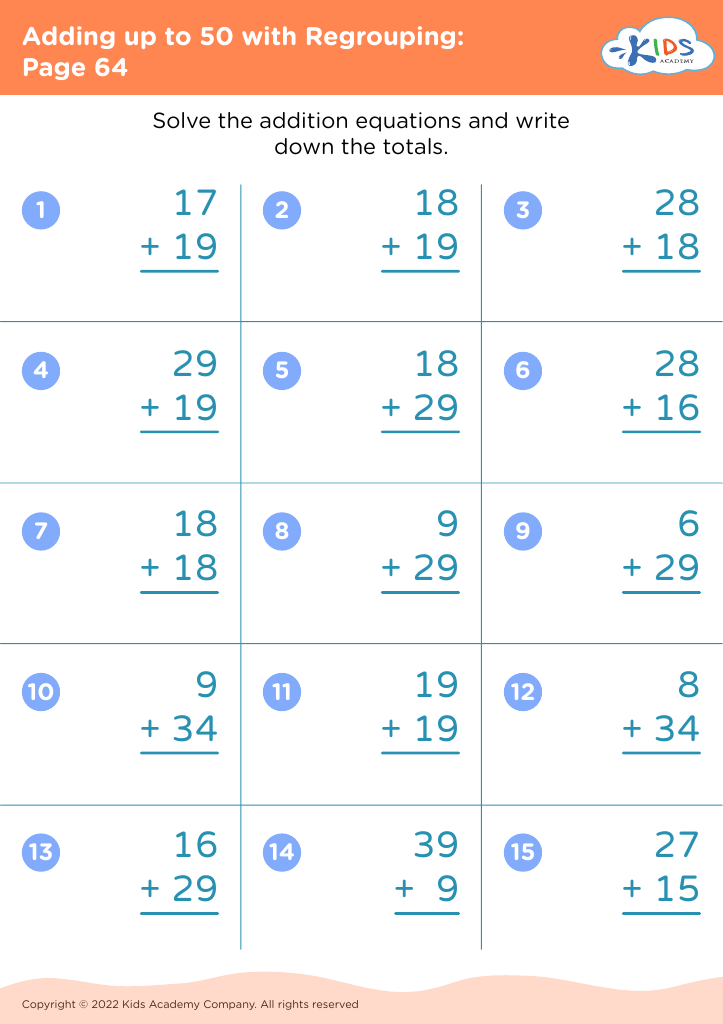
    Adding up to 50 with Regrouping: Page 64
    Adding up to 50 with Regrouping: Page 64
    Adding up to 50 with Regrouping: Page 64
    Worksheet


    Cognitive development in children aged 3-9 is crucial, as this period lays the foundation for future learning and problem-solving abilities. As parents and teachers, understanding and fostering cognitive development in children during these formative years can profoundly impact their overall growth.

    Firstly, this age group experiences rapid brain development, making it a prime time for acquiring critical thinking, memory, and language skills. Encouraging cognitive growth helps children successfully navigate their environment, develop social skills, and engage effectively with others. It enhances their ability to process information, make decisions, and develop emotional intelligence.

    Moreover, activities that promote cognitive development, such as puzzles, storytelling, and interactive play, can enhance children’s attention span and concentration, leading to improved academic performance in later years. By engaging in these practices, parents and teachers can create enriching learning environments that cater to children's curiosity and eagerness to learn.

    Ultimately, investing in cognitive development not only prepares children for school readiness but also equips them with essential life skills, promoting resilience and adaptability. By caring about and actively supporting cognitive development, adults play a pivotal role in helping children thrive in both their educational journeys and personal lives.