Matching skills Math Worksheets for Ages 3-9
24 filtered results
-
From - To
Explore our engaging Matching Skills Math Worksheets designed specifically for children aged 3-9! These printable worksheets help young learners develop essential math skills while having fun. Through colorful and interactive activities, kids will practice matching numbers, shapes, patterns, and more. Each worksheet is created to build foundational skills, improve cognitive abilities, and enhance logical thinking. Perfect for at-home learning or classroom use, these resources provide a solid foundation for future math success. Dive into a world of learning and help your child excel in math with our Match Skills Math Worksheets today!
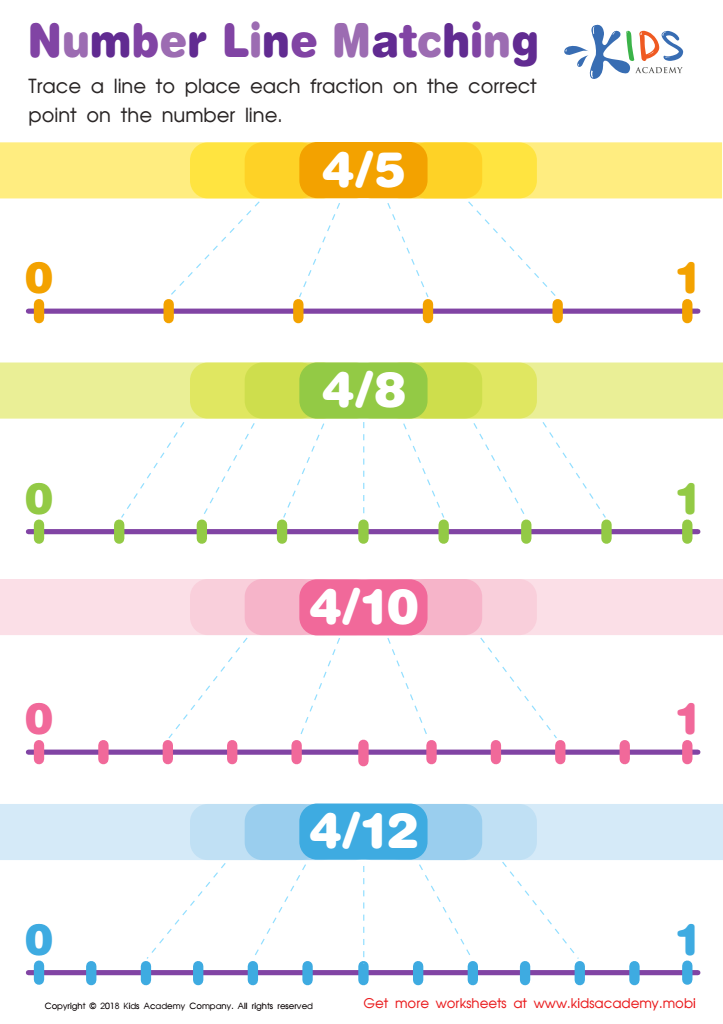
Number Line Matching Worksheet
 Assign to My Students
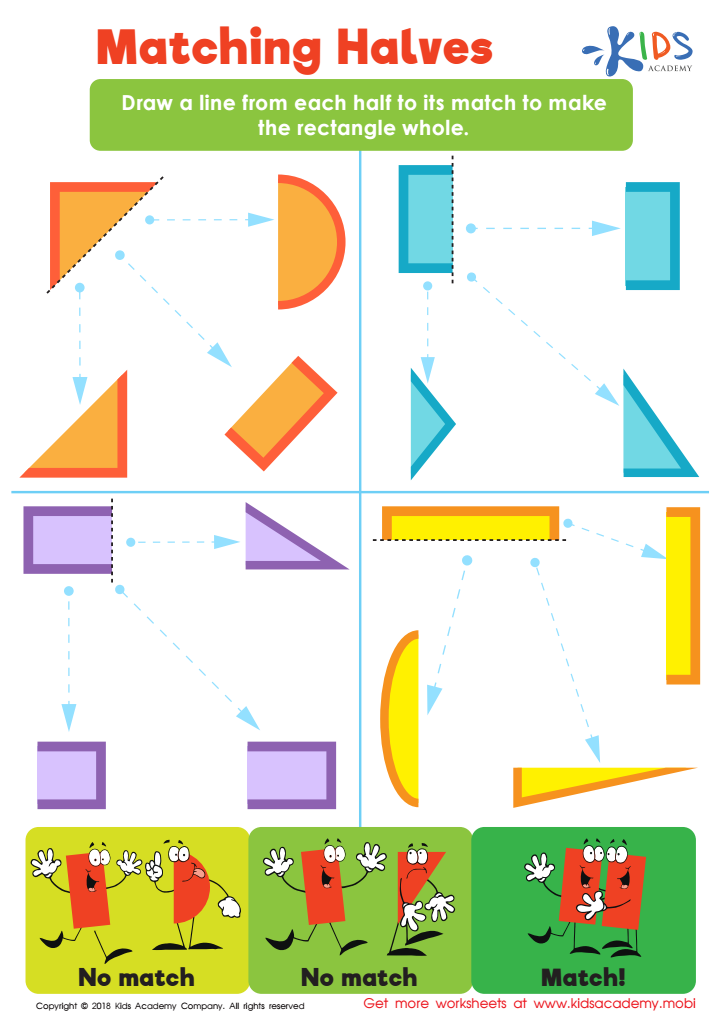
Matching Halves Worksheet
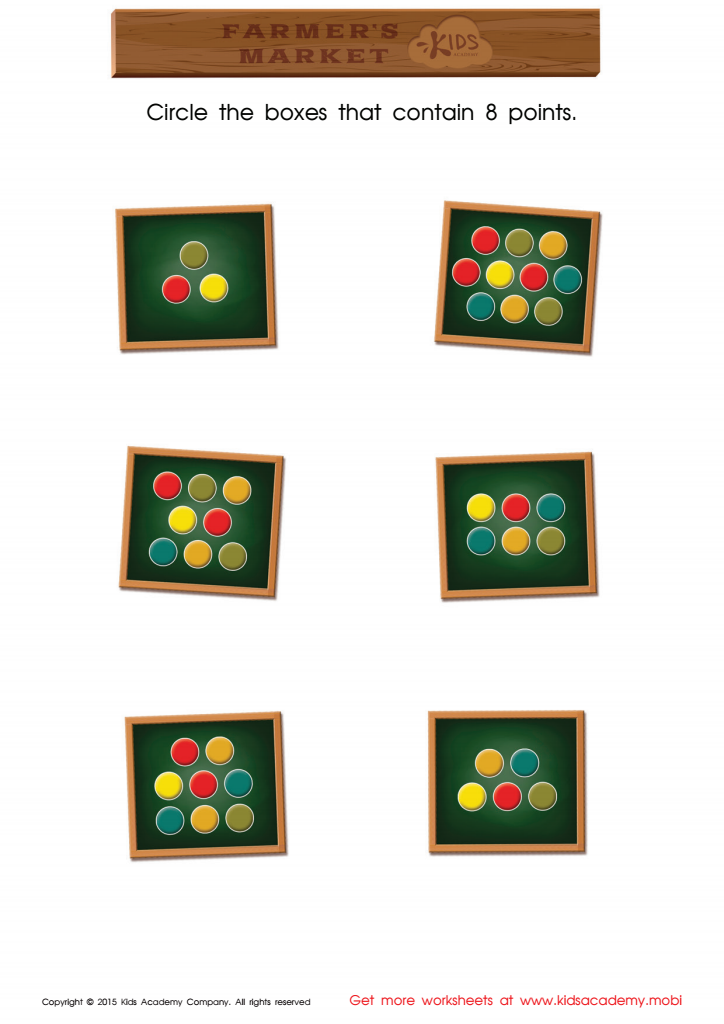
Count and Match Points 8 Math Worksheet
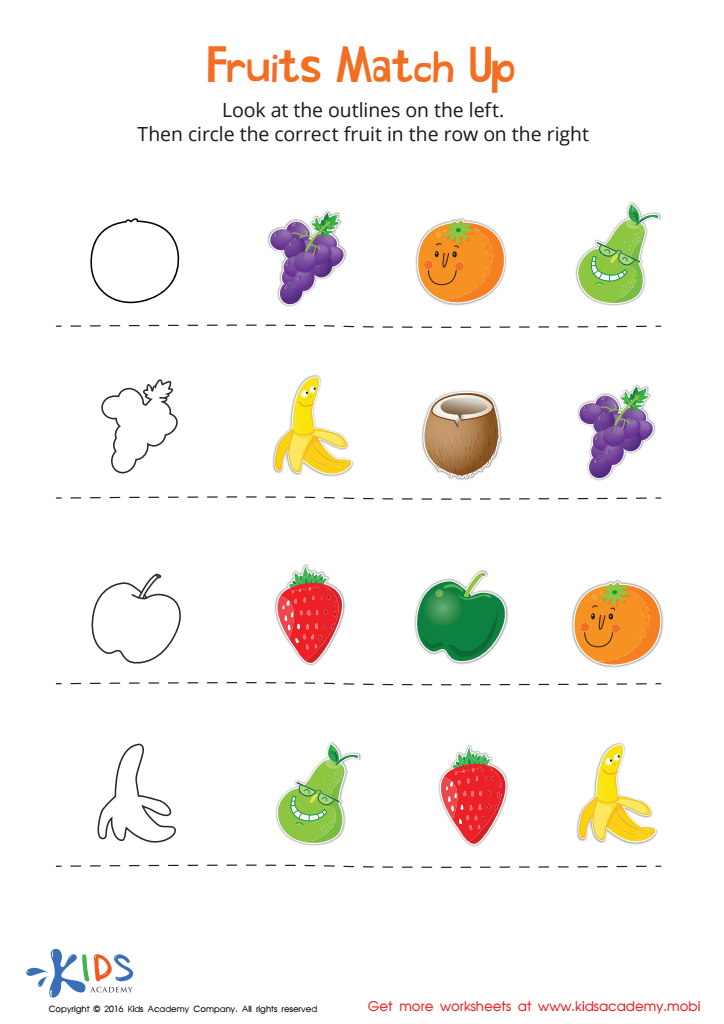
Fruits Match Up Worksheet
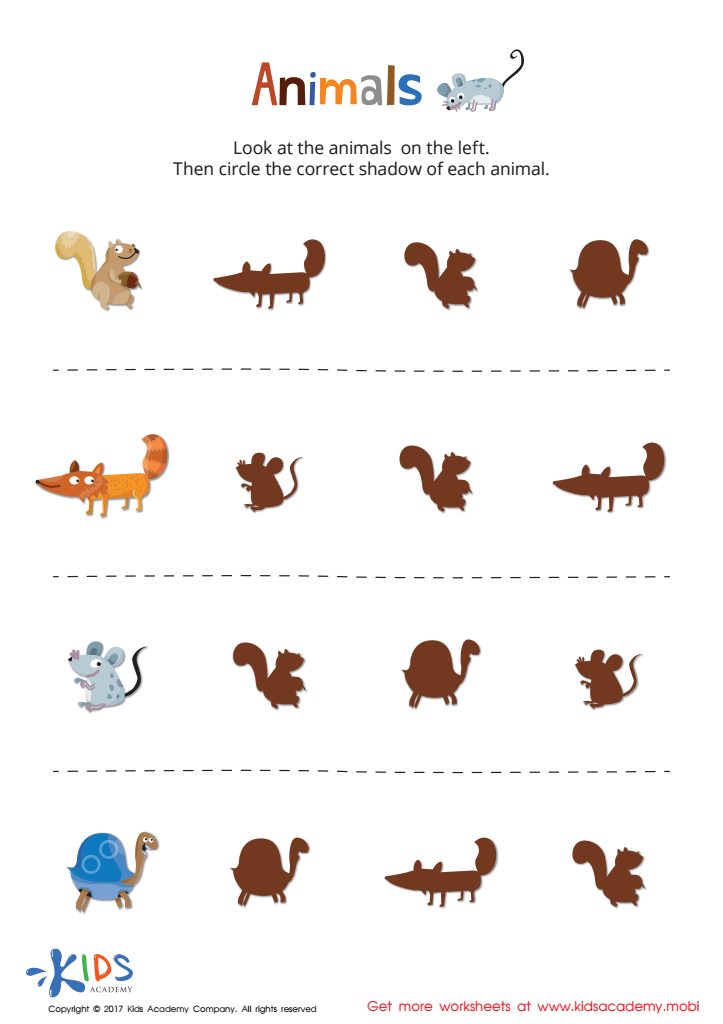
Animal Shadows Sorting Worksheet
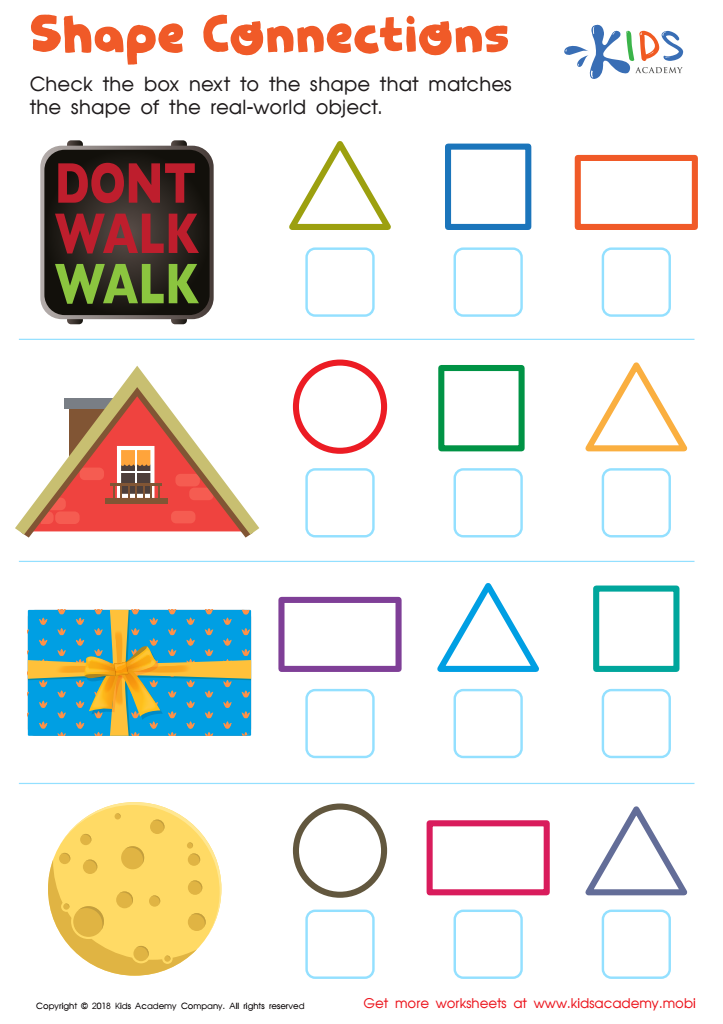
Shape Connections Worksheet
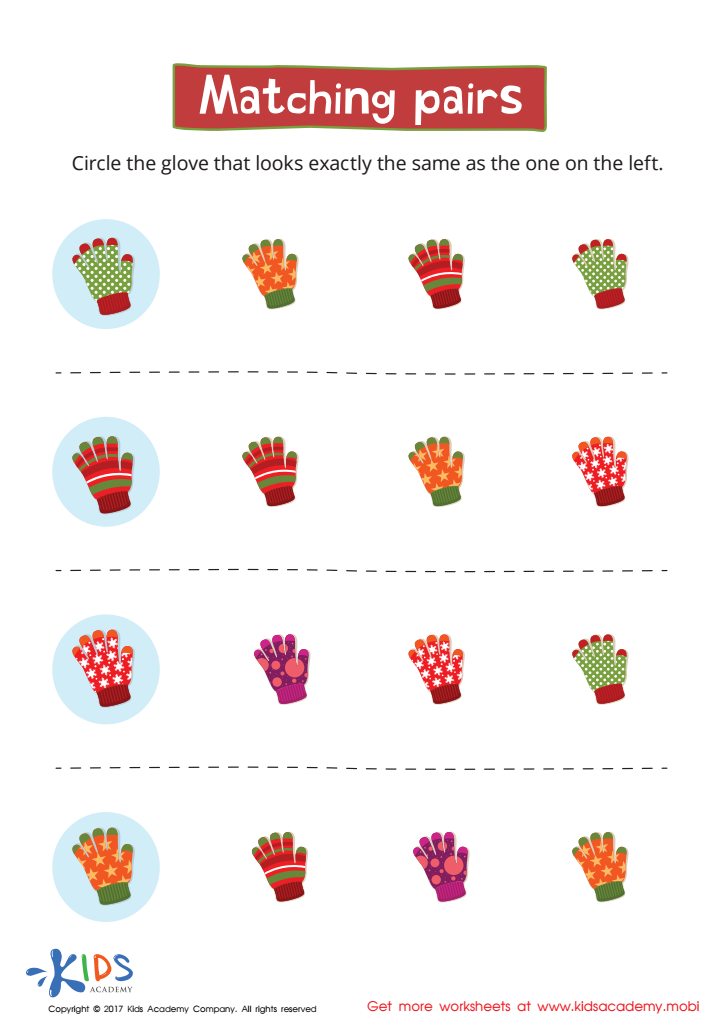
Matching: Matching Pairs Worksheet
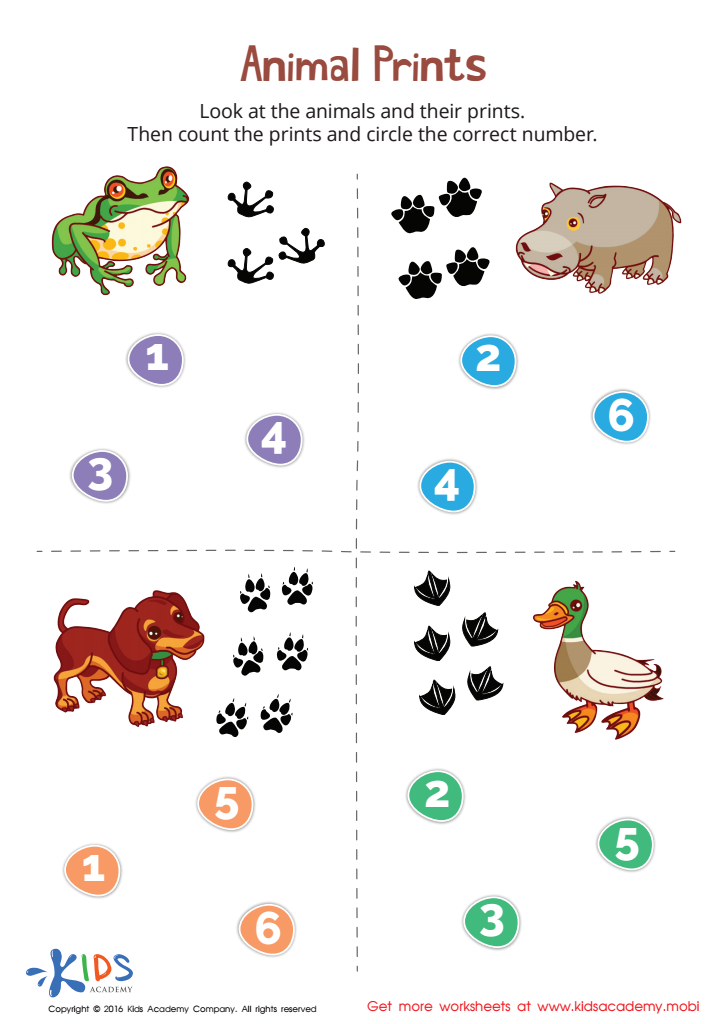
Animal Prints Match-Up Worksheet
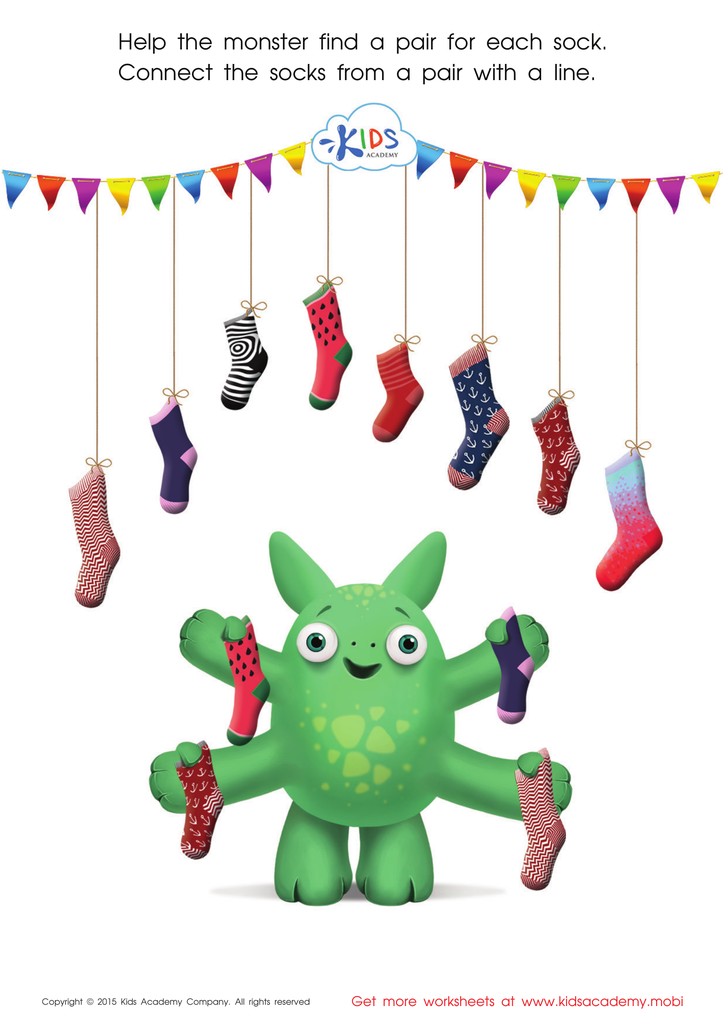
Math Matching Game: Monsterв's Socks Worksheet
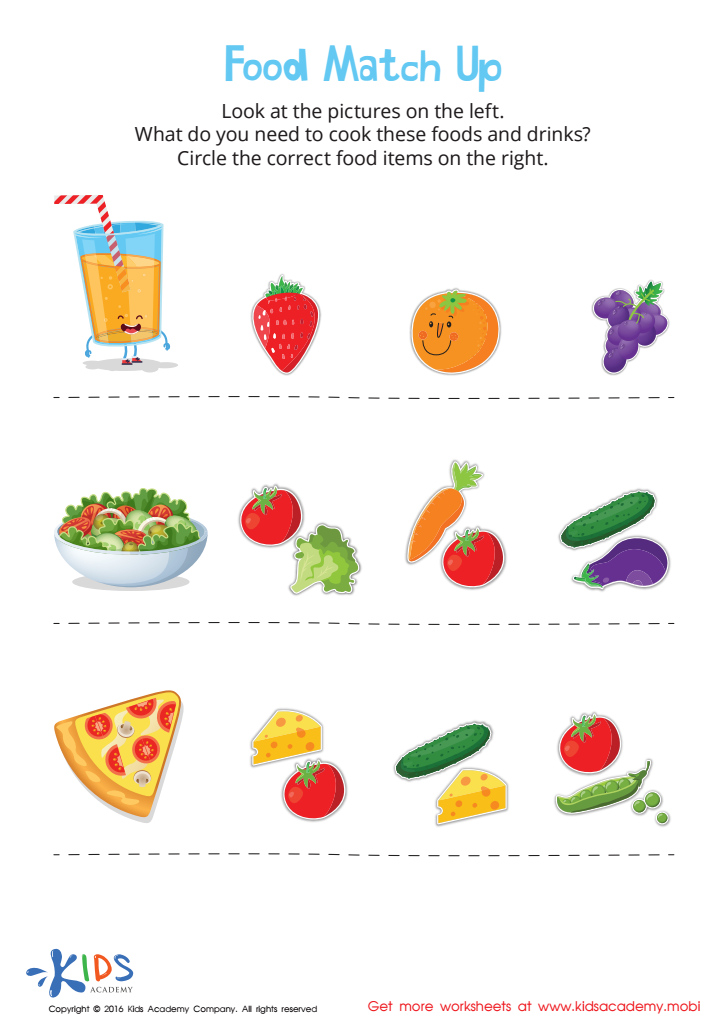
Food Match Up Worksheet
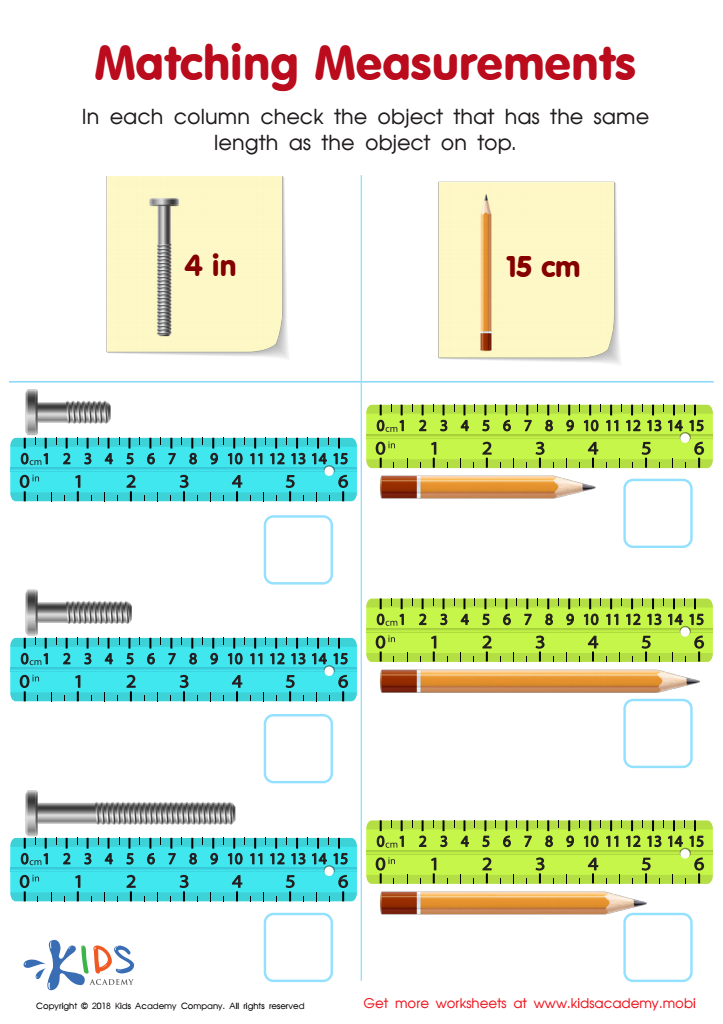
Matching Measurements Worksheet
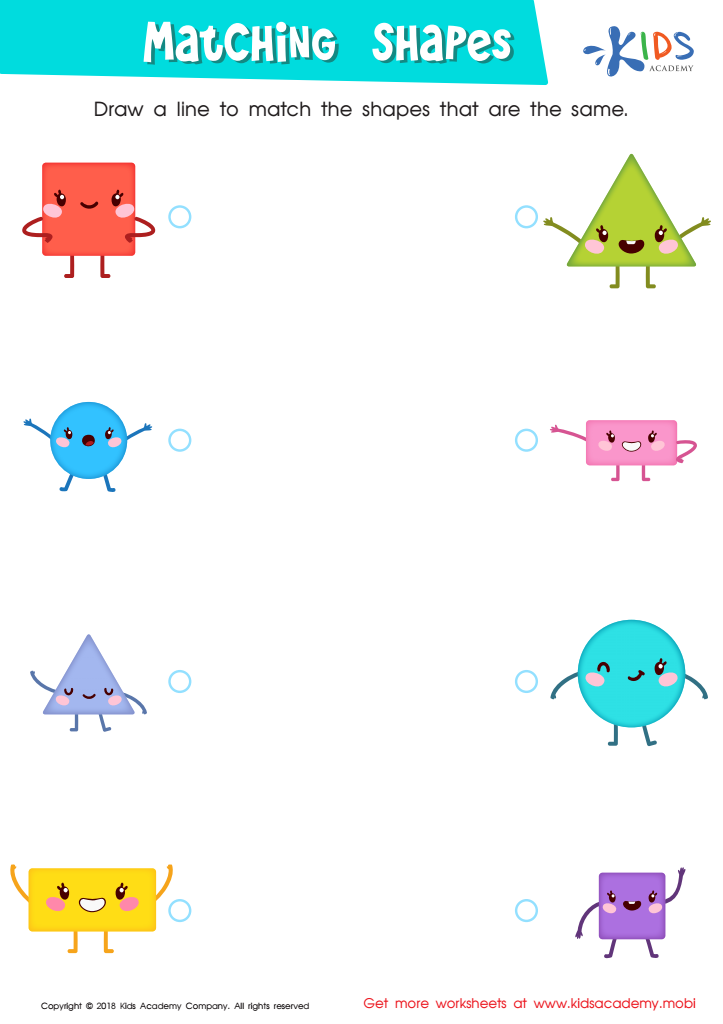
Matching Shapes Worksheet
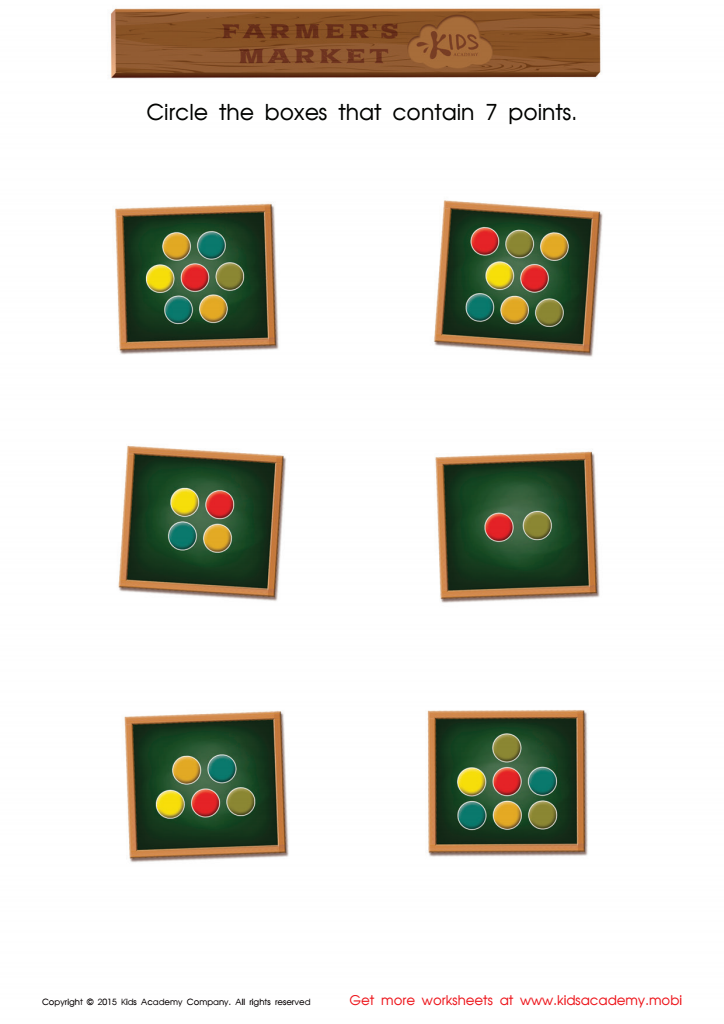
Count and Match Points 7 Math Worksheet
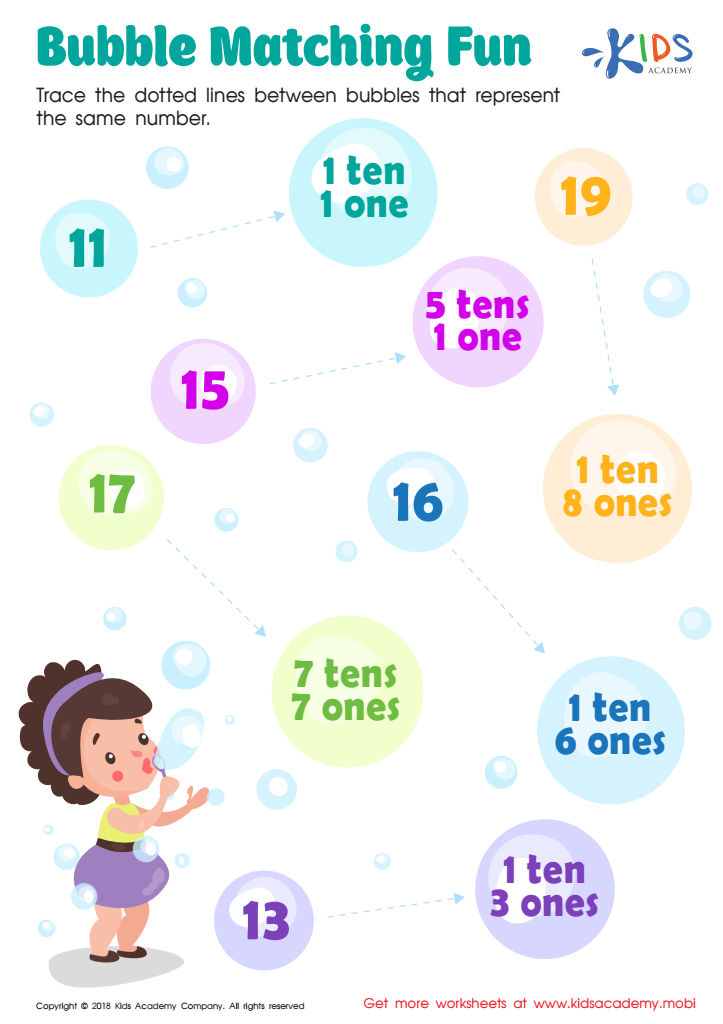
Bubble Matching Fun Worksheet
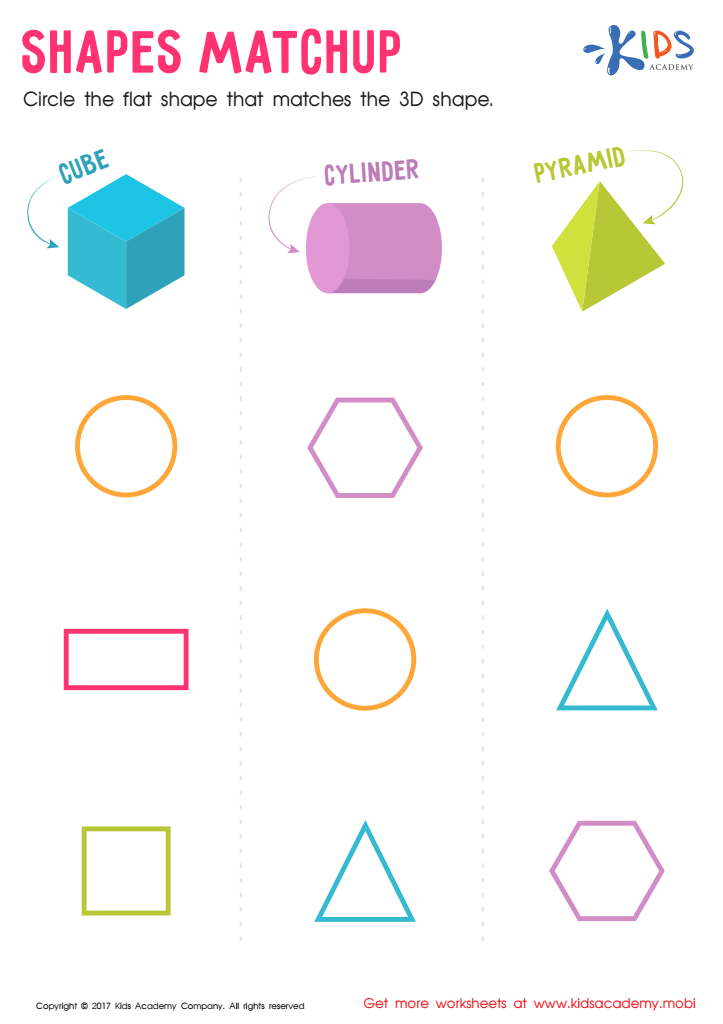
Shapes Matchup Worksheet
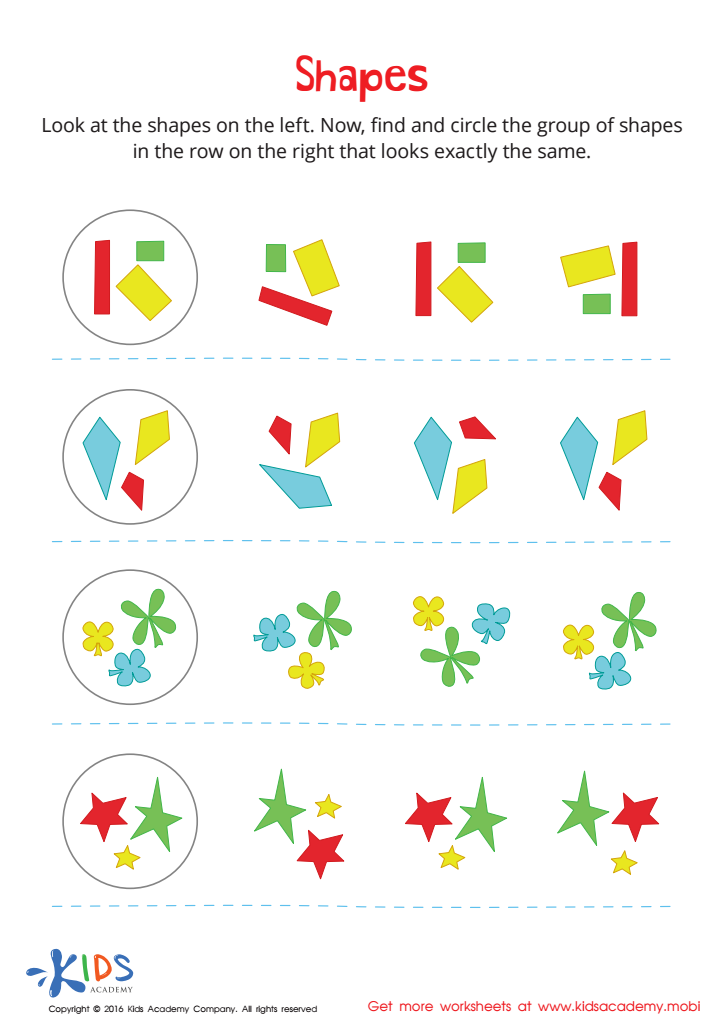
Shapes Worksheet
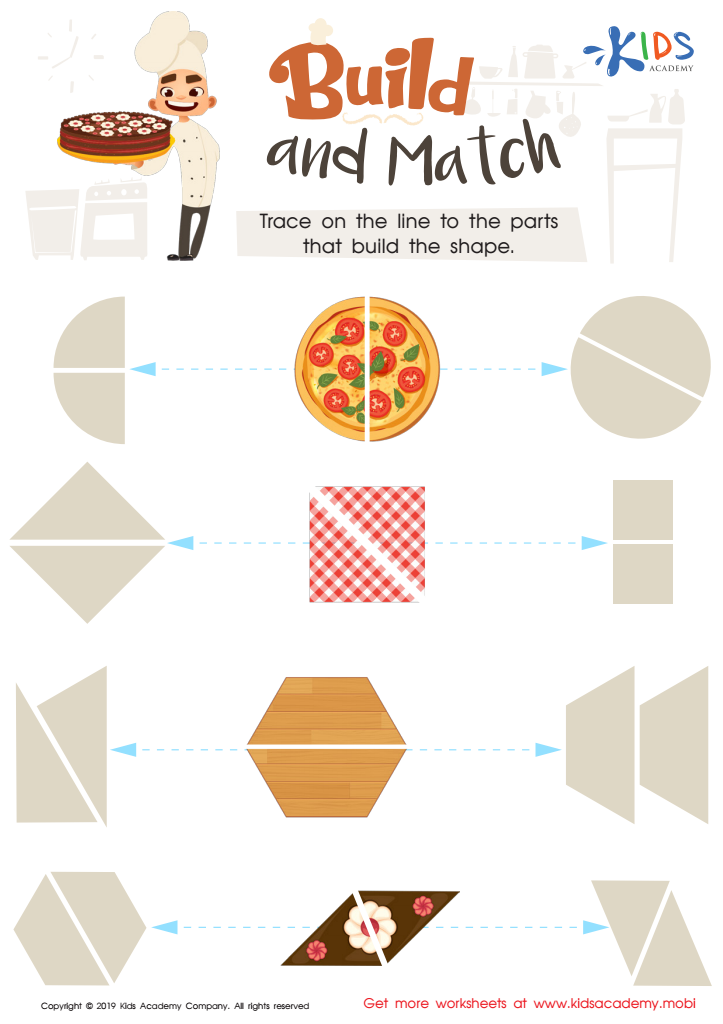
Build and Match Worksheet
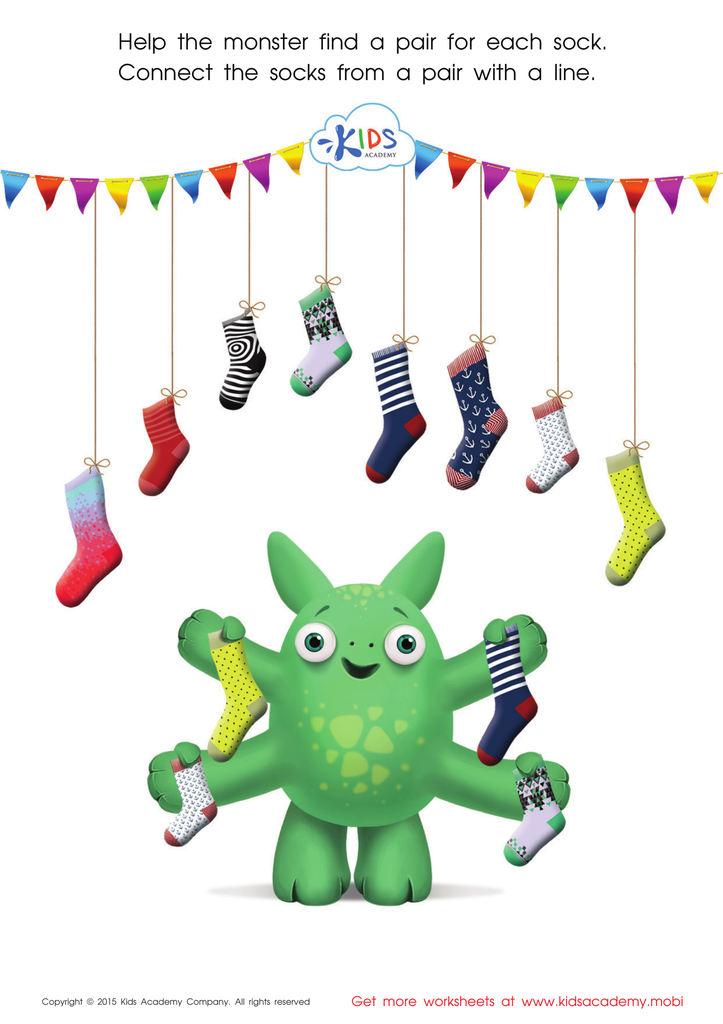
Math Matching Pairs Game: Monsterв's Socks Worksheet
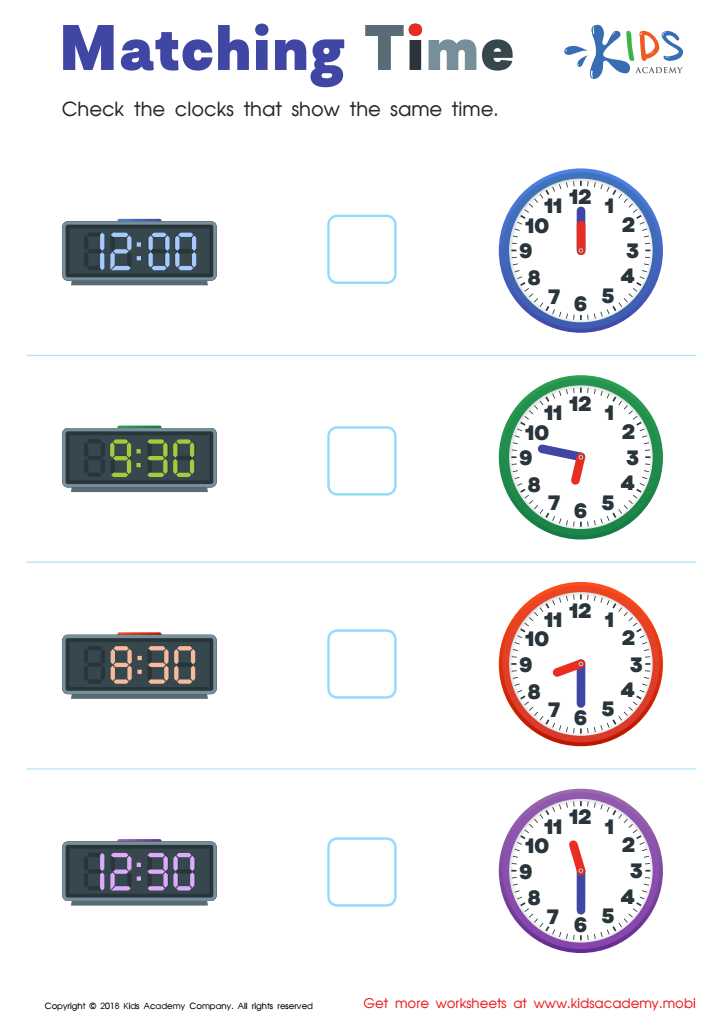
Matching Time Worksheet
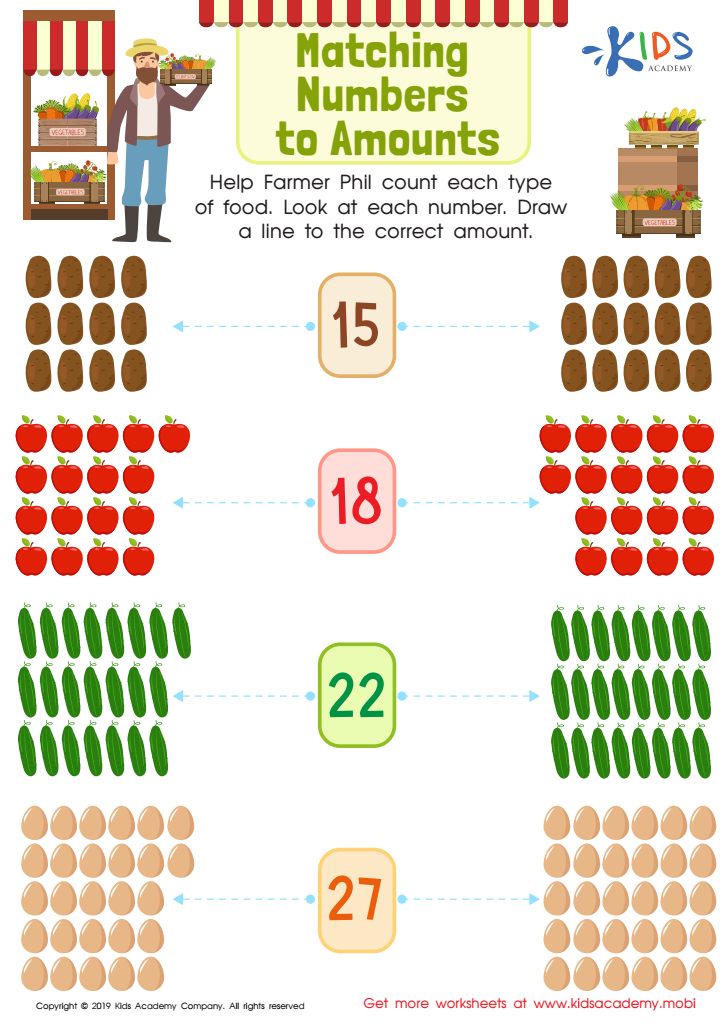
Matching Numbers to Amounts Worksheet




.jpg)



Matching skills in math are critical for children ages 3-9 because they lay the foundation for advanced cognitive abilities and academic success. At this stage, children's brains are rapidly developing, and engaging them in matching activities helps sharpen their ability to recognize patterns, make connections, and understand relationships between objects and numbers. This is crucial for later learning in mathematics, where identifying patterns and correlations becomes increasingly complex.
Matching skills also enhance spatial awareness, problem-solving, and logical thinking. These skills are not only essential for math but are also transferable to other areas such as science, reading, and daily problem-solving. Playing matching games, sorting objects, or comparing quantities in a fun and engaging manner enables children to grasp concepts like size, shape, symmetry, and equivalence, all fundamental principles in mathematics.
For parents and teachers, focusing on matching skills also helps identify and support different learning styles and paces. By providing individualized attention and appropriate challenges, adults can better cater to each child's unique needs, fostering a positive and confident attitude toward learning.
Ultimately, prioritizing matching skills in early childhood education empowers children with a strong mathematical foundation, promoting lifelong learning and critical-thinking abilities. These foundational skills help them navigate not only academic challenges but also everyday life situations with greater ease and confidence.








