Number Sequencing Math Worksheets for Ages 3-9 - Page 2
42 filtered results
-
From - To
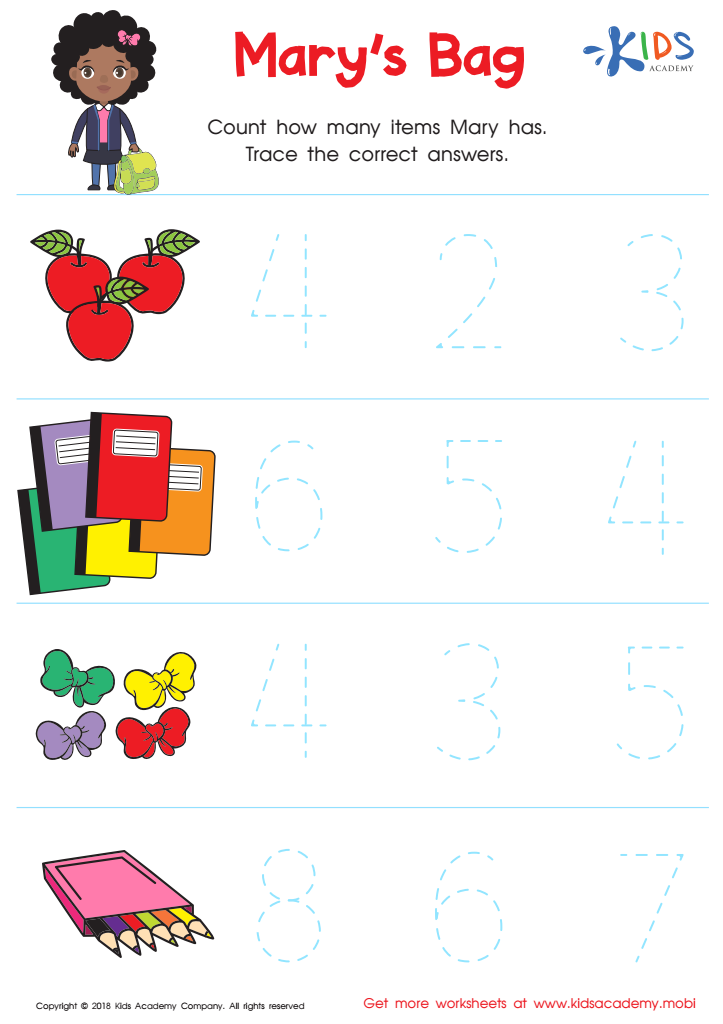
Kindergarten Number Tracing: Mary's Bag Worksheet
 Assign to My Students
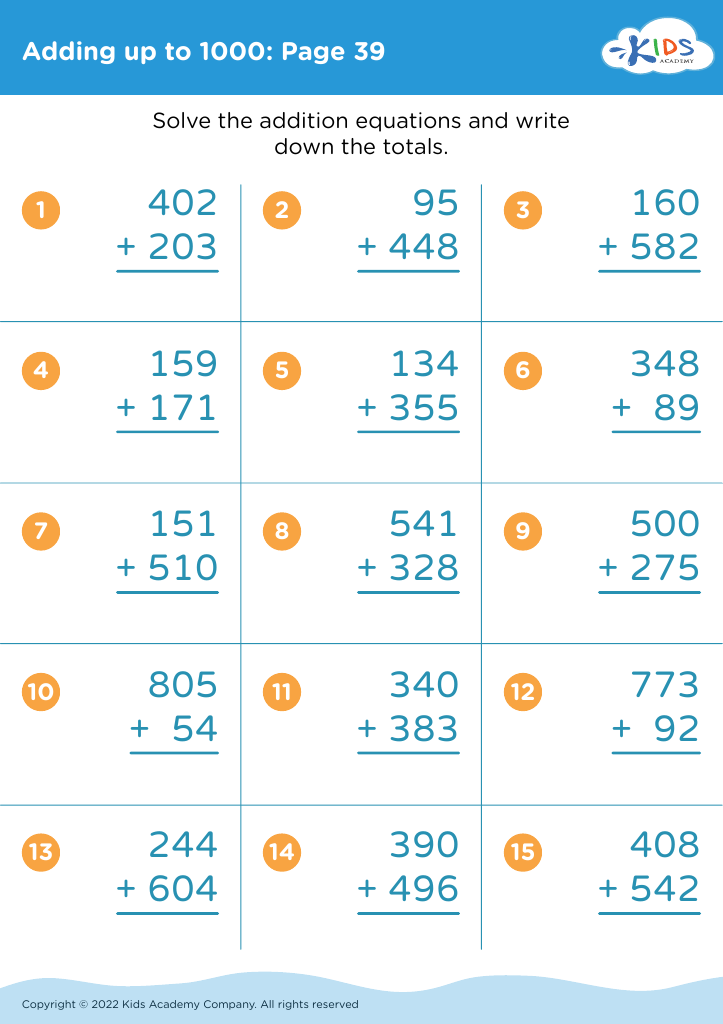
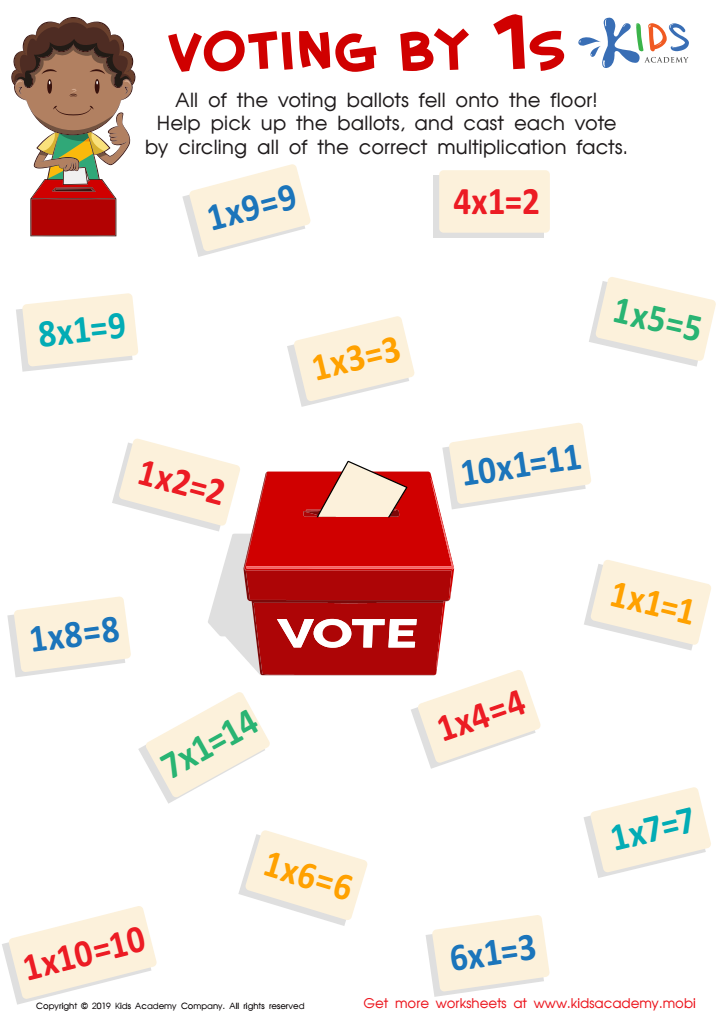
Voting by 1s Worksheet
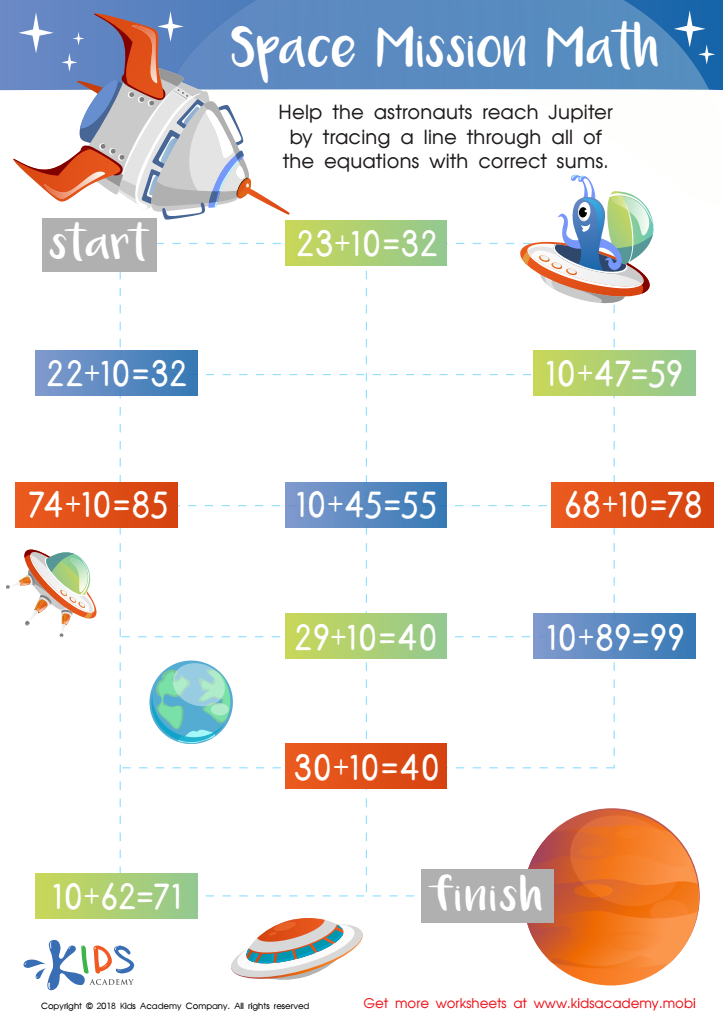
Space Mission Math Worksheet
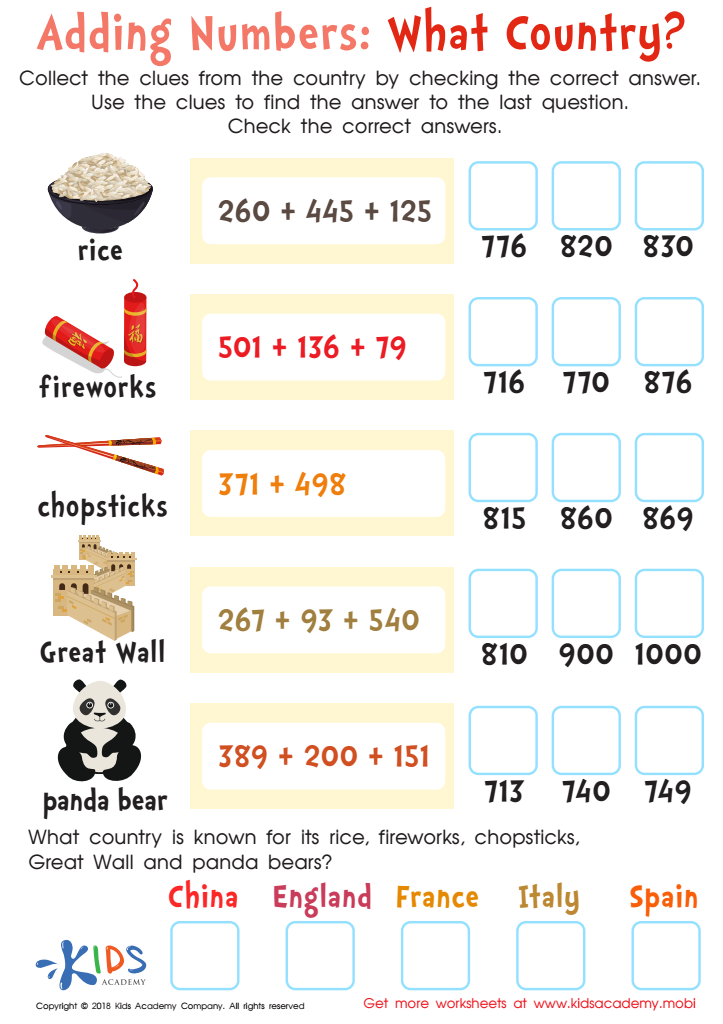
Adding Numbers: What Country Worksheet
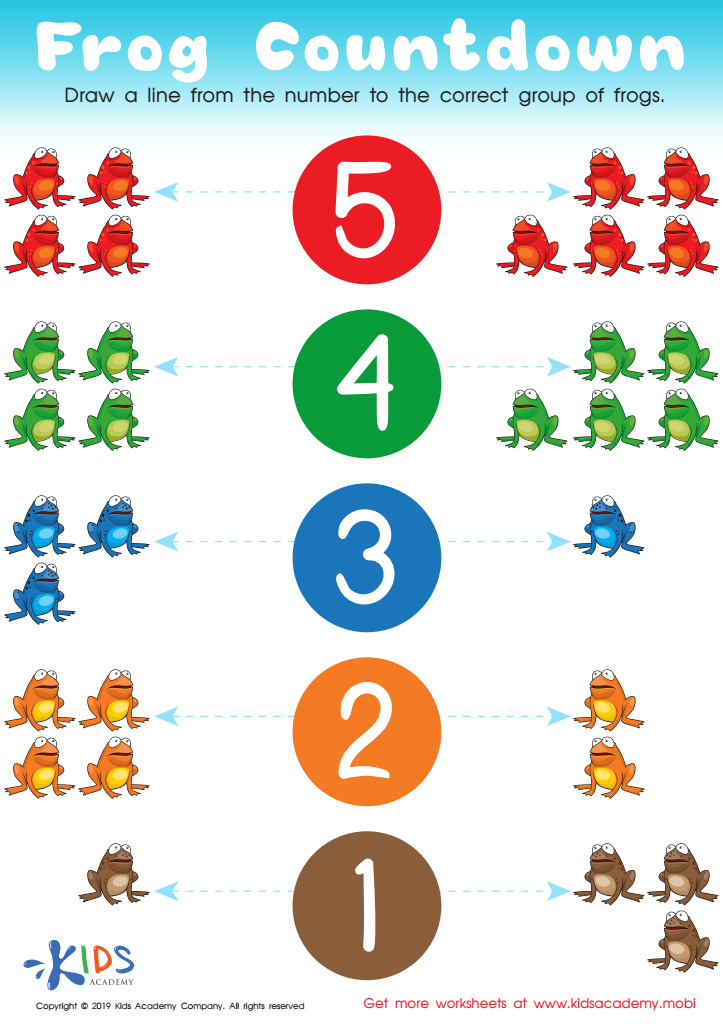
Frog Countdown Worksheet
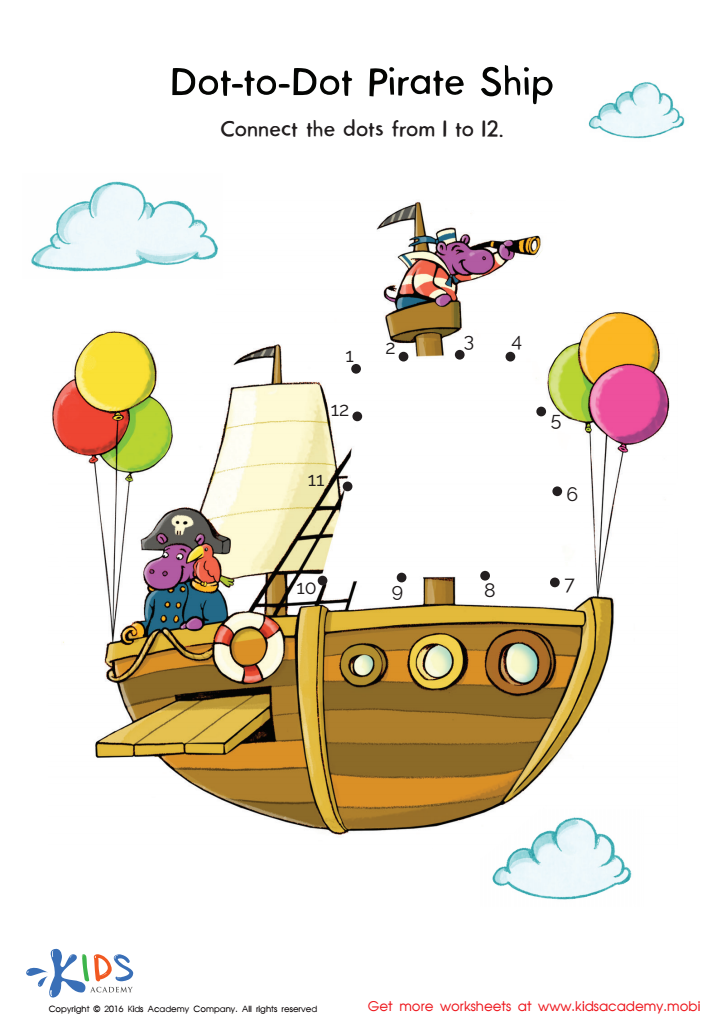
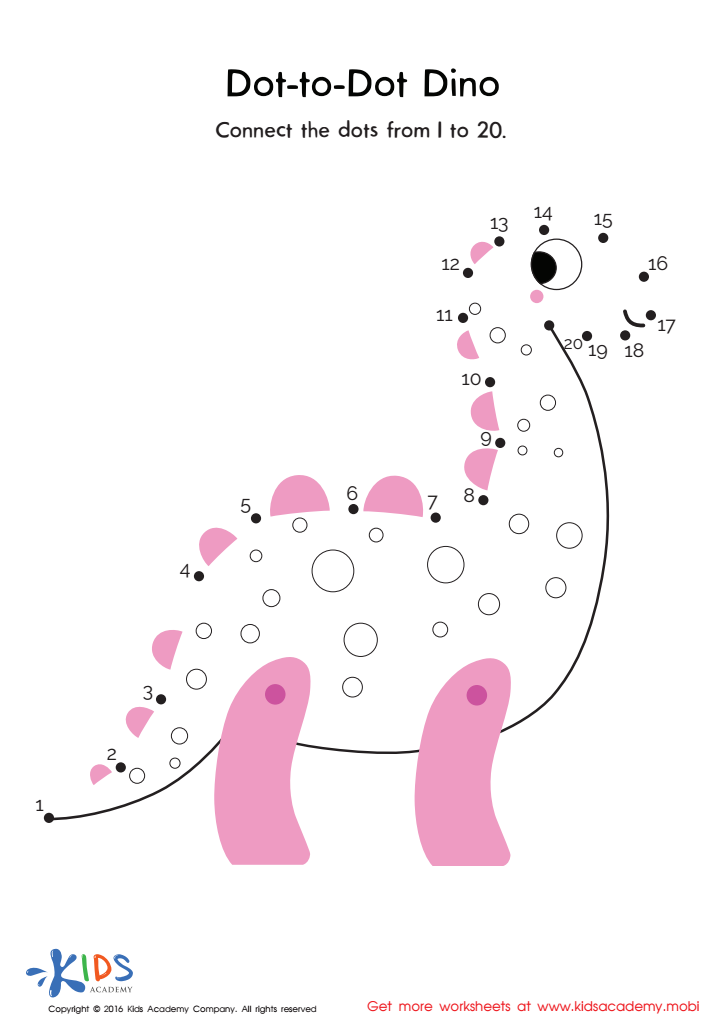
Pirate Ship Connect Dots Worksheet
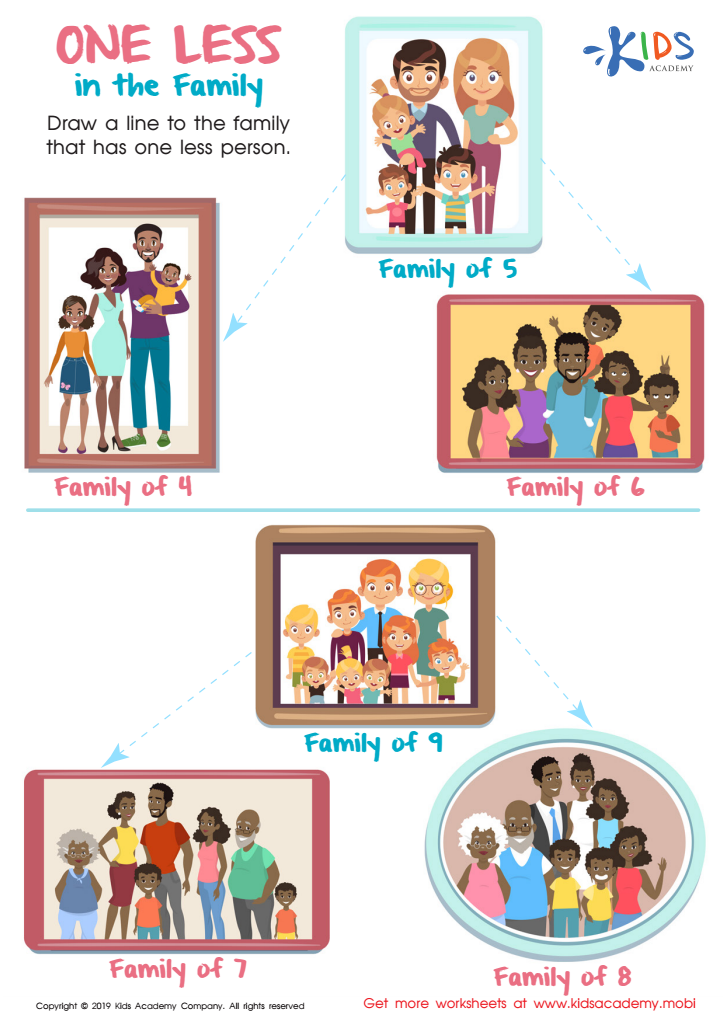
One Less in the Family Worksheet
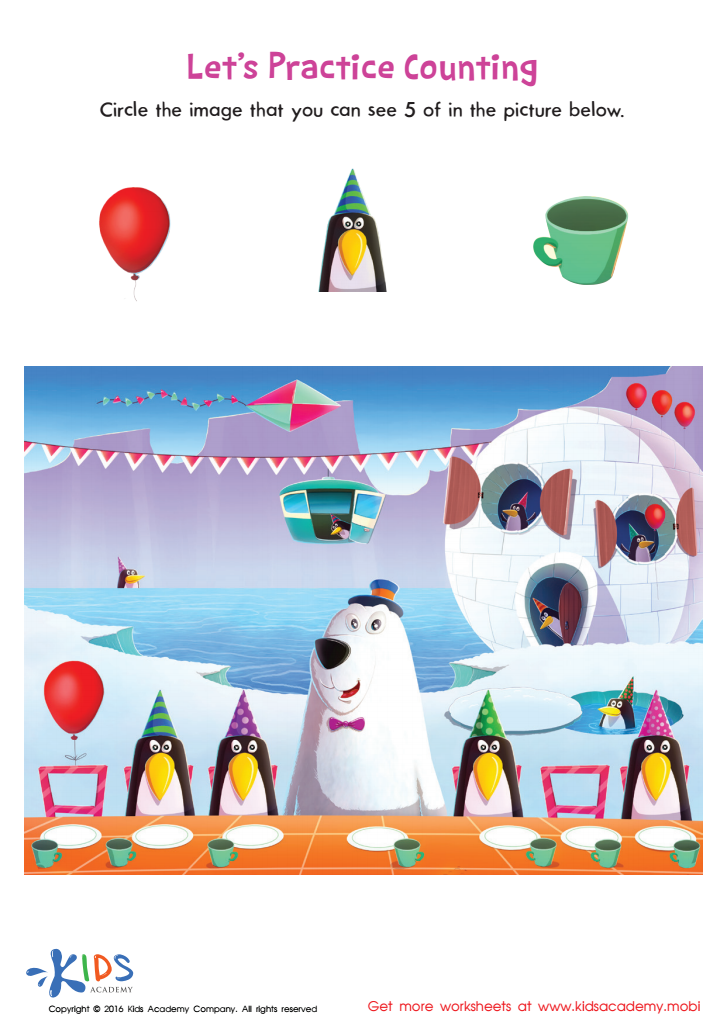
Counting Worksheet: Let's Practice Counting
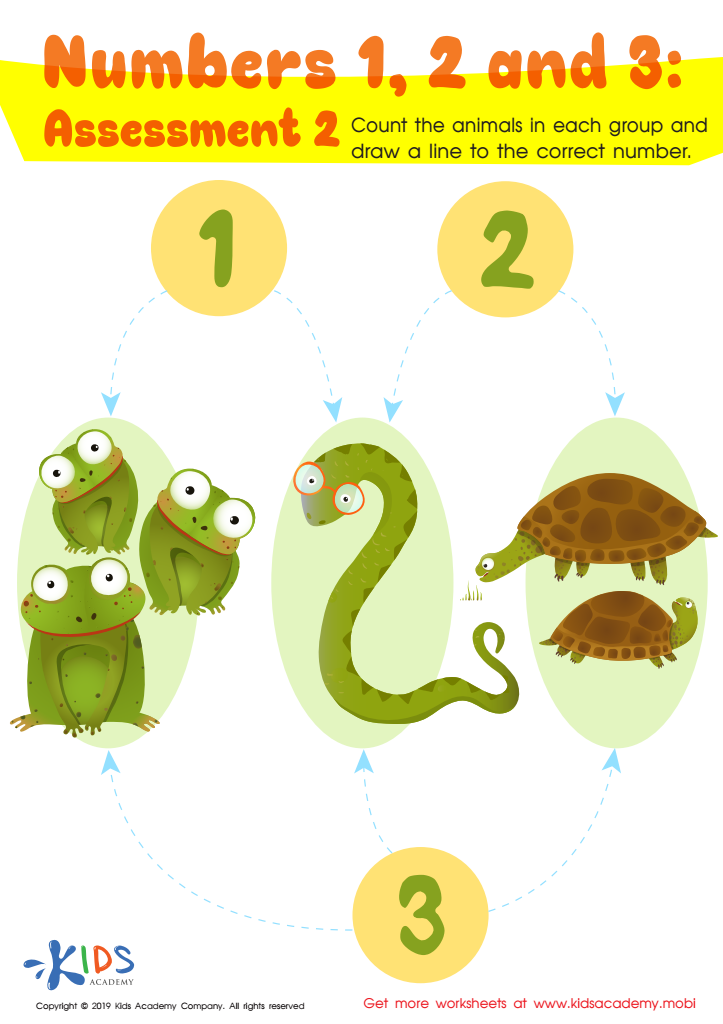
Numbers 1, 2 and 3: Assessment 2 Worksheet
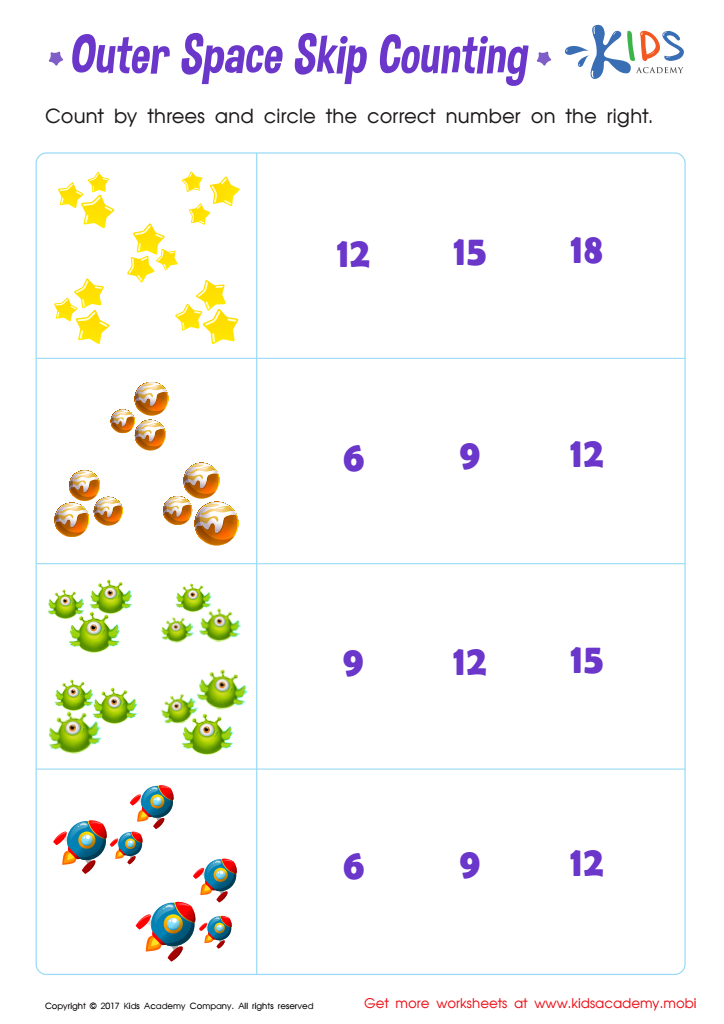
Skip Counting by 3s: Outer Space Skip Counting Printable
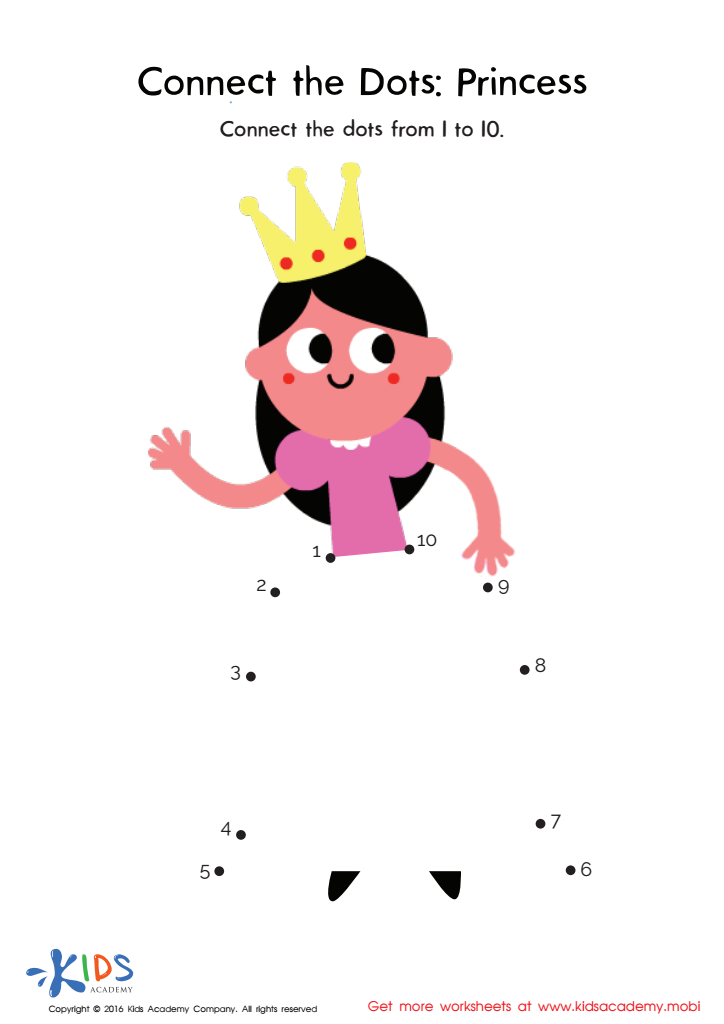
Princess Connect Dots Worksheet
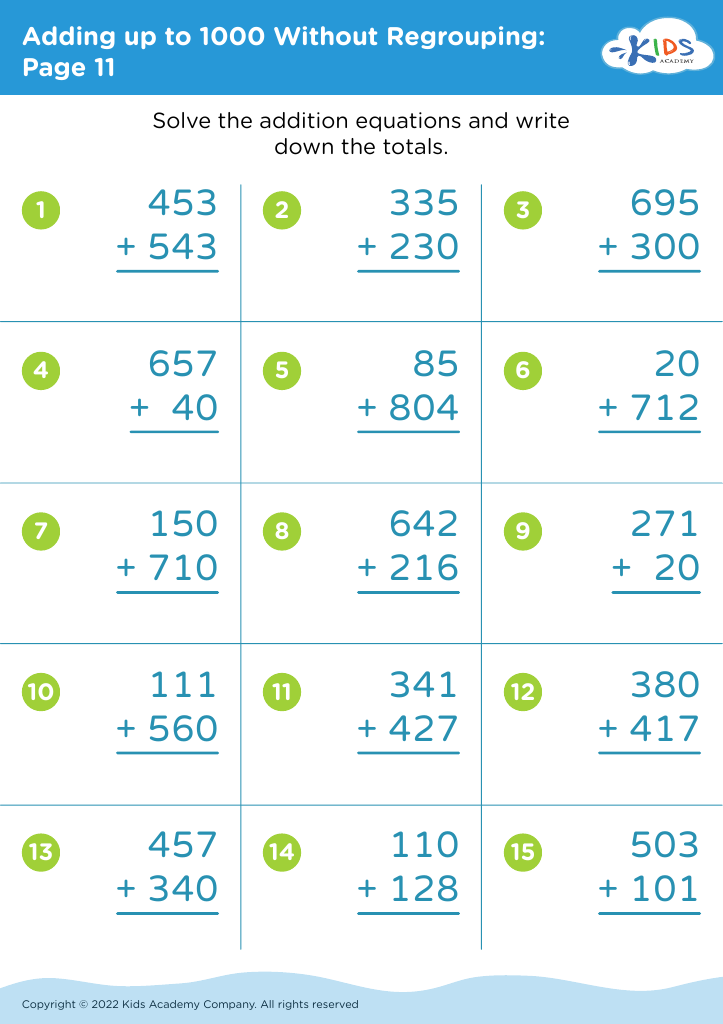
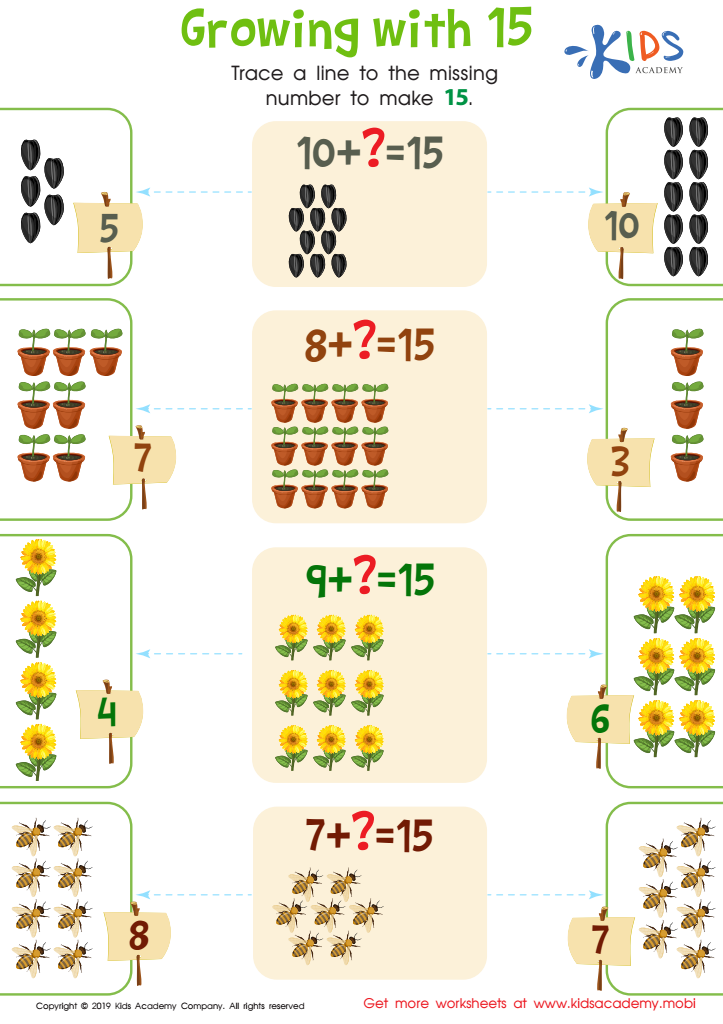
Growing with 15 Worksheet
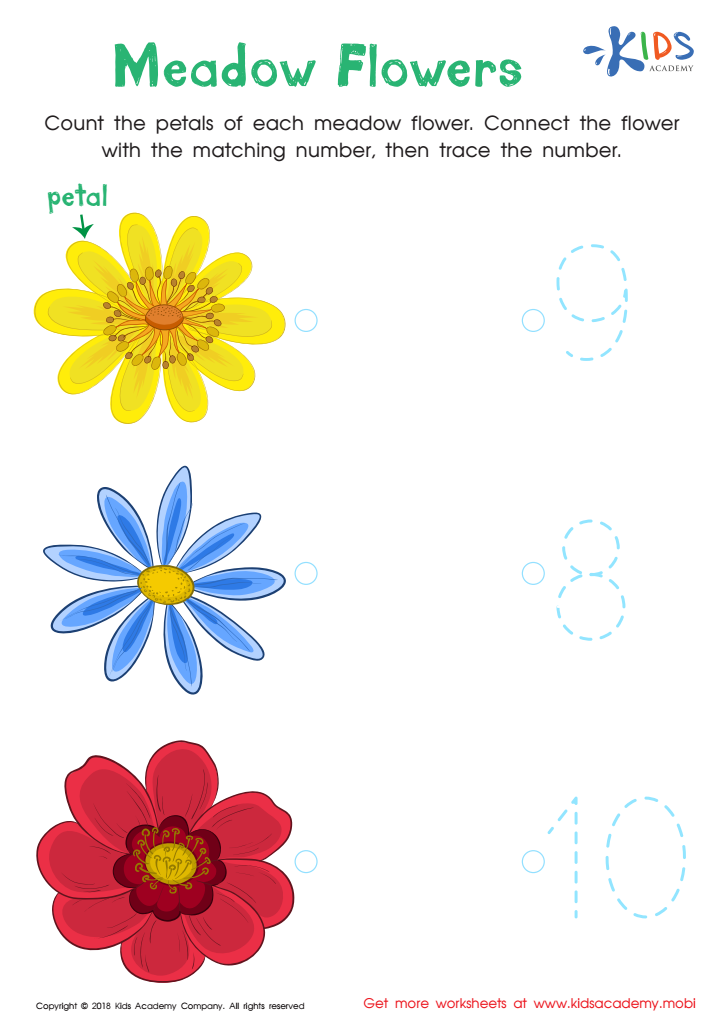
Kindergarten Number Tracing: Medow Flowers Worksheet








Number sequencing is a crucial foundational skill in early mathematics, significantly impacting children's cognitive development. For parents and teachers, understanding its importance in children aged 3-9 is essential.
Firstly, number sequencing helps develop critical thinking and problem-solving skills. By learning to organize numbers in a logical sequence, children enhance their ability to recognize patterns, a precursor to more complex mathematical concepts such as addition, subtraction, and eventually, multiplication.
Moreover, early engagement with number sequencing fosters numeracy skills that are vital for everyday activities. Children who grasp these concepts are better prepared for school readiness, enhancing their confidence during formative learning years.
Additionally, sequencing introduces children to concepts of more and less, developing their understanding of quantity and measurement. This foundational knowledge not only appears in math, but permeates other areas of learning, stimulating overall brain development.
Consistency in teaching these skills from ages 3-9 ensures children become comfortable with math, reducing anxiety associated with the subject. In a world increasingly driven by data and analytical thinking, fostering strong sequencing skills lays the groundwork for future academic success. Therefore, actively supporting children in mastering number sequencing sets them up for a prosperous, balanced educational journey.








