Visual discrimination Math Worksheets for Ages 3-9
21 filtered results
-
From - To
Enhance your child's mathematical journey with our Visual Discrimination Math Worksheets designed for ages 3-9! These engaging and visually stimulating worksheets help young learners develop essential skills in distinguishing shapes, patterns, and sizes, which are crucial in building a strong foundation in math. Our fun and interactive activities improve focus, critical thinking, and problem-solving abilities while making learning enjoyable. Suitable for home or classroom use, these worksheets cater to various skill levels, ensuring every child gets the right practice. Explore our collection today and watch your child thrive as they develop confidence and independence in their math abilities through visual learning!
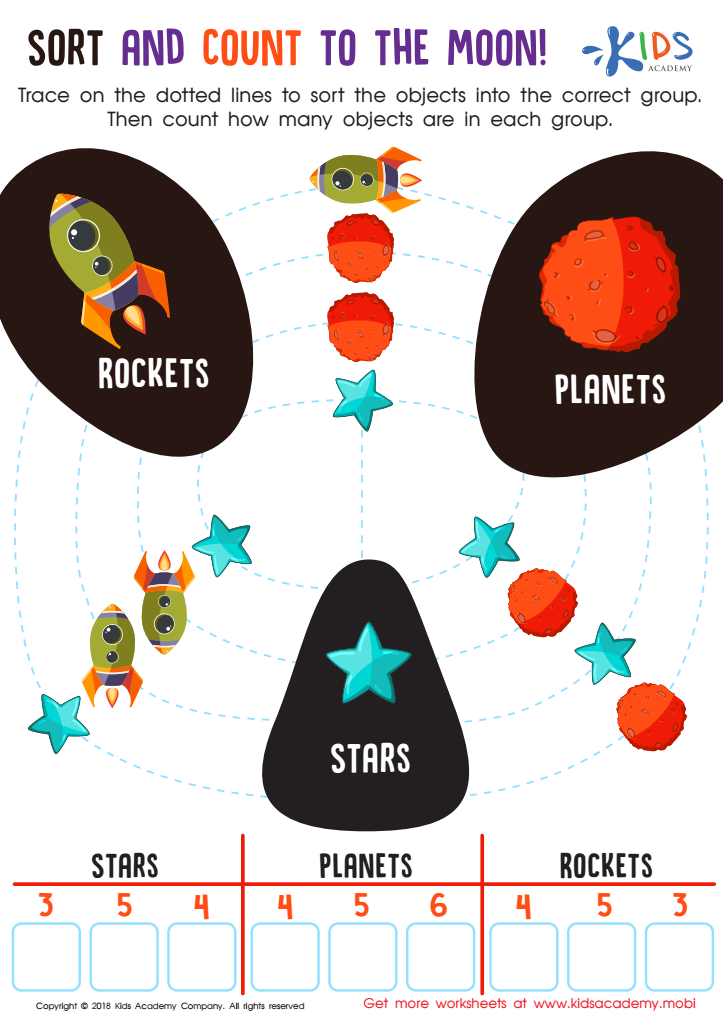
Sort and Count to the Moon Worksheet
 Assign to My Students
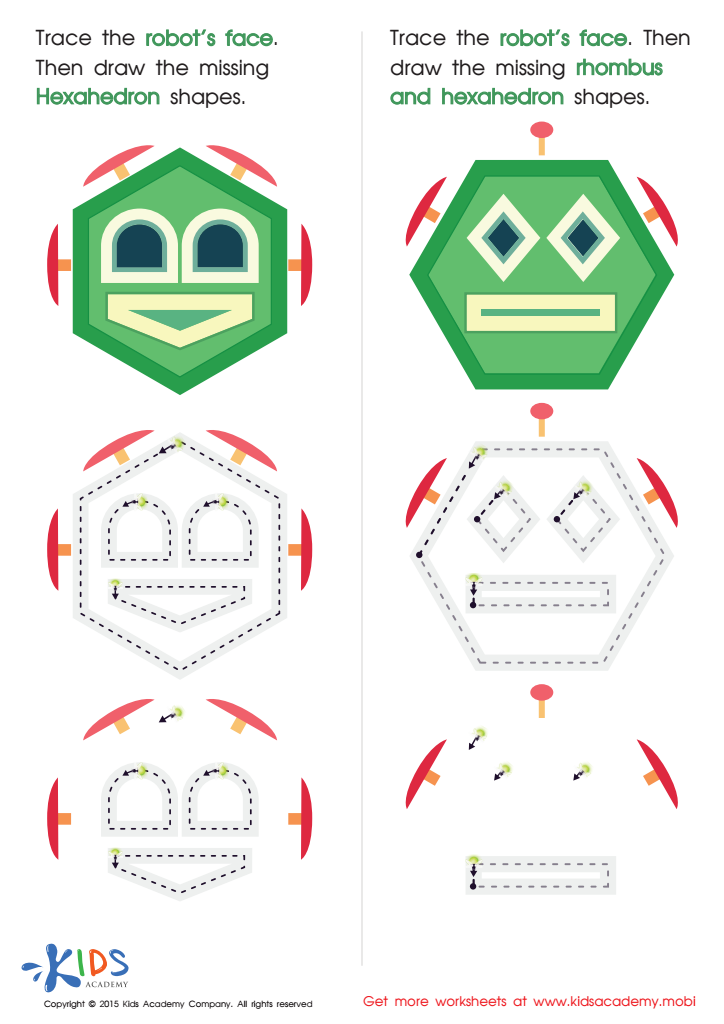
Practice Drawing Hexahedrons And a Rhombus Worksheet
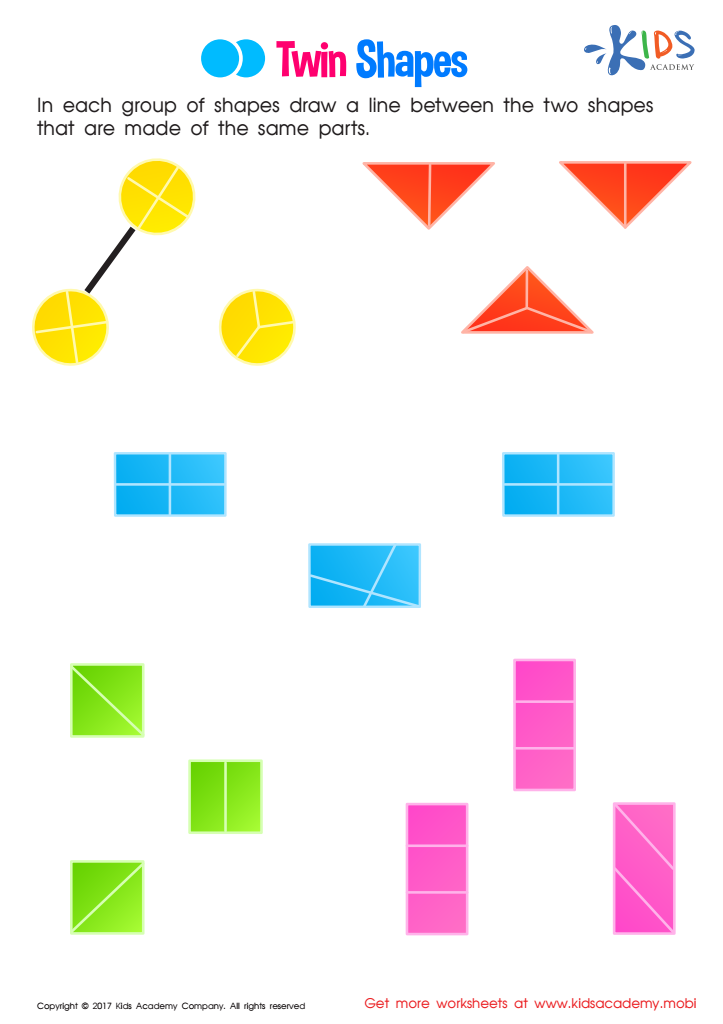
Twin Shapes Worksheet
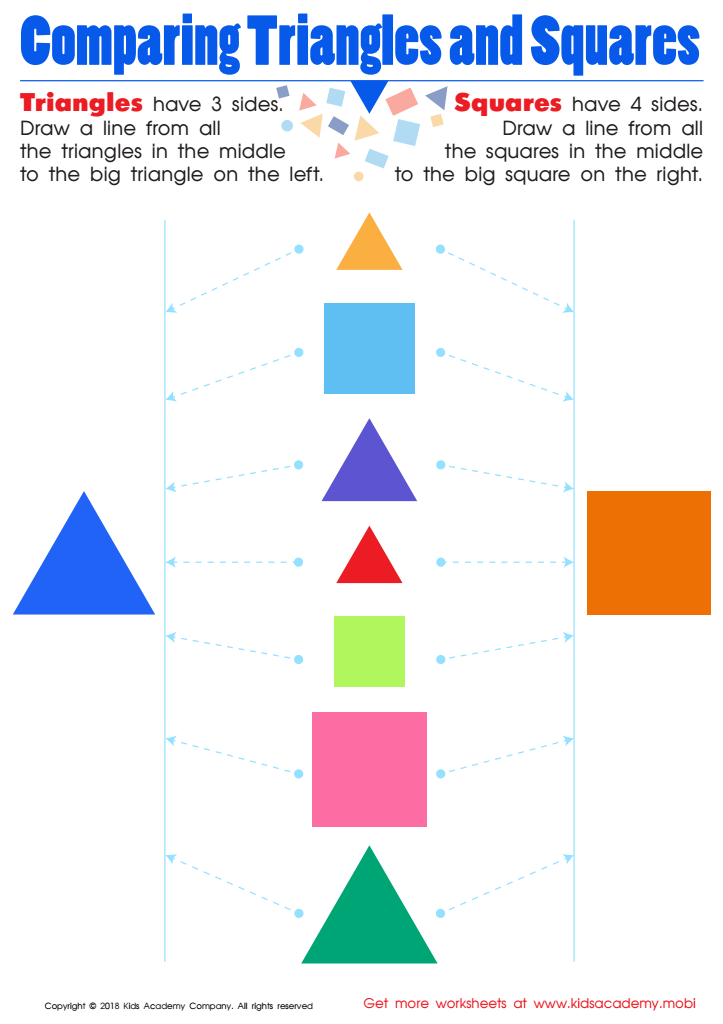
Comparing Triangles Squares Worksheet
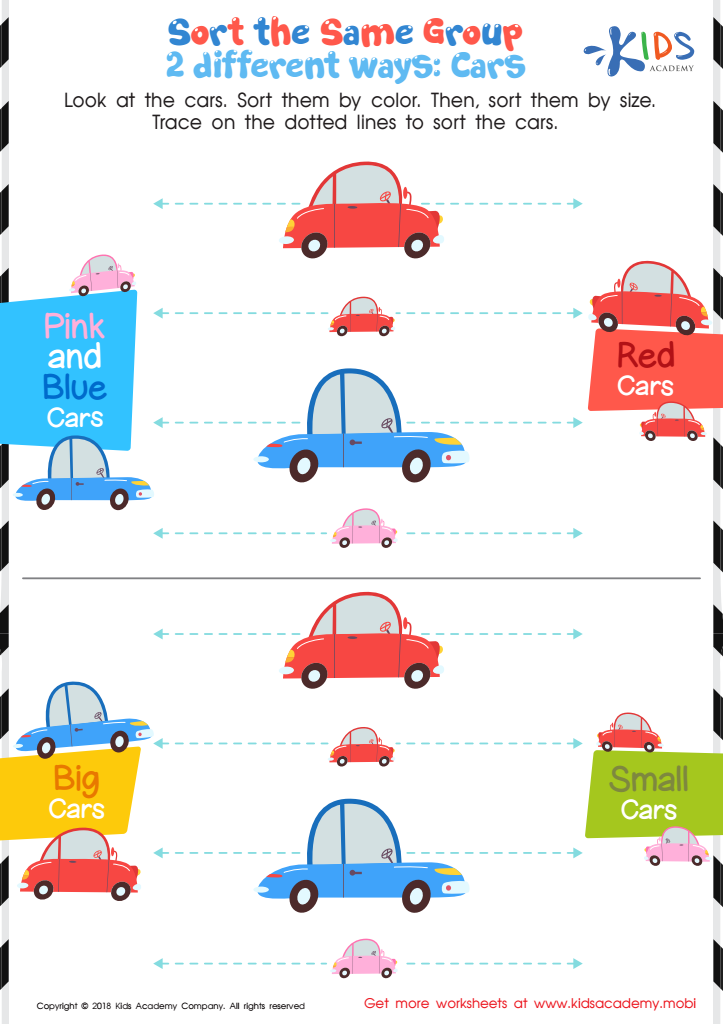
Sort the Same Group 2 Different Ways: Cars Worksheet
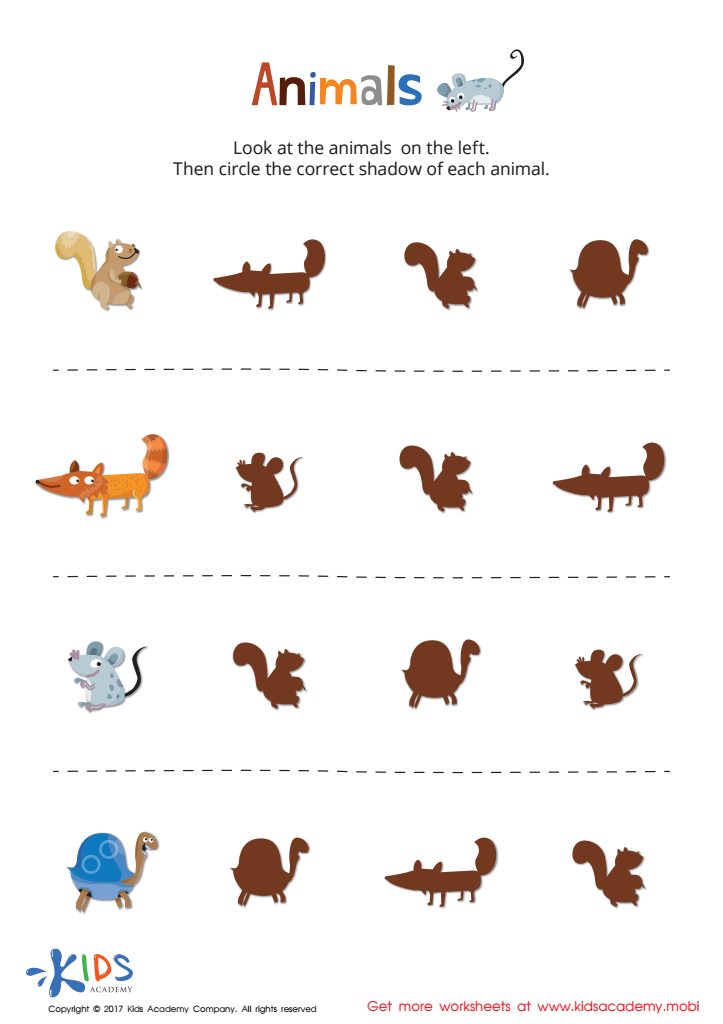
Animal Shadows Sorting Worksheet
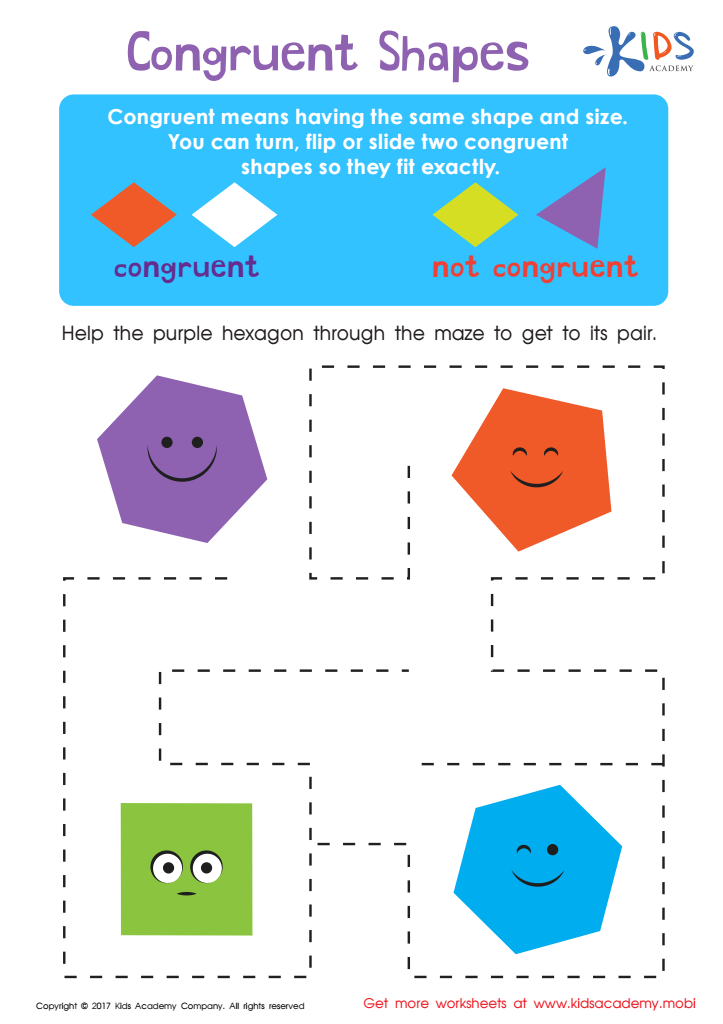
Congruent Shapes Worksheet
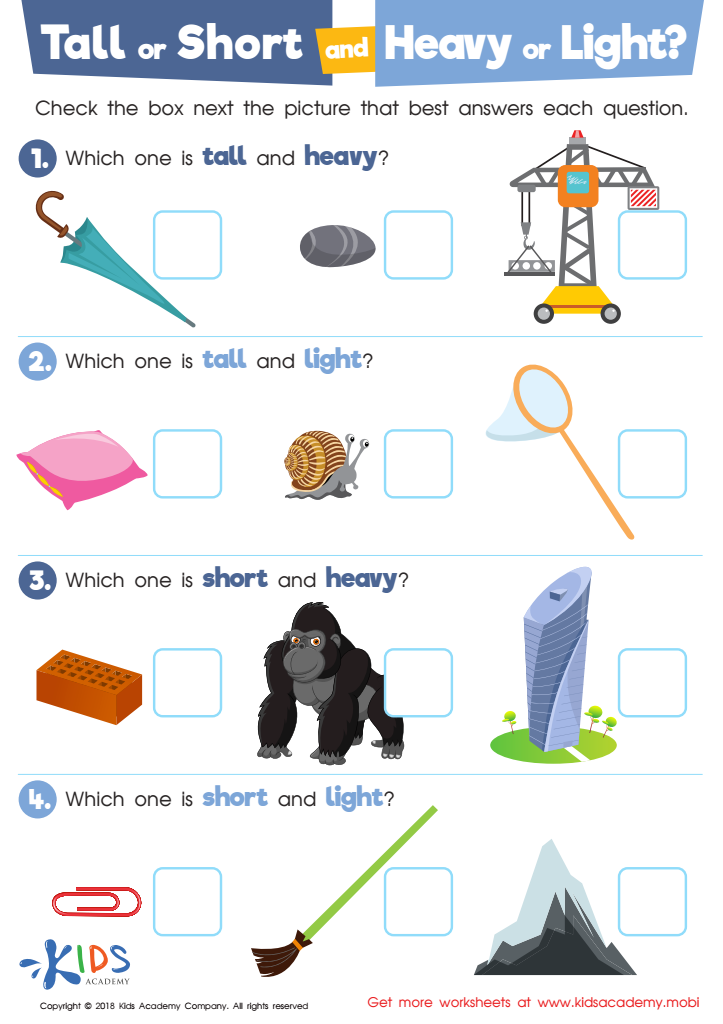
Tall or Short and Heavy or Light? Worksheet
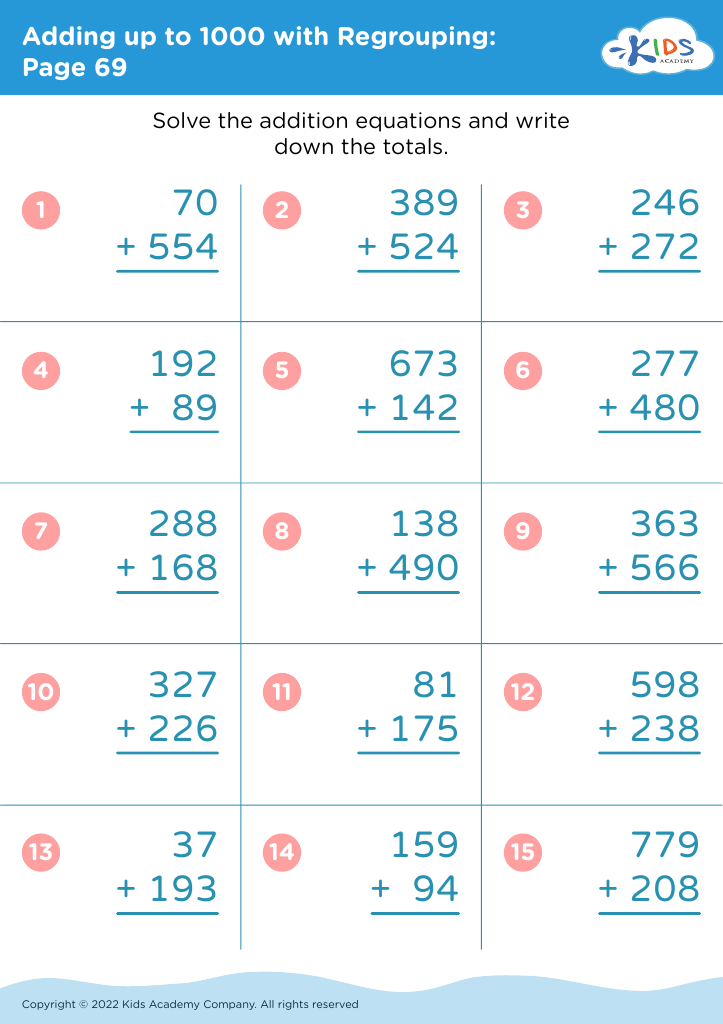
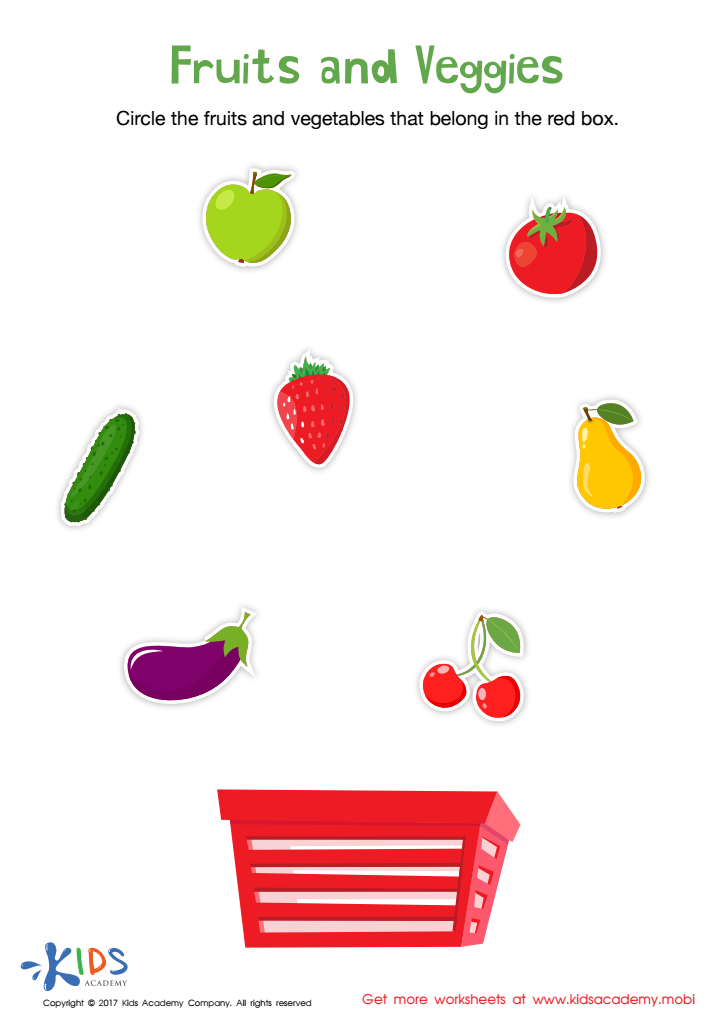
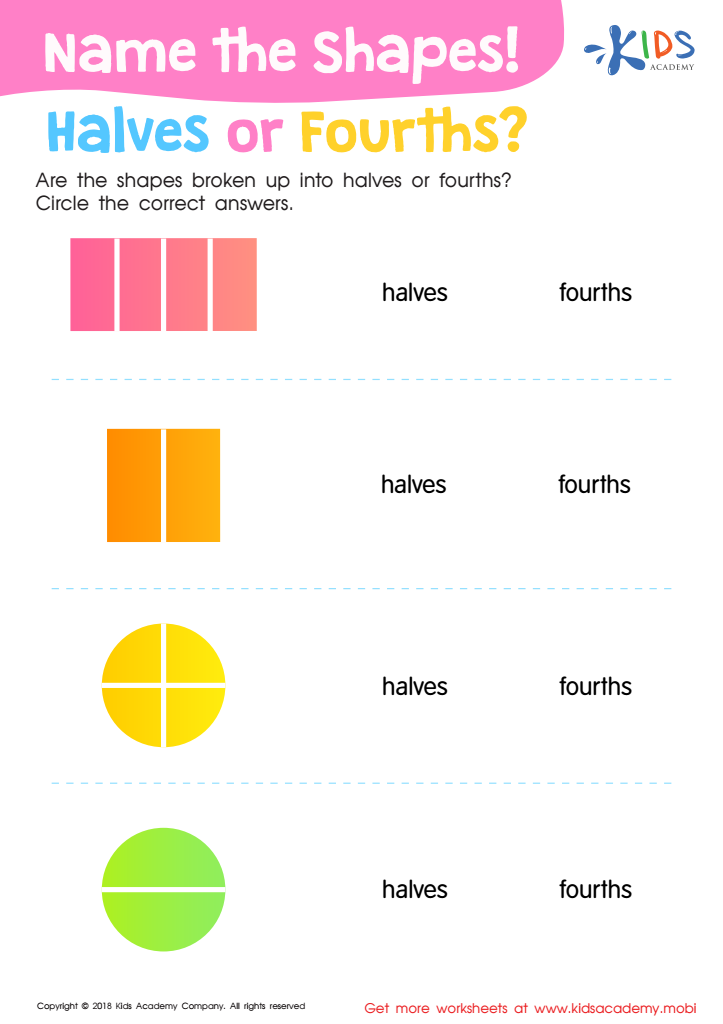
Name the Shapes Halves or Fourths? Worksheet
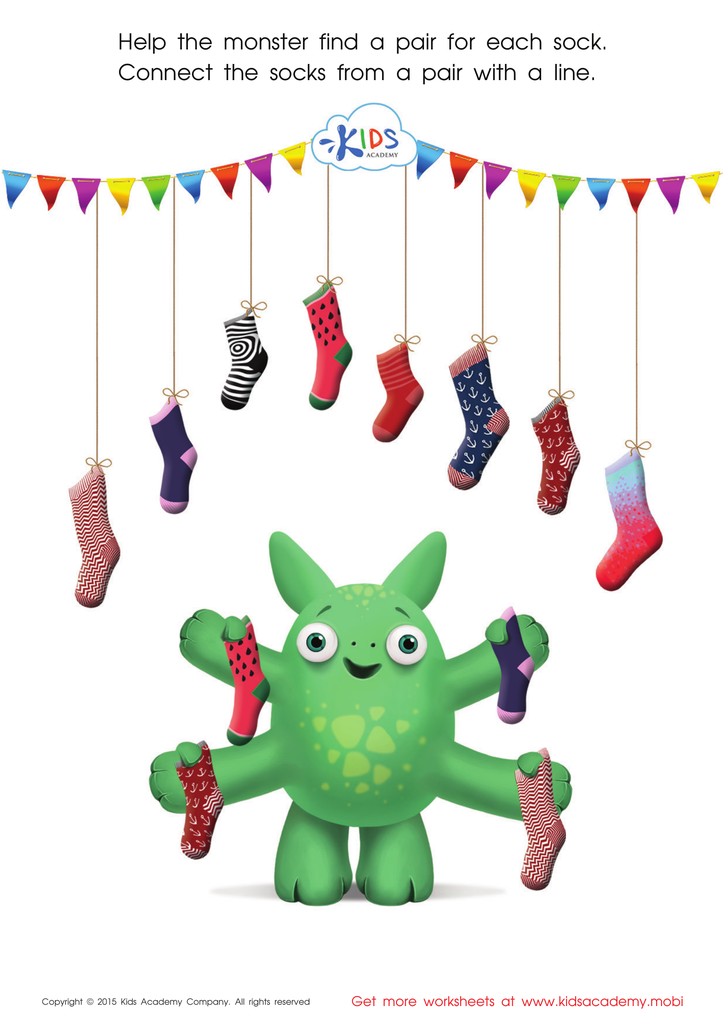
Math Matching Game: Monsterв's Socks Worksheet
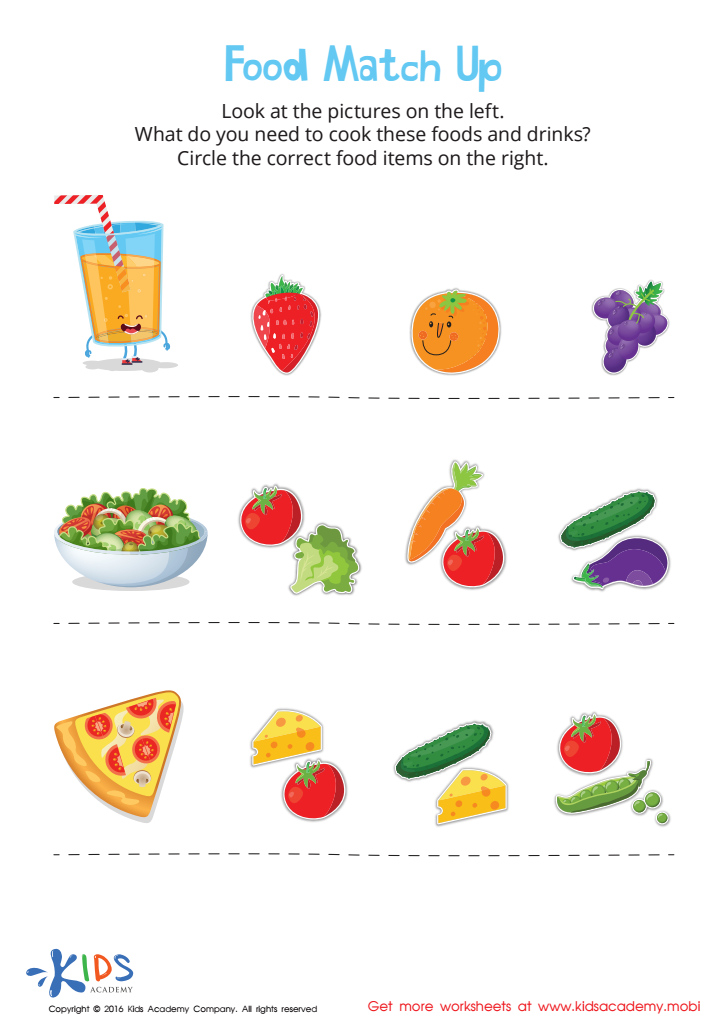
Food Match Up Worksheet
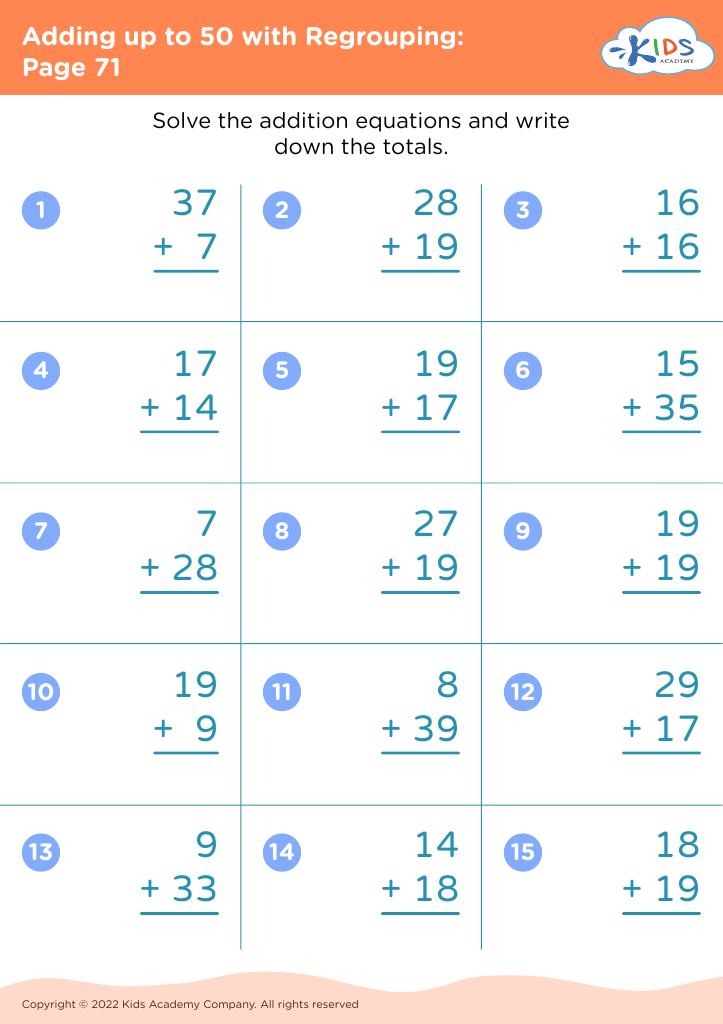
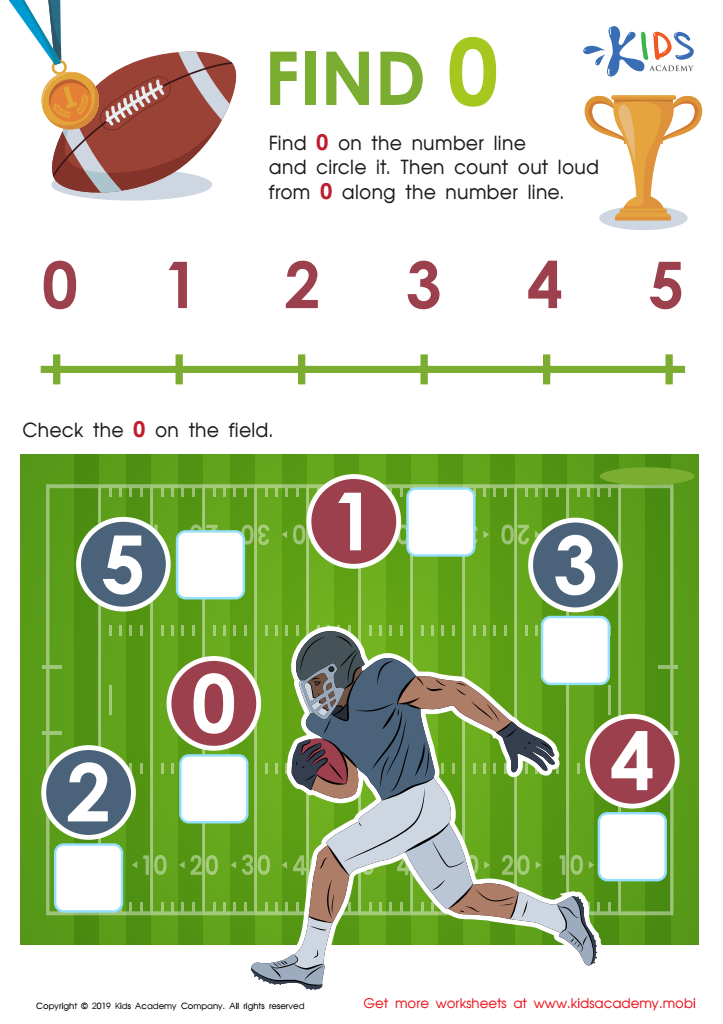
Find 0 Worksheet
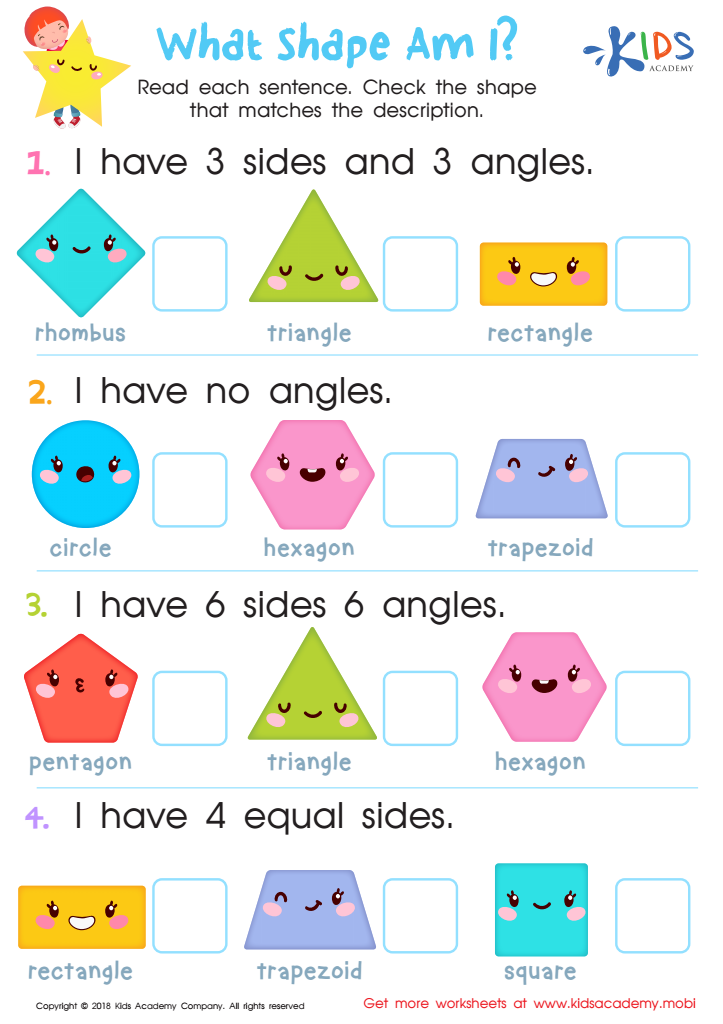
What Shape Am I? Worksheet
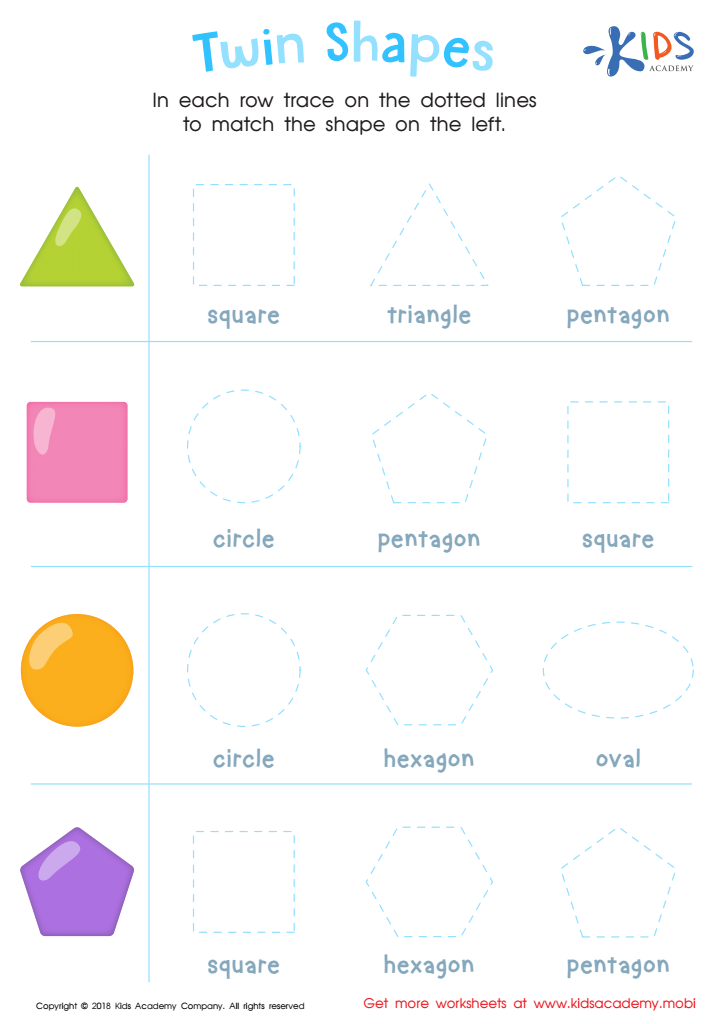
Twin Shapes Dot-to-Dot Worksheet
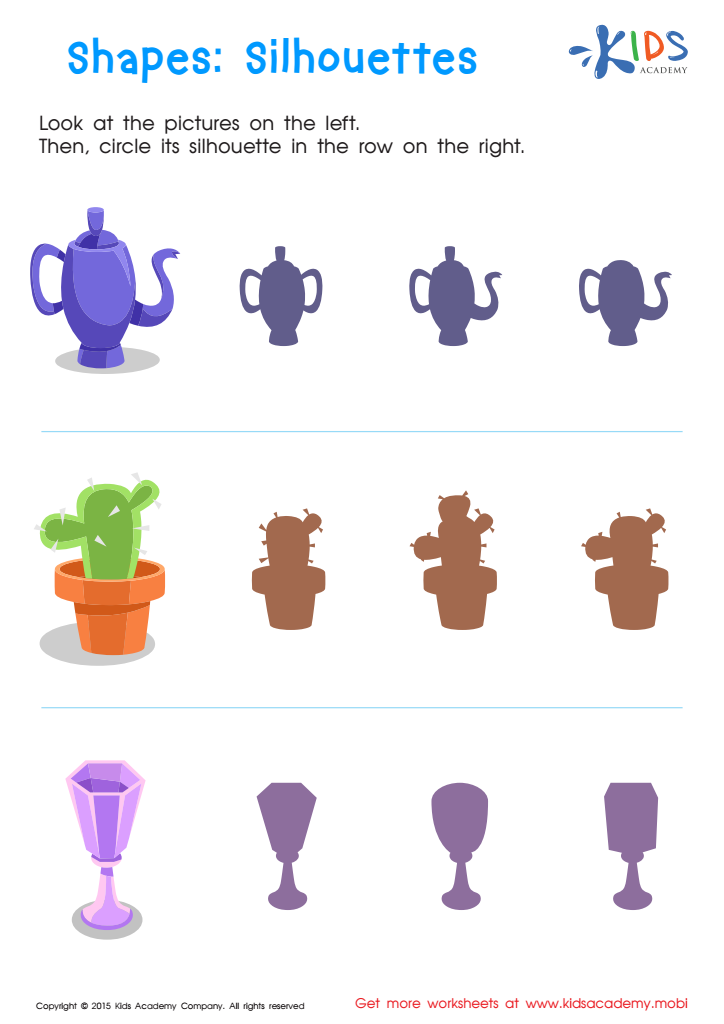
Silhouettes – Shapes Worksheet








Visual discrimination in math is a crucial skill for children aged 3-9 that significantly impacts their overall academic success, particularly in mathematics. This skill involves the ability to recognize and differentiate shapes, sizes, colors, and patterns, laying the foundation for more complex mathematical concepts. Parents and teachers should care about this because early development of visual discrimination supports not only math skills but also critical thinking and problem-solving abilities.
Children who excel in visual discrimination can more easily identify numerical relationships, understand geometry, and develop spatial reasoning skills. These abilities are essential for grasping concepts such as addition, subtraction, and the understanding of fractions as they progress in their education. Moreover, visual learning experiences, such as working with manipulatives or engaging in pattern activities, actively stimulate children's cognitive processes, leading to enhanced brain development.
Additionally, fostering visual discrimination at an early age boosts children's confidence in their math skills, reducing anxiety around the subject. This positive attitude is crucial for lifelong learning and academic success. Thus, both parents and teachers play a vital role in integrating visual discrimination activities into daily learning routines, ensuring children build a solid foundation for future mathematical understanding.








