Visual Learning Math Worksheets for Ages 3-9 - Page 3
101 filtered results
-
From - To
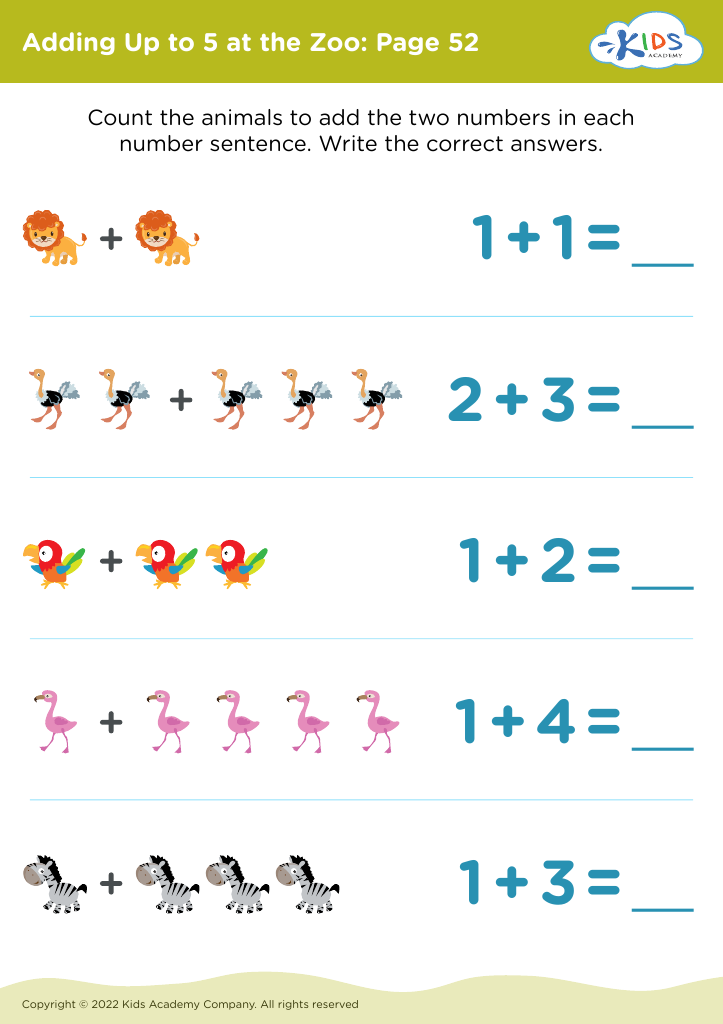
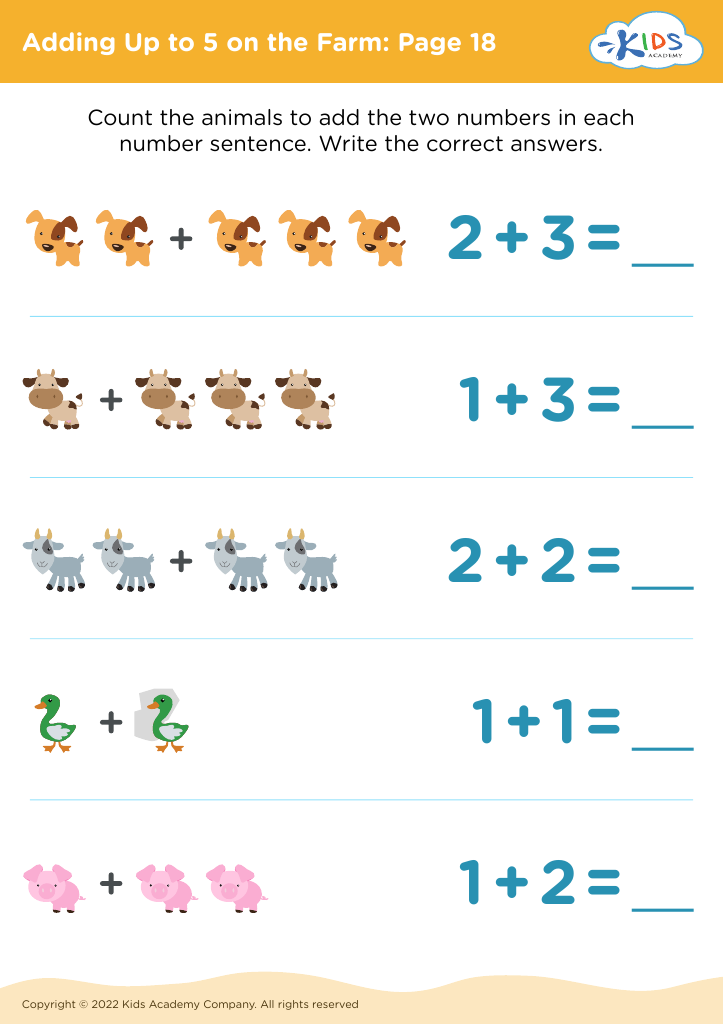
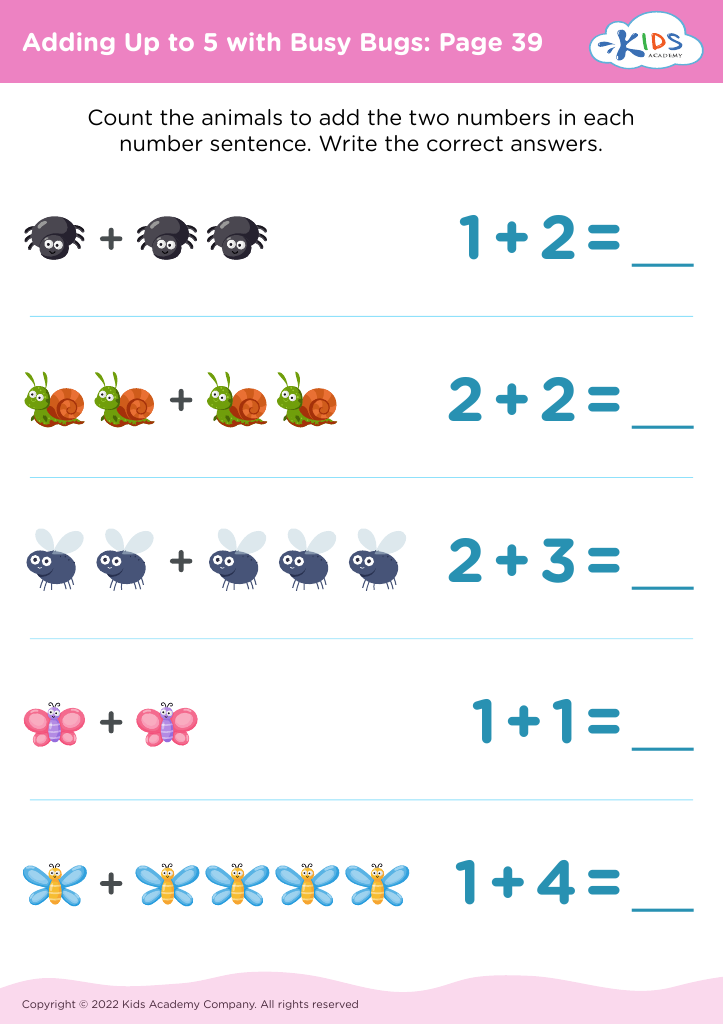
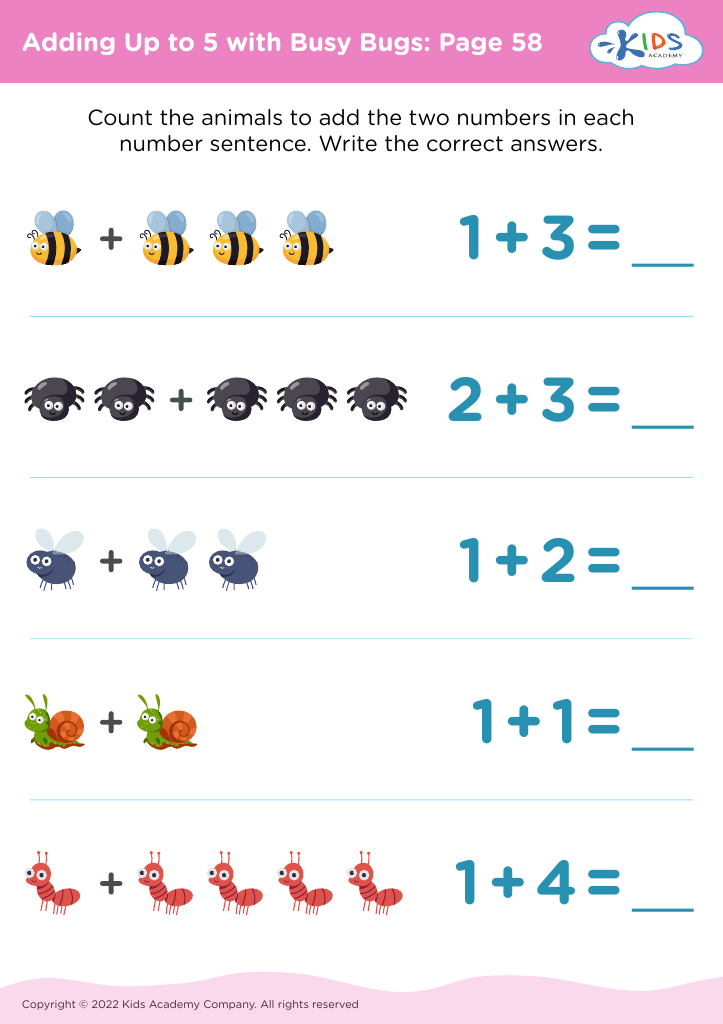
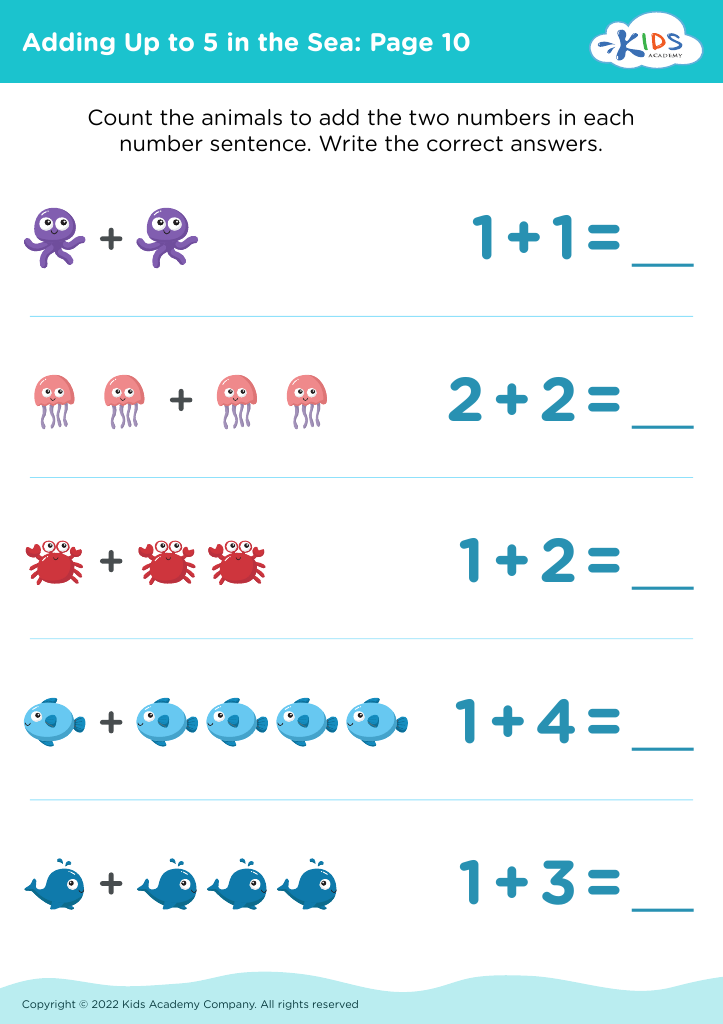
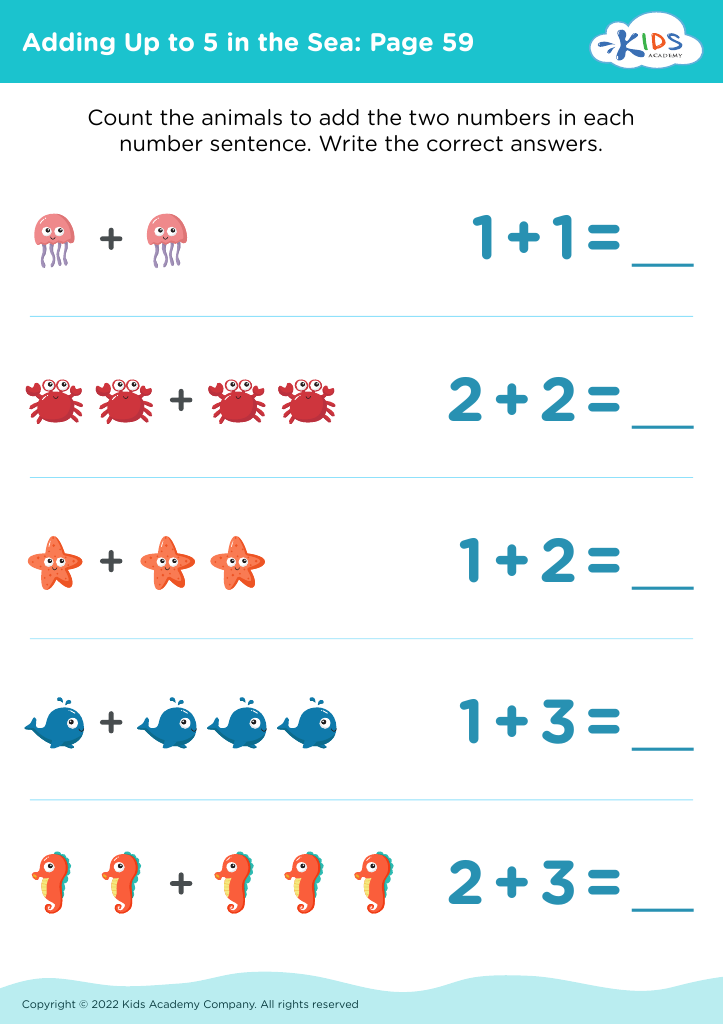
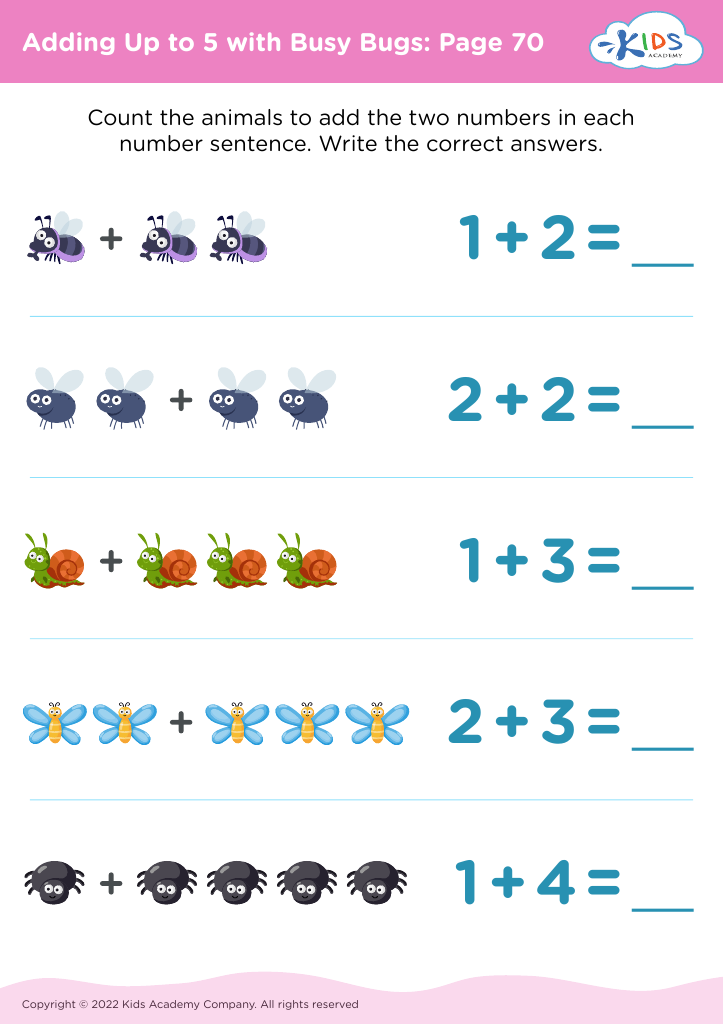
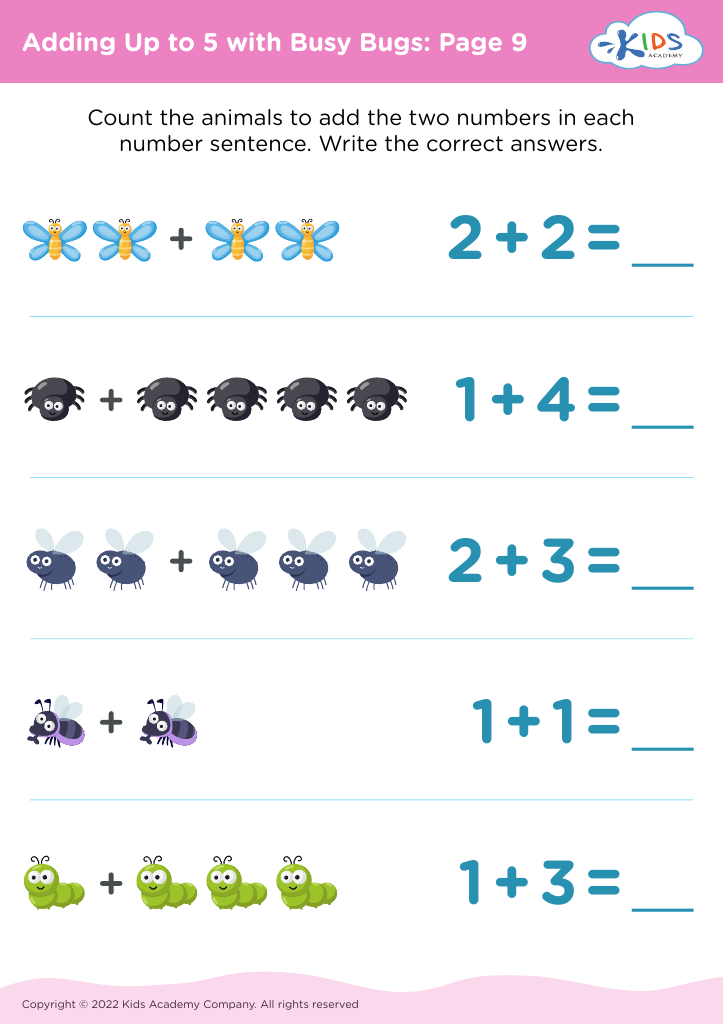
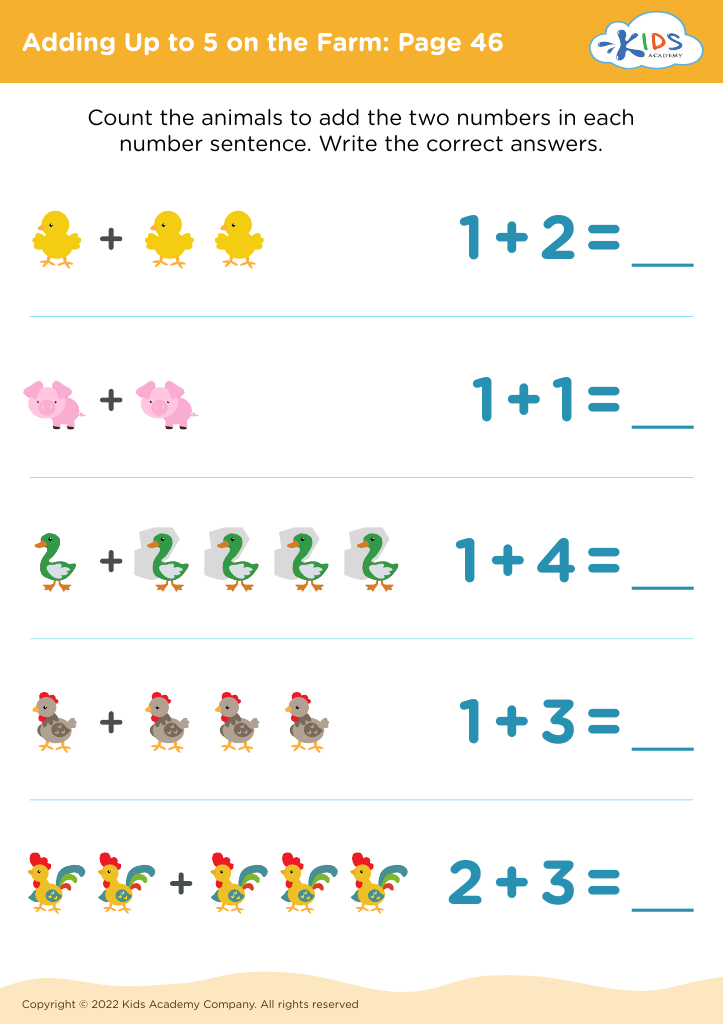
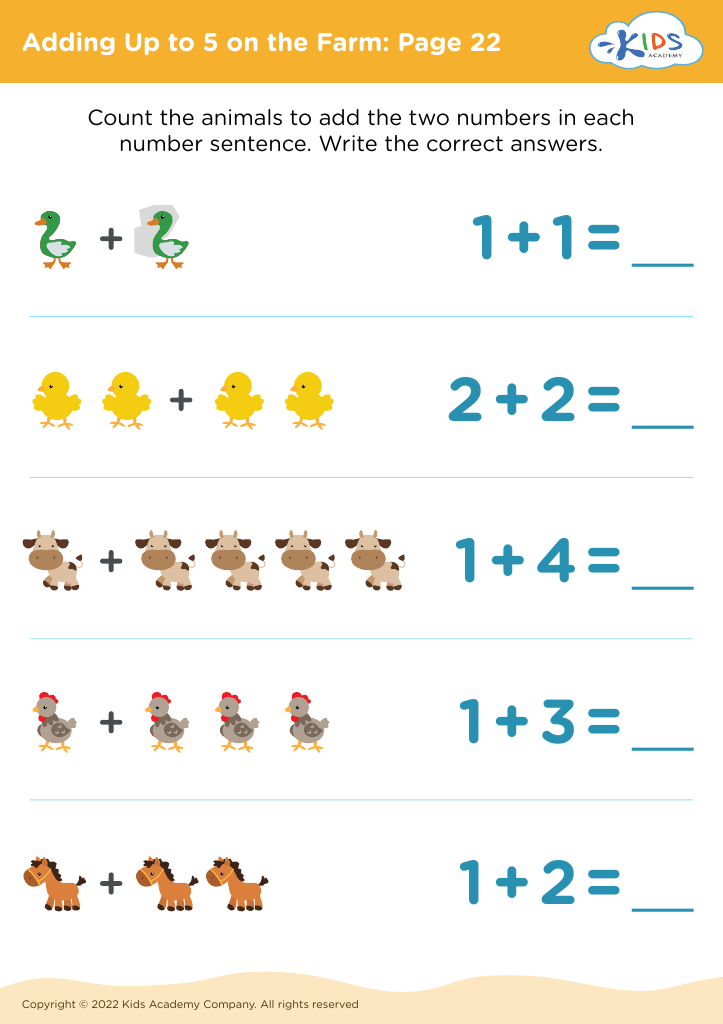
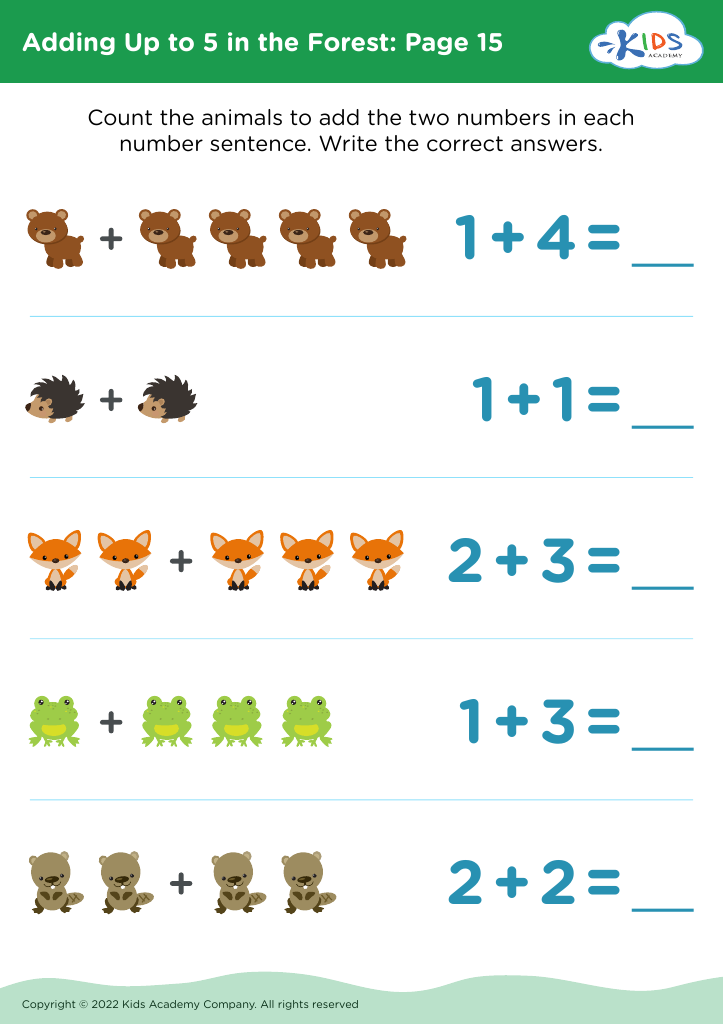
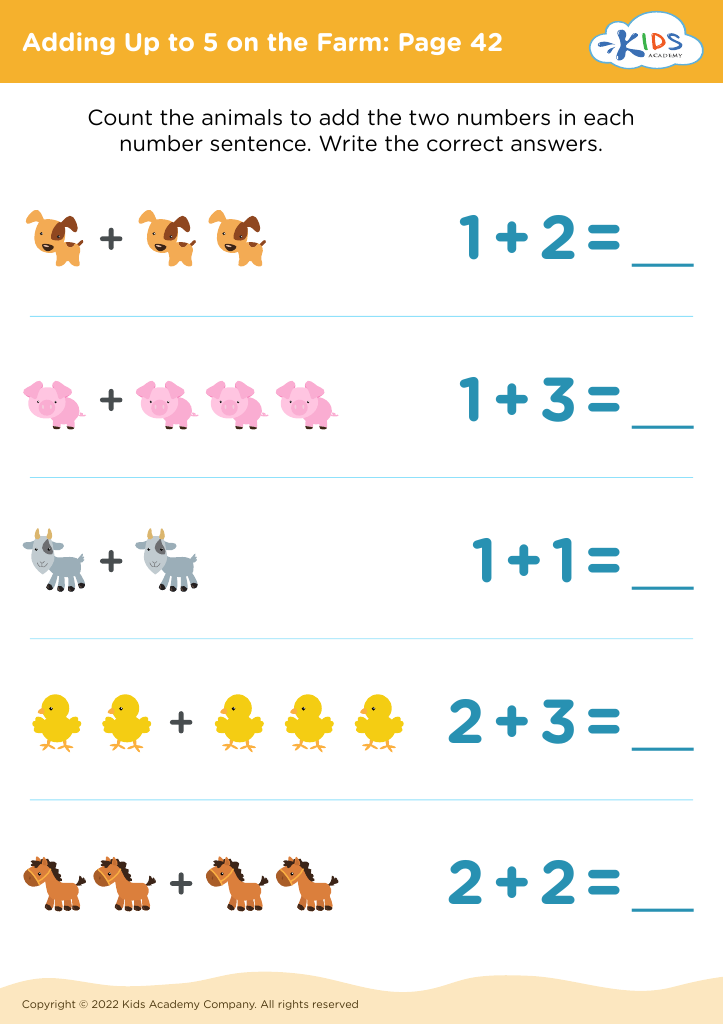
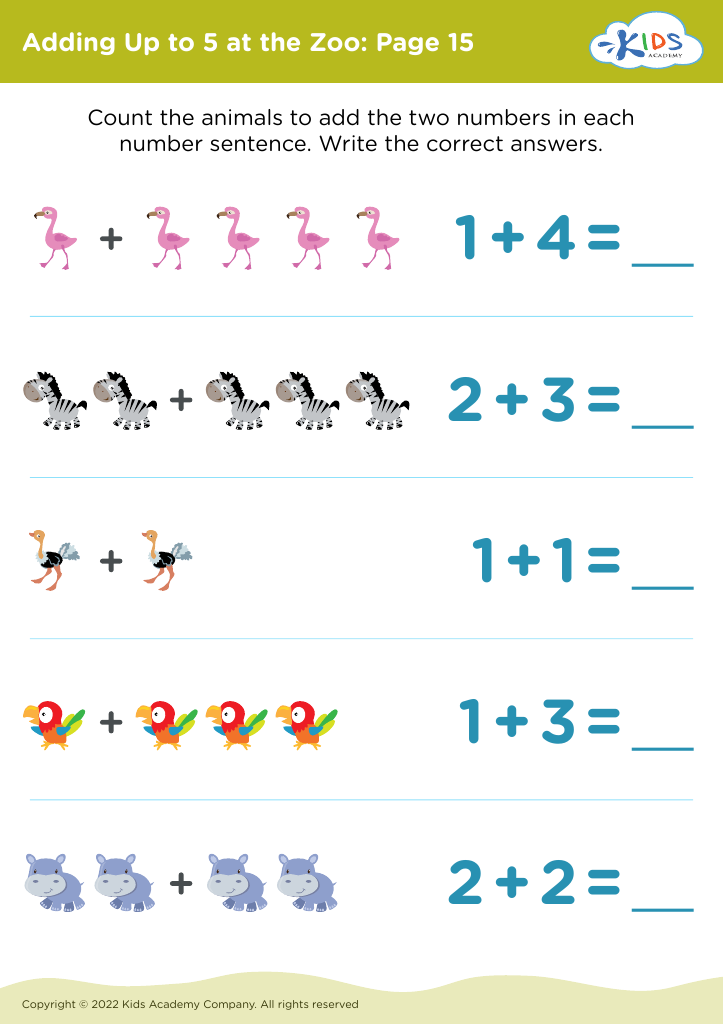
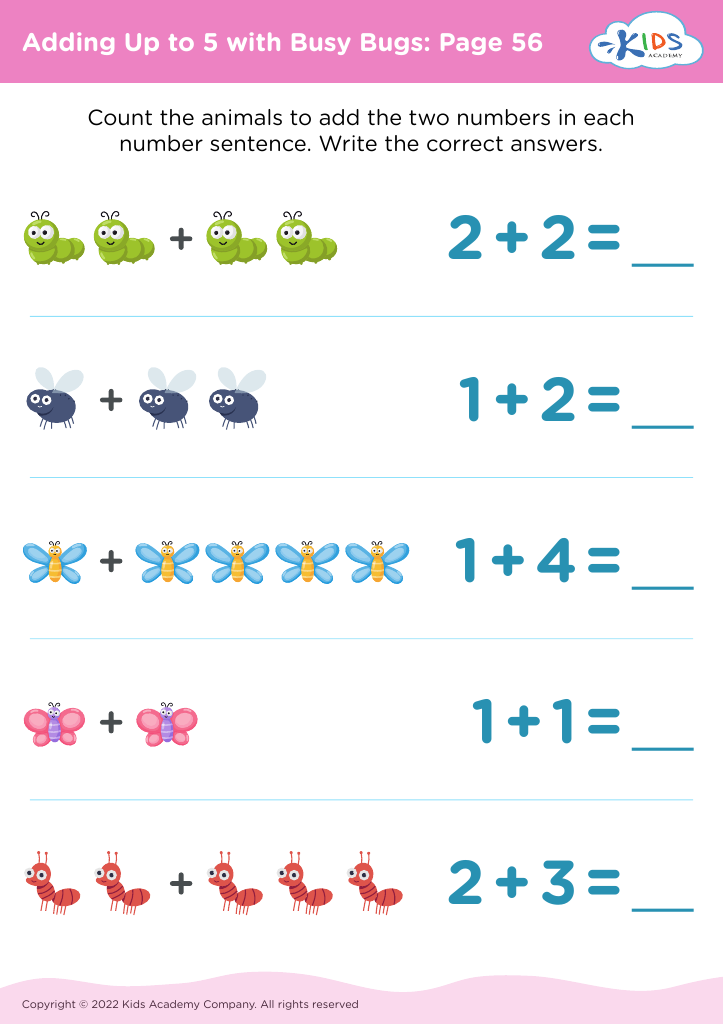
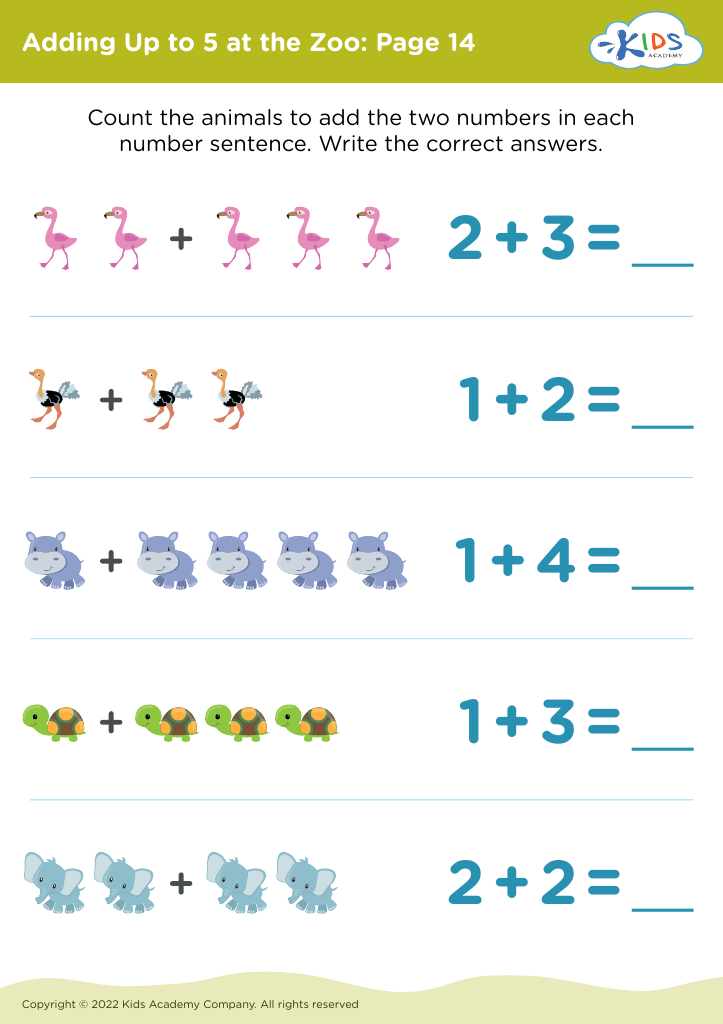
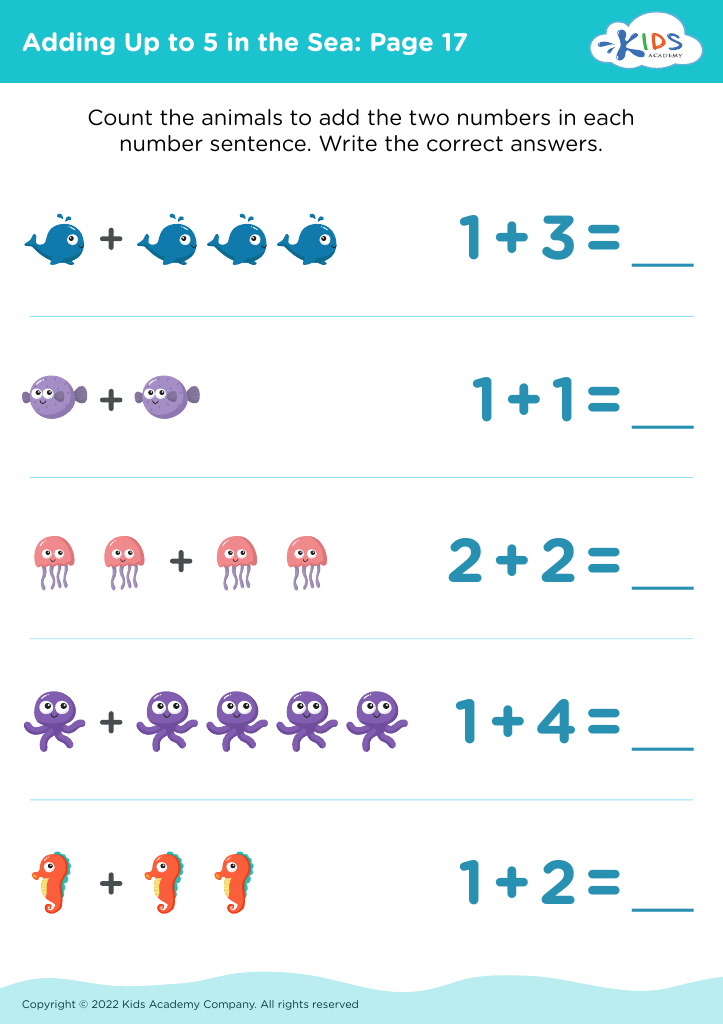
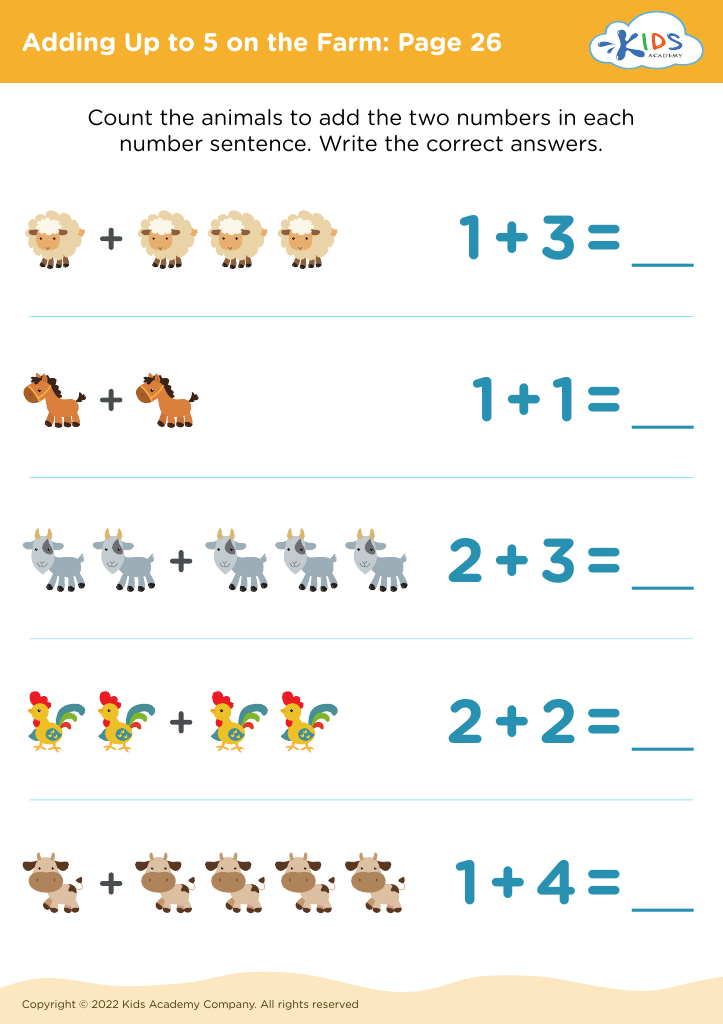
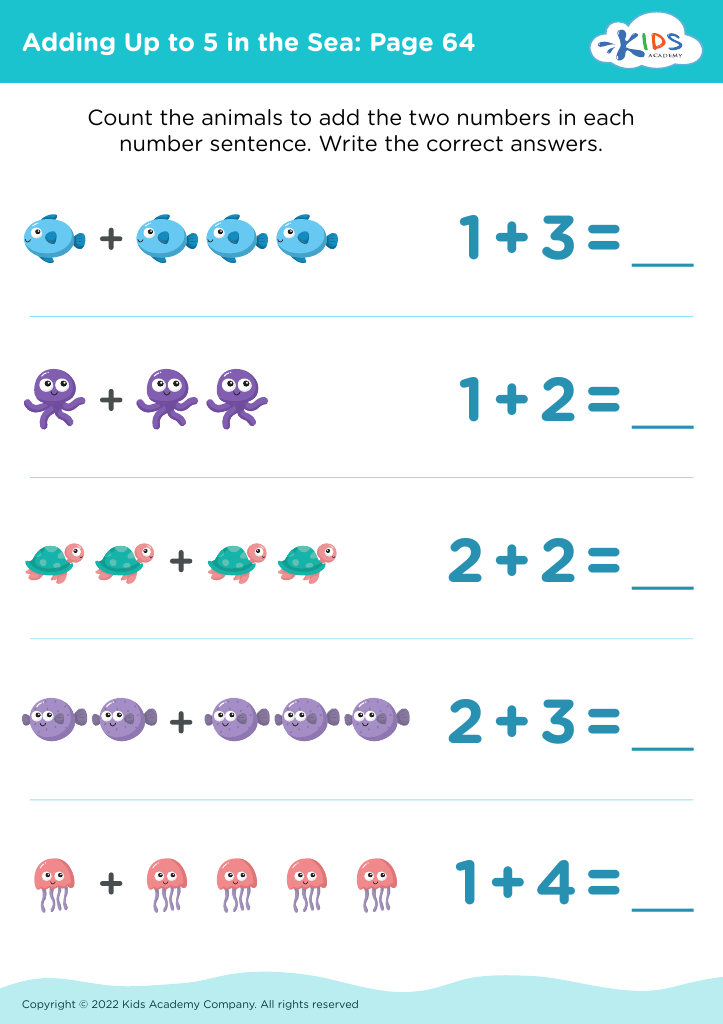
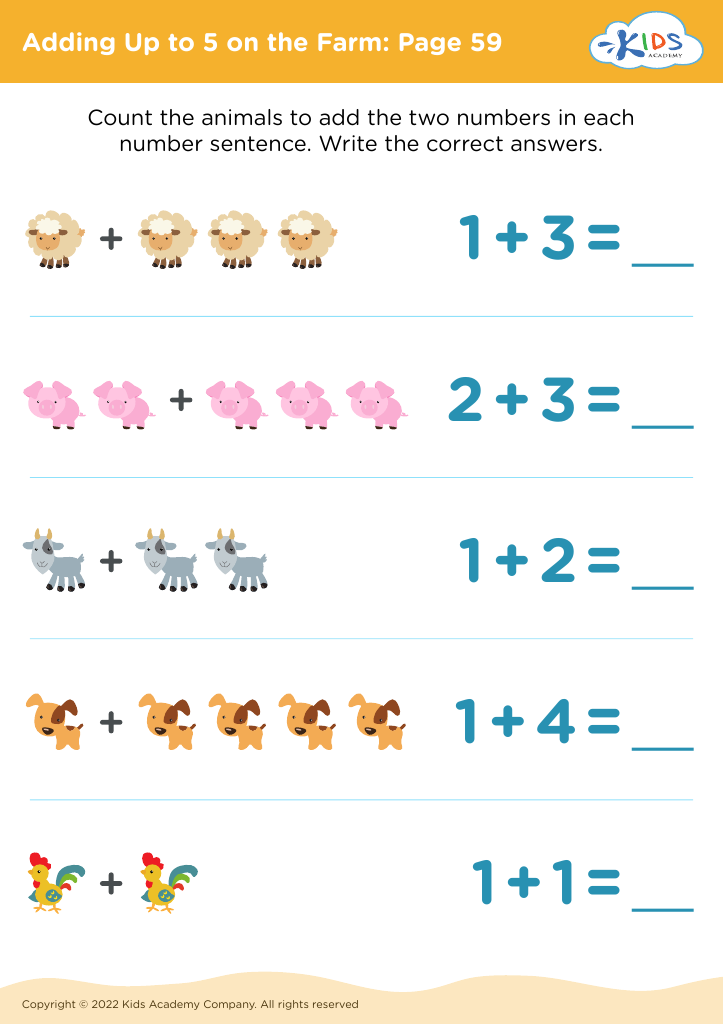
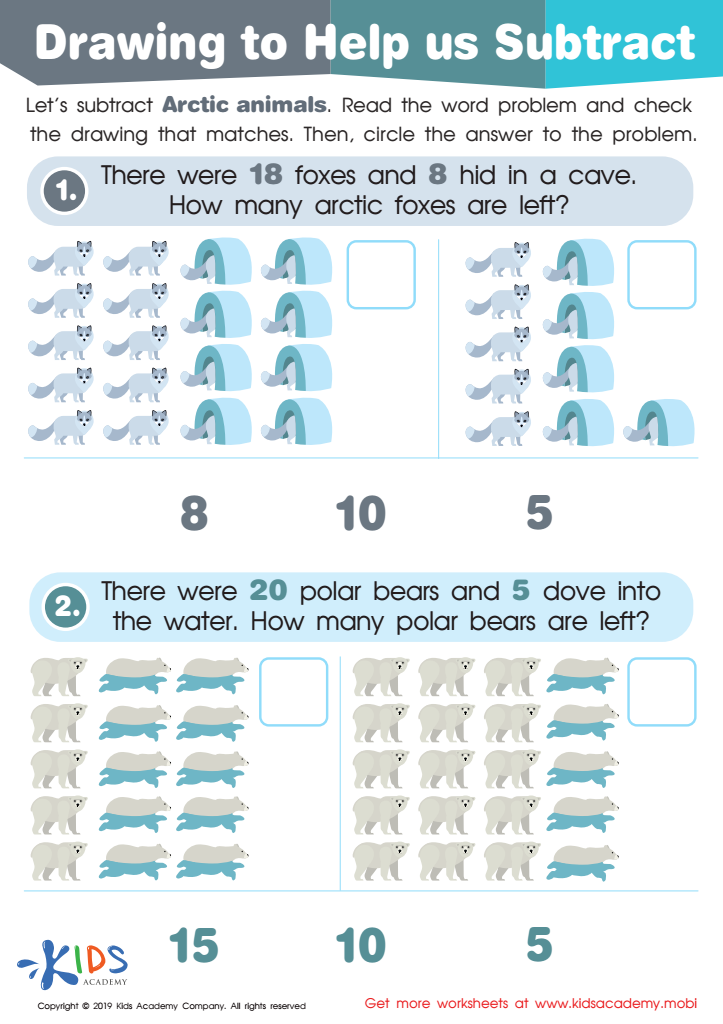
Drawing to Help Us Subtract Worksheet
 Assign to My Students
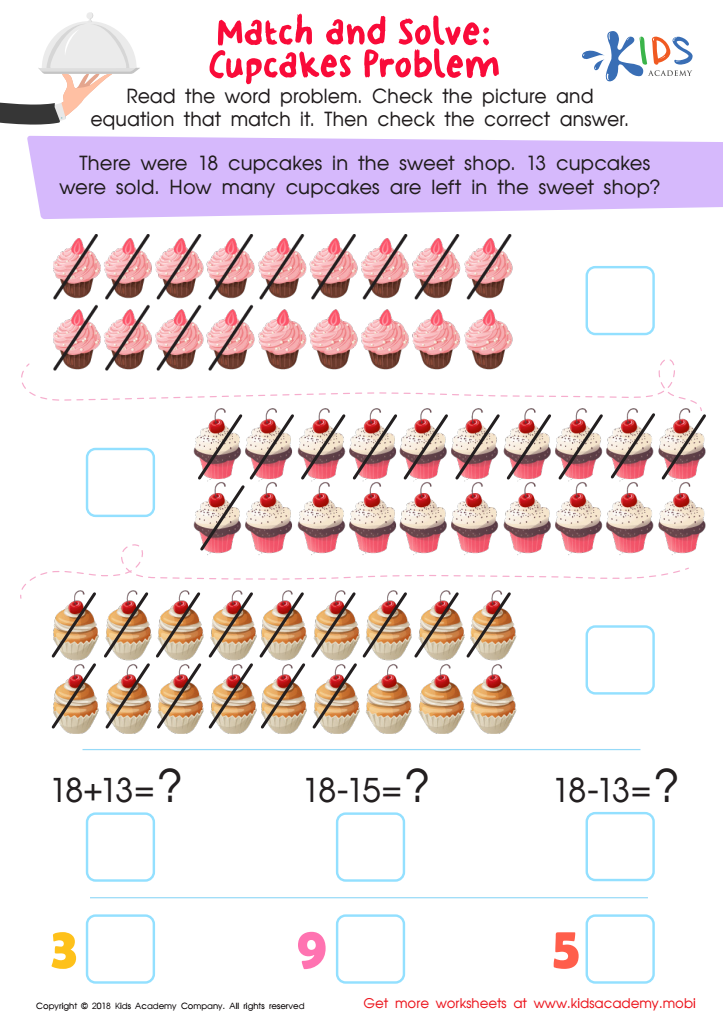
Match and Solve: Cupcakes Problem Worksheet
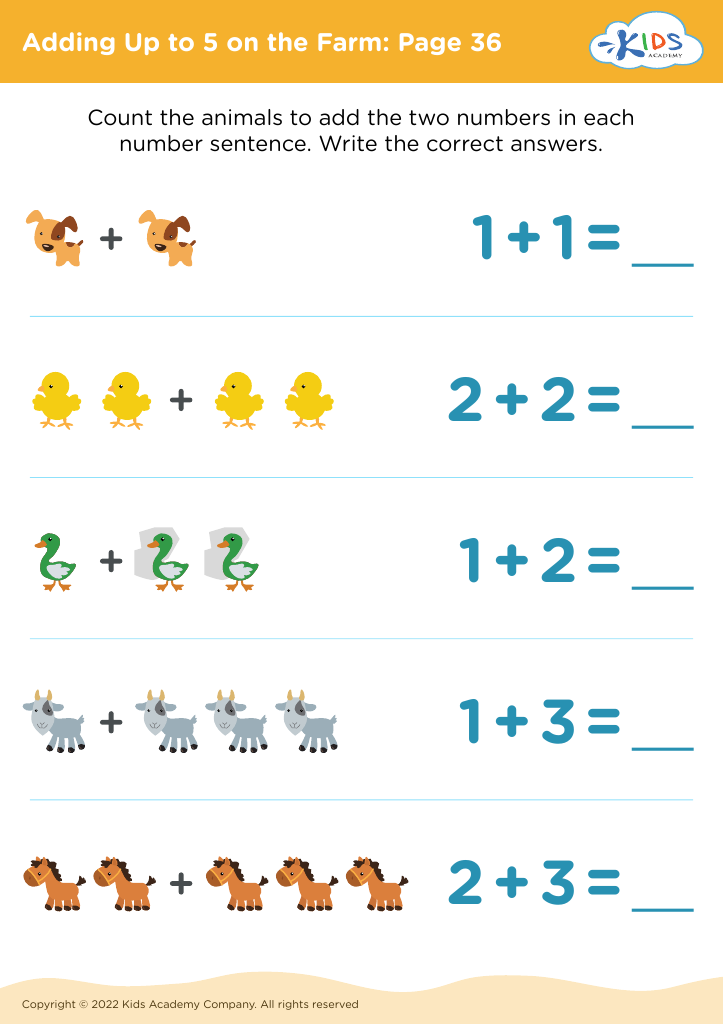
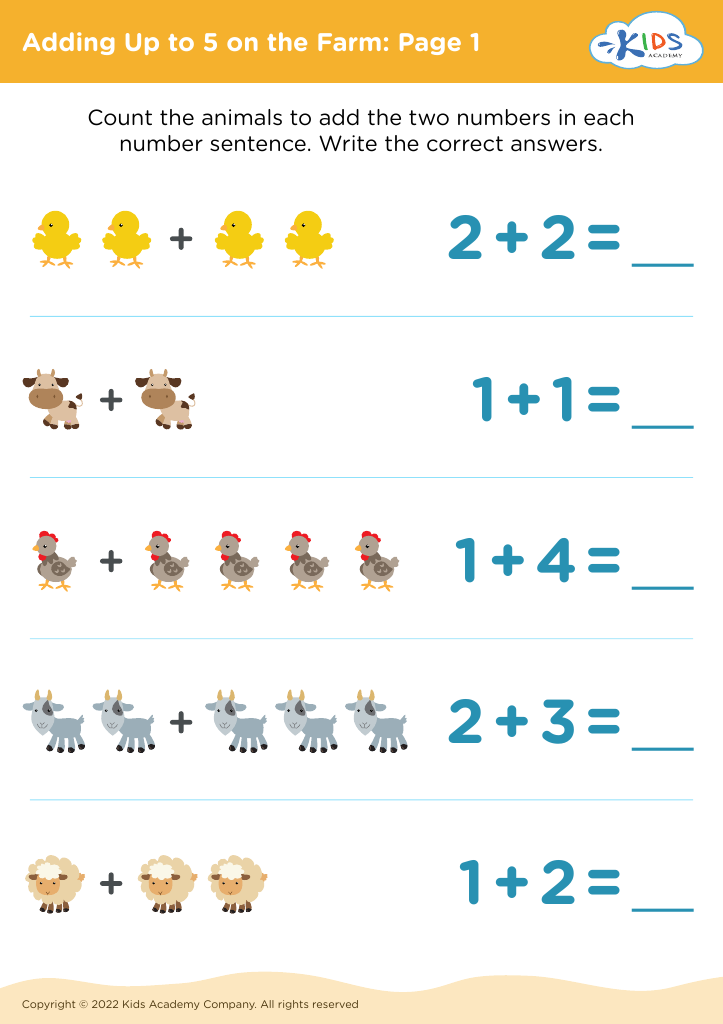








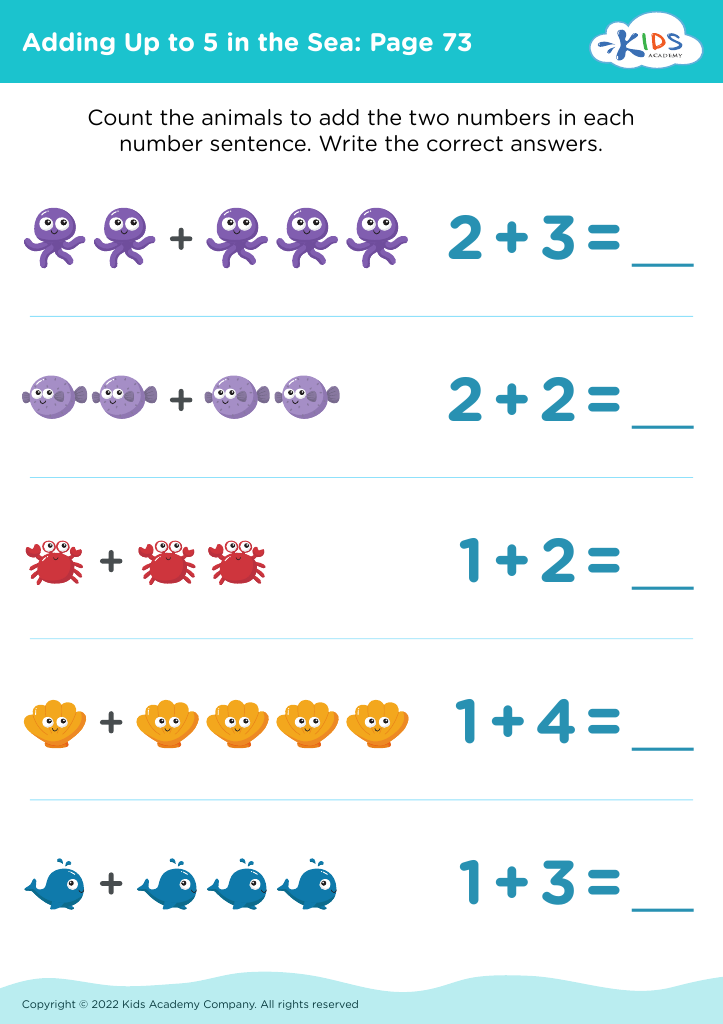
Visual Learning Math for ages 3-9 is vital as it harnesses the innate ability of young children to learn through observation and imagery. At this developmental stage, children are primarily visual thinkers, so utilizing visual aids—like diagrams, pictures, and manipulatives—facilitates deeper understanding of mathematical concepts. By incorporating visual representations, children can concretize abstract ideas, making it easier for them to grasp fundamental principles such as counting, addition, subtraction, and spatial awareness.
Furthermore, visual learning caters to various learning styles, ensuring that every child is engaged and supported in their academic journey. This method not only boosts confidence in math but also fosters a love for the subject, reducing math anxiety later in life. Engaging children with appealing visuals stimulates their curiosity and encourages active participation in learning activities.
Additionally, employing visual learning strategies helps develop critical thinking and problem-solving skills, essential for future academic success. For parents and teachers, understanding the benefits of visual learning mathematics is crucial, as it creates a strong foundation for children’s overall cognitive development. By prioritizing this approach, they empower children to explore, inquire, and develop into capable, confident mathematicians. Supporting visual learning thus establishes a love for learning that lasts a lifetime.








