Logical thinking Matching Worksheets for Ages 3-9
5 filtered results
-
From - To
Enhance your child's logical thinking skills with our matching worksheets designed for ages 3-9! These engaging activities help young learners develop critical thinking, pattern recognition, and problem-solving abilities while having fun. Our user-friendly worksheets are tailored to meet the developmental needs of each age group, ensuring a perfect fit for your child's learning journey. Whether at home or in the classroom, these logical thinking exercises improve cognitive skills through enjoyable matching games. Download our free worksheets today and watch your child thrive as they sharpen their logical reasoning and analytical thinking in a playful and interactive way!
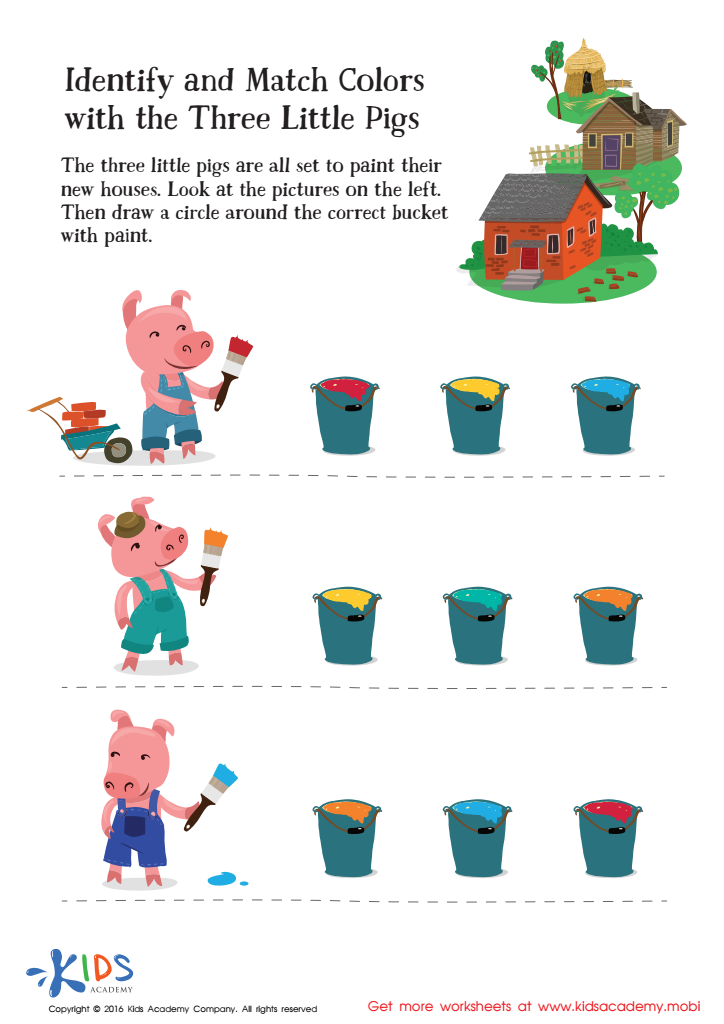
Fairy Tale Worksheet: Identify and Match Colors with Three Little Pigs
 Assign to My Students
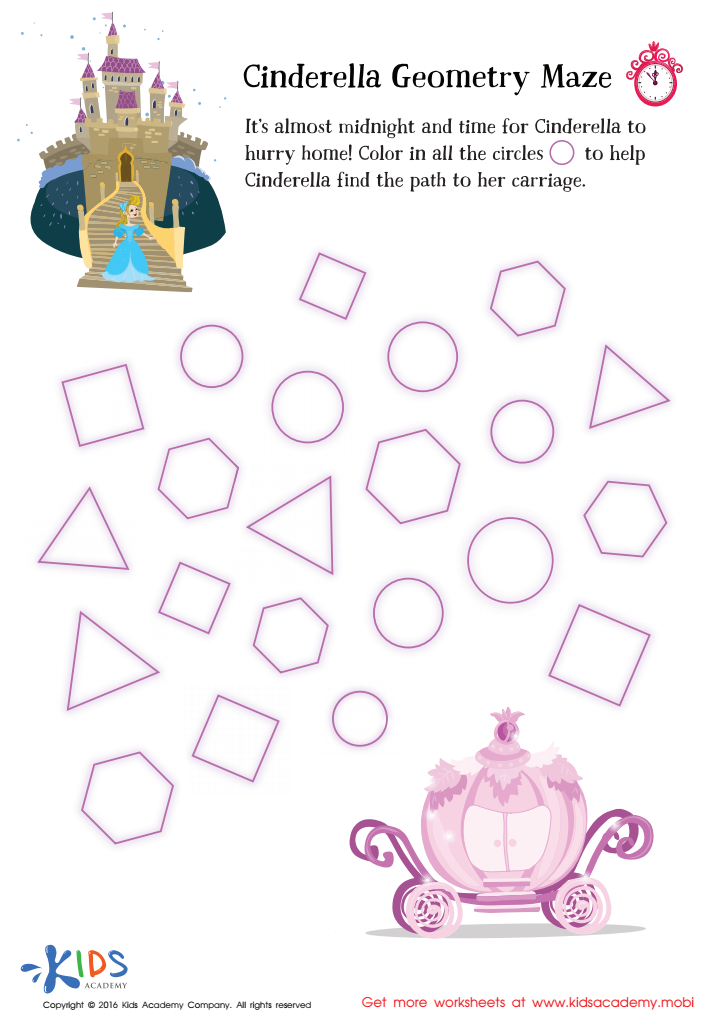
Cinderella Geometry Maze Worksheet
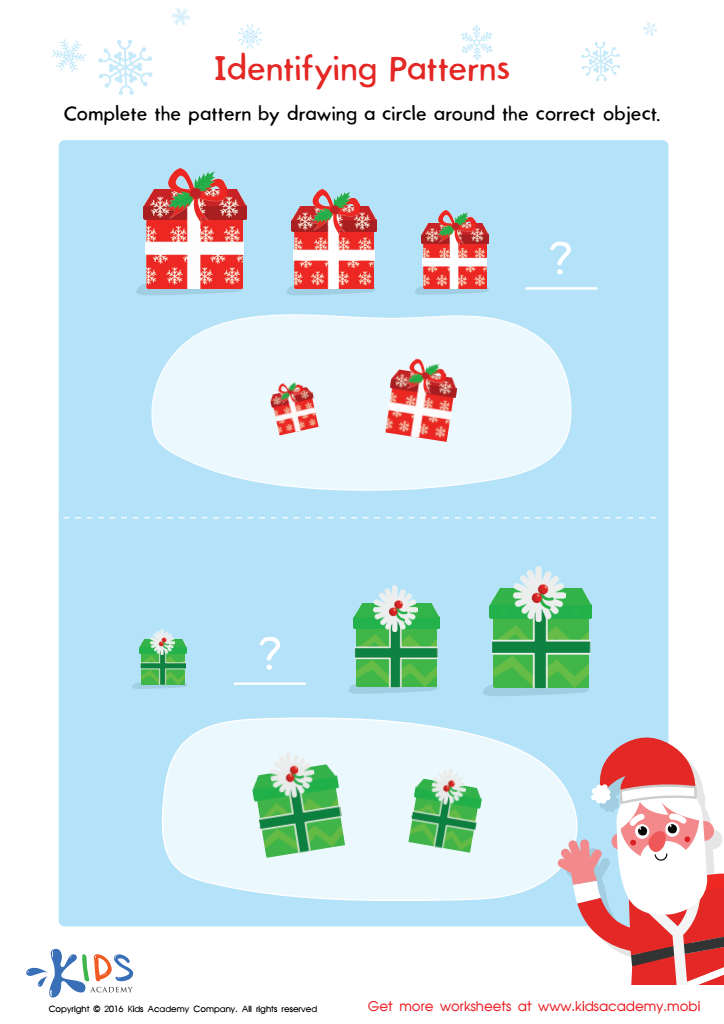
Identifying Patterns Worksheet
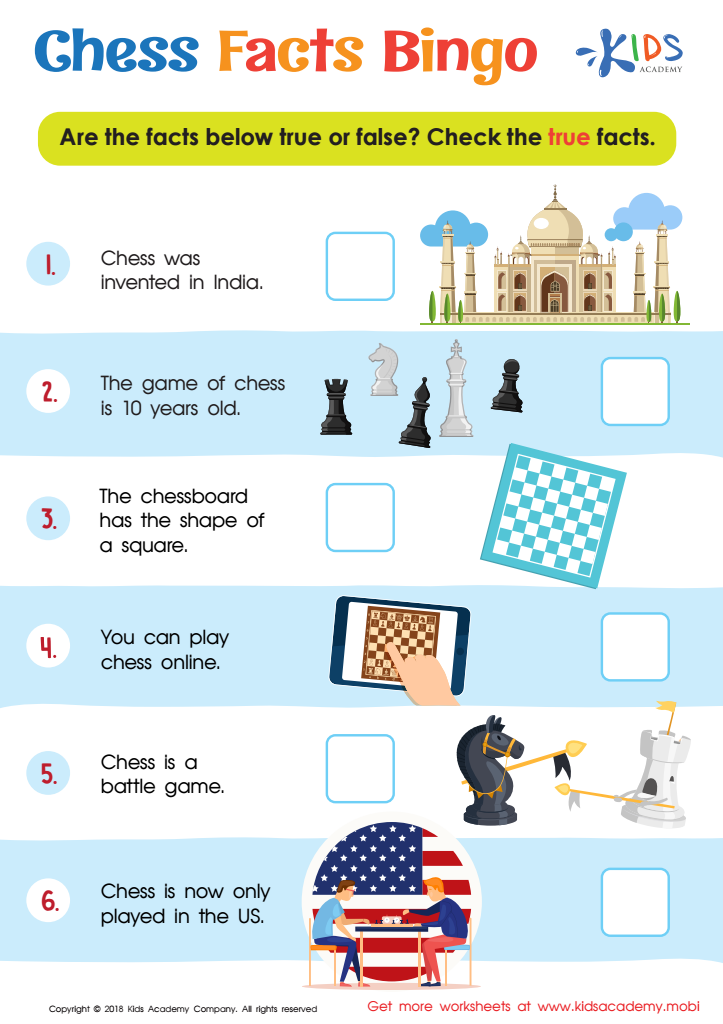
Chess Facts Bingo Worksheet
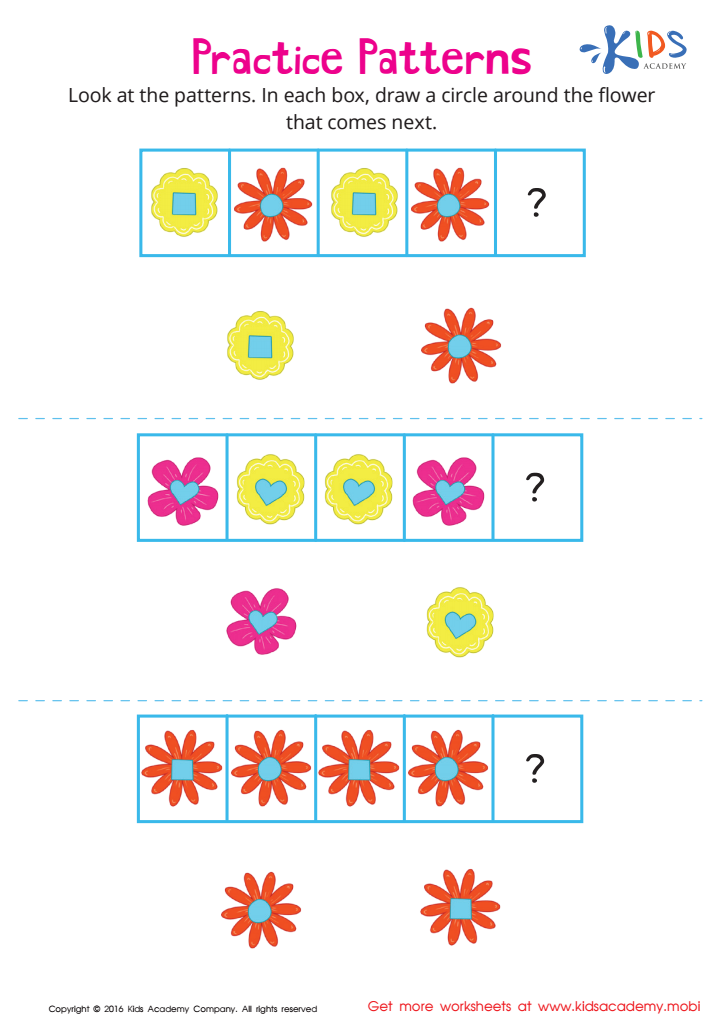








Logical thinking is a crucial cognitive skill that forms the foundation for problem-solving and reasoning. For children aged 3-9, engaging in logical thinking activities, such as matching games, can significantly enhance their cognitive development. These activities not only involve recognizing patterns and making connections but also encourage children to categorize information, improving their analytical skills.
Parents and teachers should care about logical thinking matching because it helps in the development of critical thinking skills at an early age. When children engage in matching games, they practice discerning similarities and differences, fostering an essential component of logical reasoning. Such playful yet structured activities also promote executive functioning skills, such as memory and attention control.
Moreover, logical thinking matching can be a fun and interactive way to engage children, making learning enjoyable. It also provides opportunities for social interaction and teamwork when played in groups, helping to build communication skills.
By nurturing logical thinking through matching activities, adults lay the groundwork for lifelong problem-solving abilities. This skill is not only vital for academic success but is also fundamental for navigating everyday challenges, enabling children to make sound decisions and think independently as they grow.








