Fine Motor Skills Numbers 0–10 Worksheets for Ages 3-9
48 filtered results
-
From - To
Discover an engaging and educational collection of Fine Motor Skills Numbers 0–10 Worksheets designed for children ages 3-9. These worksheets by Kids Academy provide a fun way to improve your child's dexterity, hand-eye coordination, and number recognition. Perfectly suited for early learners, these activities include tracing, coloring, and drawing exercises that reinforce numerical understanding while honing essential fine motor skills. Ideal for parents and teachers, these printable worksheets are valuable tools to support your child's developmental journey in a creative and interactive manner. Explore our comprehensive range to make learning numbers enjoyable and effective.
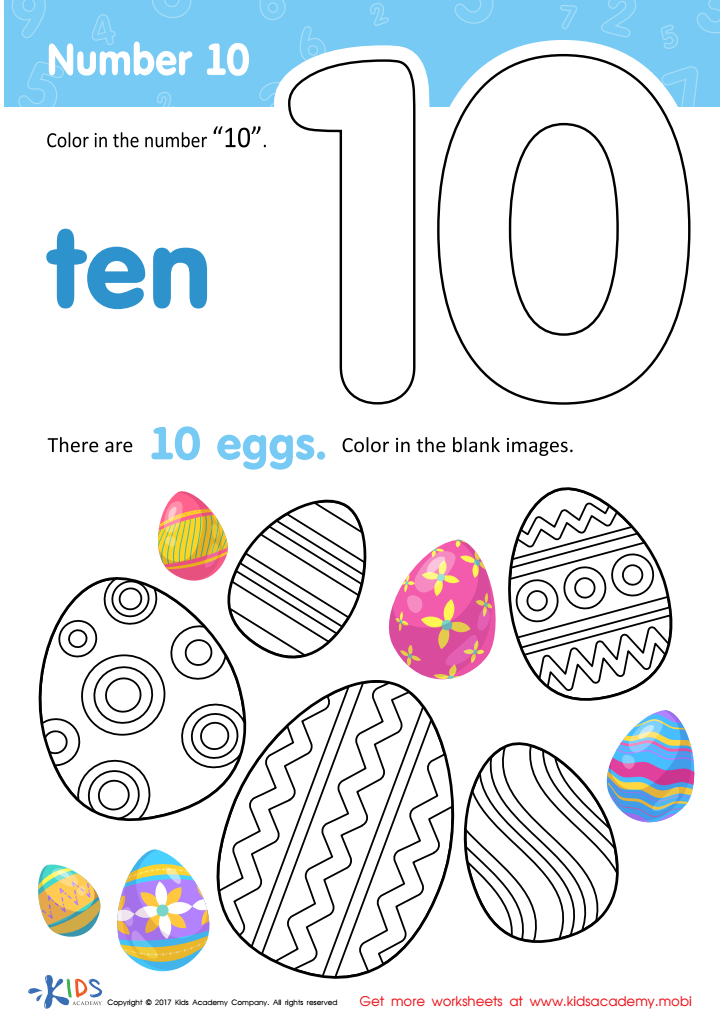
Number 10 Printable
 Assign to My Students
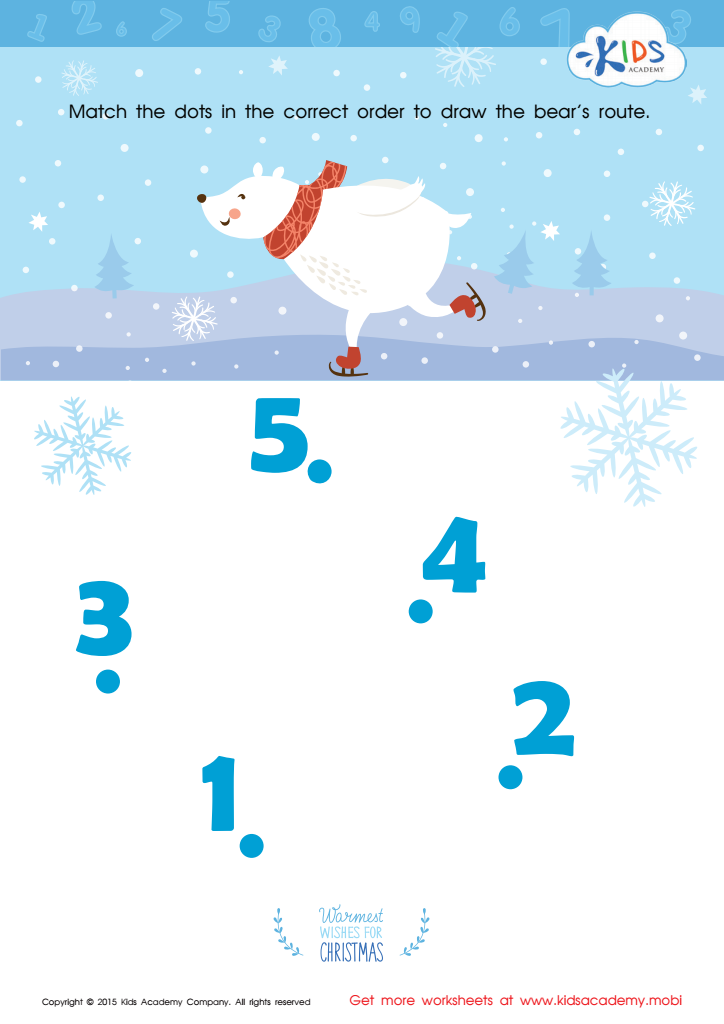
Drawing the Bear's Route by Number Worksheet
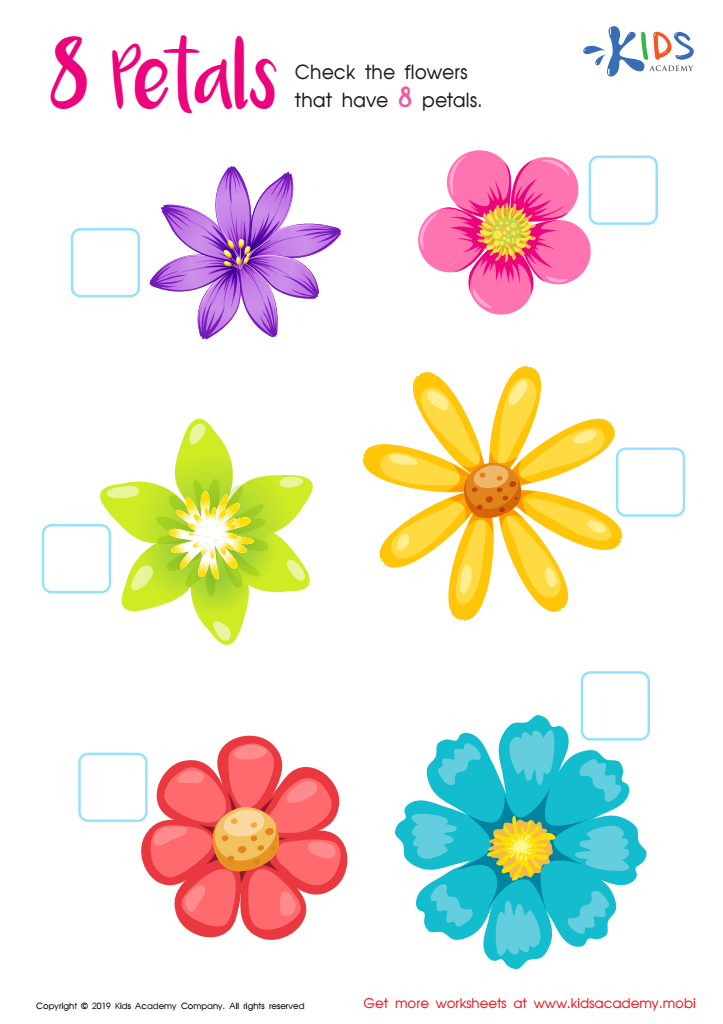
8 Petals Worksheet
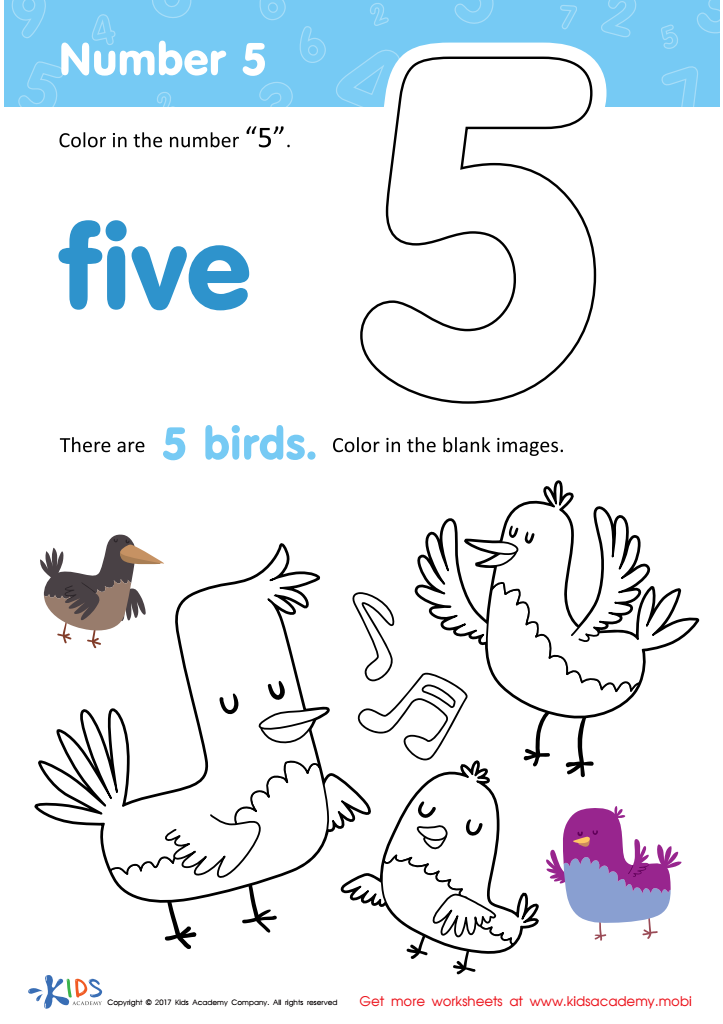
Number 5 Printable
Assign to My Students
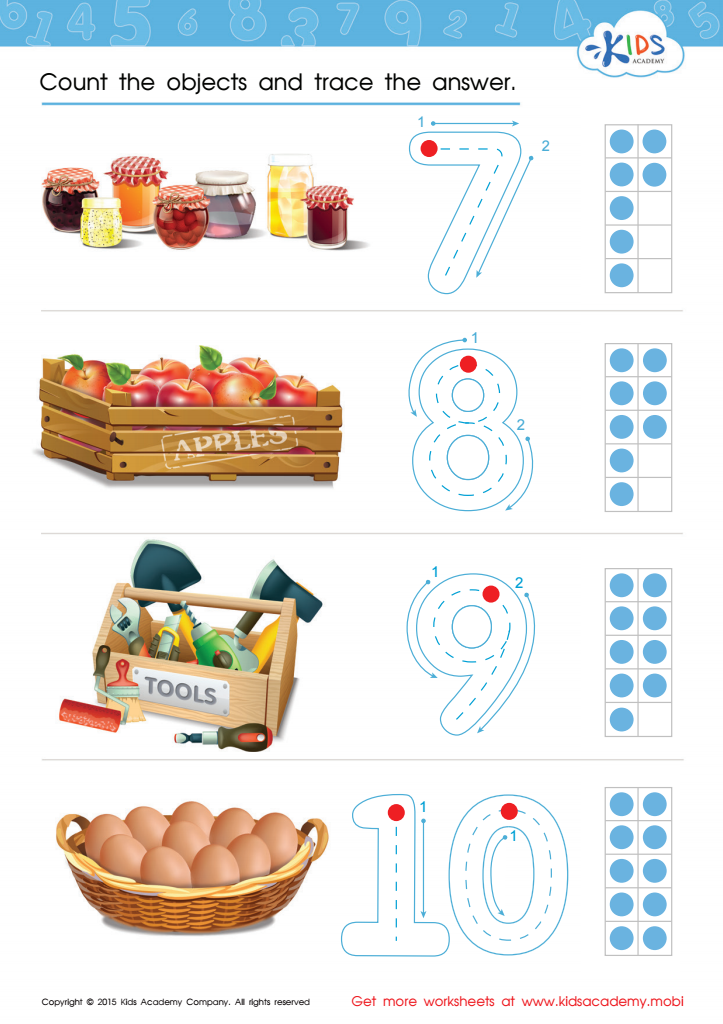
Count and Trace 7 – 10 Worksheet
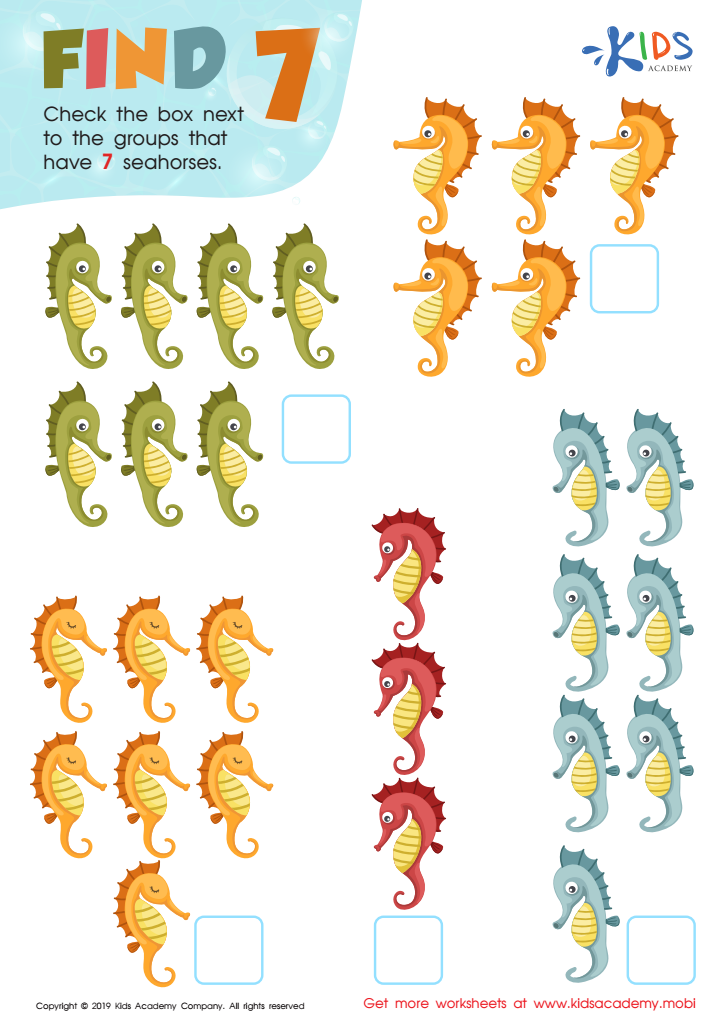
Find 7 Worksheet
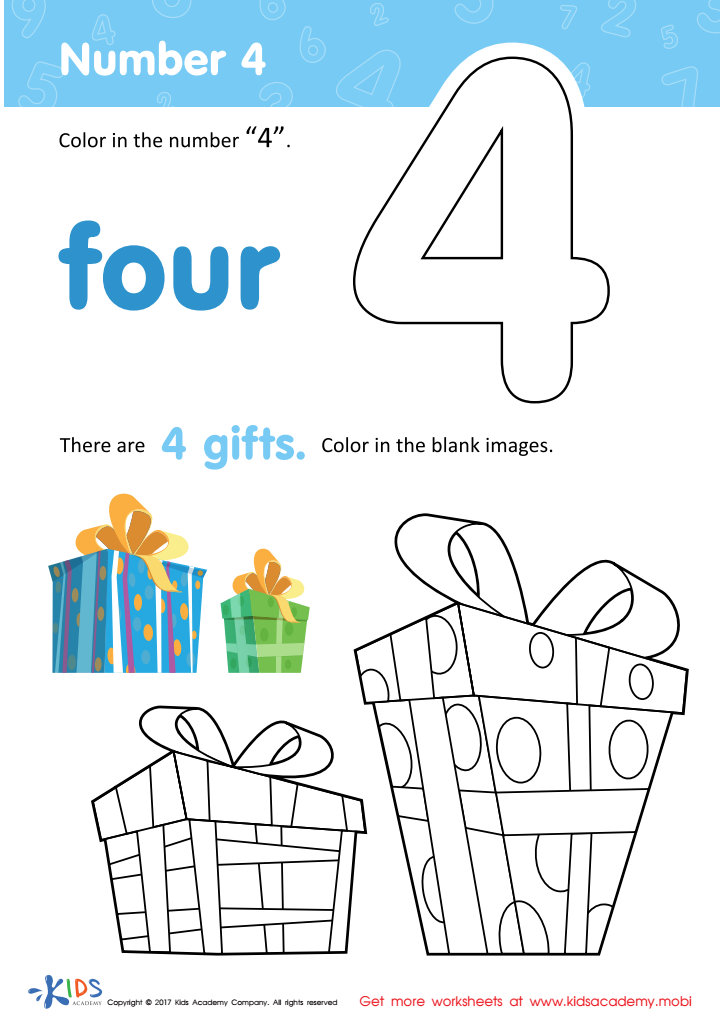
Number 4 Printable
Assign to My Students
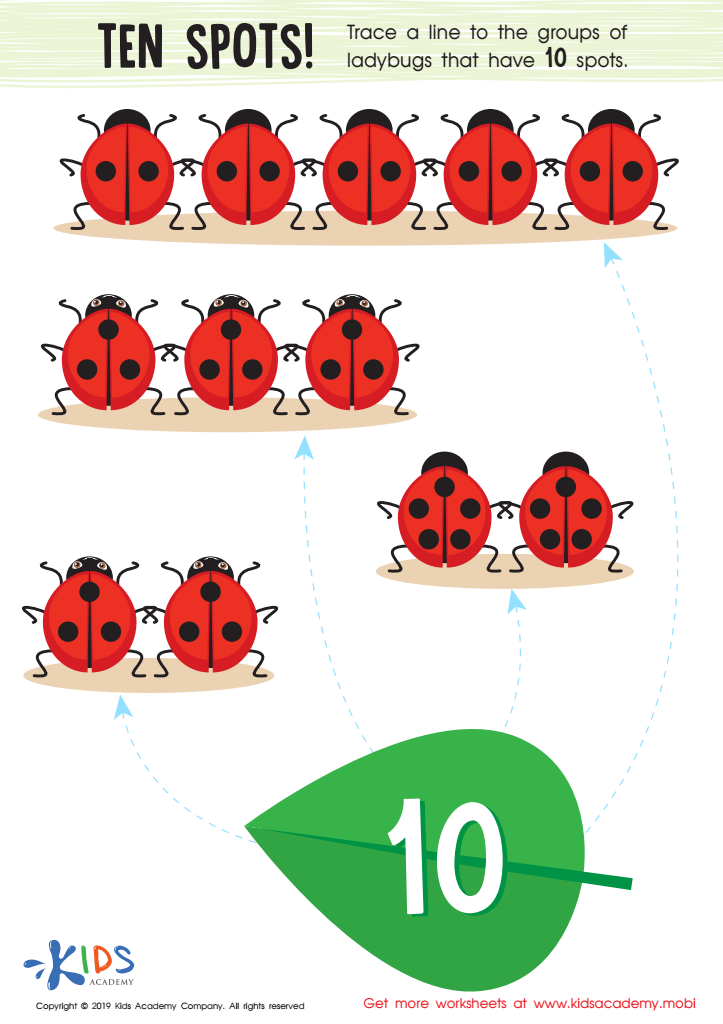
Ten Spots Worksheet
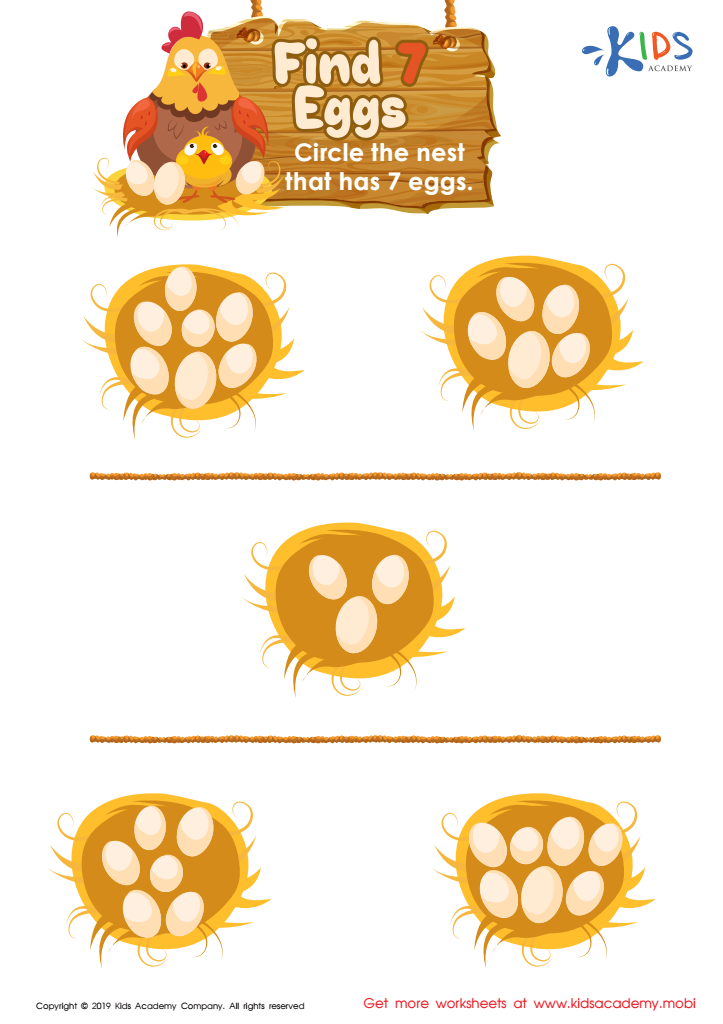
Find 7 Eggs Worksheet
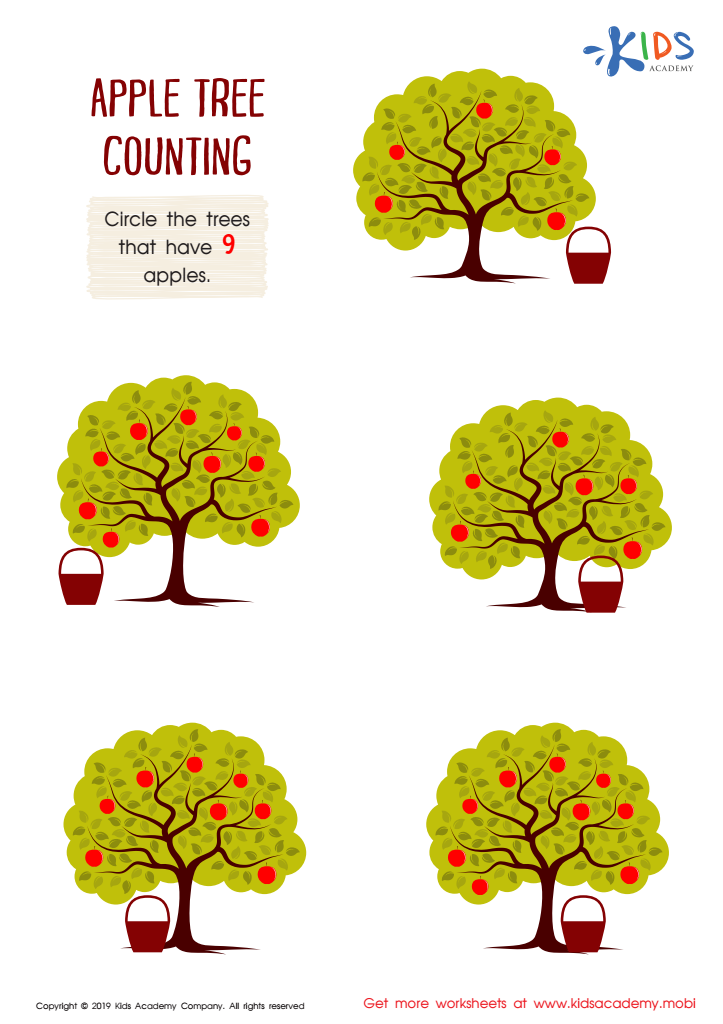
Apple Tree Counting Worksheet
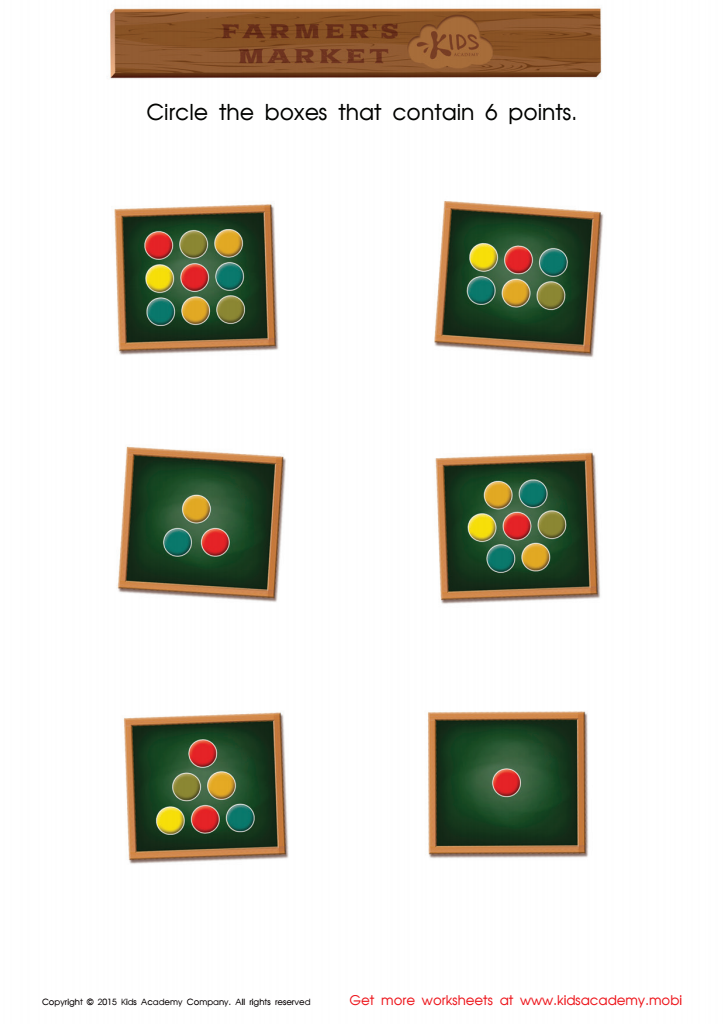
Count and Match Points 6 Math Worksheet
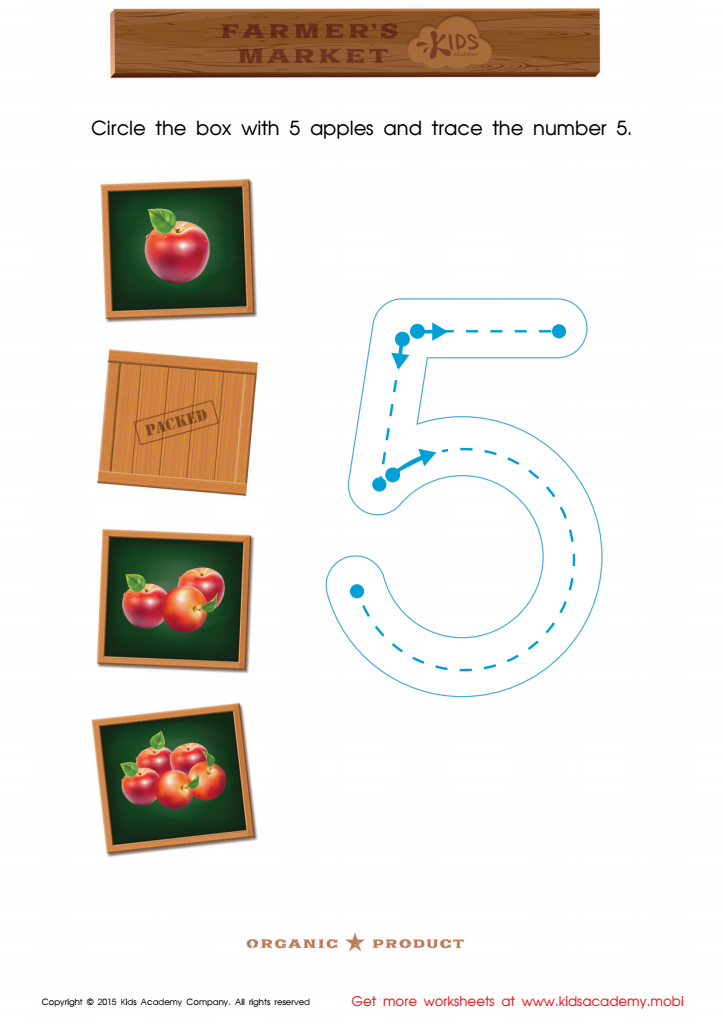
Count the Apples and Trace the Number 5 Printable
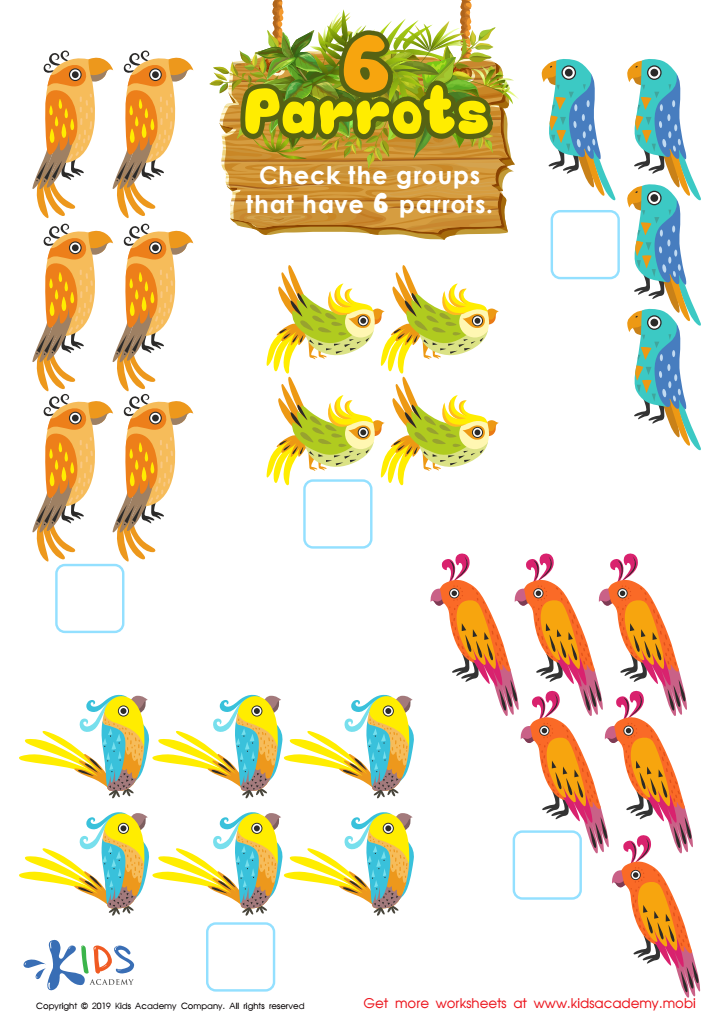
6 Parrots Worksheet
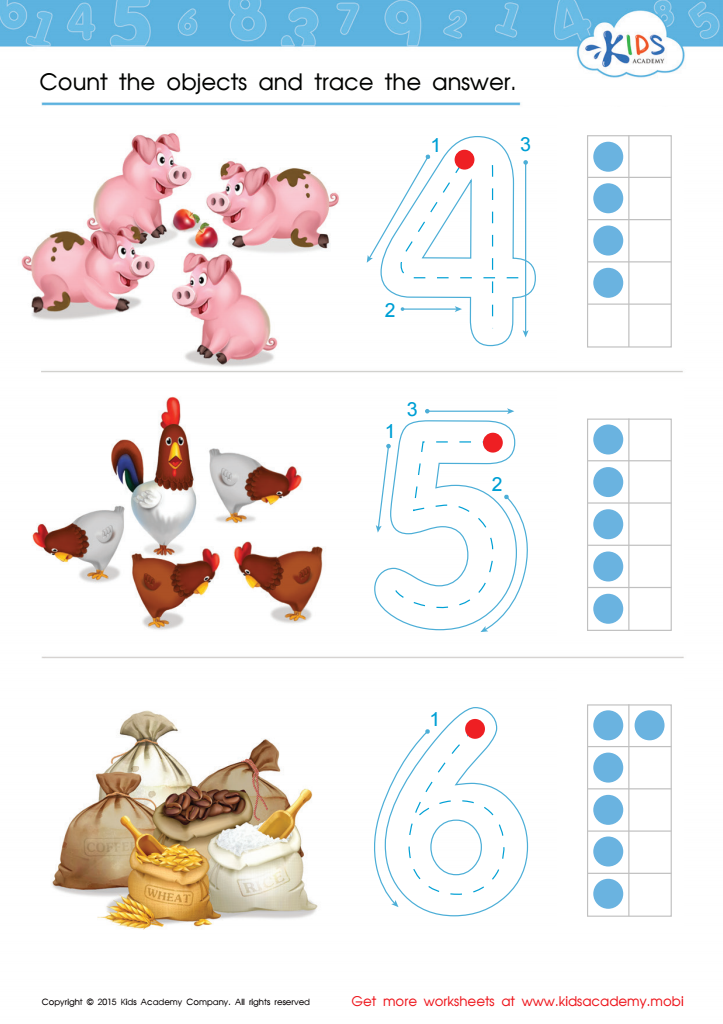
Count and Trace 4 – 6 Worksheet
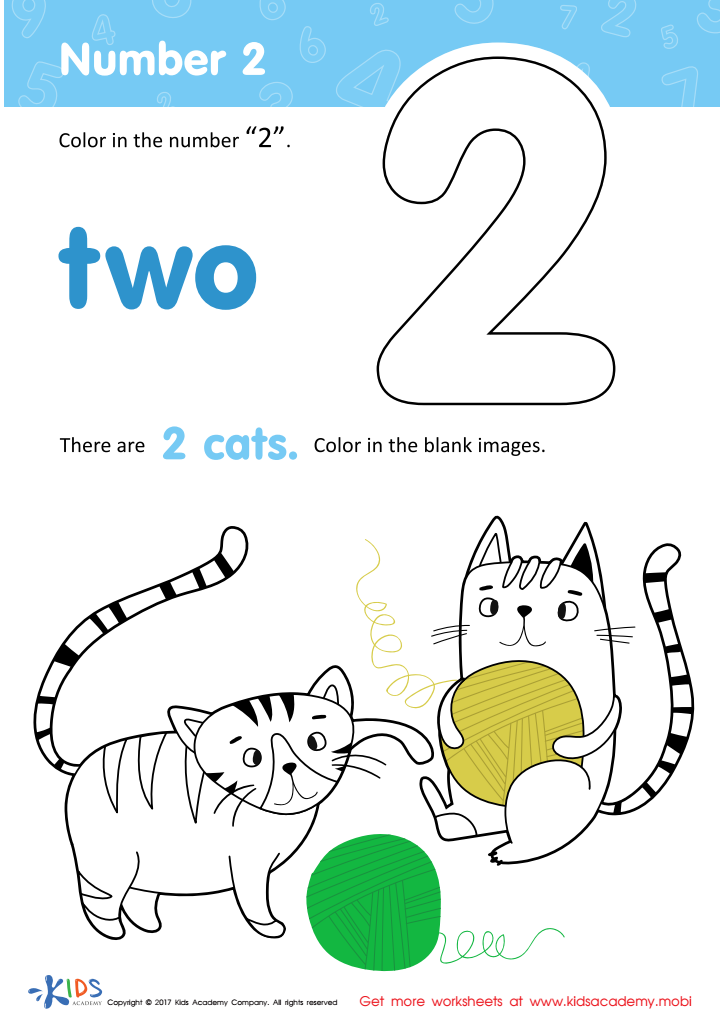
Number 2 Printable
Assign to My Students
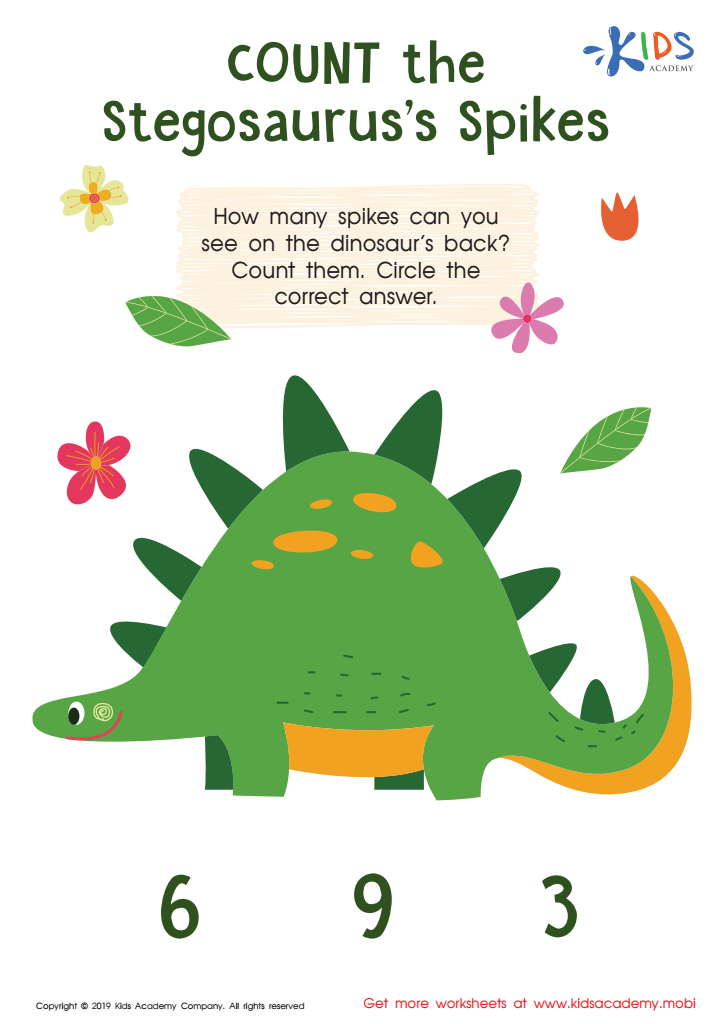
Count the Stegosaurus's Spikes Worksheet
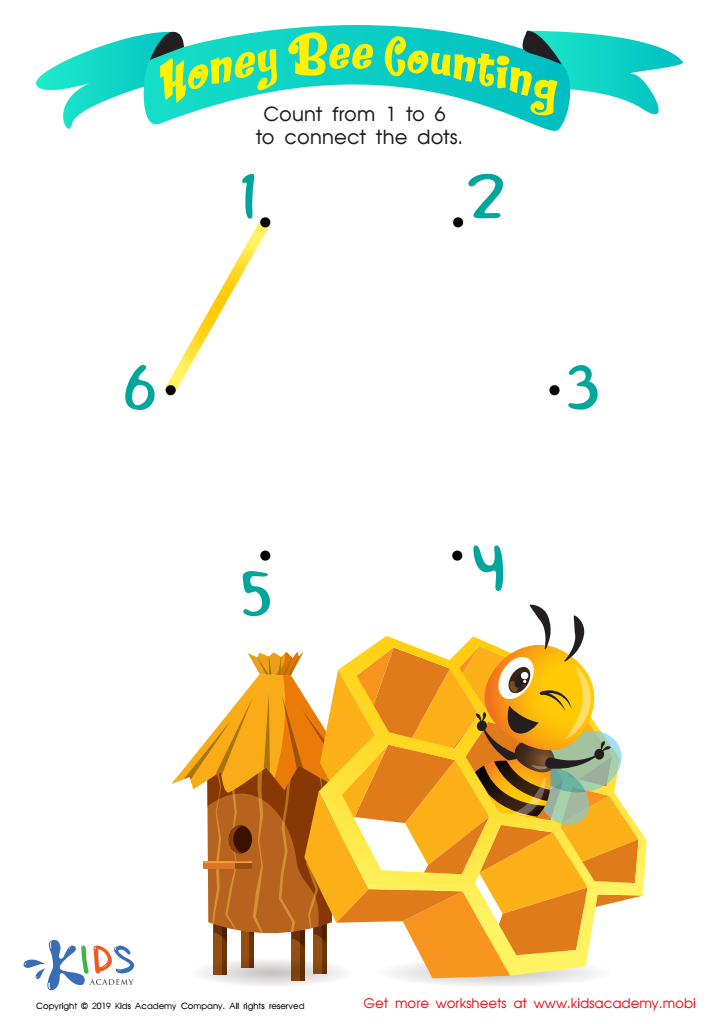
Honey Bee Counting Worksheet
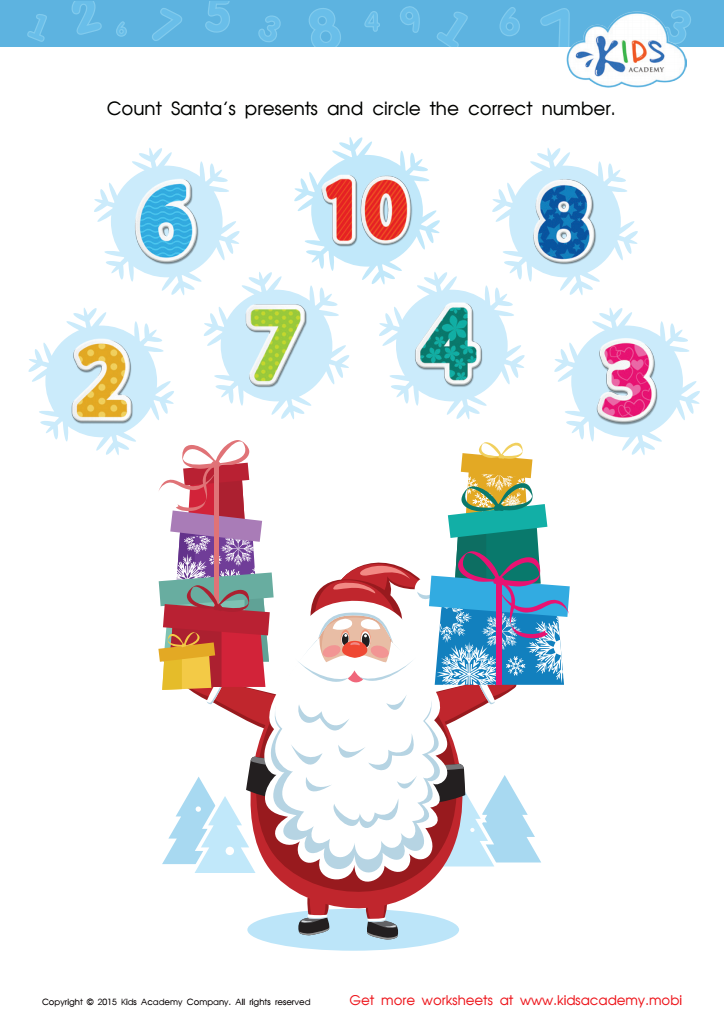
Count Santa's Presents Worksheet
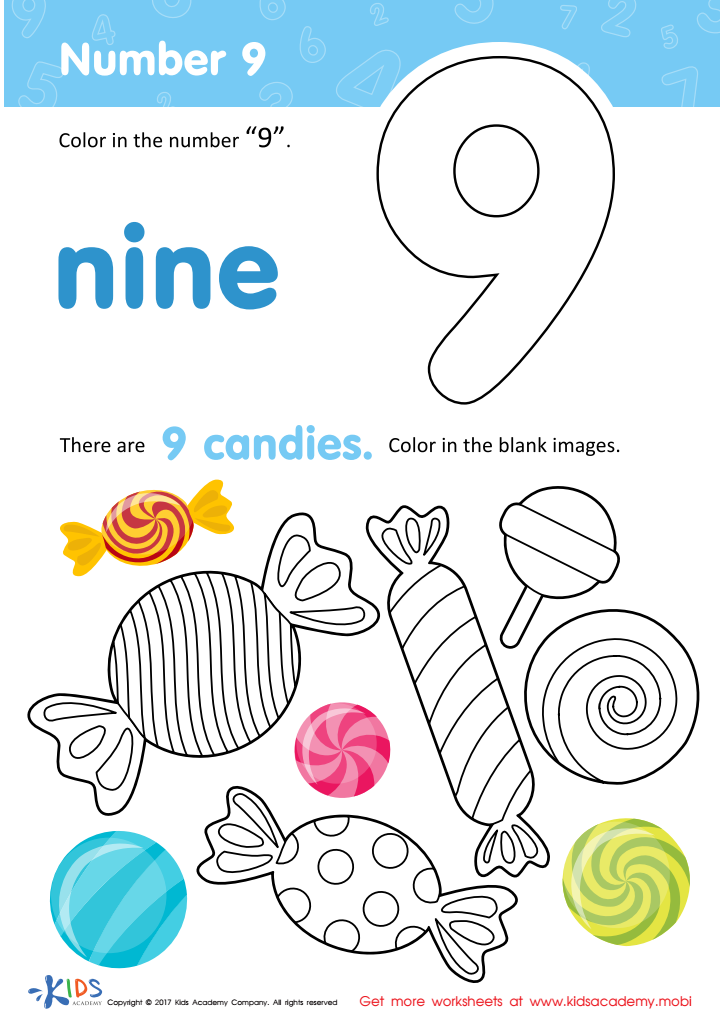
Number 9 Printable
Assign to My Students
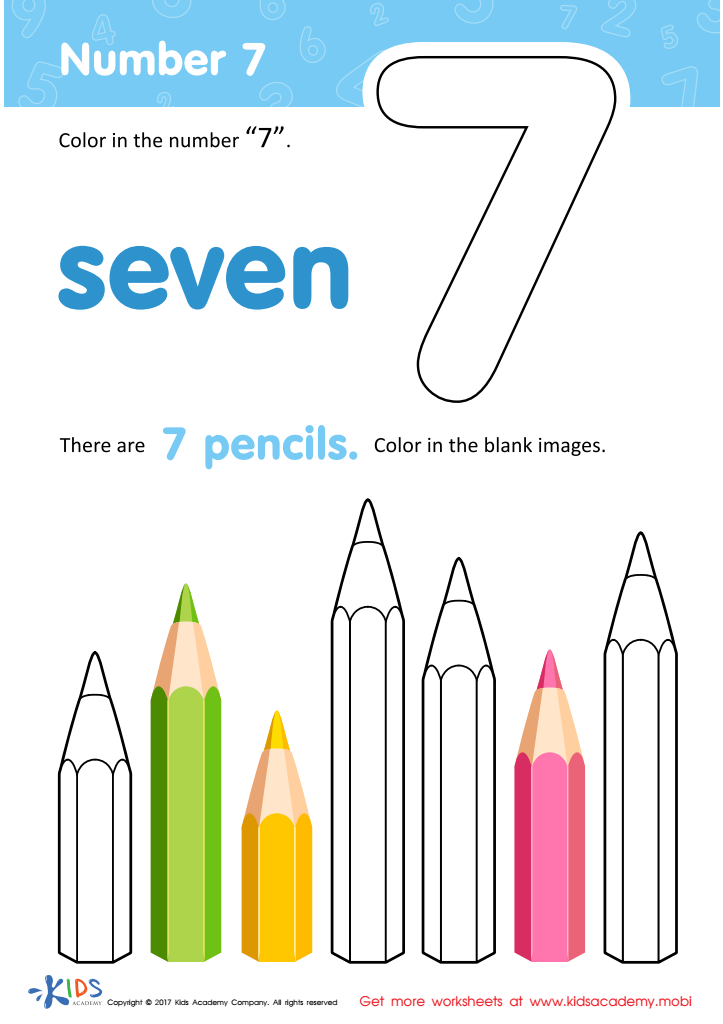
Number 7 Worksheet
Assign to My Students
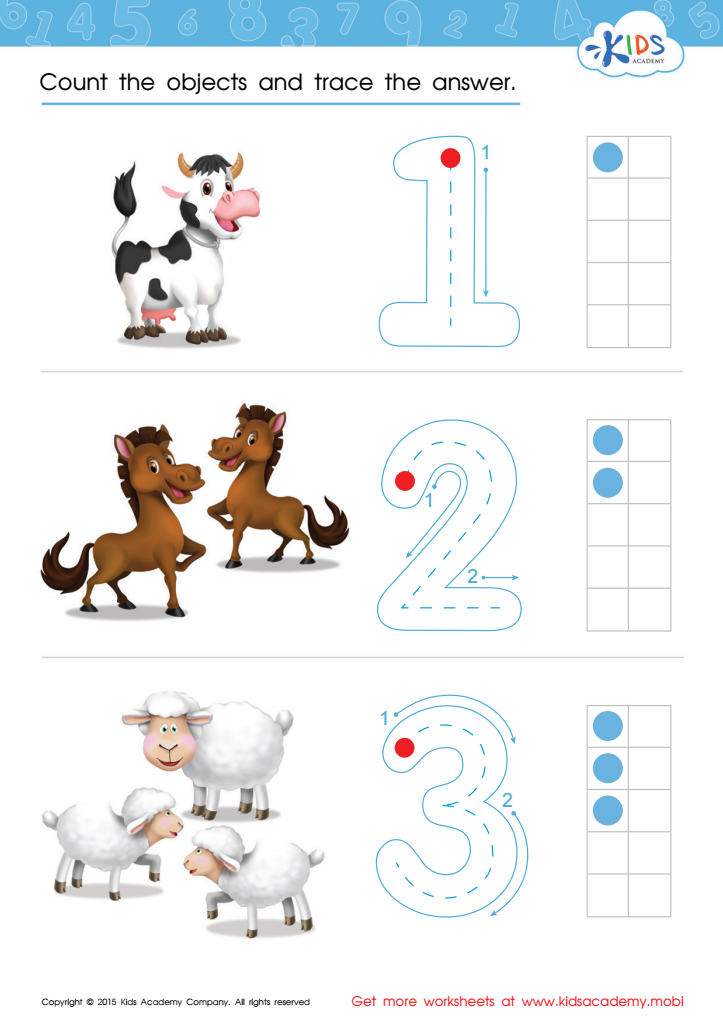
Count and Trace 1 – 3 Worksheet
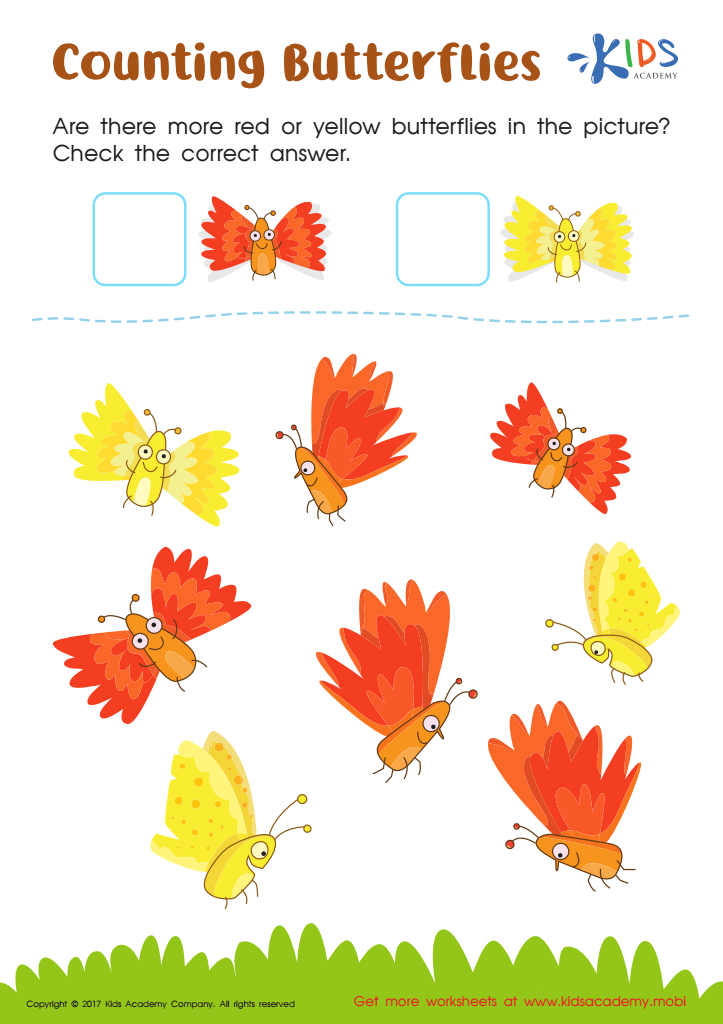
Counting Butterflies Worksheet
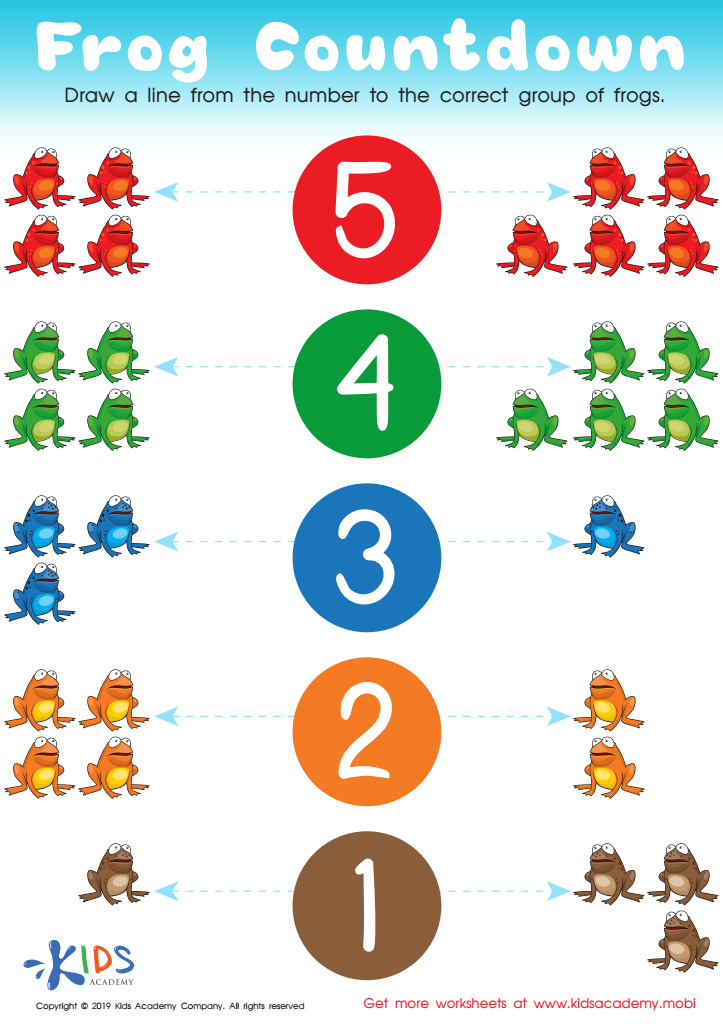
Frog Countdown Worksheet








Fine motor skills development is integral for children aged 3–9, especially in relation to learning and recognizing numbers 0–10. Parents and teachers should care about these skills because they underlie essential everyday tasks and early academic success. Fine motor skills involve the coordination of small muscles in the hands and fingers, allowing children to complete activities such as writing, cutting with scissors, and manipulating small objects.
When children practice writing numbers, they naturally enhance their fine motor coordination, grip strength, and hand-eye coordination. Activities like tracing numbers or using manipulatives like beads not only help them learn numerical concepts but also support the development of their dexterity.
Mastery of fine motor skills sets the foundation for kindergarten and primary school tasks requiring precise hand movements, such as drawing, typing, and art projects. Moreover, difficulties in fine motor skills can lead to frustration and decreased motivation, impacting a child’s self-esteem and academic performance.
By fostering these skills early, parents and teachers enable children to engage more confidently and independently in both school activities and daily life tasks. Therefore, focusing on fine motor skills development by integrating number-related activities into play can lead to broader developmental benefits, promoting overall readiness for future educational challenges.