Cognitive Development Tracing Shapes Worksheets for Ages 3-9
4 filtered results
-
From - To
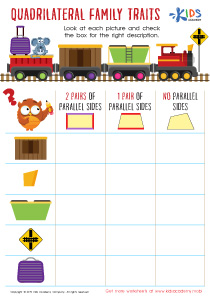
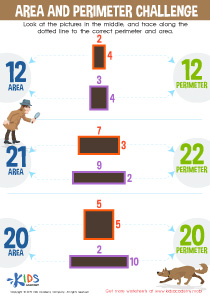
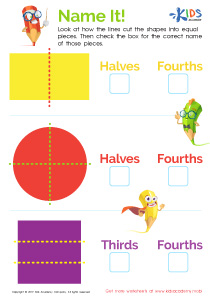
Enhance your child's cognitive development with our engaging tracing shapes worksheets, designed specifically for ages 3-9. These fun and interactive resources help young learners develop essential fine motor skills, spatial awareness, and shape recognition. Each worksheet features a variety of shapes that encourage kids to practice tracing, boosting their confidence and coordination while developing keen focus and concentration. Ideal for home or classroom use, our tracing shapes worksheets support early math skills in a playful way. Download now and inspire your child’s love for learning with activities that lay a strong foundation for future academic success!
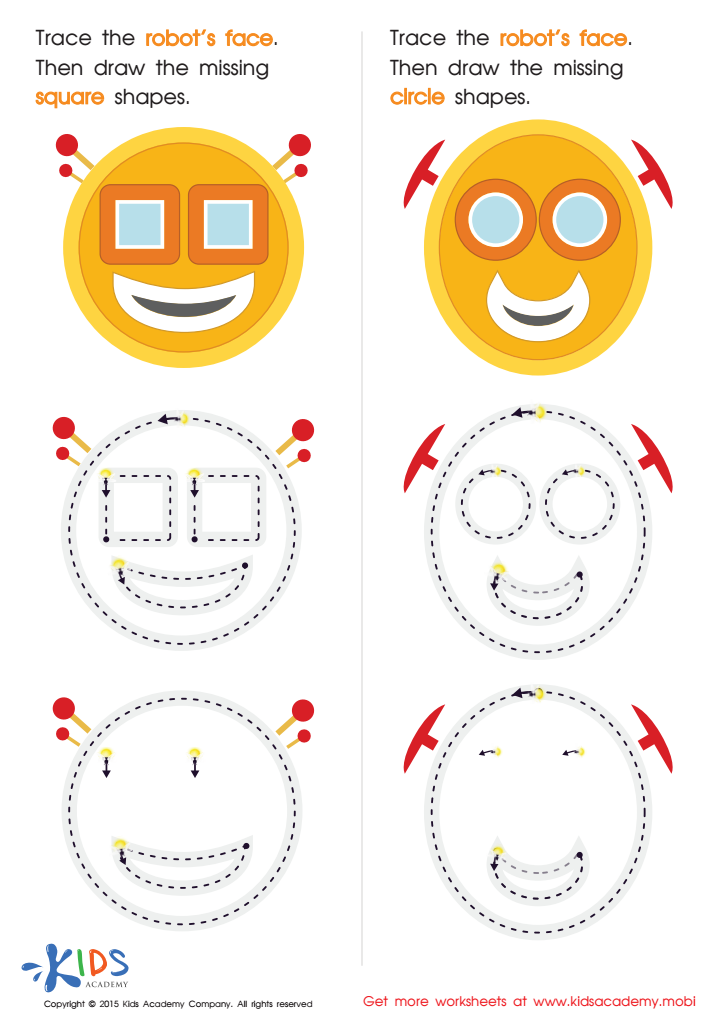
Practicing to Draw Circles And Squares Printable
 Assign to My Students
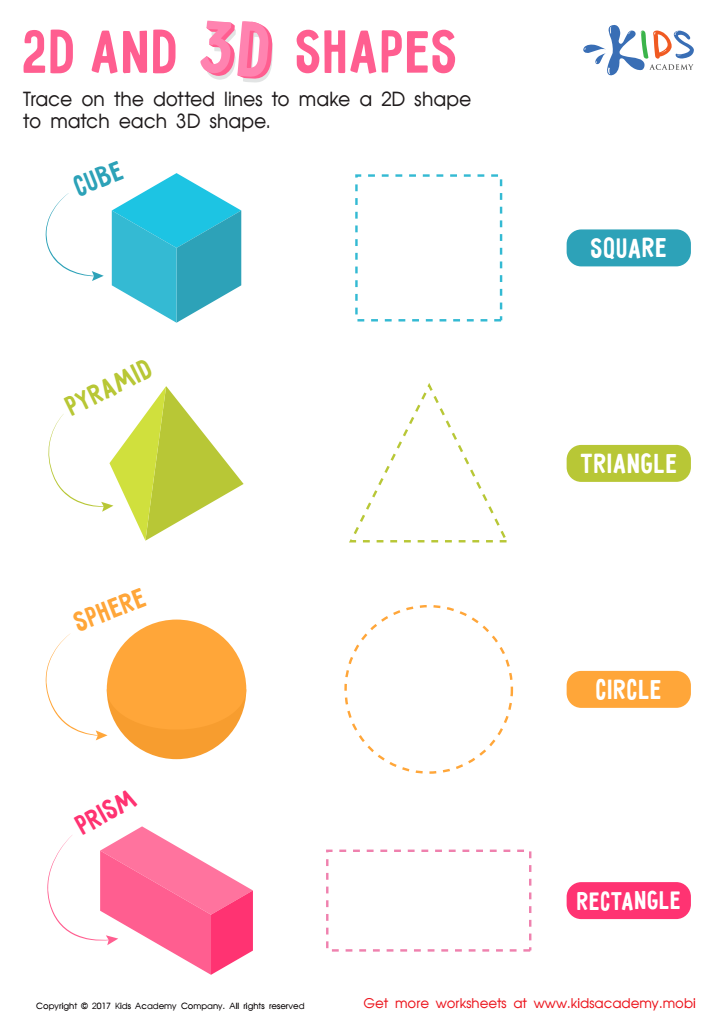
2D and 3D Shapes Worksheet
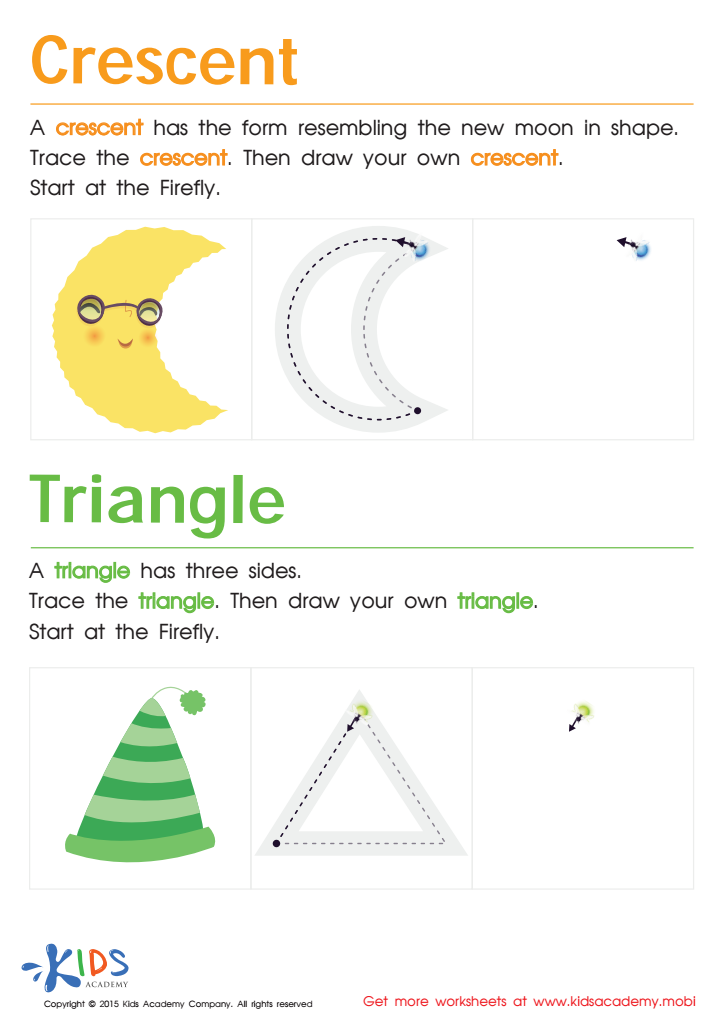
Learning to Draw Crescents And Triangles Worksheet
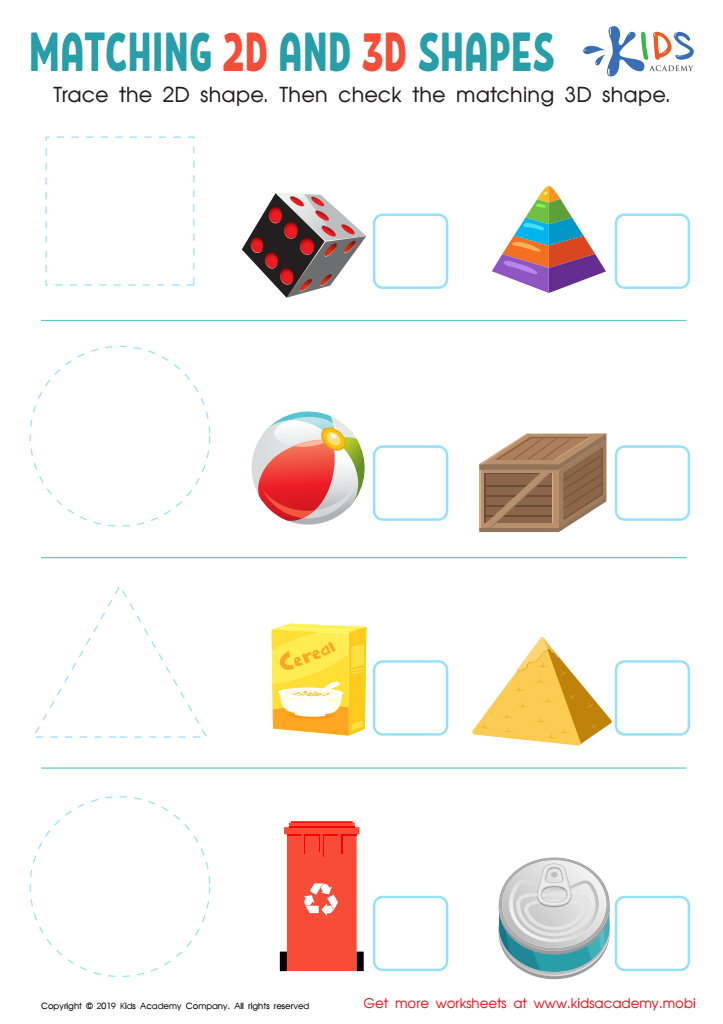
Matching 2D and 3D Shapes Worksheet








Cognitive development is crucial during early childhood, particularly between the ages of 3-9, as this is a period of significant brain growth and learning. Tracing shapes not only enhances fine motor skills but also plays a pivotal role in cognitive development. This activity helps children understand spatial awareness, patterns, and the relationships between different objects.
When children trace shapes, they engage in critical thinking and problem-solving, learning to navigate challenges such as following lines accurately and distinguishing between different forms. This practice fosters hand-eye coordination, which is foundational for further skills, including writing and drawing. As they progress, tracing can help build their understanding of geometric concepts, which lays the groundwork for future math literacy.
Cognitive development through tracing shapes also boosts memory and attention span as children repeat and enhance their skills. It provides a platform for self-expression and creativity as they explore different designs and textures. For parents and teachers, promoting activities like tracing shapes is vital, not only for skill acquisition but also for nurturing a love for learning. Engaging children in these activities encourages a holistic development approach, paving the way for future academic and personal success.