Attention to Detail Reading Worksheets for Ages 3-9
9 filtered results
-
From - To
Discover our "Attention to Detail Reading Worksheets for Ages 3-9", designed to boost young learners' observational and analytical skills while making reading fun. These expertly crafted worksheets feature engaging exercises that enhance focus and comprehension, crucial for academic success. Each printable is tailored to be age-appropriate, blending vibrant illustrations with compelling content to keep kids entertained and eager to learn. Our resources help children practice close reading, identify key details, and reinforce critical thinking. Perfect for both classroom and home use, these worksheets support early literacy development in an enjoyable and interactive way!
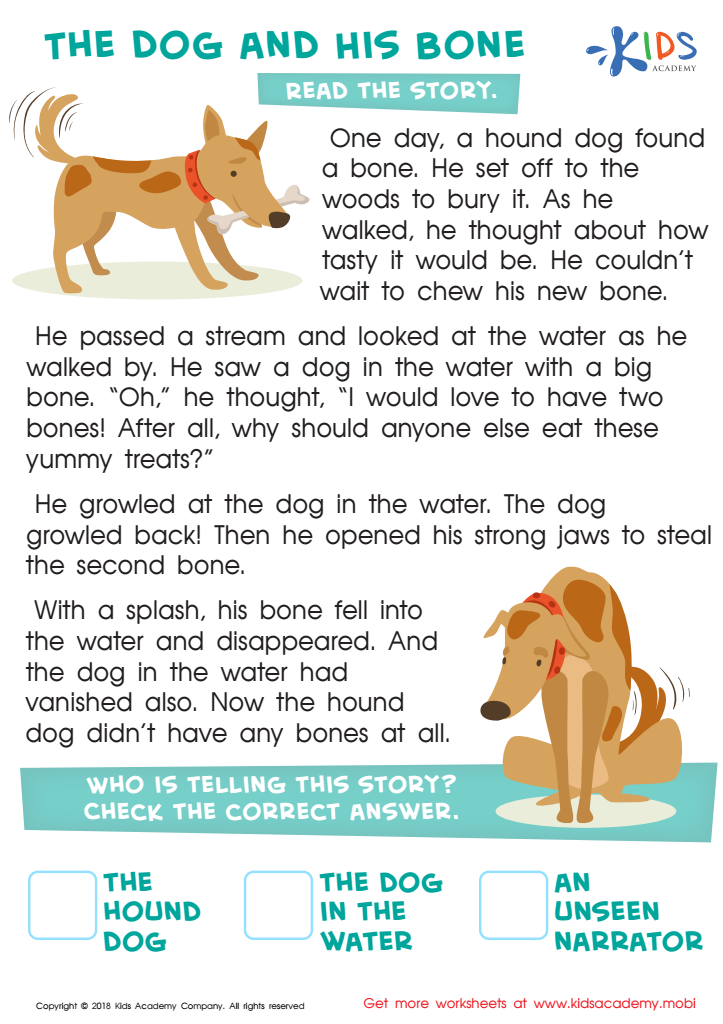
The Dog and His Bone Worksheet
 Assign to My Students
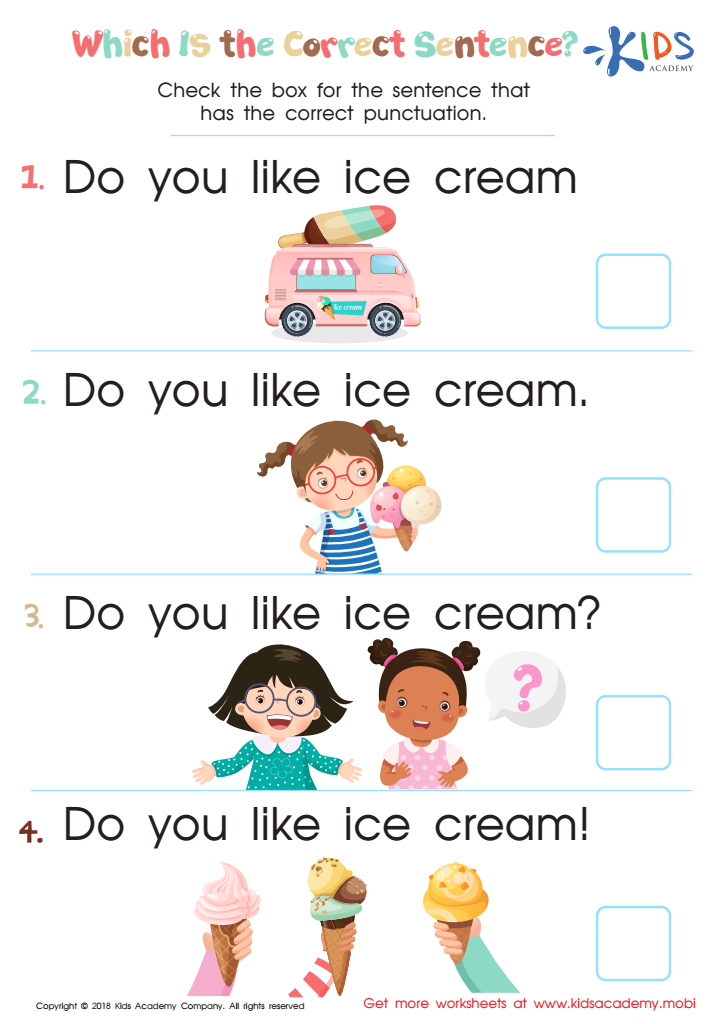
Which is the Correct Sentence? Worksheet
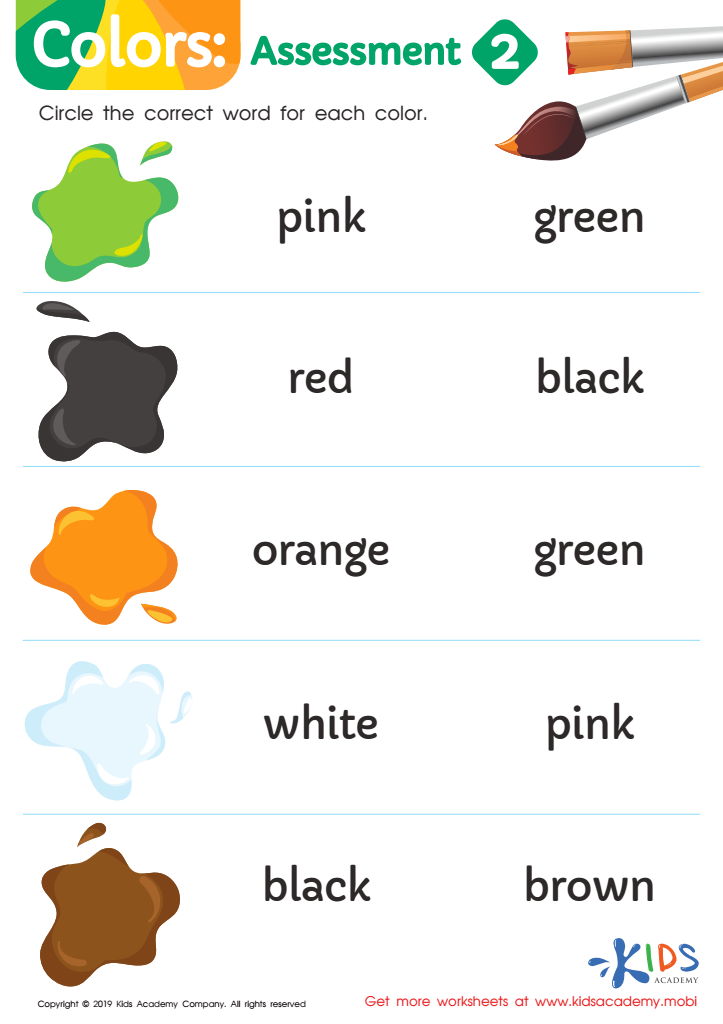
Colors: Assessment 2 Worksheet
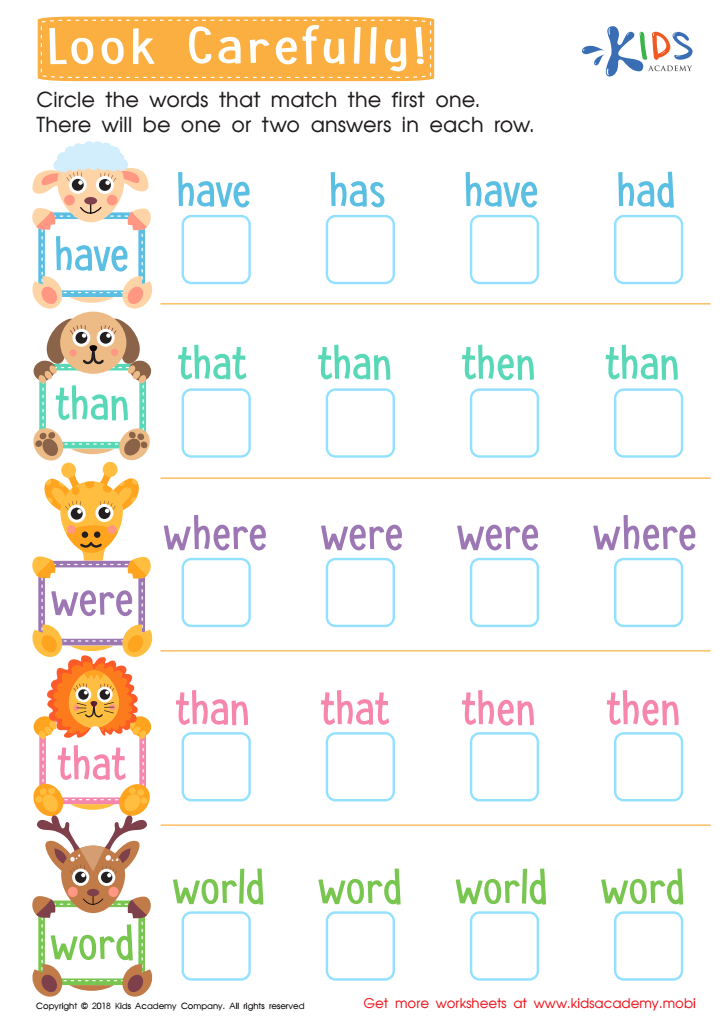
Look Carefully Worksheet
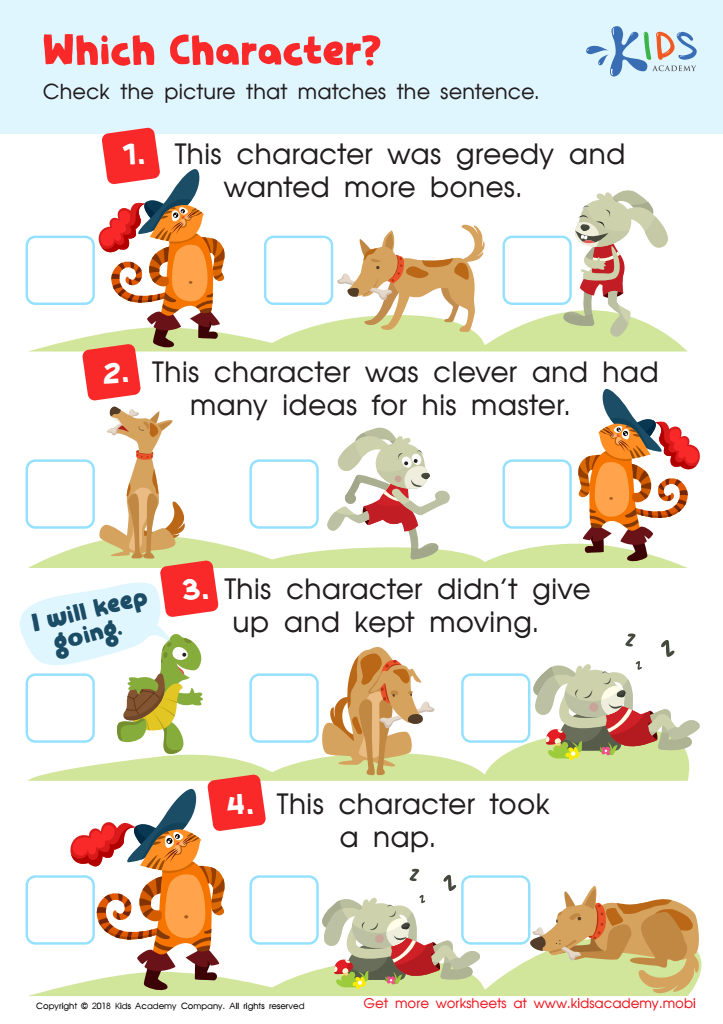
Which Character Worksheet
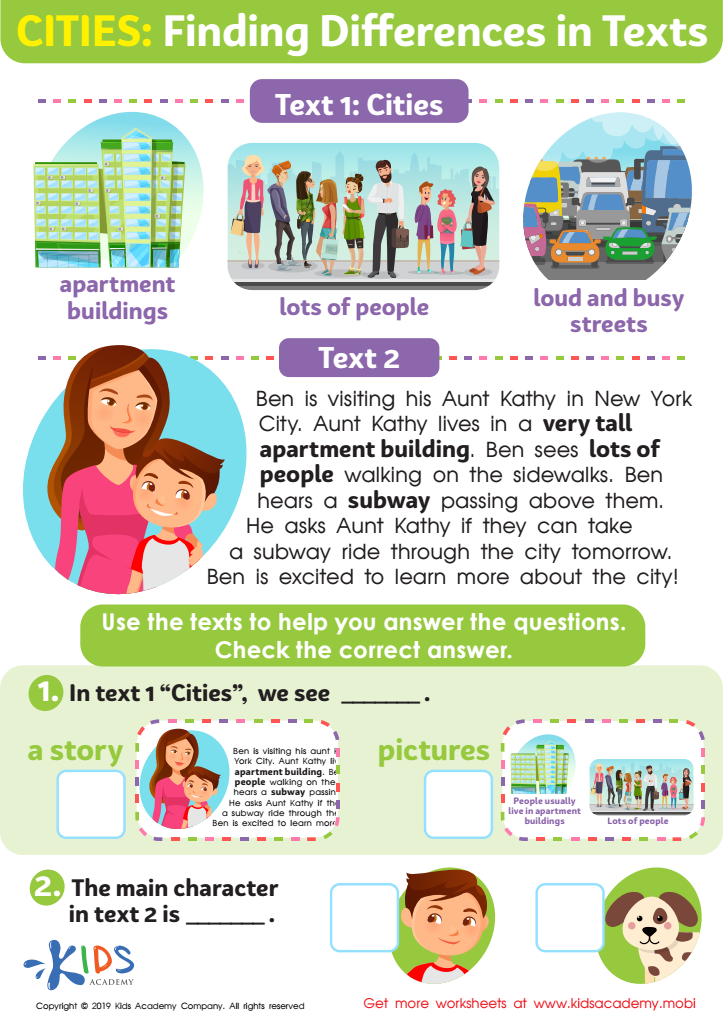
Cities: Finding Differences Worksheet
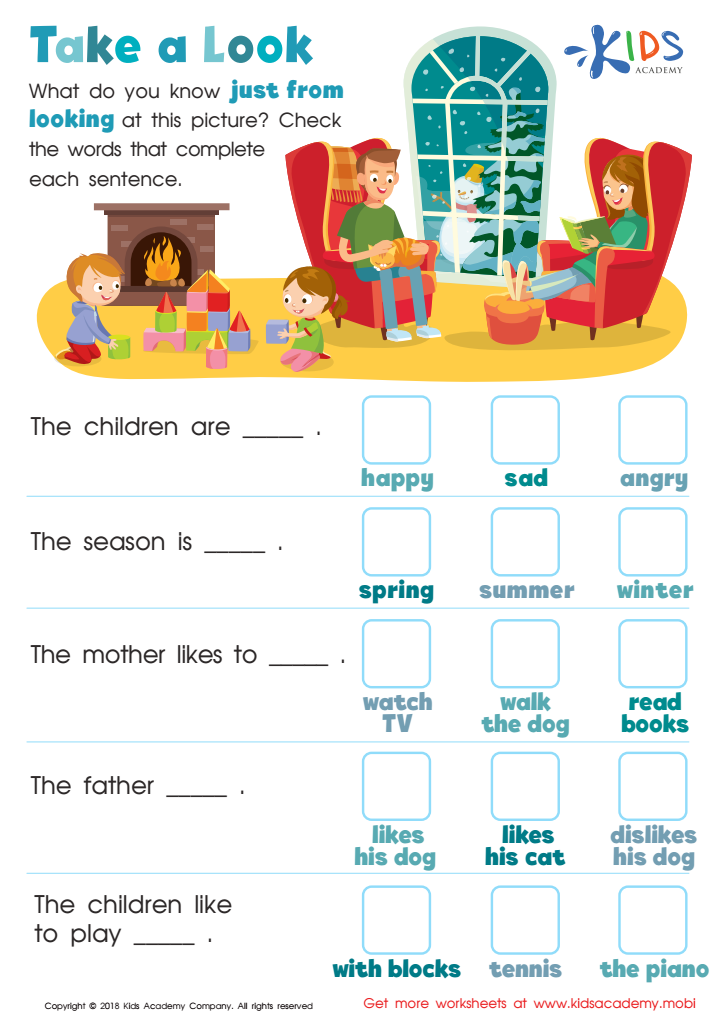
Take a Look - Part 1 Worksheet
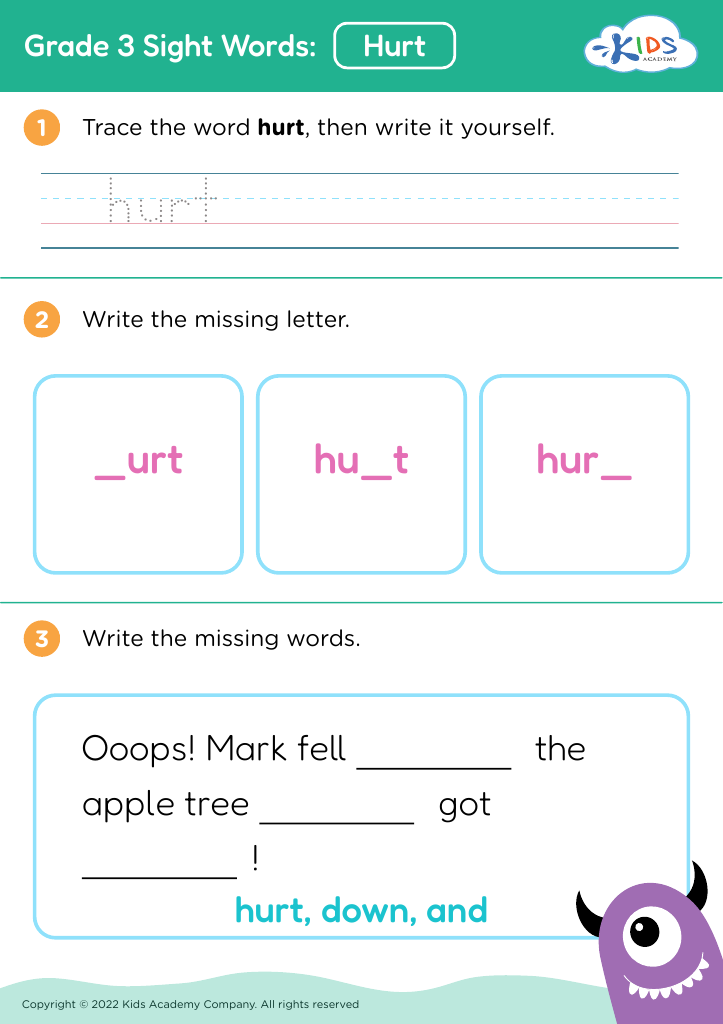







Attention to detail in reading is crucial for children ages 3-9 as it forms the foundation for literacy and lifelong learning. At this formative stage, Children are developing essential skills such as decoding words, understanding vocabulary, and grasping sentence structure. When their reading includes careful attention to detail, they not only become proficient readers but also develop better comprehension and critical thinking skills. This ultimately leads to greater academic success across all subjects.
Moreover, meticulous reading habits instill a sense of perseverance and concentration. Children learn the importance of fully understanding the material, which translates to higher accuracy and fewer mistakes in both reading and writing tasks. This intrinsic understanding is beneficial beyond academics; it nurtures effective communication and empathy as children pick up on subtleties in texts, such as tone, context, and character emotions.
Incorporating attention to detail can also help in identifying learning difficulties early. Parents and teachers can observe if children are frequently skipping words, misreading, or getting confused, signaling possible challenges like dyslexia. Timely intervention can significantly improve a child’s educational trajectory.
In summary, cultivating a detailed-oriented reading approach in young children aids their overall cognitive development, academic proficiency, emotional intelligence, and problem-solving abilities, setting them up for long-term success.








