Basic Addition Reading Worksheets for Ages 3-9
6 filtered results
-
From - To
Discover our engaging collection of Basic Addition Reading Worksheets designed for children ages 3-9! These worksheets provide a fun and interactive way to introduce young learners to essential addition concepts. With colorful illustrations and relatable scenarios, kids will develop critical thinking skills and number fluency while practicing simple addition problems. Ideal for homeschooling, classroom use, or supplemental learning, these worksheets cater to various learning styles. Watch your child's confidence grow as they explore the world of numbers through entertaining stories and exercises. Start your child's math journey today and make learning addition an enjoyable experience! Visit us to access these valuable resources.
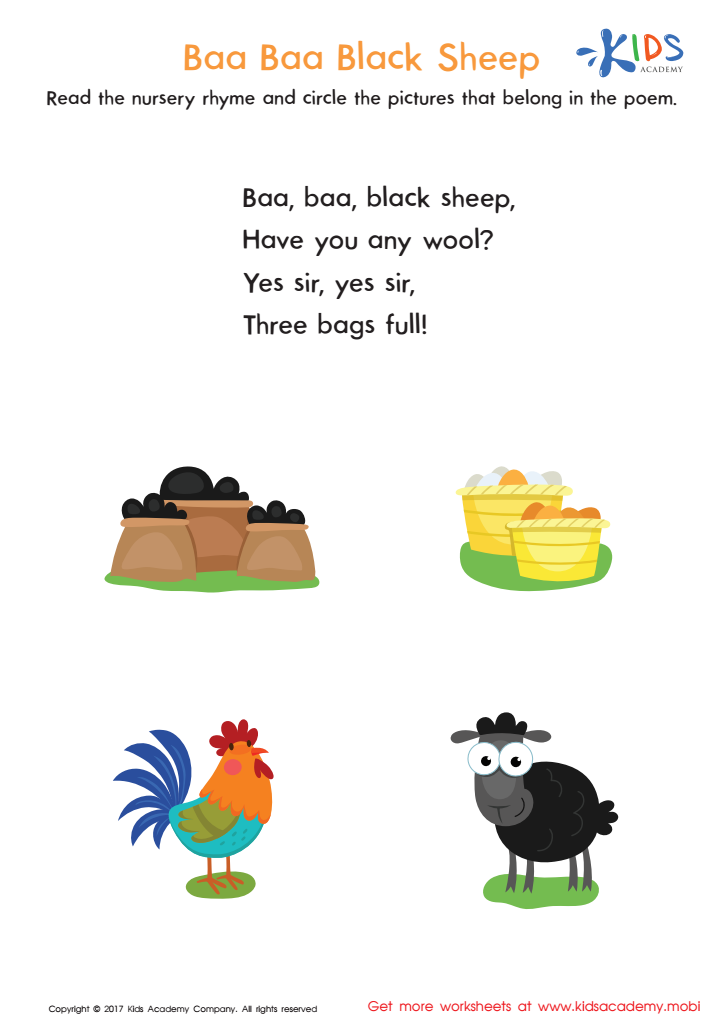
Baa Baa Black Sheep Printable
 Assign to My Students
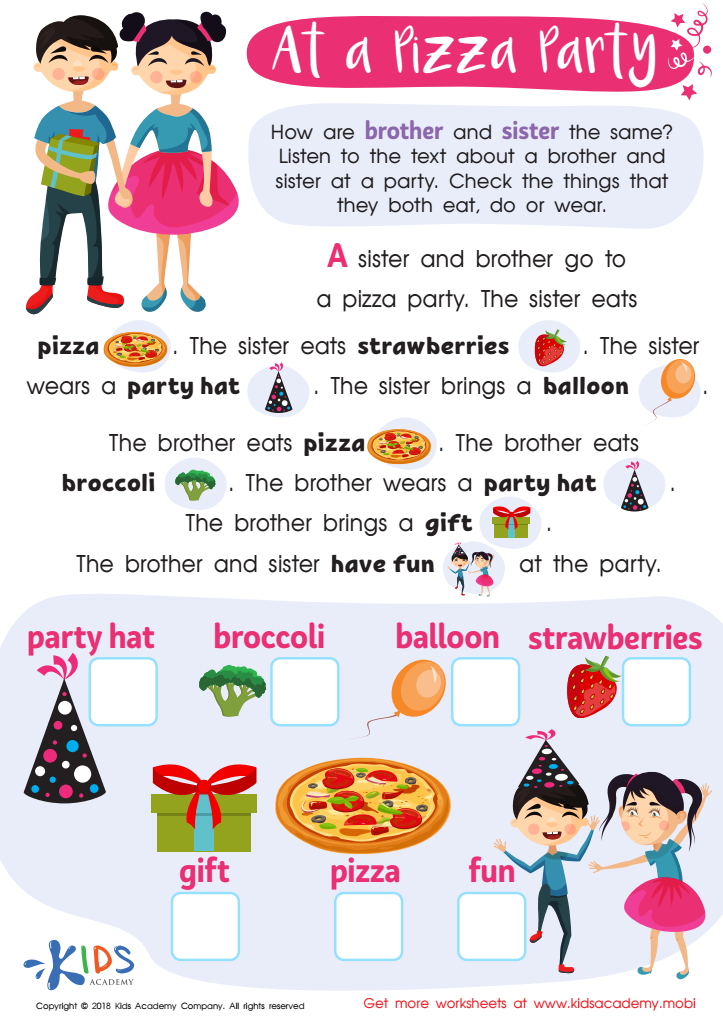
At a Pizza Party Worksheet
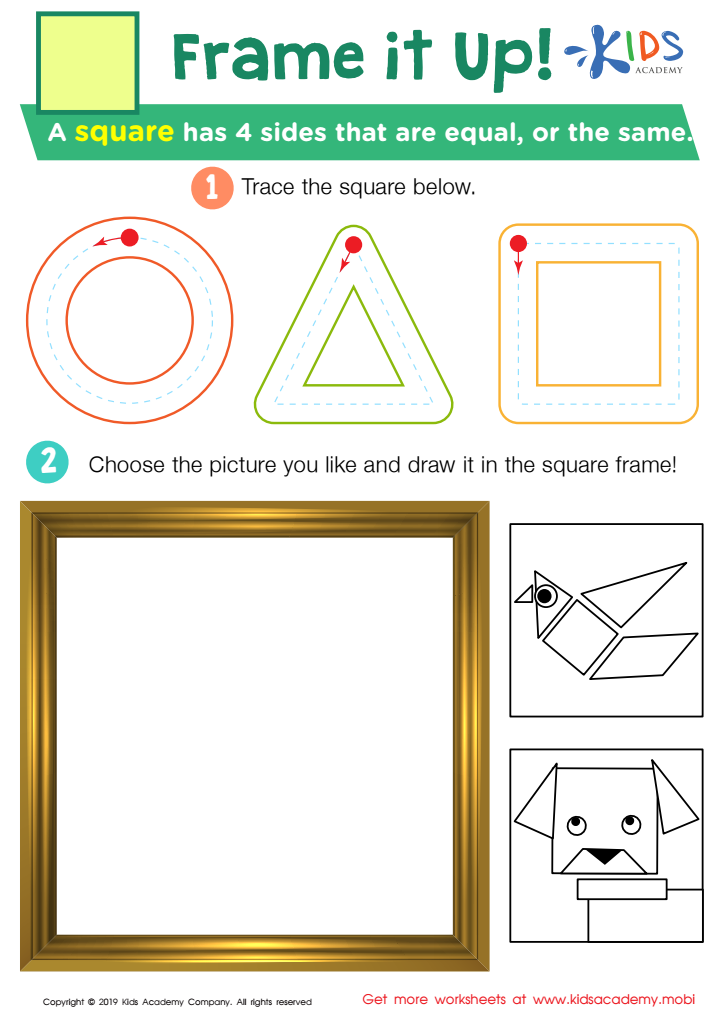
Frame it Up Worksheet
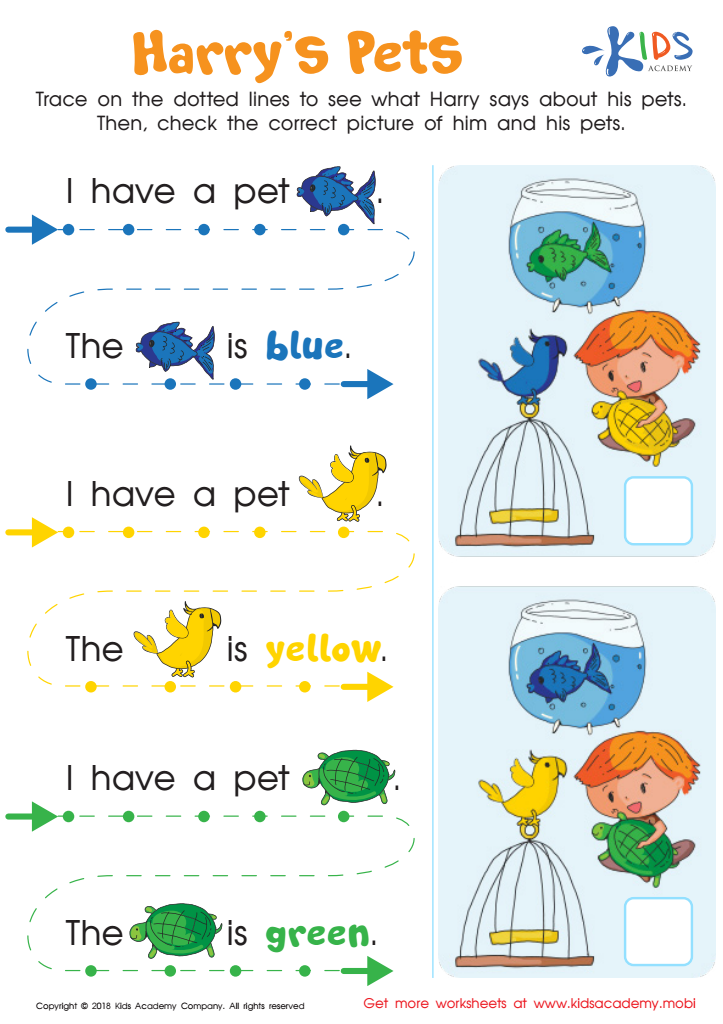
Read from Left to Right: Harry's Pets Worksheet



.jpg)




Parents and teachers should care about basic addition literacy for children aged 3 to 9 because early math skills lay the foundation for future learning and academic success. Mastery of basic addition not only enhances a child's problem-solving abilities but also nurtures critical thinking and logical reasoning. Furthermore, acquiring these skills at a young age can boost a child's confidence, making them more willing to participate in math-related activities and discussions.
In addition, understanding basic addition fosters essential life skills. Children learn to manage everyday scenarios, such as budgeting their allowance or playing board games, by applying addition in real-world contexts. Instilling these skills early forms a positive attitude toward math, combating the anxiety many students face later on.
Moreover, engaging children in basic addition through reading shapes their comprehension and engages their imagination, making learning enjoyable. Interactive stories that incorporate math concepts not only help with addition skills but also promote language development.
In summary, focusing on basic addition for young learners is crucial as it promotes cognitive development, builds confidence, cultivates essential life skills, and encourages a love for learning that can last a lifetime. Parents and teachers play a vital role in nurturing these foundational math skills.








