Color recognition Reading Worksheets for Ages 3-9
30 filtered results
-
From - To
Discover our engaging Color Recognition Reading Worksheets for children ages 3-9, designed to enhance early literacy skills while teaching colors! Our fun and interactive worksheets feature vibrant images and easy-to-follow exercises that encourage young learners to identify and name colors in various contexts. These activities promote comprehension, vocabulary building, and visual discrimination, setting a strong foundation for reading readiness. Ideal for home or classroom, our worksheets cater to diverse learning styles, making learning a colorful adventure! Perfect for preschool and early elementary classrooms, these resources support children's language development and ignite their curiosity about the world around them. Access them for free today!
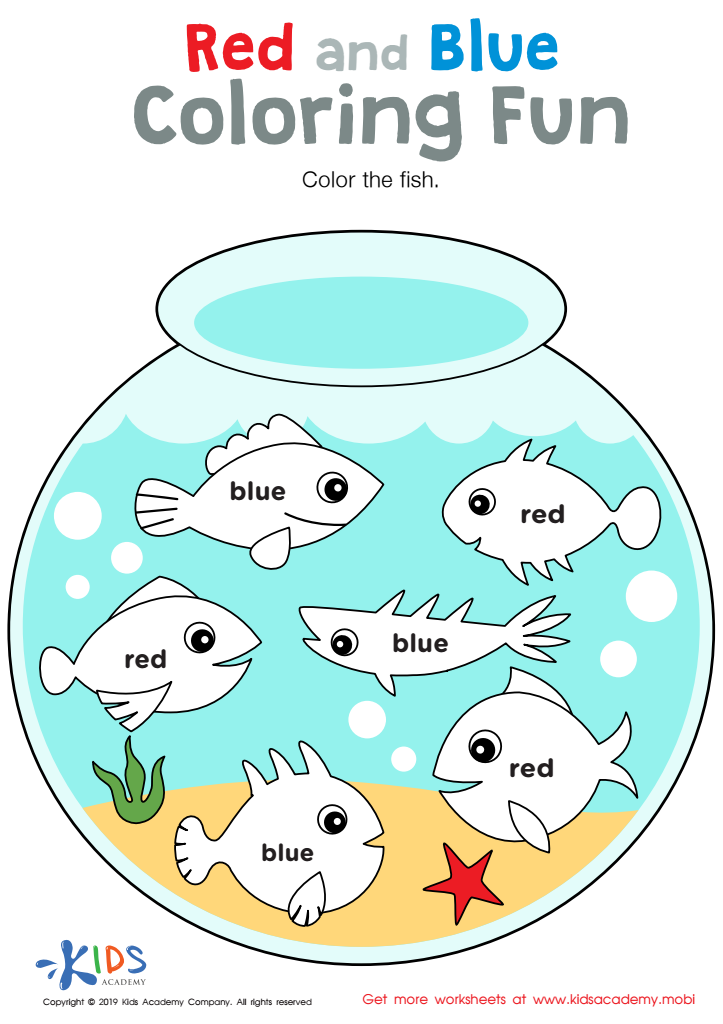
Red and Blue Coloring Fun Worksheet
 Assign to My Students
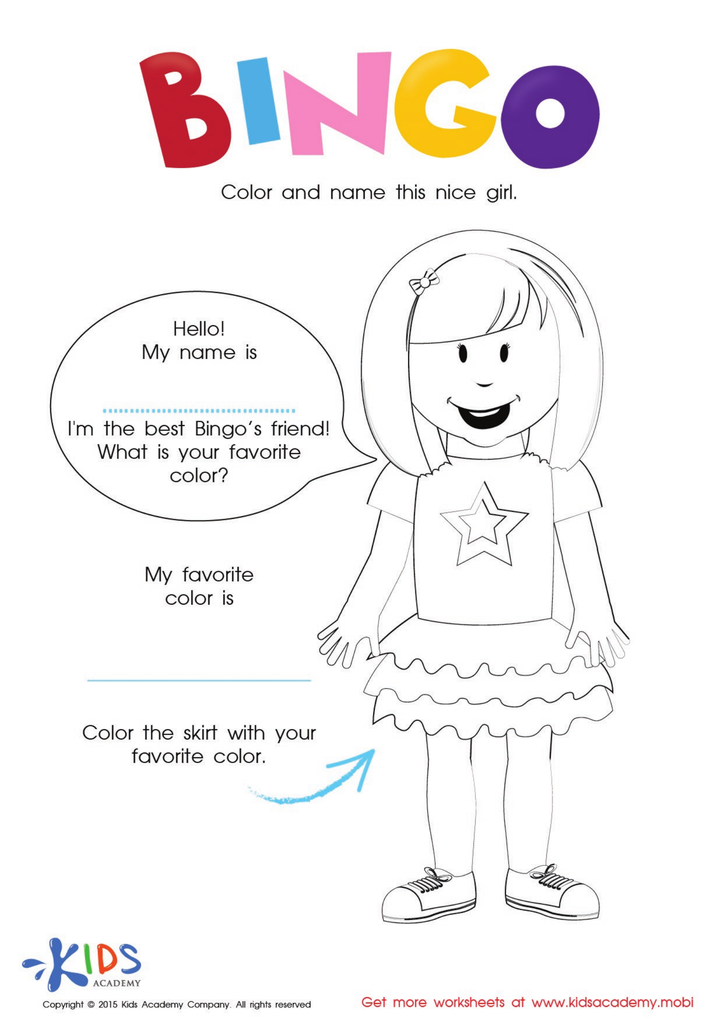
The Bingo Song: Coloring The Girl Worksheet
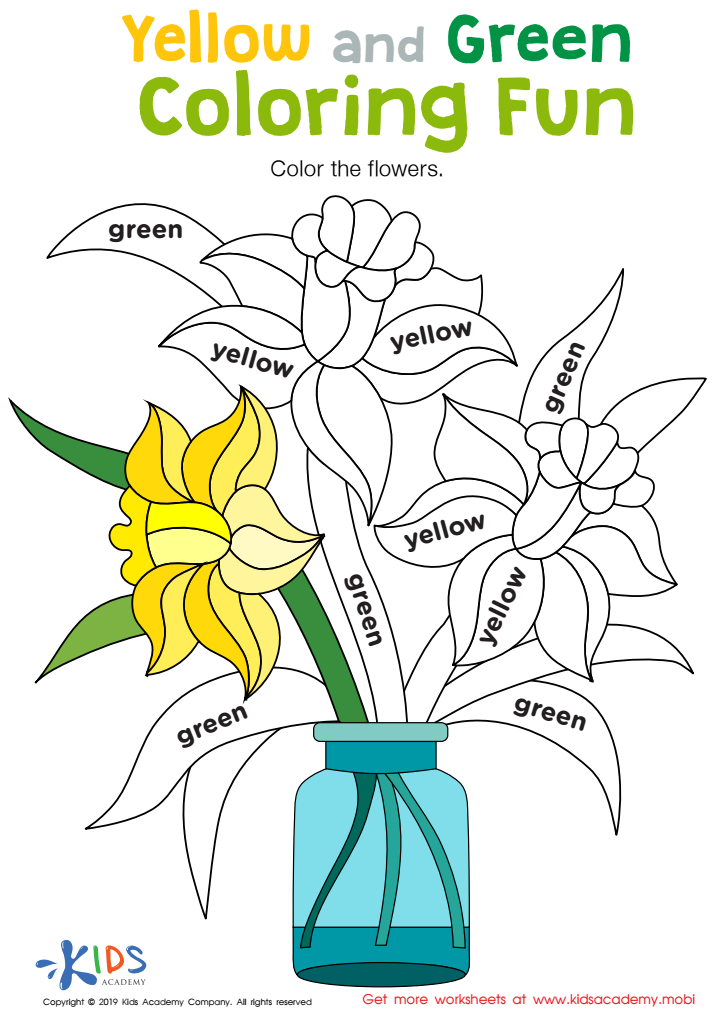
Yellow and Green Coloring Fun Worksheet
Assign to My Students
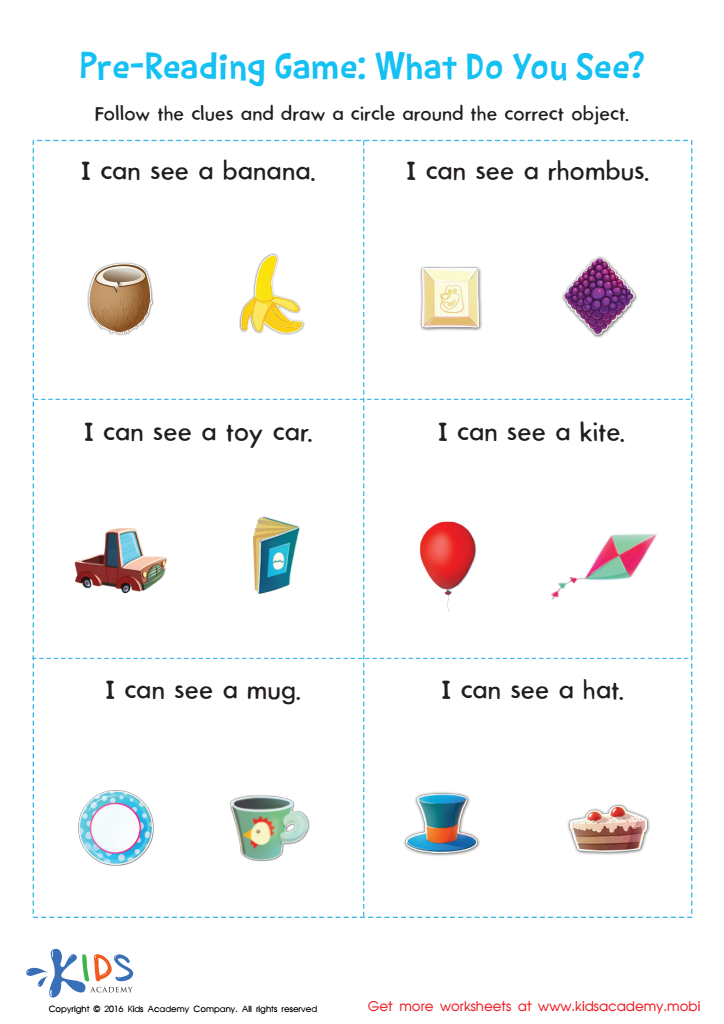
Pre–reading Worksheet: What Do You See?
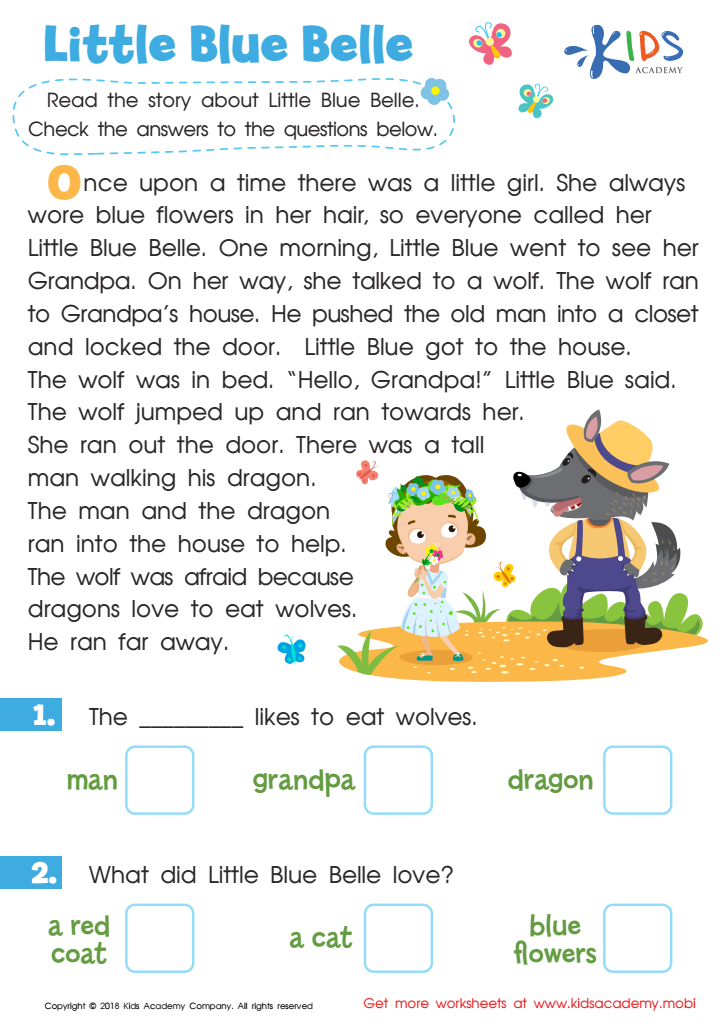
Little Blue Belle Worksheet
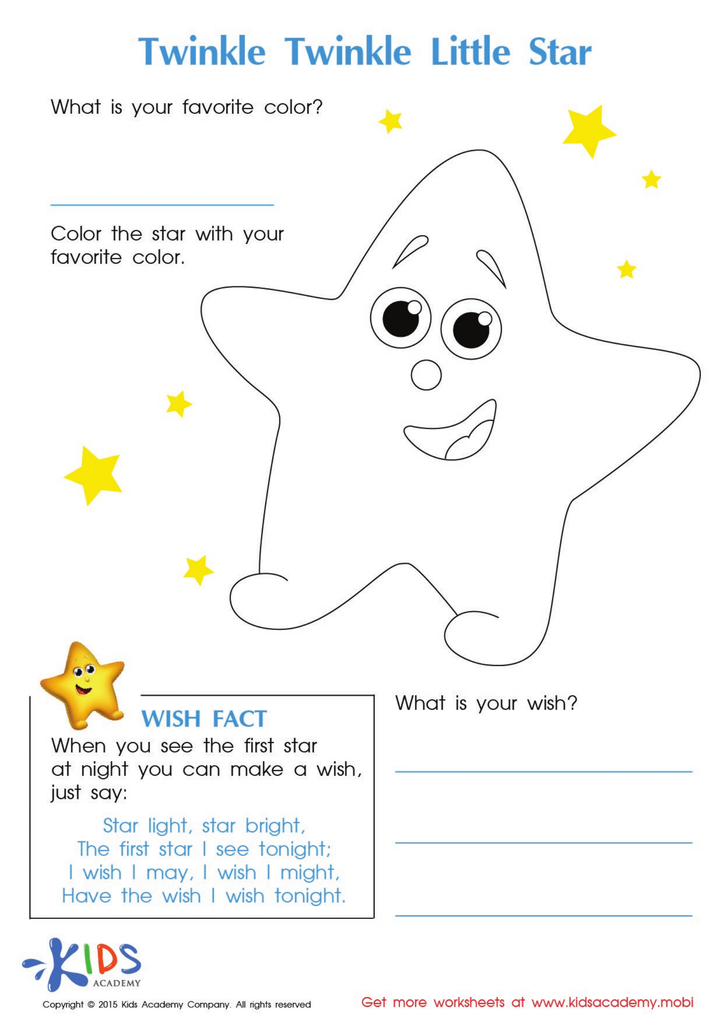
Twinkle Little Star Coloring Worksheet
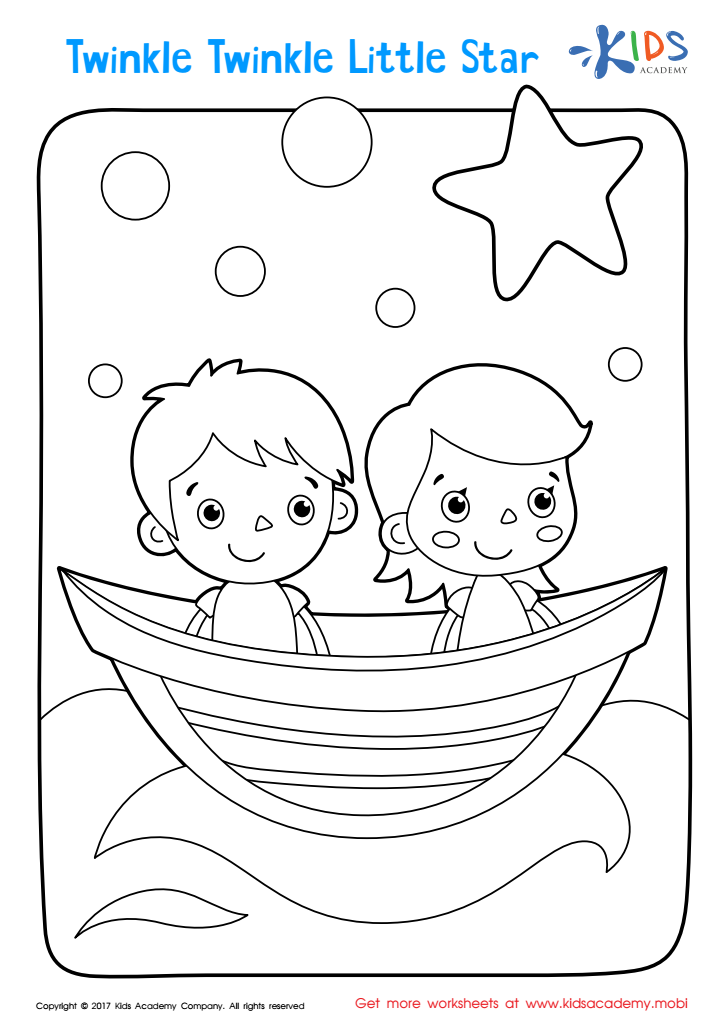
Twinkle Twinkle Little Star Coloring Page
Assign to My Students
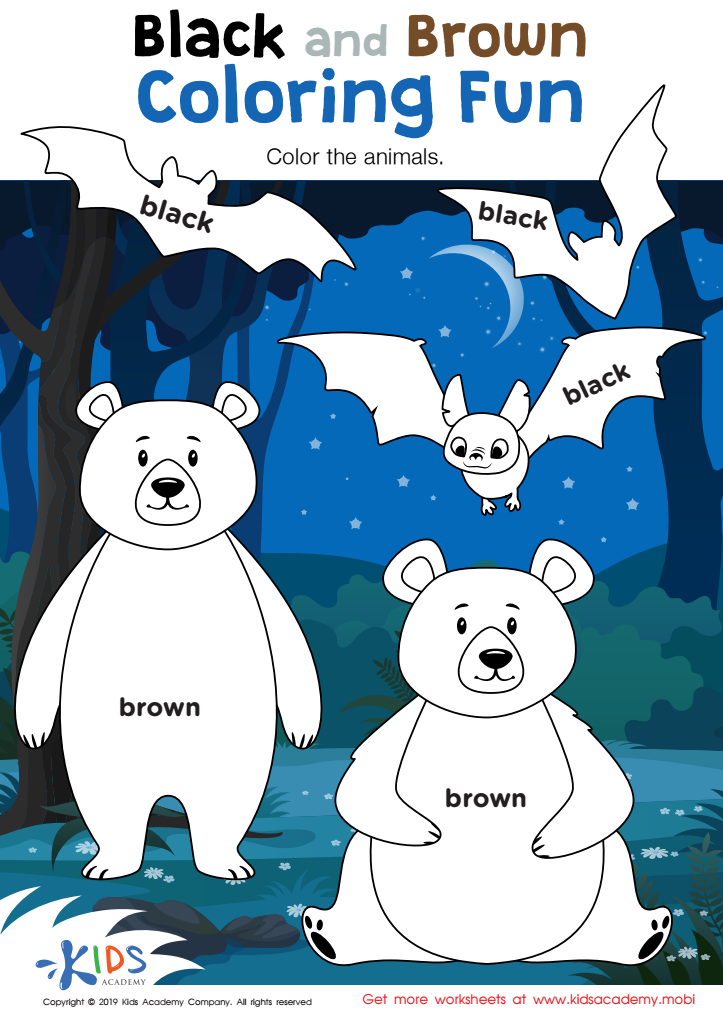
Black and Brown Coloring Fun Worksheet
Assign to My Students
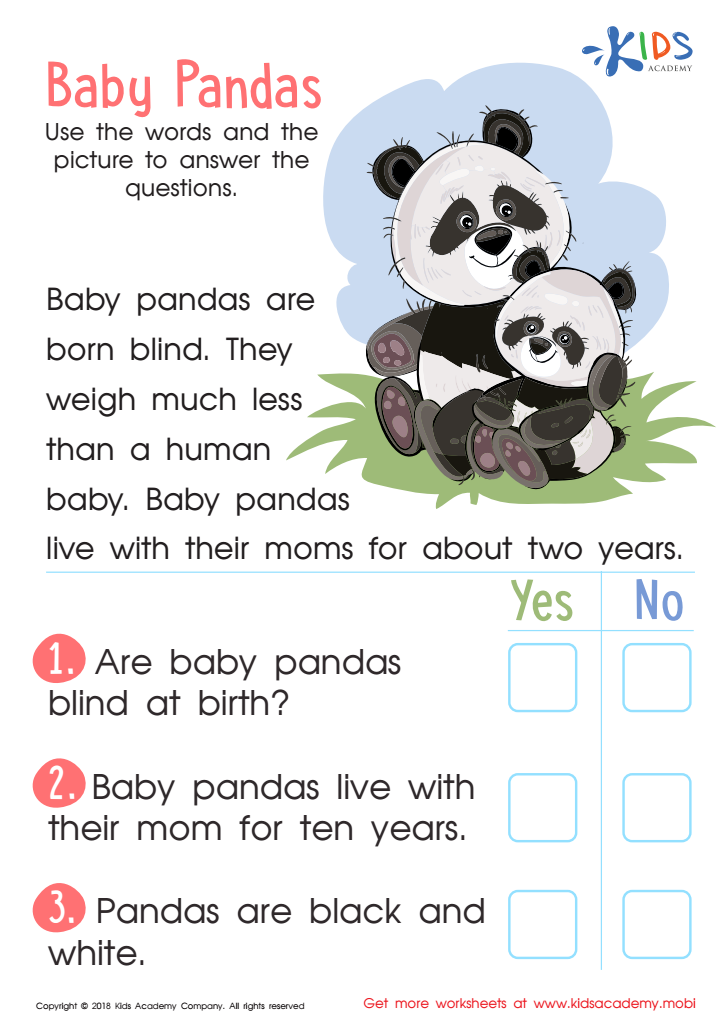
Baby Pandas Worksheet
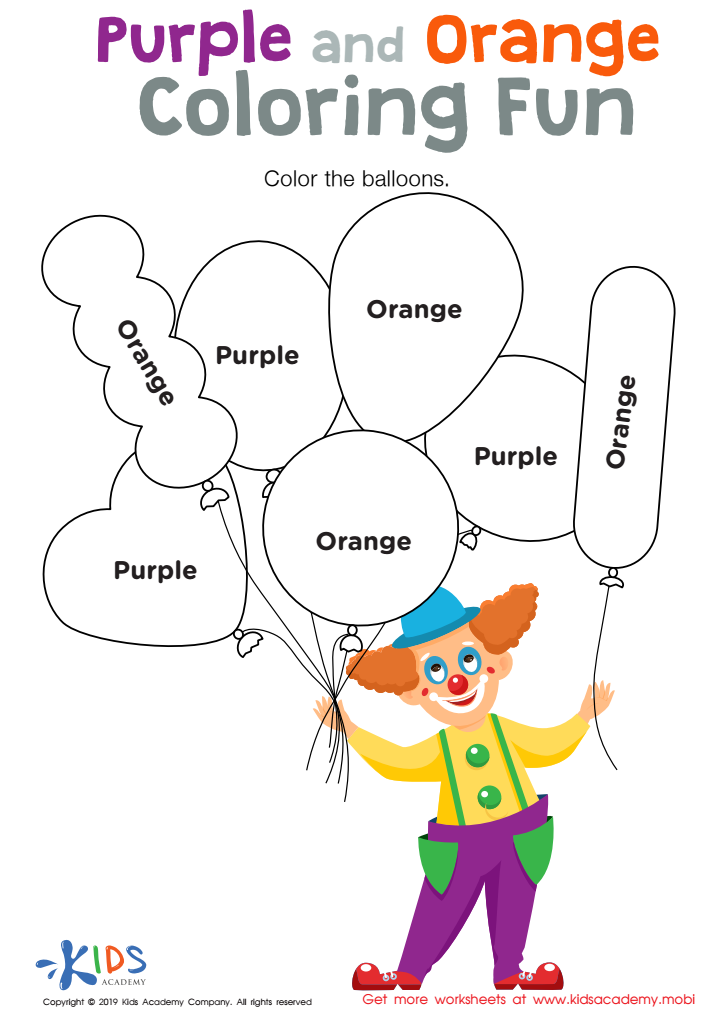
Purple and Orange Coloring Fun Worksheet
Assign to My Students
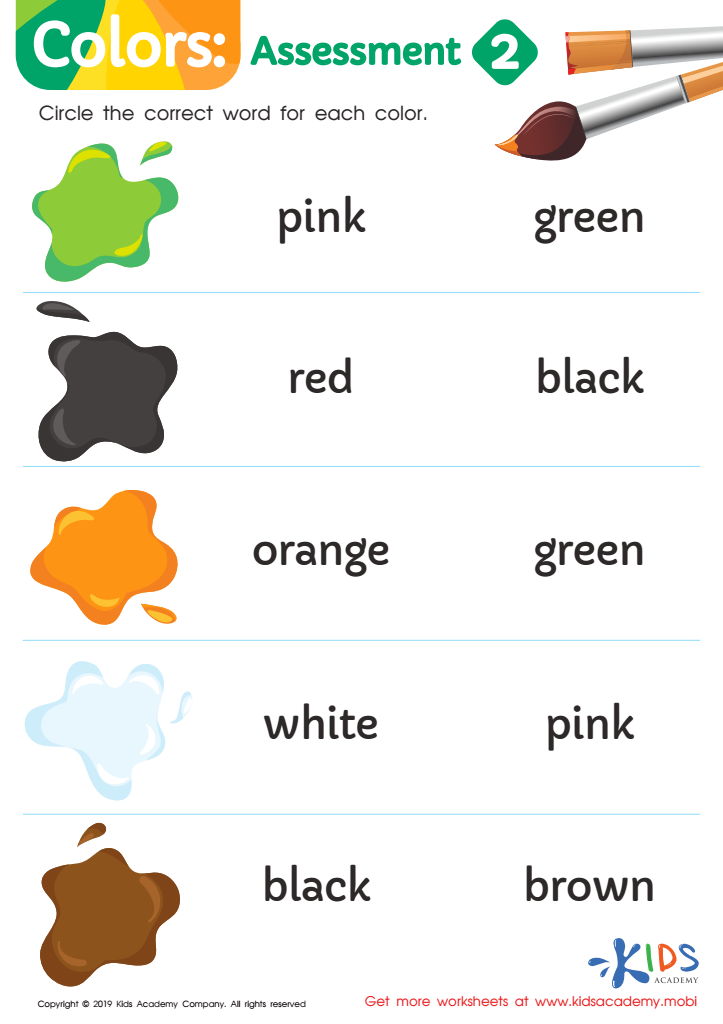
Colors: Assessment 2 Worksheet
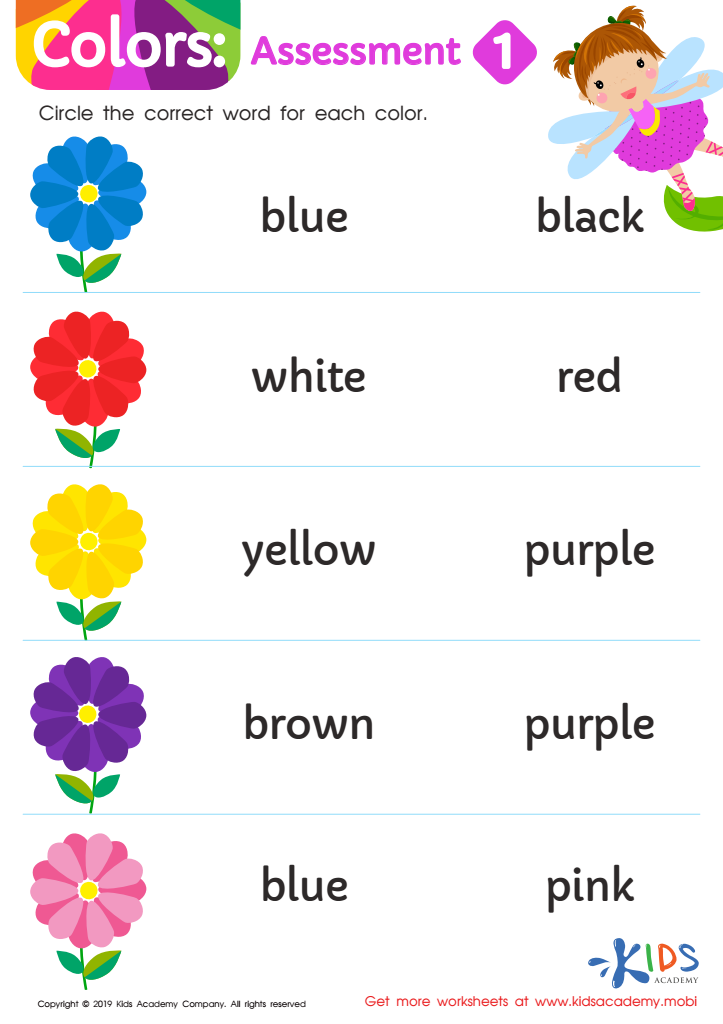
Colors: Assessment 1 Worksheet
The Wheels on the Bus Coloring Page
Assign to My Students
Hickory Dickory Dock Coloring Page
Assign to My Students
Red Riding Hood Coloring Page
Assign to My Students
Boy and Girl Words Coloring Worksheet
Assign to My Students
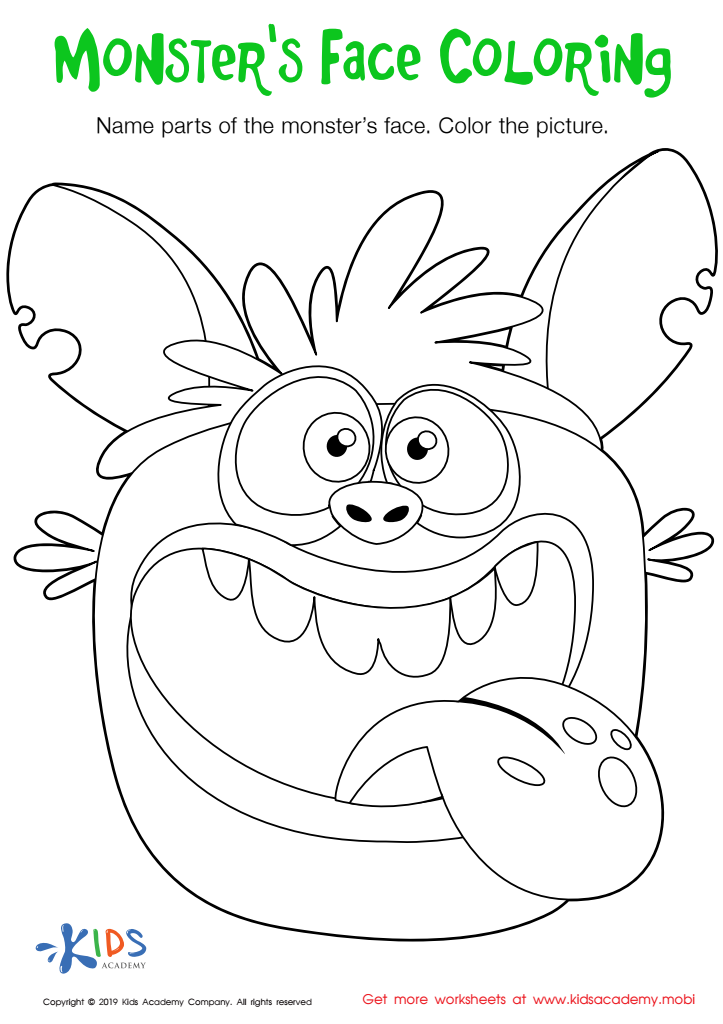
Monster's Face Coloring Worksheet
Assign to My Students
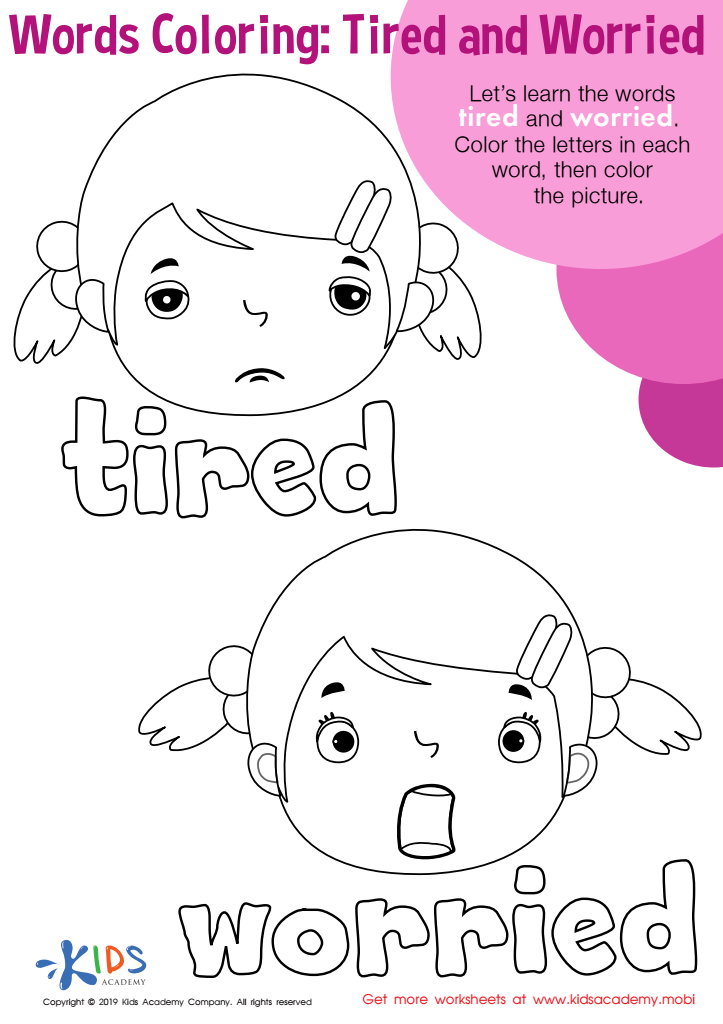
Tired and Worried Words Coloring Worksheet
Assign to My Students
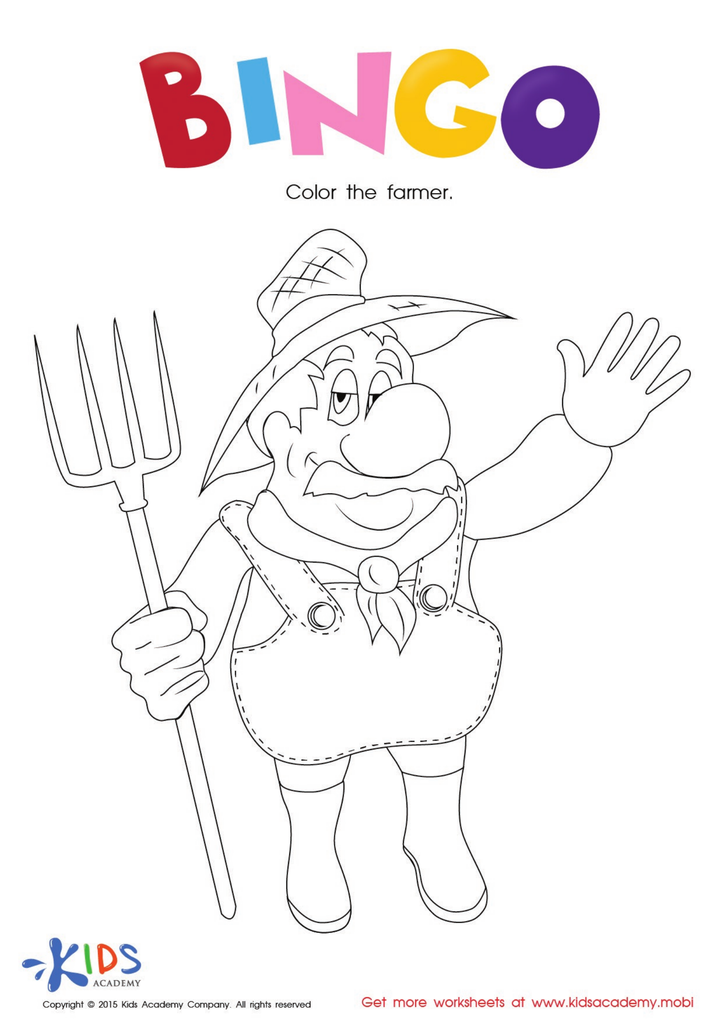
The Bingo Song: Coloring The Farmer Worksheet
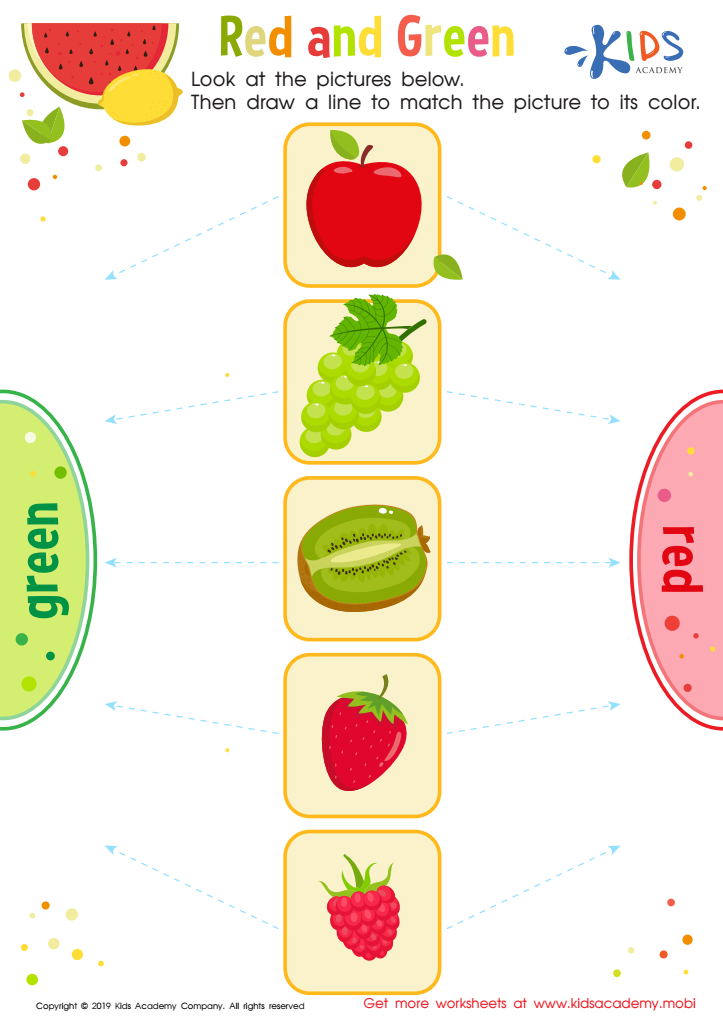
Red and Green Worksheet
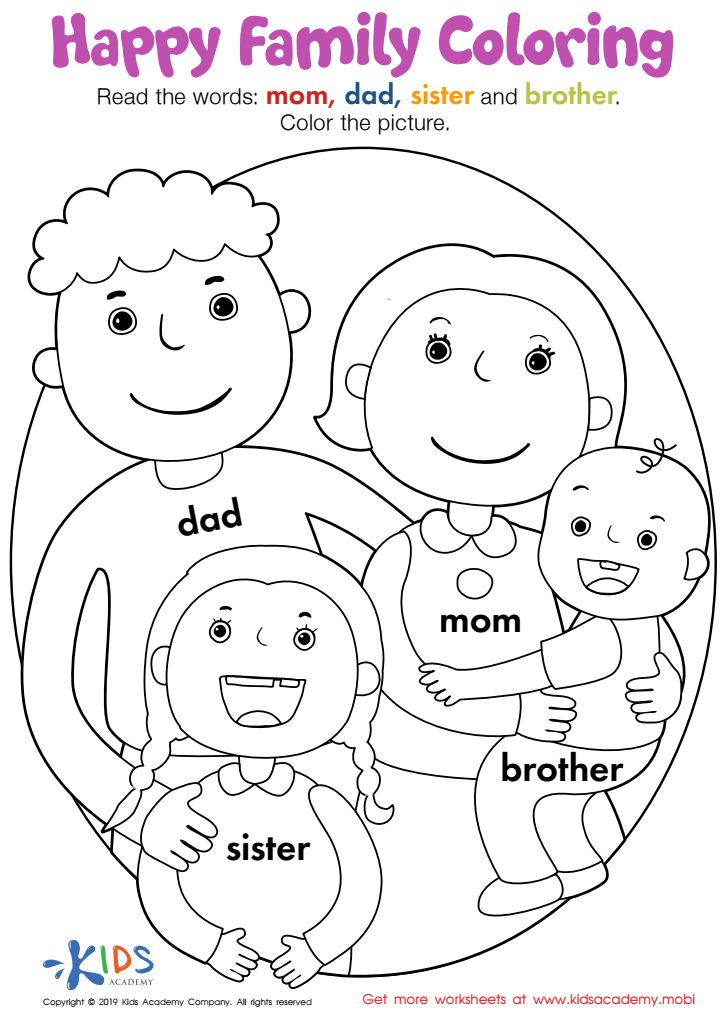
Happy Family Coloring Worksheet
Assign to My Students
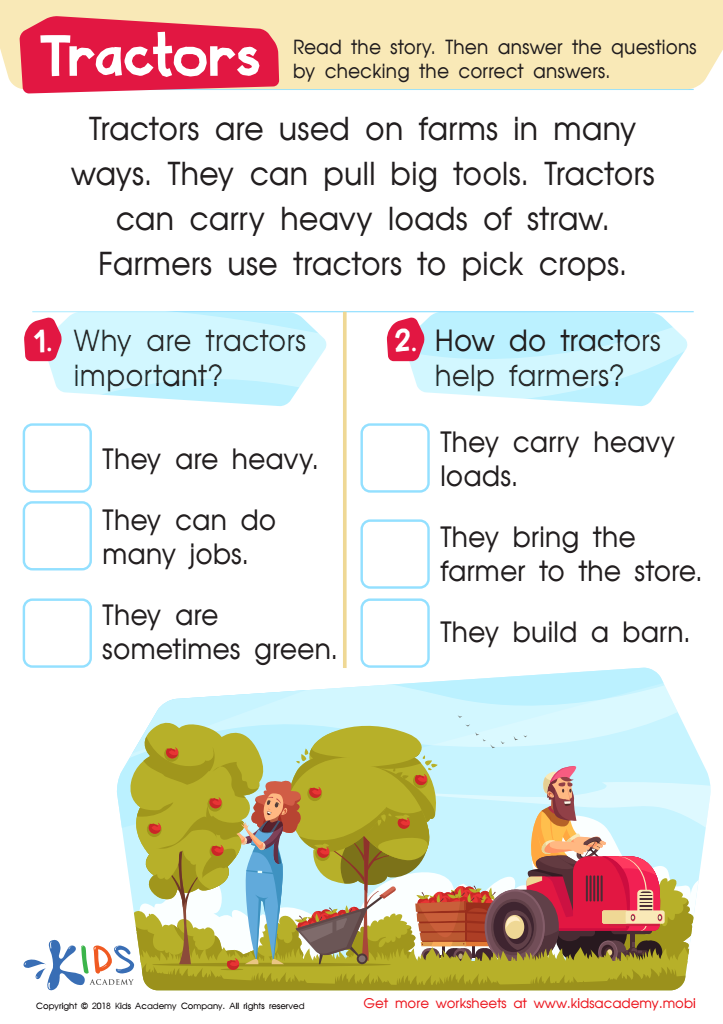
Tractors Worksheet
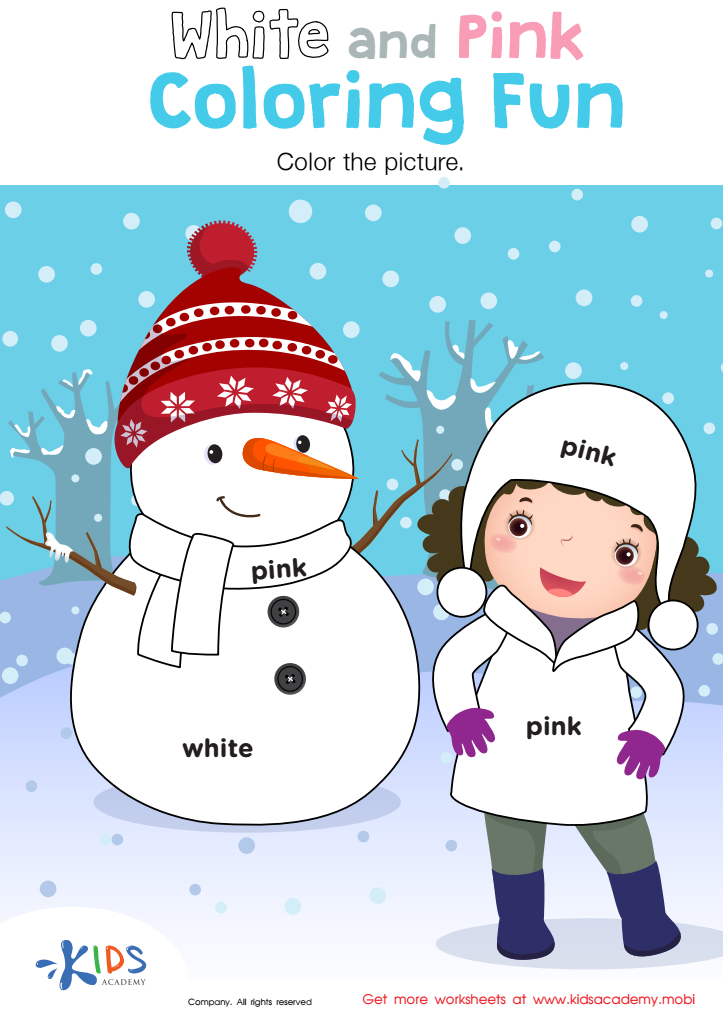
White and Pink Coloring Fun Worksheet
Assign to My Students
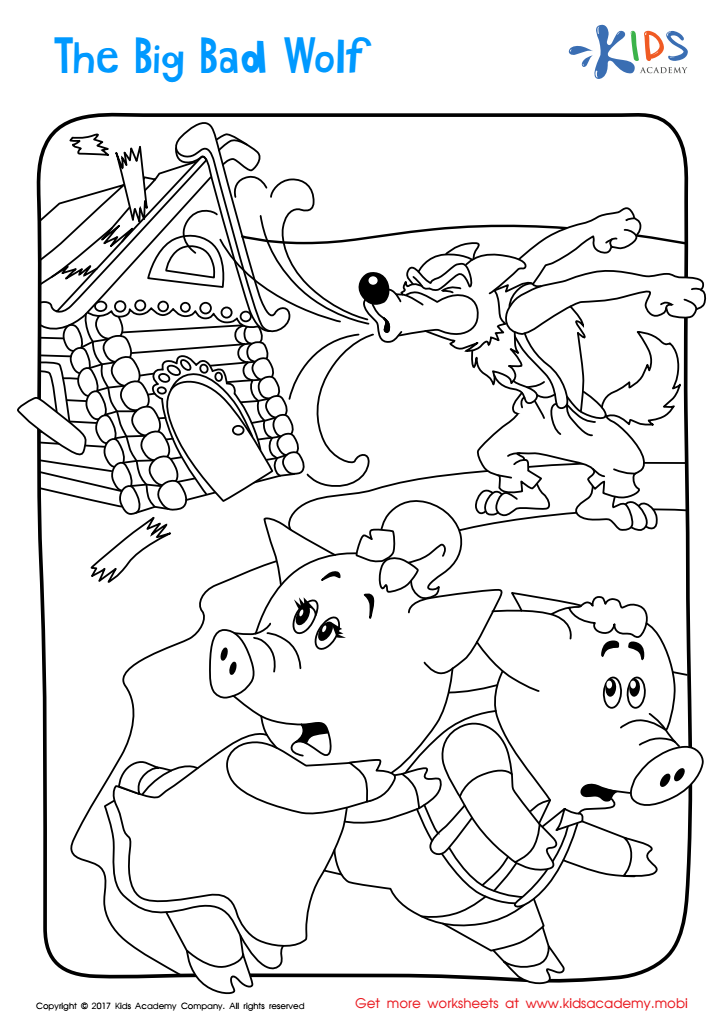
Big Bad Wolf Printable Coloring Page
Assign to My Students


.jpg)




Color recognition is a foundational skill that significantly influences a child's early reading and learning experiences. For children ages 3-9, understanding and recognizing colors can enhance cognitive development and academic readiness. Firstly, color recognition aids in language development, as children learn to associate colors with words, fostering vocabulary growth. It also stimulates visual perception, helping young learners distinguish between different objects and enhance focus—an important skill for reading comprehension.
Moreover, integrating color recognition into early education fosters creativity and critical thinking. When children engage in activities that utilize colors, such as sorting or categorizing, they not only learn but also develop problem-solving skills that are vital in a variety of subjects, including literacy.
Additionally, colors play a vital role in storytelling and reading materials. Recognizing colors enables children to interpret illustrations, enhancing their understanding of narrative context. This visual connection to text encourages engagement and retention.
For parents and teachers, promoting color recognition is essential, as it lays the groundwork for better reading skills and overall academic success. By incorporating fun and interactive strategies, such as games and arts and crafts, caregivers can create a rich learning environment that nurtures both knowledge and a love for learning.








