Comparing quantities Reading Worksheets for Ages 3-9
3 filtered results
-
From - To
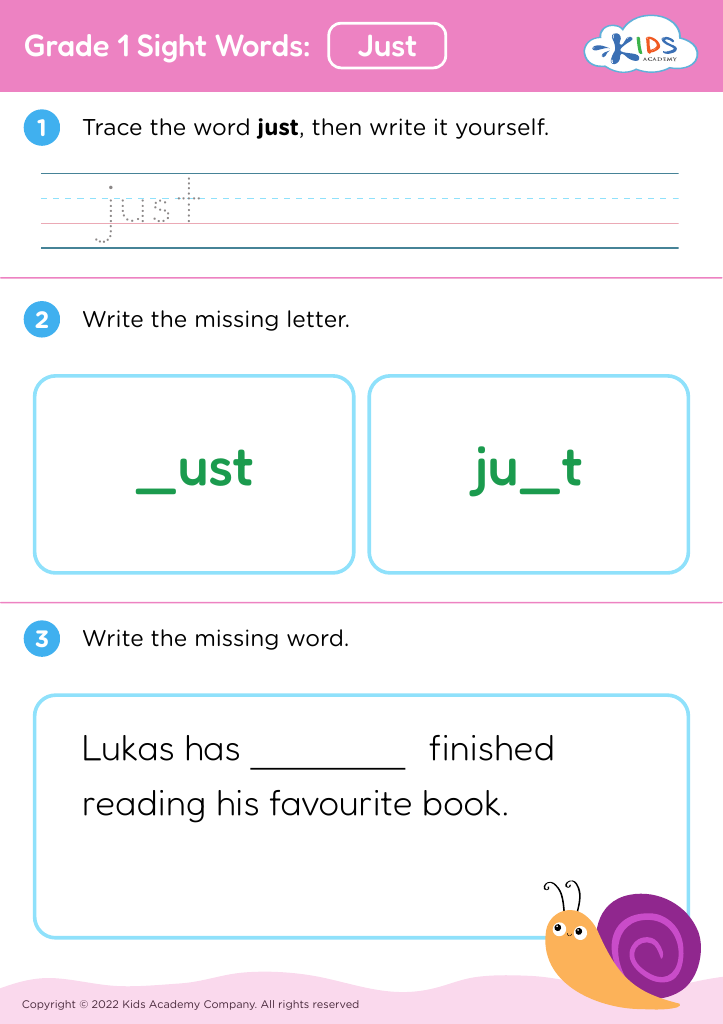
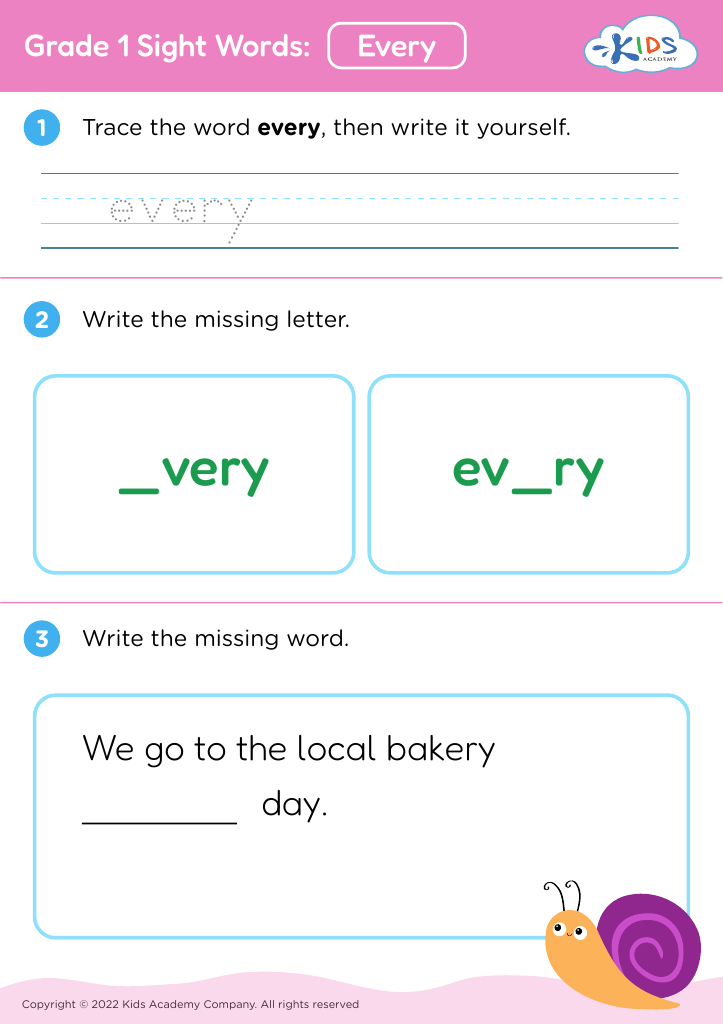
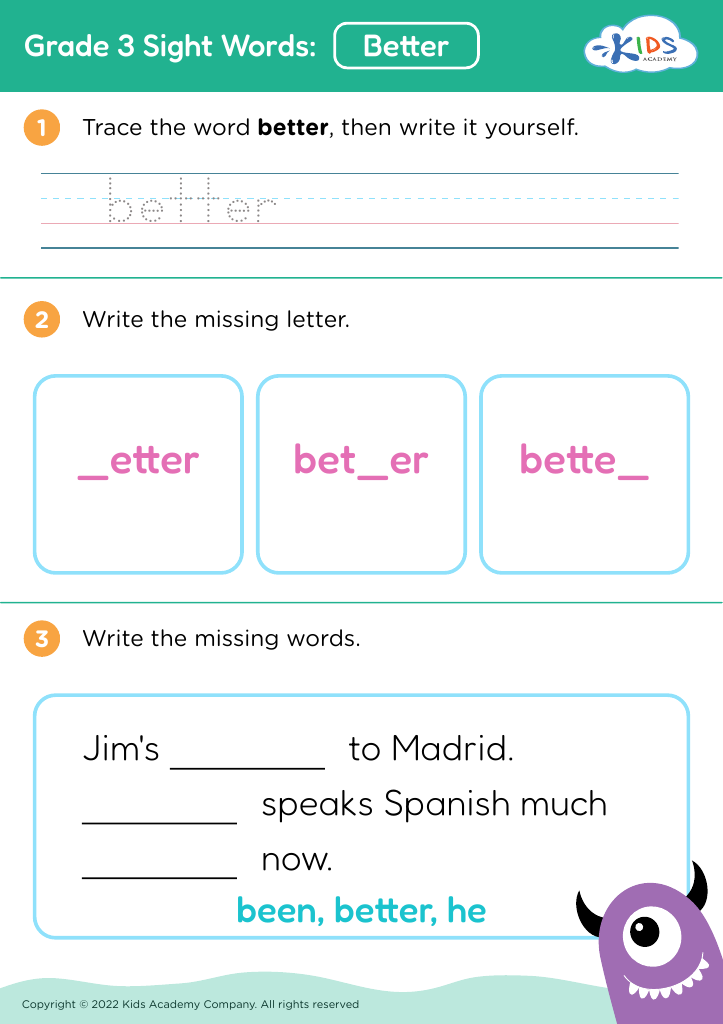
Discover exciting "Comparing Quantities Reading Worksheets" tailored for ages 3-9! Our engaging resources enhance early literacy skills as young learners explore the concept of quantity through vibrant illustrations and relatable scenarios. Each worksheet fosters critical thinking, helping children to identify, compare, and interpret quantities while reinforcing essential vocabulary. Designed to ignite curiosity and facilitate independent learning, these worksheets provide a fun way for kids to develop their reading skills. Ideal for home or classroom use, our materials support differentiated learning and cater to diverse developmental levels. Empower your child's educational journey with our captivating comparing quantities worksheets today!








Comparing quantities is a fundamental skill that significantly impacts a child's cognitive and mathematical development from a young age. For parents and teachers of children ages 3 to 9, nurturing this skill is crucial because it lays the groundwork for future problem-solving abilities and analytical thinking. By engaging in activities that promote comparing quantities, children learn the concepts of more, less, equal, and differences. This ultimately strengthens their understanding of numbers and enhances their everyday decision-making skills, whether it's sharing toys, sorting snacks, or conducting simple experiments.
Moreover, comparing quantities supports language development, as children articulate their reasoning and describe relationships between items. This rich vocabulary helps improve communication skills, fostering confidence in expressing thoughts and ideas. Parents and teachers can facilitate this learning through interactive games, hands-on activities, and real-life scenarios, making the learning process enjoyable and relatable. Ultimately, investing time in comparing quantities not only prepares children for academic success in mathematics but also equips them with essential life skills, such as critical thinking and sensible decision-making, that will benefit them well beyond their early formative years. By prioritizing this learning area, adults help cultivate a robust foundation for lifelong learning in children.








