Critical Thinking Reading Worksheets for Ages 3-9
68 filtered results
-
From - To
Boost your child's cognitive development with our "Critical Thinking Reading Worksheets for Ages 3-9." Designed to challenge young minds, these engaging activities encourage kids to think deeply, improving comprehension and problem-solving skills. From puzzling through stories to identifying patterns, our worksheets offer a fun, interactive way to foster essential critical thinking abilities. Perfect for parents and educators, each task is tailored to be age-appropriate and developmentally stimulating. Visit our webpage to discover how these worksheets can inspire a love for reading and analytical thinking in your little learner!
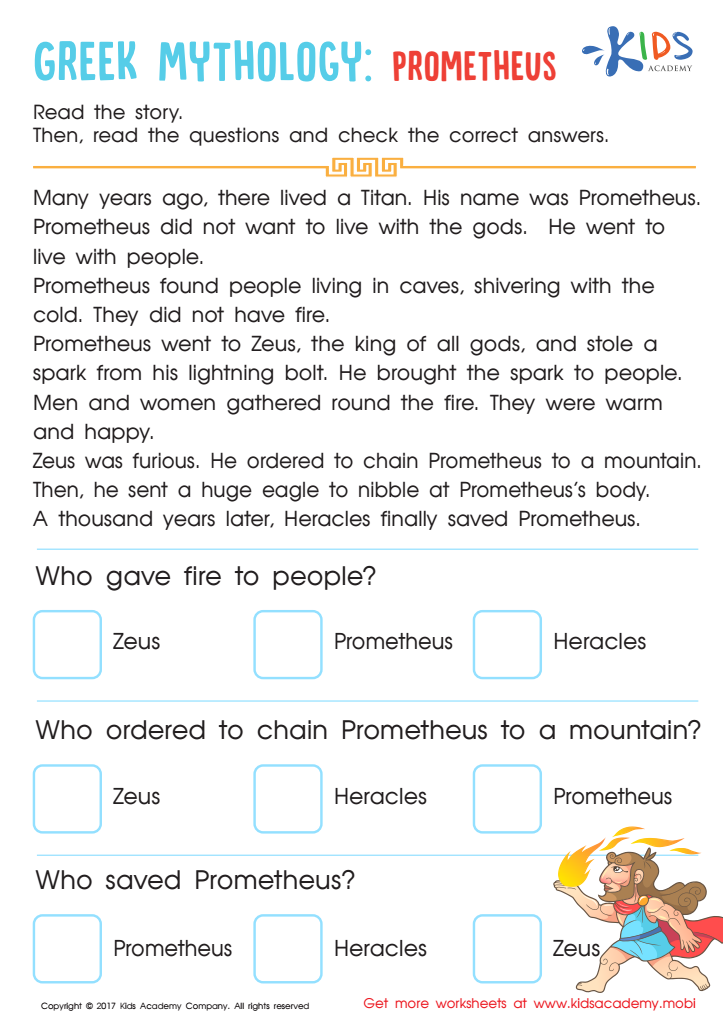
Prometheus Story Worksheet
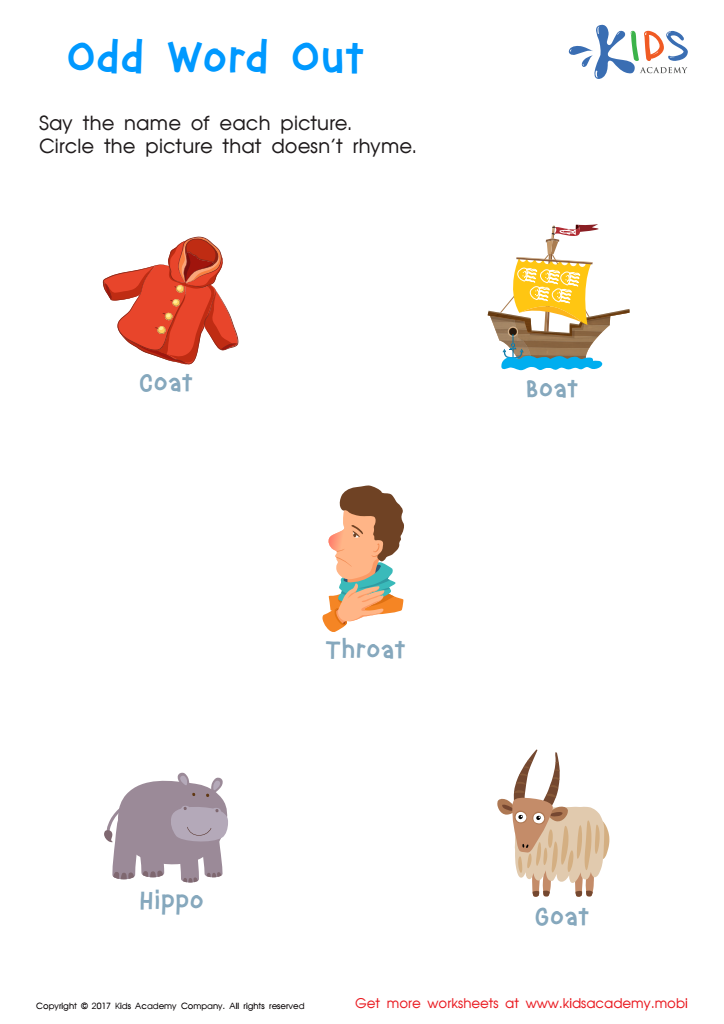
Odd Word Out Rhyming Worksheet
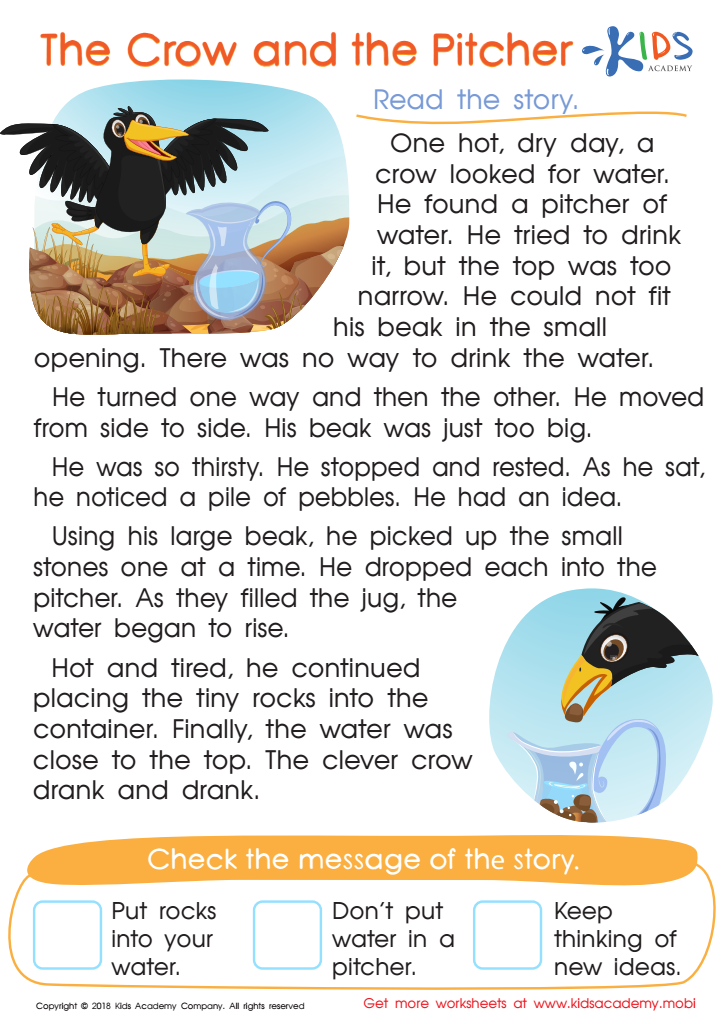
The Crow and the Pitcher Worksheet
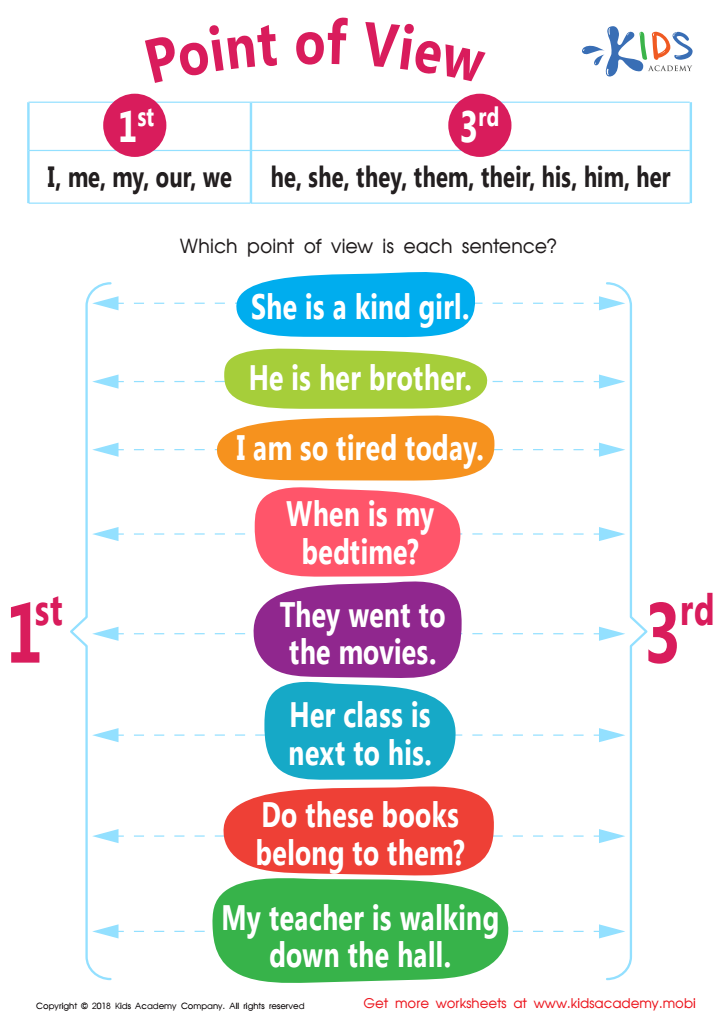
Point of View Worksheet
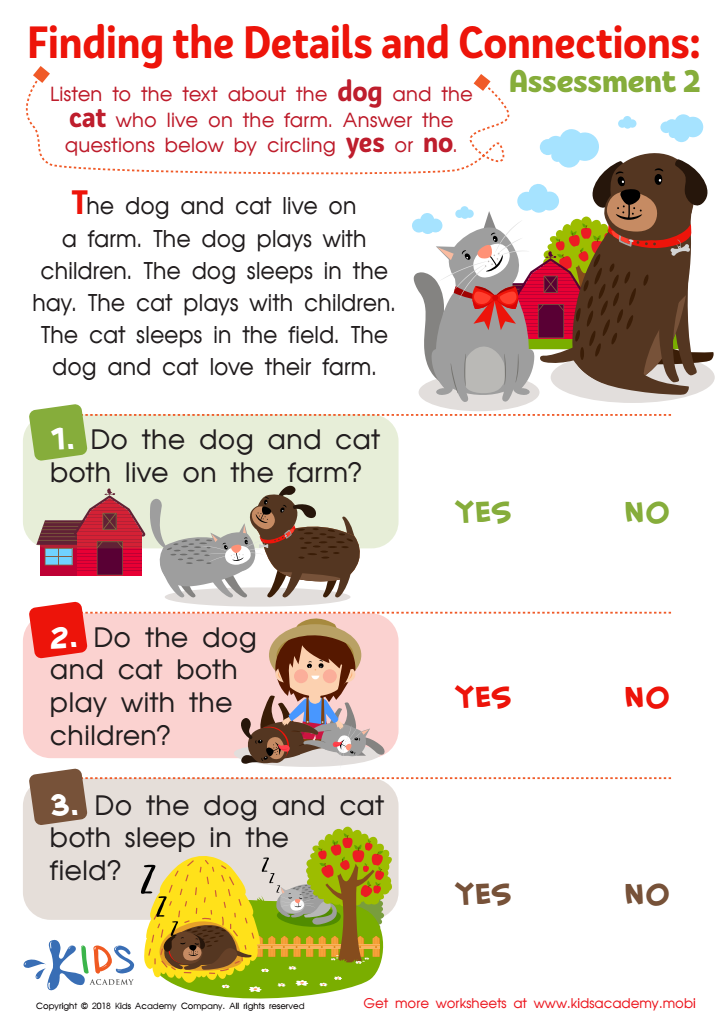
Finding the Details and Connections: Assessment 2 Worksheet
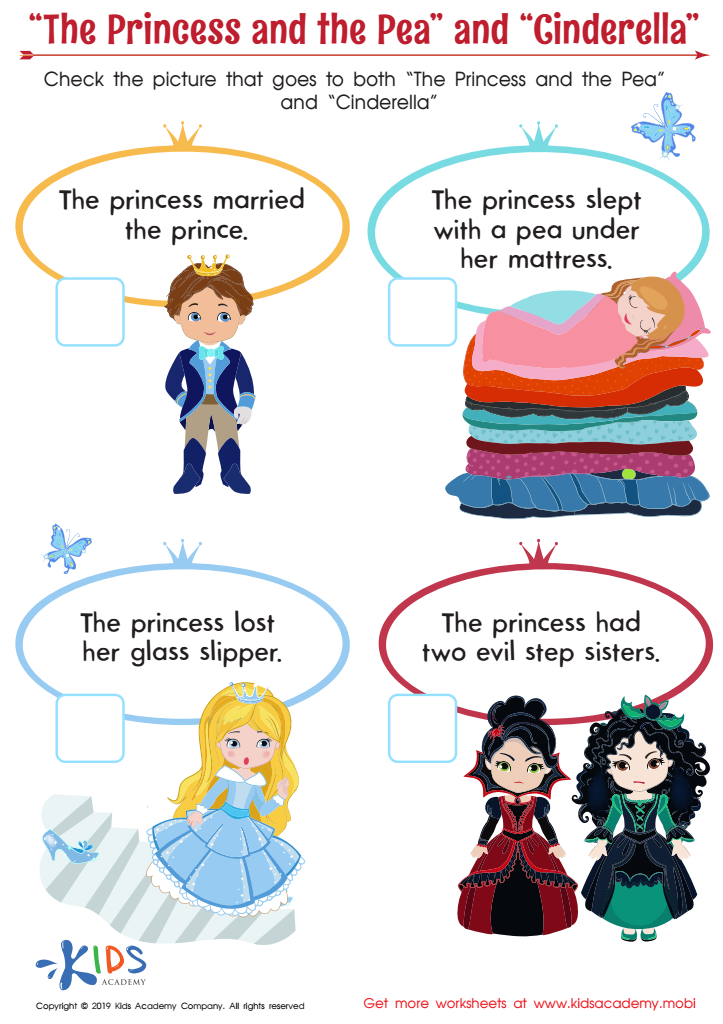
“The Princess and the Pea” and “Cinderella” Worksheet
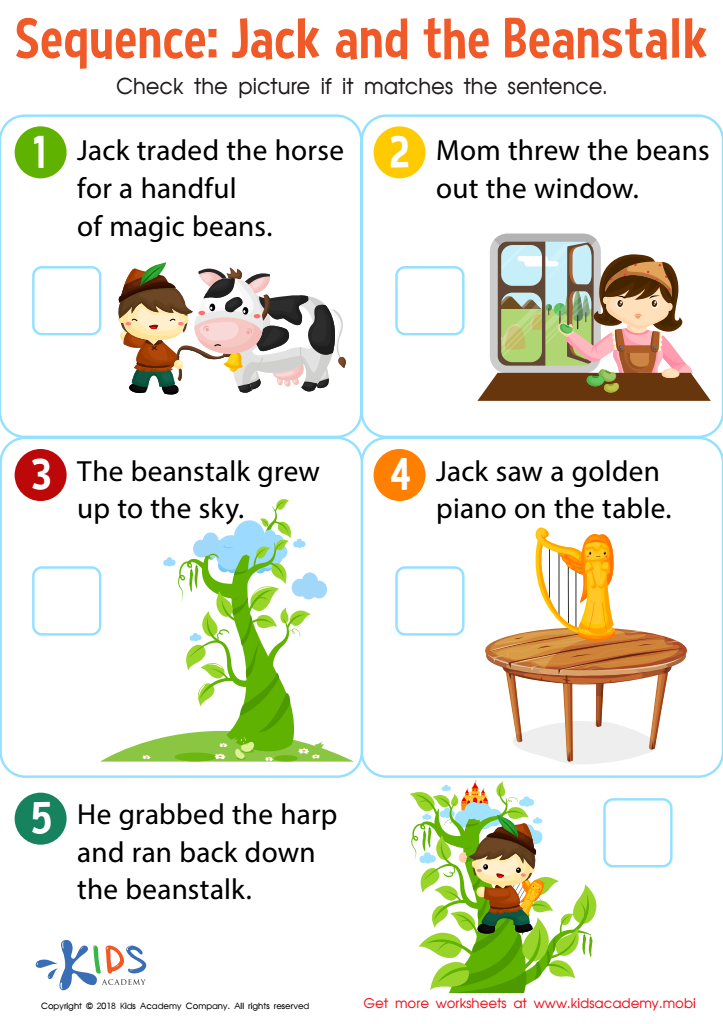
Sequence: Jack and The Beanstalk Worksheet
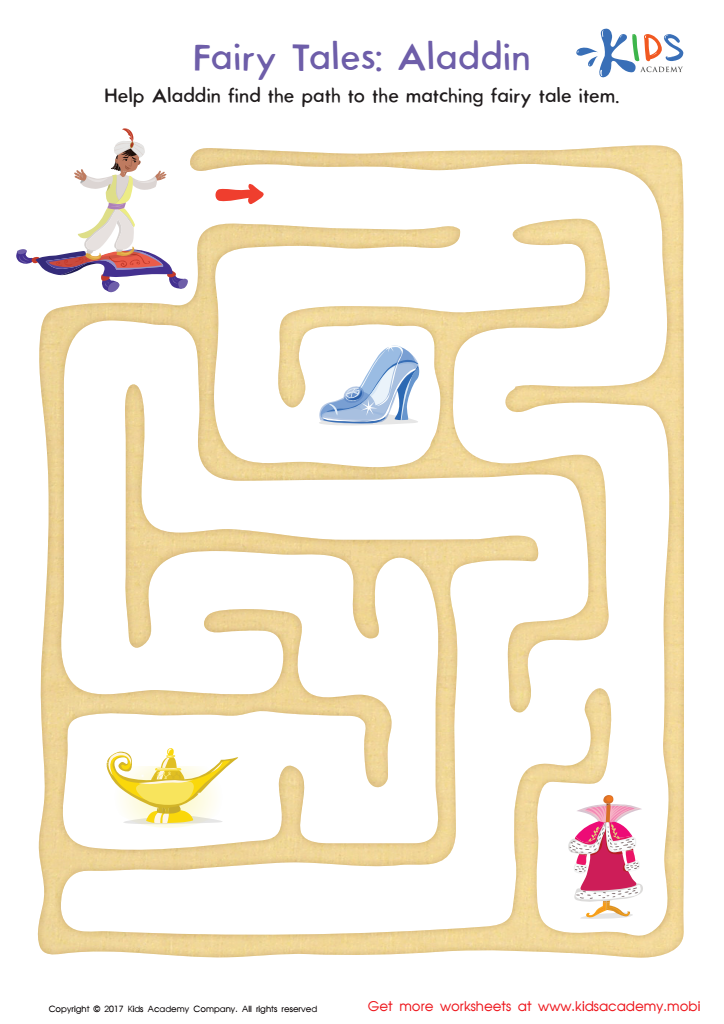
Fairy Tales Aladdin Printable
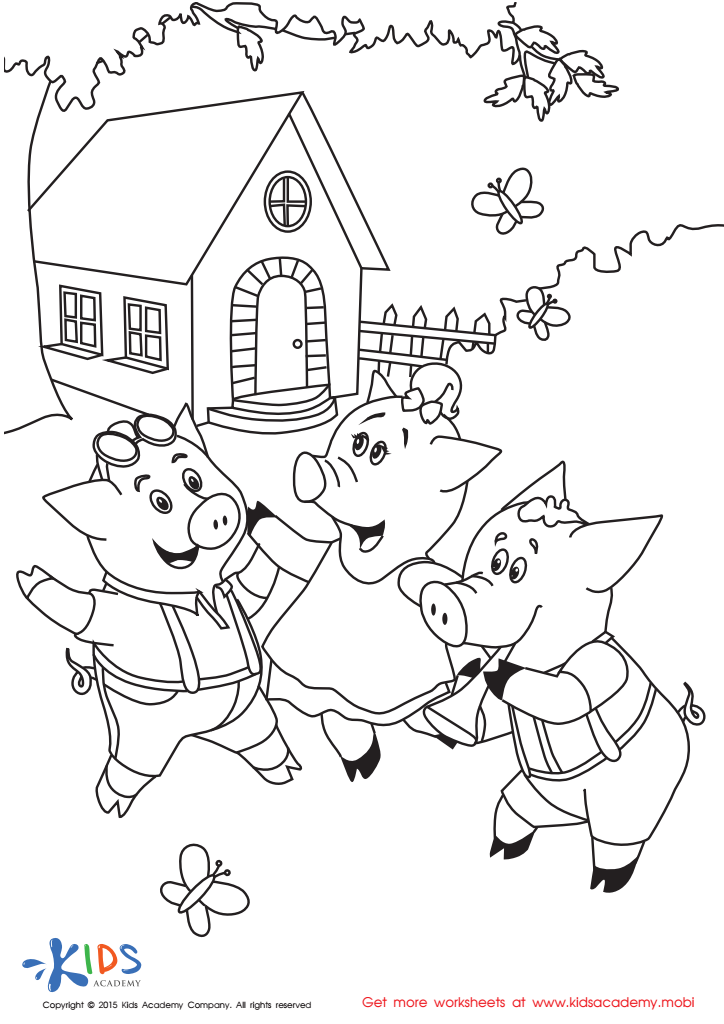
Folktales Printable PDF Worksheet: The 3 Little Pigs
 Assign to My Students
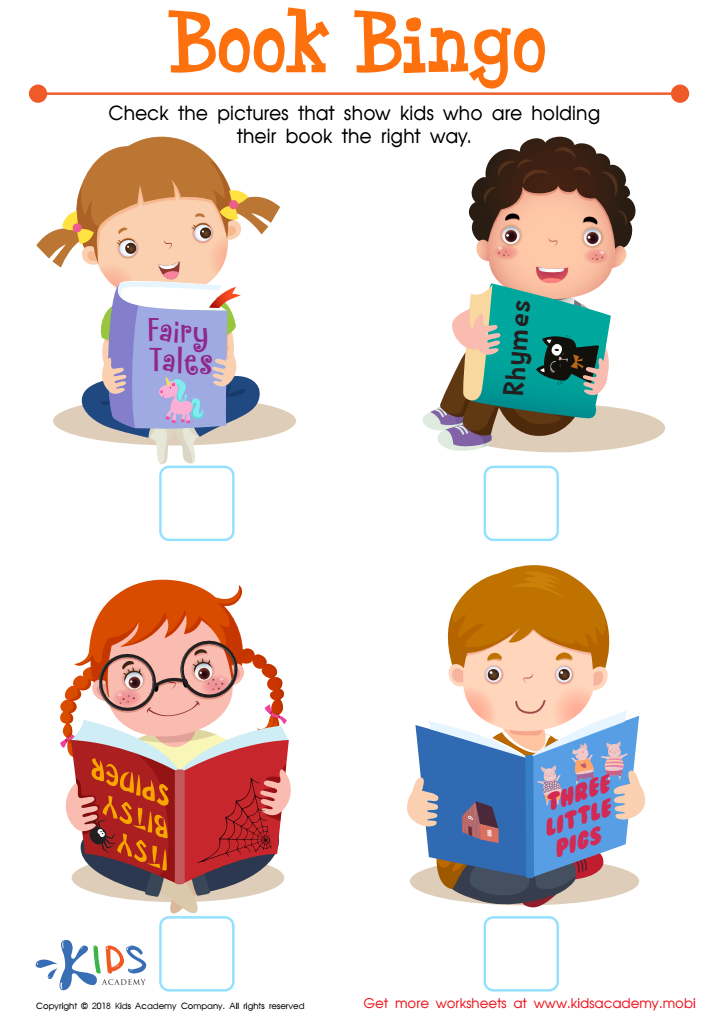
Book Bingo Worksheet
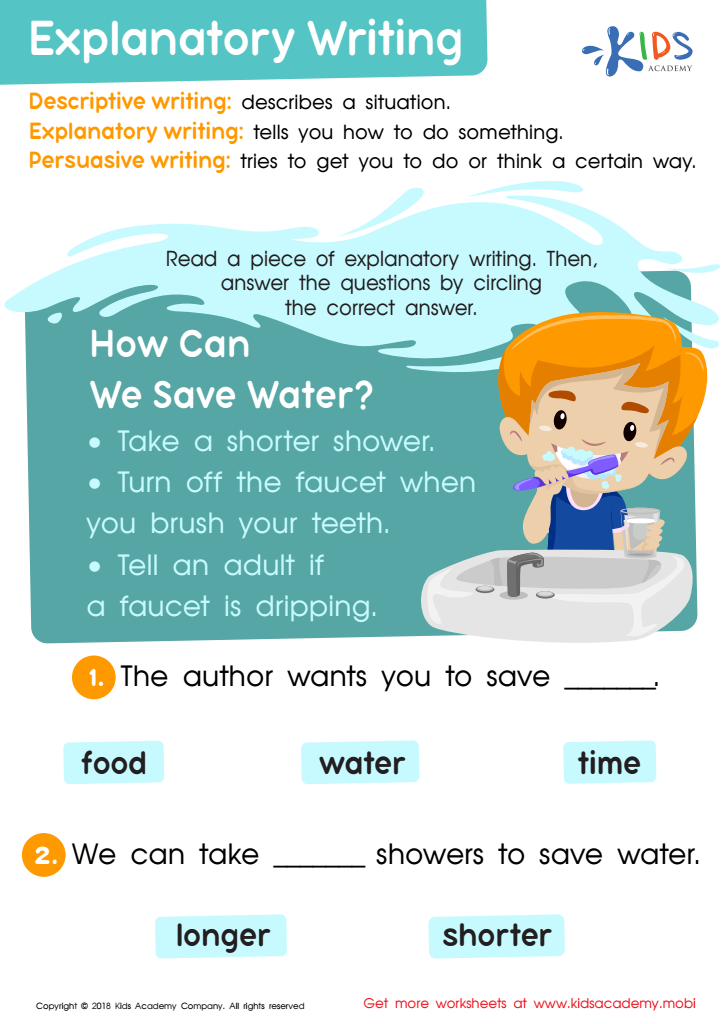
Explanatory Writing Worksheet
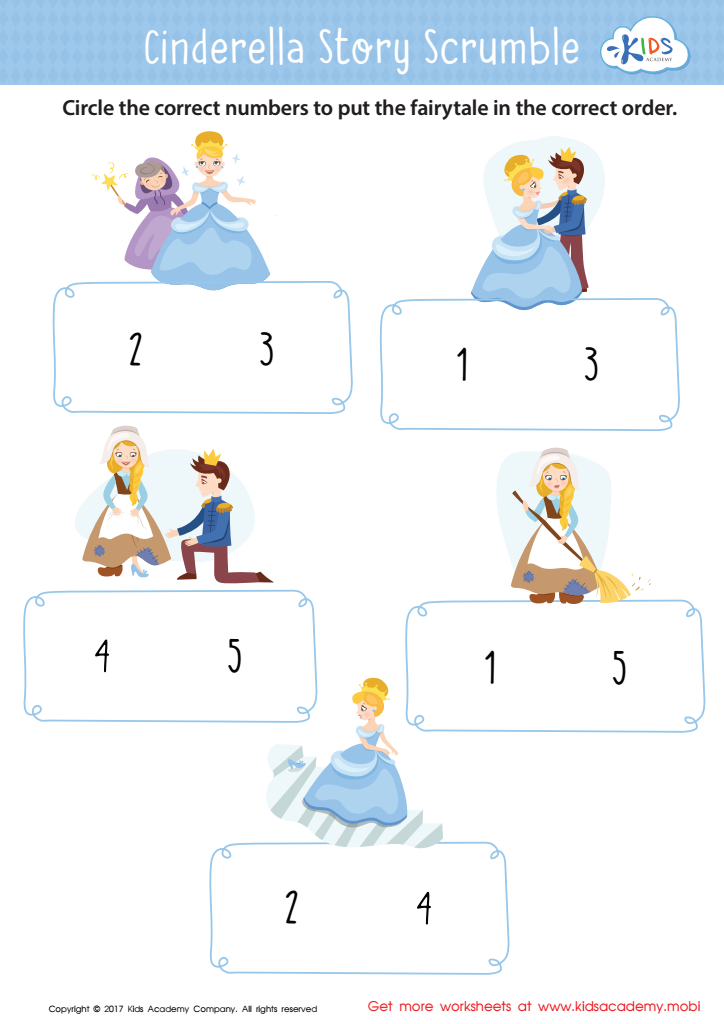
Cinderella Story Sequencing Worksheet
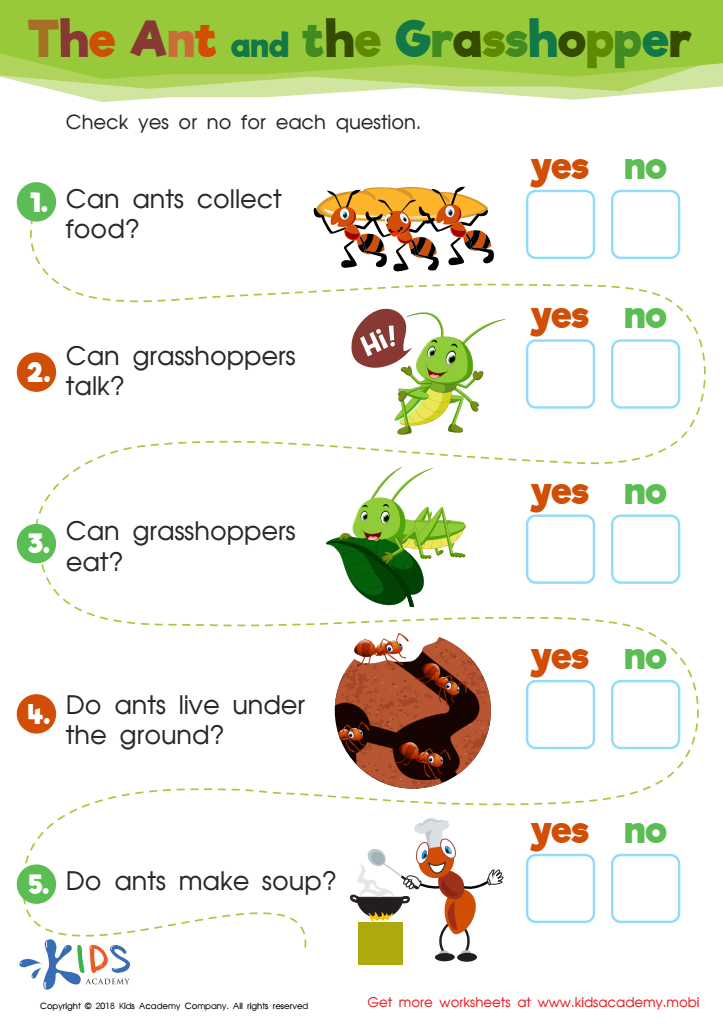
The Ant and The Grasshopper Worksheet
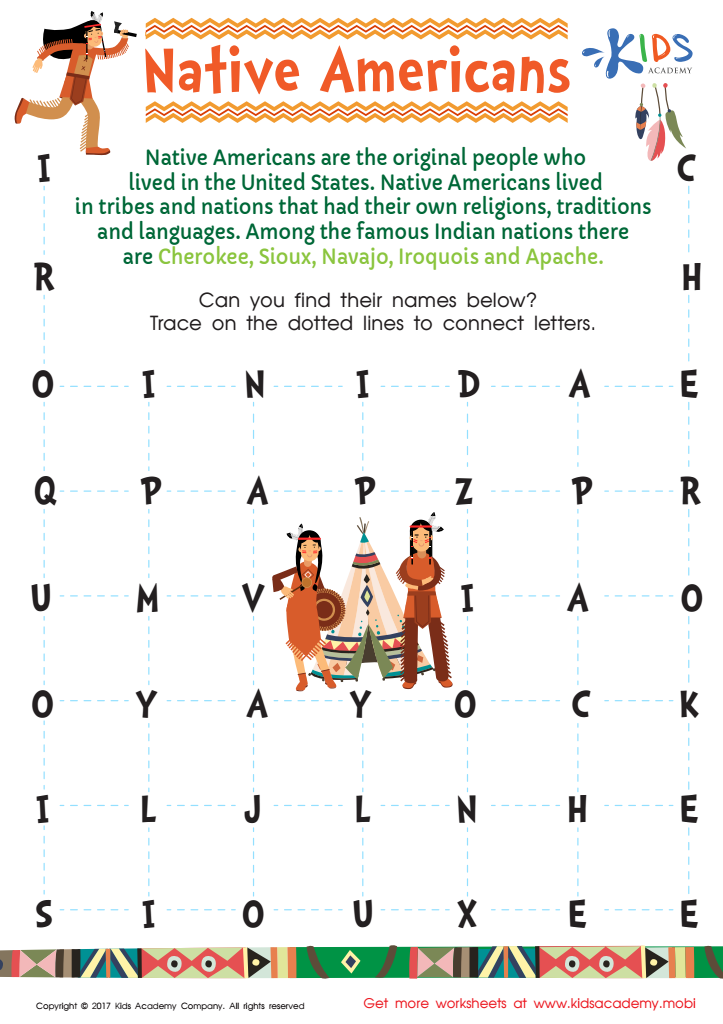
Native American Word Search Printable
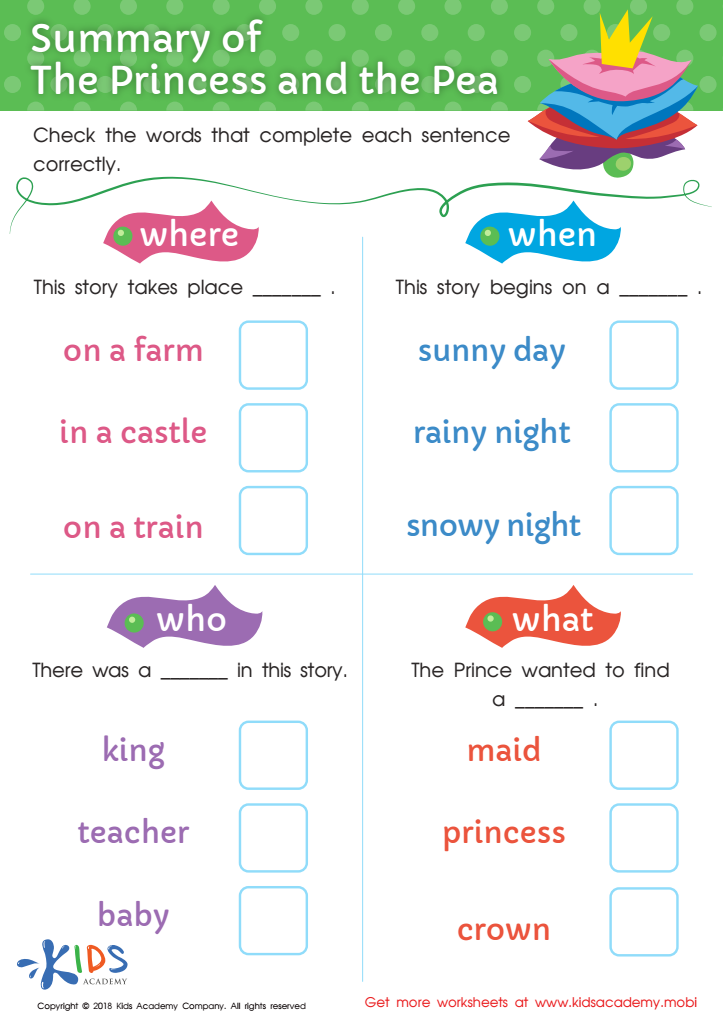
The Summary of the Princess and the Pea Worksheet
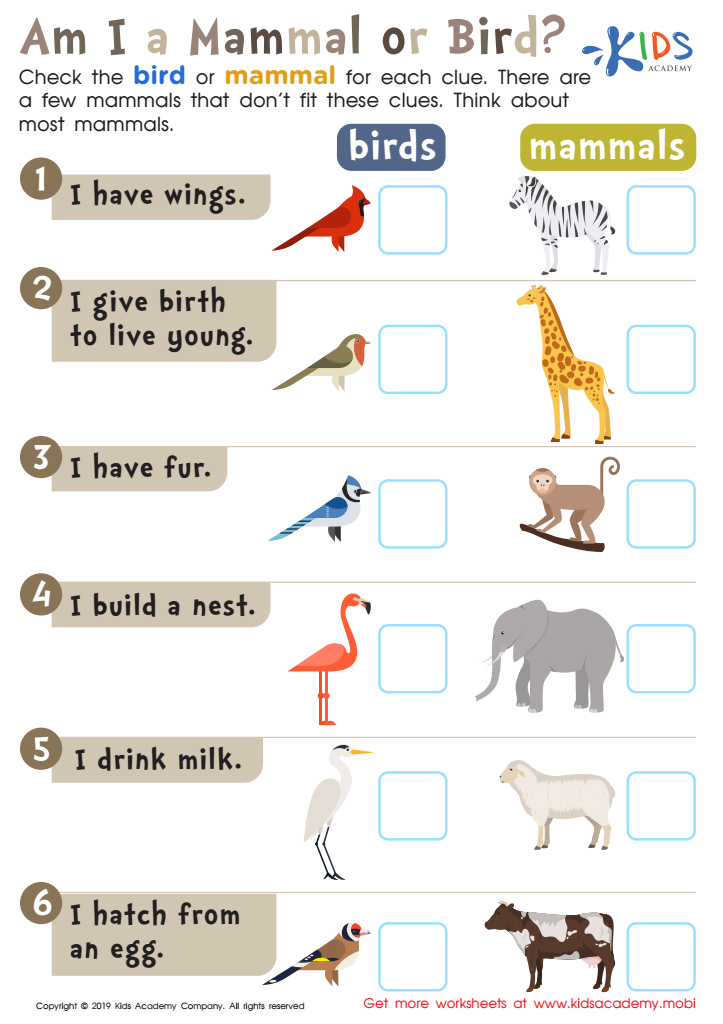
Am I a Mammal or Bird? Worksheet
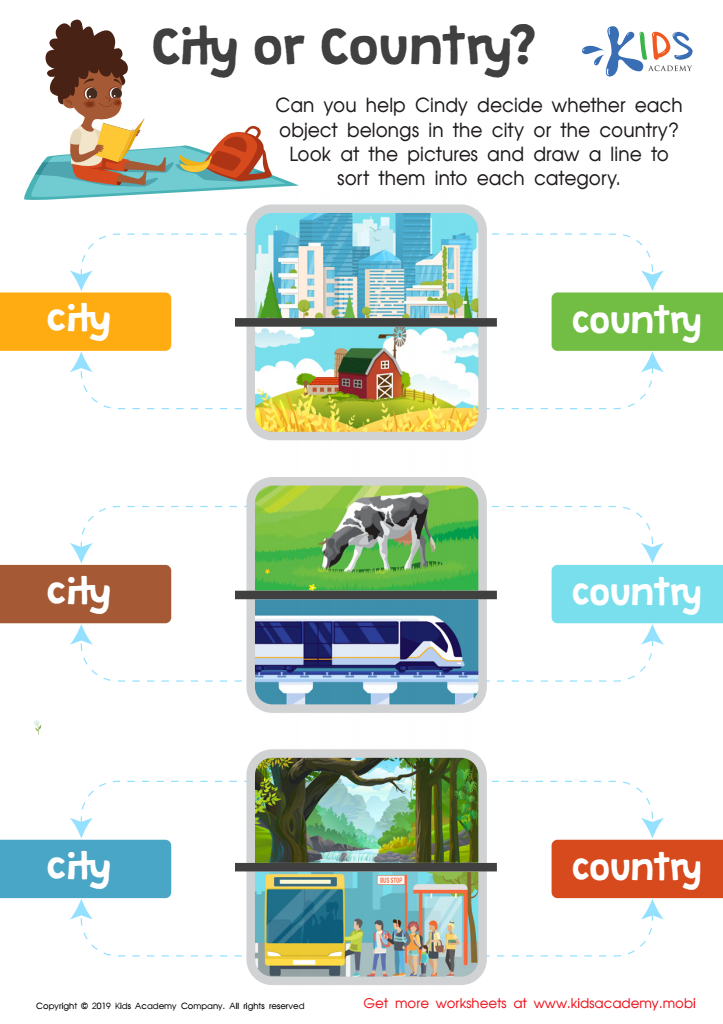
City or Country? Worksheet
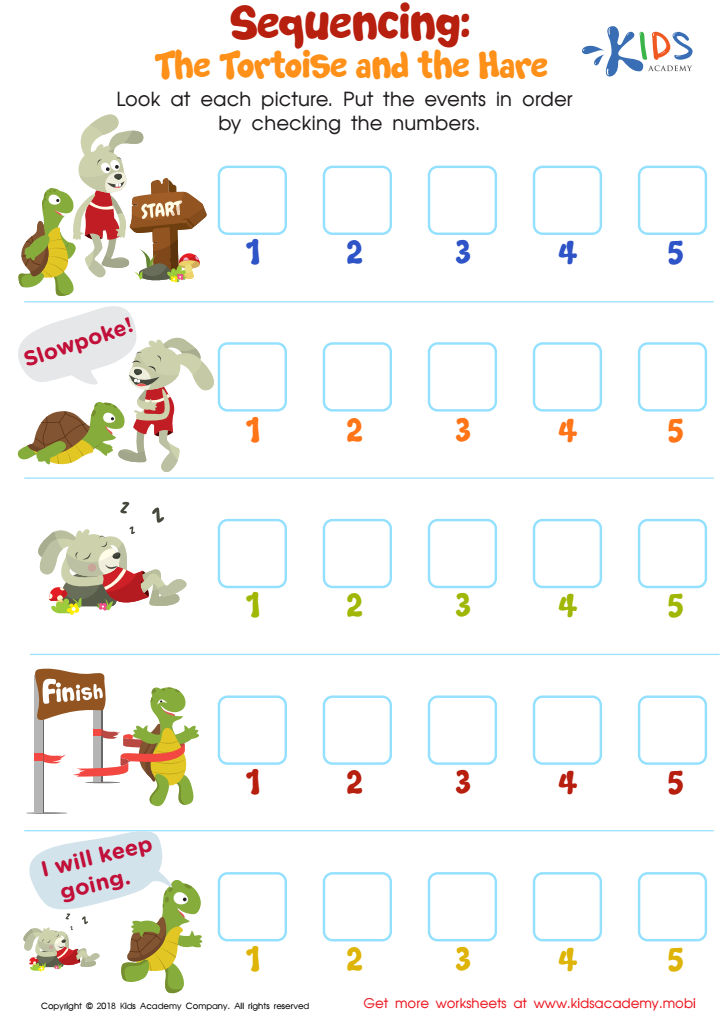
Sequencing: The Tortoise and the Hare Worksheet
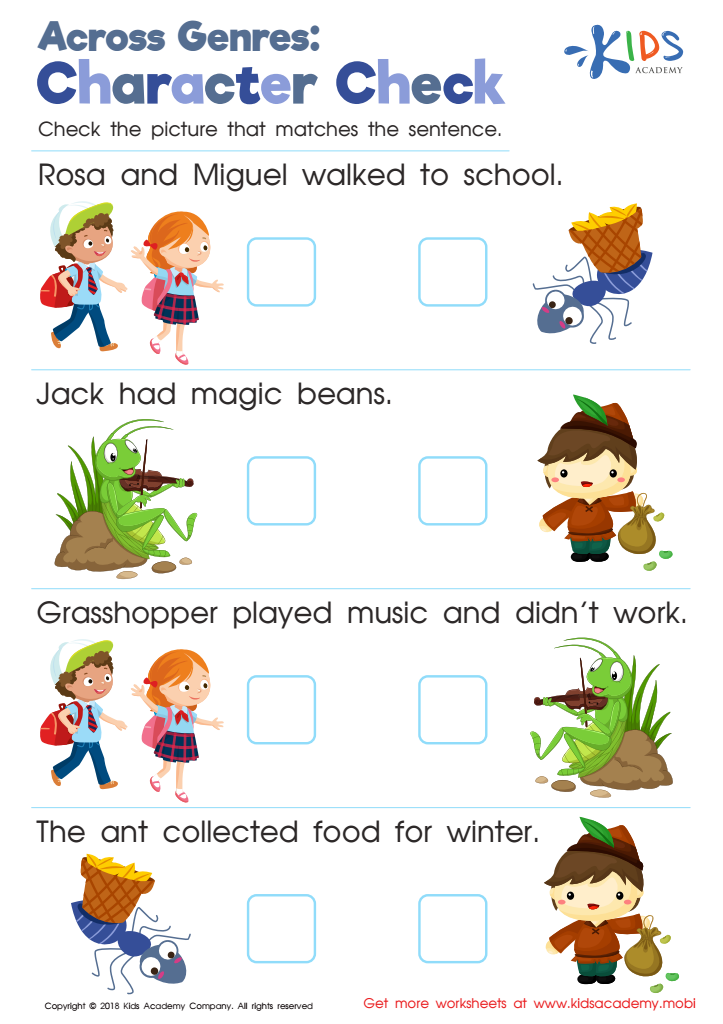
Across Genres: Character Check Worksheet
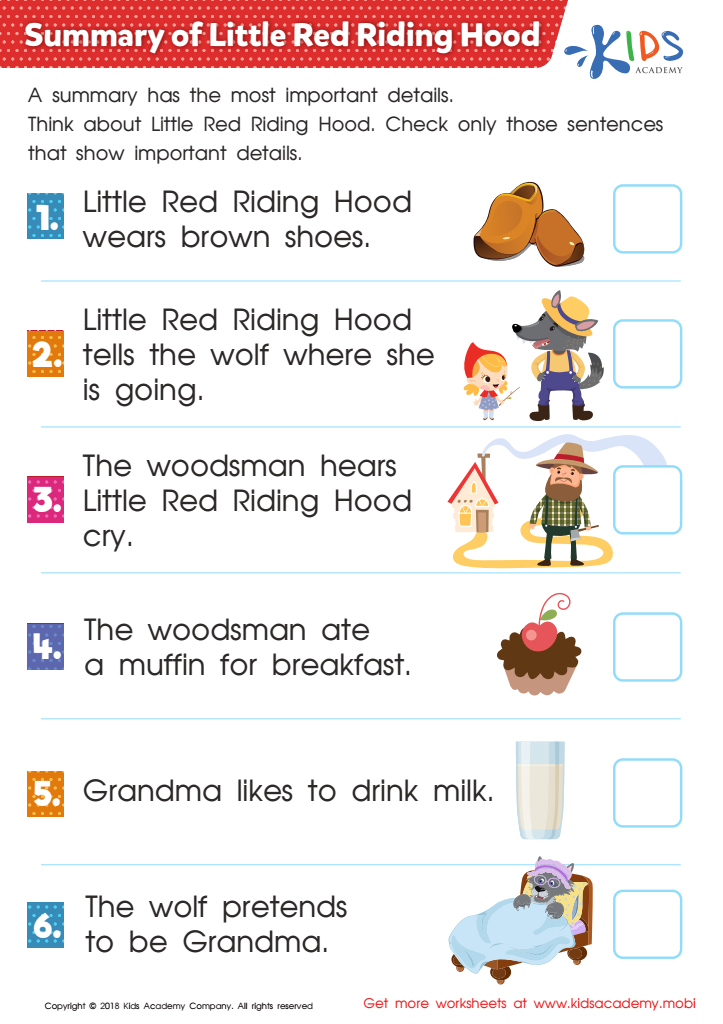
Summary of Little Red Riding Hood Worksheet
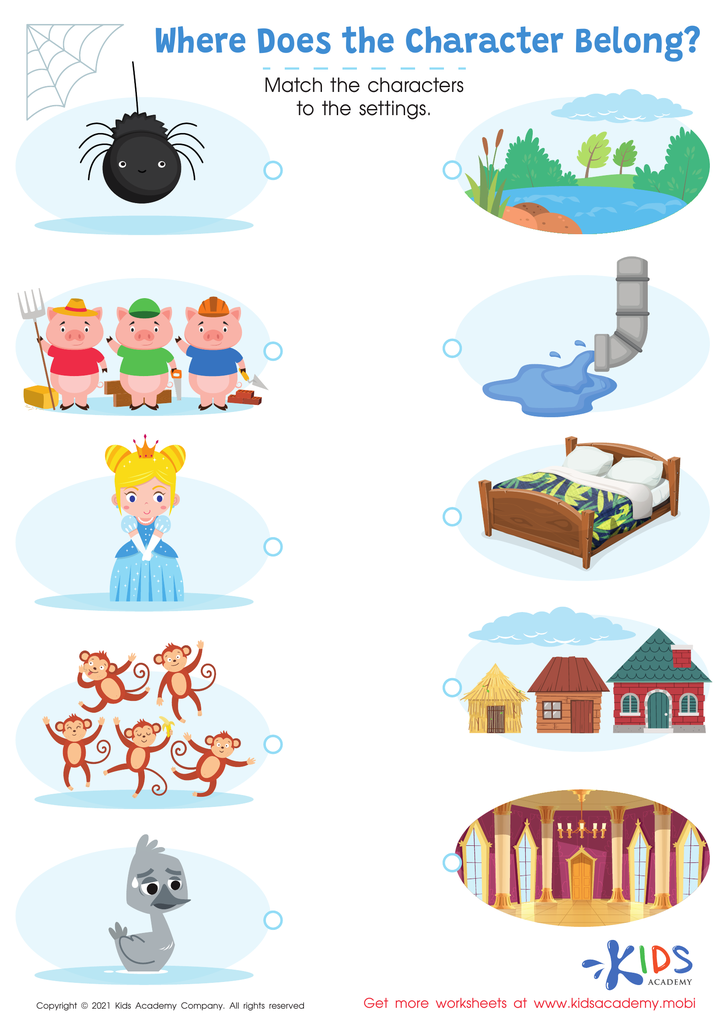
Where Does the Character Belong? Worksheet
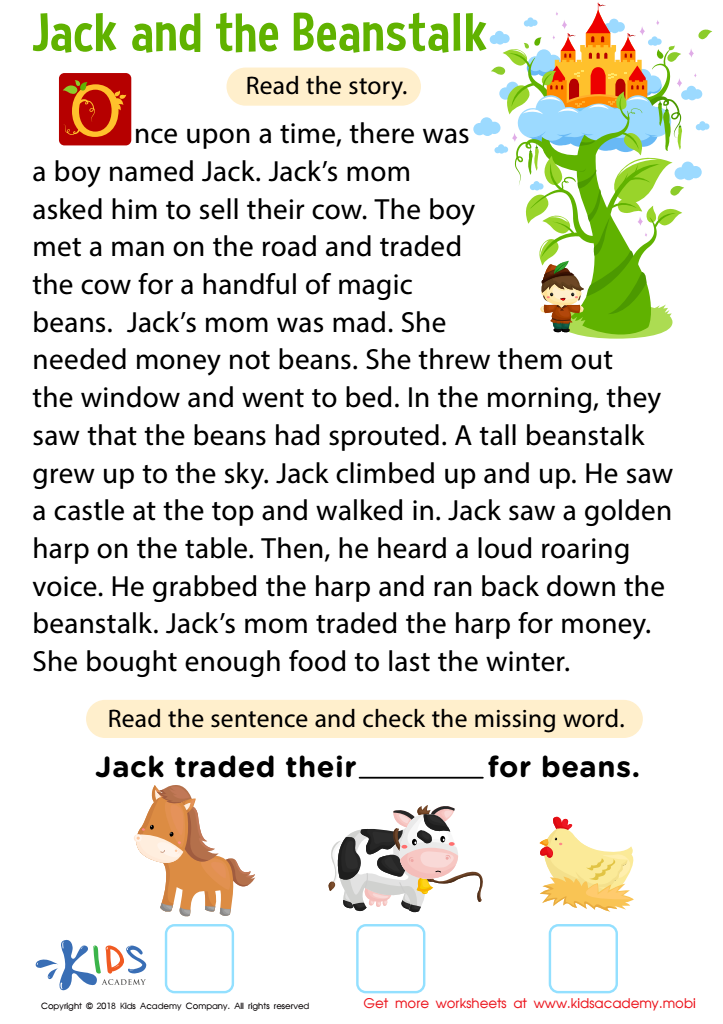
Jack and Beanstalk Worksheet
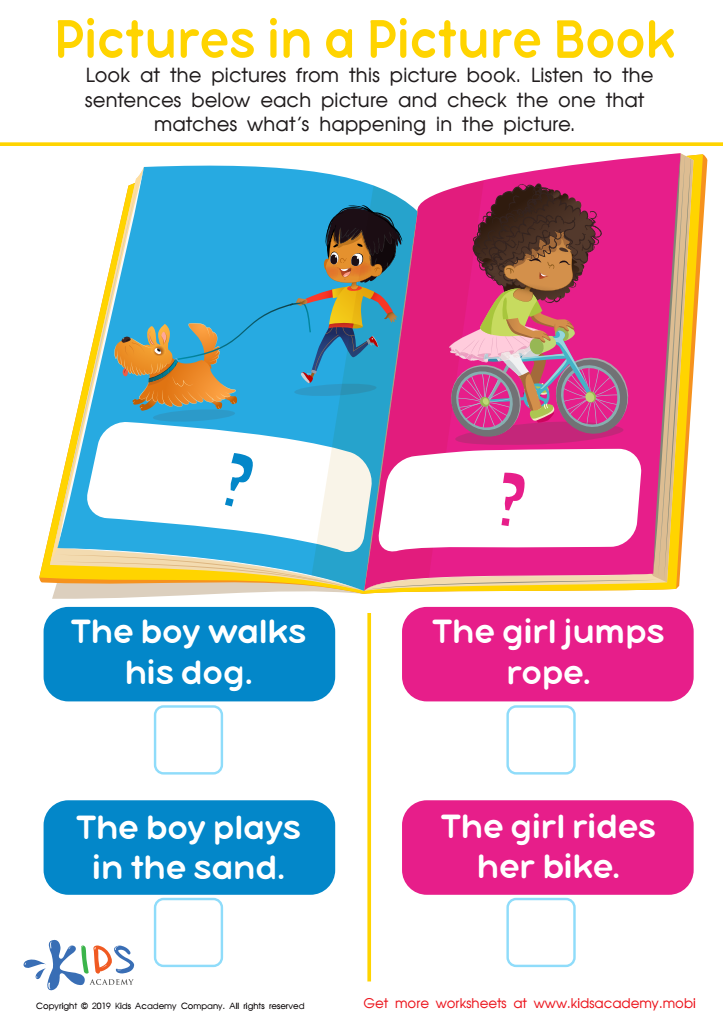
Picture in Books Worksheet
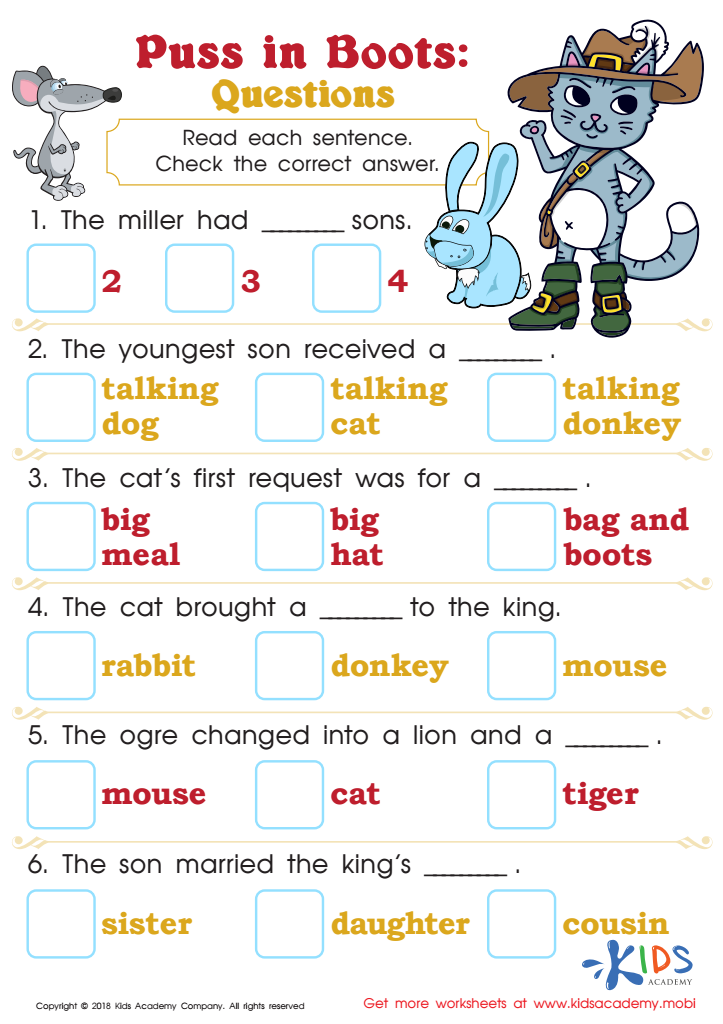
Puss in Boots: Questions Worksheet







Critical thinking reading is essential for children aged 3-9 because it lays the foundation for a lifetime of intellectual curiosity and personal growth. During these formative years, young minds are incredibly receptive and capable of absorbing complex ideas with guidance. By incorporating critical thinking into reading activities, parents and teachers help children not just to read, but to engage actively with the material.
Firstly, critical thinking encourages kids to go beyond basic comprehension. They learn to ask questions like "Why?" and "How?", fostering a deeper understanding of stories and concepts. This skill is crucial for academic success as it translates to better problem-solving abilities and analytical thinking across subjects.
Secondly, it enhances emotional intelligence. When discussing characters’ motivations and feelings, children become adept at empathy and understanding different perspectives. This not only boosts social skills but also contributes to emotional resilience.
Furthermore, critical thinking reading supports language development. By examining word choices, narrative structures, and outcomes, children expand their vocabulary and improve linguistic expression. Interactive discussions about stories also strengthen listening and verbal articulation skills.
By prioritizing critical thinking in reading from an early age, parents and teachers set the stage for well-rounded cognitive and emotional development. This investment reaps long-term benefits in personal and educational domains, making it a vital focus of early childhood education.








