Critical thinking development Reading Worksheets for Ages 3-9
5 filtered results
-
From - To
Enhance your child's critical thinking skills with our engaging reading worksheets designed for ages 3-9! These high-quality resources promote comprehension, analysis, and evaluation through fun, interactive activities. Our worksheets encourage young learners to think deeply about the material while developing essential literacy skills. Ideal for parents and educators, these activities foster discussions, boost creativity, and stimulate curiosity. Each worksheet is tailored to different developmental stages, ensuring that every child can benefit from them. Explore our collection and give your child the tools they need to become confident, thoughtful readers and problem solvers. Unlock your child’s potential today with our critical thinking worksheets!
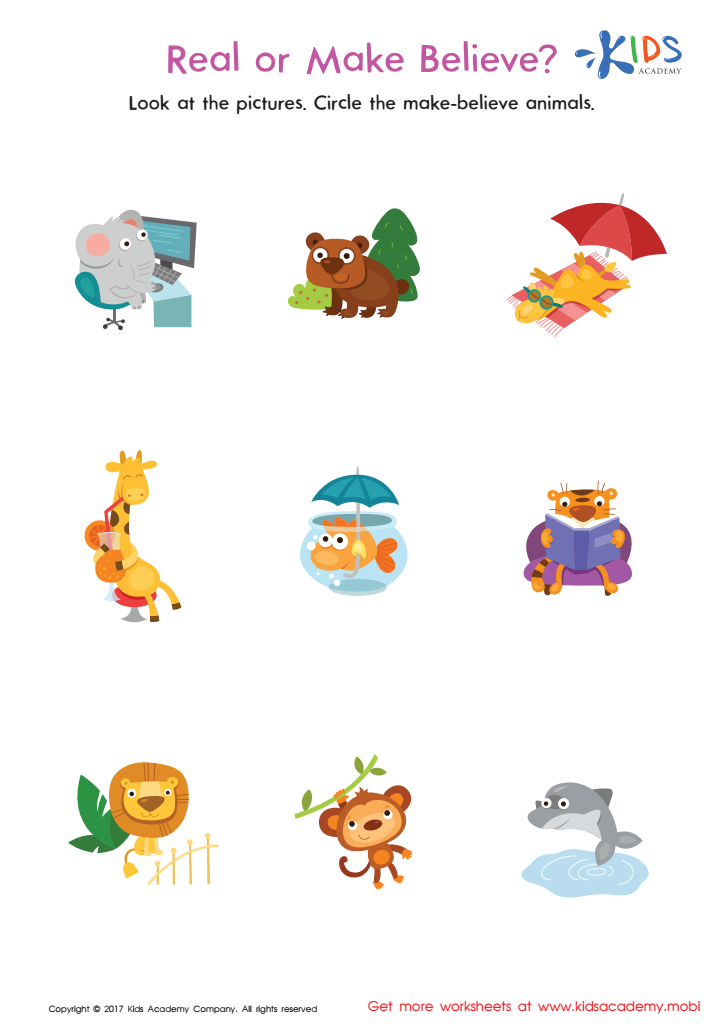
Fact or Make Believe Worksheet
 Assign to My Students
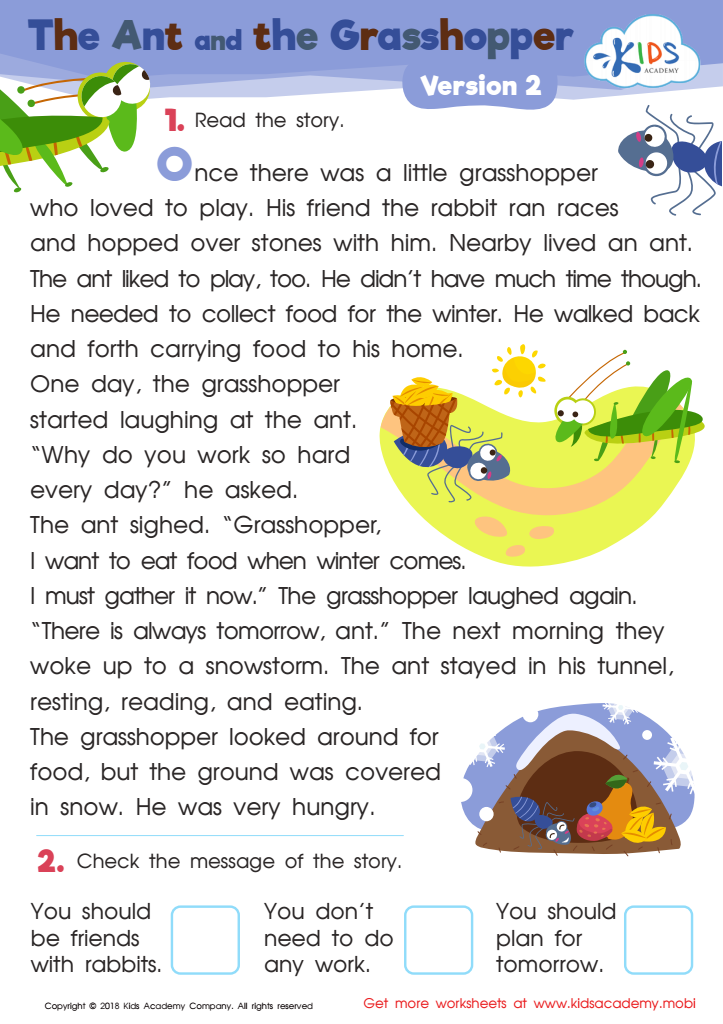
The Ant and The Grasshopper Version 2 Worksheet
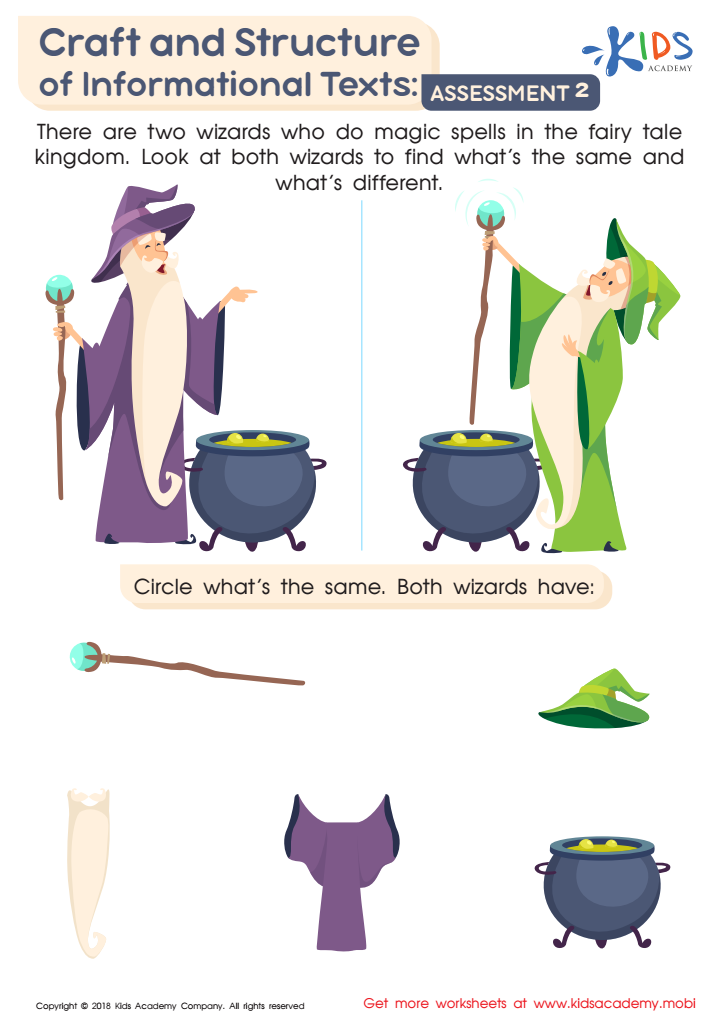
Craft and Structure of Informational Texts: Assessment 2 Worksheet
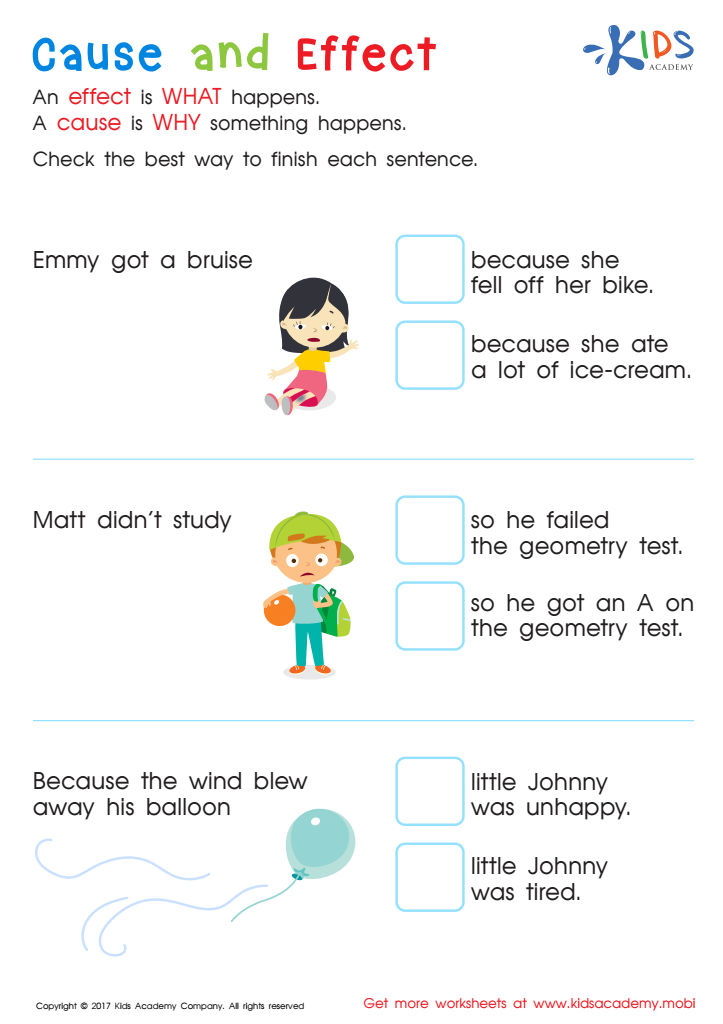
Cause and Effect Worksheet
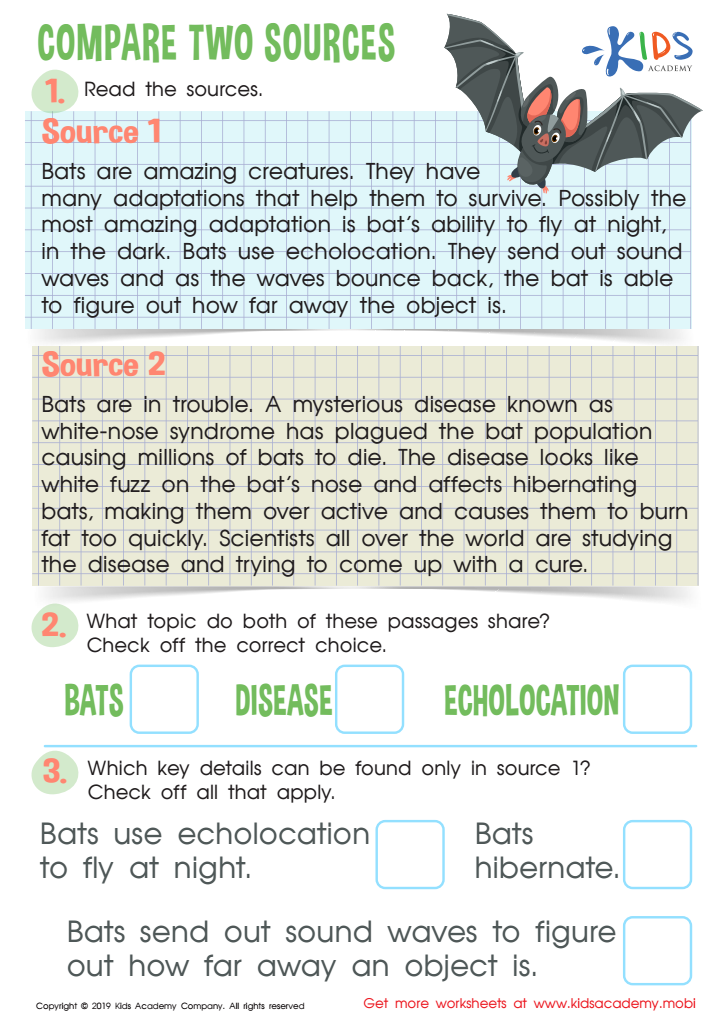
Compare Two Sources Worksheet






.jpg)
Critical thinking development during early childhood, particularly in the ages 3-9, is crucial for nurturing inquisitive and independent learners. At this stage, children are naturally curious, and fostering critical thinking through reading helps them question, analyze, and synthesize the information they encounter.
When parents and teachers emphasize critical thinking in reading, they encourage children to go beyond surface-level understanding. Engaging with stories allows young learners to ask “why” and “how,” promoting deeper comprehension and a healthy skepticism that is essential in today’s information-rich society.
Through discussions about characters, motivations, and consequences, children learn to express their thoughts, consider different perspectives, and develop empathy. This enriches their social skills and prepares them for future collaborative learning environments.
Additionally, early development of critical thinking skills has been linked to better problem-solving abilities and academic success in later years. Parents and teachers play a vital role in this by selecting diverse and challenging reading materials, asking open-ended questions, and modeling analytical thinking traits. By prioritizing critical thinking in reading routines, adults help lay a strong foundation for lifelong learning and responsible citizenship, essential for success in an increasingly complex world.








