Data interpretation Reading Worksheets for Ages 3-9
3 filtered results
-
From - To
Discover our engaging Data Interpretation Reading Worksheets tailored for children ages 3-9! These worksheets are designed to ignite young learners' curiosity and enhance their statistical skills through fun activities. From analyzing charts to interpreting simple graphs, kids will develop critical thinking and reading comprehension abilities essential for their educational growth. Our user-friendly worksheets incorporate colorful visuals and relatable scenarios that make learning enjoyable and effective. Perfect for home or classroom use, these resources encourage children to make sense of data while nurturing their love for reading. Support your child's journey to becoming a confident data interpreter with our interactive materials!
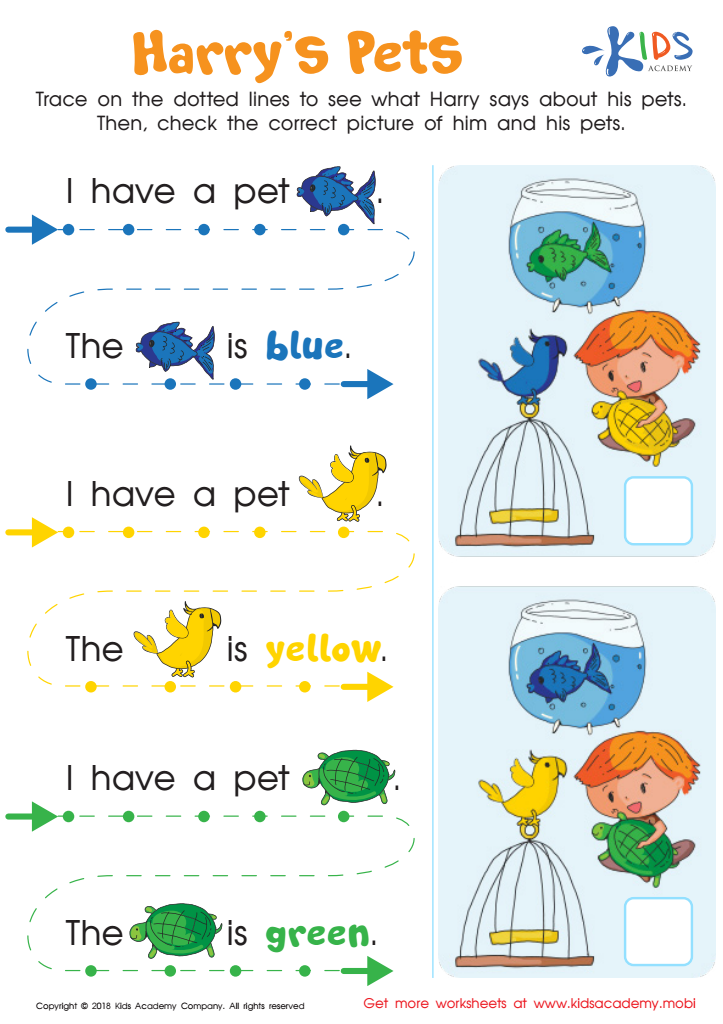
Read from Left to Right: Harry's Pets Worksheet
 Assign to My Students
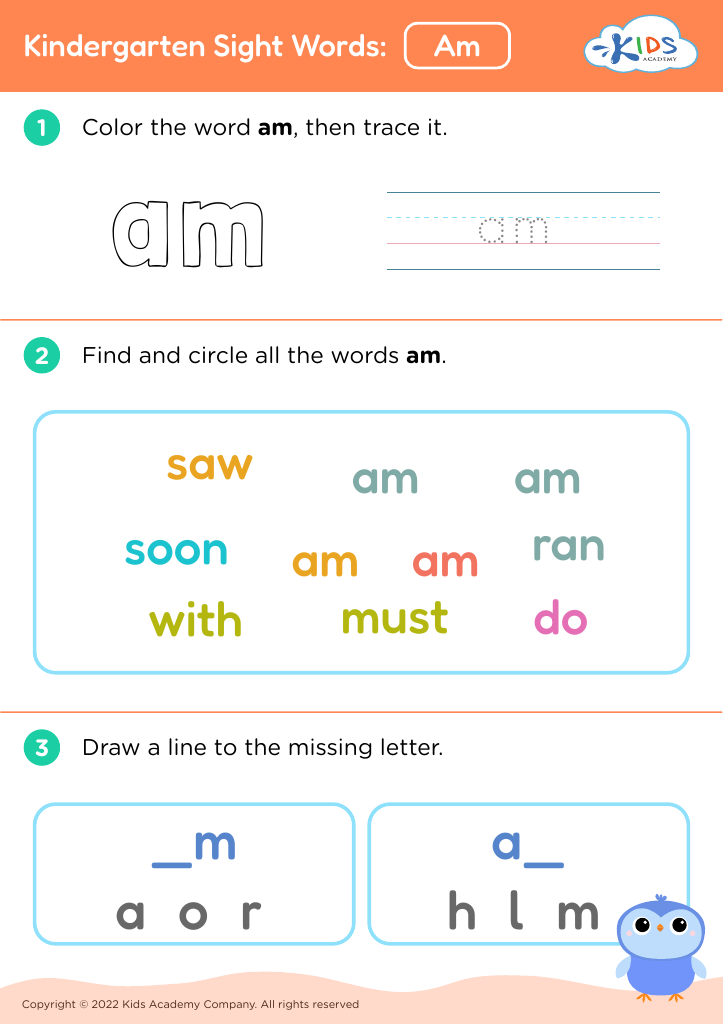
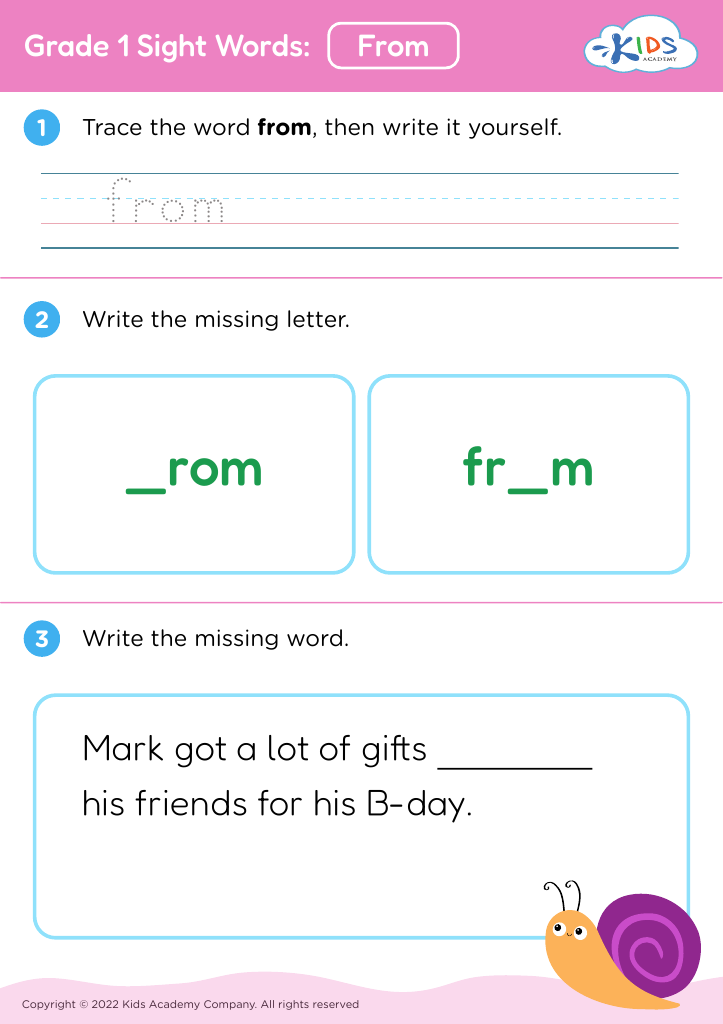




.jpg)


Data interpretation reading is essential for children ages 3-9 because it cultivates critical thinking skills, enhances literacy, and prepares them for a data-driven world. Early exposure to interpreting data in various formats—whether through charts, graphs, or visual diagrams—helps children develop an understanding of how information is presented and used in real-life contexts. This foundational skill enables them to make informed decisions and promotes analytical thinking.
Parents and teachers play a crucial role in facilitating this learning process. By incorporating data interpretation reading into daily activities, they can help children grasp fundamental concepts of mathematics, such as sorting, classifying, and identifying patterns. These skills not only support academic achievement but also encourage curiosity about the world around them.
Moreover, as technology becomes increasingly prevalent, understanding data interpretation will empower children to navigate diverse informational landscapes effectively. It fosters independence and confidence in approaching new material, fostering a lifelong love for learning.
Ultimately, equipping young learners with the ability to analyze and interpret data is an investment in their future success, crucial for academic, personal, and professional growth. Parents and teachers should prioritize this skill to nurture a generation of informed, critical thinkers.








